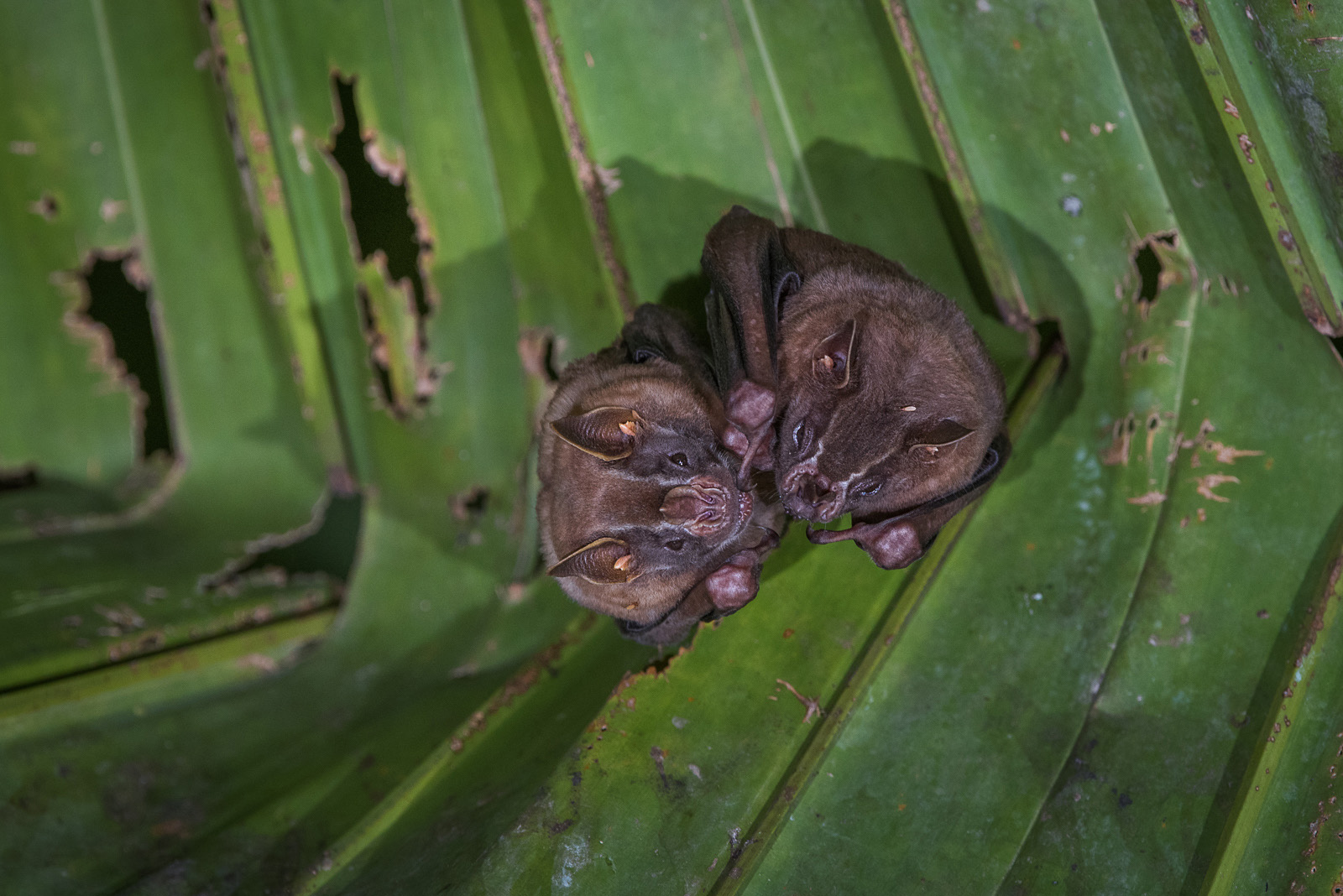
I found these tent-making bats roosting under the broad leaves of a palm tree in a parking lot in Panama (albeit, a parking lot to a park). The bats get their name from the tents that they construct out of leaves, which they then roost under during the day in order to stay dry. There were probably forty of these bats in this single tree. Nikon D810 with Nikkor 200-400mm lens (at 400mm) ISO 800, f/7.1 at 1/125th of a second, two Nikon SB-900 flash units
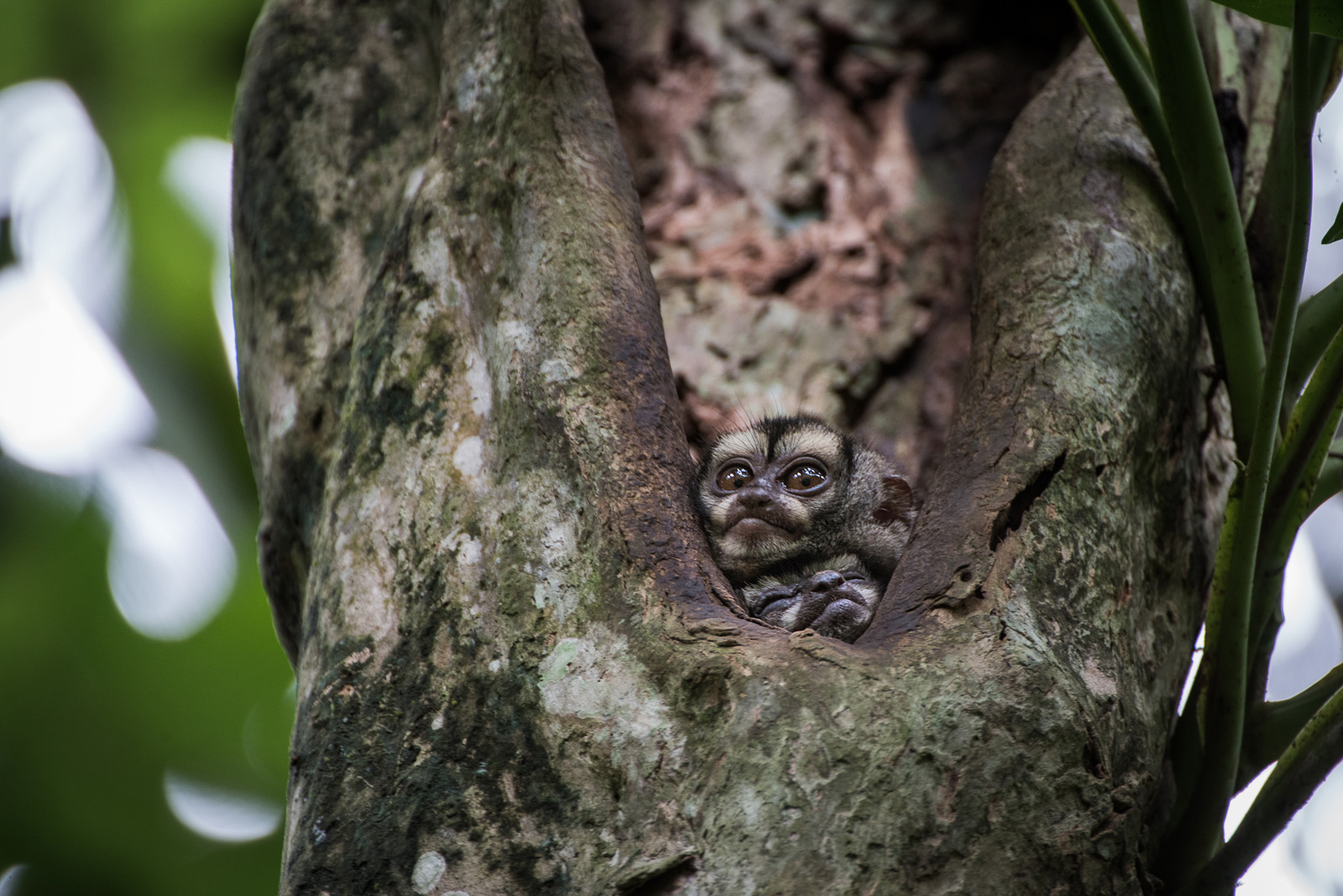
Night monkeys are the only nocturnal monkeys found in the Americas. There are several distinct species, including these two little guys which go by either the Chocoan night monkey or the Panamanian night monkey. I took this photo just before sunset, at about that time that they wearily start to peak out of the tree hollows of their daytime resting spots. You can see the second face, still sleeping, below the top monkey. This one is from Soberania National Park, not far from Panama City. Due to the quickly fading light, I had to use a very slow shutter speed to dig detail out of the shadows. Nikon D810 with Nikkor 200-400mm lens (with 2x teleconverter for 800mm) ISO 800, f/8 at 1/13th of a second
As you guys know, I don’t always post pictures that I shot the current calendar year. I often post from previous years, but I do try to continually add new photos to the collection. The following are what I consider my top twelve images that were posted — as well as taken — in 2016. I didn’t get out quite as much this year, but did manage to start the year strong with several work trips to California, another to Toronto, followed by a week in Panama, a short visit to my mother in Florida, and finally, a week in Thailand last month. Each trip is represented, and in the order that they were taken. Happy New Year everyone. Thanks for continuing to check out my daily posts. I really appreciate it and the positive feedback keeps me excited to mine my collection each night to find just the right shot.
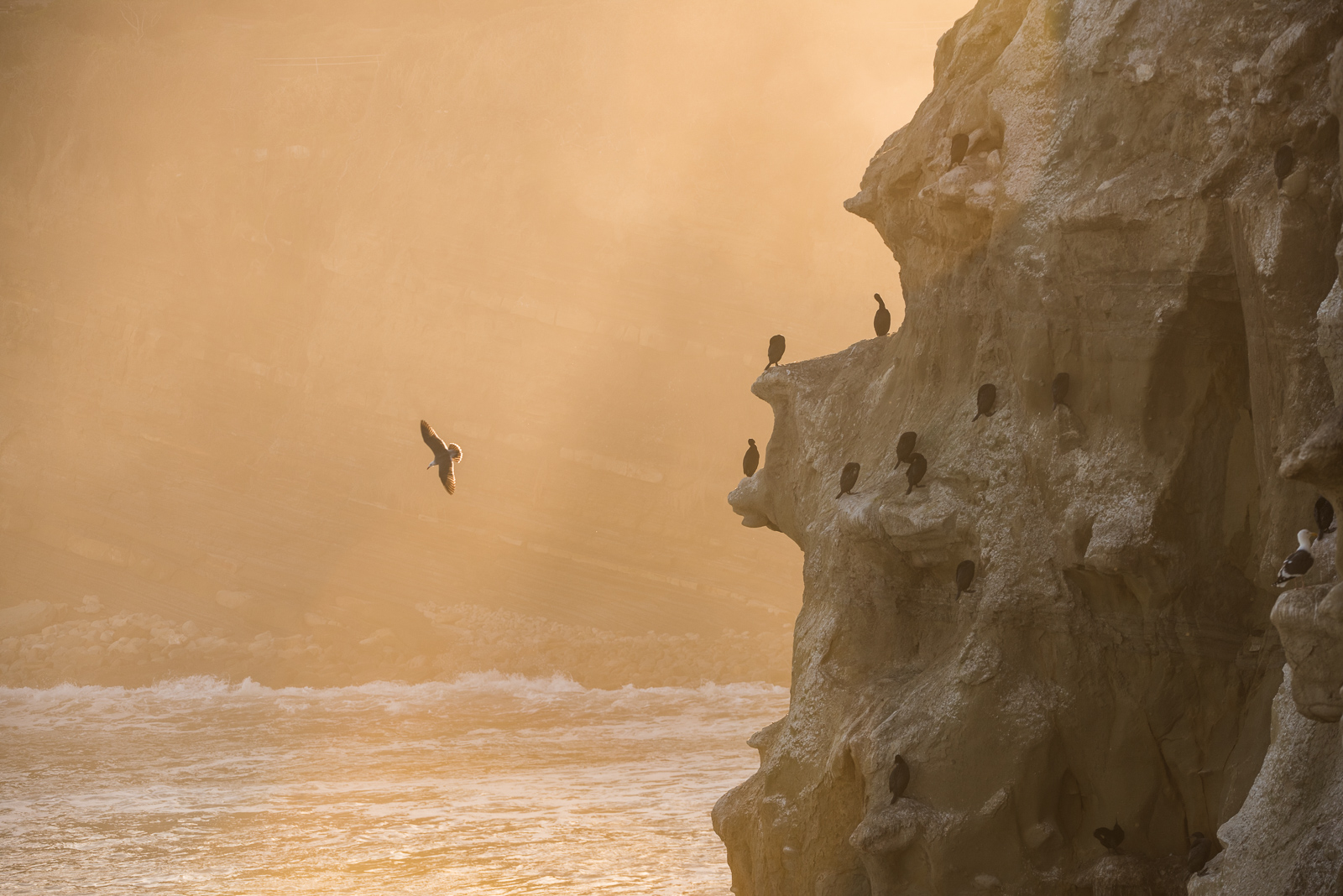
Following a work trip to San Diego back in January, I tacked on a few days and headed north to La Jolla in search of the “Potholes” at Hospitals Reef. On the way, I caught this morning glimpse of Brandt’s cormorants nesting on a cliff while a Western gull flew past. (Nikon D810 with Nikkor 17-35mm lens (at 17mm) ISO 400, f/11 at 1/100th of a second.)
And below is the aforementioned “Potholes.” (Nikon D810 with Nikkor 17-35mm lens (at 17mm) ISO 400, f/11 at 1/100th of a second.)
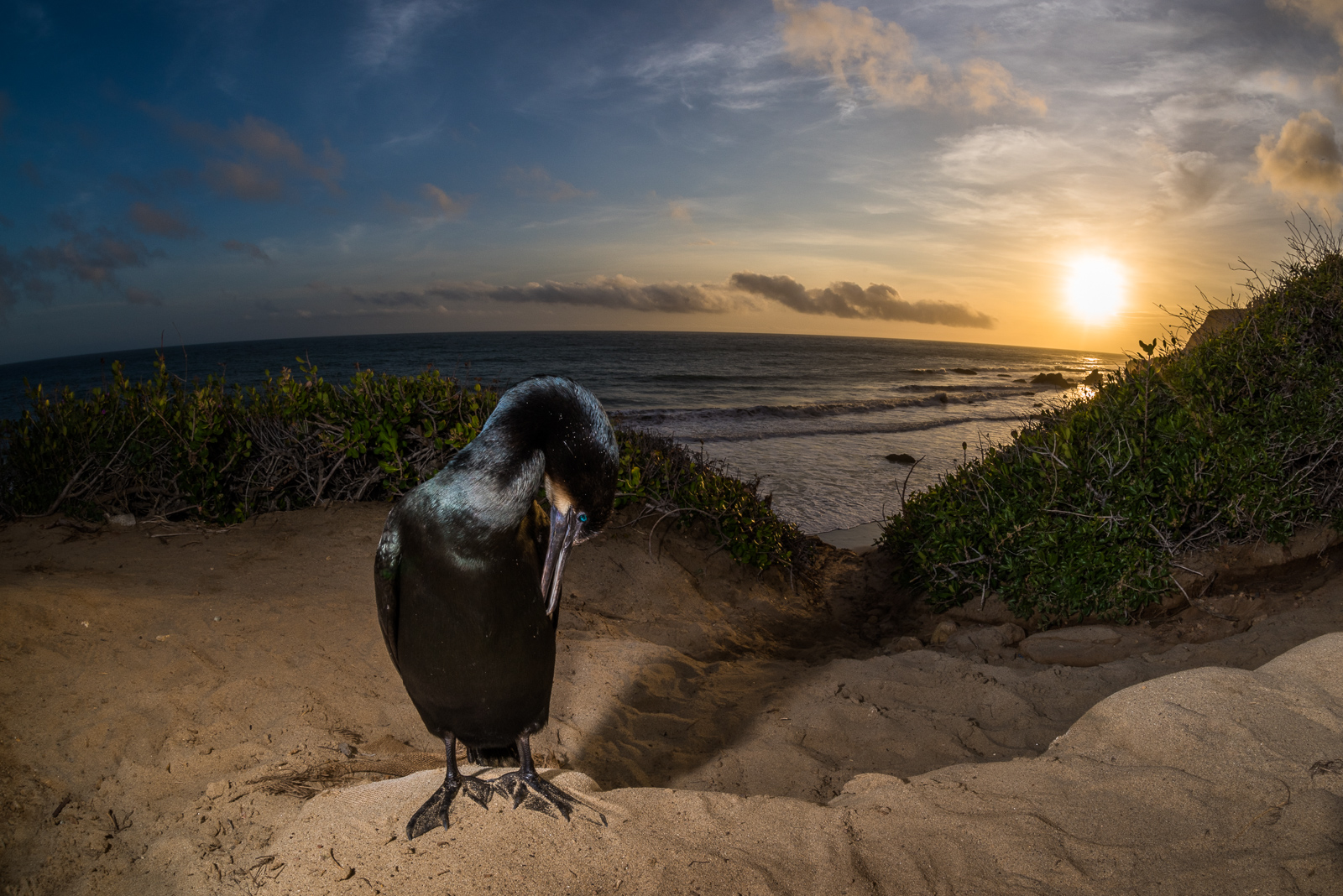
Speaking of Brandt’s cormorants, I met this bold individual two months later at El Matador Beach in Malibu. Always nice when your subject allows you to get so close that you can use a fisheye lens. (Nikon D810 with Sigma 15mm fisheye lens, ISO 200, f/22 at 1/200th of a second, Nikon SB-900 flash unit.)
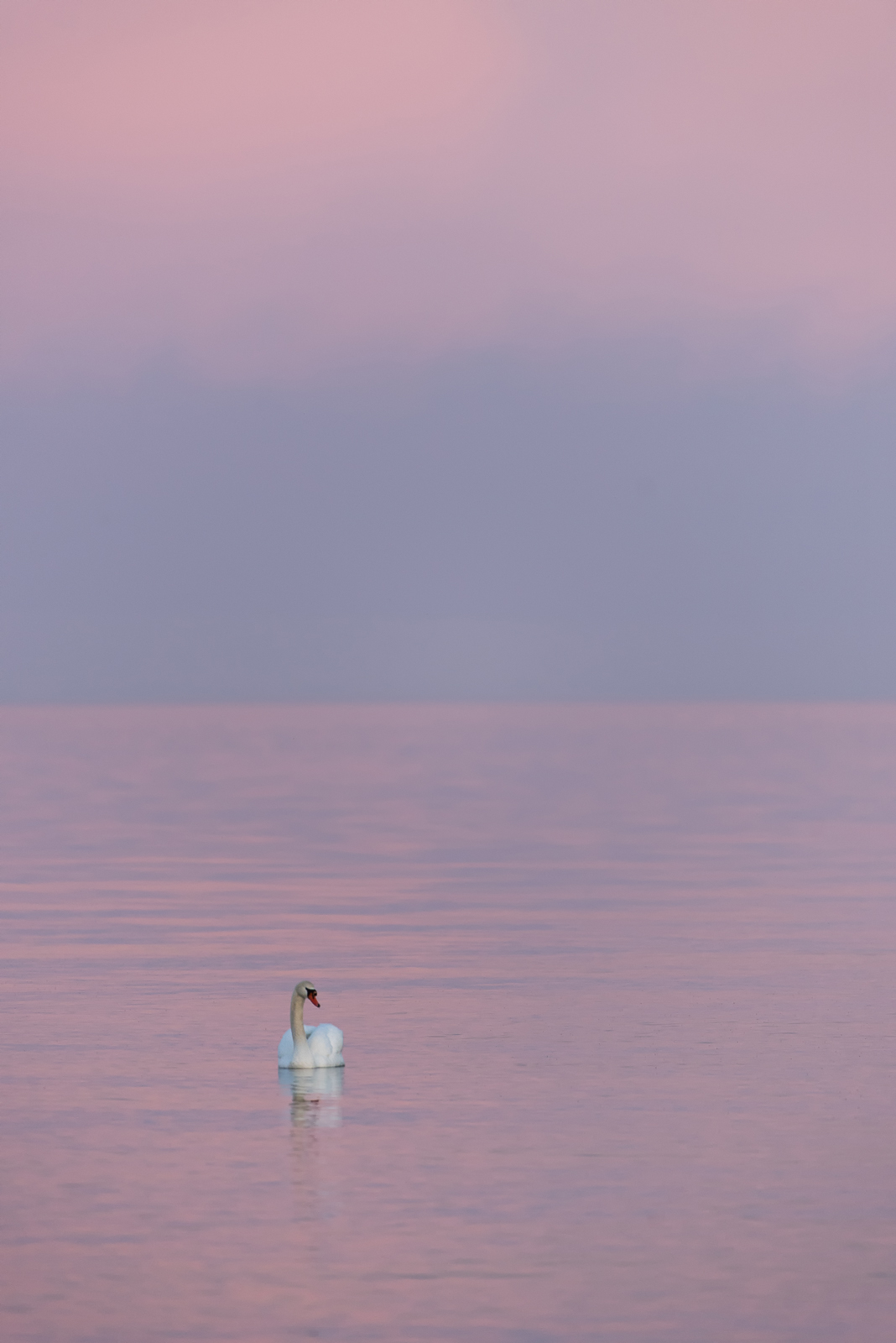
In May, I headed to Toronto for a few weeks to shoot a commercial. In between our busy work schedule, I was able to explore the area’s wildlife hotspots, including several sites around Lake Ontario where I captured this mute swan at sunset. (Nikon D810 with Nikkor 200-400mm lens (at 400mm) ISO 800, f/4 at 1/640th of a second.)
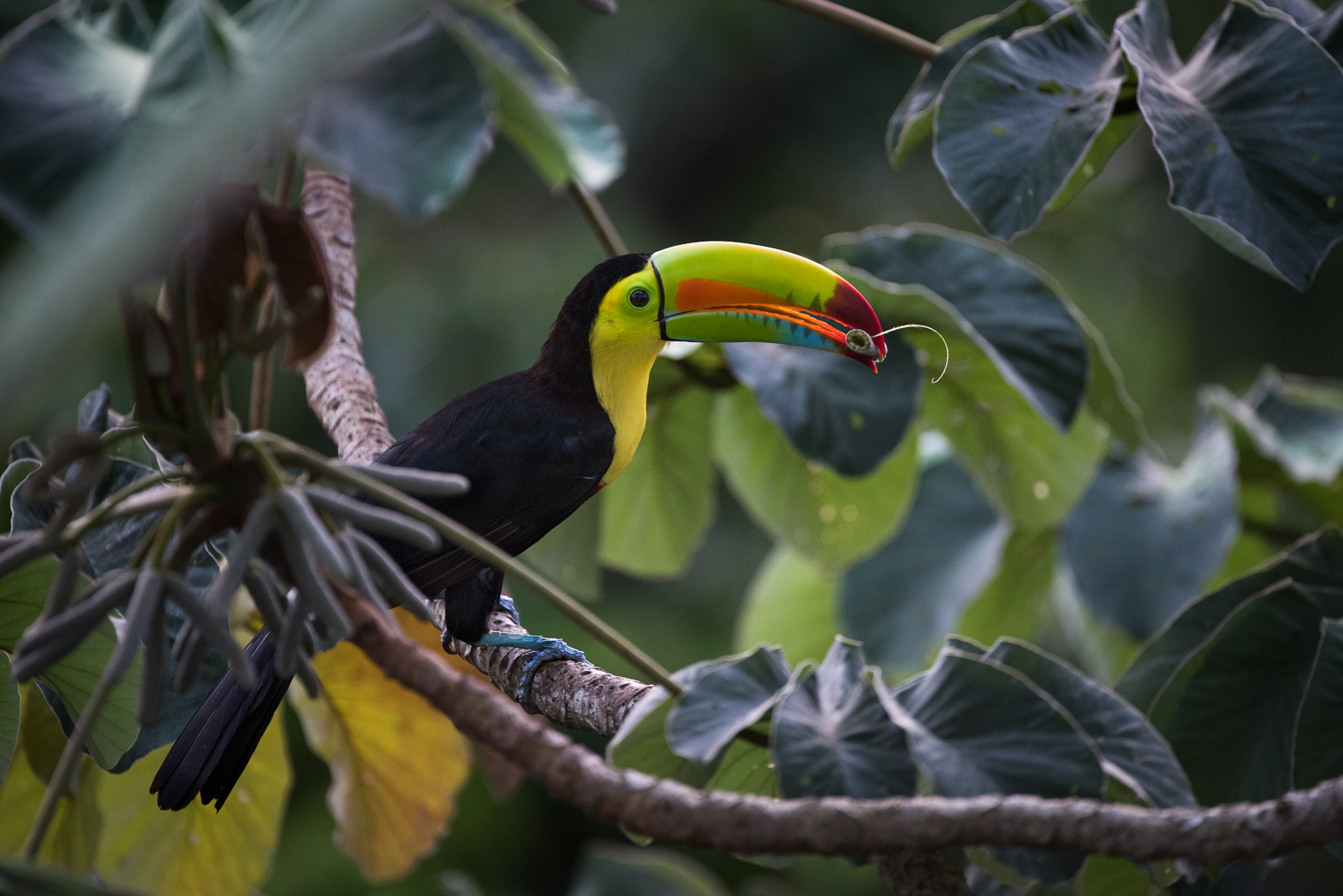
Later in the month, I headed down to Panama for a five night trip. At the top of my wish list was the keel-billed toucan. I saw quite a few at the Canopy Tower Lodge in Soberania National Park not too far from Panama City. This one was feeding on a seed from a cecropia tree. (Nikon D810 with Nikkor 200-400mm lens (at 400mm) ISO 1600, f/4 at 1/320th of a second.)
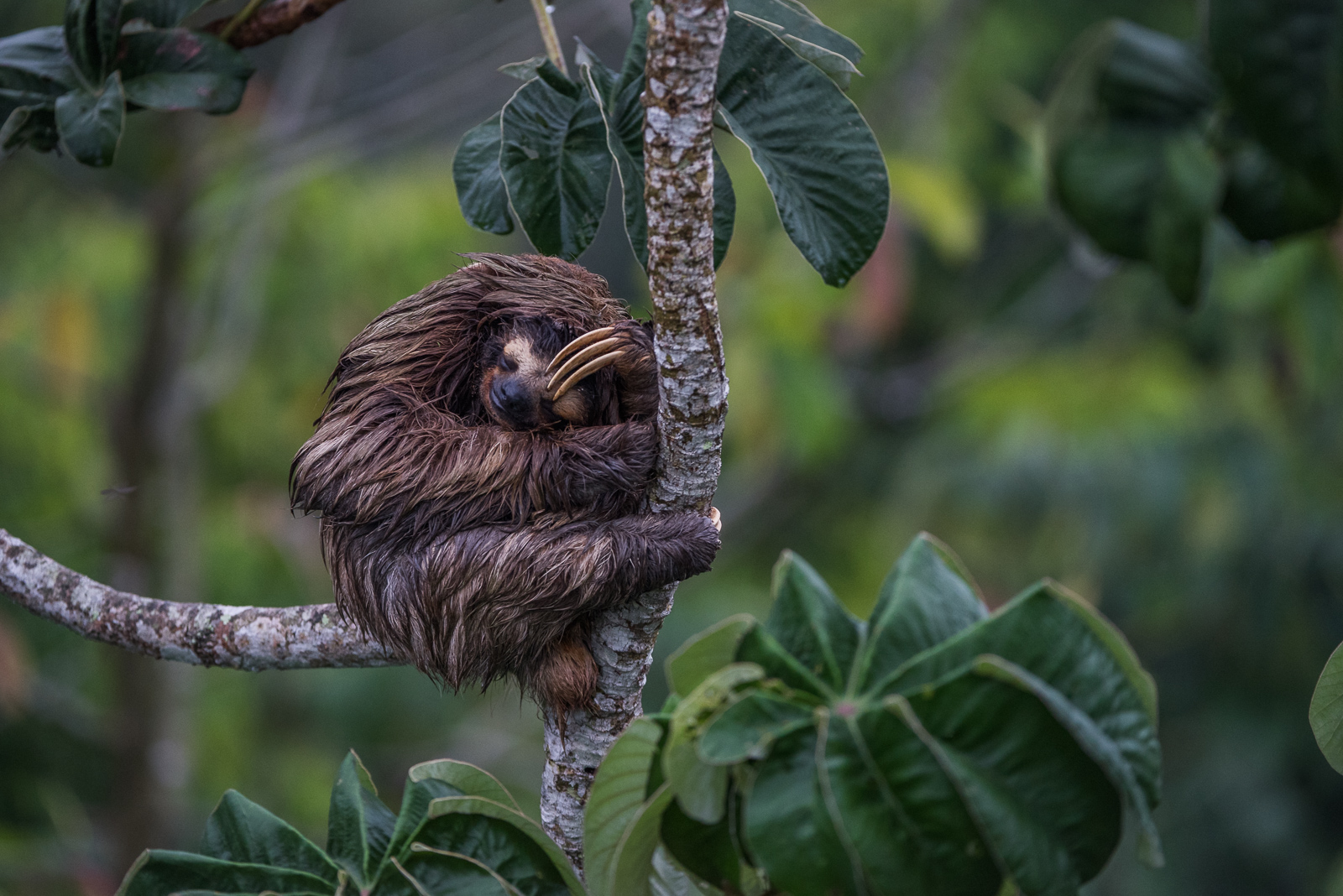
Also from the Canopy Tower was this three-toed sloth. (Nikon D810 with Nikkor 200-400mm lens (at 250mm) ISO 1600, f/4 at 1/100th of a second.)
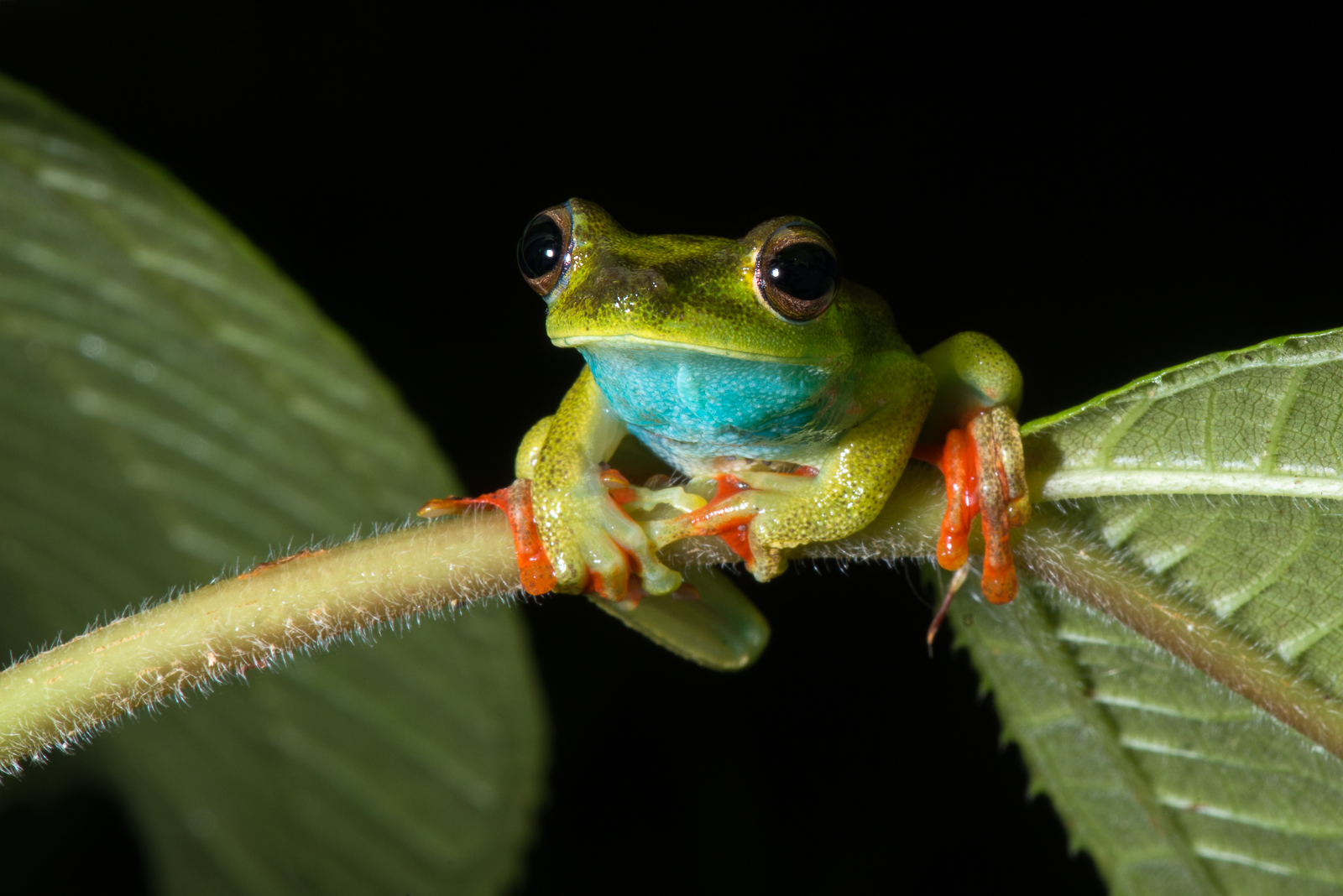
A few hours north brought me to the town of El Valle where I spotted several canal zone tree frogs at night. (Nikon D800 with Nikkor 105mm macro lens, ISO 200, f/25 at 1/60th of a second, two Nikon SB-900 flash units.)
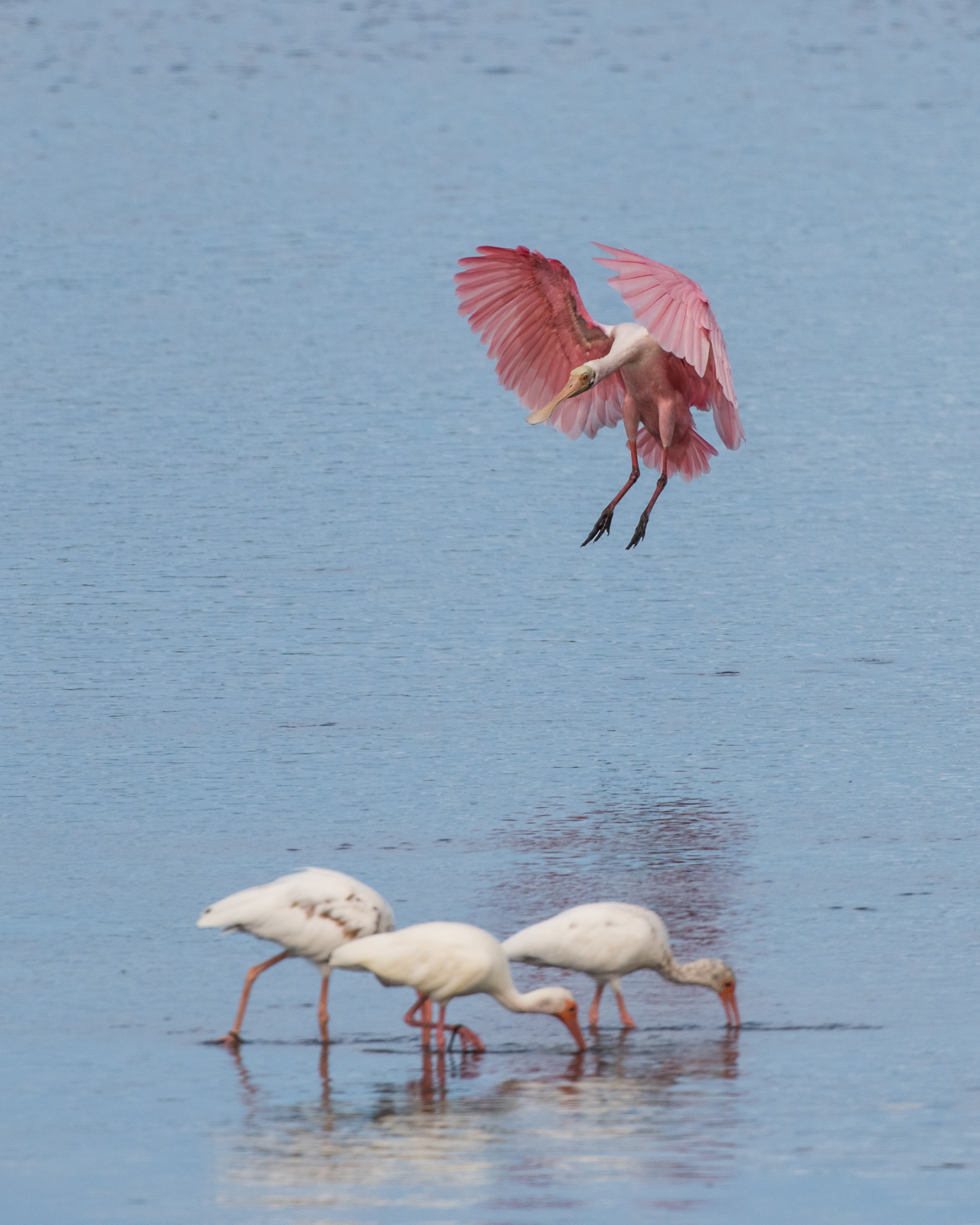
In early July, it was off to Florida for a visit to my mother. We took her to one of my favorite spots, the Ding Darling National Wildlife Refuge. The star attraction at the refuge is the roseate spoonbill. This one was coming in for a landing near three white ibis. (Nikon D810 with Nikkor 200-400mm lens (at 400mm) ISO 400, f/8 at 1/2000th of a second.)
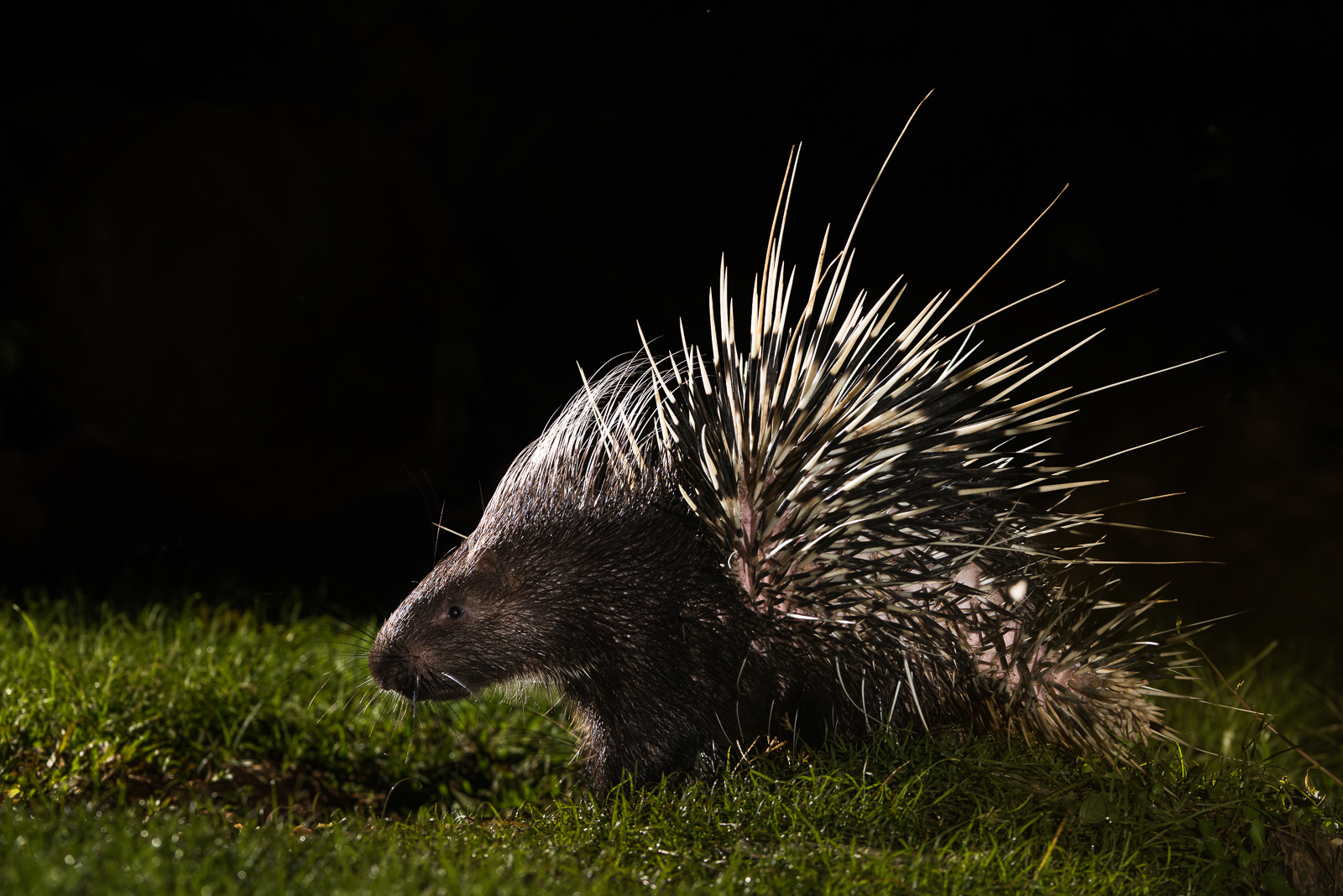
My biggest trip of the year was only a week long, but I saw quite a variety of wildlife in Thailand. Especially in Kaeng Krachan National Park where I camped for three nights. Every night, Malayan porcupines came around the campsite looking for scraps. The predictability of their visits allowed me to be ready with two flash units placed in advantages locations for front and back light. (Nikon D810 with Nikkor 200-400mm lens (at 210mm) ISO 400, f/8 at 1/60th of a second, two Nikon SB-900 flash units.)
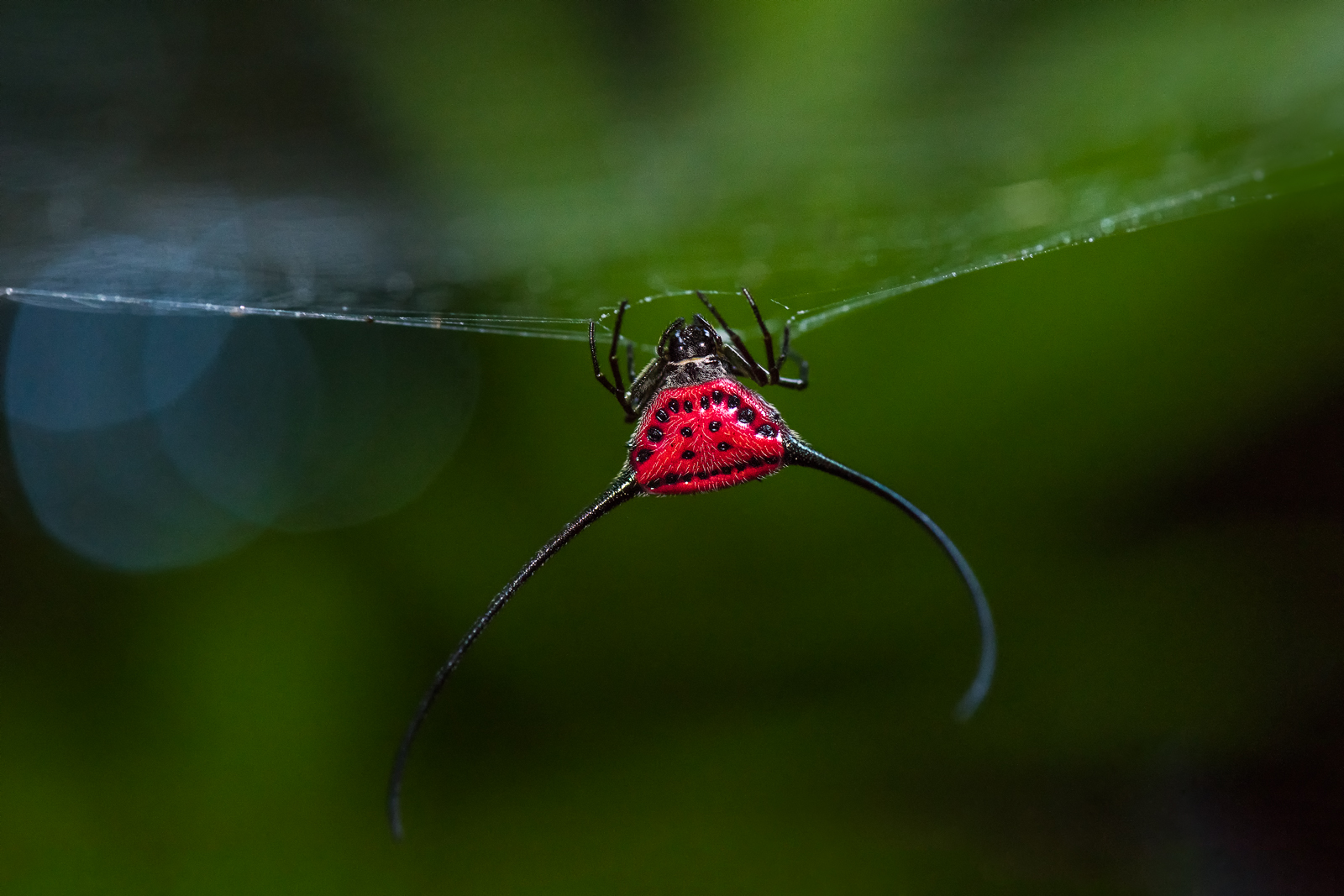
I also saw plenty of little creatures like this red long-horned spider. (Nikon D810 with Nikkor 105mm macro lens, ISO 1600, f/6.3 at 1/60th of a second.)
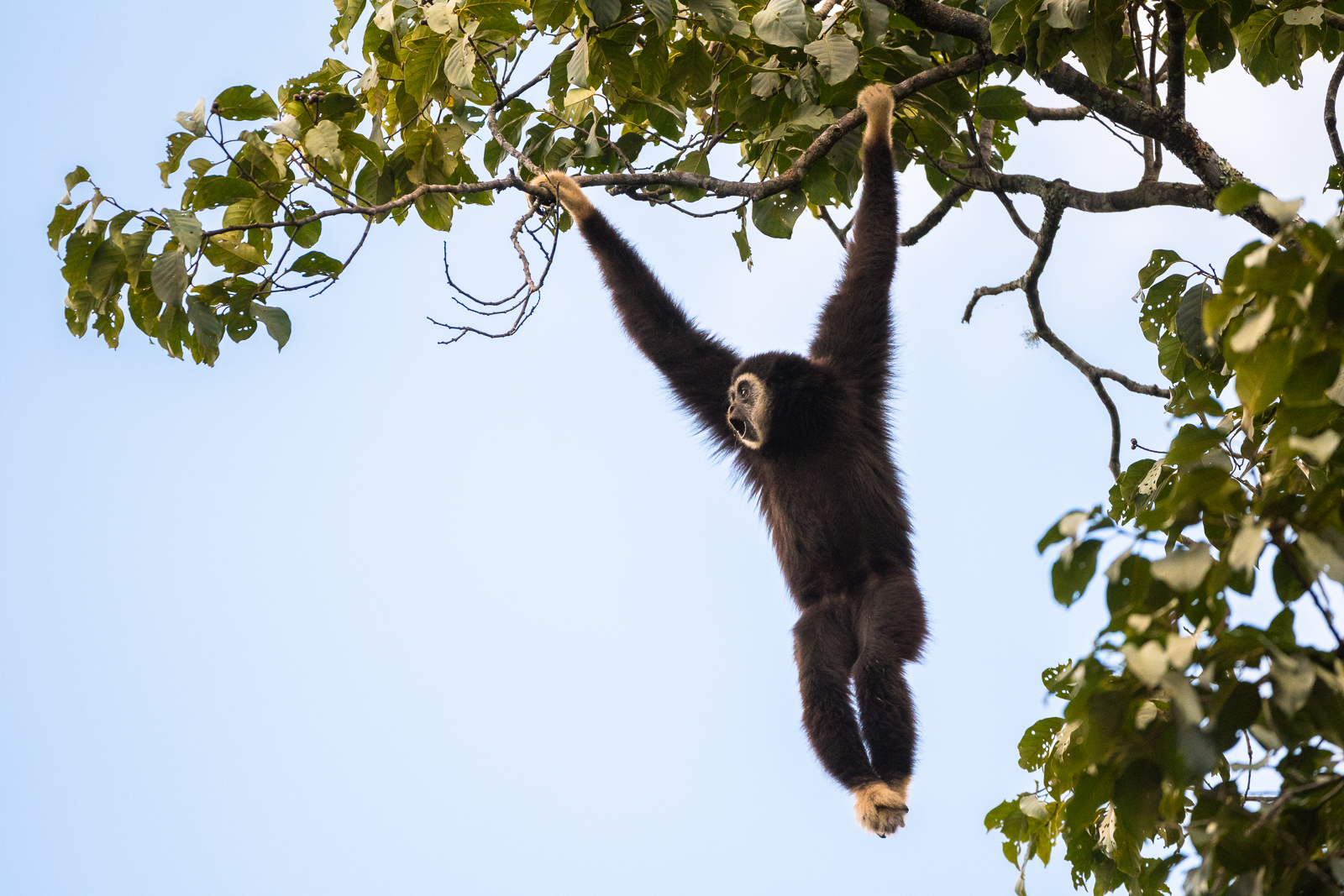
I photographed five primate species, including the white-handed gibbon. (Nikon D500 with Nikkor 200-400mm lens (at 360mm) ISO 800, f/4 at 1/5000th of a second.)
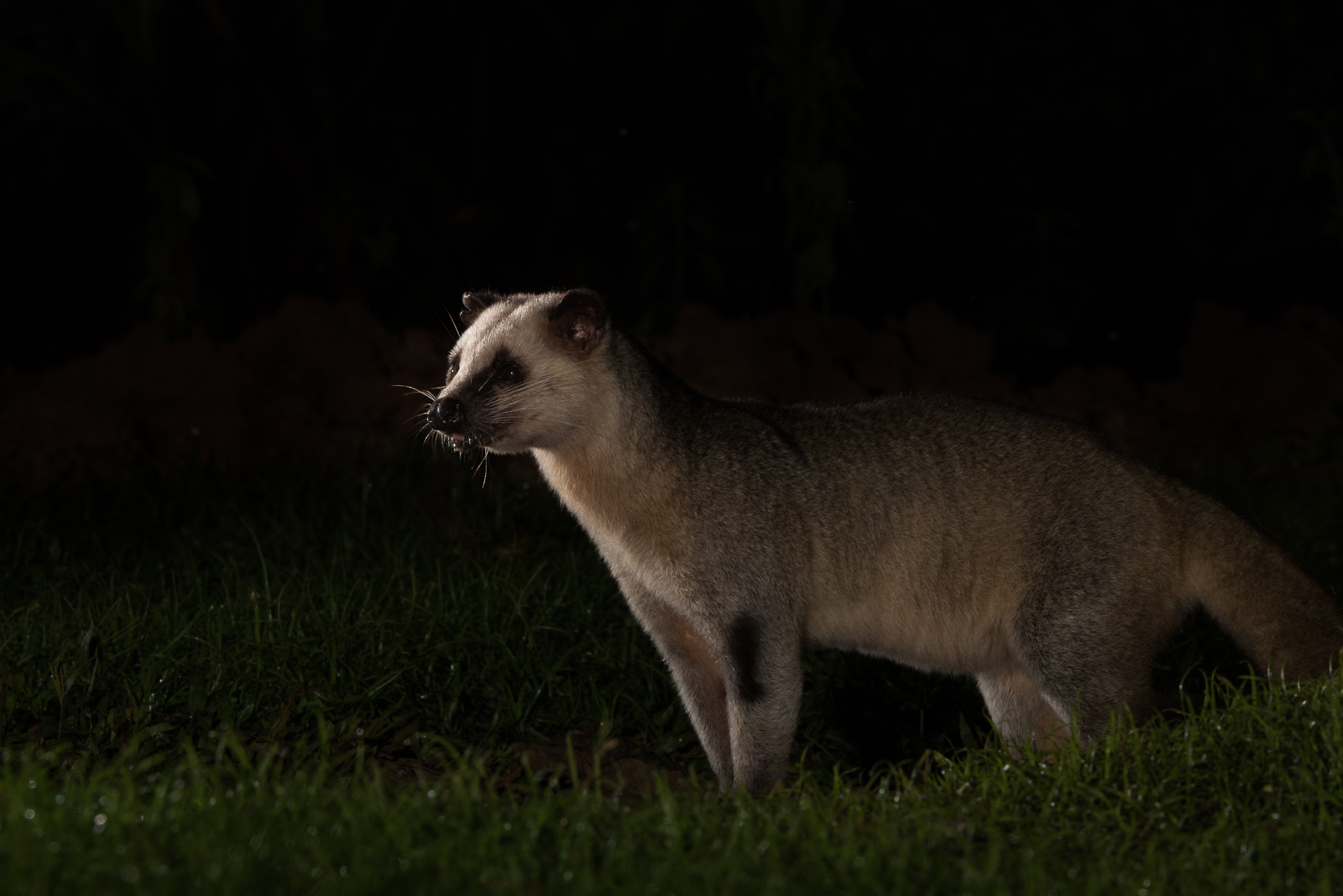
And finally, this masked palm civet who was kind enough to stop by while I had my light set up for the porcupines. (Nikon D810 with Nikkor 200-400mm lens (at 290mm) ISO 400, f/18 1/60th of a second, two Nikon SB-900 flash units.)
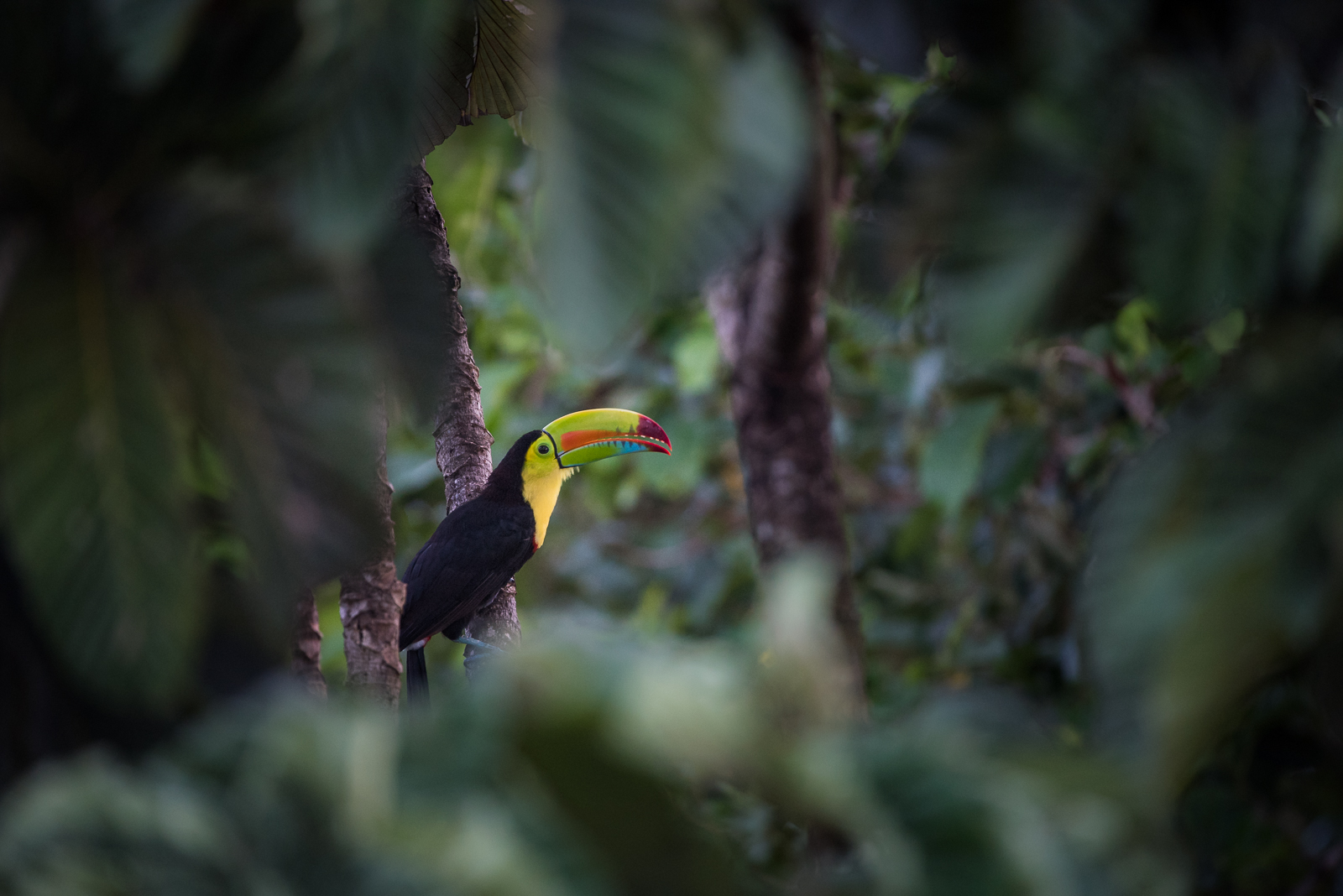
I’ve posted two other keel-billed toucan photos since my Panama trip back in May. But I really do think they’re among the best looking birds in the world. So… here’s another. I spotted this guy through a small opening in the cecropia trees while on the rooftop of the Canopy Tower. The Canopy Tower lodge was once a US military fort, but was converted into an eco lodge. It’s only about an hour from Panama City. The rooftop deck affords visitors an eye level view of the rainforest canopy — the favorite spot for keel-billed toucans and other birds (and many other creatures) to hang out. Nikon D810 with 200-400mm lens (at 400mm) ISO 1600, f/4 at 1/160th of a second
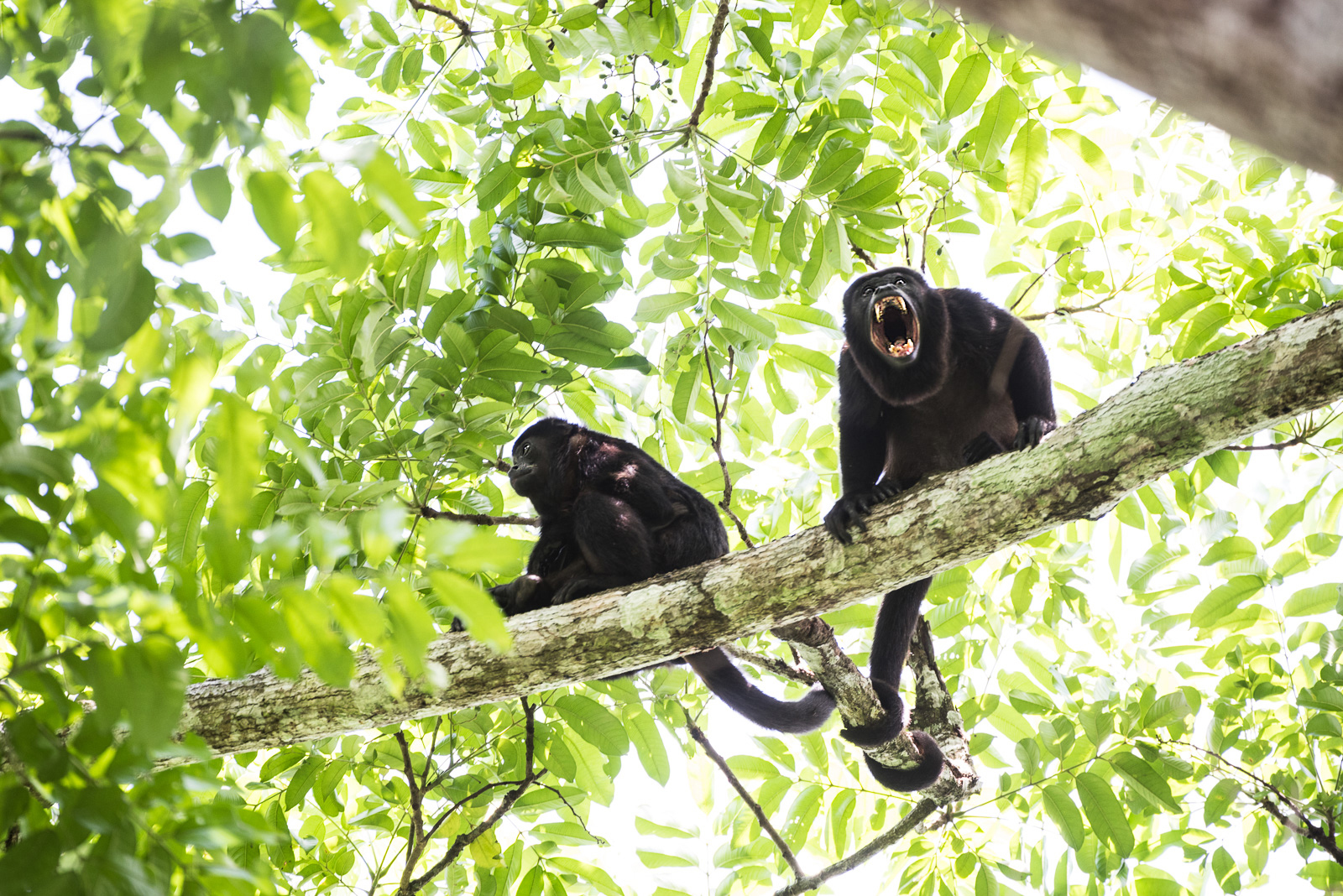
It appears as if this mantled howler monkey wasn’t exactly pleased with me taking his photo. In reality, he was just having a good late afternoon yawn. I was hiking along a trail not too far from Panama City when I spotted this troop high in the tree tops. Strong backlight meant that I had to really open up the exposure by adding a few stops of light. This allowed me to record the dark fur of the monkeys — and in the process, blow out the leafy background. Nikon D810 with Nikkor 200-400mm lens (at 400mm) ISO 400, f/4 at 1/80th of a second
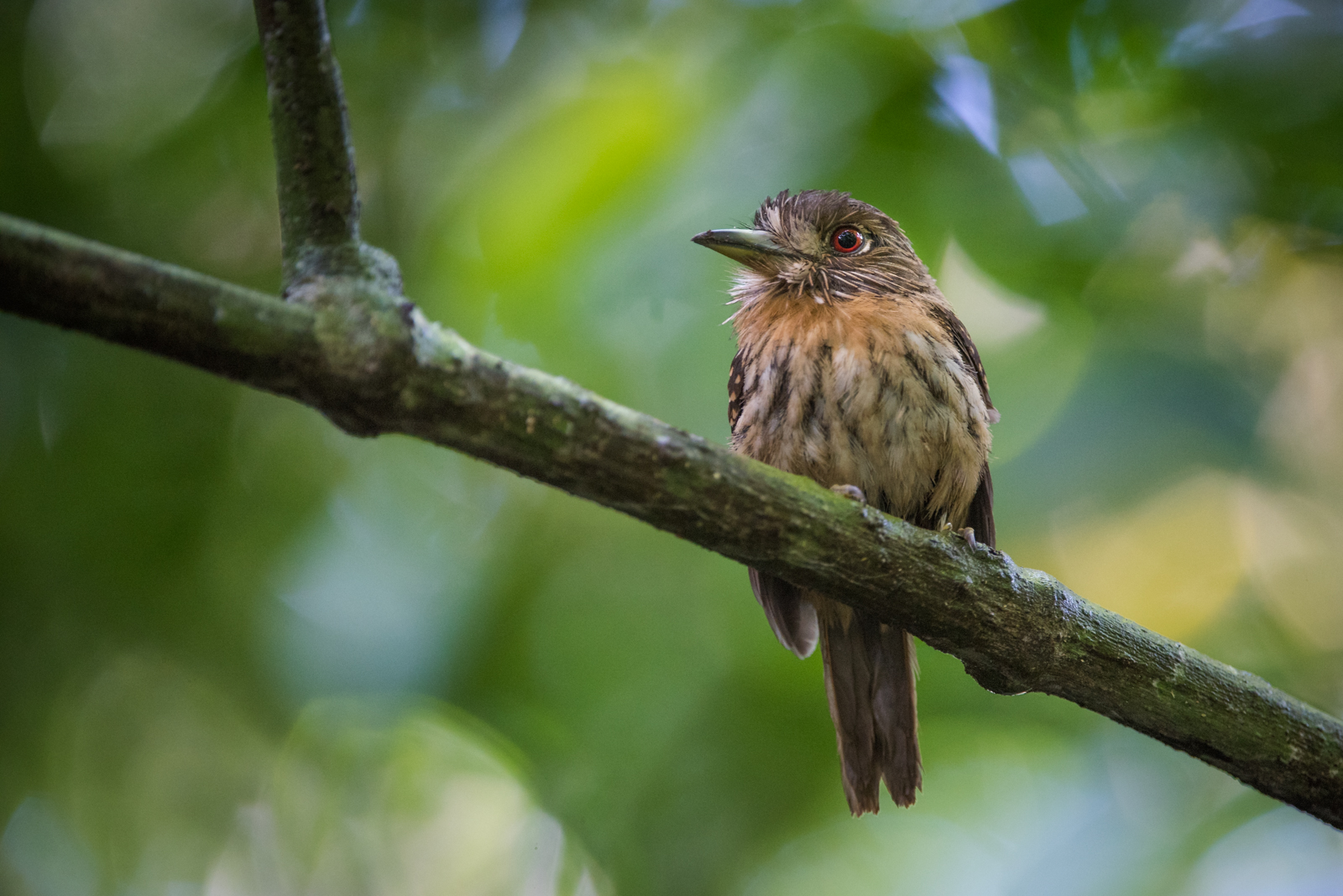
This is a white whiskered puffbird. Puffbirds are little guys with rather large heads that can be found in the tropics from Mexico to Brazil. I came across this one in Panama. As the name suggests they are often seen “puffing” out all their feathers as they perch motionless. They are silent assassins, sitting quietly without moving before attacking their prey — which includes insects, spiders, frogs and lizards. Nikon D810 with Nikkor 200-400mm lens (at 400mm) ISO 1600, f/4 at 1/80th of a second
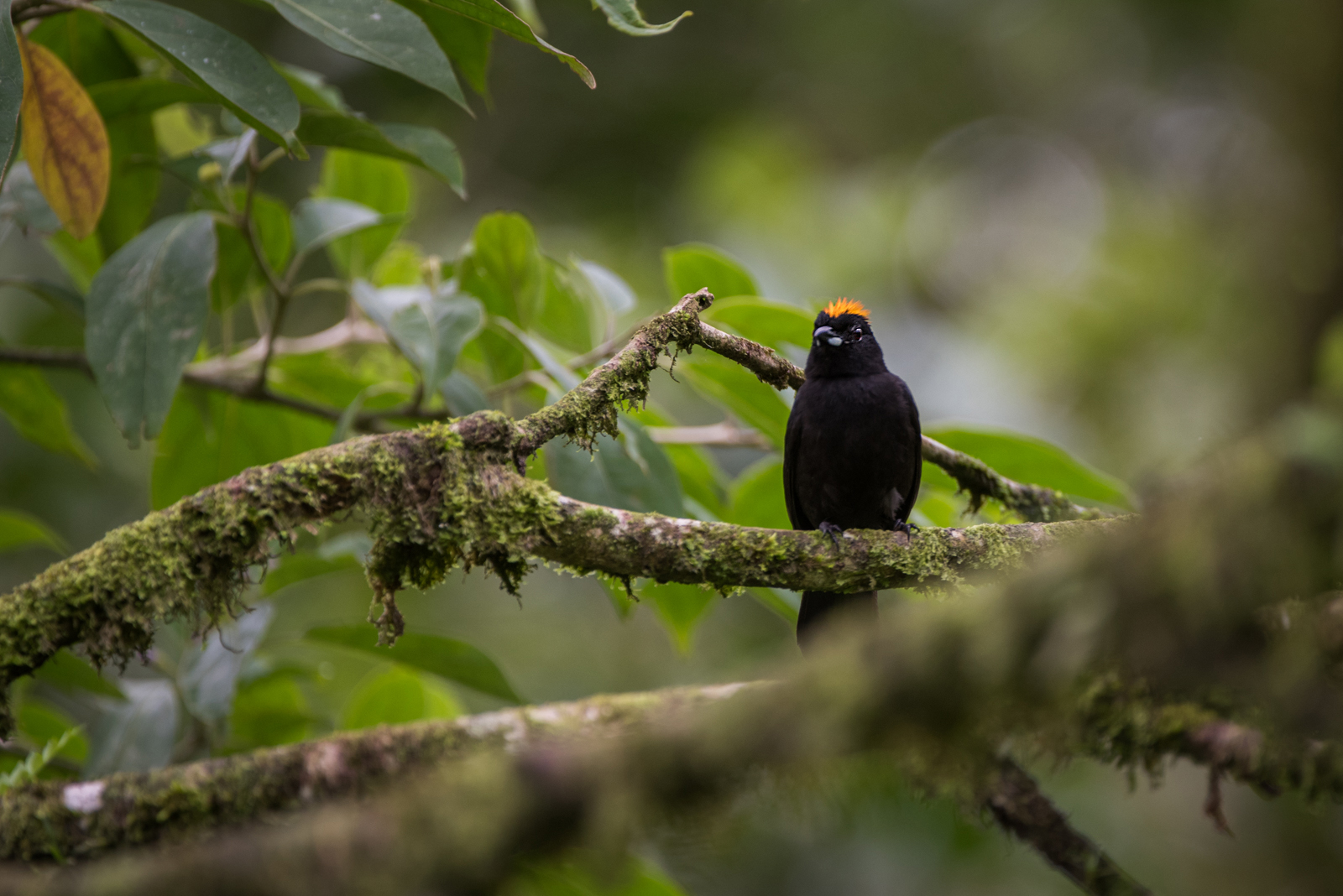
If you’re going to be a simple black bird, might as well have really cool hair. This is the tawny-crested tanager. The males get the orange top whereas the females are a dark olive brown throughout. I only saw two of these birds on my recent trip to Panama. This will be my last post until next Monday as I’ll be taking a few days off this week. Nikon D810 with Nikkor 200-400mm lens (at 400mm) ISO 400, f/4 at 1/200th of a second
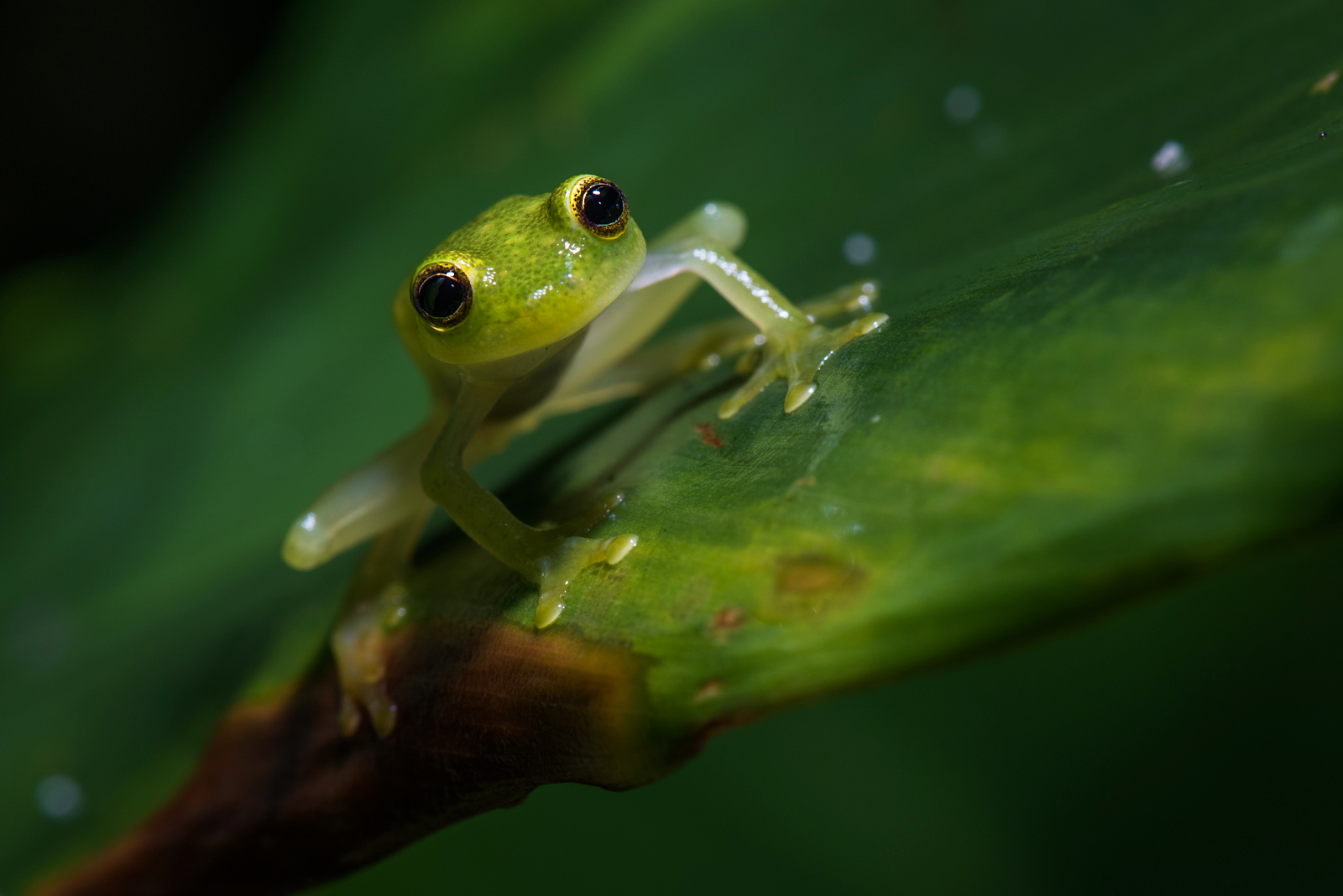
I love the way these little glass frogs always look like they’re doing push ups. It’s hard to distinguish between all the different species of glass frog in Panama and other parts of Central and South America, but I believe this guy is the Fleischmann’s glass frog. Nikon D810 with Nikkor 105mm macro lens, ISO 250, f/16 at 1/250th of a second, two Nikon SB-900 flash units
Here’s another for the bird fans. A pretty little bird with a great big name, the violaceous euphonia. These guys were fairly common up in the canopy of the rainforest on my recent Panama trip. I also photographed them in Trinidad last year. This one was eating the fruits of the the cecropia tree (those sausage like things to the right). Nikon D810 with Nikkor 200-400mm lens (at 400mm) ISO 800, f/4 at 1/1000th of a second
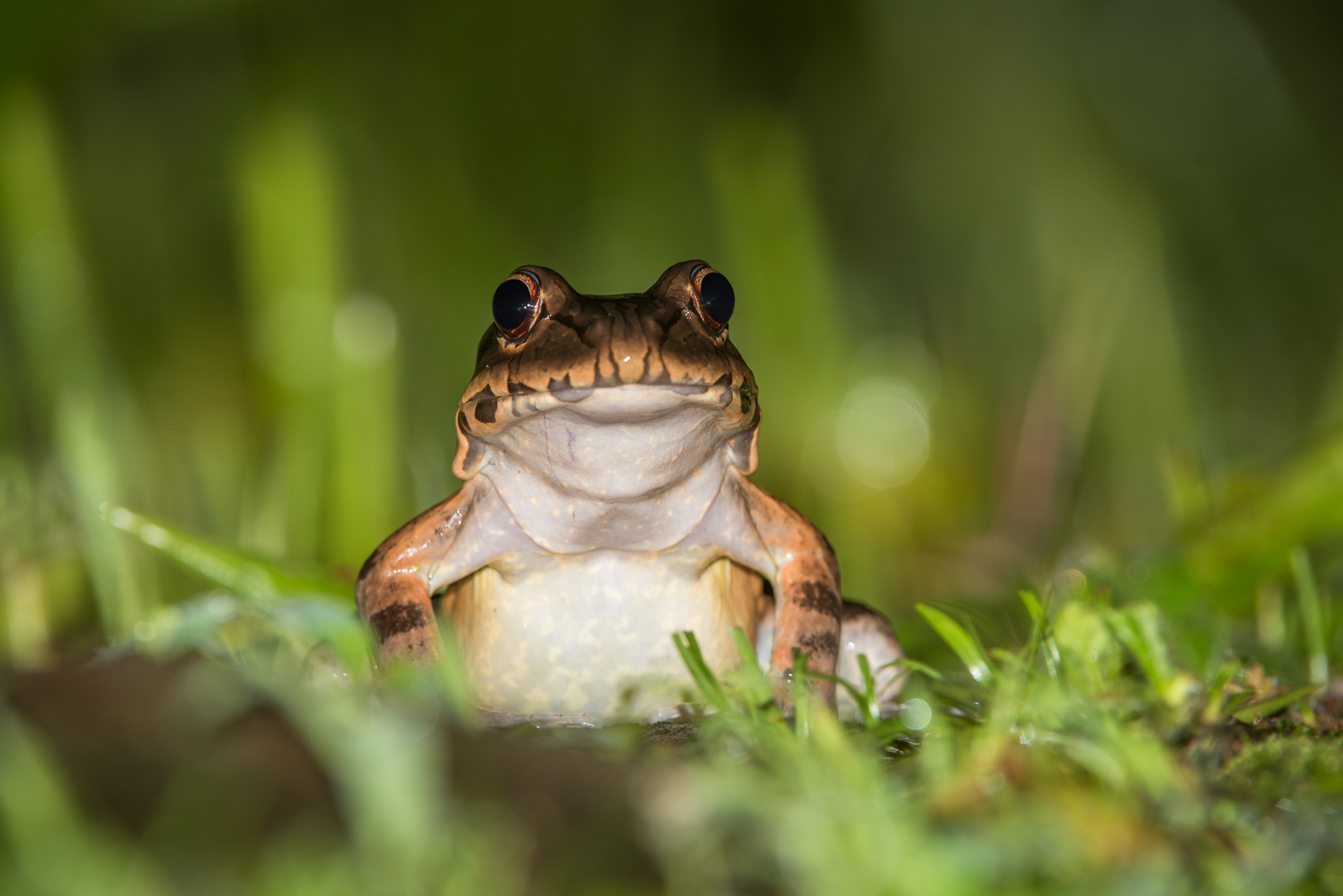
Smoky jungle frogs are a common sight when hiking in tropical rainforests at night. They are very large frogs, about 7 inches long and very robust. They are strictly nocturnal and also have a noxious skin secretion. If picked up they make a high pitched scream (not that I recommend picking up a frog with noxious skin, or any frogs for that matter). Nikon D810 with Nikkor 200-400mm lens (at 400mm) ISO 200, f/9 at 1/160th of a second, two Nikon SB-900 flash units
We use cookies to enhance your experience while using our website. If you are using our Services via a browser you can restrict, block or remove cookies through your web browser settings. We also use content and scripts from third parties that may use tracking technologies. You can selectively provide your consent below to allow such third party embeds. For complete information about the cookies we use, data we collect and how we process them, please check our Privacy Policy