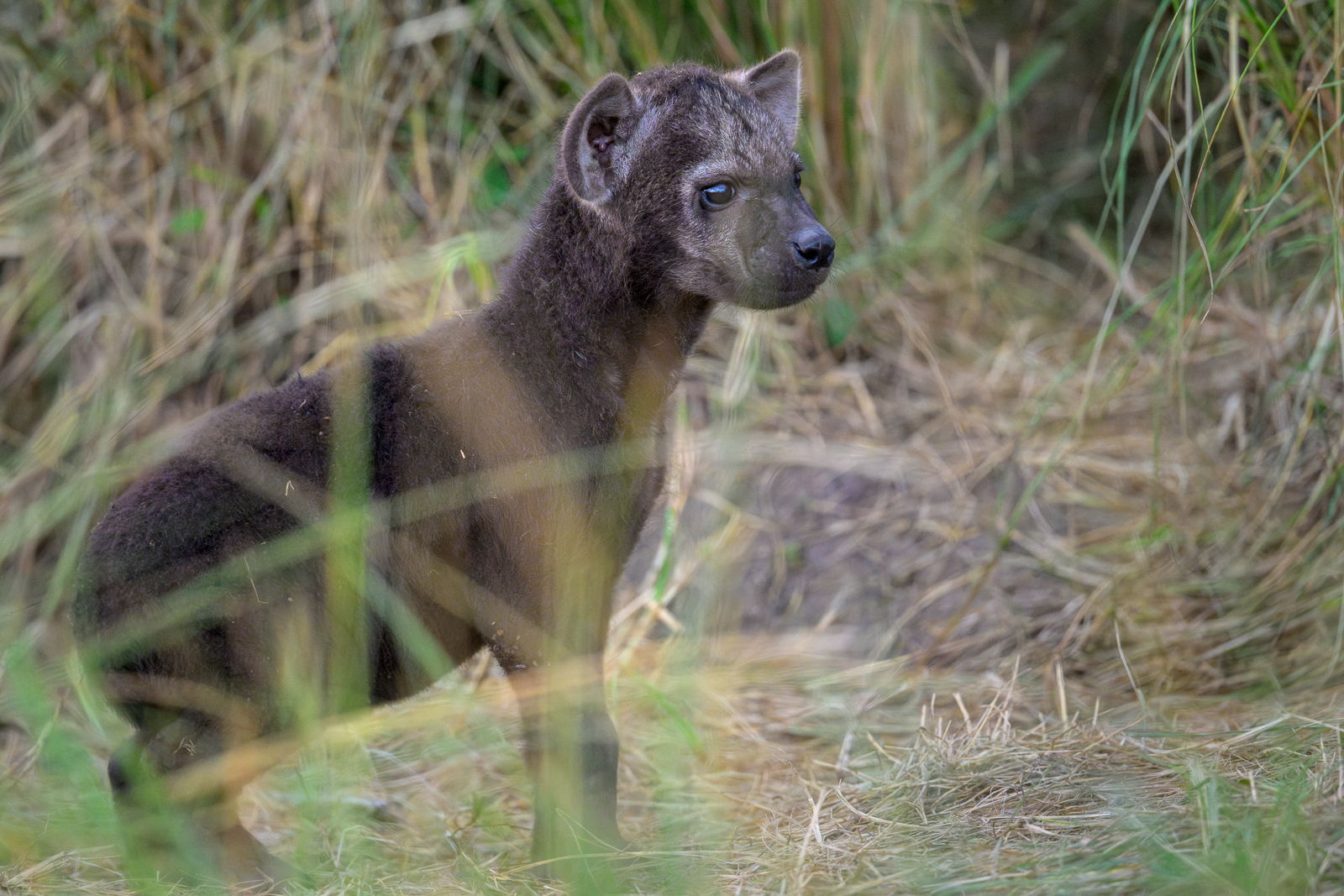
Lots of changes to my site, so not sure if this will go through or not to subscribers. I’ll give it a try. This was a spotted hyena cub we saw last month in Kenya. He/she kept popping up from the den and then scurrying back in side. Nikon Z8 with Nikkor 500mm PF lens, ISO 9000, f/5.6 at 1/500th of a second.
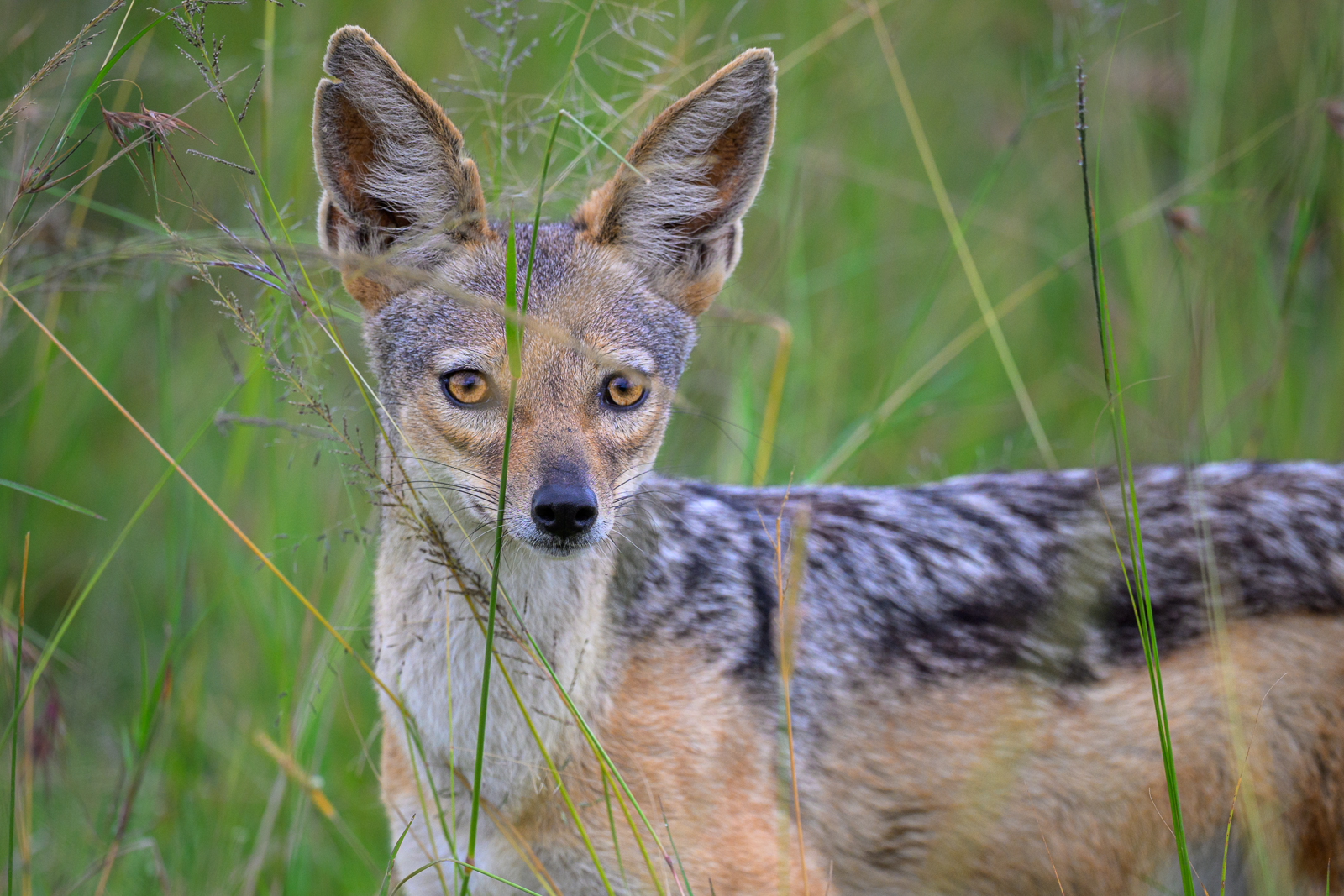
Black-backed jackals are rather small canines and can easily hide in the tall grasses of the Masai Mara savannas. Occasionally, however, I’d find a decent window through to the eyes. These guys are highly opportunistic, hunting small animals, as well as scavenging from larger predators. Photographed last month in Kenya. Nikon Z8 with Nikkor 500mm PF lens, ISO 900, f/5.6 at 1/500th of a second.
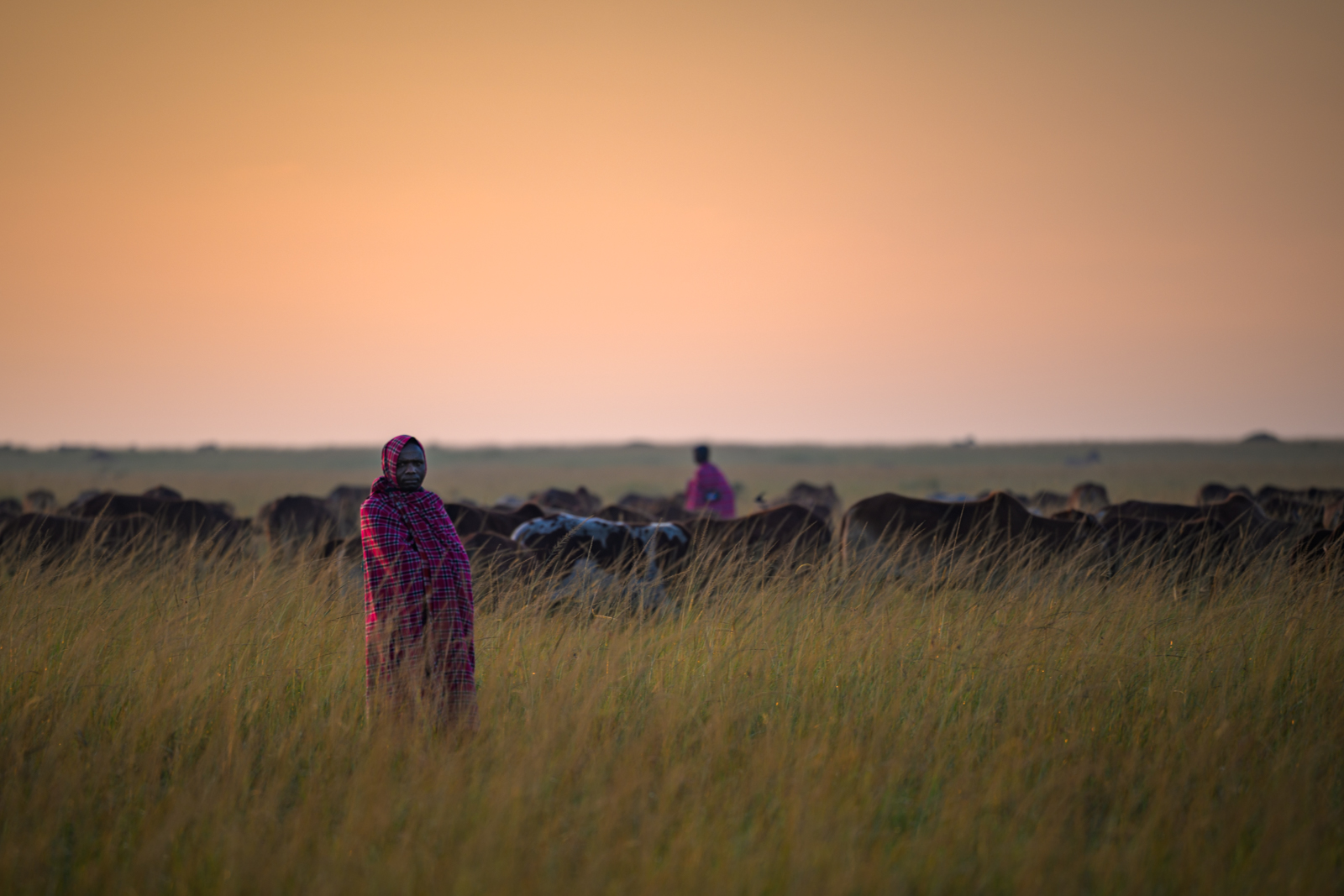
The Maasai people have lived alongside wildlife in the Masai Mara for generations, practicing traditional semi-nomadic cattle herding that’s deeply woven into their culture and identity. Their cattle are more than just livestock — they’re symbols of wealth, status, and spiritual connection. In recent years, some Maasai communities have begun collaborating with conservation efforts, grazing cattle in ways that support grassland regeneration and coexist with native wildlife like wildebeest and lions. And yes, when referring to the people, the spelling is Maasai, but when talking about the national reserve, it’s Masai. Maasai is considered correct, even though the park still uses the colonial-era transcription.Nikon Z8 with Nikkor 70-200mm lens (at 200mm), ISO 64, f/2.8 at 1/250th of a second.
Agama lizards are fairly common in east Africa. As I’ve mentioned before, they are sometimes called the Spiderman lizard due to their coloring. In this quick video we see one lounging on a rock, enjoying the heat of the day before finding a grasshopper for lunch. Nikon Z8, 4K at 120 fps.
They have an advertising category at the Emmys (advertising is what I do when I’m not in the wild). I’ve yet to win an advertising Emmy. In fact, I’ve yet to win an Emmy of any kind. But thanks to the fine work by Jimmy Altman and Sean McKeever at Fox61, I’m now the subject of a New England Emmy-winning feature. So I thought… why not a repost.
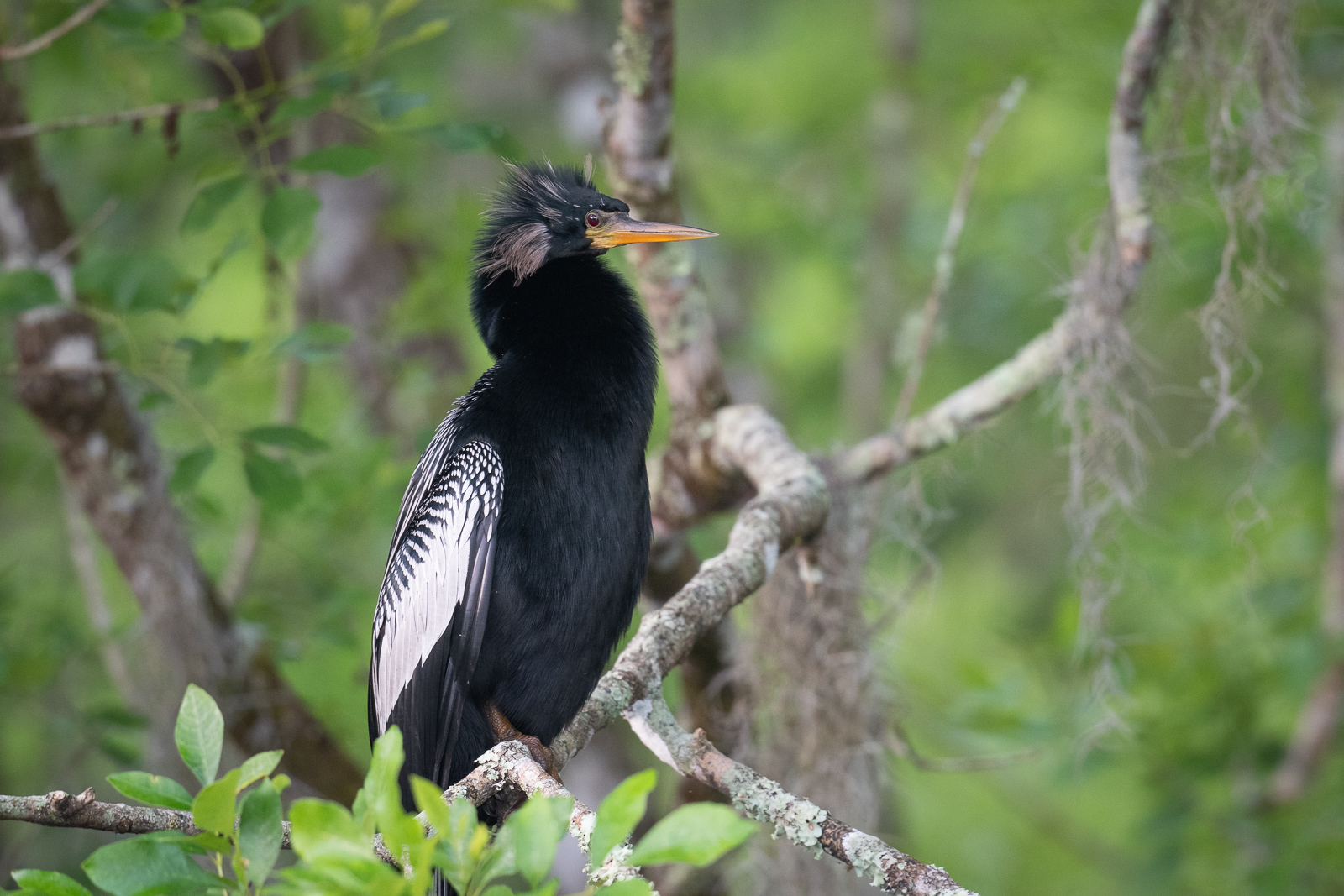
The anhingas were in breeding plumage on my recent trip to Florida. The top shot is the male. He lacks much of the turquoise around the eye but does have the fluffy grayish/brown feathers on the side of his head that indicate breeding season. Below you can see the female with her turquoise eye ring and similar fluffy feathers on the side and top of the head. Top photo: Nikon D500 with Nikkor 500mm PF lens, ISO 1600, f/5.6 at 1/160th of a second. Bottom photo: Same camera and lens, ISO 800, f/5.6 at 1/400th of a second. Both with Godox v860iii fill flash.
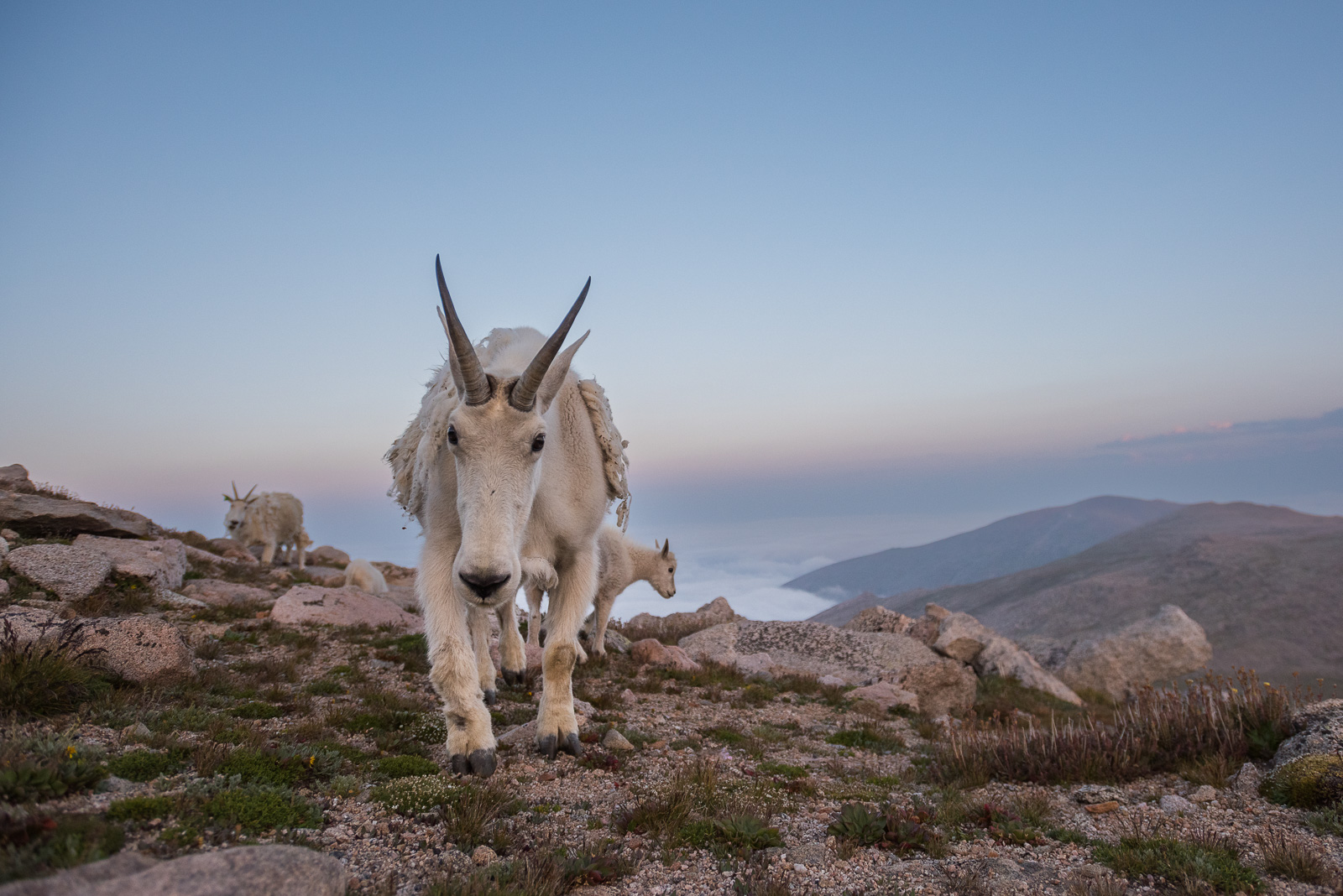
I took this one in mid summer a few years back when the adult goats were still in various stages of undress. Before long, their coats will start to thicken up again for the long winter. Nikon D810 with Nikkor 17-35mm lens (at 17mm) ISO 800, f/4 at 1/1250th of a second.
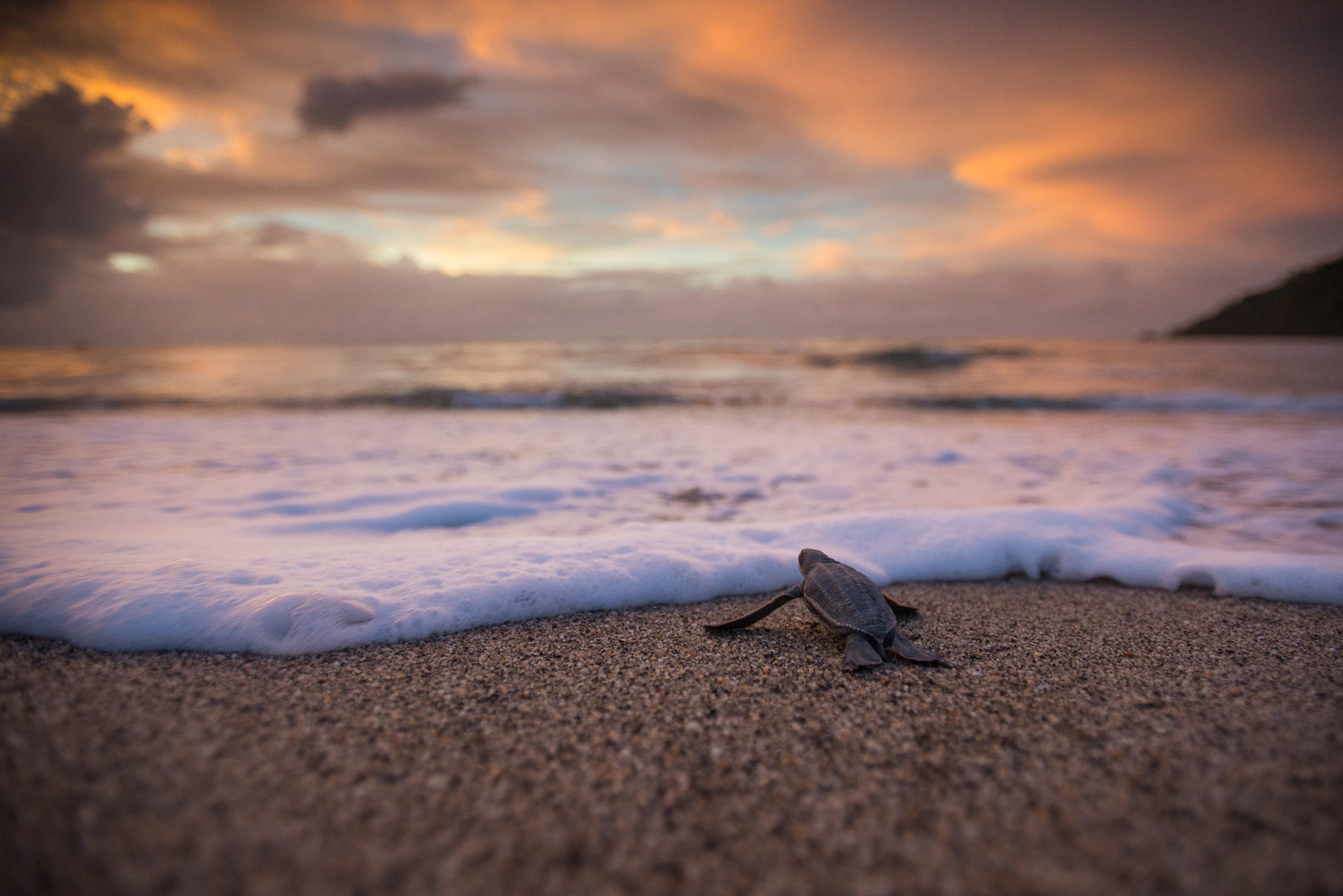
I’ve posted both of these photos in the past, but happy to announce that they were both included in Nature’s Witness, a photo exhibit at the American Association for the Advancement of Sciences in Washington DC, put on by the National Wildlife Federation. The exhibit features fifty images chosen by the NWF from their past photo competitions that have the “power to inspire, teach and ignite action.” The exhibit will run for the next four months and is open to the public if you happen to be in DC. All images will eventually be auctioned off with proceeds going towards NWF’s wildlife conservation efforts. A few snapshots from the event below.
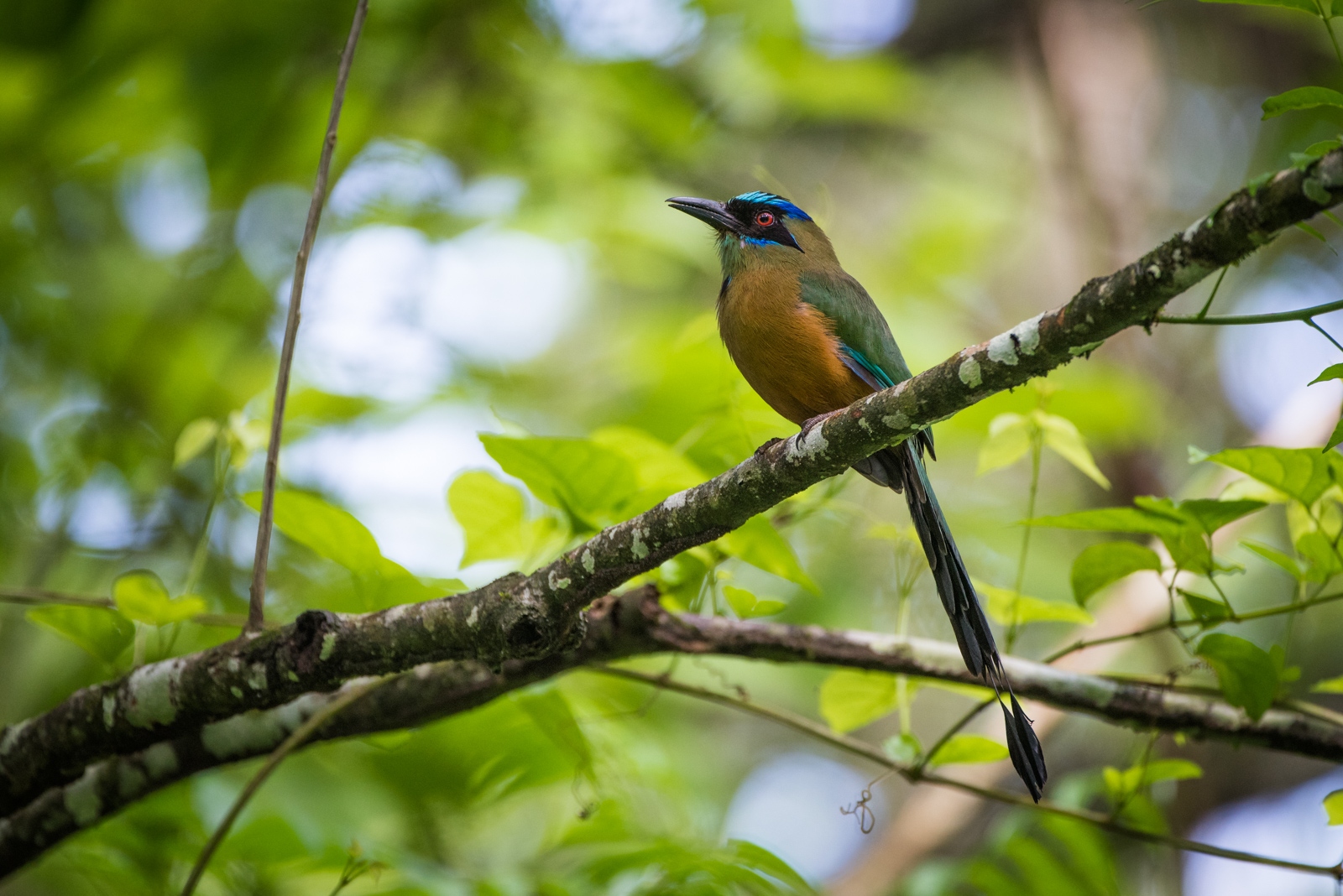
There are quite a few different species of motmot. Most live in neotropical regions of middle America (southern Central and northern South America). And most have a distinctive “racket” like tail. This is the blue-crowned motmot. He/she showed up for a few seconds near our lodge in Soberania National Park in Panama. Nikon D810 with Nikkor 200-400mm lens (at 400mm) ISO 800, f/4 at 1/400th of a second.
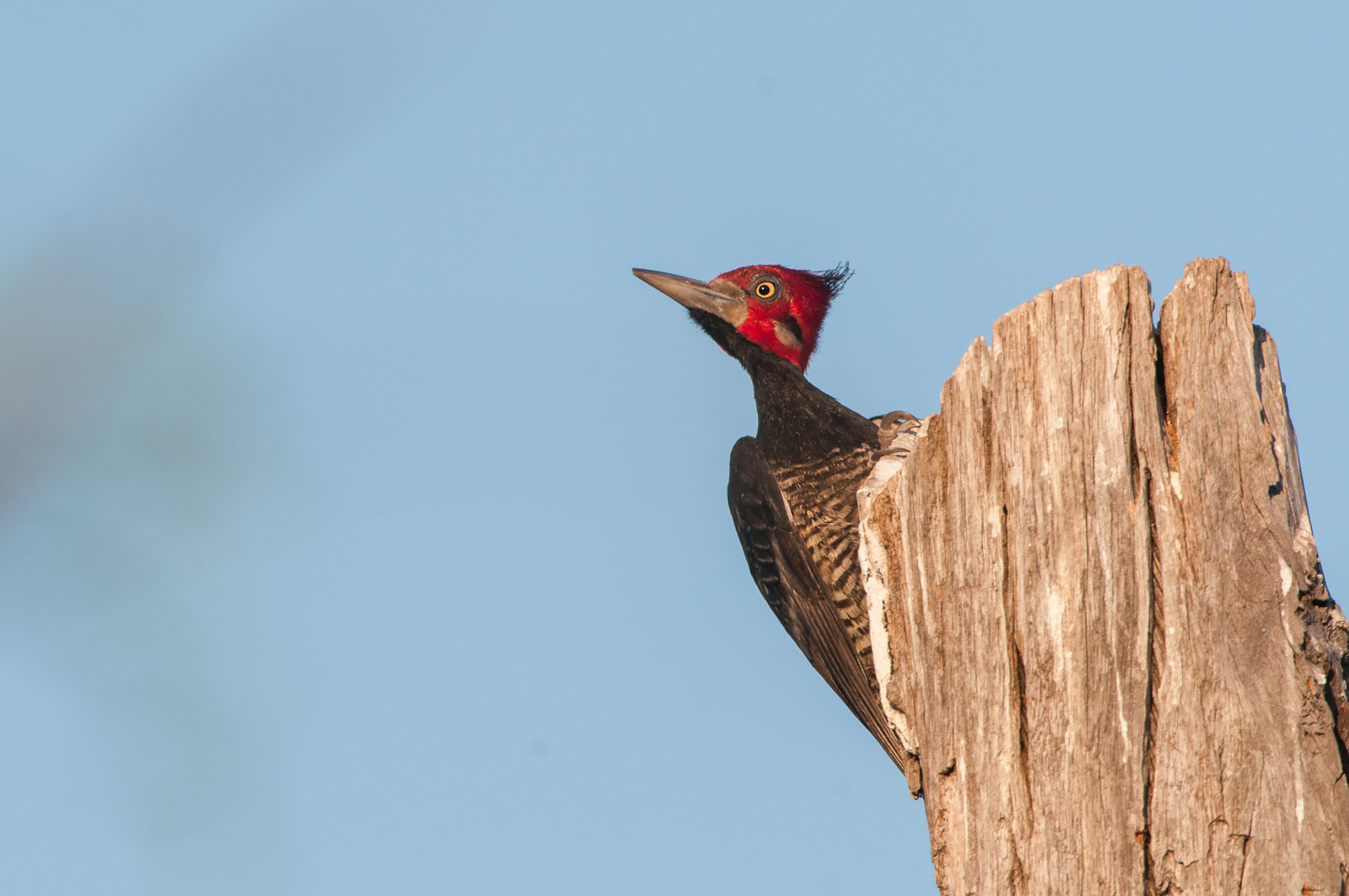
This crimson-crested woodpecker was hanging around our camp in northeast Brazil. I was in the area looking for maned wolves. Nice to capture a few other creatures as well. Nikon D300 with Nikkor 200-400mm lens (with 1.4 teleconverter for 550mm) ISO 400, f/8 at 1/400th of a second.
We use cookies to enhance your experience while using our website. If you are using our Services via a browser you can restrict, block or remove cookies through your web browser settings. We also use content and scripts from third parties that may use tracking technologies. You can selectively provide your consent below to allow such third party embeds. For complete information about the cookies we use, data we collect and how we process them, please check our Privacy Policy