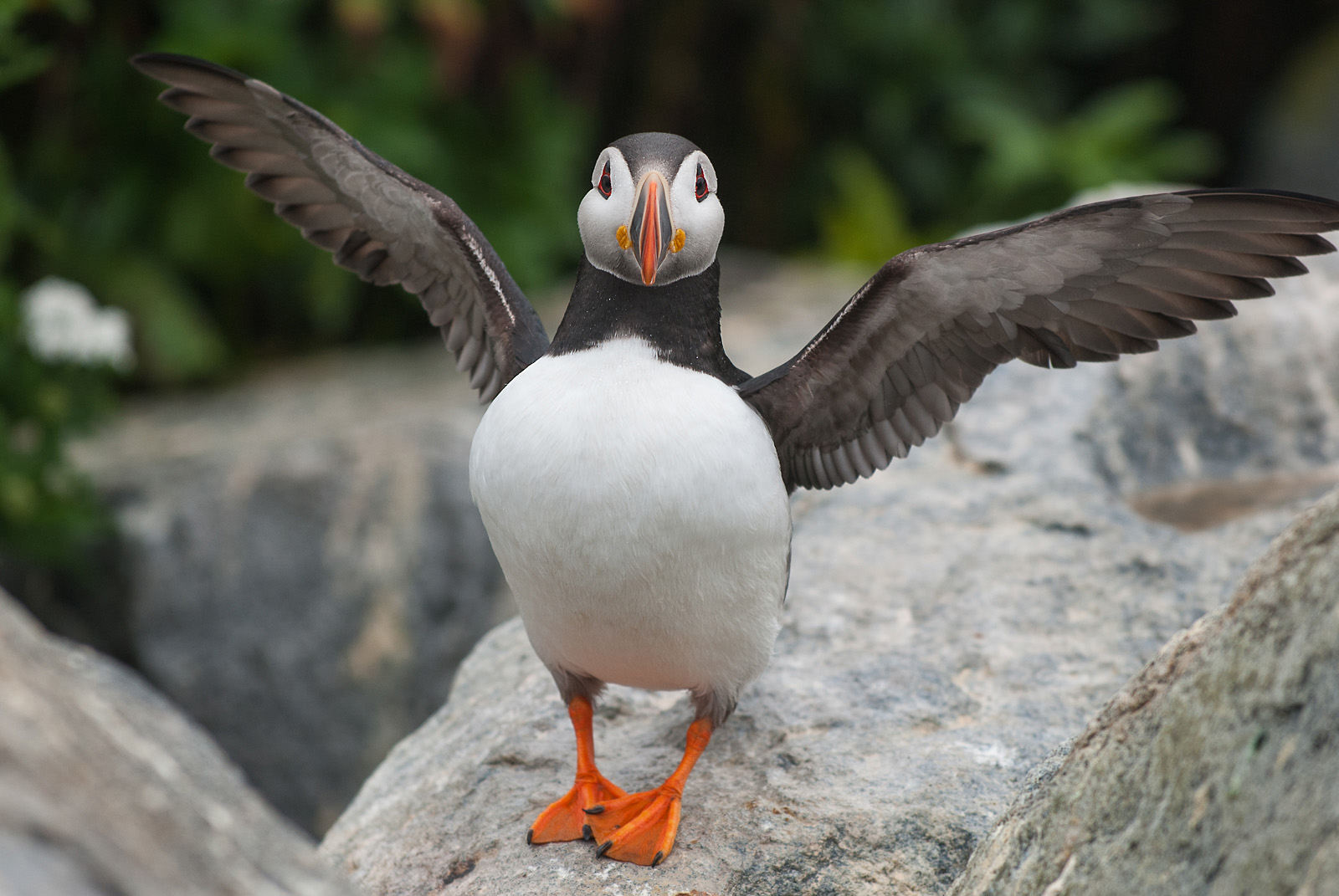
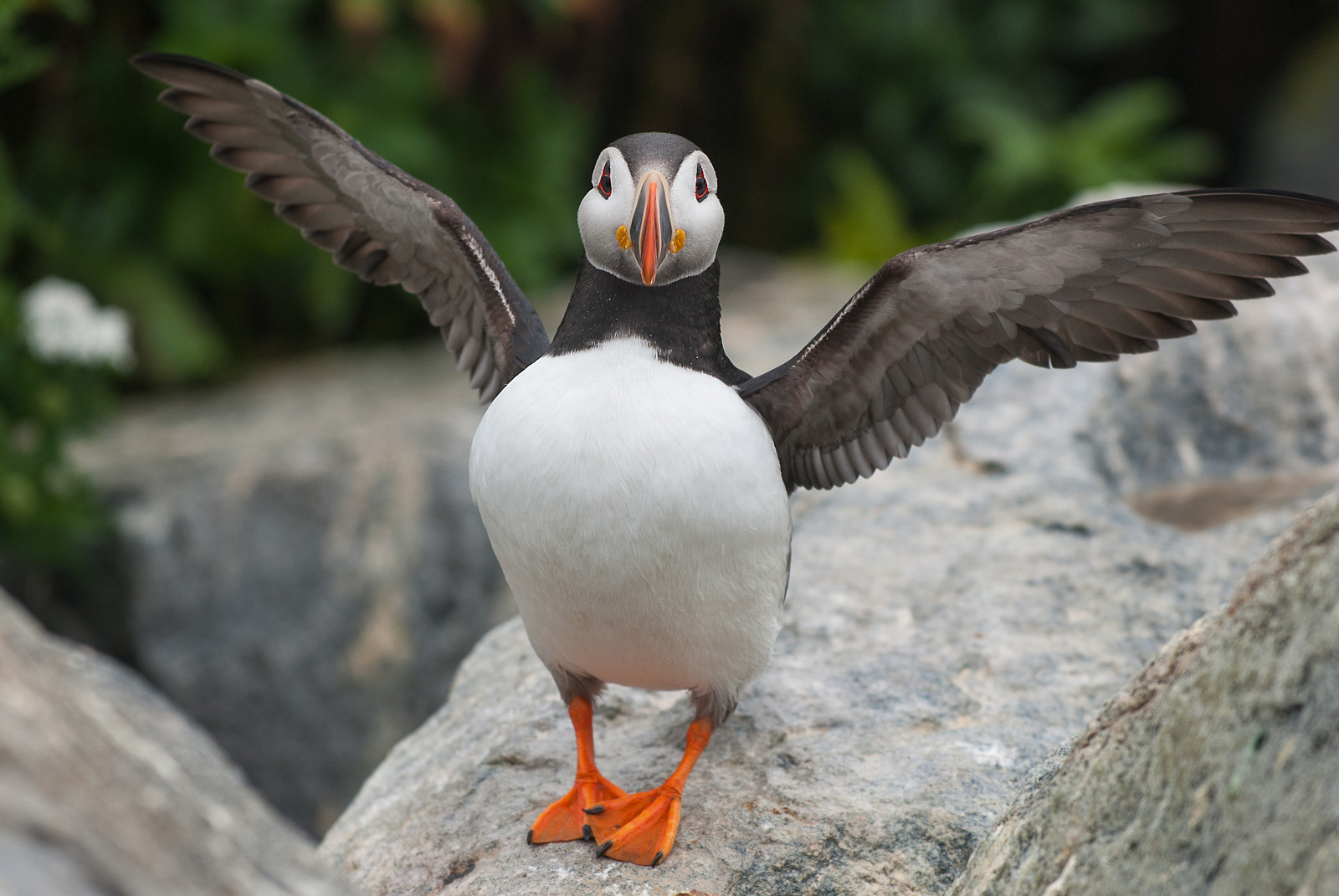
An Atlantic puffin stretches its wings on Machias Seal Island. As I’ve mentioned in past posts from this location, the island is a disputed territory between the US and Canada. I never knew there were land disputes between the countries. The US claims it’s part of Maine. Canada claims it’s part of New Brunswick. The puffins don’t seem to care either way. Nikon D200 with Nikkor 70-200mm lens (at 200mm) ISO 200, f/4 at 1/500th of a second.
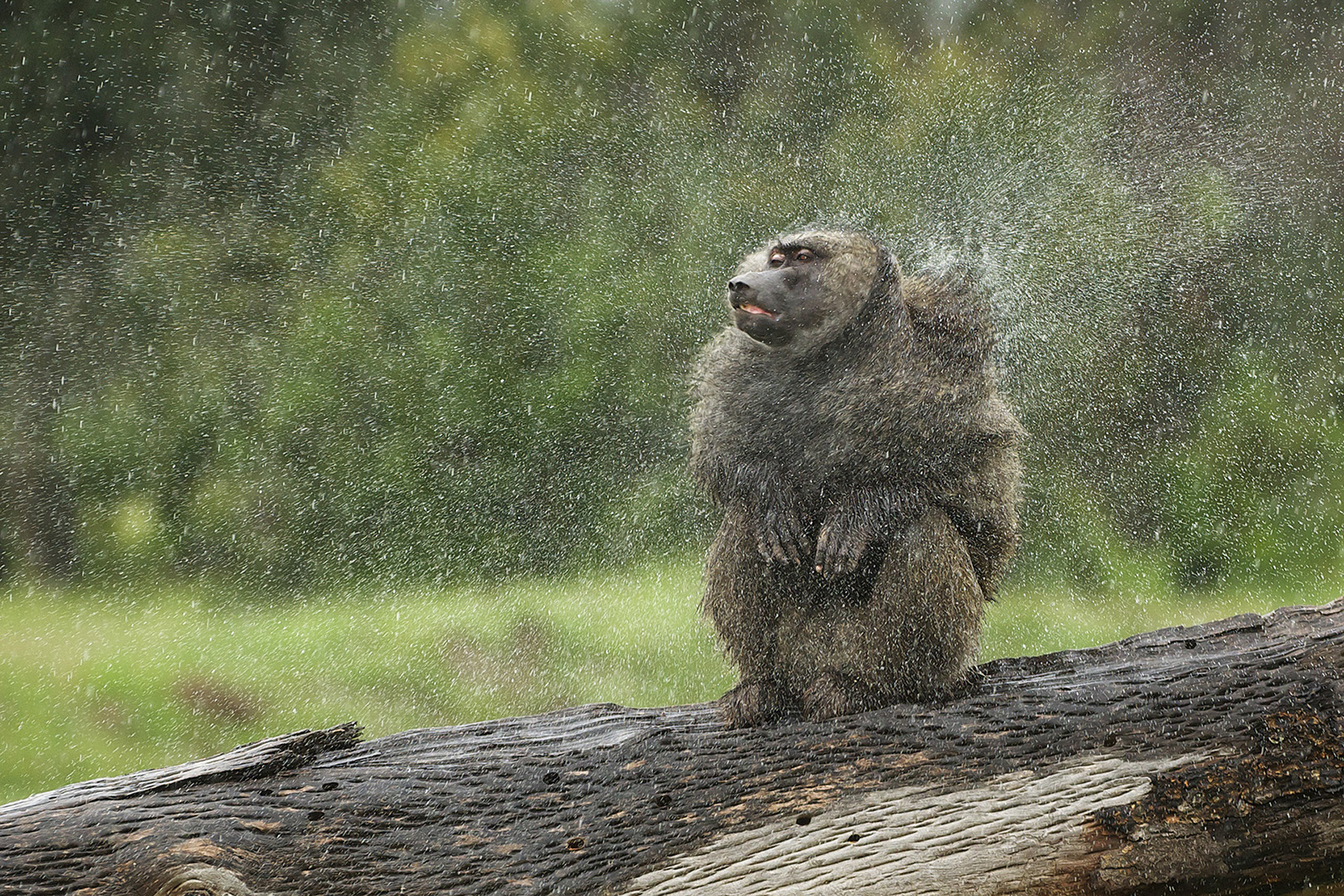
Habitat: Both open woodlands of Kenya and tropical forests of Uganda (as well as elsewhere in sub-Saharan Africa)
Likelihood of sighting: ★★★★★
Baboons are the most common primate that we’ll see. They are often encountered along the side of the road, but also in trees. As with all primates, they can be fun to watch as they go about their business.
Warthog
Habitat: Grasslands and savanna woodlands.
Likelihood of sighting: ★★★★★
Warthogs are another of those mammals that we are virtually guaranteed to see. They are very common. Odd looking guys, but I really like them. The key is to see them with their heads up — they spend most of the day down on their knees with their snout to the ground, chewing up the grass. Hopefully we’ll get to see a few babies on our trip.
Topi
Habitat: Open grasslands and savannas.
Likelihood of sighting: ★★★★1/2
Topi are just one of the many antelope-like species that we’ll see (almost guaranteed). This mother and her calves were running from a hyena in the Masai Mara just outside our camp.
Cheetah
Habitat: Cheetah can be found in a variety of habitats including dry forests, grasslands, open plains and desert regions.
Likelihood of sighting: ★★★1/2☆
Cheetah are one of the most often seen cats, especially in the Masai Mara. We “should” have good luck, but you never know. I do love the babies when they still have white backs and resemble a honey badger from a distance. It is thought that this might be an adaptation to keep them safe. This young cub was curled up in its mother’s lap one late afternoon in the Mara.
Reticulated Giraffe
Habitat: Rainforests, forests, and savannas throughout it’s narrow range, which includes northern Kenya.
Likelihood of sighting: ★★★★☆ (based on our itinerary, we may not see the reticulated giraffe, but we will almost definitely see the Masai giraffe.)
I love giraffes. They are truly impressive beasts when you see them out there in their natural habitat. I especially love seeing them run. It’s both graceful and awkward at the same time. We should see plenty of them — most likely the Masai giraffe. Here’s hoping we get some interaction with the babies and other action.
Bonus Shot — Saddle-Billed Stork
Habitat: Throughout tropical sub-Sahara Africa, mainly in open or semi-arid areas near sources of water.
Likelihood of sighting: ??????
I’m not sure I can really make a prediction on these guys. I’ve seen them a lot, but mostly on my Botswana trips. They do exist in Kenya and Uganda so hopefully we’ll have a few sightings.
Red-Necked Francolin
Habitat: Moist regions of evergreen forest edges, the edges of marshes and thickets.
Likelihood of sighting: ★★★☆☆ for the red-necked francolin, ★★★★★ for a francolin in general.
I just posted this shot on my blog. Francolin are commonly called safari chickens as they tend to always be scurrying out of the way of safari vehicles. We should definitely see them around our camps and out in the bush. There are several different species. This red-necked francolin I photographed in Uganda.
Elephant
Habitat: Usually in savannas, grasslands, and forests but can be found pretty much anywhere, including deserts, swamps, and highlands in tropical and subtropical regions.
Likelihood of sighting: ★★★★★
I’m going to just go ahead and guarantee elephants (hope that’s not a jinx). I don’t think I’ve ever gone two days in a row on safari without seeing at least one. They’re not good at hiding. And we can usually get very close. In fact, so close that a close up study of just the skin is quite possible.
Leopard
Habitat: Leopards are very widespread and can be spotted just about anywhere. That said, they can be very elusive.
Likelihood of sighting: ★1/2☆☆☆
Leopard are at the very top of many safari-goer’s wish list. They are relatively common, but because they are solitary and can be incredibly secretive, they can be difficult to see. That said, I’ve had very good luck in the Masai Mara (and also spotted one while in transit from one camp to another while in Uganda). Here’s hoping luck is on our side. I’m still after my first baby leopard so that will be at the top of my wish list.
Spotted Hyena
Habitat: These guys aren’t too particular about where they spend their time and can be found in grasslands, savannas, woodlands, deserts, forests and mountains.
Likelihood of sighting: ★★★★1/2
I’m not sure if any one has ever been to safari in Kenya and not seen a hyena. They are virtually guaranteed. And even though they’re not quite the draw of other large mammals, I’m still a big fan. The spotted hyena is by far the most common of the hyena species, but we also might get lucky and see the much more rare striped hyena.
White Rhinoceros
Habitat: Grassy plains of Kenya
Likelihood of sighting: ★★1/2☆☆
We stand a decent chance of seeing rhino while we’re in the Masai Mara, but certainly not guaranteed. I’ve definitely seen them there before on numerous occasions. I posted this particular image to give an example of why I love going to East Africa during the short rainy season (we’ll be there just after the short rains but the hills should still be quite green before giving way to the yellows of the dry season).
Red Agama Lizard
Habitat: Well adapted to many environments including rocky outcroppings on the savanna, but also in urban areas.
Likelihood of sighting: ★★★☆☆
These guys are the most commonly seen lizards on a safari. If we look, we’re likely to see one or two, perhaps around our camp. As you can see, they aren’t exactly camouflaged. In fact, their red and blue coloring gives them the nickname of the Spiderman lizard. I’m a big fan of spotting all creatures, including the reptiles and amphibians. It won’t be our focus, but always good to see the non-furry and feathered creatures that share the savanna.
Secretary Bird
Habitat: Found in the open grasslands and savannah of sub-Saharan Africa.
Likelihood of sighting: ★★★★1/2
Secretary birds are fairly common in the areas that we’ll be traveling, especially in Kenya. We’re likely to see a few of these guys both in the open grasslands and perhaps nesting in the acacia trees. They are quite large and oddly elegant birds that prey upon small mammals, reptiles and whatever else they can find.
Dik Dik
Habitat: Shrublands and savannas throughout eastern Africa.
Likelihood of sighting: ★★★☆☆
Of the many species of antelope that we’re likely to see, the dik dik is among my favorite. They are really, really small — standing only about a foot to 16 inches at the shoulder. When running, they almost look like a jackrabbit bounding through the grass. Cute is a bit of an understatement for these little guys. Most likely we’ll see a few of them on our travels.
Mountain Gorilla
Habitat: A small area of tropical forest shared by Uganda, Rwanda and the Congo.
Likelihood of sighting: ★★★★★
The highlight of our trip is likely to be the final day when we visit the critically endangered mountain gorillas in Uganda. Although nothing is ever guaranteed when it comes to wildlife, it is highly unlikely that we’ll miss out on this very special experience. Trackers monitor the gorillas so always know where the troop will be on a given day. It becomes a matter of how long we’ll have to trek before catching up with them. Once we do, we’ll have only an hour to view them in their natural habitat. They are highly regulated given the fact that only 800 or so remain and they are so close to us in genetic makeup. If we have a cold, the gorillas can catch it from us and vice versa. But once in their presence, there’s nothing quite like observing them going about their daily business — and realizing how similar they are to us.
Serval
Habitat: Thickly planted streams and rivers in the savannas of central and southern Africa.
Likelihood of sighting: ★½☆☆☆
I’d love to see a serval on our trip in January. It’s possible, but the odds aren’t great. I’ve seen these medium-sized cats a few times before, but only twice during the day. But one of those daytime sightings was in the Masai Mara, which we will be visiting on our first stop. Servals tend to be solitary, stealthy hunters, active mostly at night. I’m sure I’ve driven right past a few that were crouched down in the grass waiting for the safari vehicle to pass before continuing the hunt. Hopefully luck will be on our side and we’ll get a good look at one.
Lilac-Breasted Roller
Habitat: Throughout eastern and southern Africa in open woodlands of well-spaced trees, savanna, and bushy game lands.
Likelihood of sighting: ★★★☆☆
Lilac-breasted rollers are one of the most spectacularly colored birds in Africa. They also happen to be one of the most common in the areas that we’ll be traveling. I give three stars, but I’d be very surprised if we didn’t see quite a few of these guys perched on scrub trees and flying from tree to tree. We might even see one perched on a zebra.
Black-Backed Jackal
Habitat: Savannas and woodlands throughout east Africa.
Likelihood of sighting: ★★★★☆
Jackals look a lot like coyotes and their behavior is very similar as well. They are great scavengers and can often be seen trying to pester a lion off a kill (assuming it’s just a single lion). We are very likely to see one of these guys. They are actually a lot of fun to watch as they test their luck trying to snag whatever food they can. In this case, it happens to be the leg of a gazelle.
Verreaux’s Eagle Owls
Habitat: Arid semi-desert, to moist, tall woodlands throughout the areas we’ll be visiting.
Likelihood of sighting: ★★★☆☆
Verreaux’s eagle owls are the most commonly seen owl species on East African safaris. We stand a very good chance of at least an encounter or two. These two are young owlets just at the fledging stage. They were enjoying a good nap but also keeping an eye out for their mom to return to the perch, preferably with lunch.
Burchell’s Zebra
Habitat: Widely spread throughout treeless grasslands and savanna woodlands.
Likelihood of sighting: ★★★★★
The Burchell’s zebra, also know as the common or plains zebra is as close to a guarantee as we’re going to get. I remember my first visit to Africa and on day one, the guide kept driving right past the zebras as if they weren’t even there. I had to explain to him that I was, in fact, interested in viewing and photographing them. They’re that common. In addition to the Burchell’s, there are two other species of zebra as well, that aren’t quite so common — the Grevy’s and the Mountain zebra. If we’re lucky, we might also see the Grevy’s. The mountain zebra, however, only lives in small pockets of southern Africa. Again, the photo below was taken during the short rainy season when the grass is green, interesting clouds fill the sky, and rainbows are always a possibility.
Galago (aka Bush Baby)
Habitat: Woodlands and scrublands throughout both Kenya and Uganda
Likelihood of sighting: ★★☆☆☆
If you’ve spent any amount of time on my website, you know that I’m a big fan of all the nocturnal creatures that come out after most others call it a night. One of my favorites in East Africa is the galago, more commonly known as the bush baby. It’s hard to predict the likelihood of a sighting so I went a bit conservative. If the lodge knows of a nearby resident, then it shouldn’t be too difficult to find. The great thing about nocturnal mammals is that by shining a flashlight from near our eye level, it’s easy to see eye-shine of the animal and therefore locate it in a forest of trees or bushes. Generally, nocturnal drives have to be arranged ahead of time and not all camps will offer them, but seeing as Kenya and Uganda are near the equator, it always gets dark at around 6 PM, so we’ll have plenty of chances for nocturnal animals if we come back a bit late from our afternoon game drives. How late we stay out each day will be up to the group. One day we might want to linger a bit longer while others we might decide to get back to camp early.
Lion Cub
Habitat: Scrub, grasslands and open woodlands of the savanna
Likelihood of sighting: ★★★★½
We would be extremely unlucky to not see lions. In fact, historically unlucky, as I’ve never heard of anyone returning from safari and not having a least one or two sightings. Especially in Kenya where they are quite common. And like humans, babies can be born at any time during the year so cubs are also a strong likelihood. Lions are also at the very top of most safari-goers “to see” list so guides are always on the lookout and usually know a sure bet spot or two where they tend to hang out. Lions are social cats and we are likely to spot them in prides of several individuals, but also just as likely to spot lone males out canvassing their territory, or a group of females on the hunt. Seeing a kill in action is the ultimate experience, but I also love discovering a pride at rest. If cubs are in the pride, they will usually be up to all sorts of playful antics while the adults try to sleep.
Grey-Crowned Crane
Habitat: Grassland and wetland areas of the savanna in both Kenya and Uganda
Likelihood of sighting: ★★★½☆
I’ll be surprised if we don’t see a few of these well ornamented birds. I’ve seen them in both Kenya and Uganda and they can be spotted pretty much anywhere, even in and around villages. I’ve also seen mothers with chicks so here’s hoping we have the same luck come January. Notice the nice green backgrounds in all three portraits I’ve posted so far — one of the benefits of visiting in the green season when everything is more lush and enjoyable to be out and about exploring.
Bat-Eared Fox
Habitat: Open grasslands throughout Kenya
Likelihood of sighting: ★★★☆☆
Bat eared foxes are always a great sighting — not exactly all over the place, but we should see a few while in the Masai Mara and Samburu. Usually they are pretty skittish and will run if approached too closely. Pups, however — like the two pictured below — are much more curious, and if mom is out hunting, there’s a good chance they will accept a close approach and pose for a few photos. Like all wildlife, there are no guarantees (well, I don’t think there’s ever been a safari in the long history of safaris when guests didn’t see zebras, impalas, gazelles, warthogs, etc, but more on that in a future post).
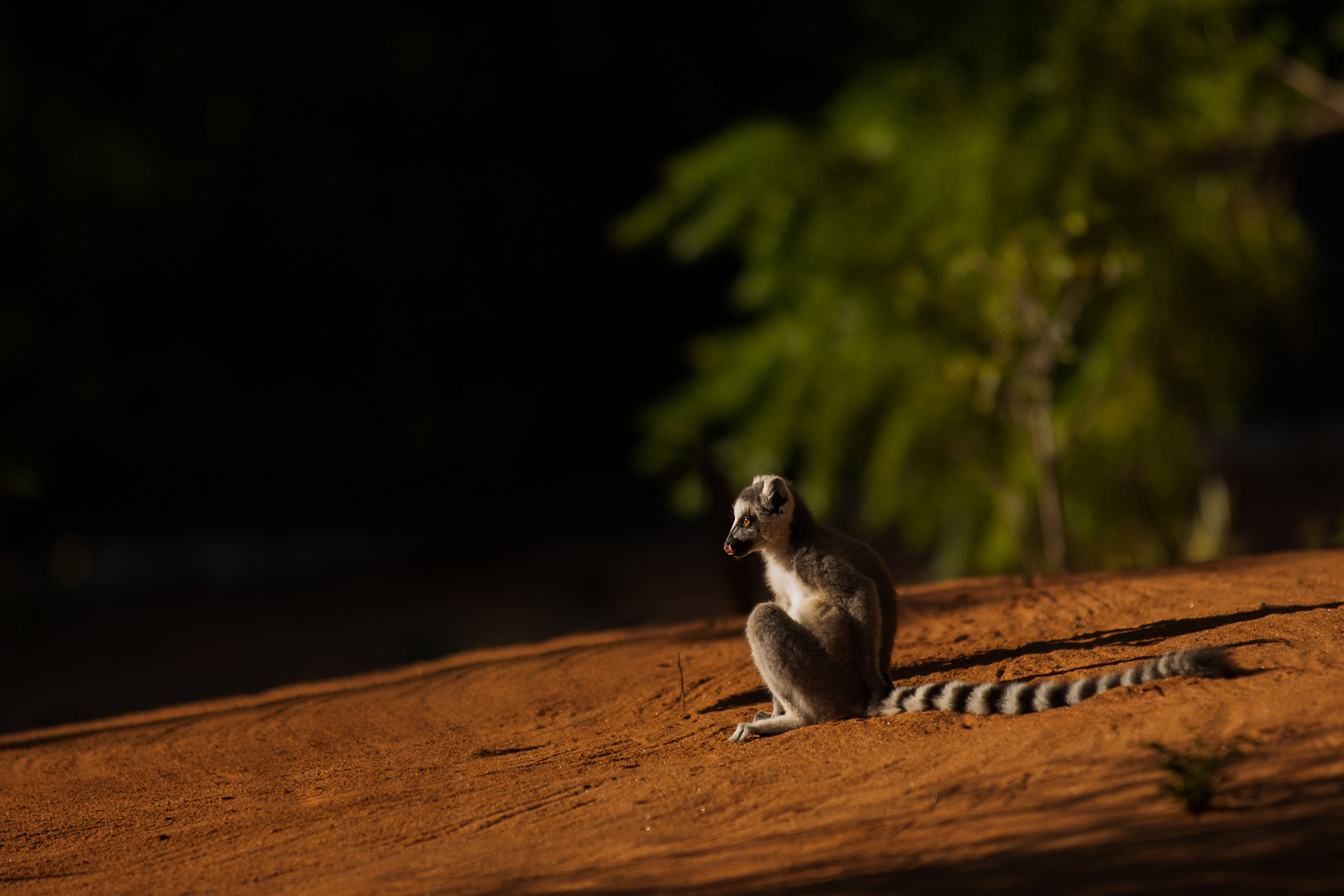
Ringtail lemurs love to bask in the early morning warmth of the sun. This little guy was doing what they do best — sitting in an almost meditative way, waiting for the sun to rise. Shot in southern Madagascar at Berenty Reserve. Nikon D200 with Nikkor 80-200mm lens (at 185mm) ISO 100, f/2.8 at 1/1000th of a second
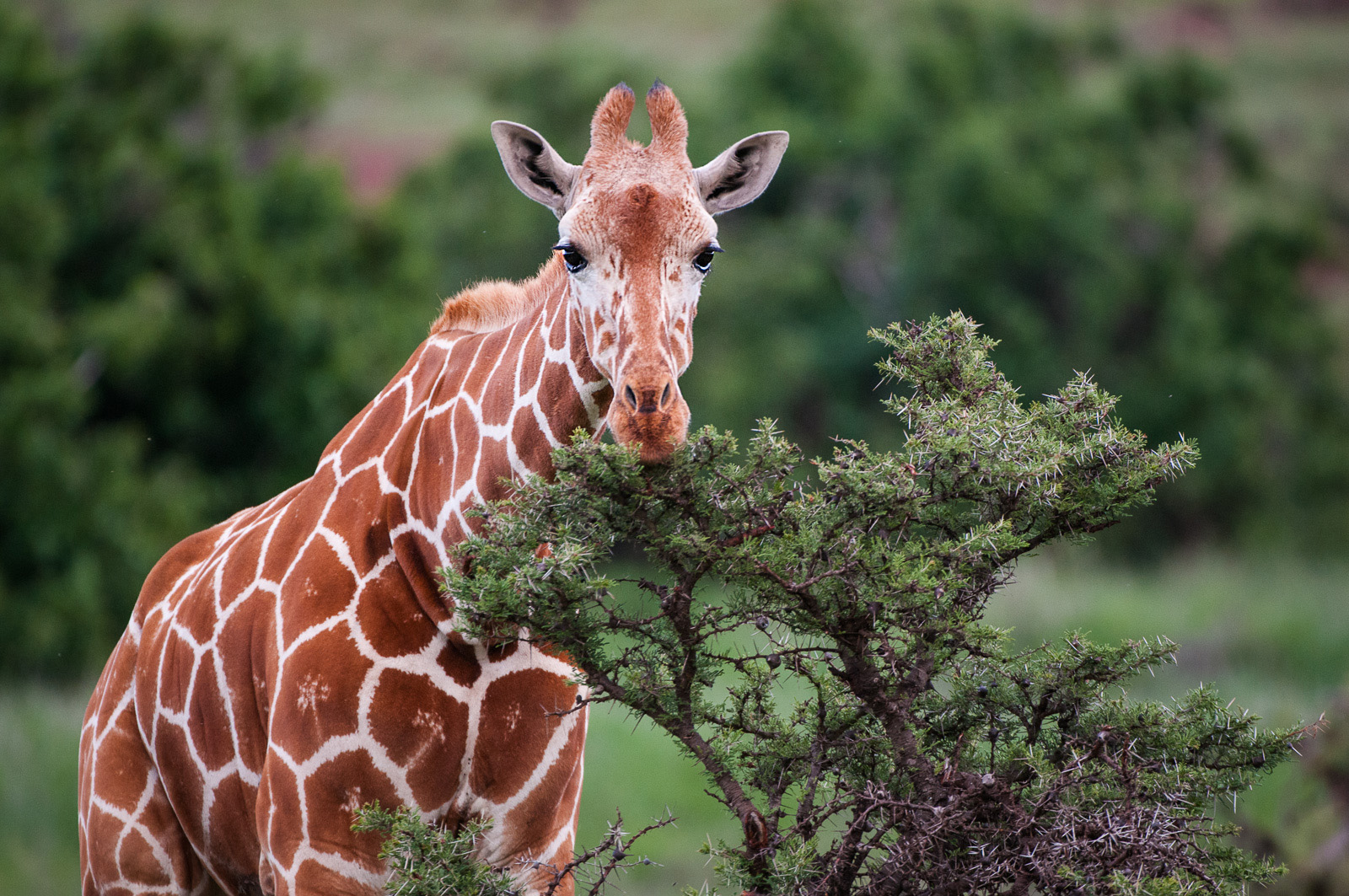
I was reading an article yesterday that several giraffe species have ended up on the endangered species list, and all giraffes — like so many other animals these days — are at risk. Of those listed, was the reticulated giraffe. I saw many of these awesome creatures in Kenya a few years back. Here, a reticulated giraffe munches on the thorny branches of an acacia tree. I usually like to celebrate the diversity of our world’s wildlife with my blog posts, but according to a study by the World Wildlife Fund in 2014, more than 52% of all the animals in the world have disappeared in the last 40 years. I don’t think people realize just how dire this situation has become and we all need reminding every now and again. Especially because it’s not just about having nice animals around to look at, but also the fact that our ultimate survival depends on theirs. Nikon D300 with Nikkor 200-400mm lens (at 400mm) ISO 800, f/4 at 1/250th of a second
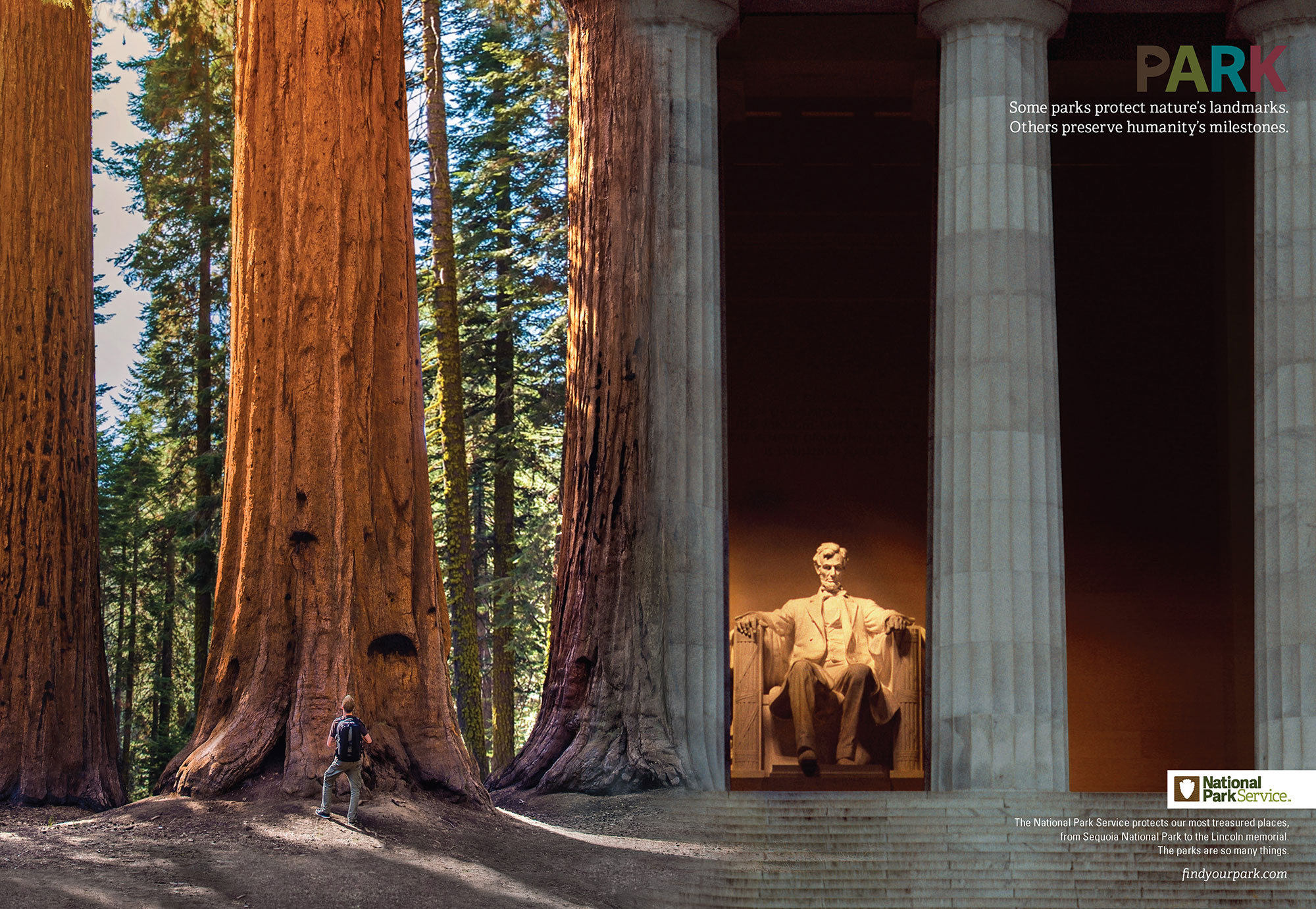
A break from the wildlife postings for a little something different today. As some of you know, in my day job, I’m a creative director and writer for an advertising agency. One of my accounts is the National Park Service. I’ve been working on the account for the last four years. Everything my team and I have done was leading up to today — the 100 year anniversary of the National Park Service. Our goal was to redefine what a park can be for current and future generations of Americans. Parks aren’t just places of wild, physical beauty, they’re also places of historical significance, places of remembrance, of recreation and more. Below is just a small sample of the work we did, starting with video and print for the Park Service (you might recognize quite a few of my photos in the PSA), then the Park Foundation, and finally work for today’s Centennial celebration.
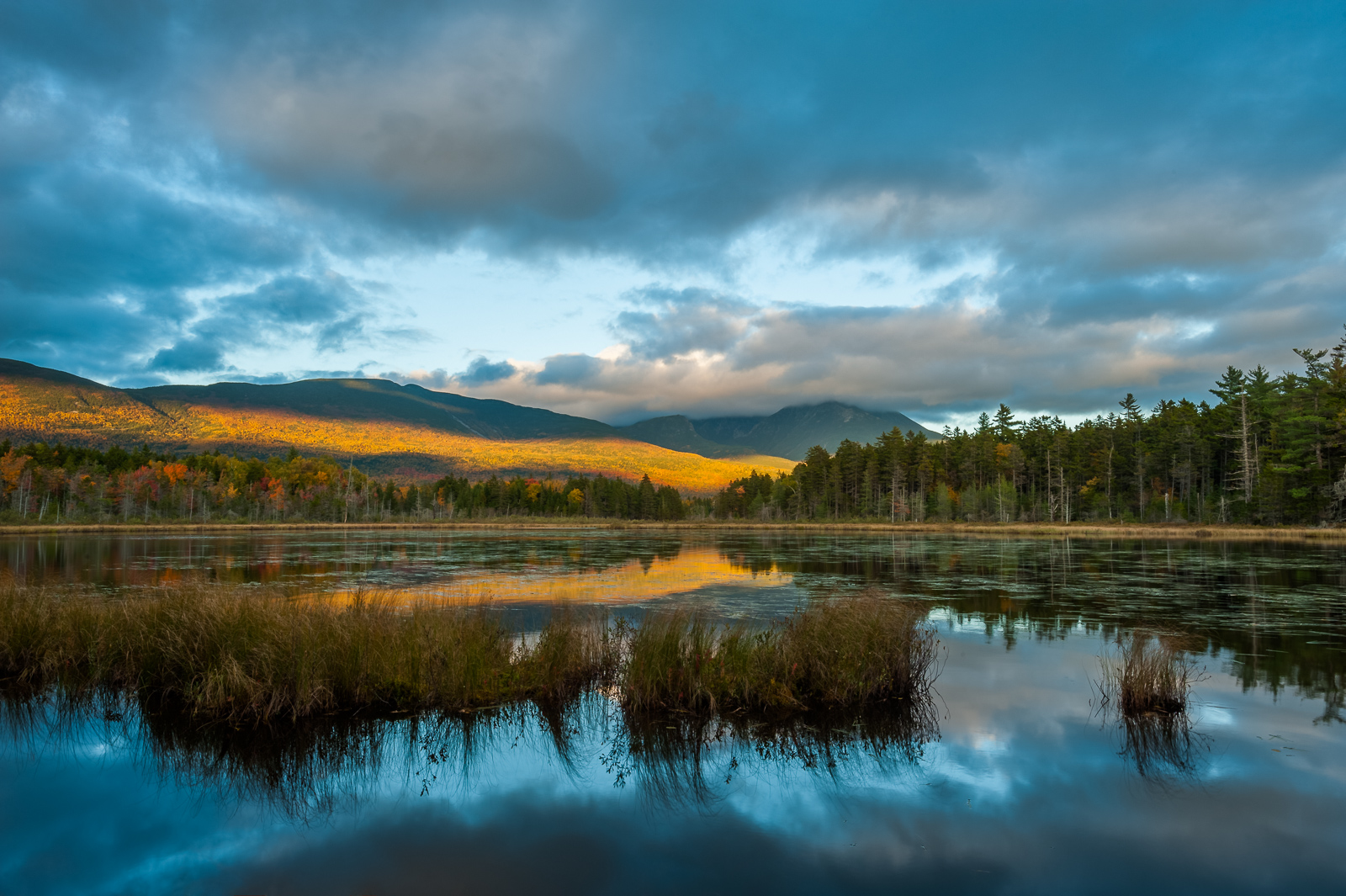
An old high school classmate of mine passed away yesterday. We were friendly, if not particularly close back then. When I started my blog seven years ago, however, she quickly became one of my biggest supporters. She was also one of the first people to buy one of my prints. It was this shot of Baxter State Park, which I originally posted back in October of 2010. She was a big fan and collector of New England scenics. This one’s for you Katie. Rest in peace. Nikon D700 with Nikkor 17-35mm lens (at 25mm) ISO 400, f/20 at 1/30th of a second
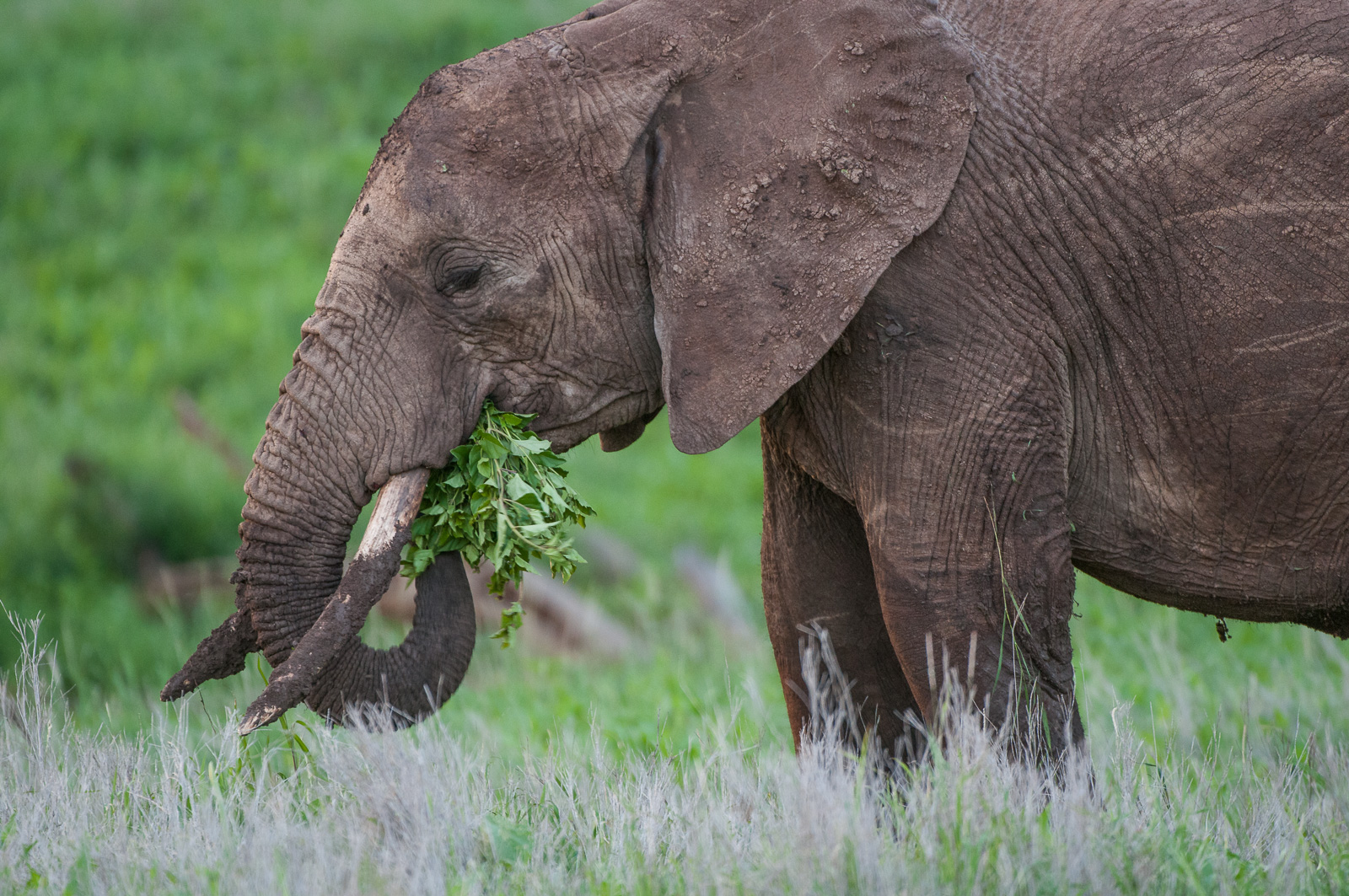
An elephant grazes on shrubs in the Lewa Wildlife Conservancy in Kenya. Elephants can spend up to 18 hours a day feeding and put down up to 600 pounds of food. They can also drink up to 50 gallons of water a day. Nikon D300 with Nikkor 200-400mm lens (at 400mm) ISO 800, f/4 at 1/160th of a second
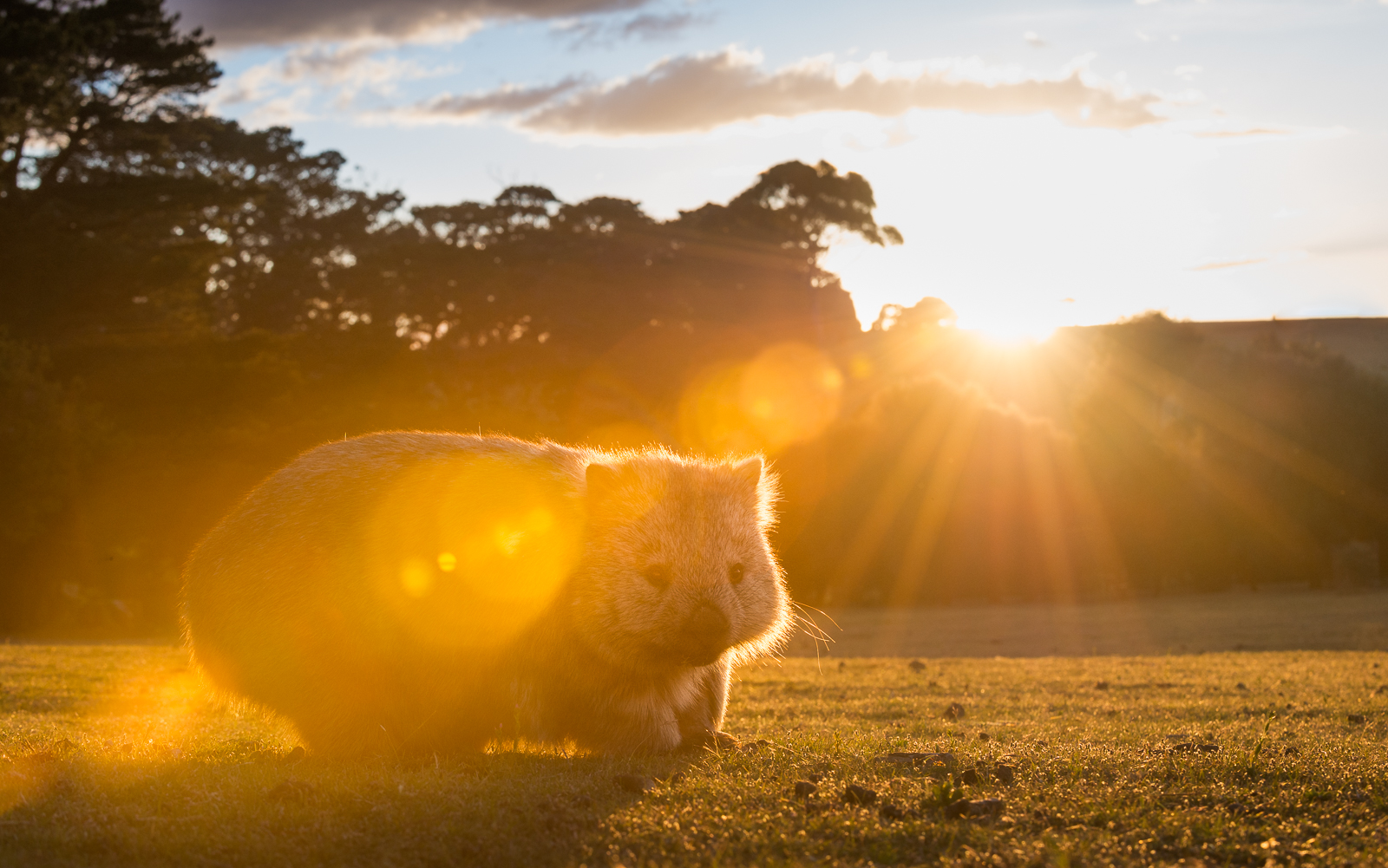
Maria Island in Tasmania is overflowing with animals. They’re everywhere. And when the day comes to an end, you don’t have to look long to find subjects to photograph in front of the setting sun. This wombat was enjoying a late day snack of, well, the same thing it was eating all day and every day — grass. They really are the lawnmowers of the island and keep the open lawns cropped tight. Nikon D800 with Nikkor 70-200mm lens (at 70mm) ISO 800, f/14 at 1/250th of a second
I thought I’d start 2016 with a look back at my favorite ten images from 2015. My daily posts aren’t always from the current year, but these ten were all captured in 2015. Overall it was a good year, highlighted by the big trip to Tasmania in October. 2015 also took me to the Florida panhandle, the Caribbean islands of Barbados and Trinidad, the front range of Colorado, and the two spectacular national parks in Wyoming.
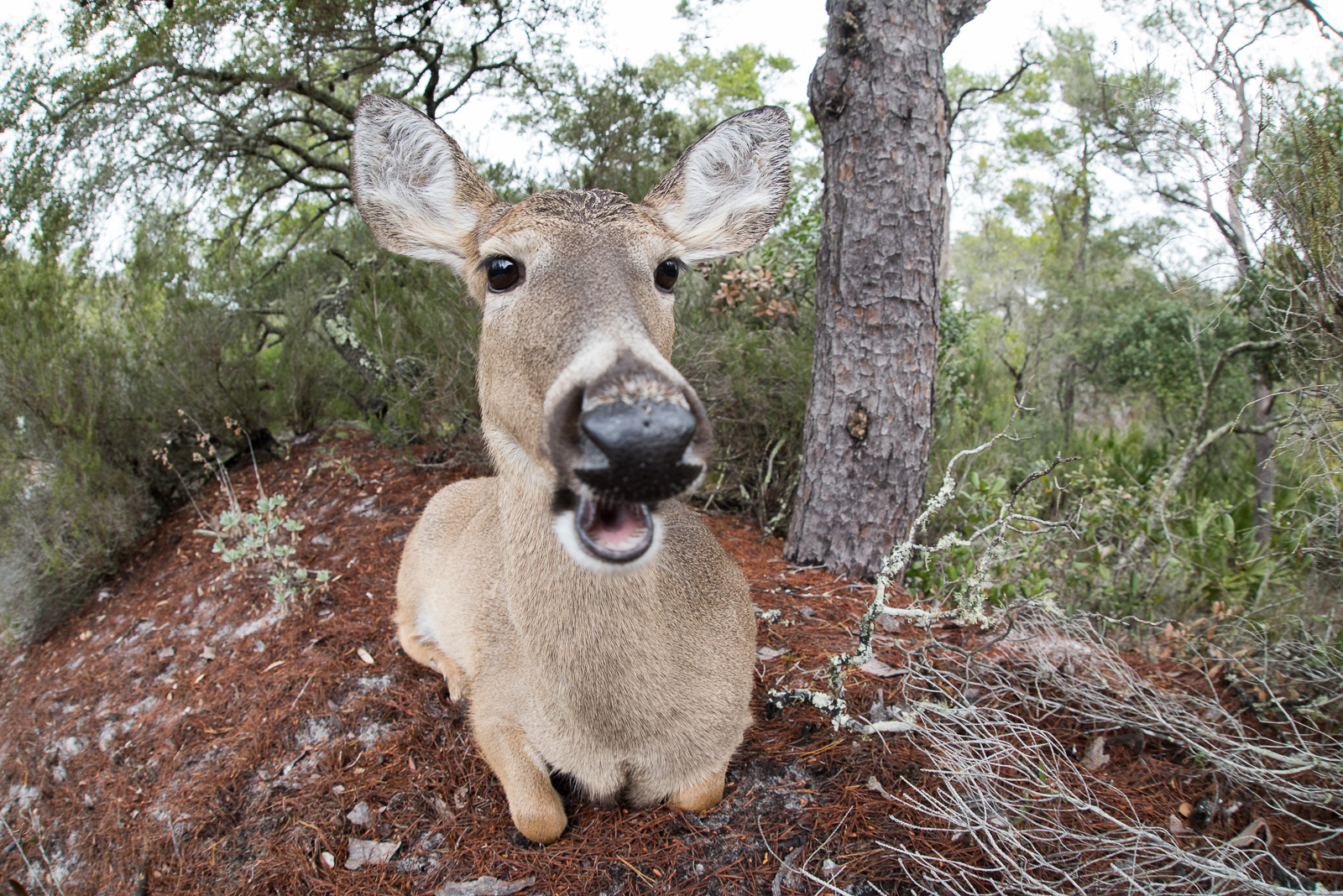
12. Well, let’s make it a top twelve so I can include a few from earlier in the year and not make it all about the Tasmanian shots I’ve posted lately. This deer was photographed from about six inches away with my fisheye lens back in January.
11. Karen and I took a weekend trip to Barbados back in April. It was great to get underwater to photograph sea turtles. But I also had a lot of fun with the ghost crabs that kept tossing dirt before scurrying back into their holes.
10. Okay, now the top ten, starting with a recent post from Tasmania, boxing forester kangaroos at sunset.
9. Also from Tasmania, a green rosella munching on a purple thistle weed.
8. At number 8, a similar shot to the one I posted on Christmas. A flock of scarlet ibis in flight over a swamp in Trinidad.
7. Another one here from Tasmania — the white wallaby with brown joey.
6. At 6 is my new favorite animal, the eastern quoll.
5. The 5th favorite shot of the year is a tufted coquette hummingbird from Trinidad.
4. This little wombat was photographed in Coles Bay, Tasmania.
3. The 3rd best shot comes from my summer trip to Mount Evans in Colorado.
2. At number 2 is a leatherback hatchling racing toward the ocean at Grande Riviere Beach in Trinidad.
1. And my favorite shot of the year is this young Tasmanian devil emerging from the darkness. Happy New Year everyone.
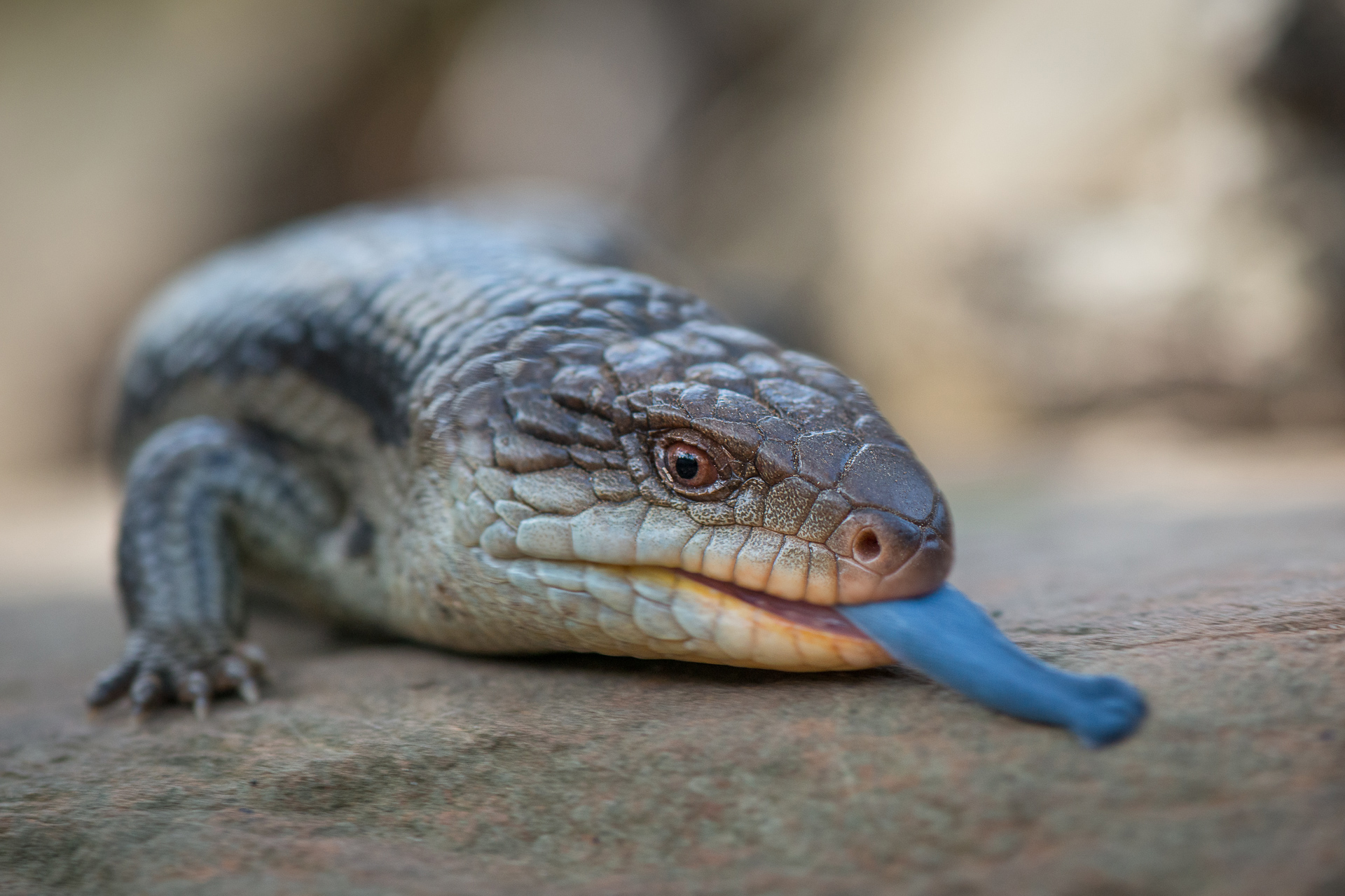
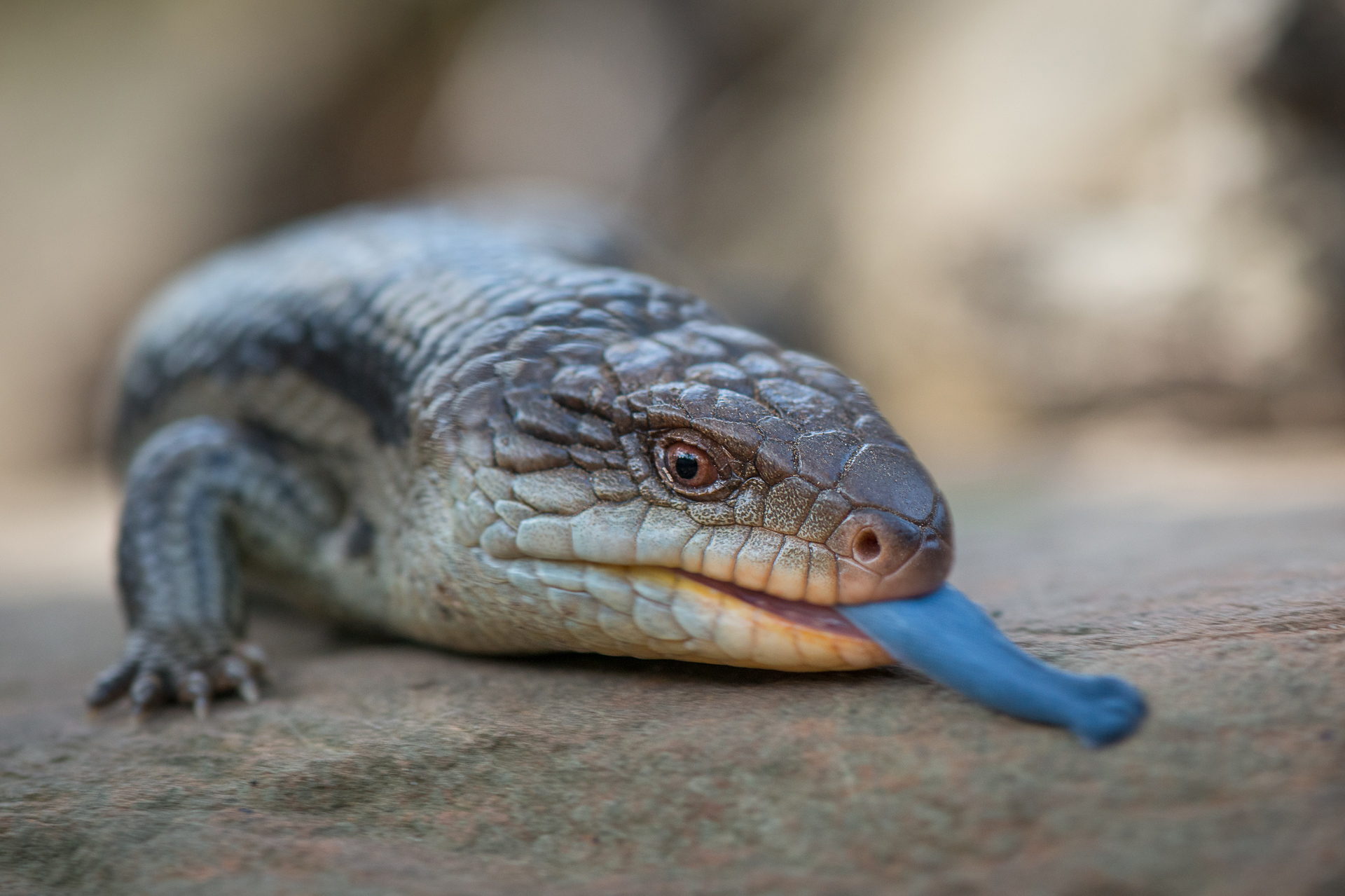
This is the blotched blue-tongued lizard, also know as the southern blue-tongued lizard or the blotched blue-tongued skink. That incredible blue tongue is used to “taste the air, and scare off potential predators.” The blotched blue-tongued lizard is fairly large (almost a foot and a half long) and can be found in southeastern Australia, including Tasmania. I photographed this one at the Bonorong Wildlife Sanctuary just outside of Hobart. Nikon D800 with Nikkor 105mm macro lens, ISO 800, f/4.5 at 1/320th of a second
We use cookies to enhance your experience while using our website. If you are using our Services via a browser you can restrict, block or remove cookies through your web browser settings. We also use content and scripts from third parties that may use tracking technologies. You can selectively provide your consent below to allow such third party embeds. For complete information about the cookies we use, data we collect and how we process them, please check our Privacy Policy