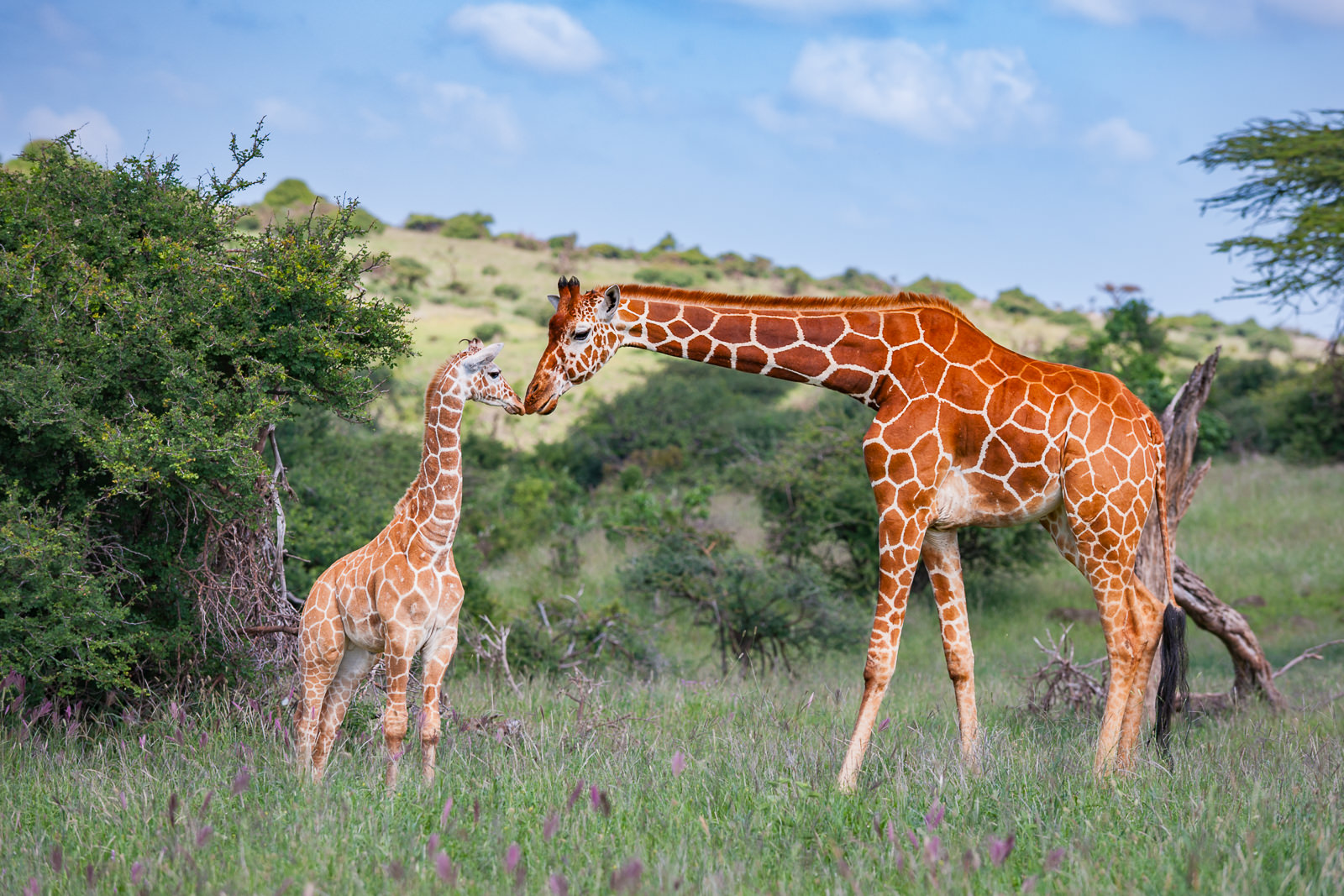
Three more days until Christmas delivery, so three more days of mother and baby animals in the wild. Whatever I can do to get you to visit my store at www.specieslimited.com and get those holiday gifts. Thanks to all those who already have. As for the image, I captured this one of a reticulated giraffe and her calf in Lewa Wildlife Conservancy in Kenya back in 2011. Nikon D700 with Nikkor 70-200mm lens (at 150mm) ISO 400, f/4.5 at 1/1600th of a second.
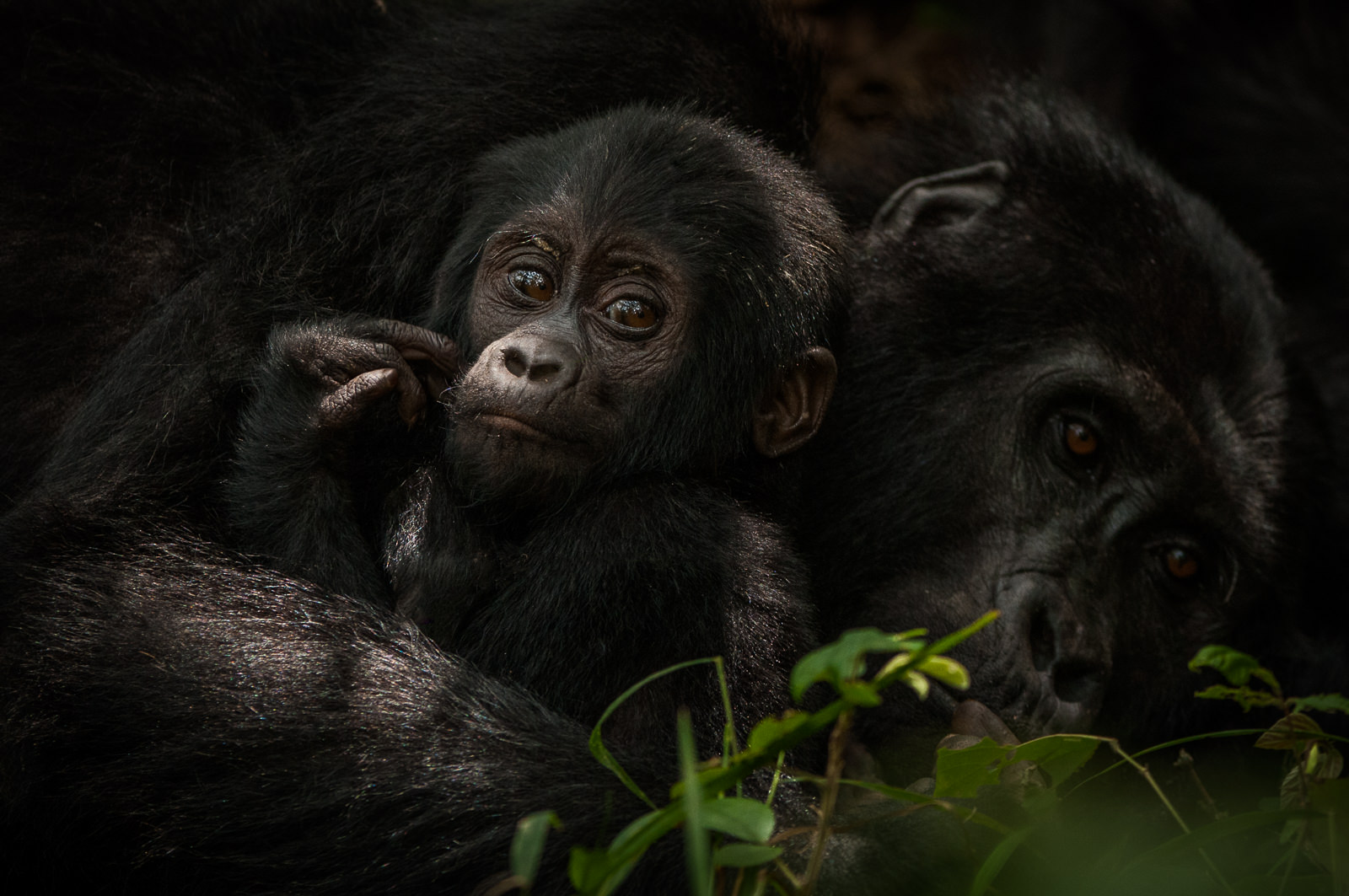
Only four days left to order the 2026 calendar at www.specieslimited.com or any of the great shirt designs. Well, only four days left for guaranteed Christmas delivery. This gorilla represents February in the “Mother’s Nature” calendar. Get those last minute gifts and feel good that 10% of select purchases is going back to wildlife conservation. And even better, join us next June in Kenya and Uganda and see the gorillas in the wild. Spots still available.Nikon D300 with Nikkor 200-400mm lens (at 240mm) ISO 800, f/4 at 1/125th of a second.
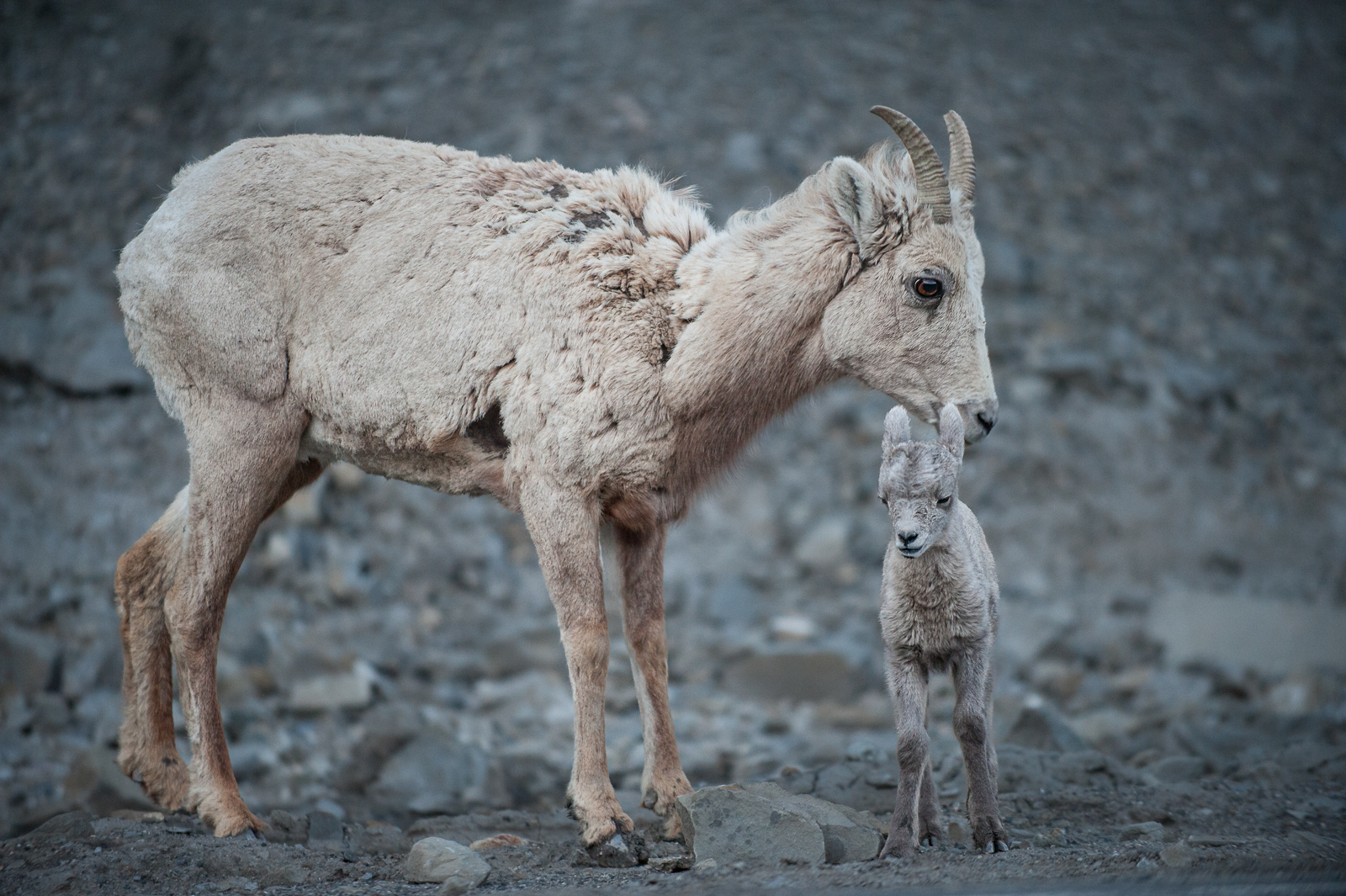
Bighorn lambs are typically born on steep, rocky cliffs — natural nurseries that help protect them from predators in their most vulnerable days. The ewe stays close, nursing frequently and guiding her lamb through increasingly difficult terrain as it gains strength. Within just a week, the lamb can scale ledges with surprising agility, always keeping its mother in sight. To see more maternal behavior from nature, check out the “Mother’s Nature” wall calendar I just added to my shop at www.specieslimted.com. Nikon D700 with Nikkor 70-200mmm lens (at 200mm) ISO 1600, f/2.8 at 1/400th of a second.
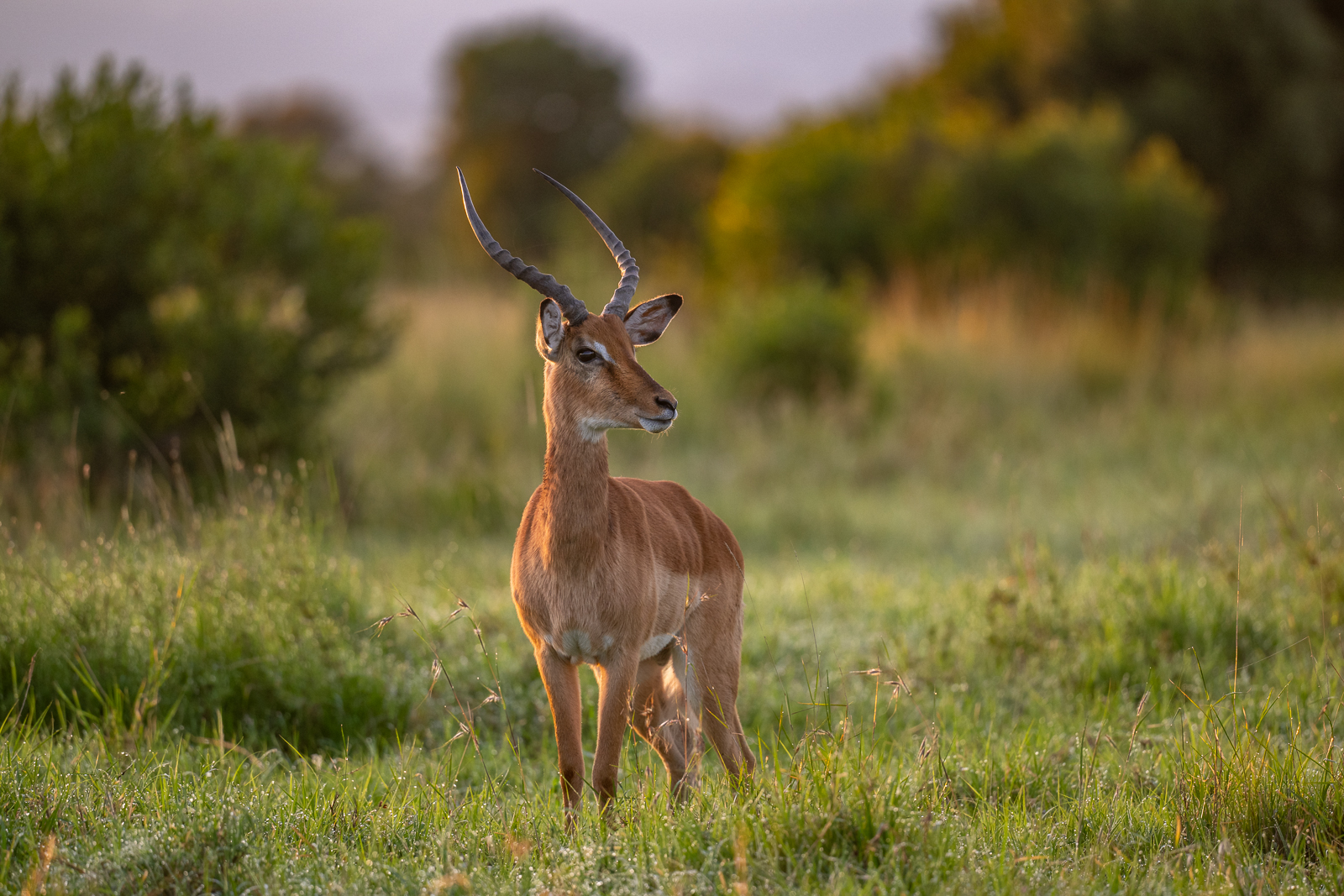
Impala are without a doubt the most common mammal that we see on our East African safaris. Because of that, guests tend to overlook them after awhile. But they sure are elegant looking antelope. This male was posing for us in the golden light of early morning. If you want to see just how common they are, join us in June when we go back to Kenya and Uganda (www.cranewildlifetours.com). Nikon Z8 with Nikkor 500mm PF lens, ISO 1000, f/5.6 at 1/160th of a second.
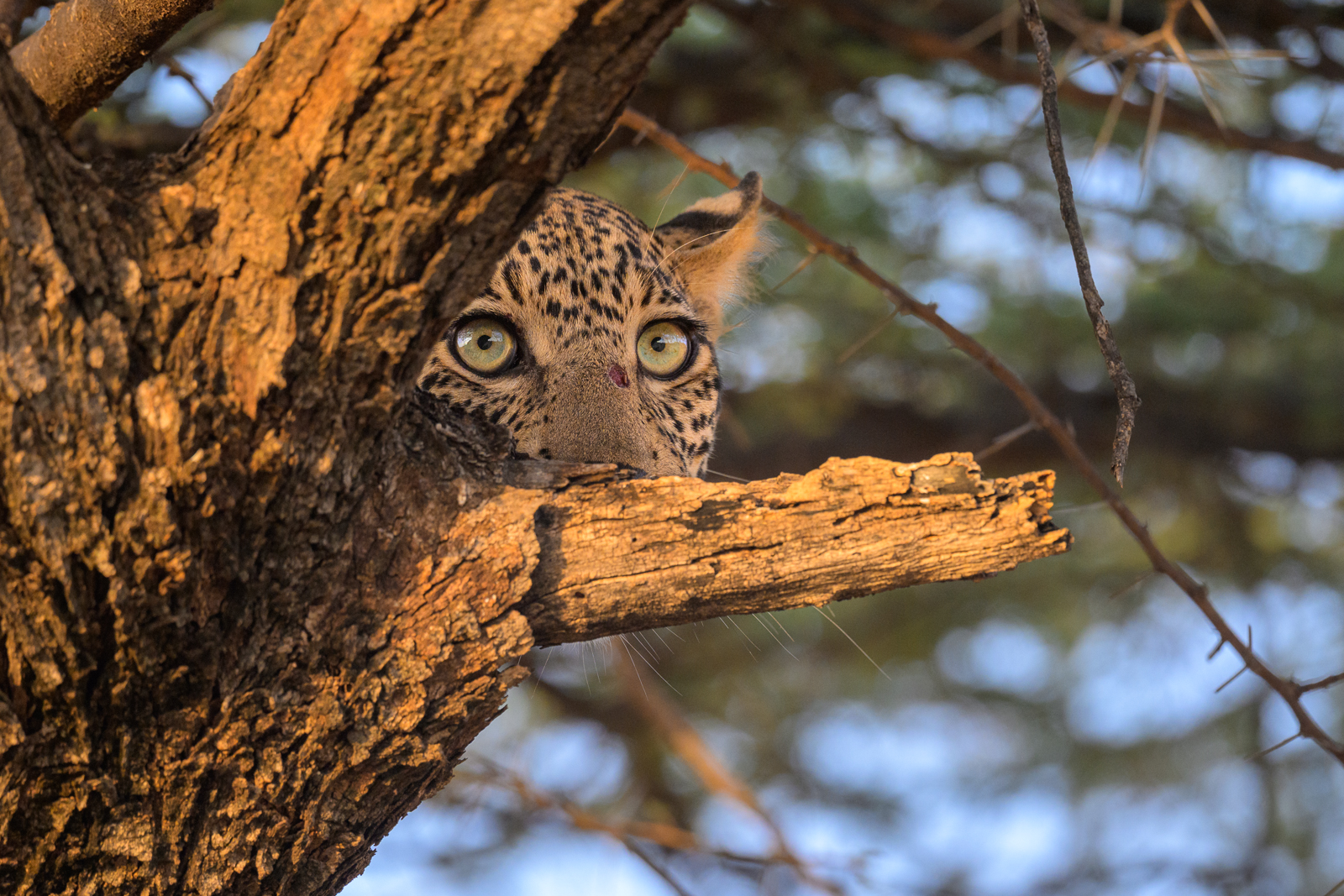
The leopard is the most elusive of the big cats, silent, solitary, and supremely adaptable. It blends effortlessly into everything from dense forests to rocky hills and open savannas. I caught this female, mid-morning, scanning the savanna from up in a tree. Nikon Z8 with Nikkor 500mm PF lens, ISO 1250, f/5.6 at 1/500th of a second.
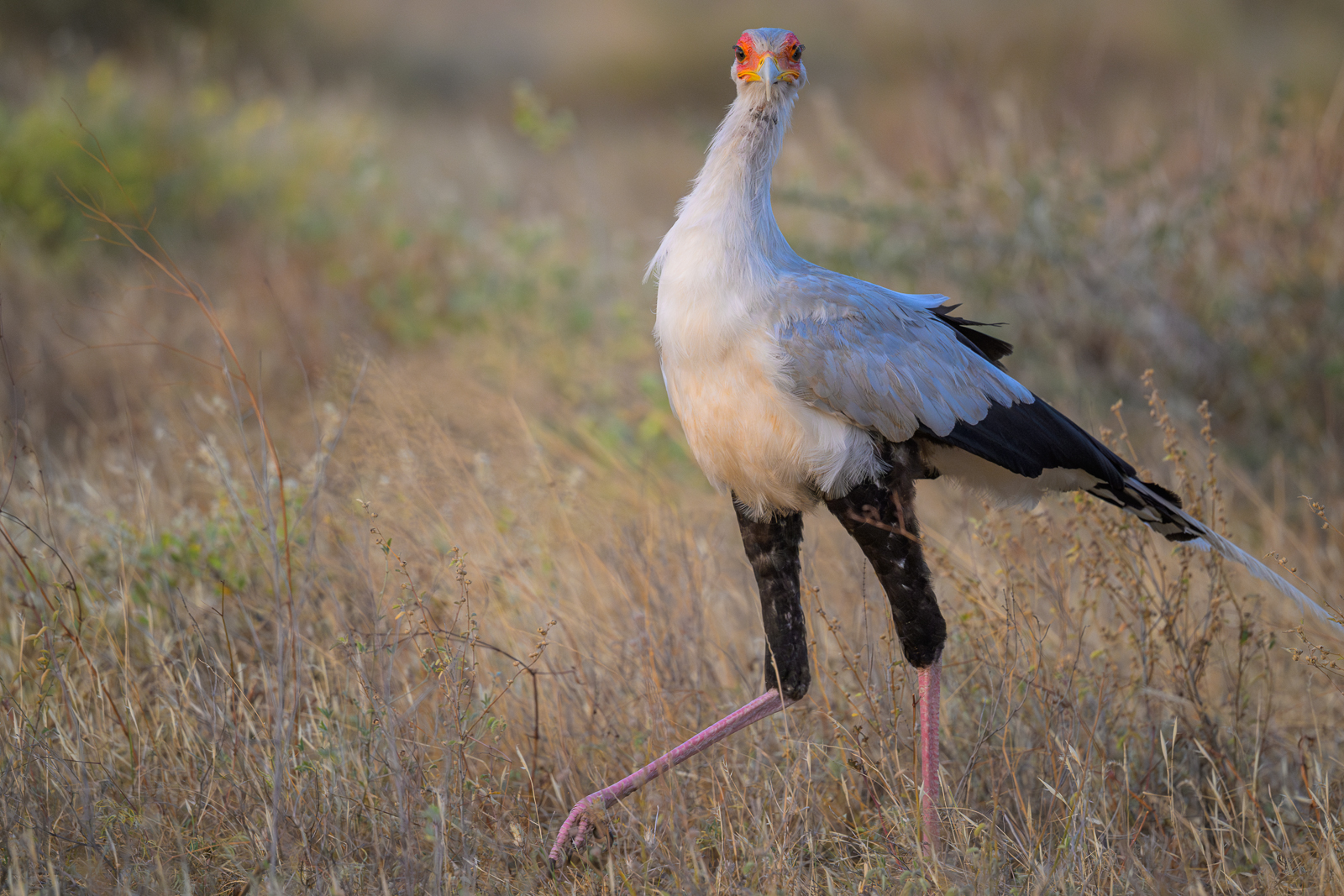
The secretary bird is known for its distinctive strut across the African savanna. Unlike most birds of prey, it hunts almost entirely on foot, covering vast distances with a deliberate, high-stepping gait. Its powerful legs and sharp talons are built for speed and precision, perfect for stomping and striking snakes, lizards, and small mammals. Nikon Z8 with Nikkor 500mm PF lens, ISO 2800, f/5.6 at 1/1600th of a second.
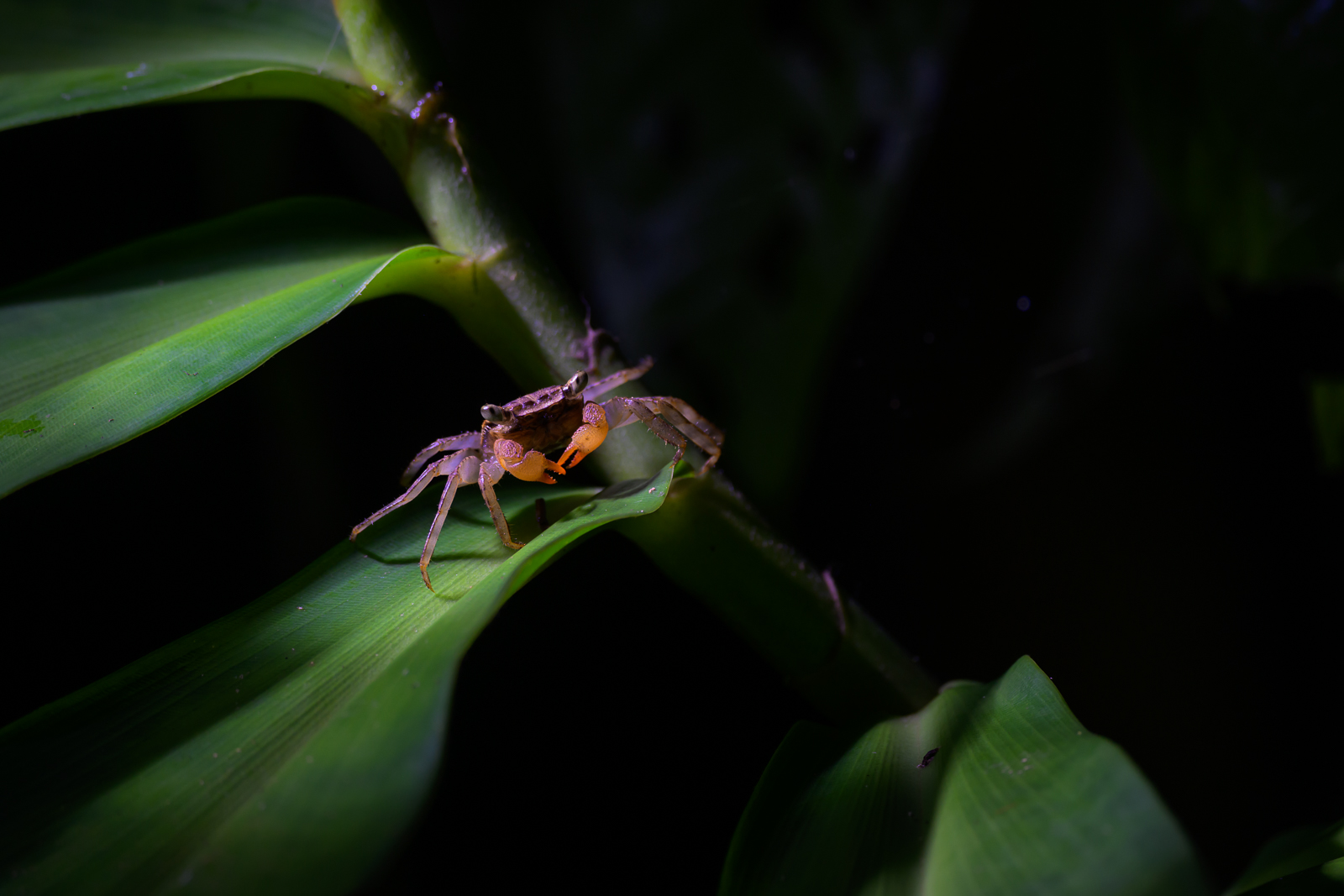
The mangrove tree crab lives high in the branches of mangrove trees along tropical coastlines. Unlike most crabs, it spends much of its life out of water, using its hooked legs to climb and cling to bark and leaves. It feeds primarily on mangrove leaves but also snacks on algae, insects, and detritus, making it both a herbivore and a scavenger. When threatened, it can drop from the canopy into the water below, quickly scurrying to safety. Small but ecologically important, this crab helps recycle nutrients and maintain the delicate balance of the mangrove ecosystem. I photographed this on in Piedras Blancas National Park in southern Costa Rica. Nikon Z8 with Nikkor 500mm PF lens, ISO 1000, f/5.6 at 1/125th of a second, Godox 860iii flash.
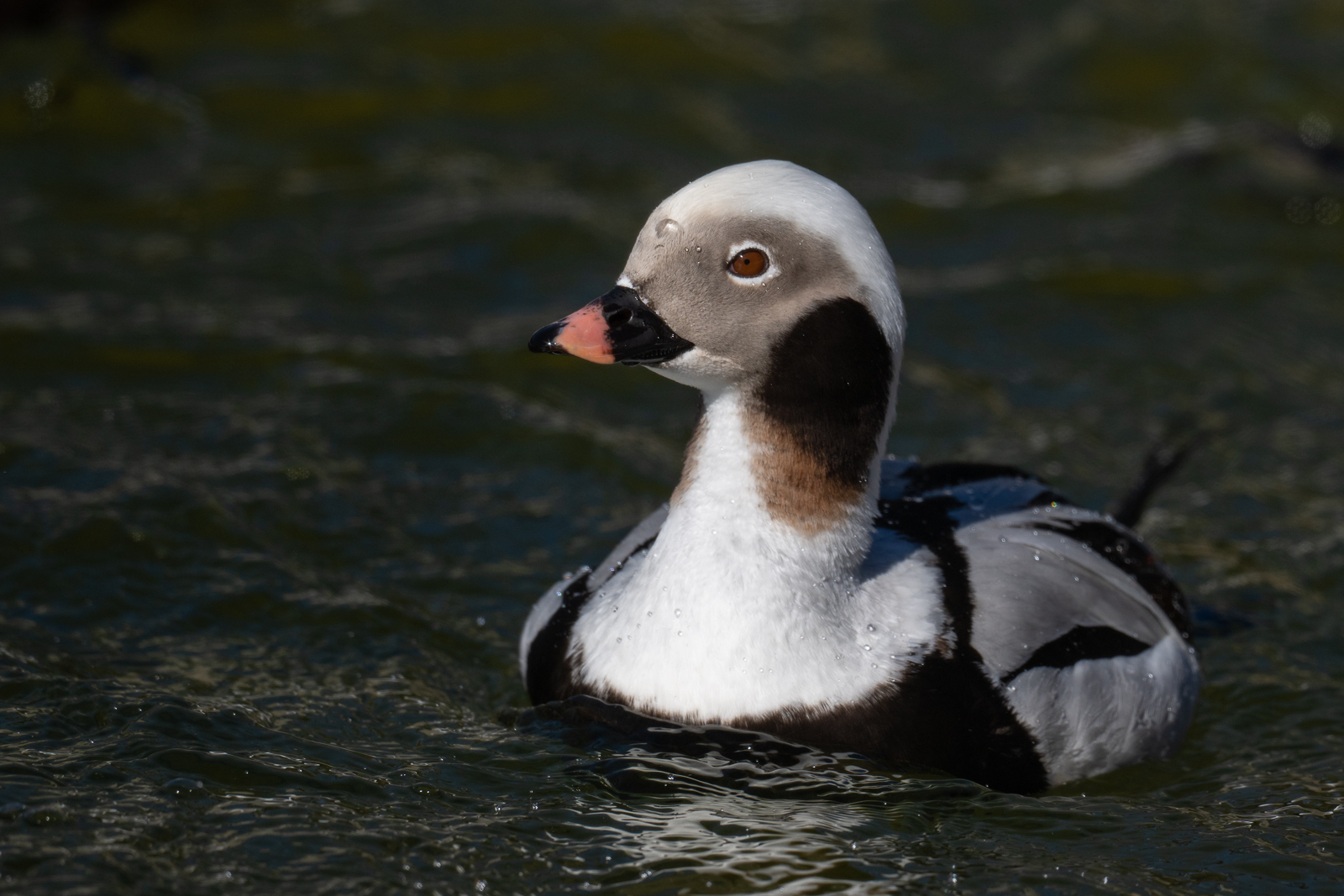
The long-tailed duck is an Arctic sea duck known for its elaborate plumage and, as the name suggests, the males’ distinctive long tail feathers. Unlike most ducks, it spends most of its life on the open ocean, diving to depths of over 200 feet to feed on mollusks, crustaceans, and small fish. In winter, it can be seen along northern coastlines, often in choppy, cold waters where few other birds venture. This captive individual was photographed at the Ripley’s Waterfowl Conservancy in Connecticut. Nikon Z8 with Nikkor 500mm PF lens, ISO 250, f/7.1 at 1/2000th of a second.
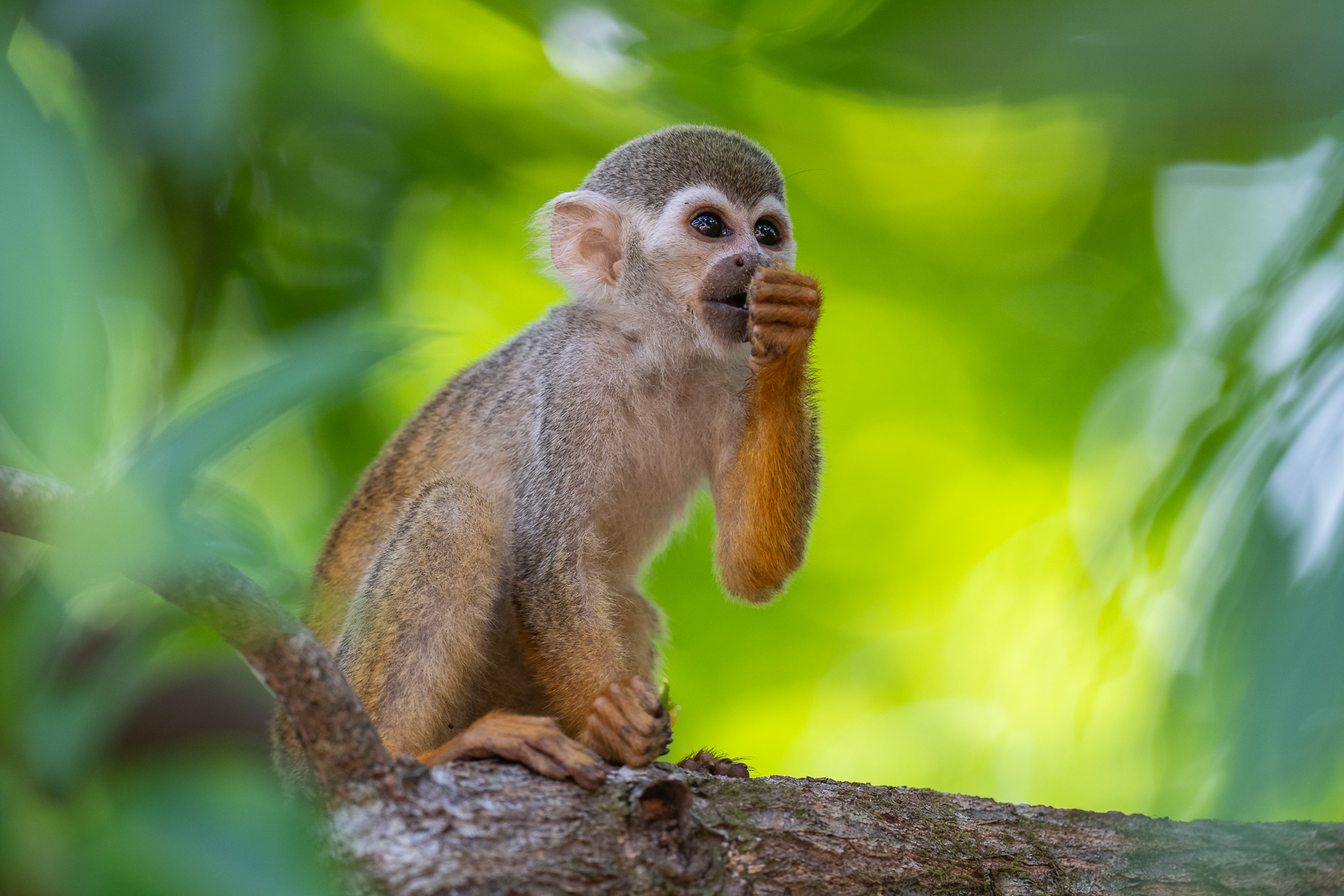
The Guianan squirrel monkey is a small, highly social primate found in the tropical forests of northern South America, especially in the Guianas and parts of the Amazon Basin. With bright yellow limbs, a white face, and a black cap on its head, it’s one of the most colorful members of the squirrel monkey group. These agile monkeys travel in large troops, sometimes over 50 individuals, leaping through the canopy in search of fruit, insects, and small vertebrates. Their constant chatter and quick movements make them both entertaining and challenging to observe in the wild. Nikon Z8 with Nikkor 500mm PF lens, ISO 1250, f/5.6 at 1/320th of a second.
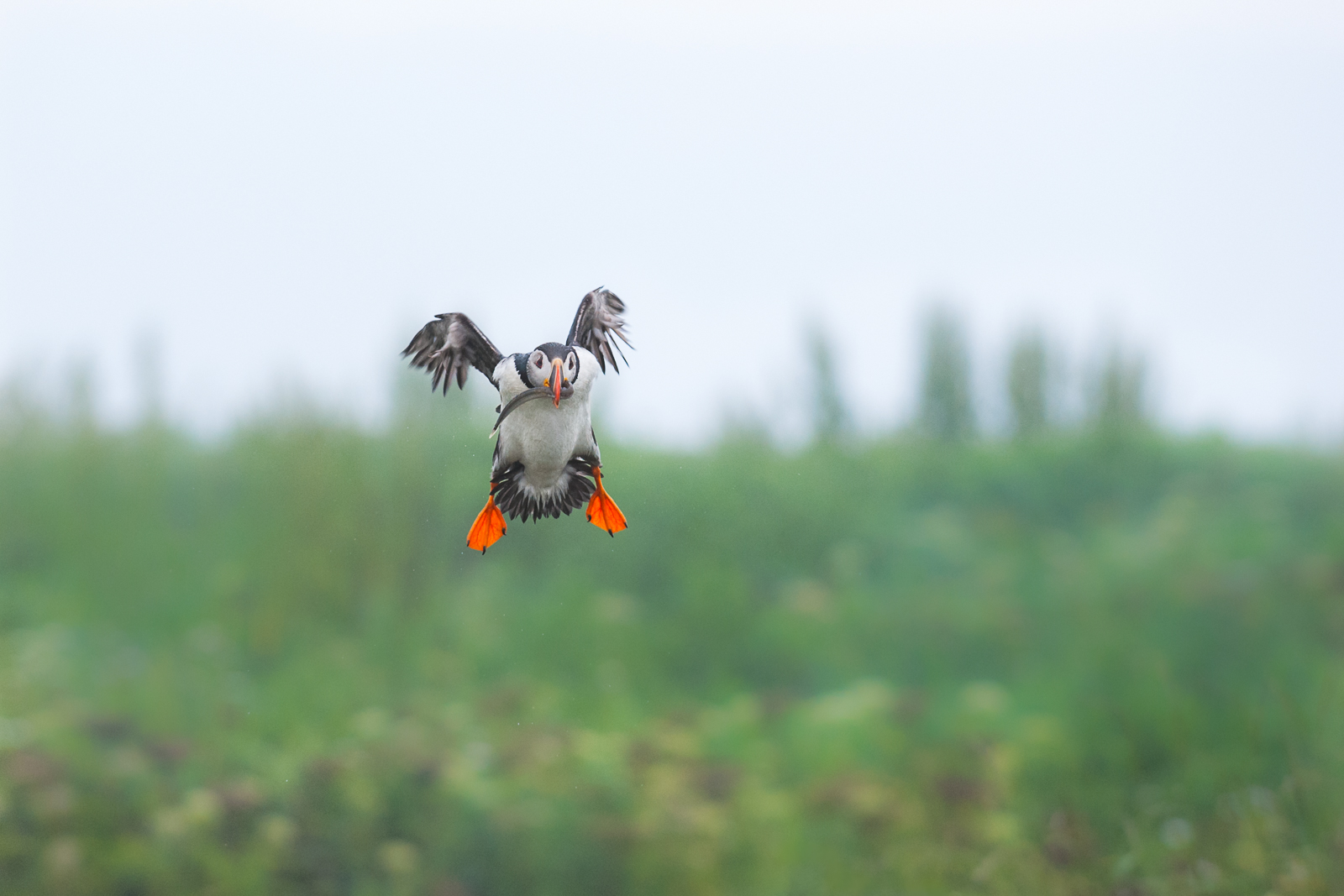
Here’s an old one from way back in 2008 on Machias Seal Island off the coast of Maine. Atlantic puffins nest in burrows dug into the grassy soil or between rocky crevices. They return each spring to the same site, where pairs reunite and raise a single chick. Puffins here primarily feed on small fish like herring, sand lance, and hake, which they catch during short dives close to shore. Nikon D200 with Nikkor 70-200mm lens (at 200mm) ISO 200, f/4 at 1/2000ht of a second.
We use cookies to enhance your experience while using our website. If you are using our Services via a browser you can restrict, block or remove cookies through your web browser settings. We also use content and scripts from third parties that may use tracking technologies. You can selectively provide your consent below to allow such third party embeds. For complete information about the cookies we use, data we collect and how we process them, please check our Privacy Policy