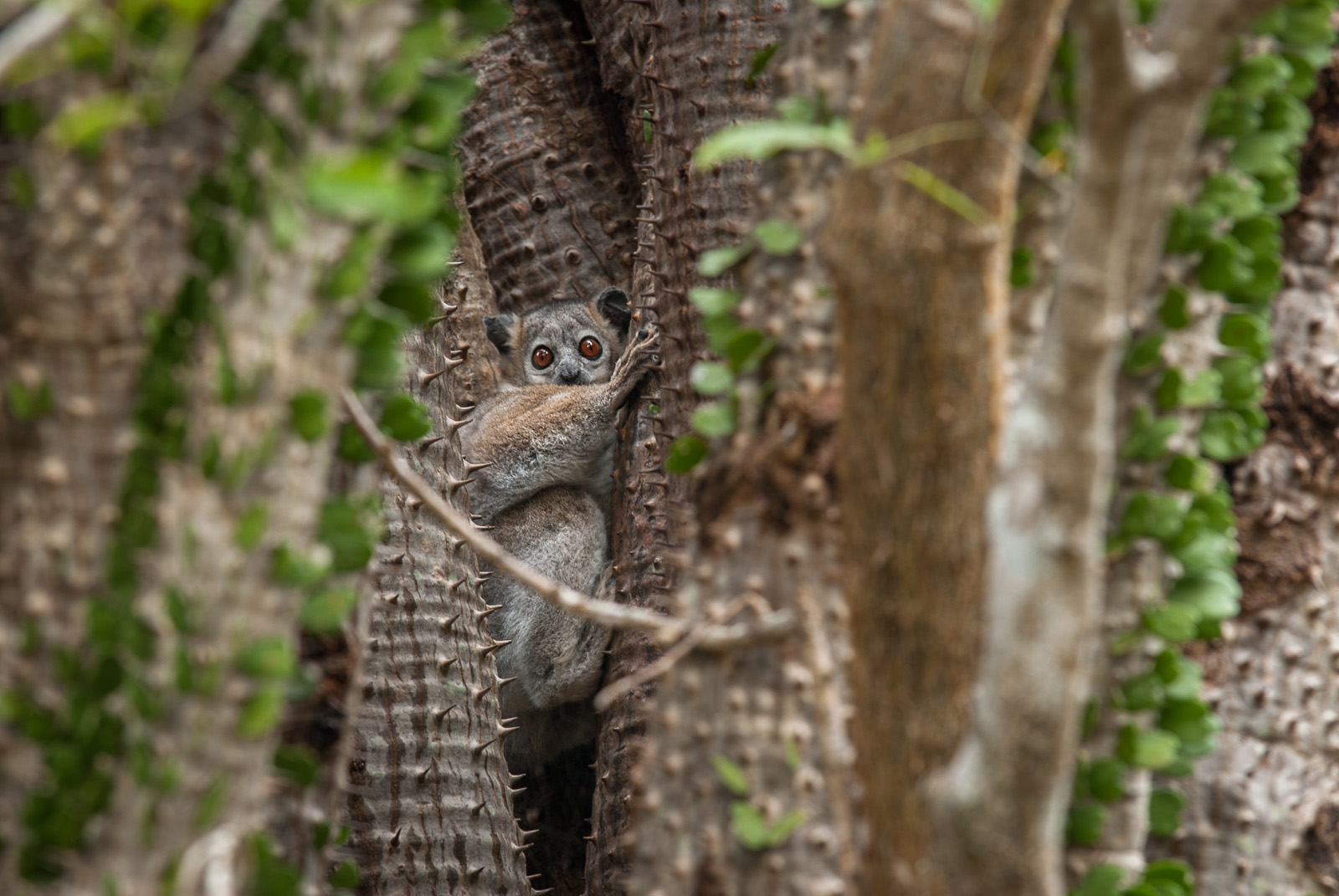
This white-footed sportive lemur was resting in a forest of thorn trees. It’s a nocturnal species, but this one took a quick look up before resuming his/her nap. I was in the extreme south of Madagascar at the Berenty Reserve. Nikon D200 with Nikkor 80-200mm lens (at 200mm) ISO 100, f/5.6 at .3 seconds
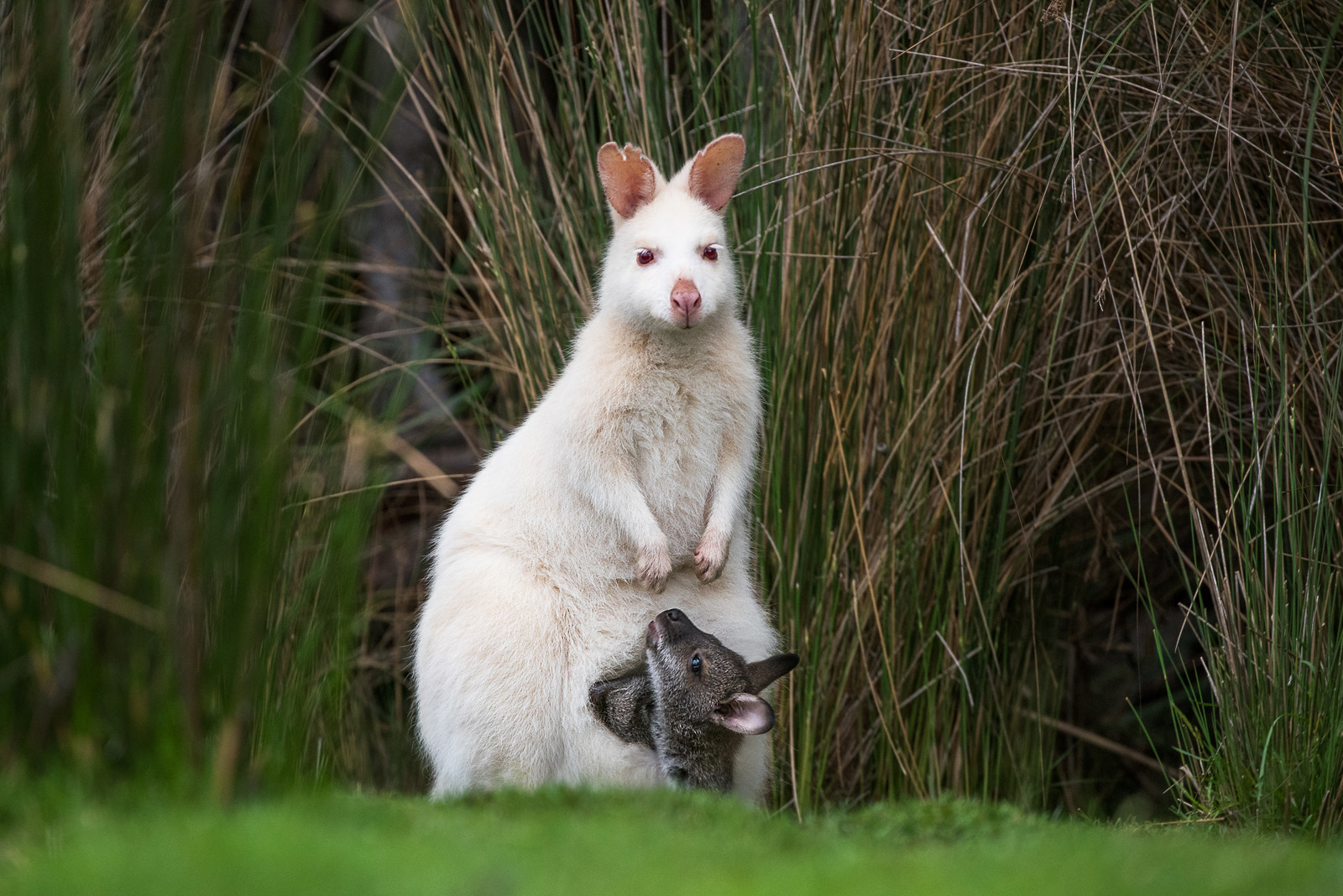
Bennett’s wallabies are usually brown, but on Bruny Island in Tasmania there is a small population of white ones that live amongst the darker members of the troupe (that’s what you call a group of wallabies, a troupe… or a mob… or a court). In fact a white mother will commonly give birth to a brown joey. In this photo, the joey appears to be looking up at mom, considering all that white fur, wondering if he crawled into the wrong pouch and saying, “wait a minute, you’re my Mom?” Nikon D810 with Nikkor 200-400mm lens (at 400mm) ISO 1600, f/5.6 at 1/125th of a second
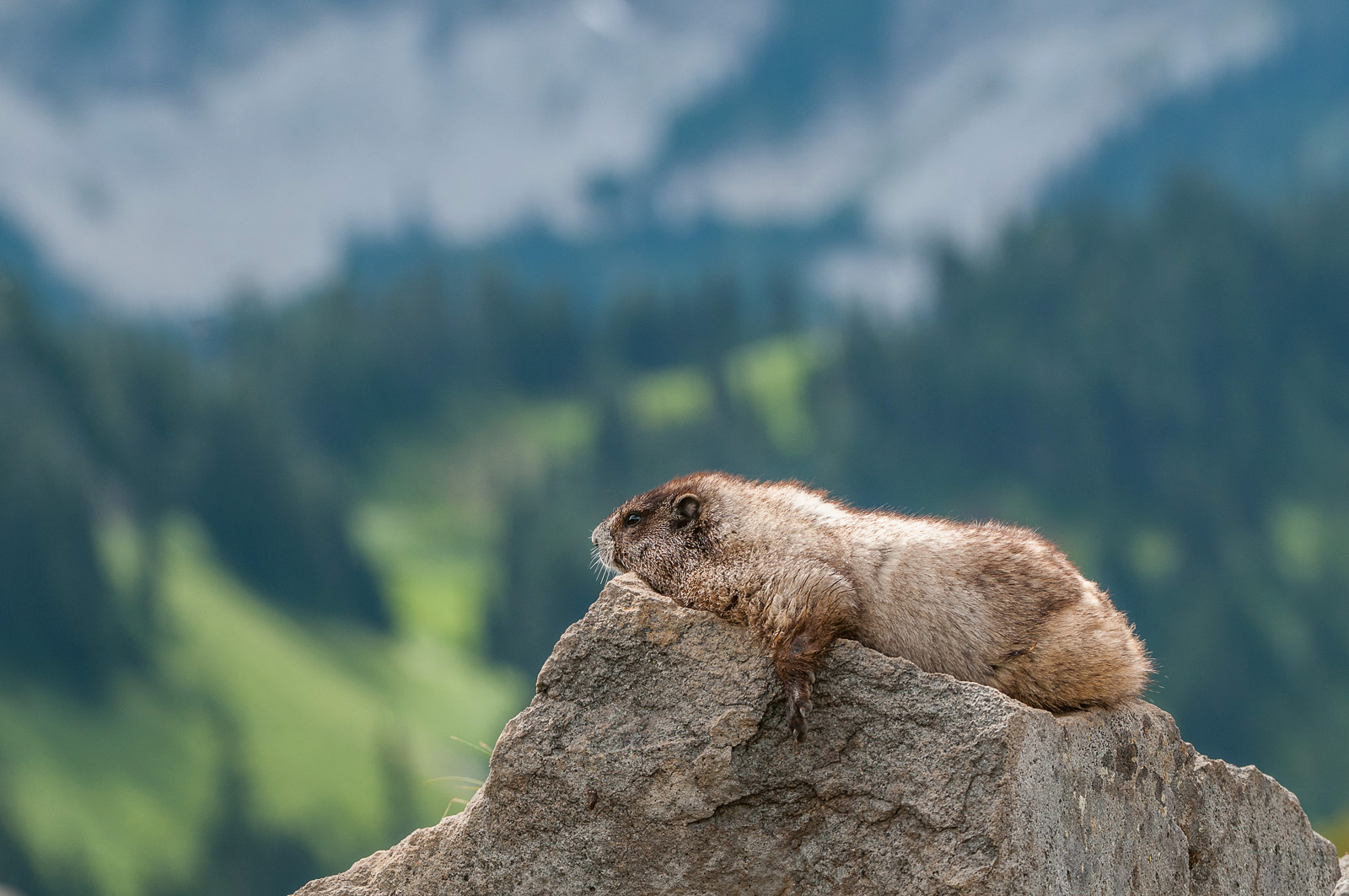
A hoary marmot rests on a boulder in an alpine meadow in Mount Rainier National Park. These marmots are the largest North American ground squirrels and are often called whistlers for their high pitched warning call. They live near tree line in mountainous areas of the northwest. Nikon D300 with Nikkor 200-400mm lens (at 200mm) ISO 200, f/5.6 at 1/500th of a second
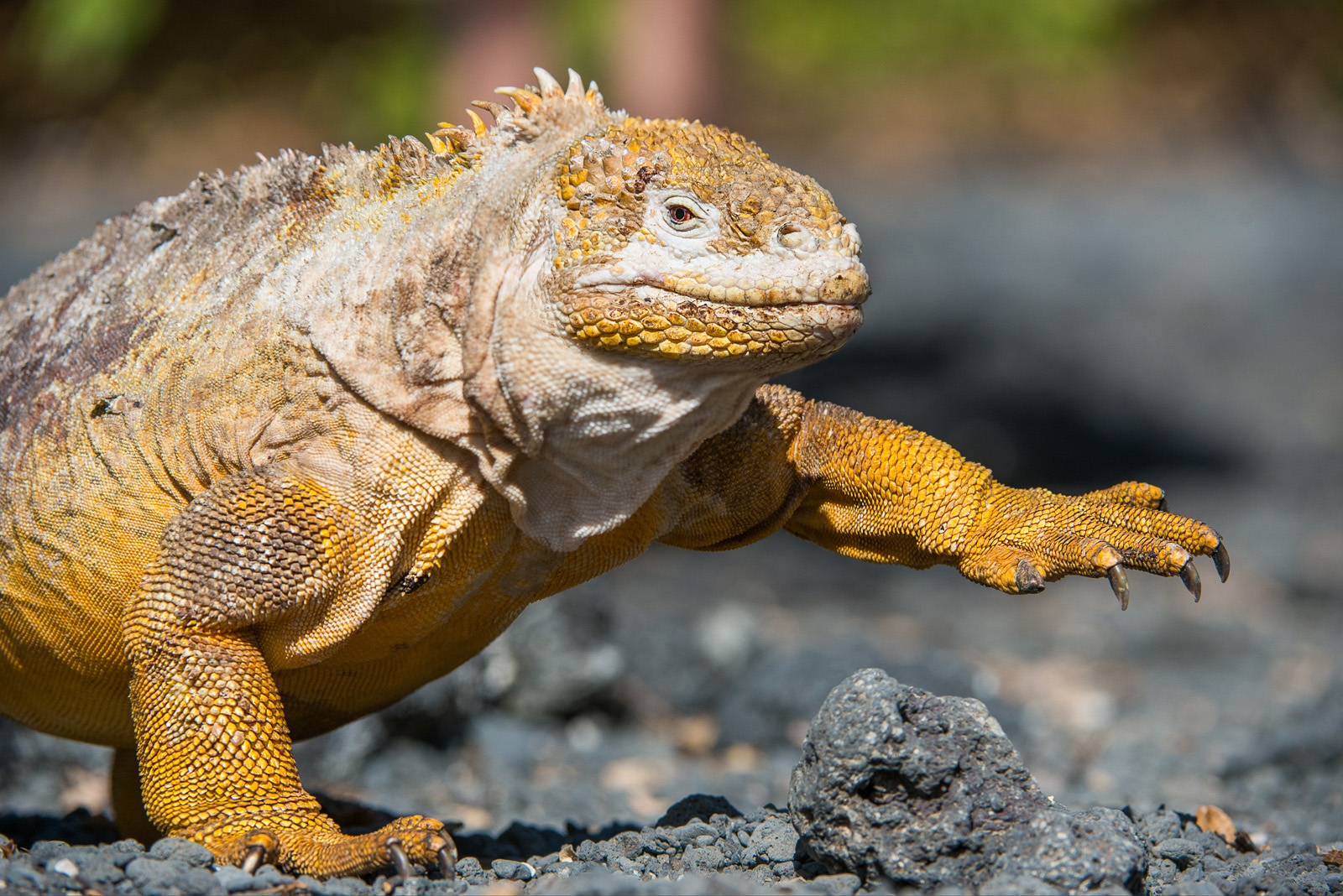
I’ve posted several photos of the Galápagos marine iguana in the past. This is the Galápagos land iguana. Unlike the black marine iguanas, the land iguanas are a bright orangish yellow. They are also a bit bigger than than their amphibious cousins. As the name suggests, these guys stick to terra firma and enjoy basking in the Equatorial sunshine. Land iguanas aren’t as widespread through the Galápagos archipelago as marine iguanas but can still be found on several of the islands. I came across this guy as he was trucking along the volcanic gravel of Isabela Island. Nikon D800 with Nikkor 200-400mm lens (at 200mm) ISO 400, f/5.6 at 1/2500th of a second
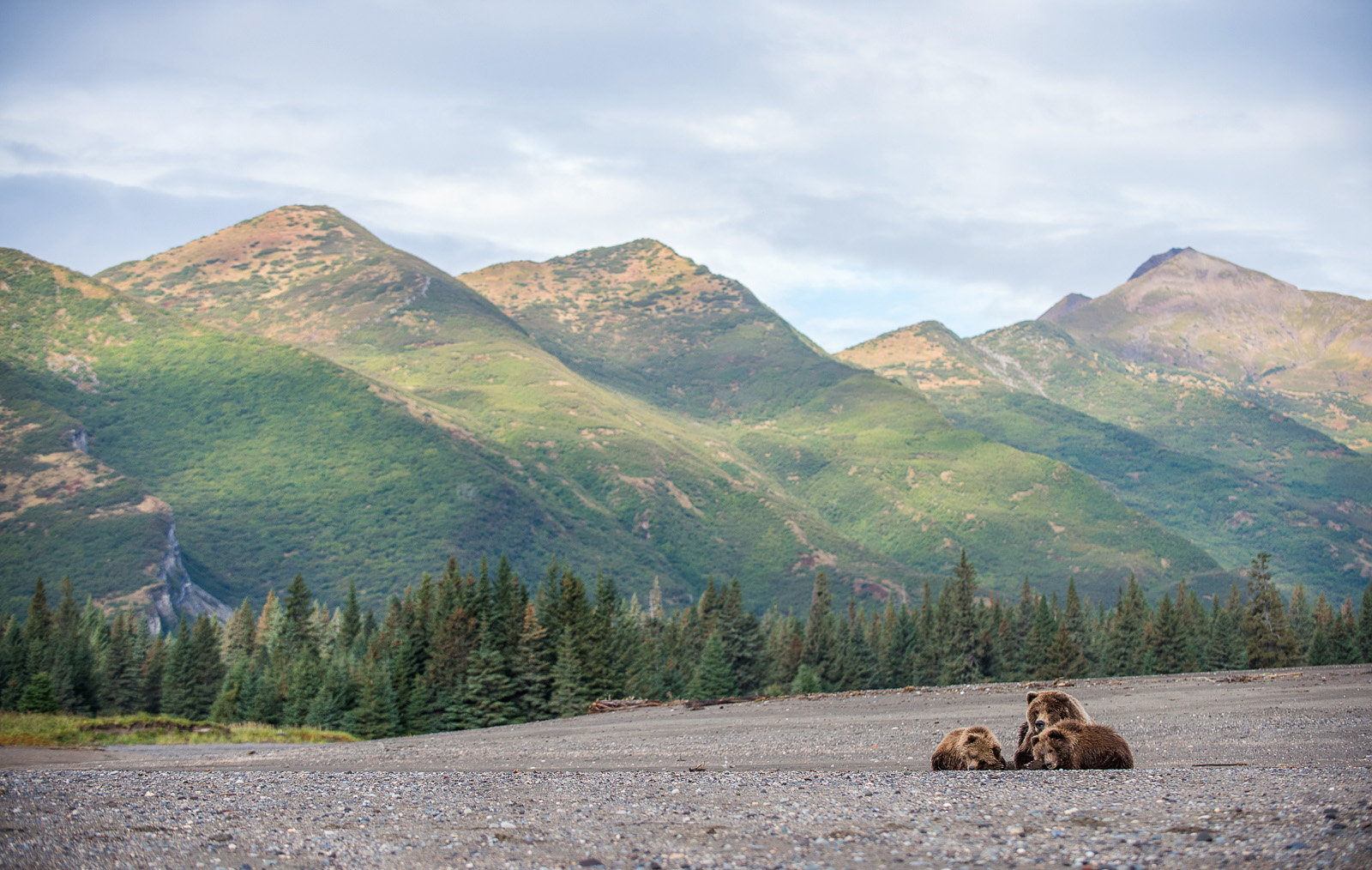
This mom and her two cubs had just spent the morning fishing (well, mom was doing all the fishing and the cubs were the eager recipients of her hard work). Energy expended, bellies full, it was time for a good nap. Lucky for me, they decided to do so right in front of an impressive range of verdant peaks in Lake Clark National Park. Nikon D810 with Nikkor 70-200mm lens (at 90mm) ISO 400, f/4 at 1/3200th of a second
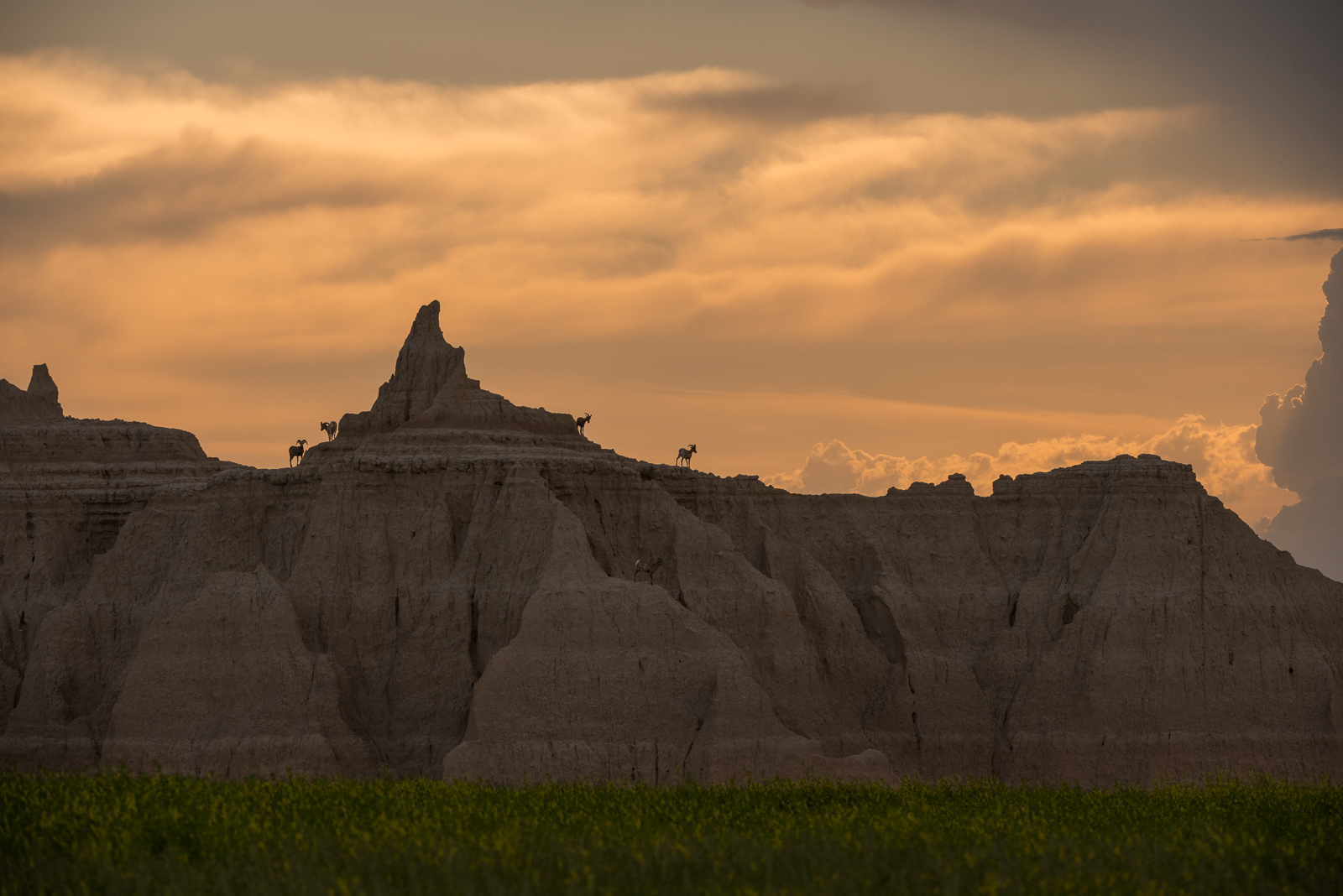
In this image, you can see five bighorn sheep hanging out on the eroded buttes of Badlands National Park in South Dakota. The sun had just set in the distance. The Badlands are a surprisingly great wildlife destination. In fact, outside of Yellowstone and the California coast, they’re probably my favorite go-to spot for a variety of animals in an amazing natural habitat. Nikon D800 with Nikkor 200-400mm lens (at 240mm) ISO 400, f/8 at 1/640th of a second
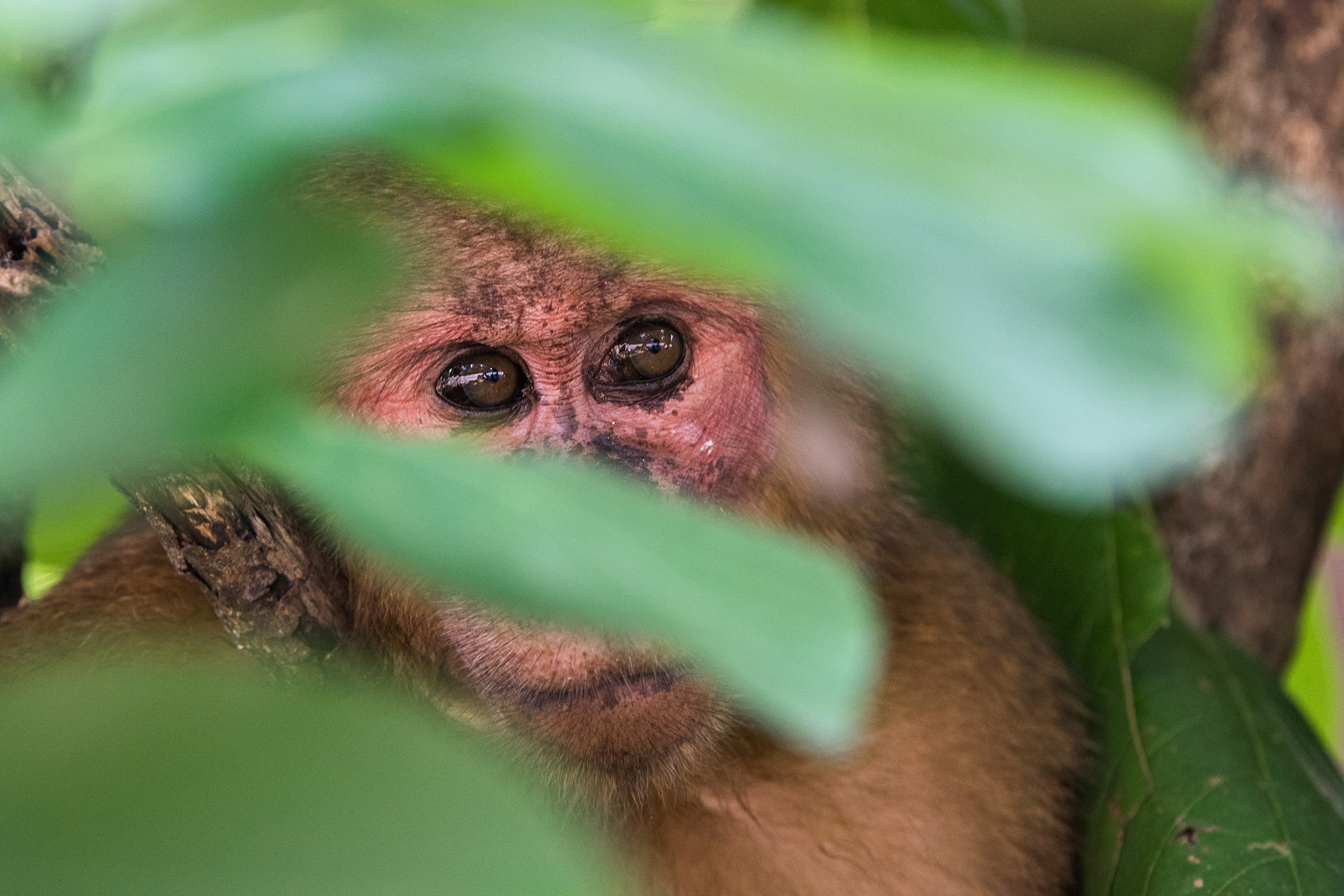
I had a lot of fun with this troop of stump-tailed macaques while I was in Thailand. There must have been forty of them, if not more, surrounding me as they stopped to rest, play, eat and do all the other things that monkeys do. This guy was just taking it easy and hiding out behind the thick jungle foliage. Nikon D810 with Nikkor 200-400mm lens (at 290mm) ISO 1600, f/5.6 at 1/250th of a second
As the year comes to an end, time to look back on the highlights of 2017. For the first time in about 15 years, I didn’t do any international shooting (well, with the exception of a few days in St. Barths). But on an otherwise slow year with the camera, I did take advantage of a few work trips and a great week in Alaska in September. Here, in chronological order, are my top ten images that I captured this year, all previously posted in the last twelve months. (I obviously post images from previous years too, but they are not reflected here).
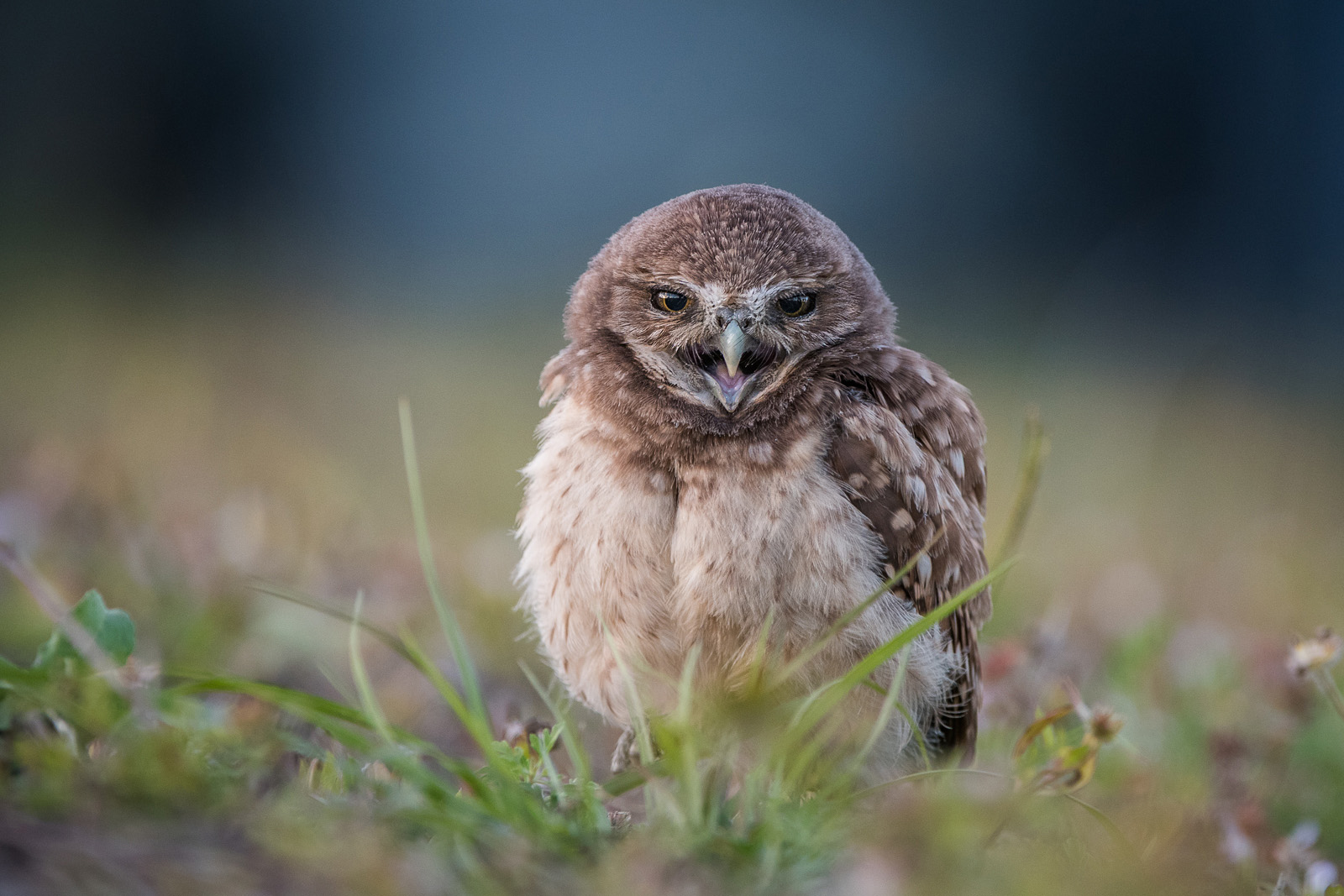
I was a judge at an advertising awards show in Miami in January and took full advantage by staying the weekend and photographing Key deer on Big Pine Key south of the city and then traveling north for burrowing owls in Cape Coral.
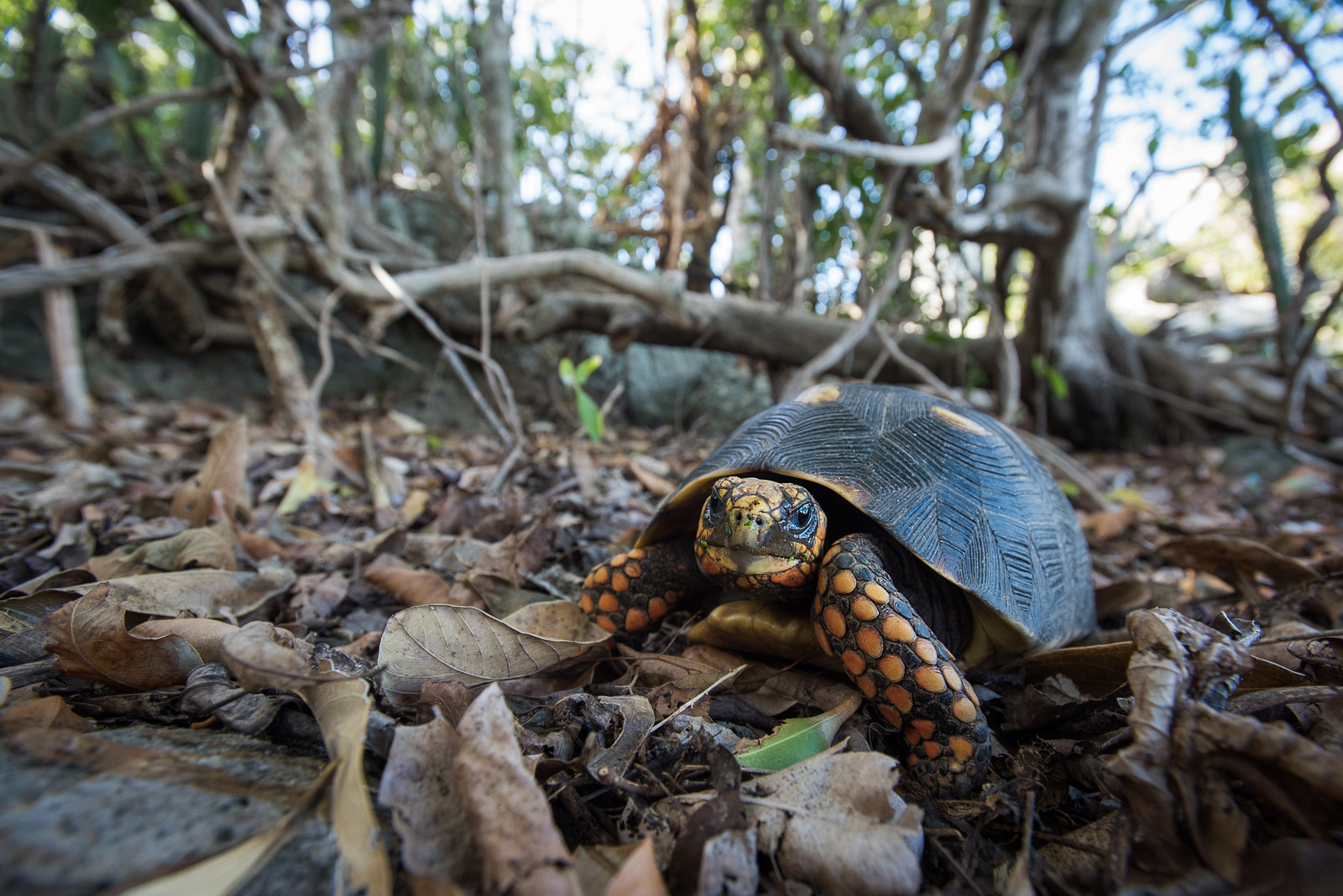
In February, the aforementioned trip to St. Barths allowed for some close encounters with rare red-footed tortoises.
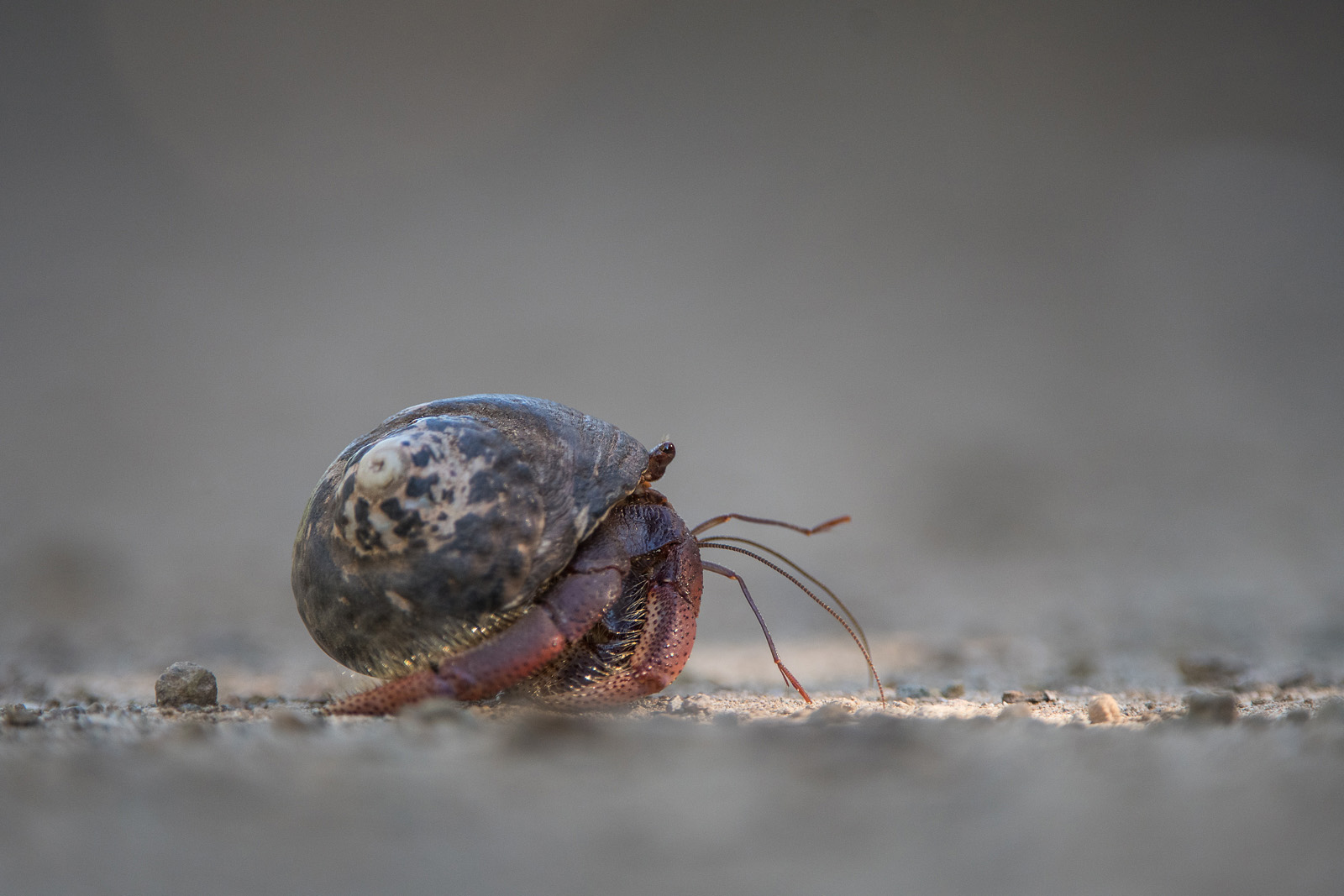
I was also able to get a few good looks at the local fiddler crabs.
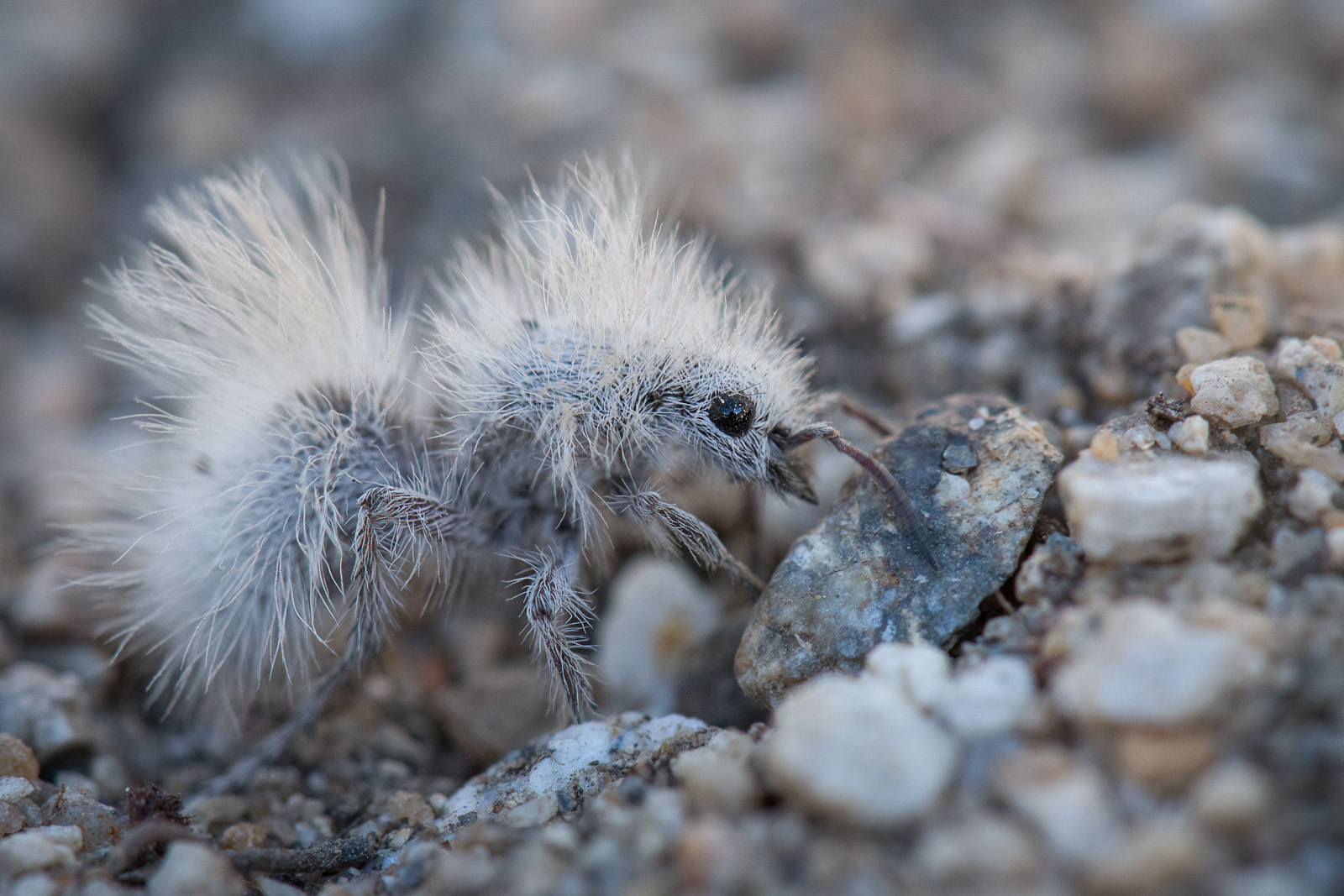
In May, a work trip took me to Los Angeles. I was able to get out to one of my favorite wildlife hotspots in Anza-Borrego State Park. I didn’t have luck with the usual suspects (jackrabbits, coyote and desert bighorn) but I did capture this macro shot of a thistledown velvet ant.
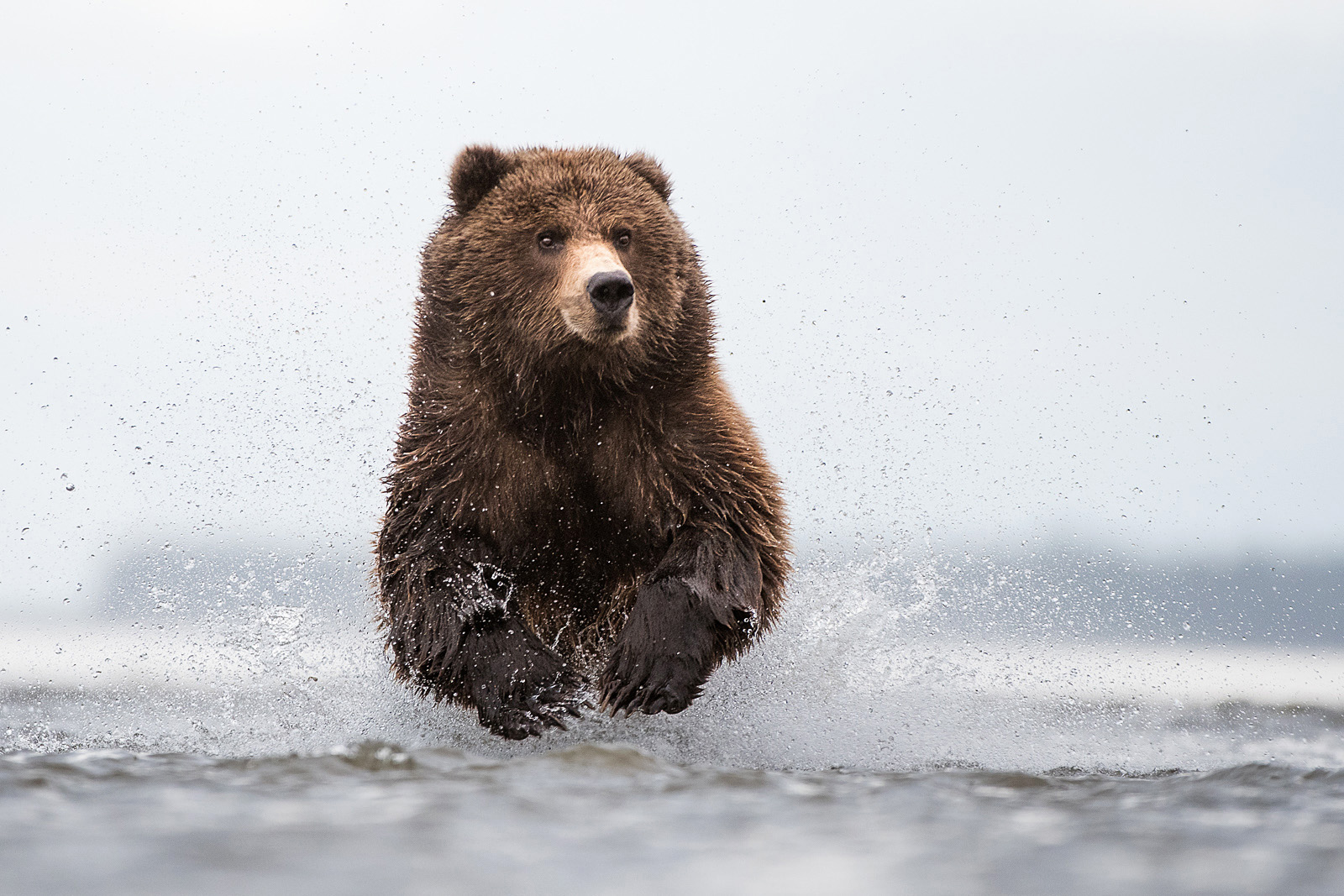
The Alaska trip was mostly about brown bears and moose. I was able to capture lots of action shots of the bears as they chased fish at low tide in Lake Clark National Park.
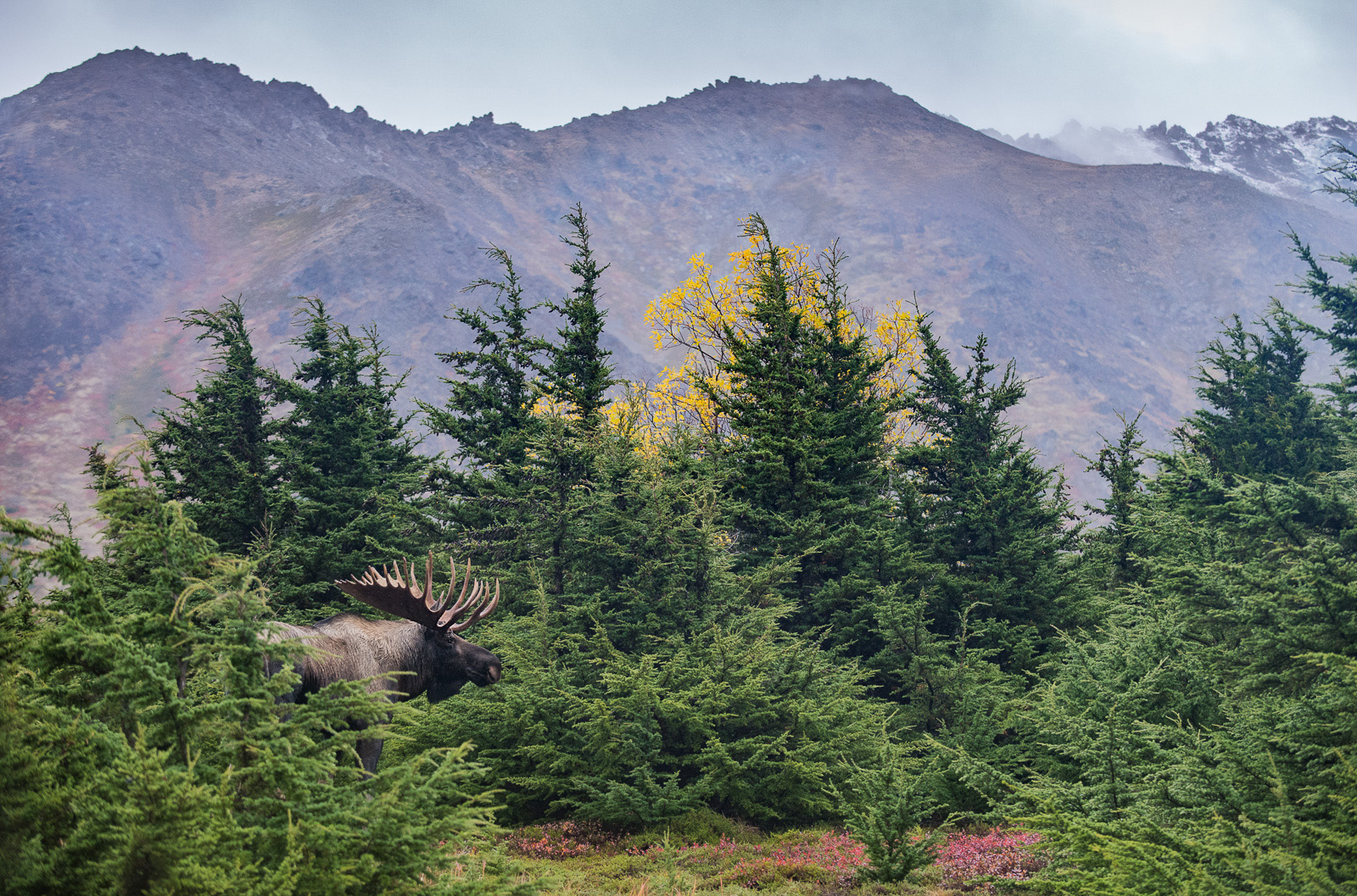
In Chugach State Park in Anchorage, I got up close and personal with several bull moose during the fall rut.
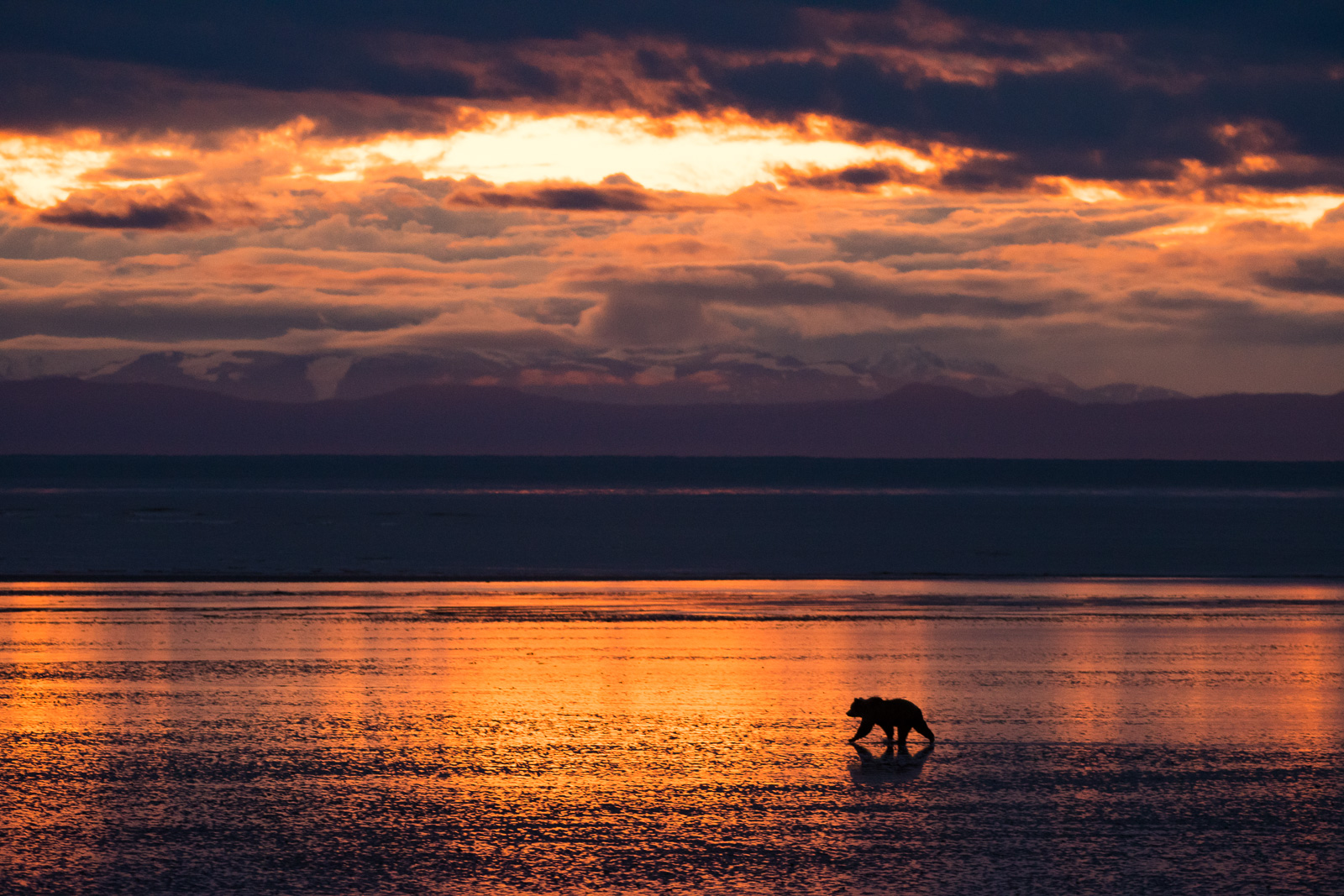
The weather was mostly overcast and rainy, but I did have one great morning when the skies opened for this early morning silhouette shot of a coastal brown bear.
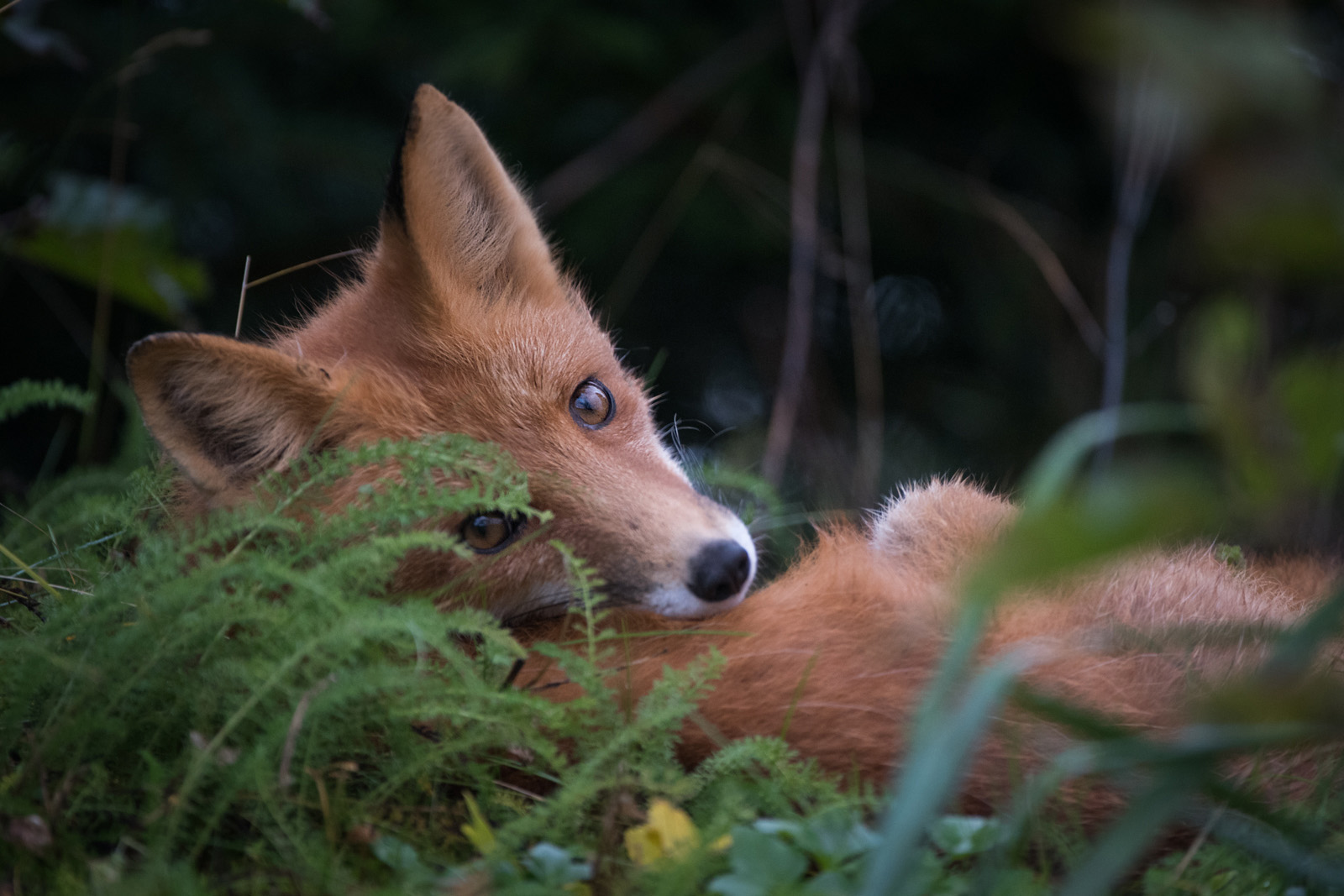
No matter how many times I see them, it’s always a treat to photograph red fox. This guy was just bedding down when I was returning to the lodge after a day of photographing bears.
And speaking of bears, here’s another at close range and from my preferred low angle. This mama bear was giving herself a good shake off after a morning of fishing.
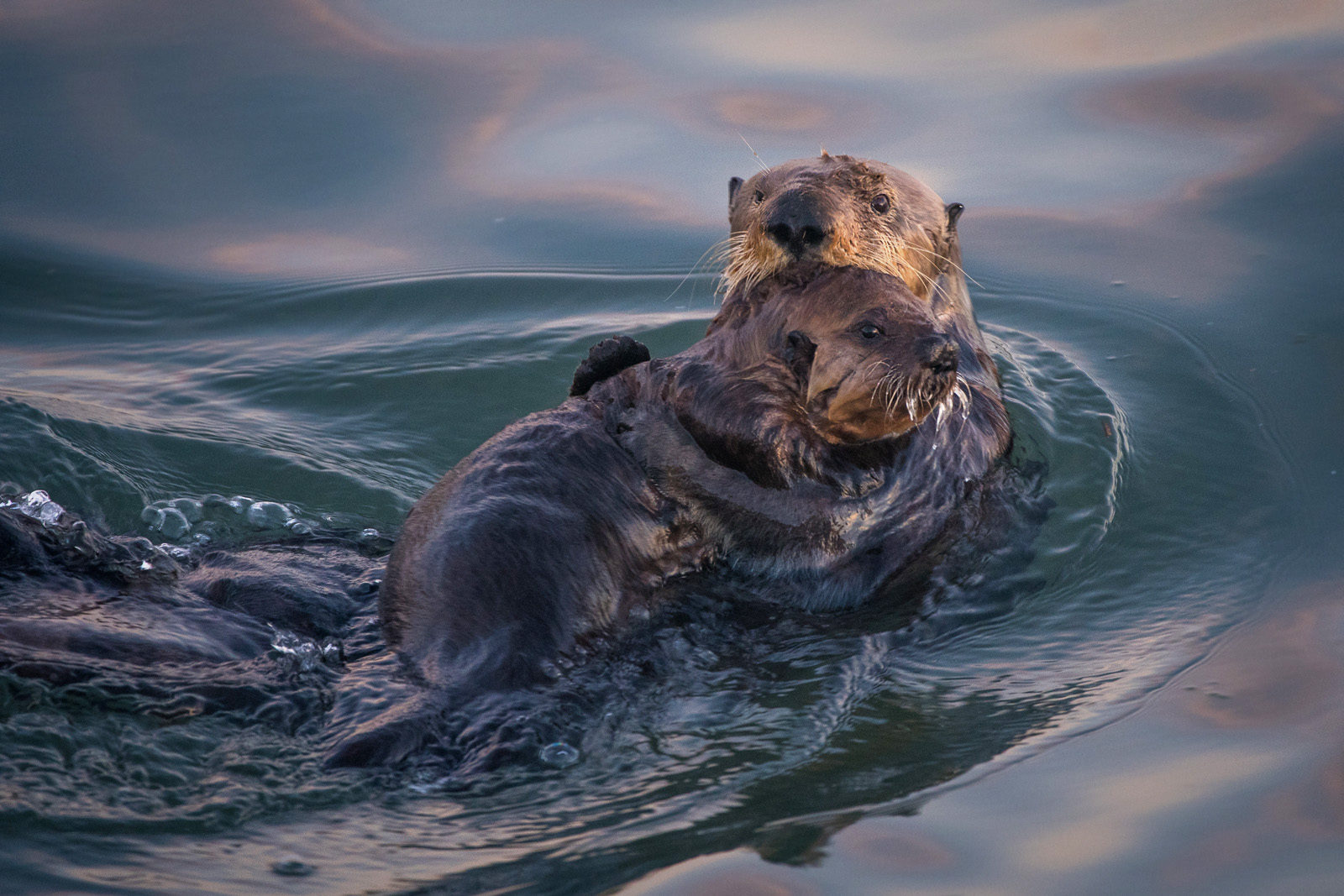
Another work trip took me back to Los Angeles in October. This time I headed north to Morro Bay where I spent a few days photographing the local sea otters. Here’s hoping 2018 brings many more creatures (both locally and internationally). Happy New Year everyone.
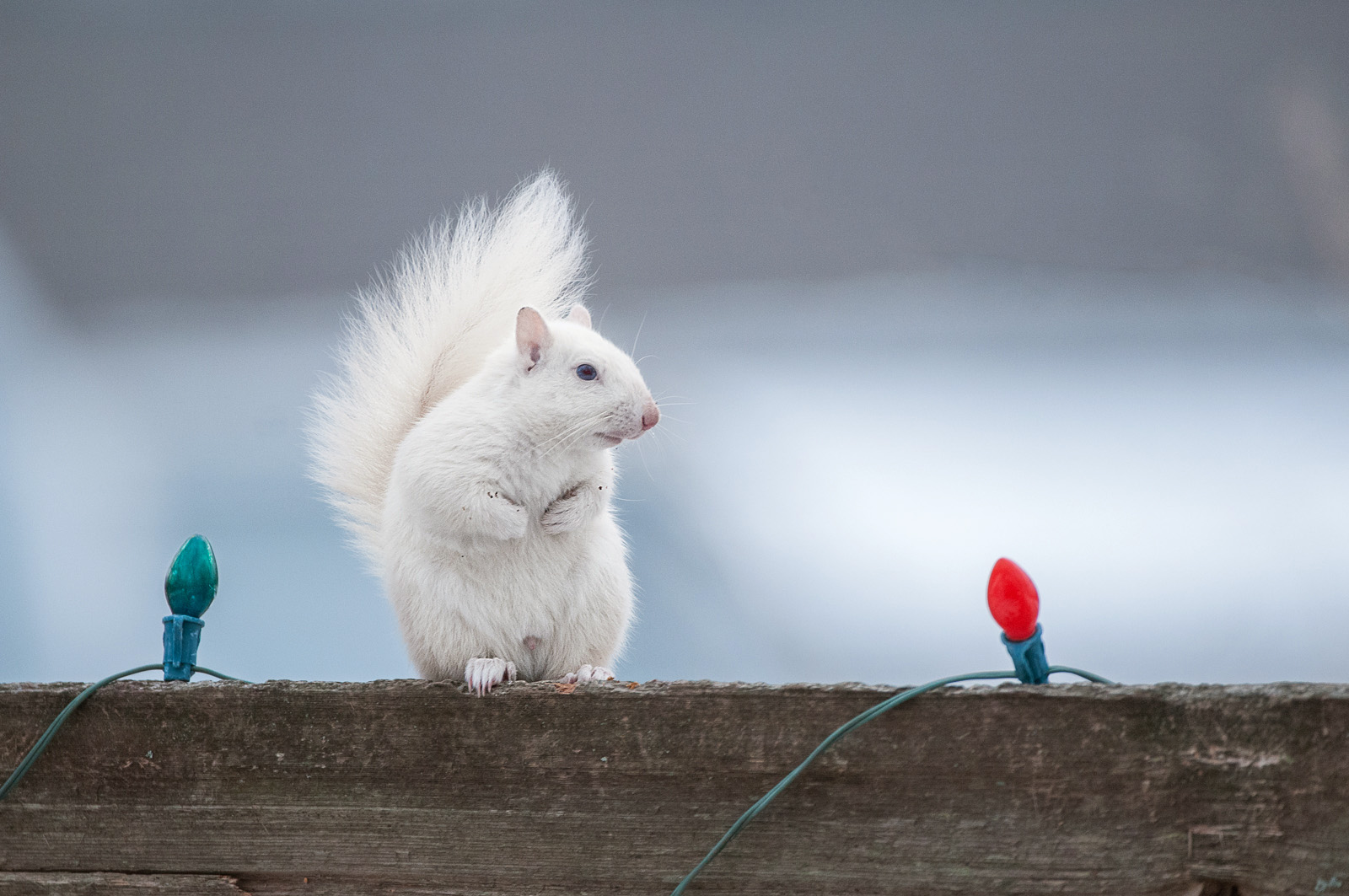
Merry Christmas everyone. I’ll be back in the new year with more wildlife photos from around the world. In the meantime, here’s a white squirrel, photographed in Olney, Illinois a few years back. Nikon D300 with Nikkor 200-400mm lens (at 400mm) ISO 800, f/4 at 1/1000th of a second
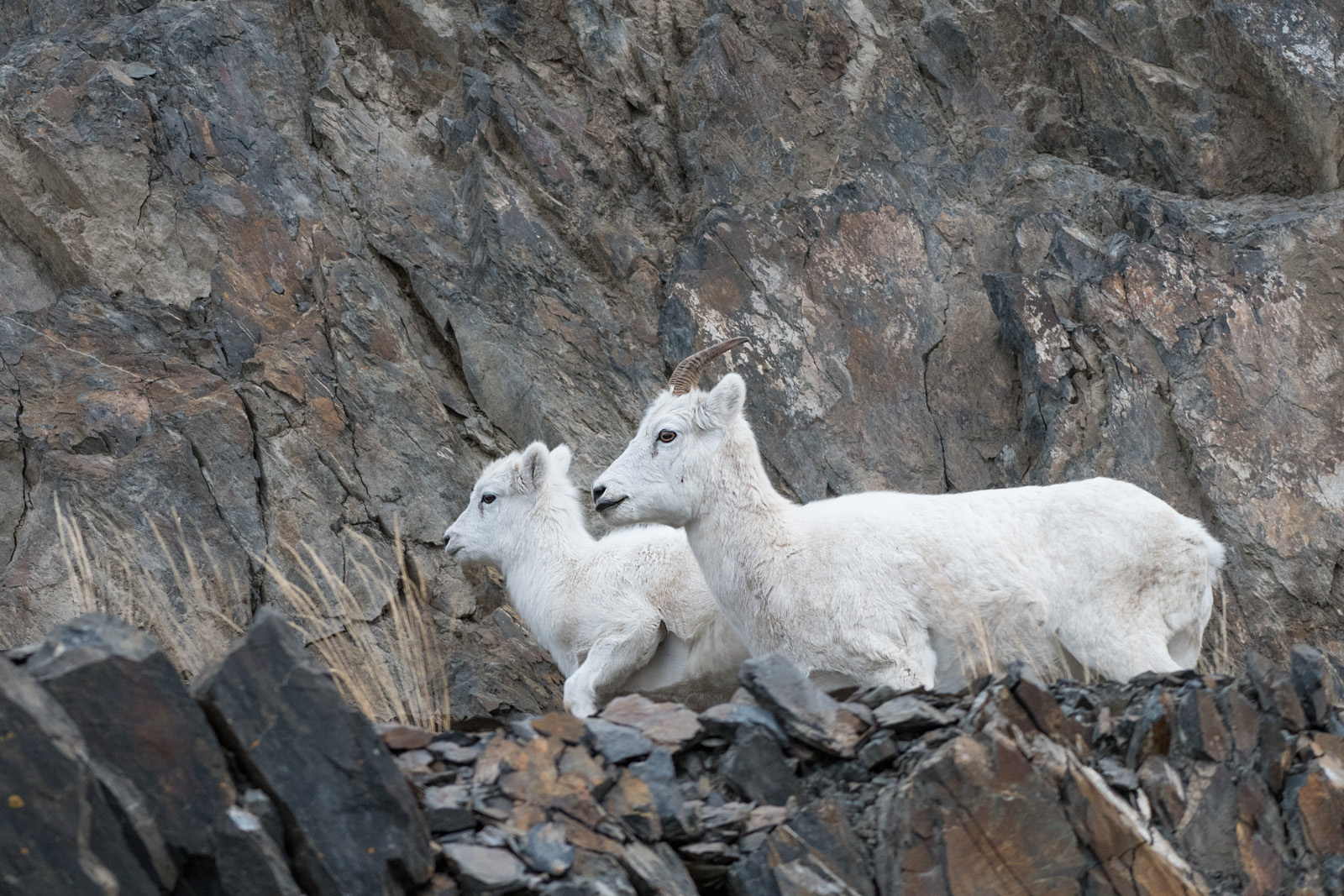
On my Alaska trip I had hoped to photograph a few Dall rams by hiking high up into their mountainous range. No luck. I did, however, get to see a few ewes with lambs grazing at lower altitudes along the Seward Highway just south of Anchorage. These guys are Alaska’s version of the bighorn sheep that we have in the lower 48. The look almost identical, except that dall sheep are a bit smaller and have pure white coats. Nikon D500 with Nikkor 200-400mm lens (at 250mm) ISO 800, f/4 at 1/320th of a second
We use cookies to enhance your experience while using our website. If you are using our Services via a browser you can restrict, block or remove cookies through your web browser settings. We also use content and scripts from third parties that may use tracking technologies. You can selectively provide your consent below to allow such third party embeds. For complete information about the cookies we use, data we collect and how we process them, please check our Privacy Policy