I had a good time with this band of coatis, deep inside Corcovado National Park in Costa Rica. There were about 20 to 30 total individuals. After a while, they forgot I was even there and at one point, I was surrounded on all sides as they went about their business of foraging, grooming, playing and resting. I was able to use my wide angle lens to capture a series of environmental images, including this one when one of the coatis took a moment to look my way while eating fruits from the forest floor. Nikon D700 with Nikkor 17-35mm lens (at 30mm) ISO 1600, f/4.5 at 1/320th of a second
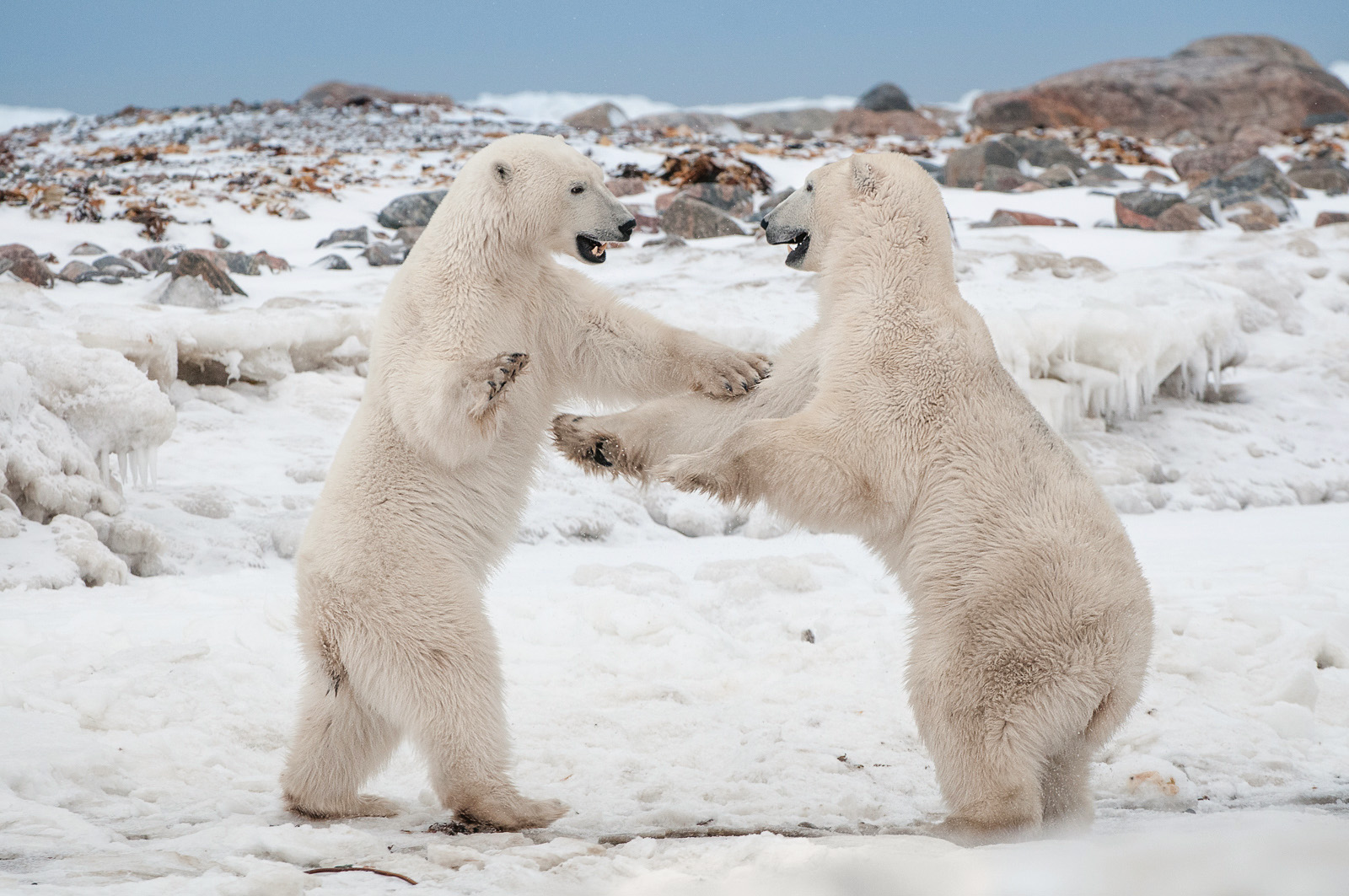
As the weather gets colder, it seemed appropriate to pull an image from my polar bear folder. I saw lots of activity like this while in northern Manitoba, Canada — the bears play fighting while waiting for the Hudson Bay to freeze over so that they could get out there and hunt for seals. Nikon D300 with Nikkor 200-400mm lens (at 340mm) ISO 800, f/5.6 at 1/500th of a second
There’s a reason they call them burrowing owls. Unlike most other owls that exist mostly in trees, these guys live down in the ground. This little guy was hiding amidst the grasses, flowers and weeds of a suburban side yard in Cape Coral, Florida. I’ve posted about these owls before. Cape Coral has a quite a population of burrowing owls and it is almost a matter of civic pride if one decides to burrow in your yard. Being a threatened species in Florida, locals are asked to do all they can to accommodate them. Nikon D500 with Nikkor 200-400mm lens (at 400mm) ISO 800, f/4 at 1/160th of a second
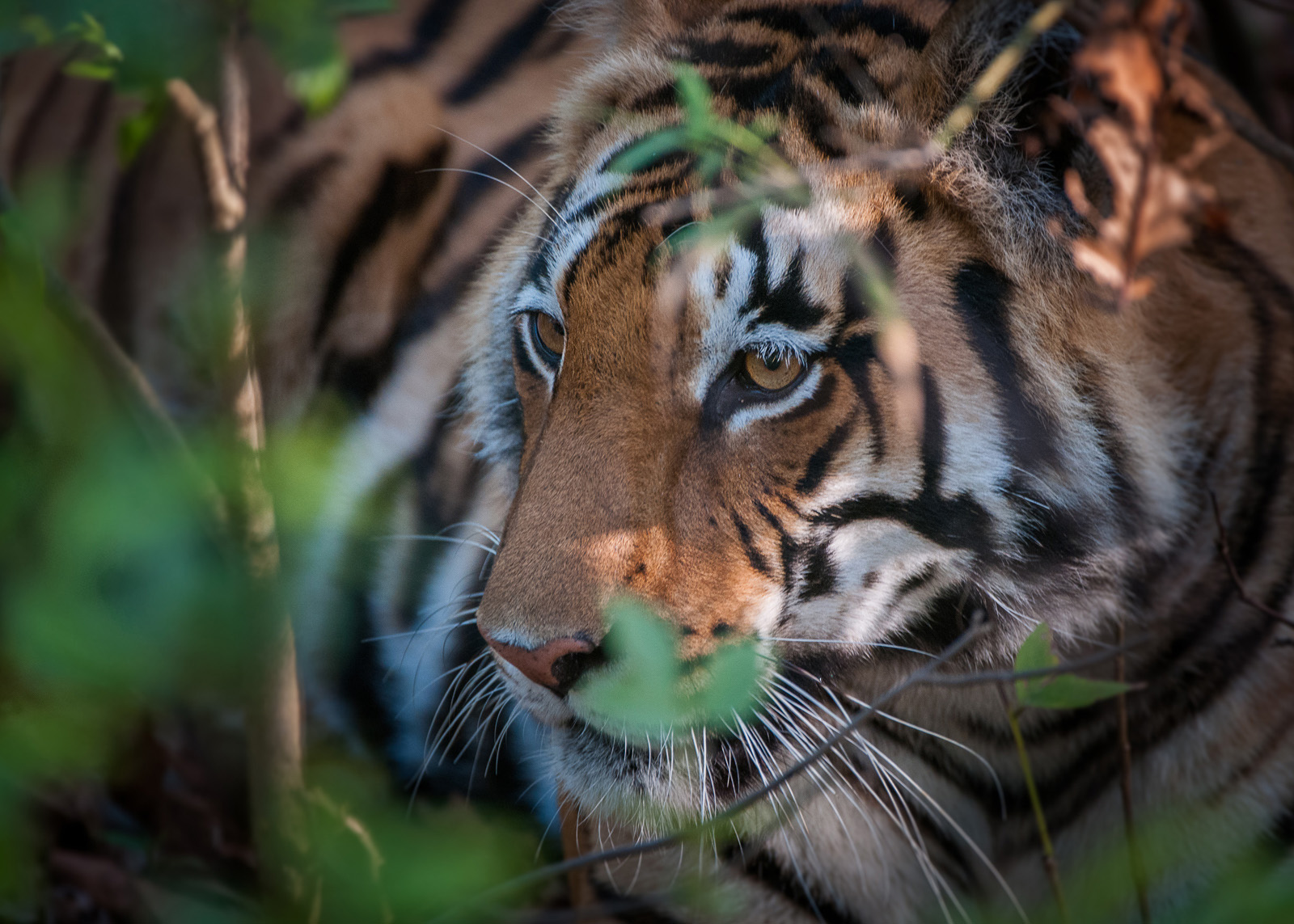
I only saw one tiger in Kanha National Park in India and it was rather difficult getting a clear view through the thick vegetation. I was able to get pretty close, however, (with the help of an elephant) and grabbed a few close ups of the face when the tiger turned toward camera. Nikon D300 with Nikkor 200-400mm lens (at 400mm) ISO 800, f/4 at 1/200th of a second
This guy was one of the juvenile brown bears that stayed close to our lodge, seeking security from the bigger boys out there. He also had a nice blondish coat, which picked up the backlighting of the afternoon sun. Lake Clark National Park, Alaska. Nikon D500 with Nikkor 200-400mm lens (at 200mm) ISO 800, f/4 at 1/6400th of a second
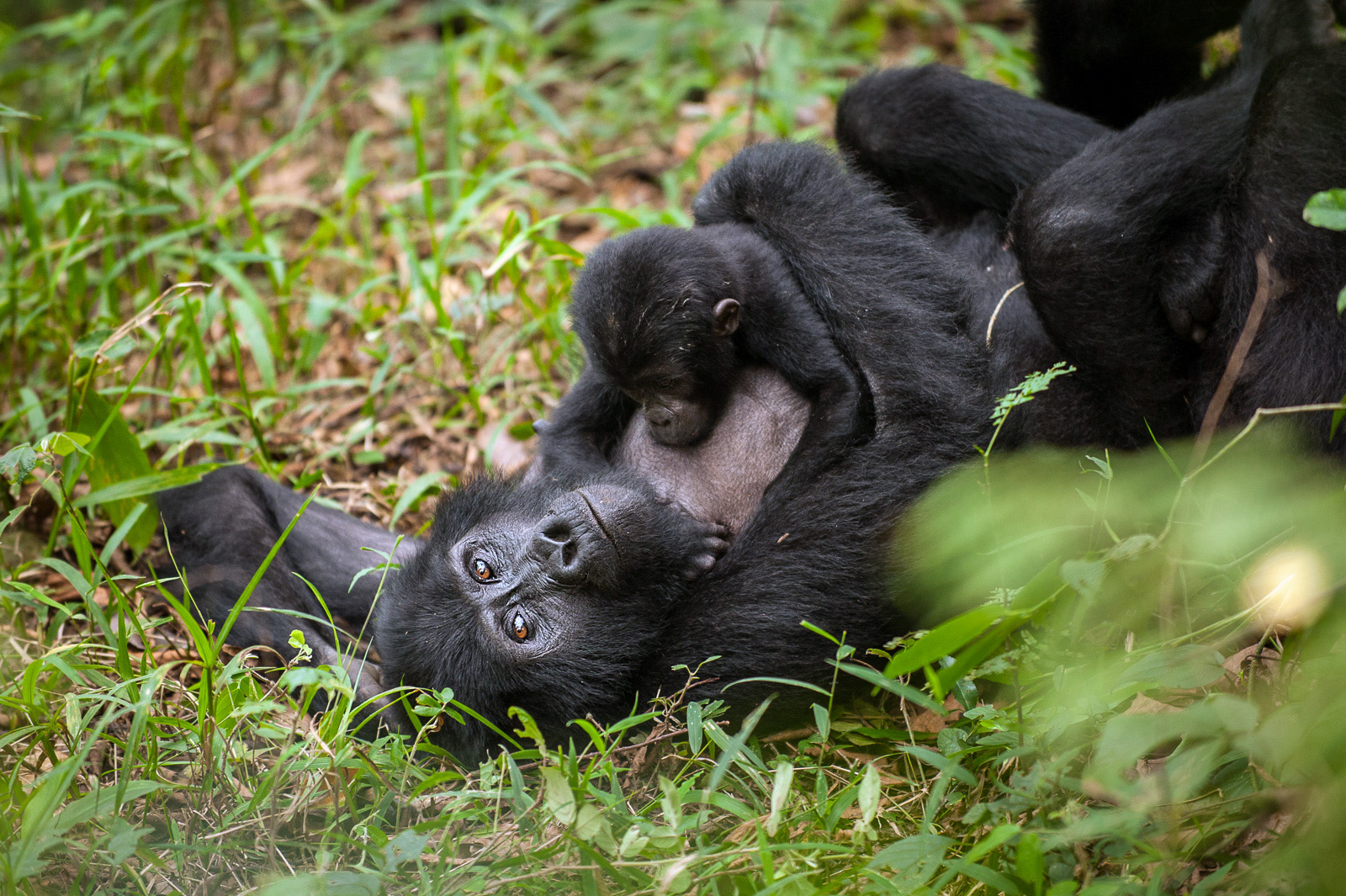
The hour I spent photographing mountain gorillas in the jungles of Uganda still ranks as one of my favorite wildlife experiences. I’d love to get back some day and try again. Due to their status as critically endangered, tracking permits only allow you to stay with the gorillas for an hour once they’ve been tracked down. The tracking down part, however, can take up to eight hours as they are always on the move. We got lucky and found them in less than an hour. It was a big troop too, of about 23 individuals. There were three babies, including this young one resting on his mother’s chest as she took a carefree glance over at me. Nikon D700 with Nikkor 70-200mm lens (at 200mm) ISO 800, f/2.8 at 1/160th of a second
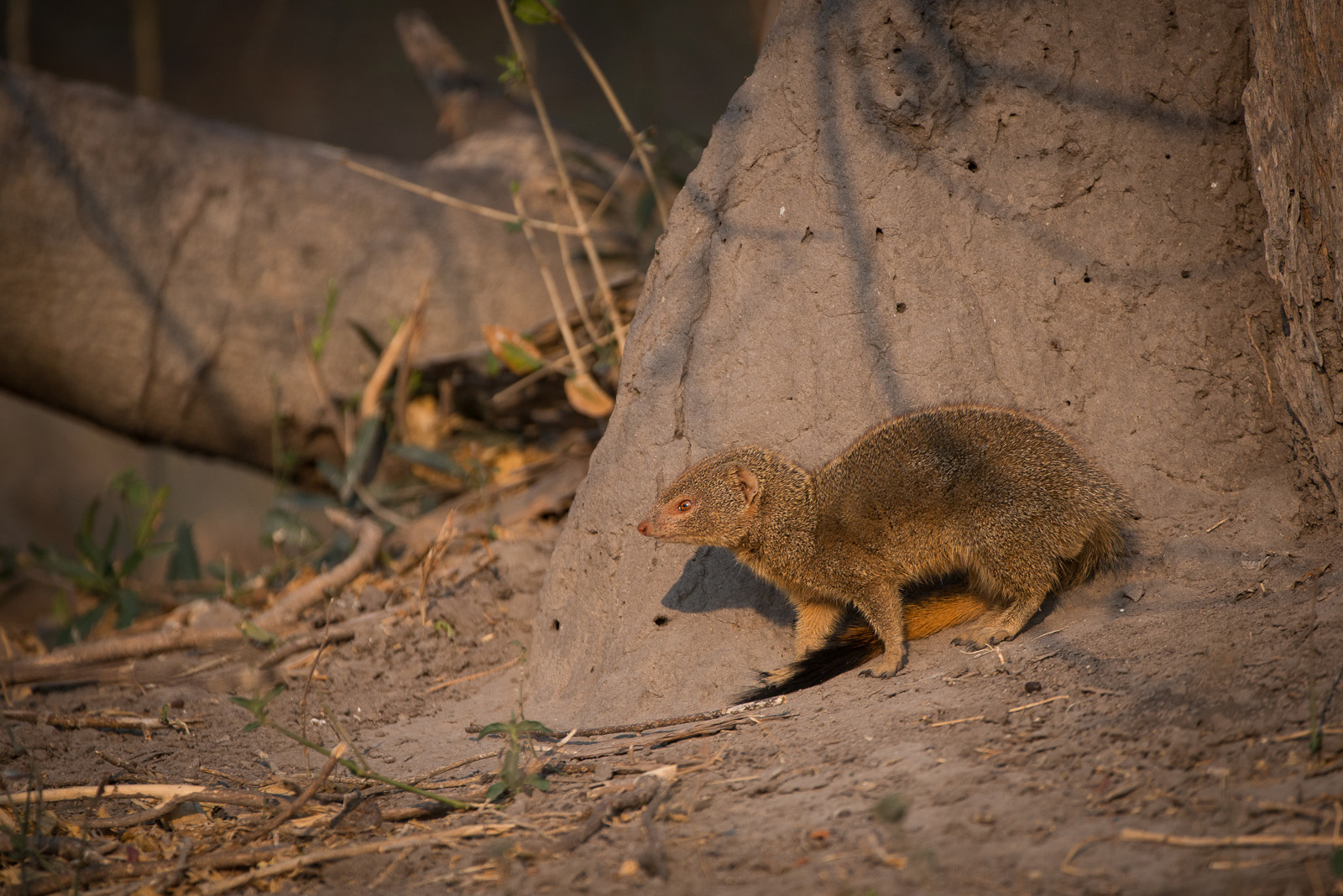
The slender mongoose is a crafty little carnivore widespread throughout sub-Sahara Africa. The species also happens to be a dead ringer for my good friend Tony who got engaged last night. So this one goes out to you Tony and Shardae — for the engagement — and for looking like a slender mongoose. Nikon D800 with Nikkor 200-400mm lens (at 400mm) ISO 400, f/4 at 1/1250th of a second
My favorite part of this photo is not the main subject — a dusky langur — but the second langur which I didn’t notice until I was reviewing these photos. You can see him/her up there to the left, hiding in the tree. Dusky langurs were one of the two langur species that I photographed in Thailand. Nikon D500 with Nikkor 200-400mm lens (at 400) ISO 800, f/4 at 1/80th of a second
It’s getting to be that time of the year when I wish I was in Yellowstone. Winter has always been my favorite time of year to visit America’s greatest wildlife park. Bighorn rams are almost guaranteed sightings deep into the Lamar Valley in the north eastern corner of the park. Nikon D800 with Nikkor 200-400mm lens (at 350mm) ISO 500, f/4 at 1/1250th of a second
The Bornean white-bearded gibbon is a different species from the white-handed gibbons that I saw in Thailand. This one, also known as the Bornean agile gibbon or southern gibbon, was photographed on my trip to Indonesia back in 2009. He was hanging around a troop of orangutans in Tanjung Puting National Park and was rather habituated to the presence of people in the area. Nikon D300 with Nikkor 200-400mm lens (at 360mm) ISO 800, f/4 at 1/250th of a second
We use cookies to enhance your experience while using our website. If you are using our Services via a browser you can restrict, block or remove cookies through your web browser settings. We also use content and scripts from third parties that may use tracking technologies. You can selectively provide your consent below to allow such third party embeds. For complete information about the cookies we use, data we collect and how we process them, please check our Privacy Policy