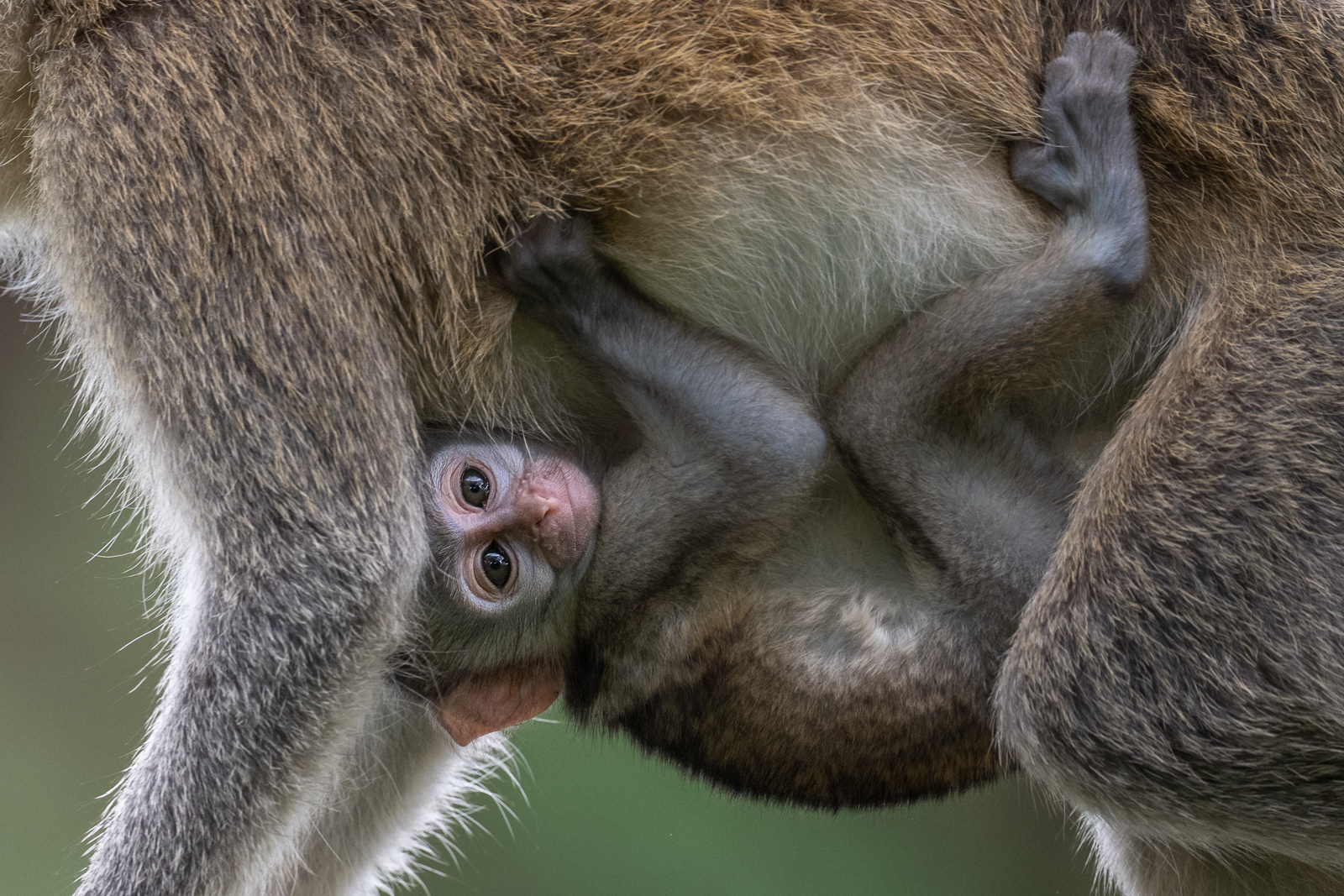
Vervet monkeys are just one of the species we regularly see around the camp we stay at in Samburu, Kenya on Crane Wildlife Tours. If you’ve been thinking of an African adventure and want to join one of our tours, we have a few openings for June of 2026. Check out www.cranewildlifetours.com for general info on our trips and reach out if interested in joining us soon. Nikon Z8 with Nikkor 500mm PF lens, ISO 1100, f/5.6 at 1/1000th of a second.
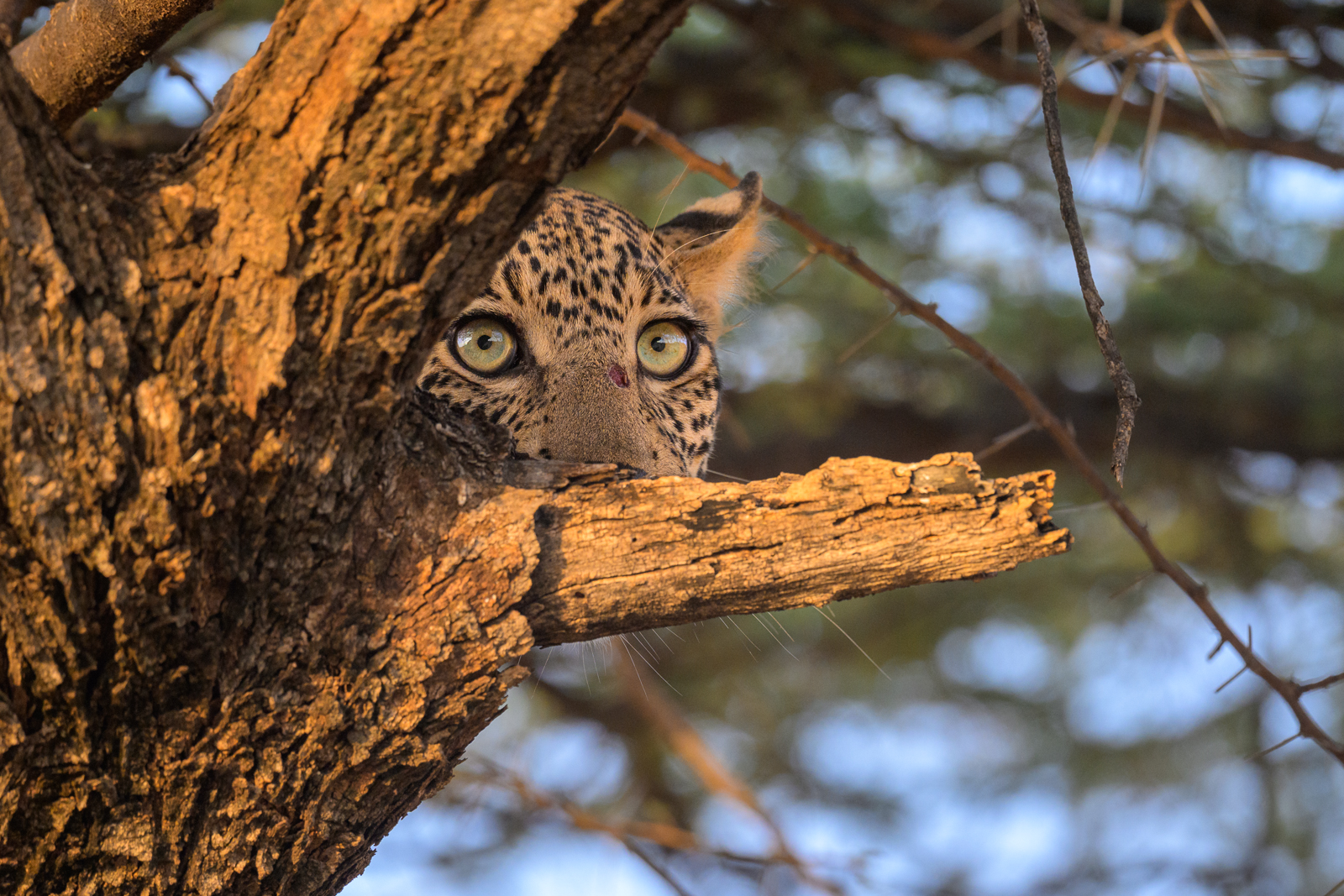
The leopard is the most elusive of the big cats, silent, solitary, and supremely adaptable. It blends effortlessly into everything from dense forests to rocky hills and open savannas. I caught this female, mid-morning, scanning the savanna from up in a tree. Nikon Z8 with Nikkor 500mm PF lens, ISO 1250, f/5.6 at 1/500th of a second.
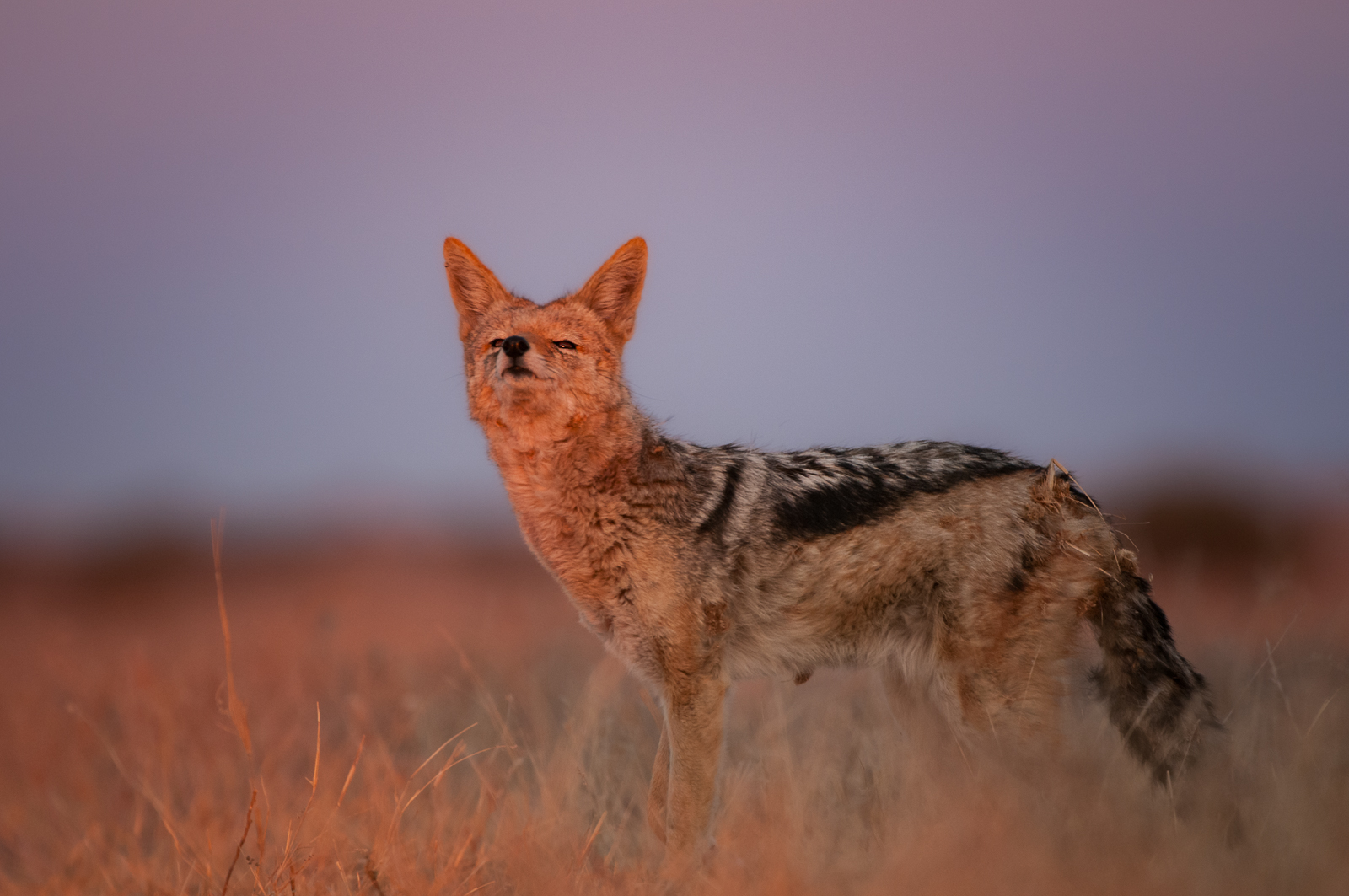
The black-backed jackal is found across eastern and southern Africa, recognizable by the dark saddle of fur running down its back. Though slight in build, it’s a skilled hunter and opportunistic scavenger, just as likely to take down rodents or birds as it is to sneak a bite from a lion kill. These jackals are often seen in mated pairs, working together with surprising coordination to hunt or defend their territory. They’re also highly vocal, communicating with yips, howls, and wails that carry across the savanna. I was alone with a guide in Botswana’s Kalahari Game Reserve, so able to get out of the vehicle to crouch in the tall grass to photograph this jackal at sunset. After a few quick sniffs of the air, the jackal moved on, searching for an early evening snack. Nikon D300 with Nikkor 200-400mm lens (at 400mm) ISO 800, f/4 at 1/400th of a second.
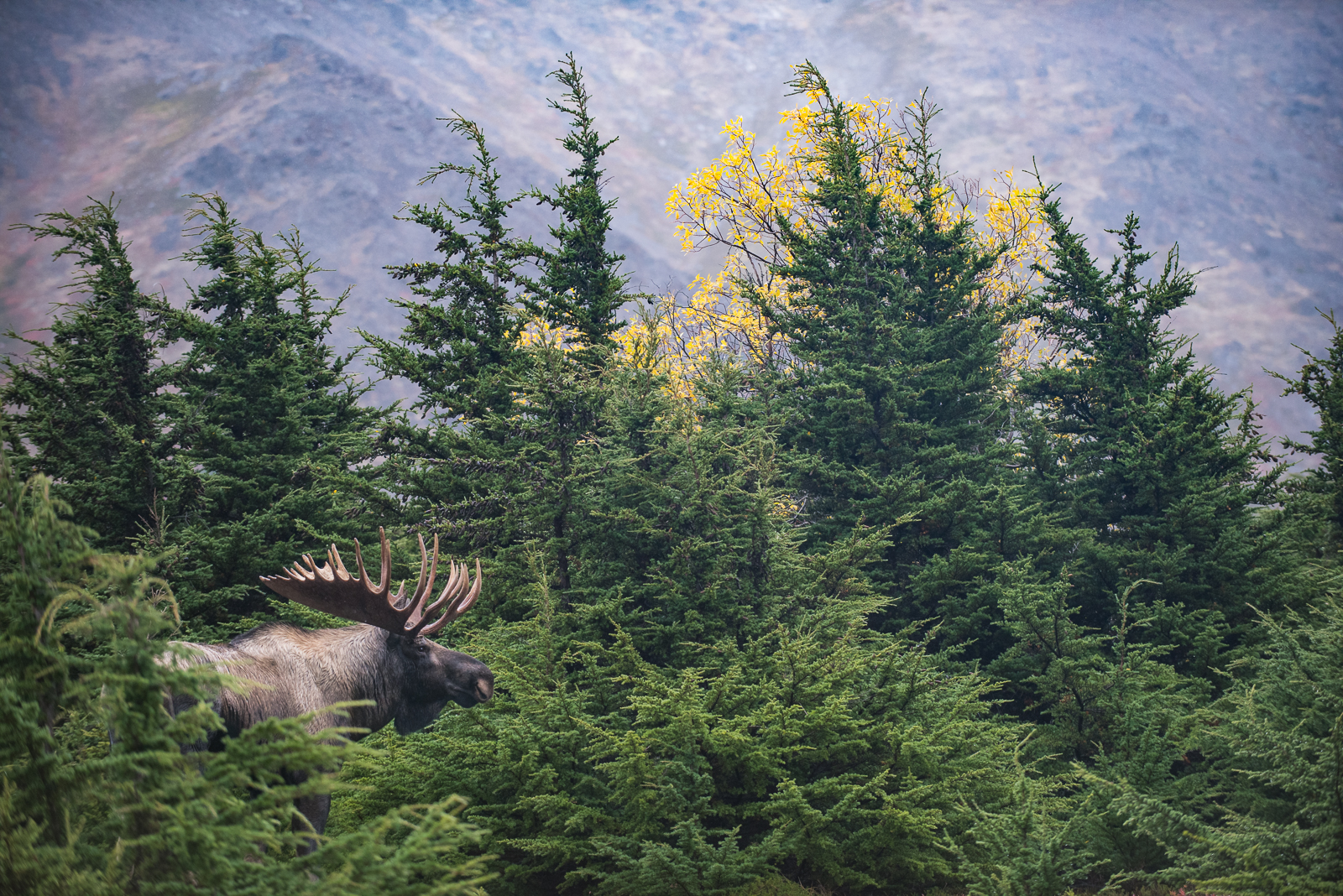
During the fall rut in Alaska bull moose move through the trees, grunting and sniffing the air for the scent of receptive cows. Their necks swell with testosterone, and they may thrash saplings or engage in head-to-head battles with rival bulls to assert dominance. I kept my distance, for the most part, as this guy zeroed in on a nearby cow. Nikon D810 with Nikkor 70-200mm lens (at 140mm) ISO 800, f/4 at 1/1000th of a second.
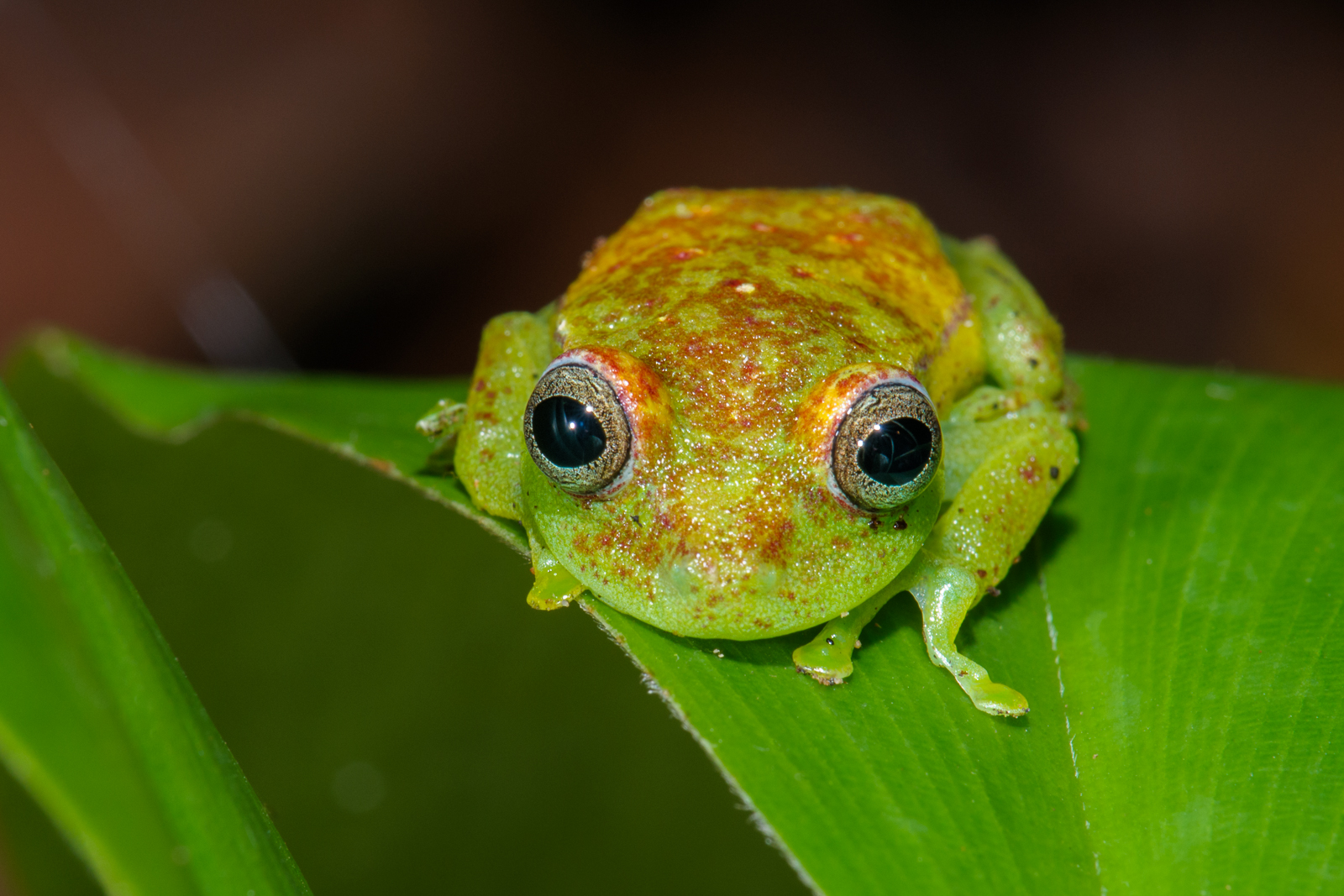
The polka-dot tree frog is quite common in forest-edge and secondary-growth habitats and is often seen perched on broad leaves like this little guy, photographed in Madidi National Park in the Bolivian Amazon. Nikon D300 with Nikkor 70-200mm lens (at 200mm with Canon 500D close up filter) ISO 200, f/20 at 1/60th of a second, Nikon SB-800 flash.
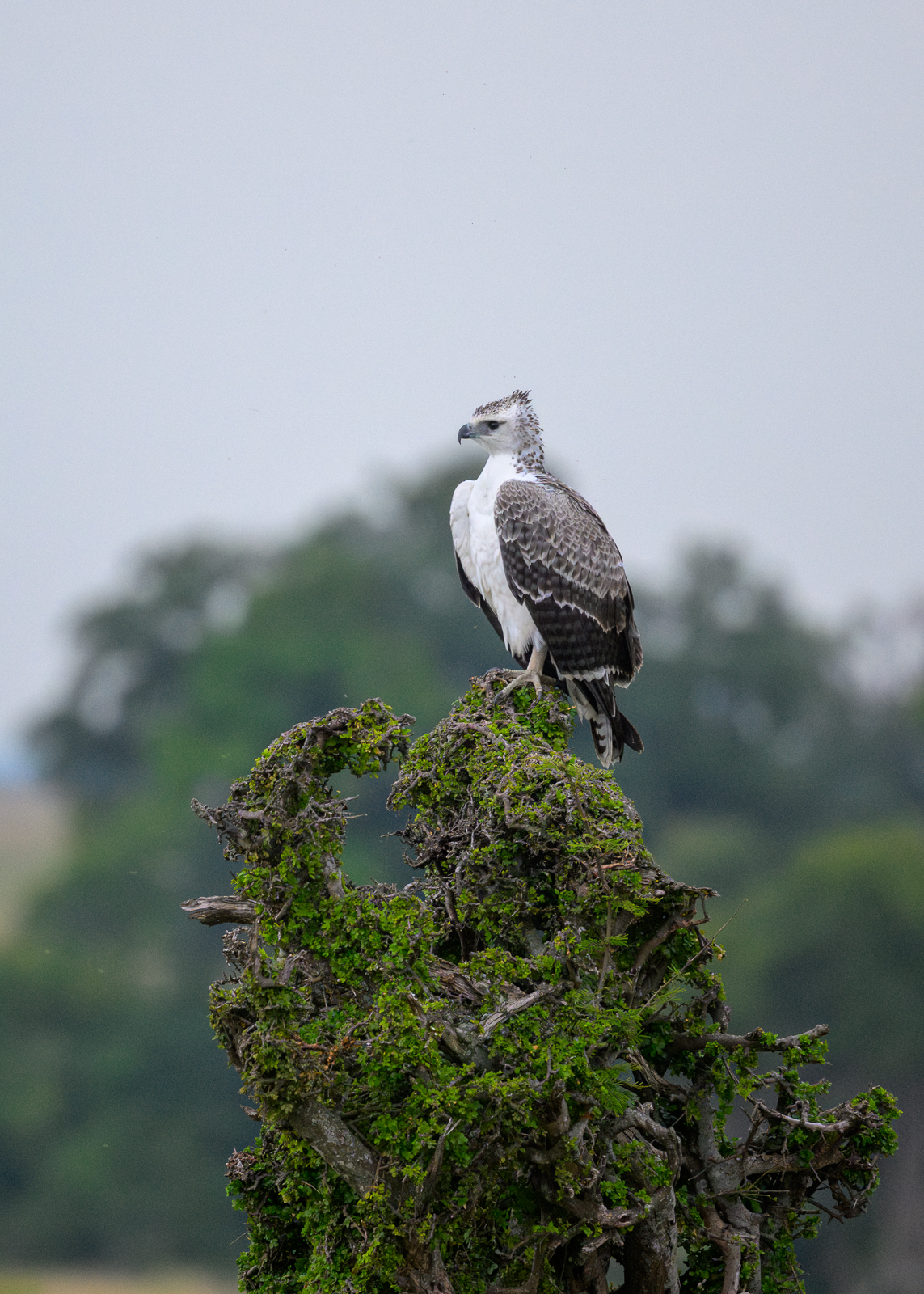
The martial eagle is Africa’s largest and most powerful eagle, with a wingspan that can exceed 7 feet and the strength to take down prey as large as small antelope or monkeys. As an apex predator, the martial eagle plays a vital role in balancing ecosystems, but it’s under threat from habitat loss and persecution, leading to sharp population declines in recent years. Nikon Z8 with Nikkor 500mm PF lens, ISO 2500, f/5.6 at 1/80th of a second.
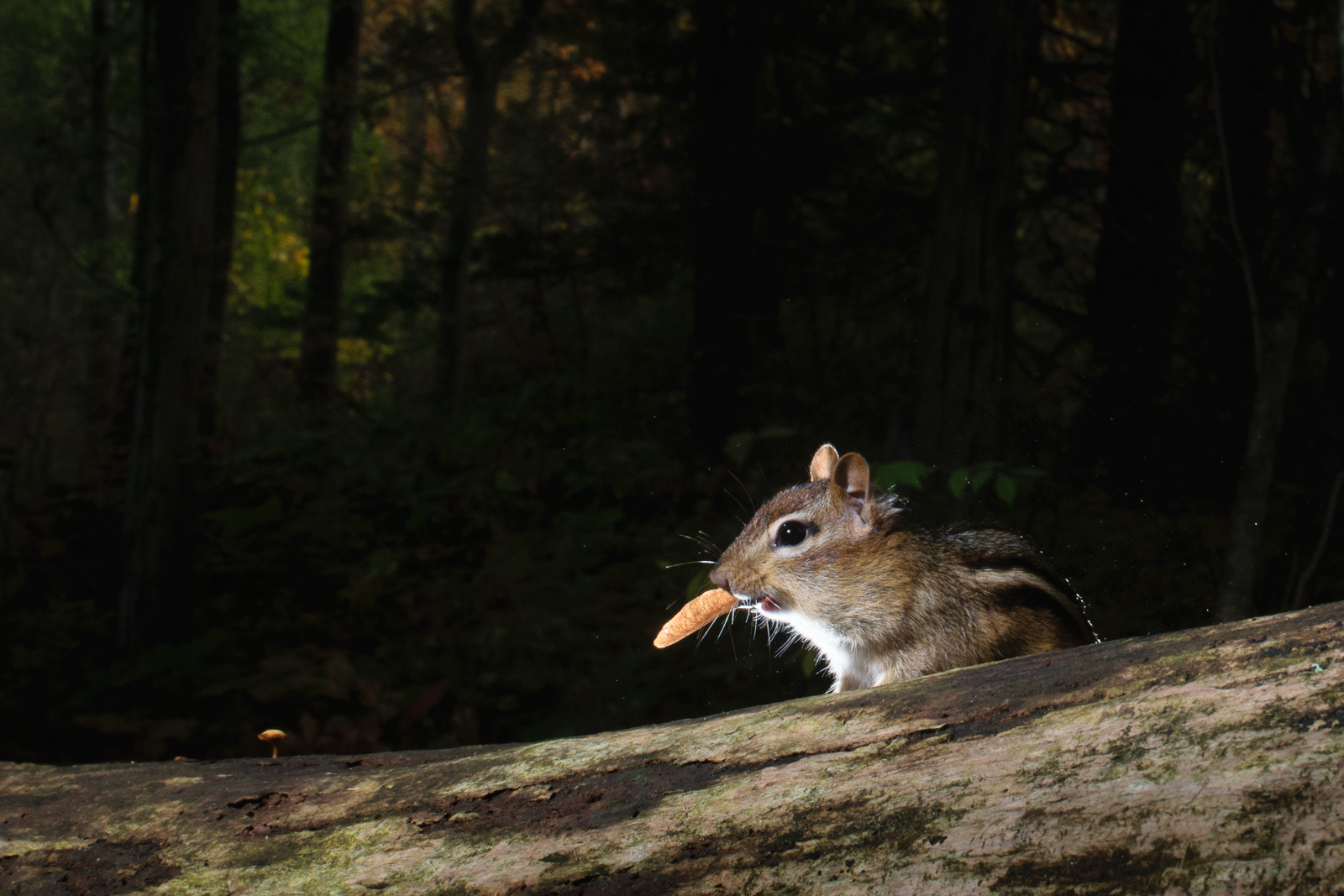
We called them helicopters when I was a kid. Whirlybirds were another common nickname, but they are actually called samaras, and they are most common with maple trees. Chipmunks — like this one that recently visited my backyard camera trap — collect them and store them for winter. They peel back the paper-y outer wings and eat the seed that sits inside. Nikon D3300 with Nikkor 18-55mm lens (at 29mm) ISO 400, f/14 at 1/250th of a second, Camtraptions camera housing and triggers, Nikon SB-900 flash units.
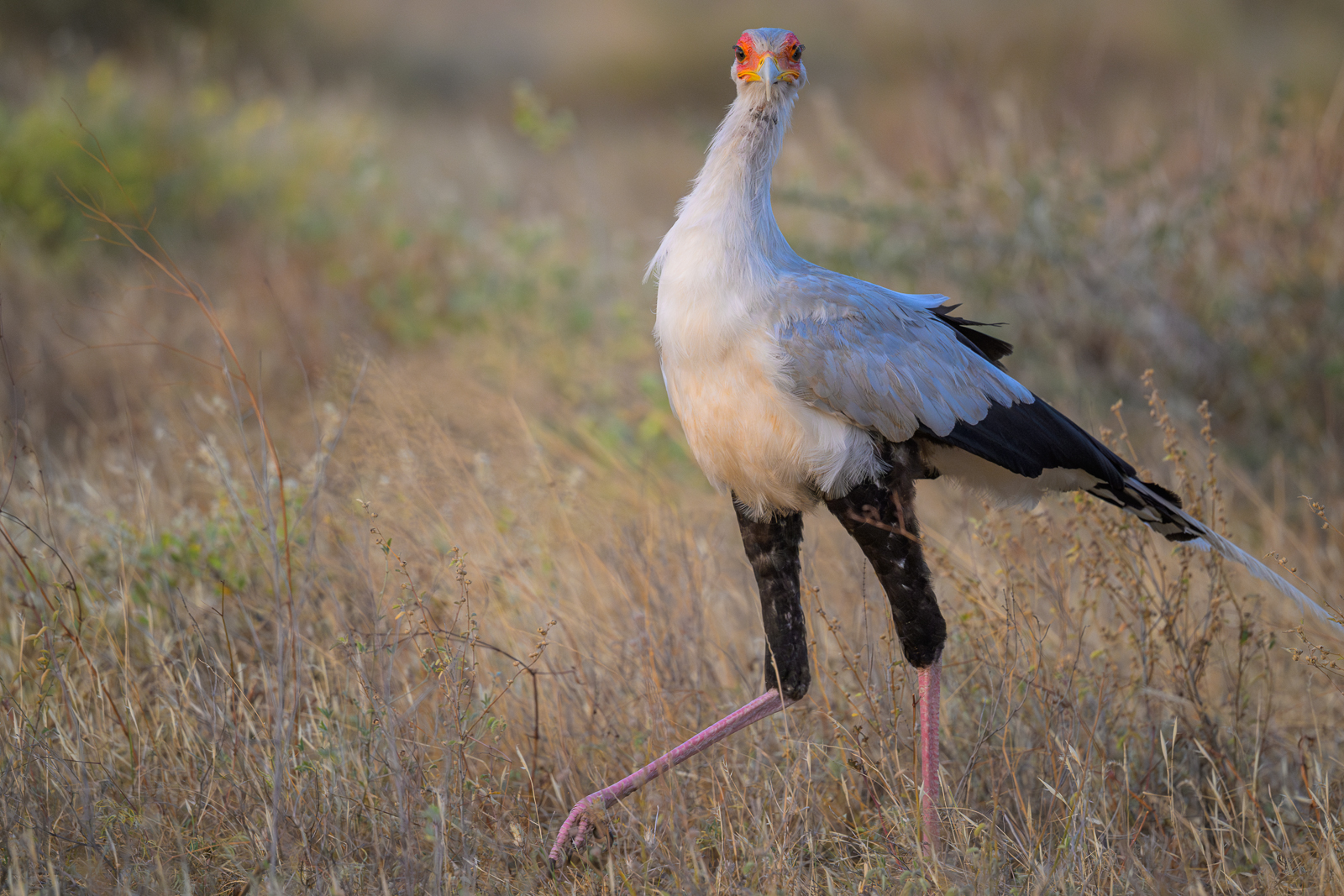
The secretary bird is known for its distinctive strut across the African savanna. Unlike most birds of prey, it hunts almost entirely on foot, covering vast distances with a deliberate, high-stepping gait. Its powerful legs and sharp talons are built for speed and precision, perfect for stomping and striking snakes, lizards, and small mammals. Nikon Z8 with Nikkor 500mm PF lens, ISO 2800, f/5.6 at 1/1600th of a second.
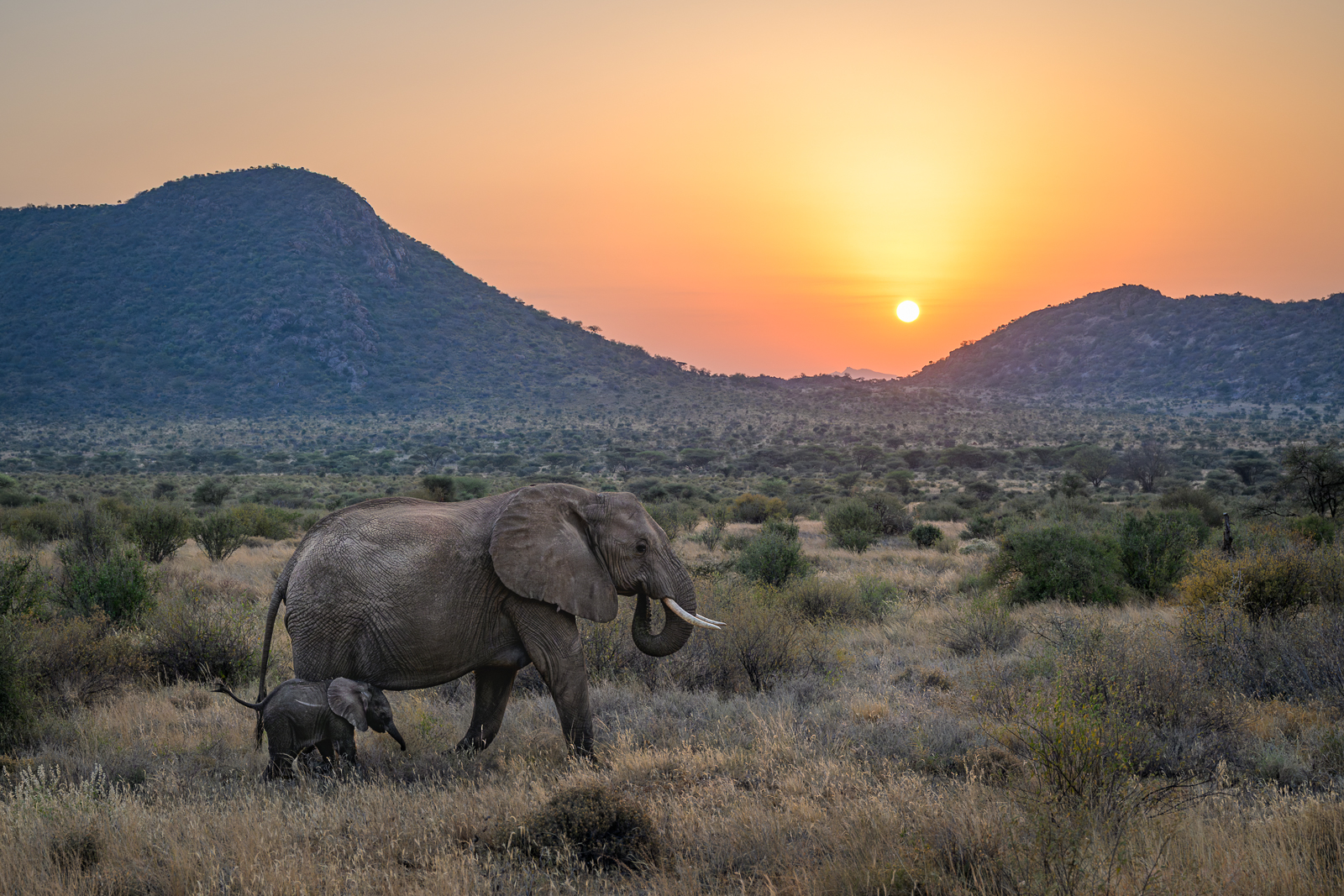
An elephant cow is a fiercely devoted mother, guiding her calf with both gentleness and strength. From birth, the calf rarely strays far from her side, using its trunk to explore the world while learning vital survival skills. The mother uses low-frequency rumbles to communicate with her calf — even over long distances — and will shield it from danger with her massive body. Calves nurse for up to two years and remain under the care and protection of the herd well into adolescence. Nikon Z8 with Nikkor 24-70mm lens (at 49mm) ISO 250, f/5 at 1/500th of a second.
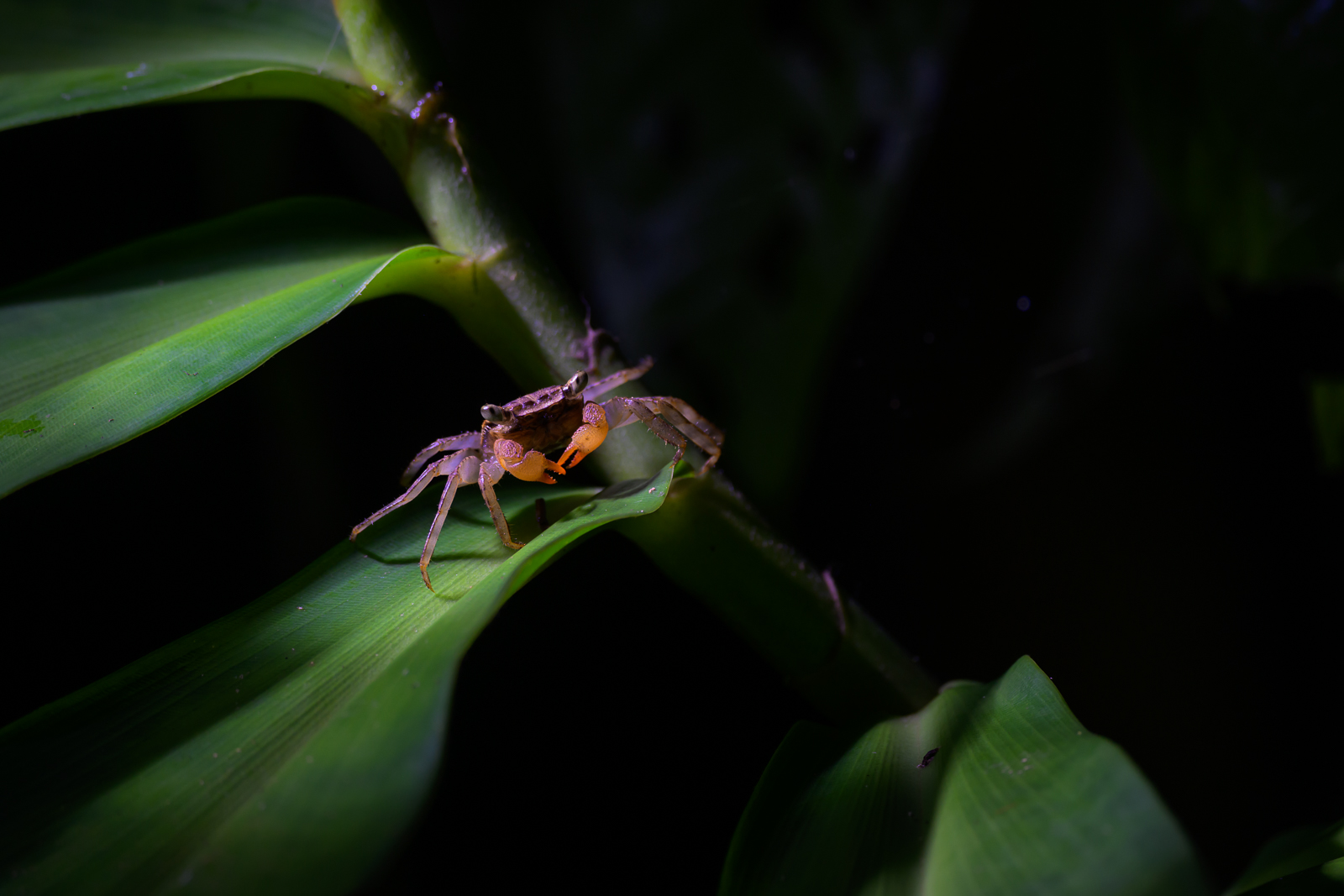
The mangrove tree crab lives high in the branches of mangrove trees along tropical coastlines. Unlike most crabs, it spends much of its life out of water, using its hooked legs to climb and cling to bark and leaves. It feeds primarily on mangrove leaves but also snacks on algae, insects, and detritus, making it both a herbivore and a scavenger. When threatened, it can drop from the canopy into the water below, quickly scurrying to safety. Small but ecologically important, this crab helps recycle nutrients and maintain the delicate balance of the mangrove ecosystem. I photographed this on in Piedras Blancas National Park in southern Costa Rica. Nikon Z8 with Nikkor 500mm PF lens, ISO 1000, f/5.6 at 1/125th of a second, Godox 860iii flash.
We use cookies to enhance your experience while using our website. If you are using our Services via a browser you can restrict, block or remove cookies through your web browser settings. We also use content and scripts from third parties that may use tracking technologies. You can selectively provide your consent below to allow such third party embeds. For complete information about the cookies we use, data we collect and how we process them, please check our Privacy Policy