Here’s a page from my new 2026 wall calendar all about mothers and their babies in the wild. To view all the images, head over to the Species Limited website and pick up a few holiday gifts while you’re there. Nikon D200 with Nikkor 600mm f/5.6 manual focus lens, ISO 200, f/5.6 at 1/60th of a second, Nikon SB-600 fill flash.
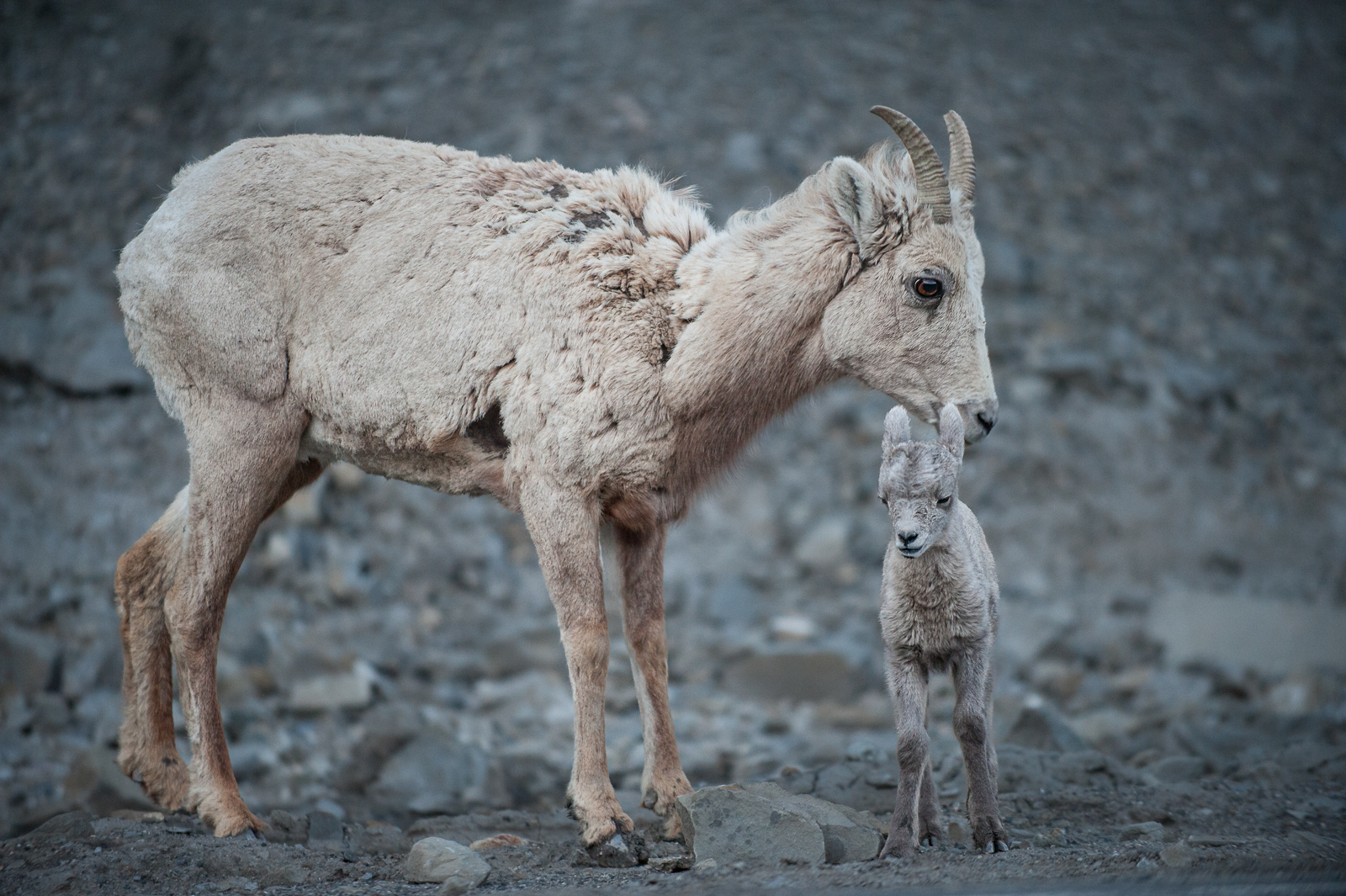
Bighorn lambs are typically born on steep, rocky cliffs — natural nurseries that help protect them from predators in their most vulnerable days. The ewe stays close, nursing frequently and guiding her lamb through increasingly difficult terrain as it gains strength. Within just a week, the lamb can scale ledges with surprising agility, always keeping its mother in sight. To see more maternal behavior from nature, check out the “Mother’s Nature” wall calendar I just added to my shop at www.specieslimted.com. Nikon D700 with Nikkor 70-200mmm lens (at 200mm) ISO 1600, f/2.8 at 1/400th of a second.
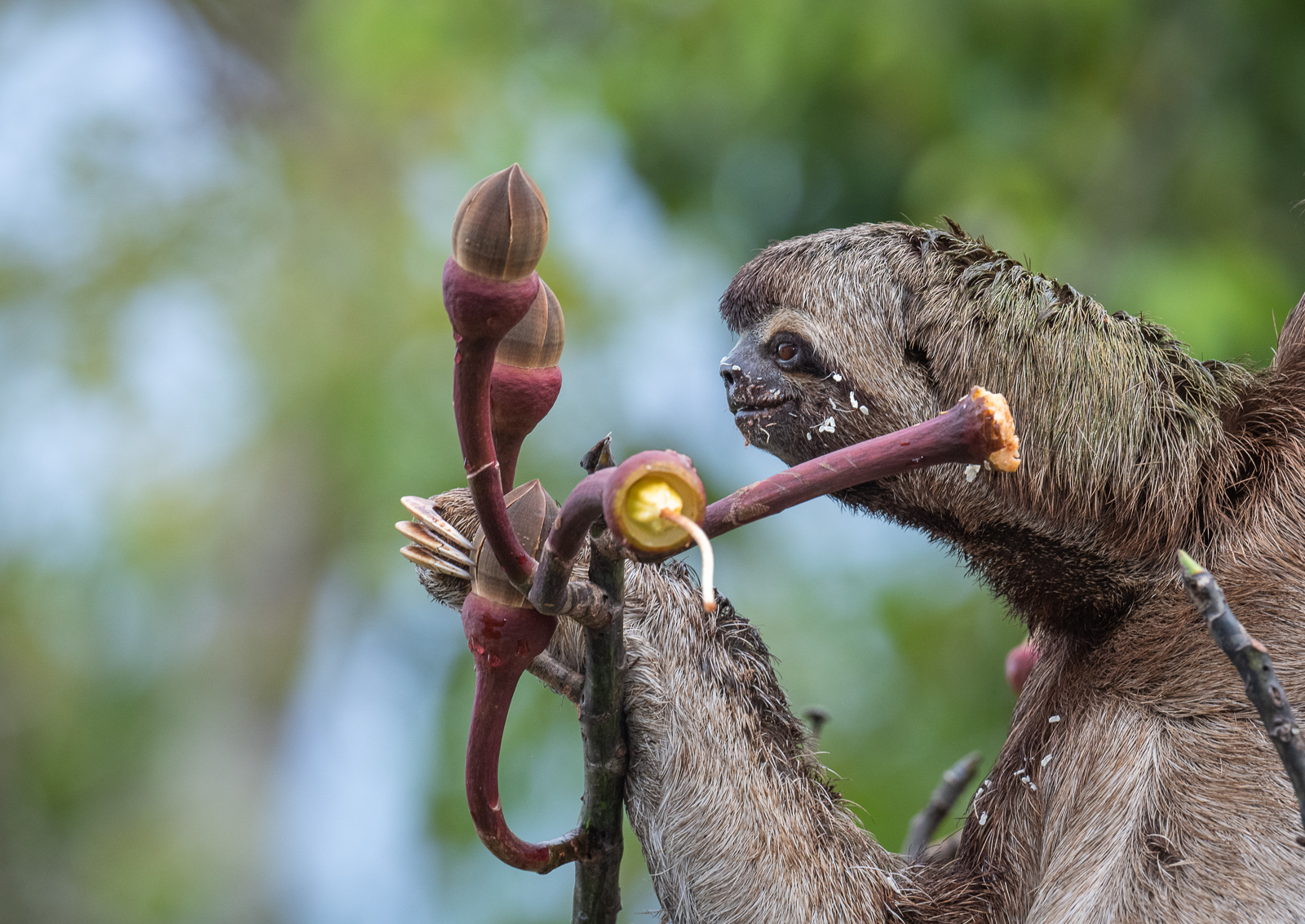
In Peru’s northern Amazon basin, three-toed sloths are often seen slowly munching on the buds, fruits, and tender leaves of the Cecropia tree, a favorite food source that’s both abundant and easy to digest. These trees grow quickly along forest edges and gaps, making them a vital part of the sloth’s high-canopy diet. Nikon D500 with Nikkor 500mm PF lens, ISO 800, f/6.3 at 1/500th of a second, Godox 860iii fill flash.
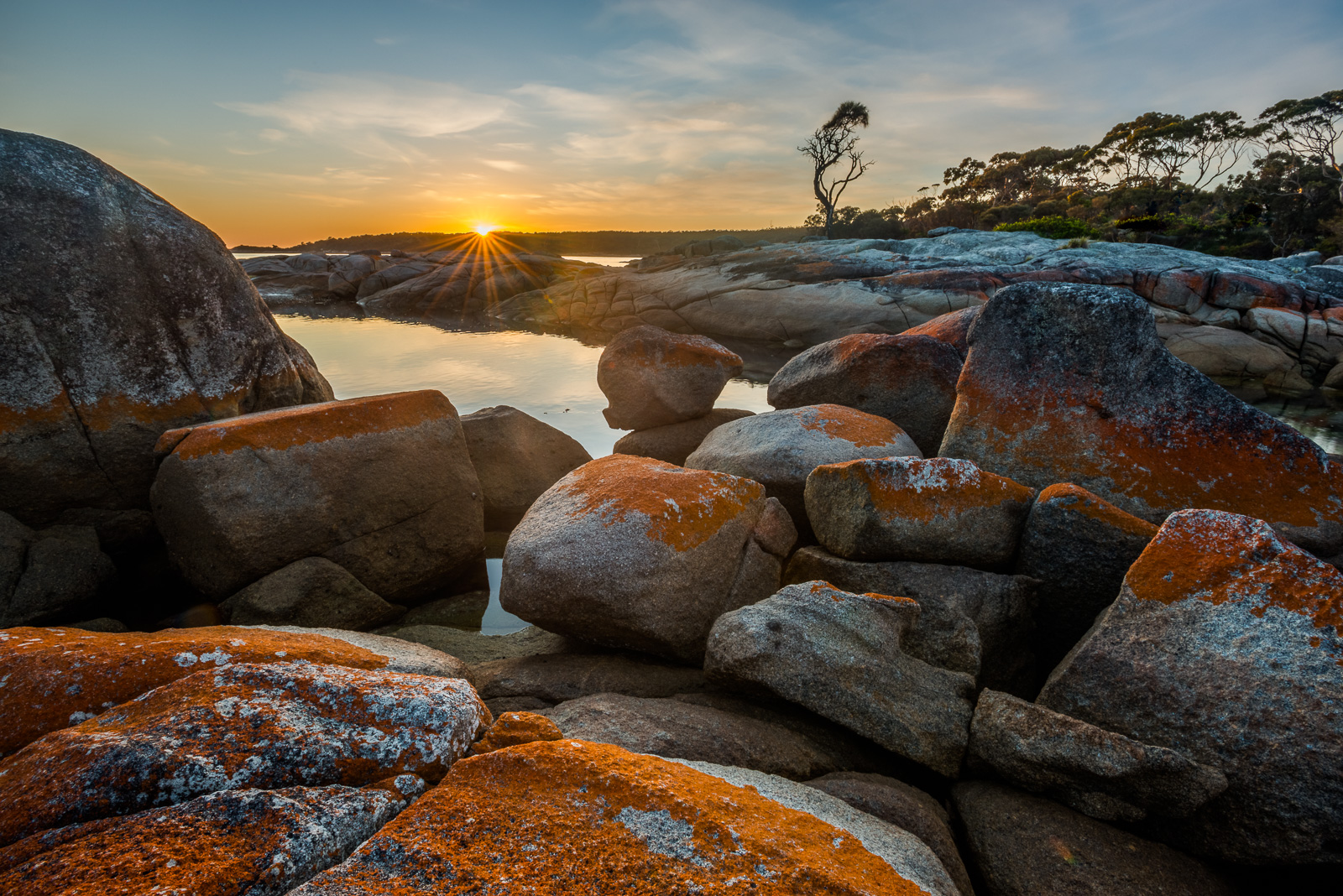
The orange lichen found on the granite boulders of Binalong Bay in Tasmania’s Bay of Fires is one of the area’s most iconic features. The coloration comes from a species of lichen which thrives in the coastal environment thanks to its tolerance for salty air and strong sunlight. The lichen-covered rocks give the coastline a glowing, almost surreal appearance. Nikon D800 with Nikkor 17-35mm lens (at 17mm) ISO 200, f/20 at 1/40th of a second.
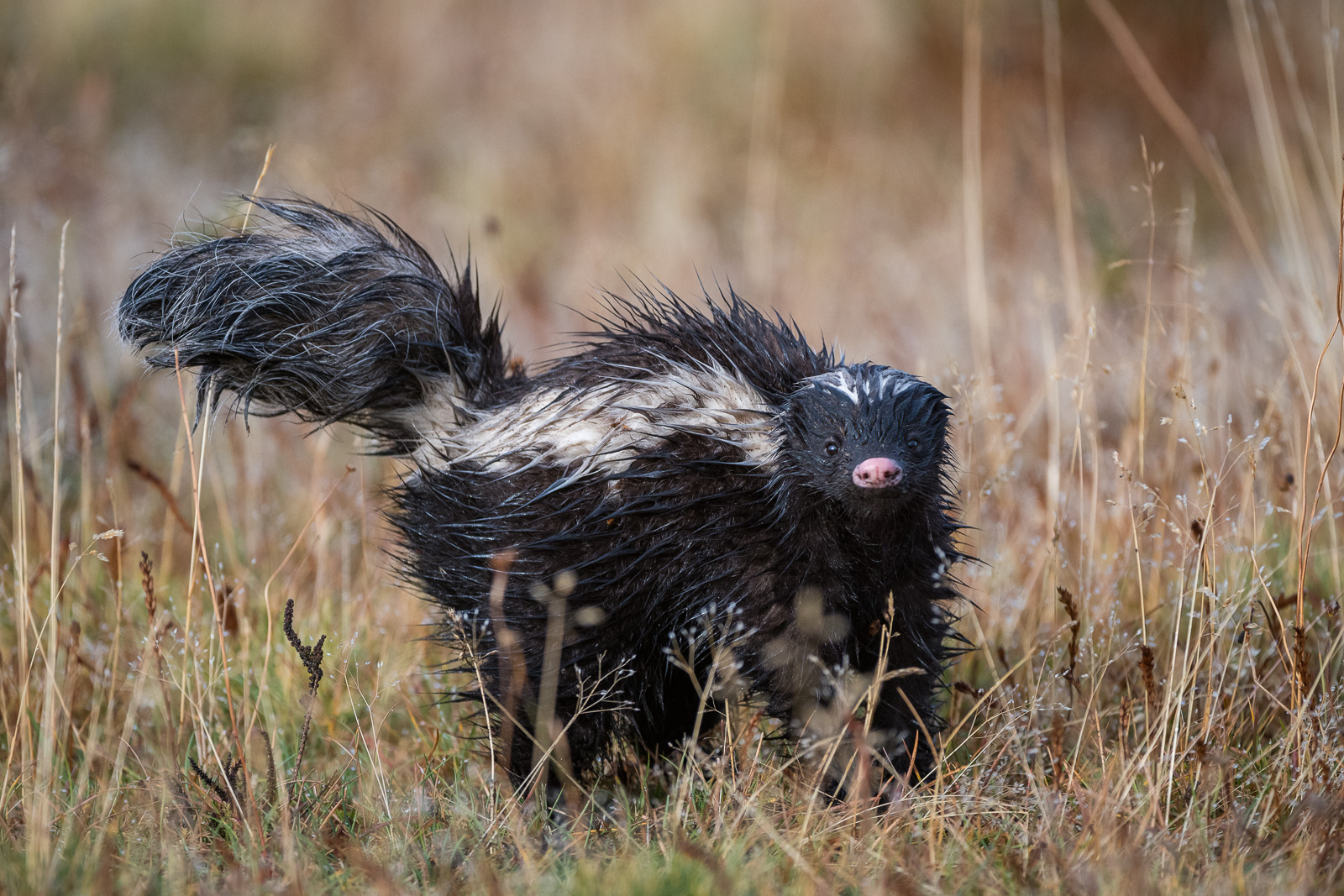
The Patagonian hog-nosed skunk is native to the open plains and scrublands of southern Argentina and Chile. It’s named for its pig-like snout, which it uses to root through soil for insects, grubs, and plant matter. Unlike its North American relatives, this skunk is more active during the day, especially in the cooler Patagonian climate where I photographed this one in Torres Del Paine National Park. Nikon D500 with Nikkor 200-400mm lens (at 350mm) ISO 800, f/4 at 1/3200th of a second.
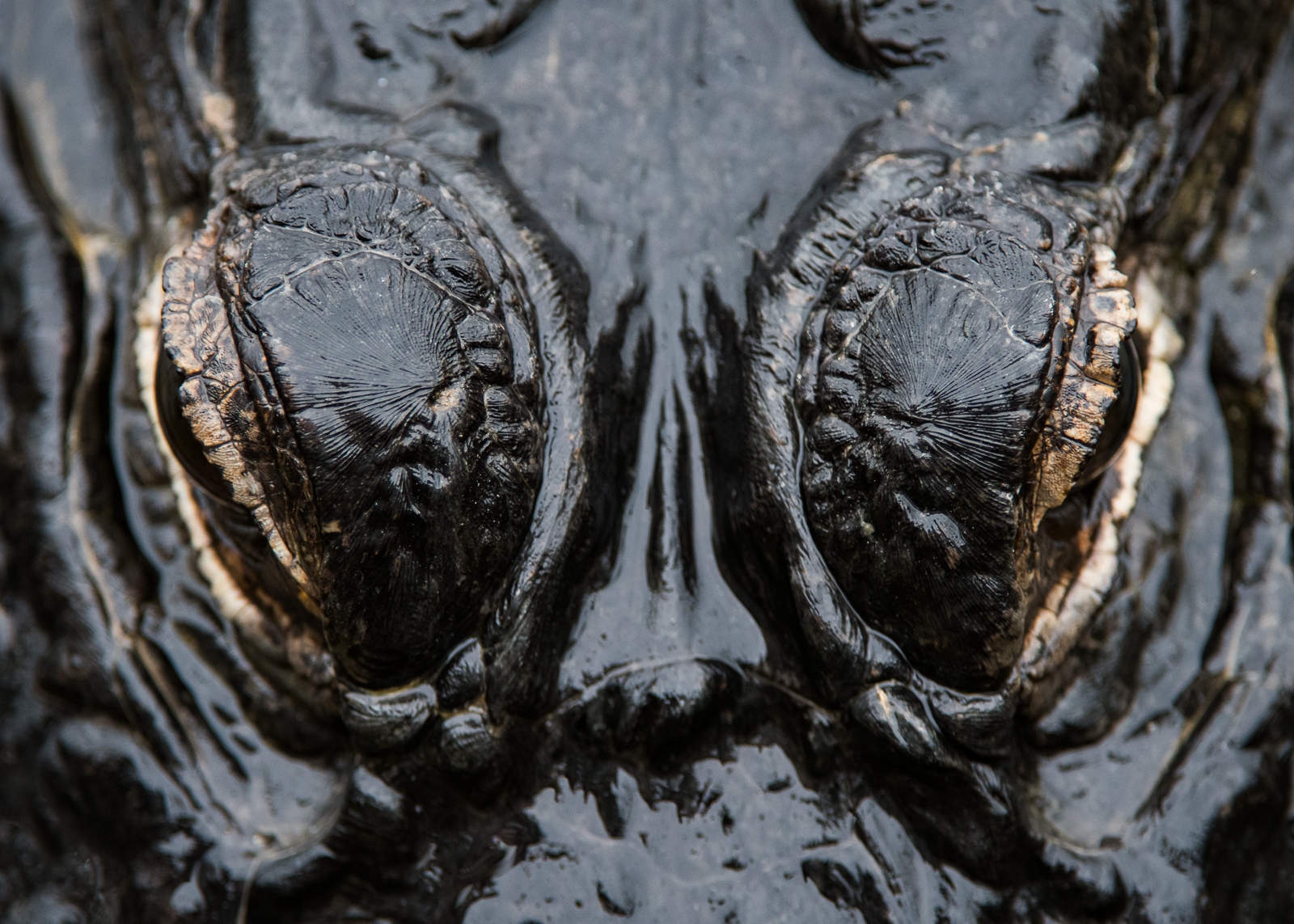
Perfectly adapted to its swampy world, the top of an alligator’s head is flat, armored, and built for stealth. Its eyes, ears, and nostrils are all positioned on top, allowing the gator to see, hear, and breathe while the rest of its body remains hidden just below the water’s surface. The skin is rough and ridged, dotted with bony plates that offer protection and help regulate body temperature. Tiny pits near the snout detect vibrations and movement in the water, giving the alligator an almost sixth sense for approaching prey. In this image, I went very tight on the head and eyes from directly above the gator. Shot in Big Pine Key in the Florida Keys. Nikon D500 with Nikkor 200-400mm lens (at 400mm) ISO 800, f/4 at 1/400th of a second.
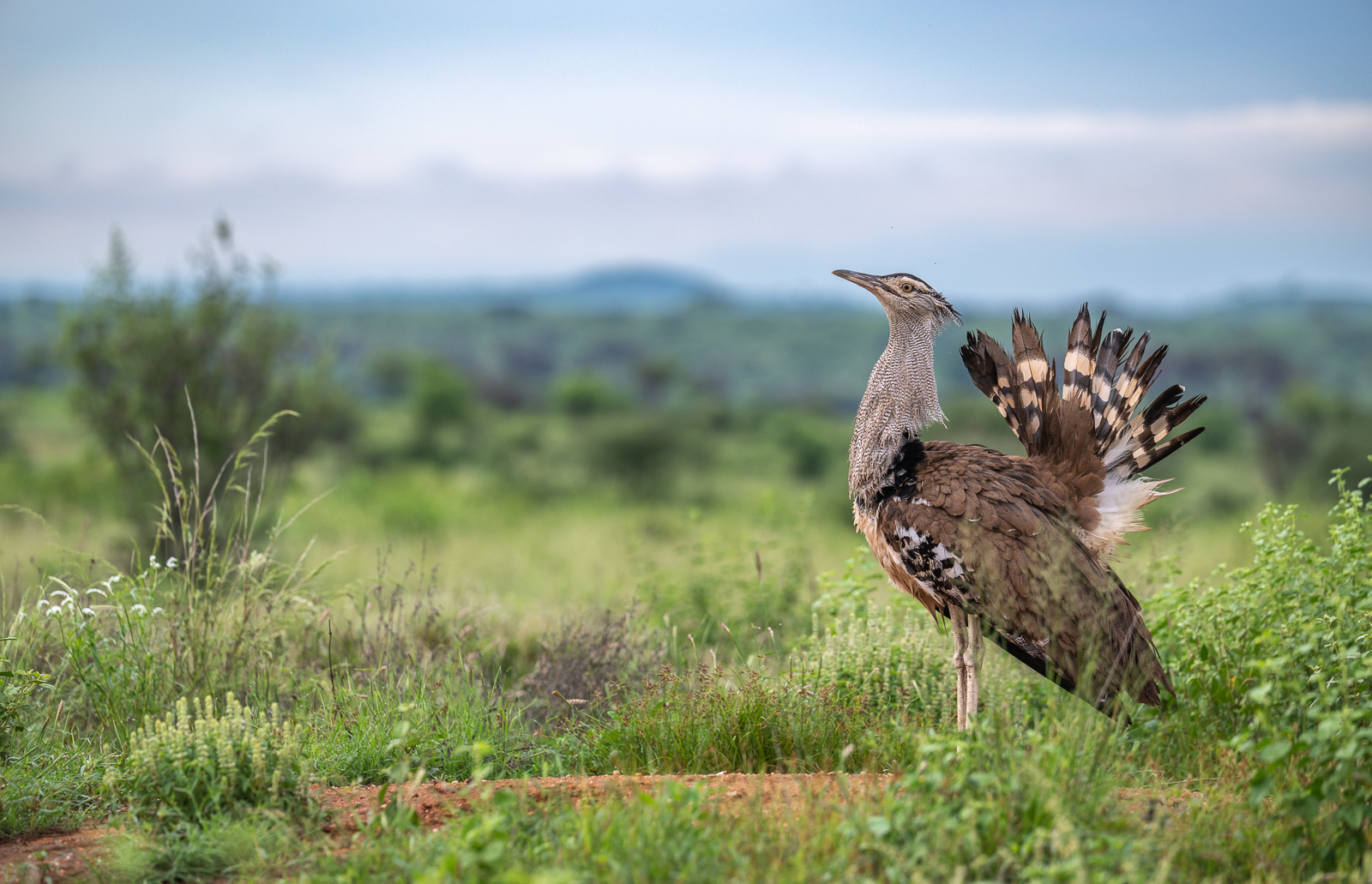
The kori bustard is one of the heaviest flying birds on Earth, with males weighing up to 40 pounds. That said, they don’t fly much, preferring to walk with slow, stately steps across the African grasslands. I was able to lower the camera to the ground for an intimate view of this guy in his environment during the green season in Kenya. Nikon Z8 with Nikkor 70-200mm lens (at 200mm) ISO 180, f/4 at 1/1250th of a second, inverted tripod and remote trigger.
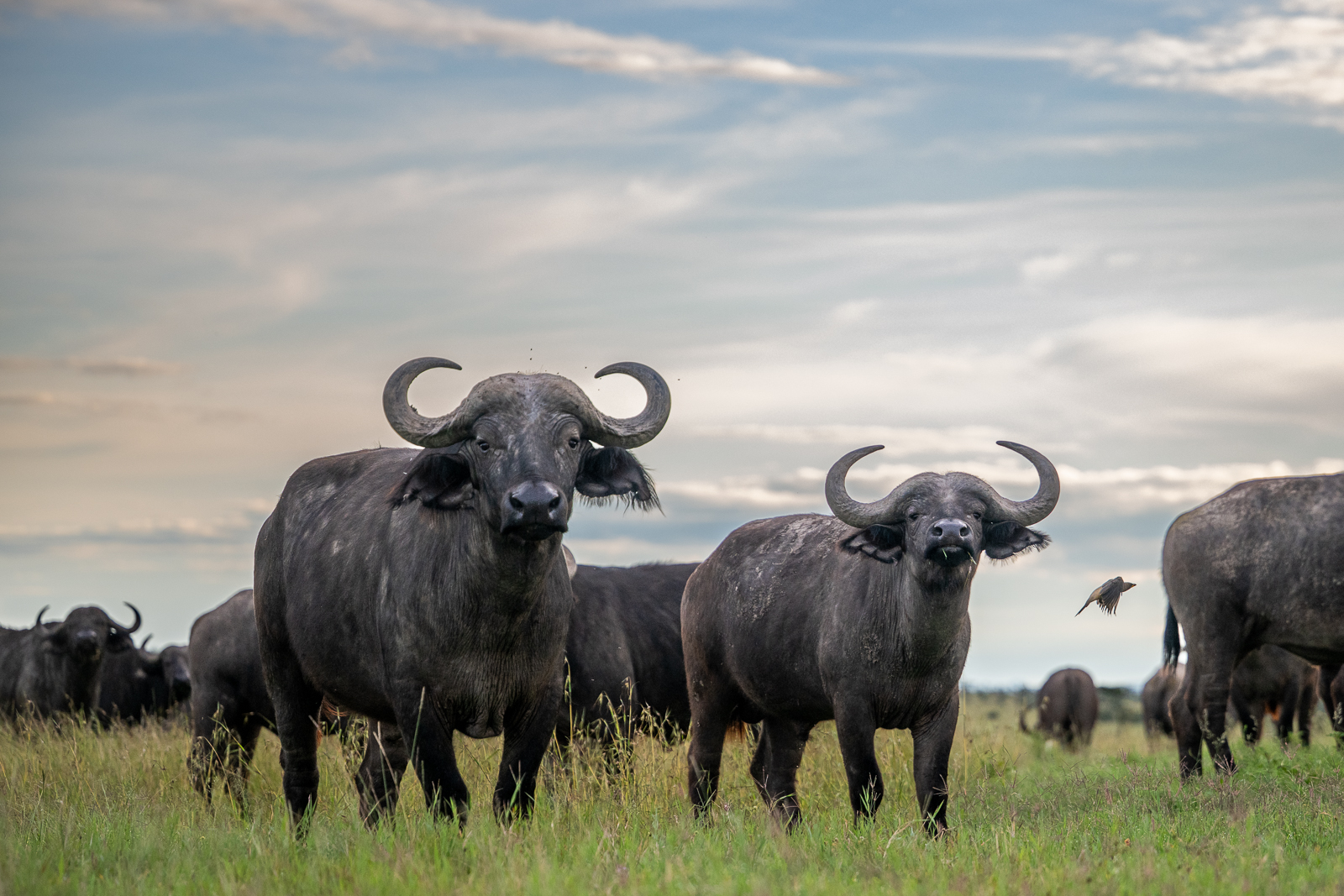
A herd of Cape buffalo is a formidable force on the African savanna. These tightly knit groups offer safety in numbers, with older bulls and cows forming a protective wall around calves when predators lurk nearby. Known for their unpredictable temper and unwavering loyalty to the herd, Cape buffalo have been seen turning back to rescue companions from lions. Their collective strength, combined with sharp memory and strong social bonds, makes them one of Africa’s most respected and resilient grazers. Nikon Z8 with Nikkor 70-200mm lens (at 97mm) ISO 360, f/2.8 at 1/1600th of a second.
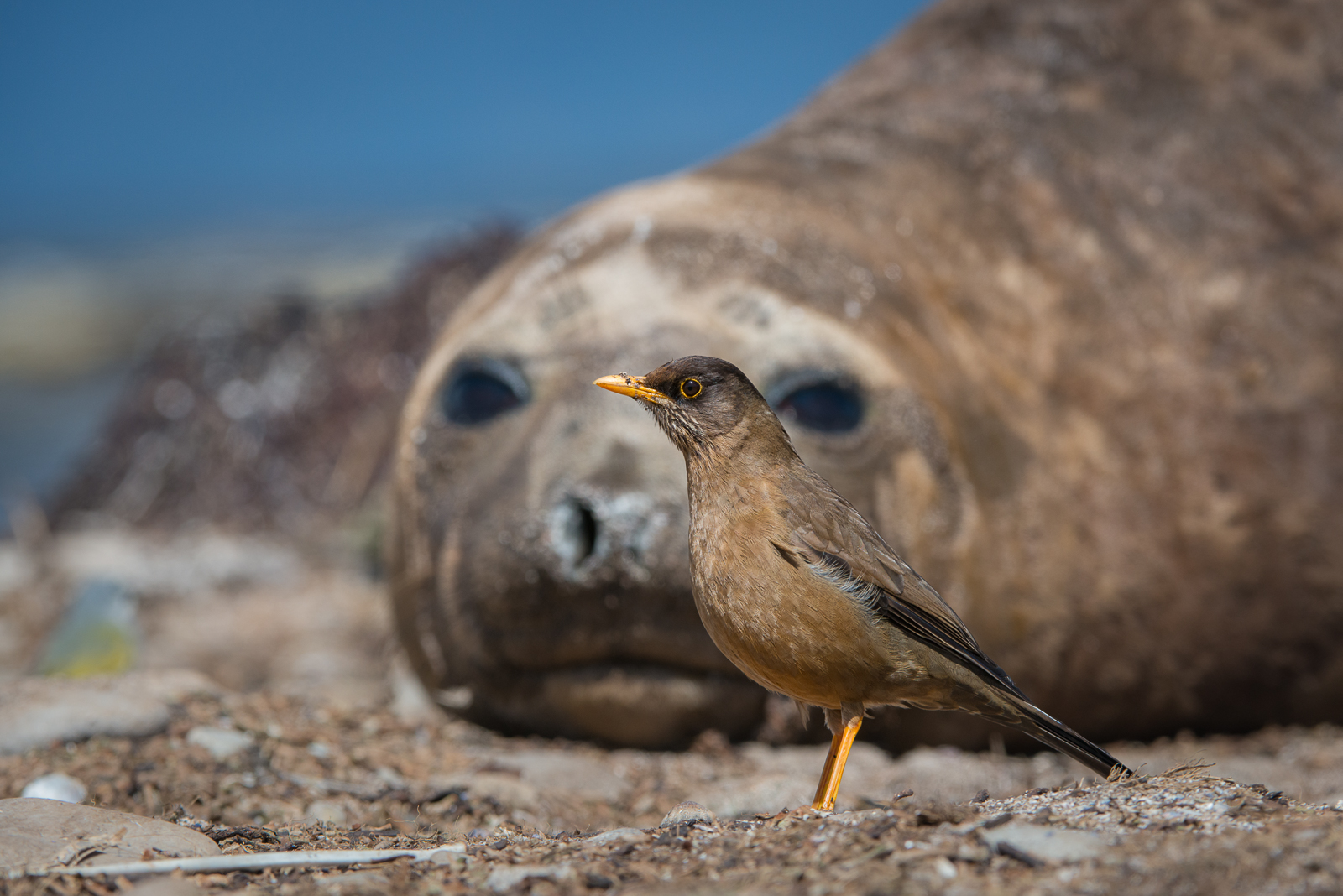
What the Falkland thrush lacks in the way of colorful plumage, it makes up for with its spectacular song. This one was performing for the local elephant seals on Carcass Island. Nikon D800 with Nikkor 200-400mm lens (at 260mm) ISO 400, f/6.3 at 1/1600th of a second.
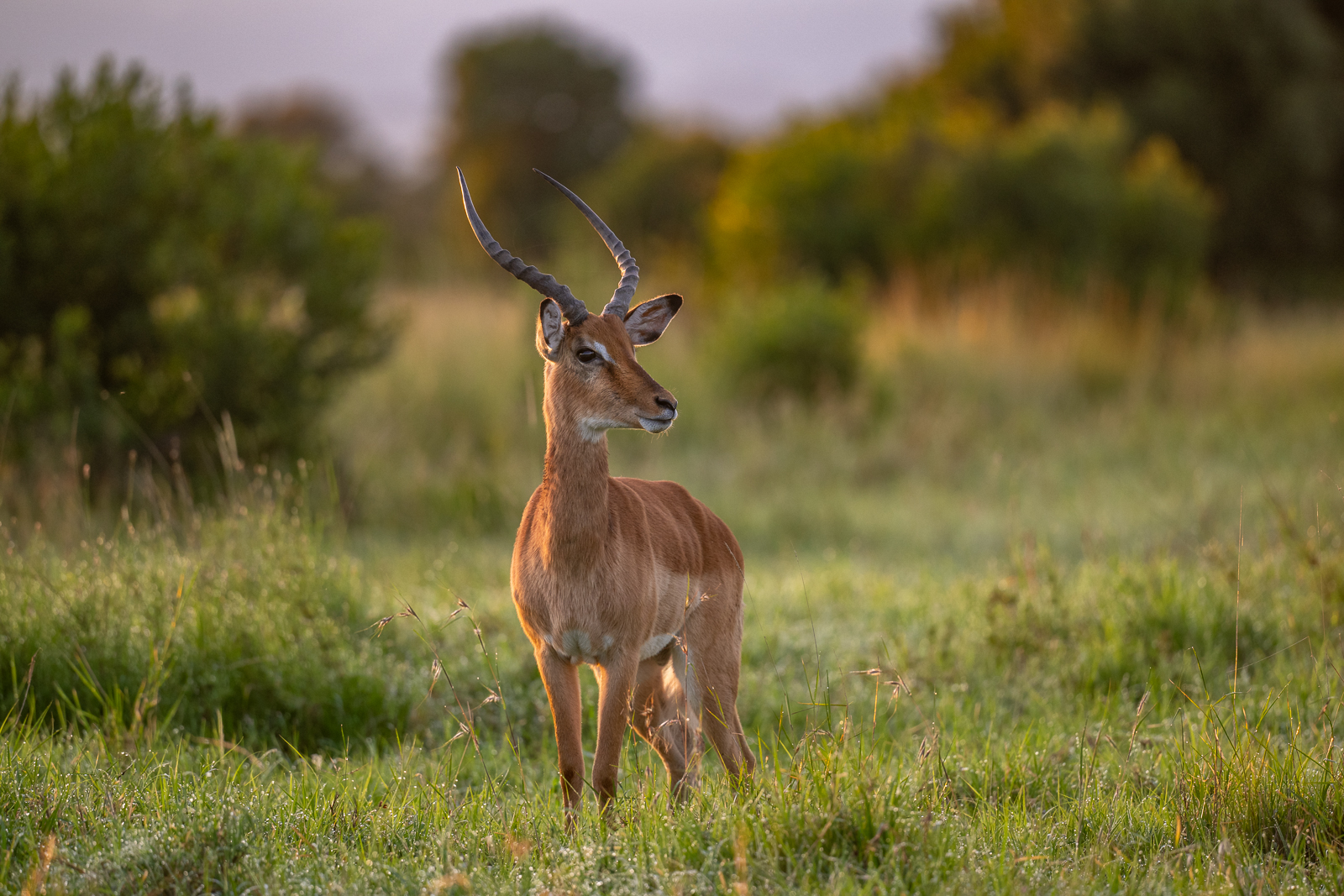
Impala are without a doubt the most common mammal that we see on our East African safaris. Because of that, guests tend to overlook them after awhile. But they sure are elegant looking antelope. This male was posing for us in the golden light of early morning. If you want to see just how common they are, join us in June when we go back to Kenya and Uganda (www.cranewildlifetours.com). Nikon Z8 with Nikkor 500mm PF lens, ISO 1000, f/5.6 at 1/160th of a second.
We use cookies to enhance your experience while using our website. If you are using our Services via a browser you can restrict, block or remove cookies through your web browser settings. We also use content and scripts from third parties that may use tracking technologies. You can selectively provide your consent below to allow such third party embeds. For complete information about the cookies we use, data we collect and how we process them, please check our Privacy Policy