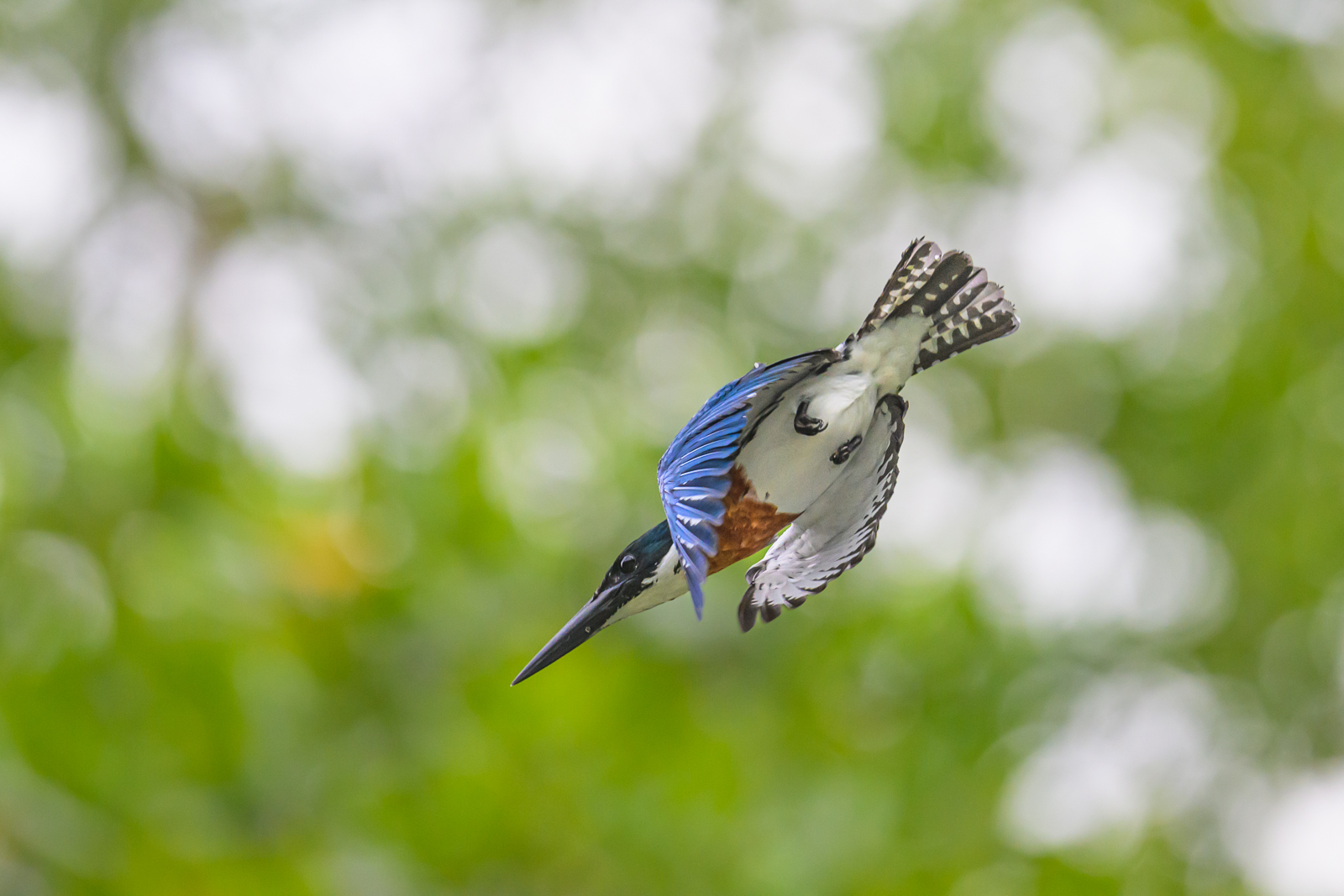
A ringed kingfisher doing what ringed kingfishers (and all kingfishers) do. Diving for a fish. I captured this one on a boat excursion through the mangroves of Piedras Blancas National Park in Costa Rica. Nikon Z8 with Nikkor 500mm PF lens, ISO 900, f/5.6 at 1/2500th of a second.
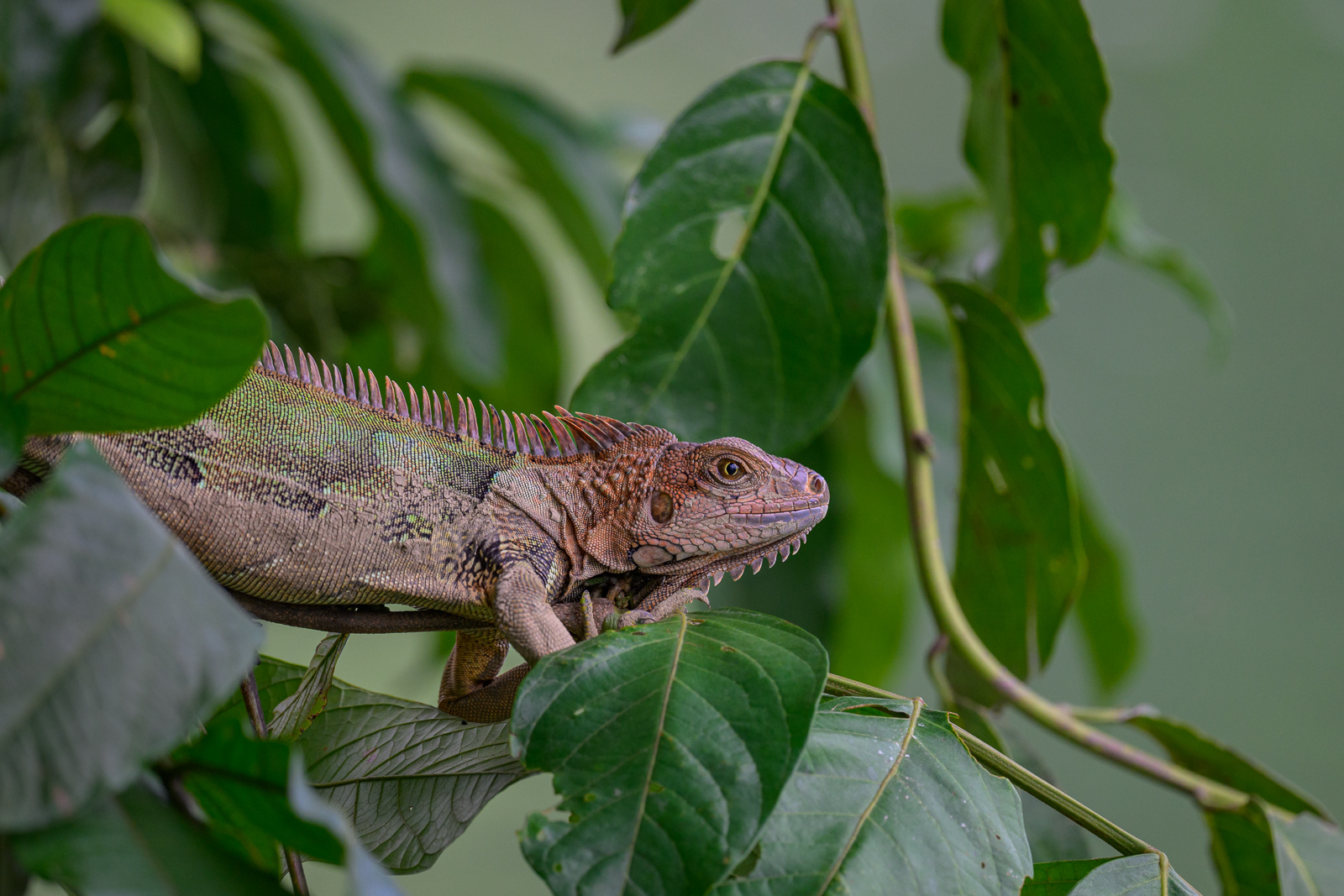
Interesting fact about the green iguana: They can survive falls from heights of up to 50 feet without injury. They spend much of their time high in trees, and their strong limbs, long toes, and sharp claws help them grip branches securely. But if they do take a fall, their bodies are built to absorb the impact—sometimes even using their tail to stabilize mid-air like a parachute. This one was photographed in the mangroves of Piedras Blancas National Park in Costa Rica. Nikon Z8 with Nikkor 500mm PF lens, ISO 900, f/5.6 at 1/500th of a second.
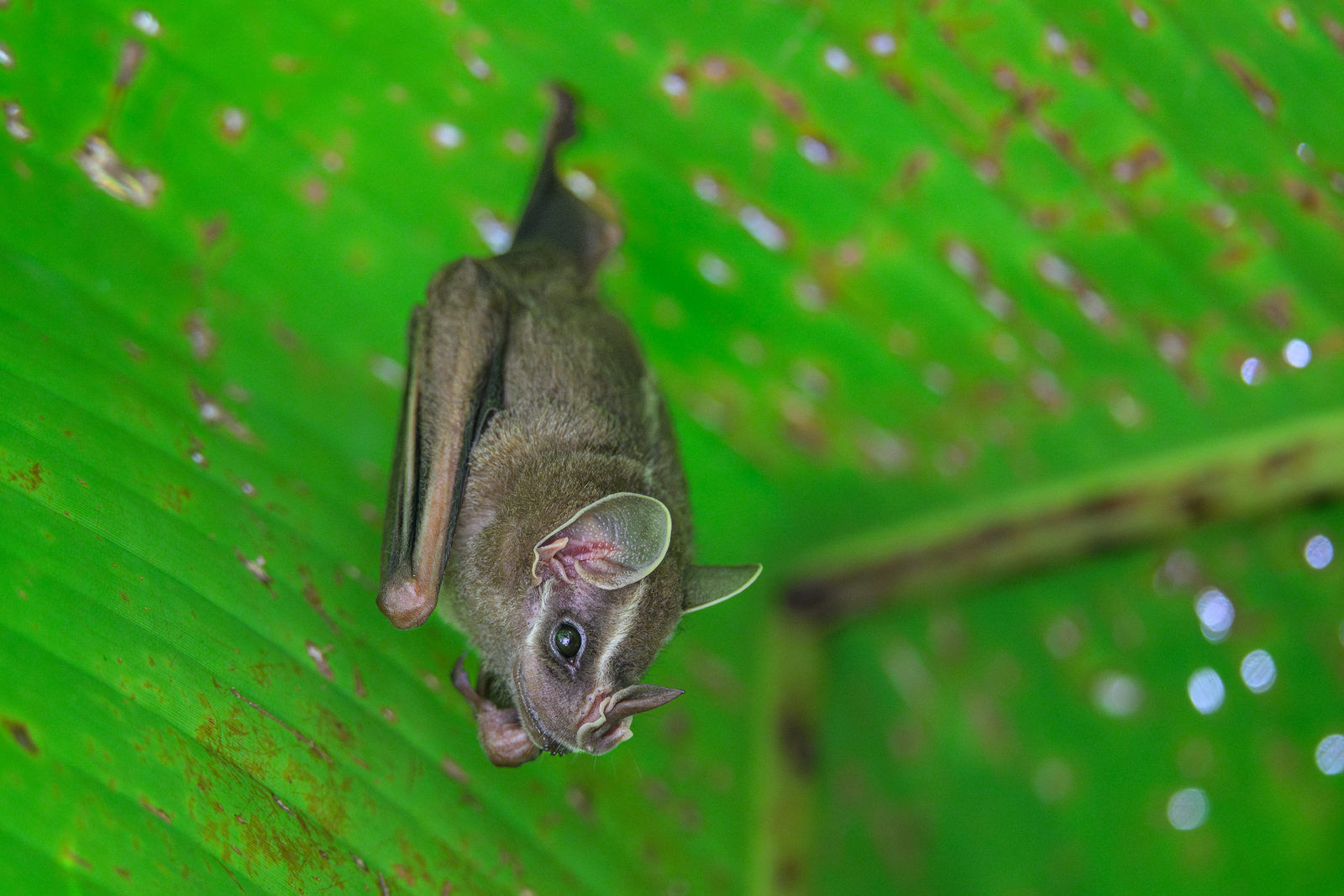
Tent-making bats get their name from their unique habit of creating “tents” out of large leaves. Using their teeth, they carefully chew through the veins of leaves—usually from banana or palm trees—causing the leaves to fold in a way that forms a protective shelter. These leafy tents provide the bats with cover from rain, sun, and predators during the day while they roost. A resourceful bit of natural architecture that gives them both safety and shade. Shot on the Osa Peninsula of Costa Rica last month. Nikon Z8 with Nikkor 500mm PF lens, ISO 5600, f/5.6 at 1/200th of a second.
This scarlet macaw had a lot of style while dropping the nuts she no longer wanted to eat. Filmed at Playa Cativo in Piedras Blancas National Park, Costa Rica. Nikon Z8 with Nikkor 500mm PF lens.
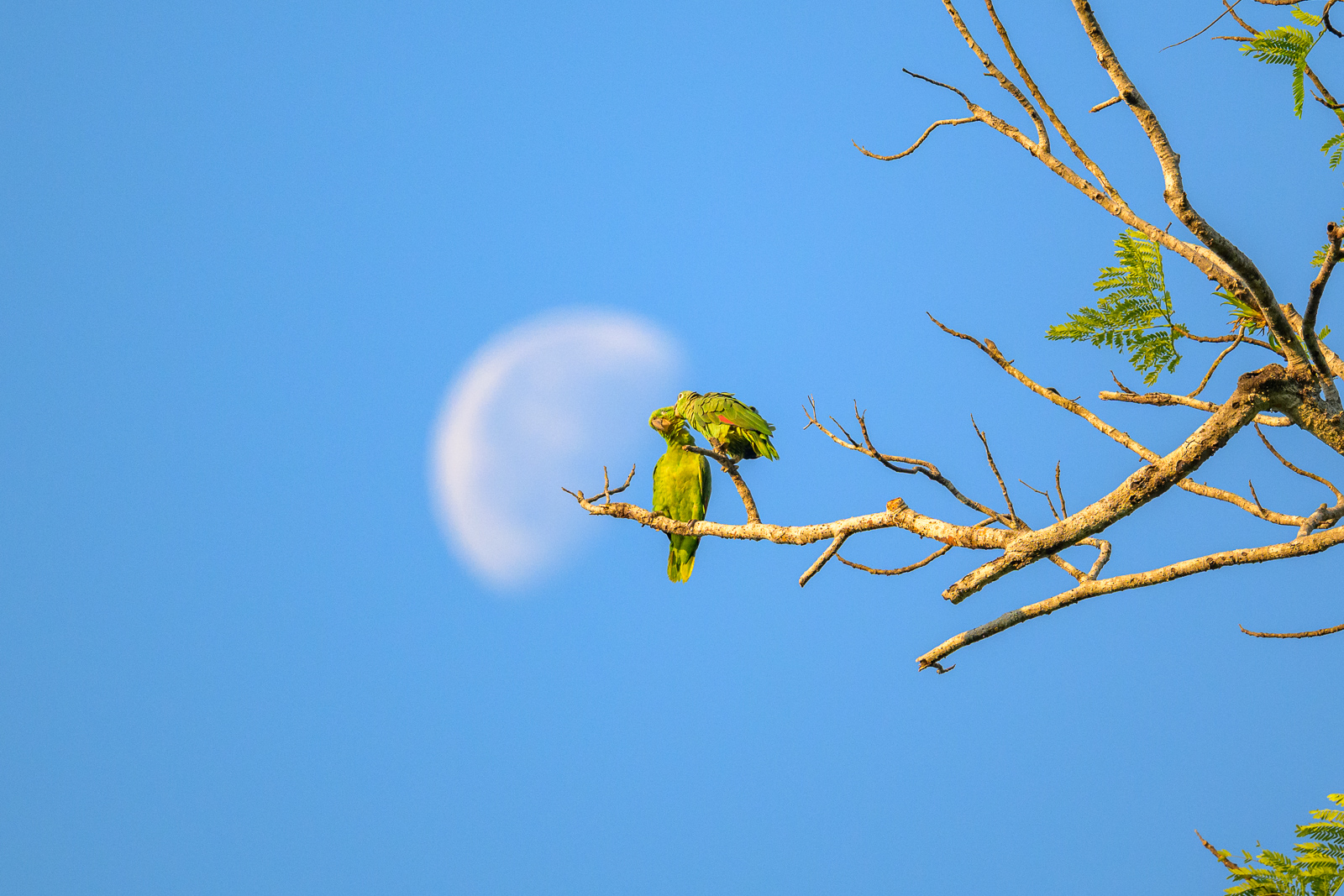
Mealy parrots are members of the amazon family of parrots, and sometimes called the southern mealy amazon or southern mealy parrot. They are one of the largest of the amazons, and predominantly green, with some yellow and orange on the wings. I captured this mated pair in the early morning, preening each other in front of a-not-quite-full moon. Nikon Z8 with Nikkor 500mm PF lens, ISO 1000, f/5.6 at 1/2500th of a second.
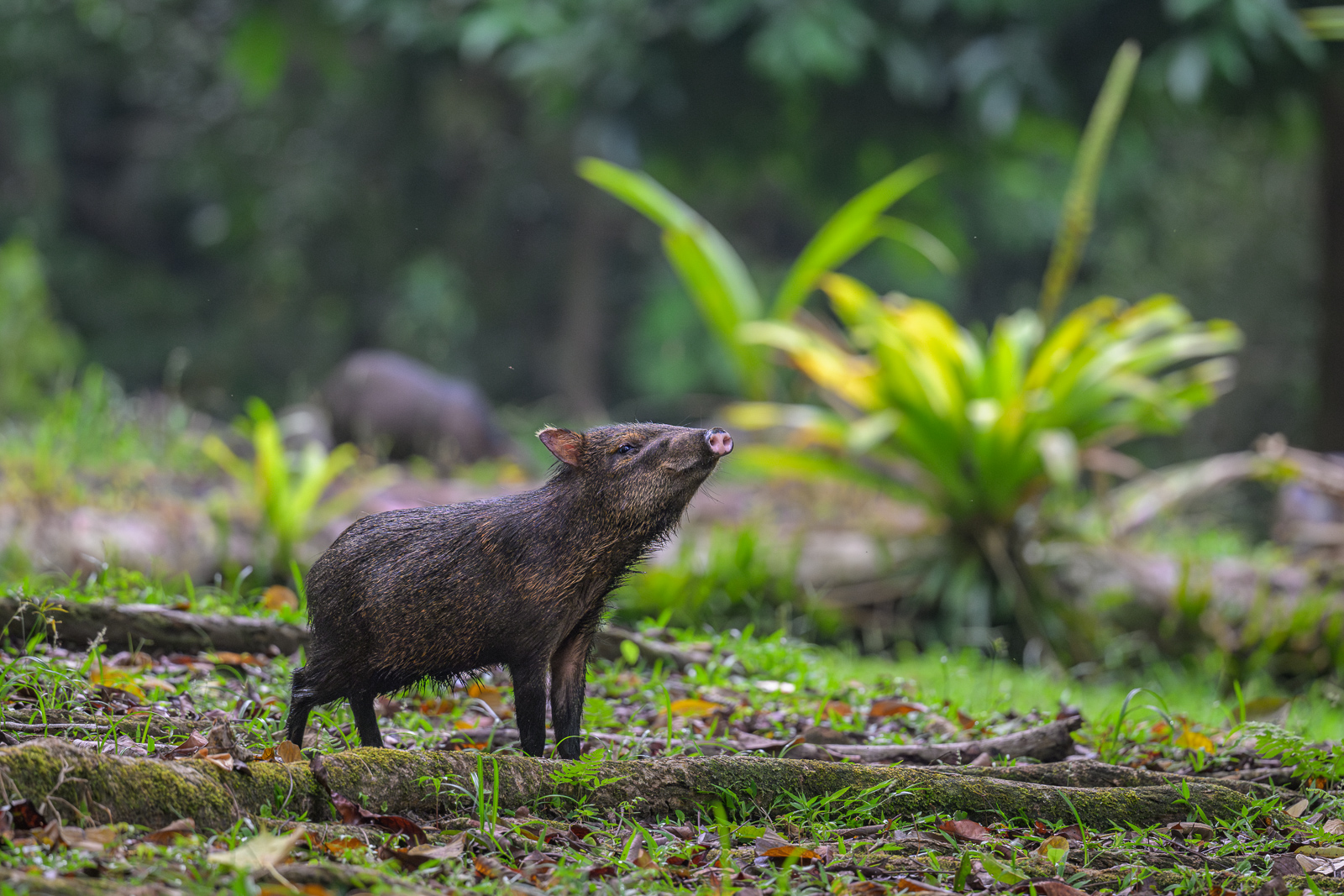
Peccaries are tropical wild pigs. There are three species in Costa Rica, the white-lipped, Chacoan and collared. This is the latter. We saw lots of them on our recent trip. Every morning, they would make their way through the grounds of the lodge, but I would also see them out in the forest on my daily hikes. I was in a large clearing photographing macaws when they arrived on this particular morning. When I got down on the ground for a low angle perspective, I’m not sure if they could see me, but they certainly could smell me. They eventually got very close and I took lots of wide angle images and videos. Nikon Z8 with Nikkor 500mm PF lens, ISO 4500, f/5.6 at 1/400th of a second.
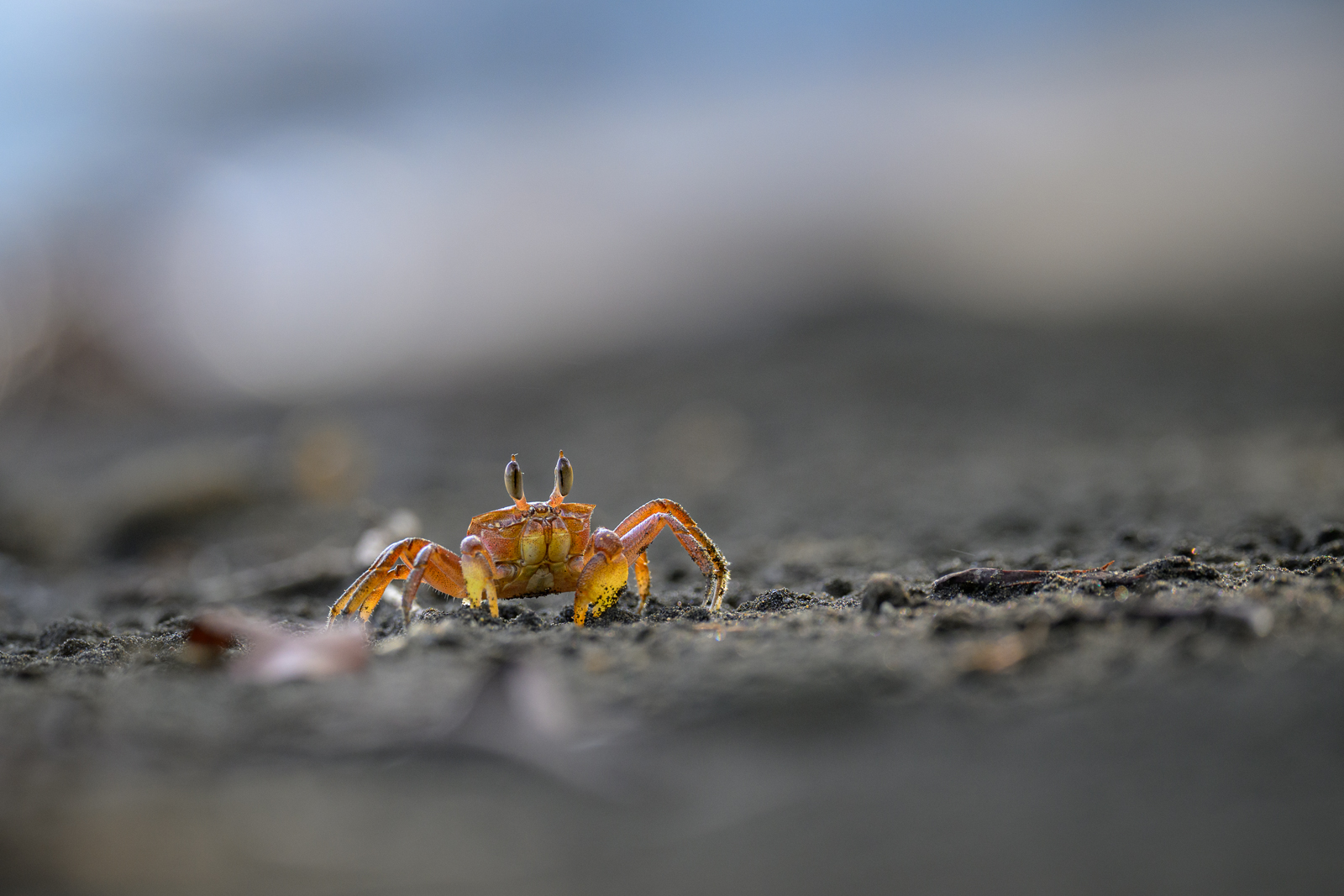
This was my most crabby trip to Costa Rica yet. Crabs seemed to be everywhere, both day and night, including many different species. This is a painted ghost crab. They are great bioindicators — essentially meaning the health of their population in a given area is directly related to the overall health of that ecosystem, including the effects of human interference. Nikon Z8 with Nikkor 500mm PF lens, ISO 360, f/5.6 at 1/500th of a second.
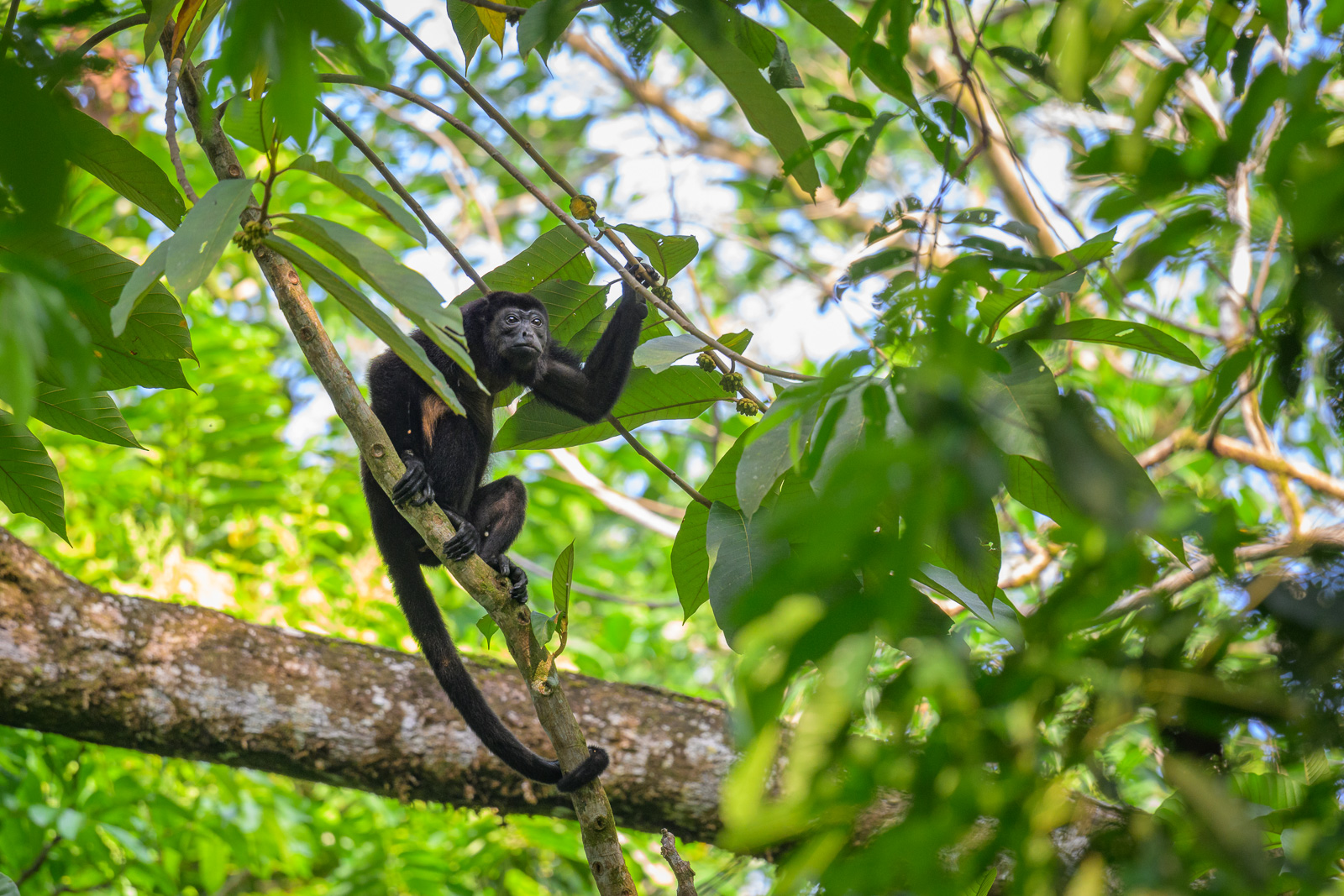
The second of the three species of monkey that I saw on our recent trip to Costa Rica was the mantled howler monkey. We heard these guys every morning, but it wasn’t until our last day that I actually caught up to them (as anyone who has spent any time in the rainforest knows, howler monkeys make ferociously loud calls — among the loudest in the animal kingdom — and can often be heard from over three miles away). Funny thing was, when I finally found them, they were completely silent, just going about their morning routine high in the canopy. This one came down a bit for those fruits you can see by the left hand. Nikon Z8 with Nikkor 500mm PF lens, ISO 720, f/5.6 at 1/125th of a second.
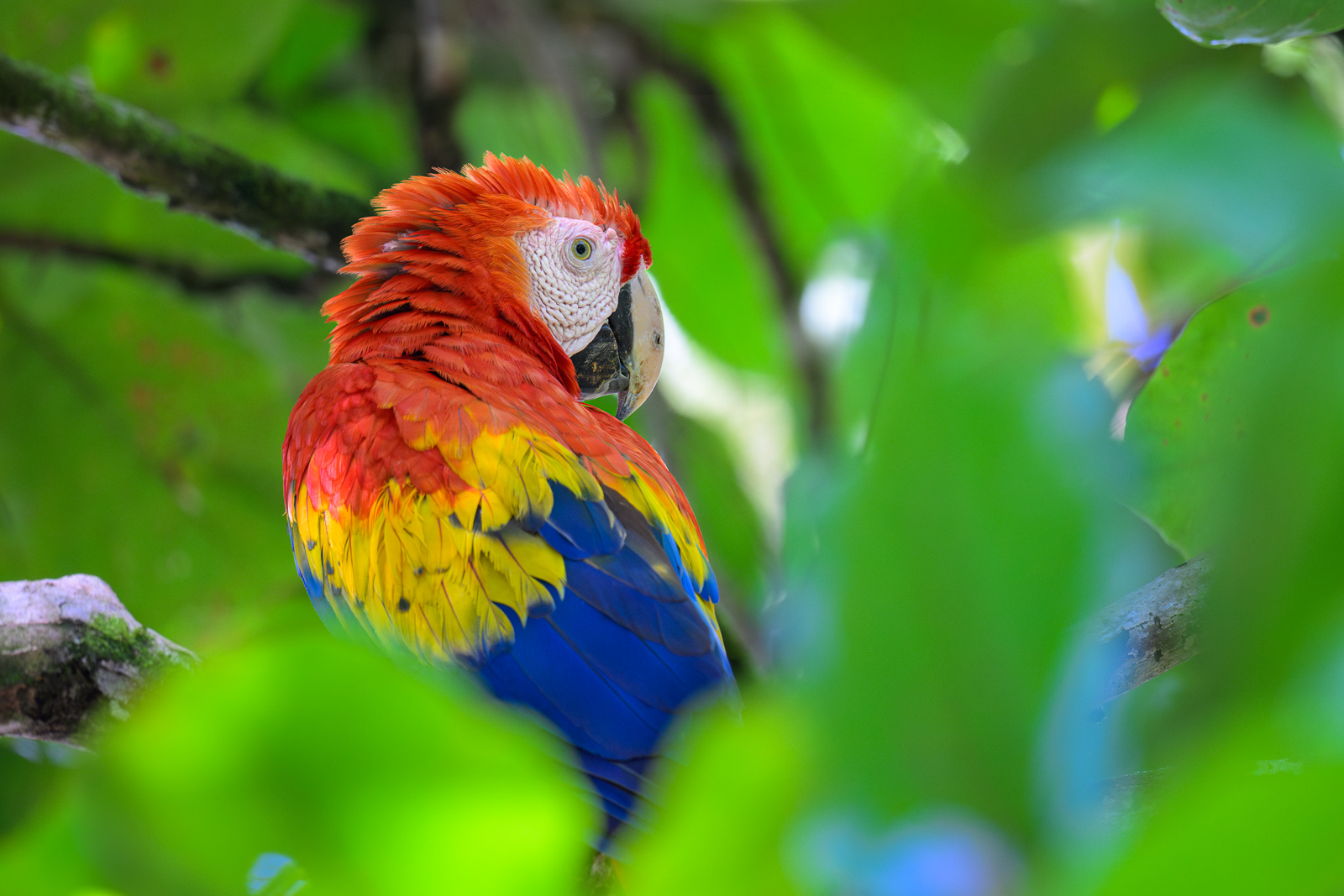
I had very good luck with scarlet macaws on our recent trip and have a lot to share, including some fun video. But I thought I’d start with this simple portrait that shows off the three primary colors of the feathers. “Scarlet macaw” is the most commonly used name, but they are also sometimes referred to as red-and-yellow macaws, red-and-blue macaws or red-breasted macaws. Photographed in Piedras Blancas National Park in southern Costa Rica. Nikon Z8 with Nikkor 500mm PF lens, ISO 1400, f/5.6 at 1/400th of a second.
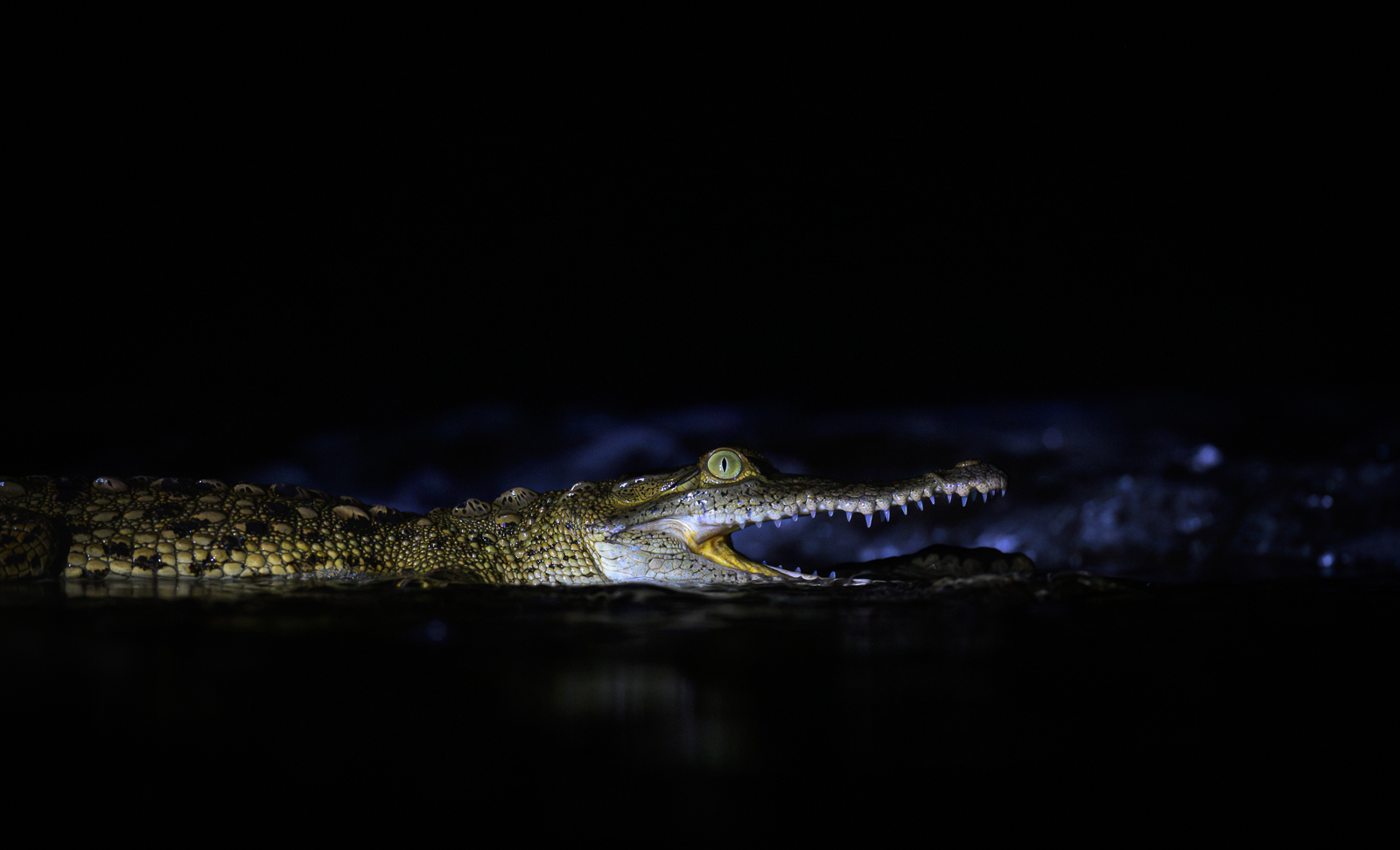
On one of my night hikes in Costa Rica’s Piedras Blancas National Park, I came across this small crocodile fishing by the shoreline. He/she was wading in the shallow water, with mouth wide open, waiting patiently for the surf to deliver an easy catch. Nikon Z8 with Nikkor 500mm PF lens, ISO 6400, f/5.6 at 1/160th of a second, light from handheld flashlight.
We use cookies to enhance your experience while using our website. If you are using our Services via a browser you can restrict, block or remove cookies through your web browser settings. We also use content and scripts from third parties that may use tracking technologies. You can selectively provide your consent below to allow such third party embeds. For complete information about the cookies we use, data we collect and how we process them, please check our Privacy Policy