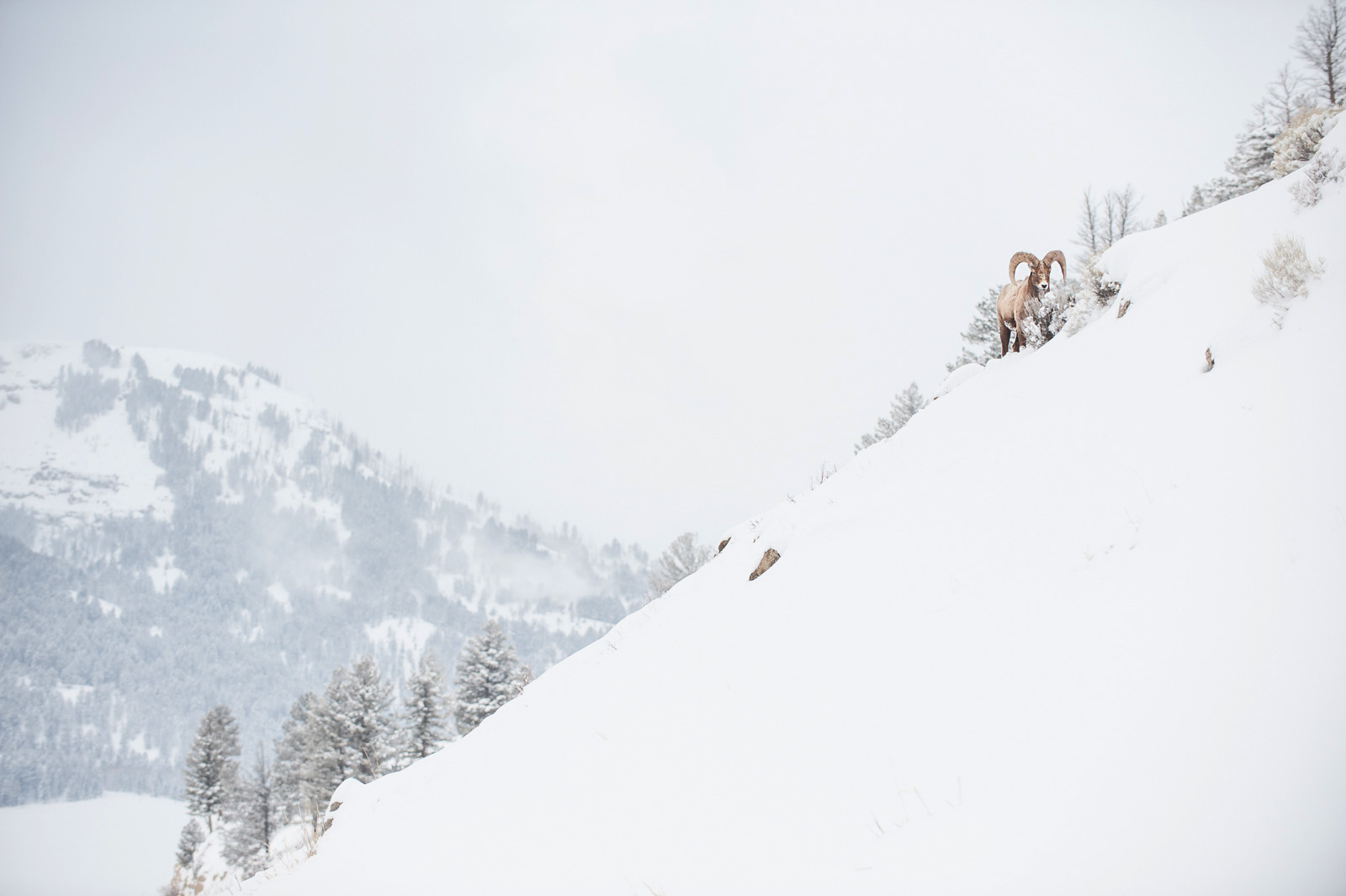
It’s tough being a bighorn sheep in Yellowstone in the winter. Finding suitable grass for grazing can be quite a challenge with all the snowfall that the park gets. This ram was opportunistically feeding on whatever shrubbery he could find. Nikon D700 with Nikkor 70-200mm lens (at 120mm) ISO 400, f/4 at 1/3200th of a second
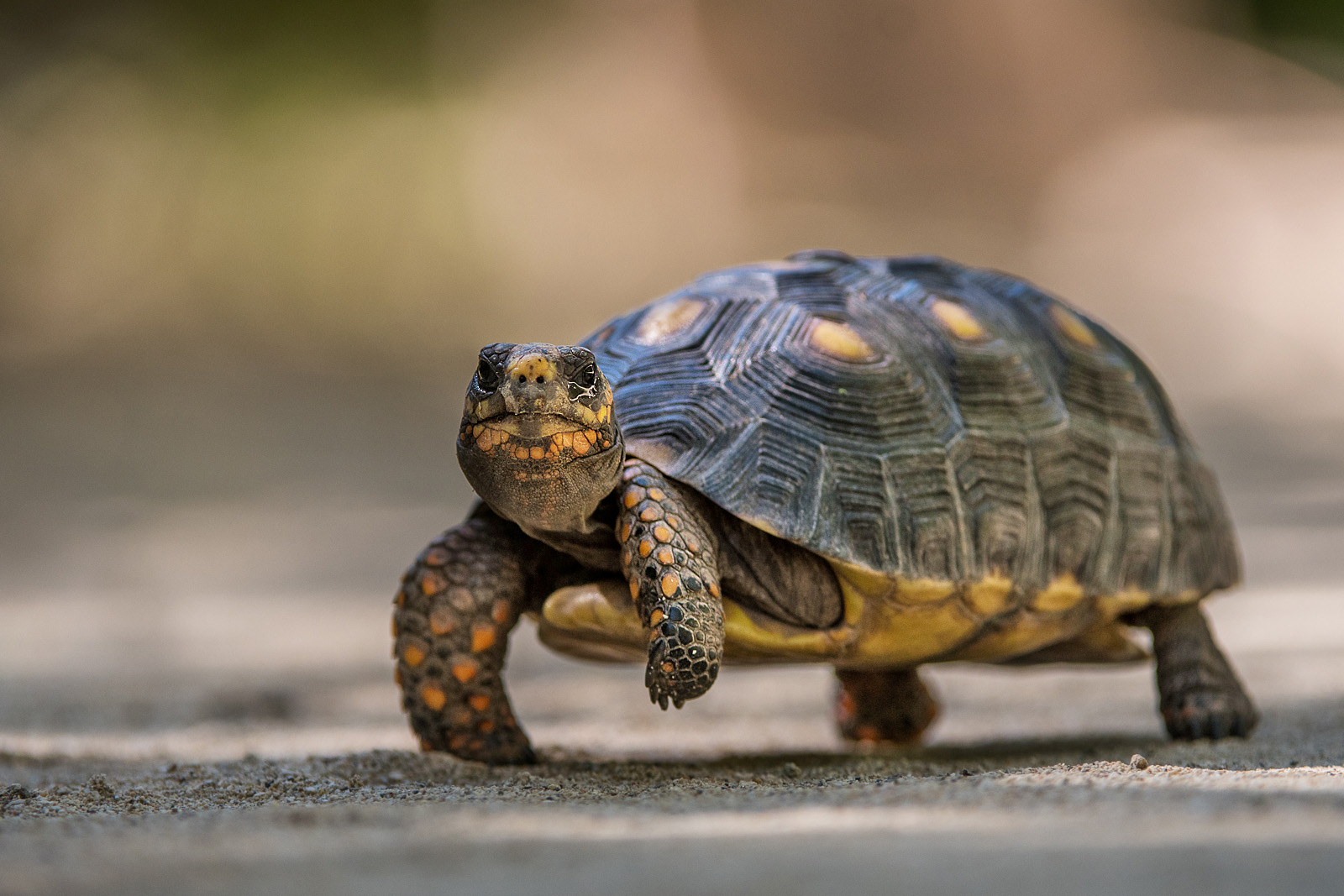
Here’s another one of the red-footed tortoises that I saw on St Barths. Unlike the previous wide angle shot, for this one, I used my long lens and caught the tortoise as it slowly moved across a shaded area of the sand. Nikon D500 with Nikkor 200-400mm lens (at 280mm) ISO 400, f/4 at 1/1000th of a second
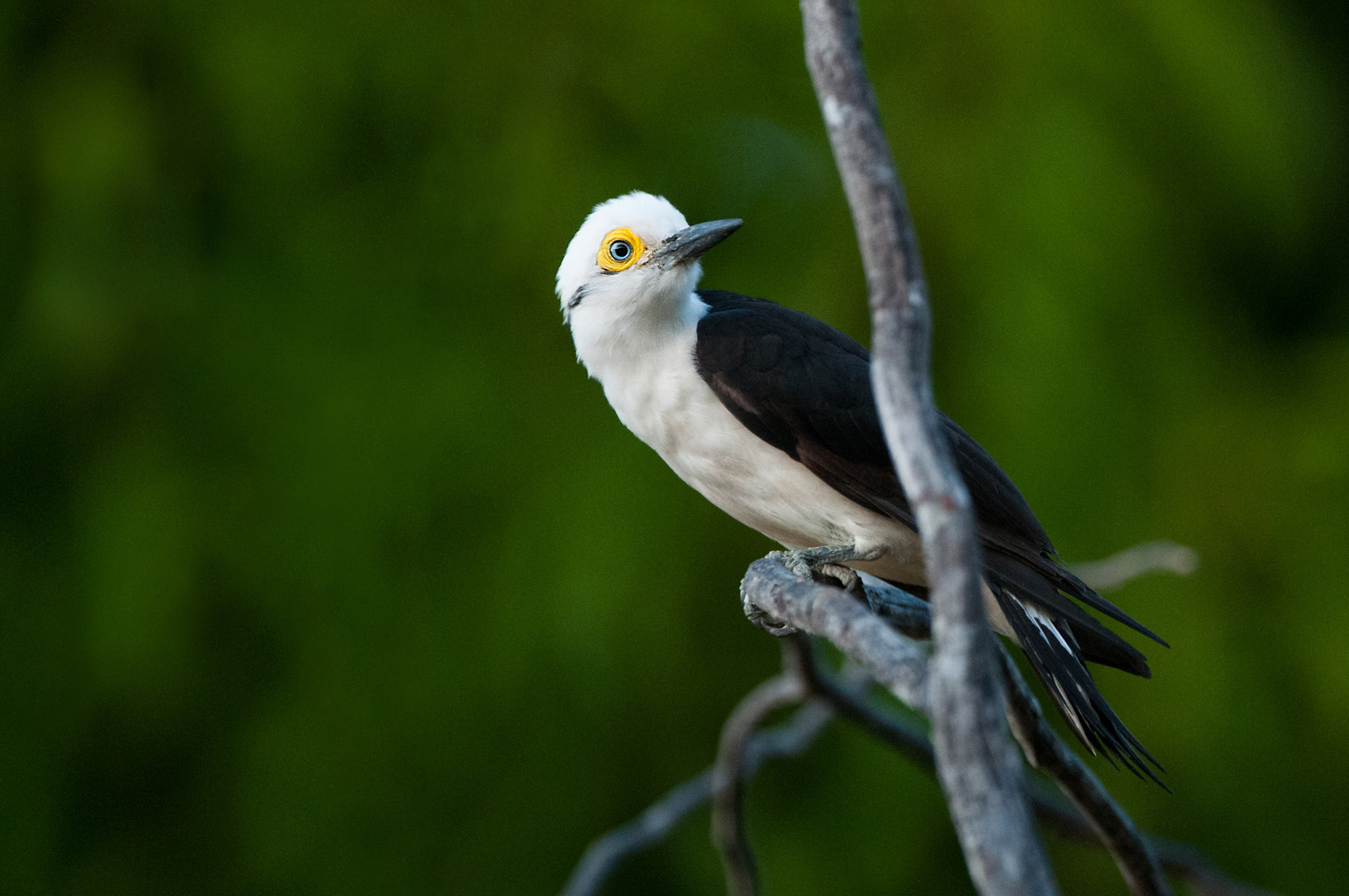
I loved the look of this bird when I first saw a few of them in Brazil a few years back. The yellow eye patch against the white feathers is very distinctive. Citrus farmers are also very fond of these birds, but probably not because of the eye patch. Rather, they eat the irapuá bee which is a pest to citrus fruits. Nikon D300 with Nikkor 200-400mm lens (at 400mm) ISO 1600, f/4 at 1/1000th of a second
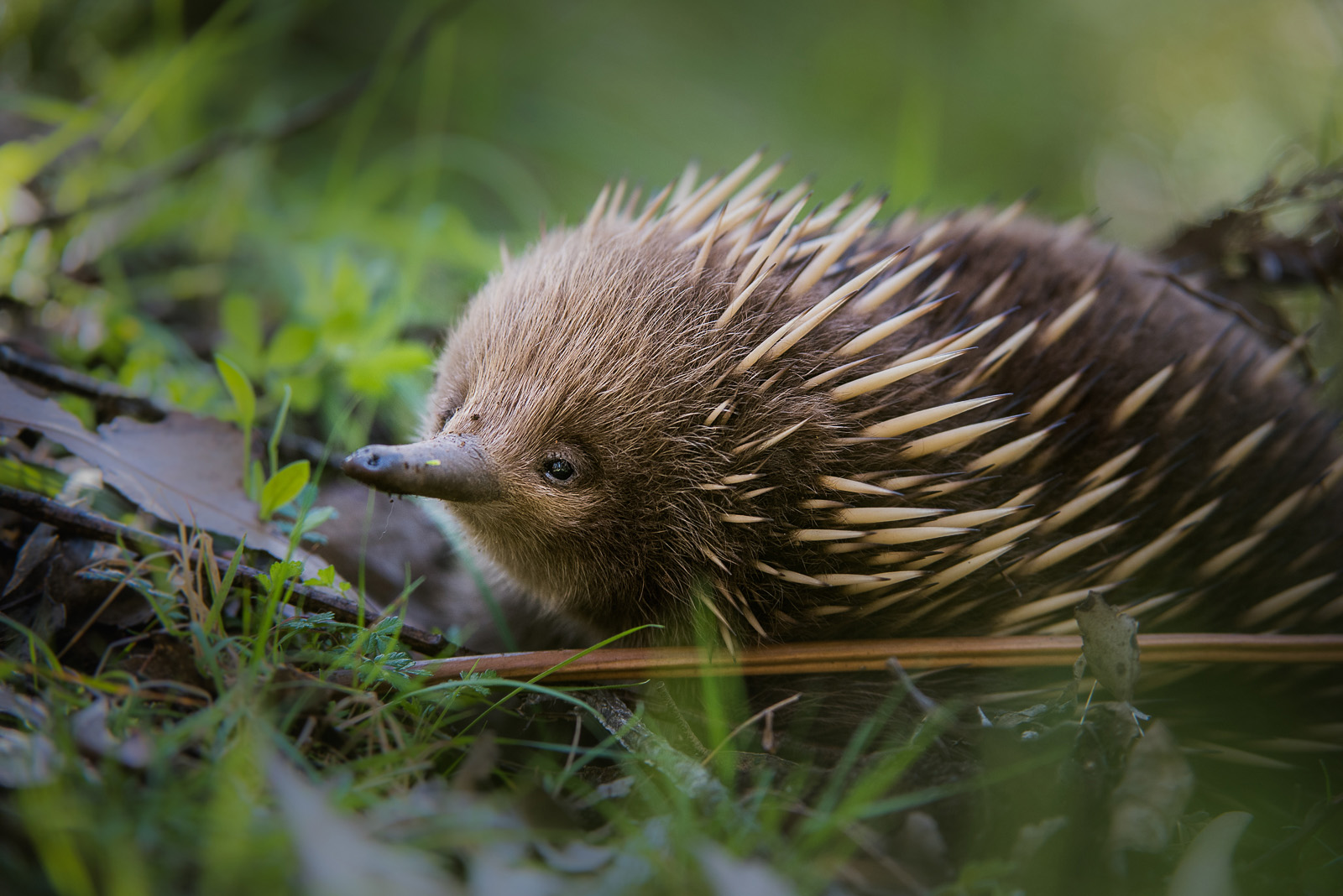
There is just something about echidnas that is very charming. They aren’t much more than a ball of spines with a long nose, but they seem to pack a lot of personality into their small size. This guy was photographed near the town of Scottsdale in northern Tasmania, Australia. Nikon D810 with Nikkor 200-400mm lens (at 200mm) ISO 800, f/4 at 1/125th of a second
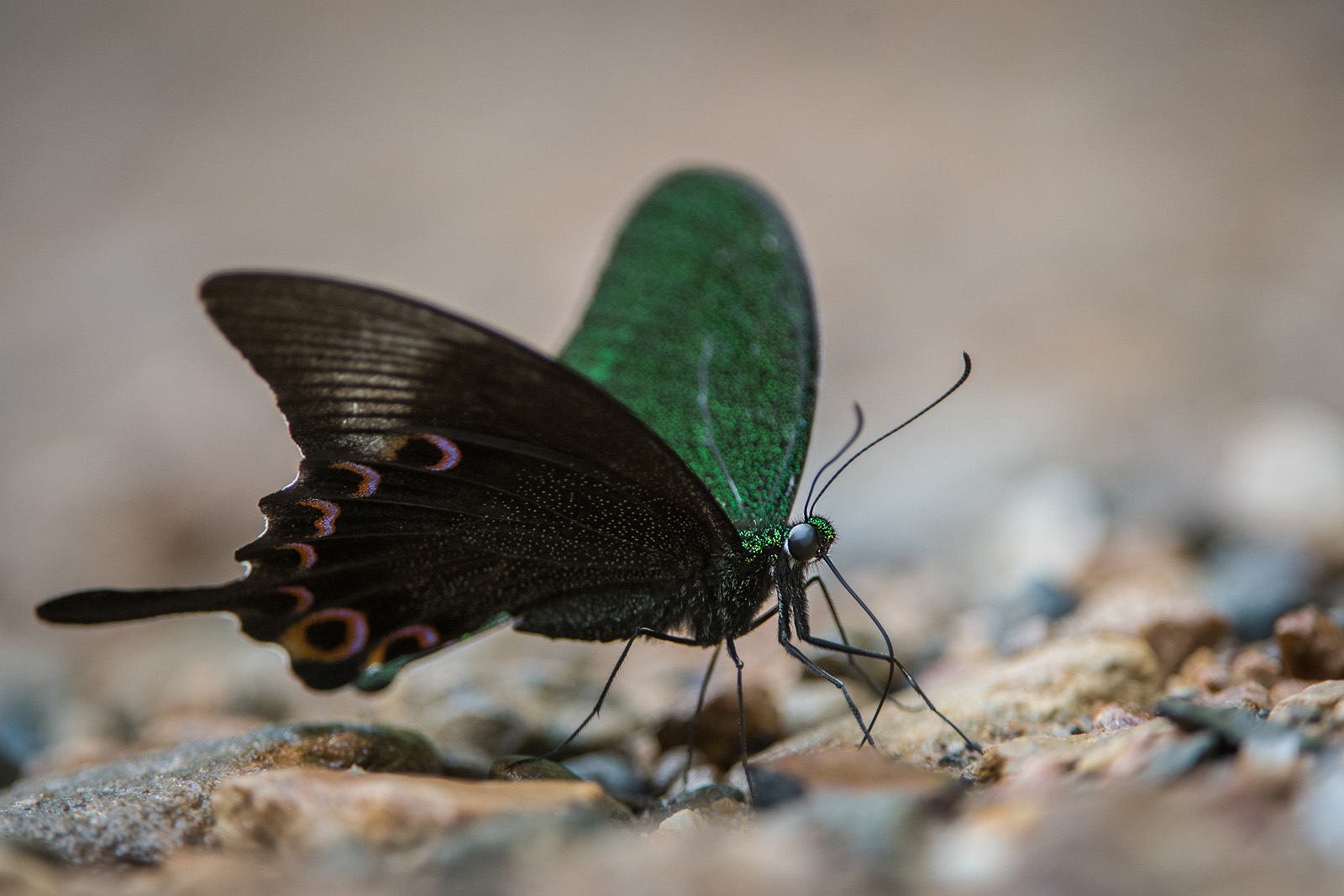
I liked the name of this butterfly that I photographed in Thailand — the Paris Peacock. I wanted to capture the brilliant green of the topside of the wings, while also displaying the underside with the colorful rings along the back edge. The Paris Peacock also has two large turquoise patches on the topside of the wings, which are impossible to see from this angle. Nikon D500 with Nikkor 200-400mm lens (at 400mm) ISO 1600, f/4 at 1/40th of a second
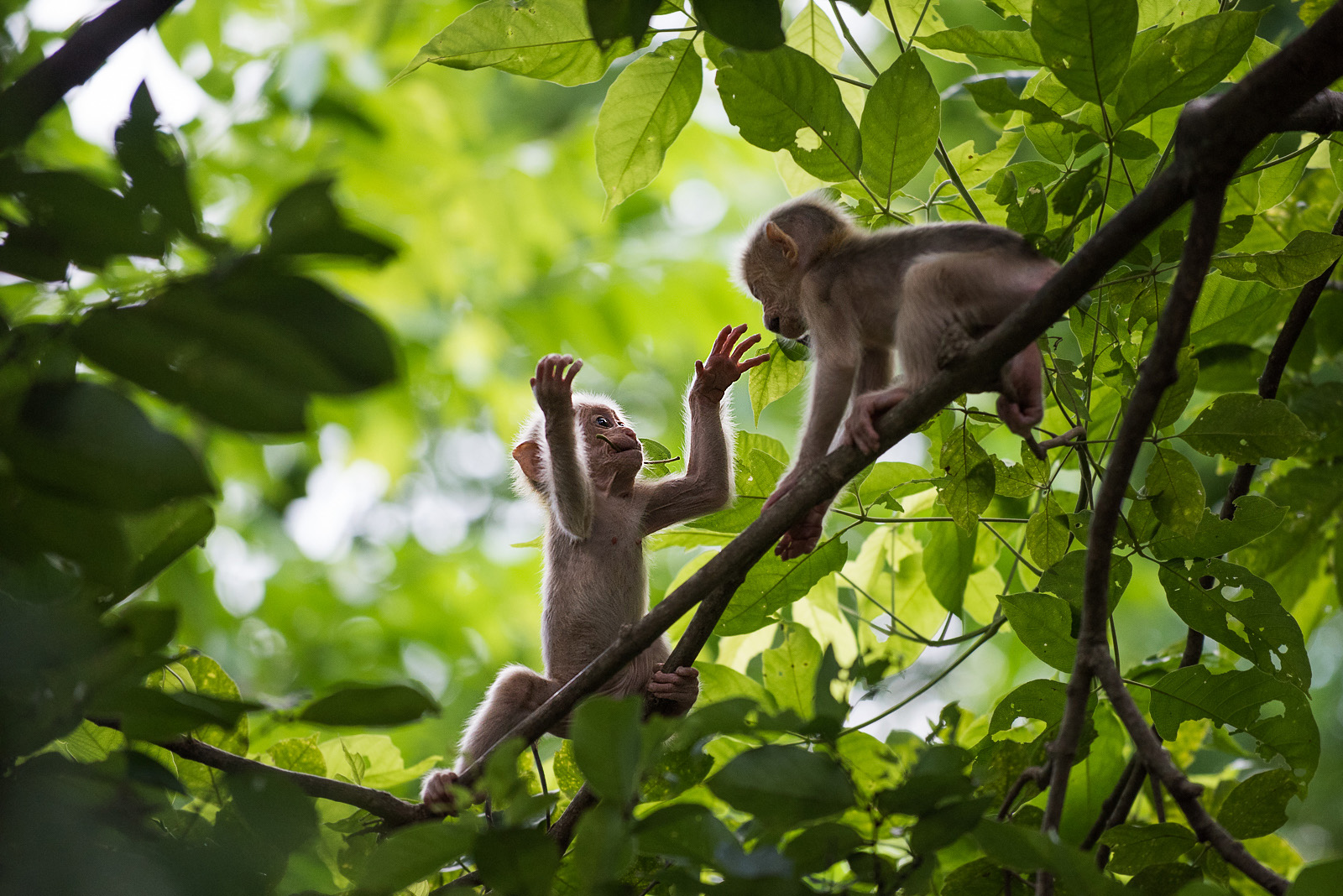
I had a lot of fun photographing this troop of stump-tailed macaques on the Malay Peninsula in Thailand — especially these youngsters who were constantly at play. Nikon D810 with Nikkor 70-200mm lens (at 200mm) ISO 1600, f/4 at 1/2000th of a second
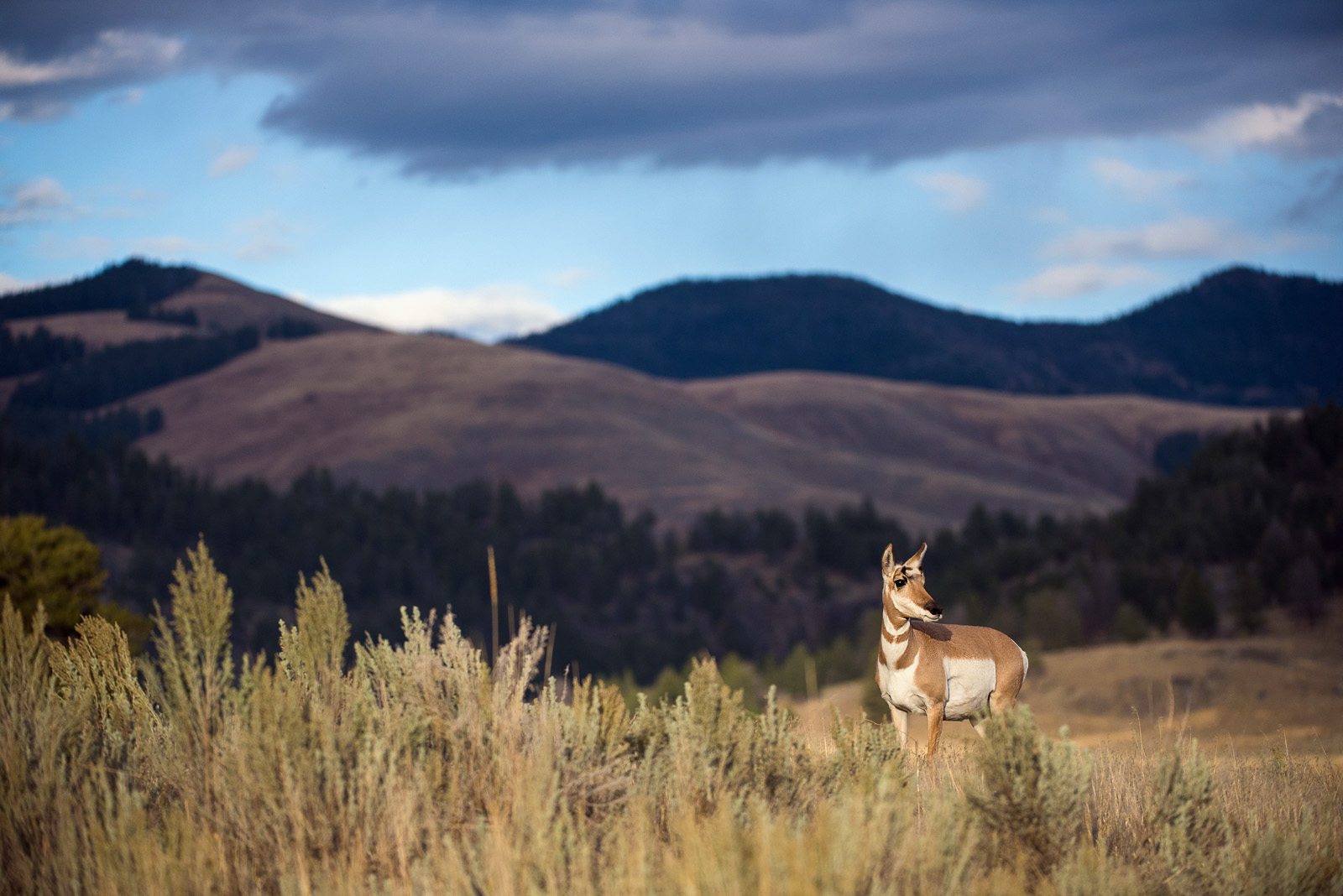
Yellowstone is a great park to capture photos of animals in the landscape. Pronghorn seem to be more and more common at Yellowstone and provide nice subjects for such shots. I remember ten or more years ago definitely not seeing as many as I see now. This young lady was taking a look back at the rest of the herd while the sun started to inch down toward the horizon behind me. Nikon D810 with Nikkor 200-400mm lens (at 200mm) ISO 800, f/4 at 1/2500th of a second
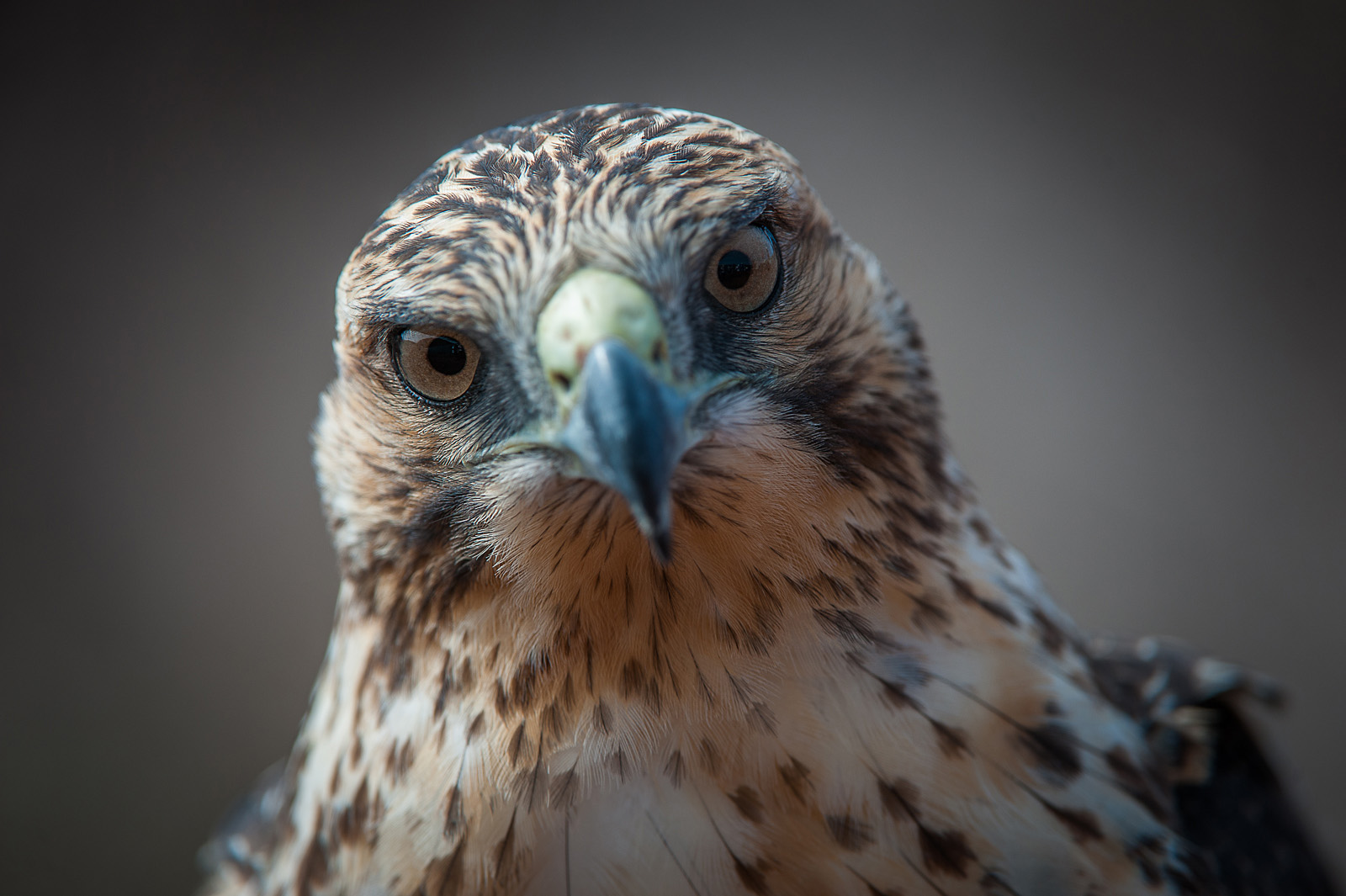
Here’s another raptor. This time a Galápagos hawk from Rabida Island in the Galápagos Islands of Ecuador. As with most of the wildlife on the islands, there is a lack of fear of human visitors. The animals seem to be more curious than anything else, or they just ignore the fact that you are even there. This guy fell into the former camp. He was bobbing his head left and right, checking me out while I captured a series of tight headshots. Nikon D700 with Nikkor 200-400mm lens (at 400mm) ISO 400, f/5.6 at 1/1250th of a second
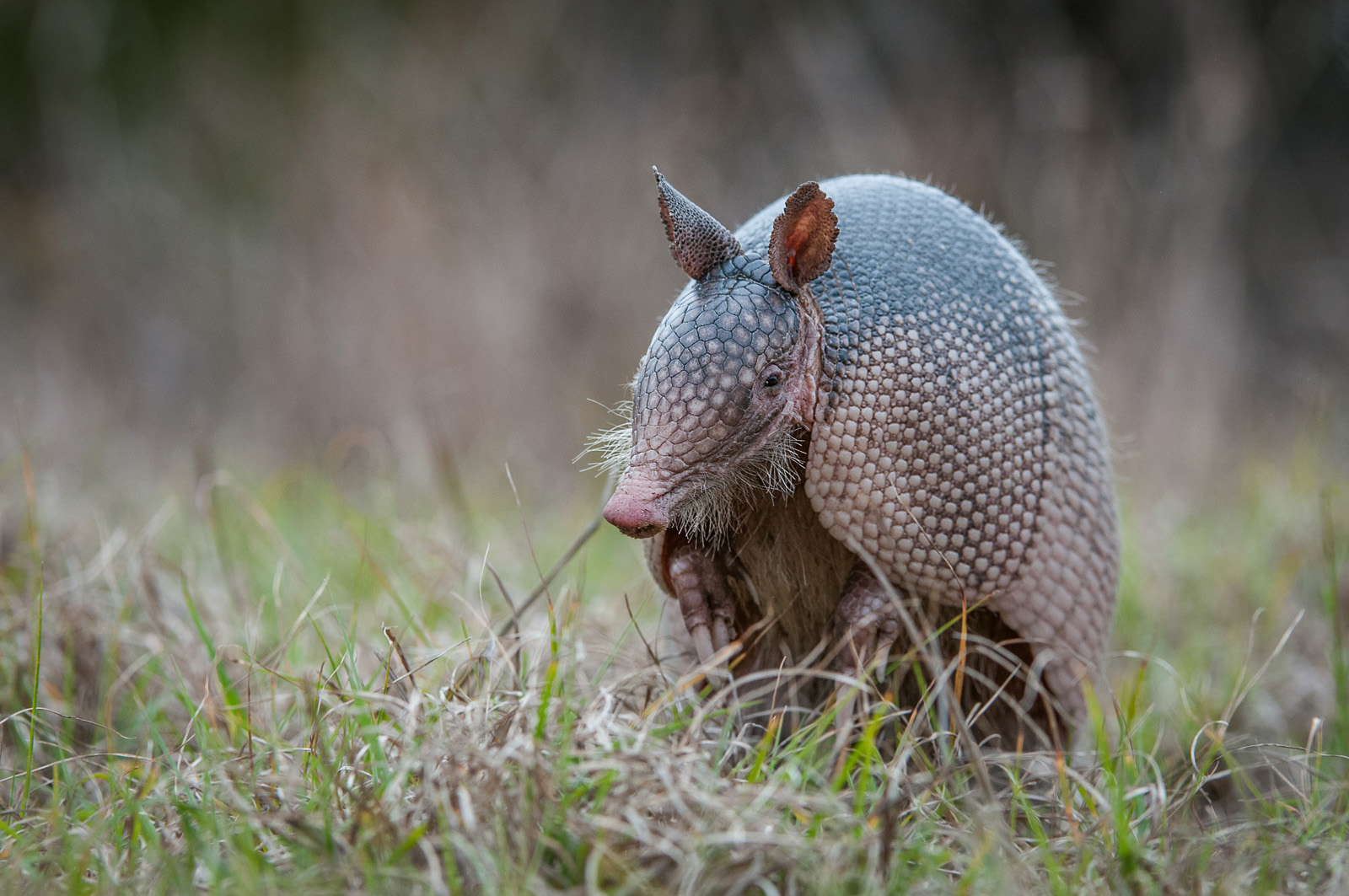
Nine-banded armadillos are quite common in Florida, but they can be difficult to photograph. They don’t have very good eyesight, but they have a great sense of smell and hearing. I spotted quite a few on Merritt Island, but would have to approach upwind to take care of the smell problem, and then quietly get into place to take care of the hearing issue. This involved getting as low as possible to get the best vantage point of these smallish mammals. The other challenge is photographing them with their eyes open, as they tend to be closed most of the time. It all came together nicely for this shot. Nikon D300 with Nikkor 200-400mm lens (at 200mm) ISO 400, f/5.6 at 1/640th of a second
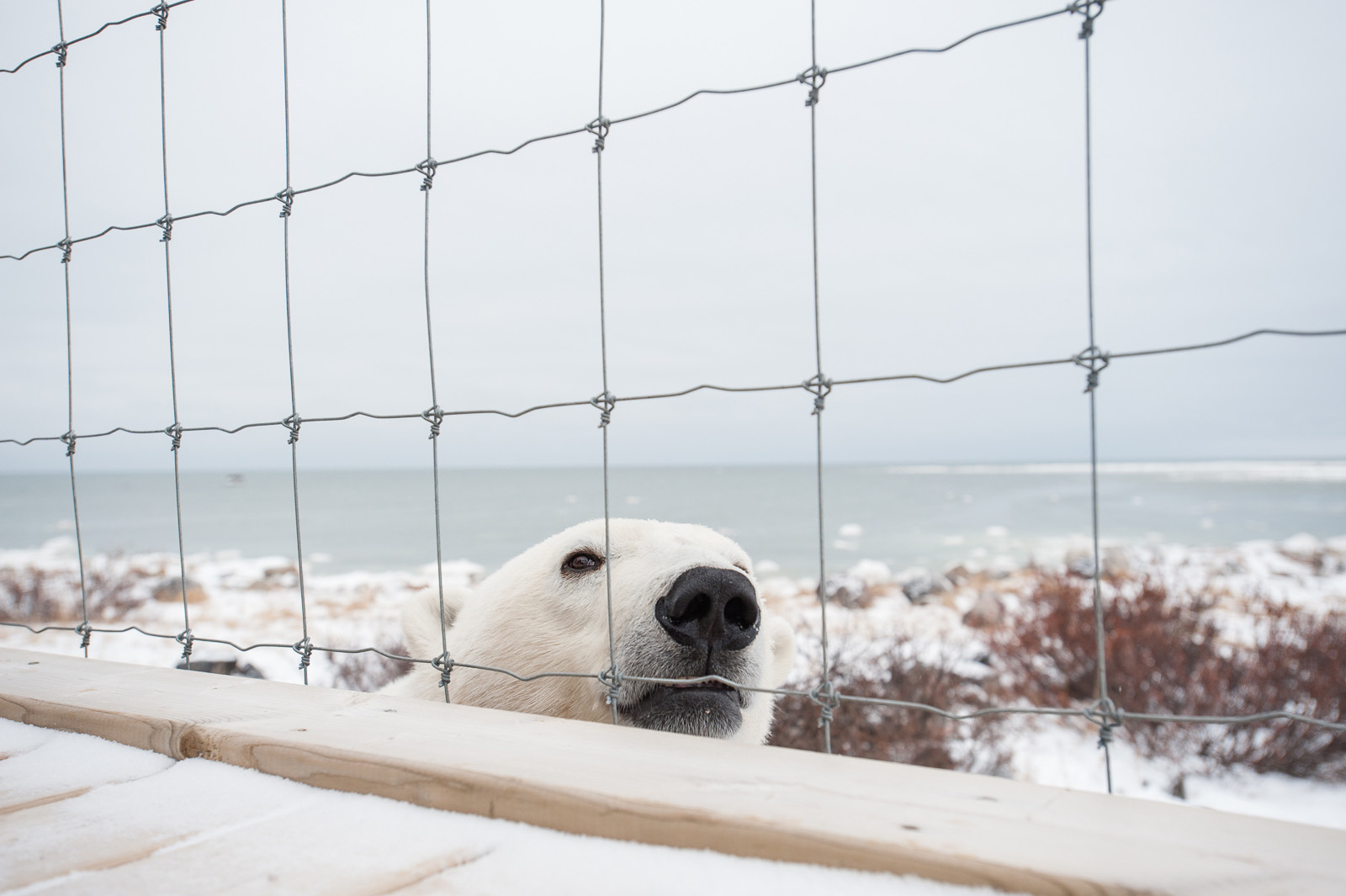
In a bit of a role reversal from what we are used to, at Seal River Lodge in northern Manitoba, Canada, the humans are the ones caged in while the polar bears roam free. While not out on guided hikes, guests are free to view and photograph bears from the safety of a fenced in backyard. Bears are often just outside the fence, attracted by all the interesting smells coming from the lodge and its guests. This large male was peering over the raised viewing platform inside that backyard. Nikon D700 with Nikkor 17-35mm lens (at 35mm) ISO 800, f/5.6 at 1/400th of a second
We use cookies to enhance your experience while using our website. If you are using our Services via a browser you can restrict, block or remove cookies through your web browser settings. We also use content and scripts from third parties that may use tracking technologies. You can selectively provide your consent below to allow such third party embeds. For complete information about the cookies we use, data we collect and how we process them, please check our Privacy Policy