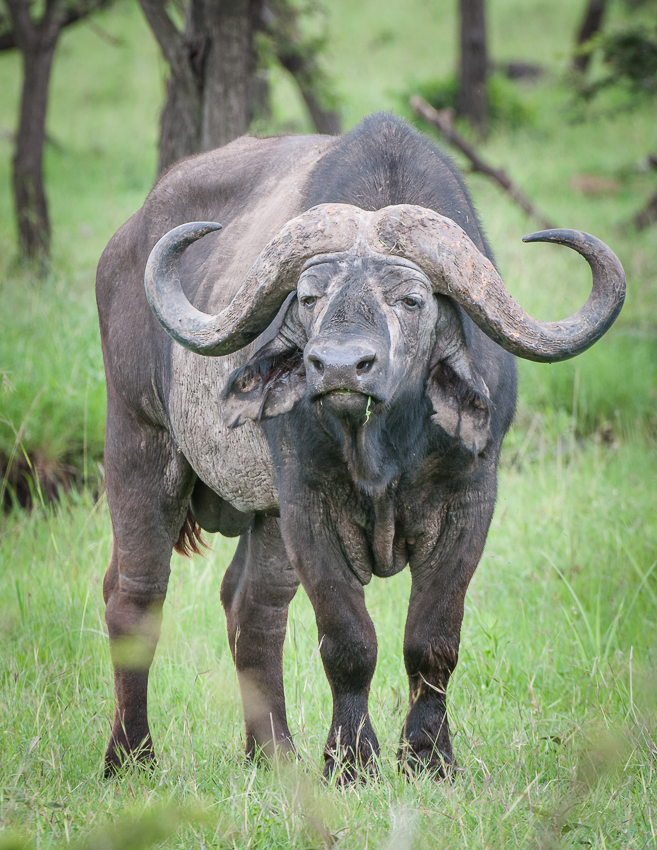
Cape buffalo are pretty much the curmudgeons of the African plains. They are considered one of the big five (along with leopards, lions, elephants and rhinos) but they’re the one of the five that nobody really cares too much about. Probably because they are pretty common. And look like cattle. I’ve always loved the George Washington-esque horns atop their heads. And the way that they stare you down as if they can’t believe you would dare come any closer. This one, however, didn’t seem to care too much about anything at all. Nikon D300 with Nikkor 200-400mm lens (at 380mm) ISO 400, f/5.6 at 1/160th of a second
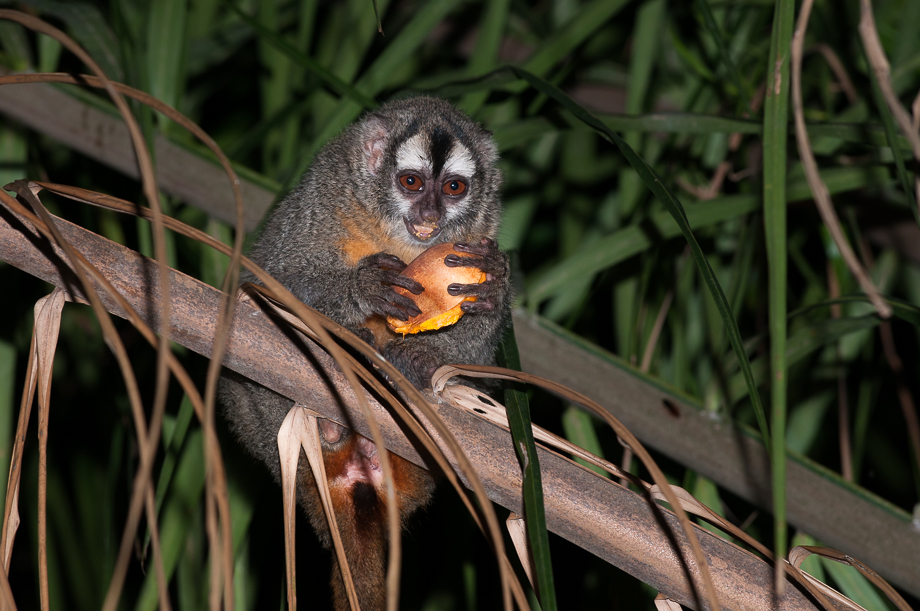
Night monkeys are the only truly nocturnal primates in the Americas. This guy is an Azara’s night monkey and was photographed in the Pampas region of Bolivia. Night monkeys are primarily frugivores. What is a frugivore, you ask? A fruit eater, of course. As you can see, this guy is enjoying a nice mango-looking piece of juicy goodness, and seems to be quite pleased with it. Word has it they also will eat the occasional flower, leaf or insect, but for the most part, it’s all about the fruit. Nikon D300 with Nikkor 70-200mm lens (at 200mm) ISO 200, f/5.6 at 1/60th of a second, two Nikon SB-800 flash units
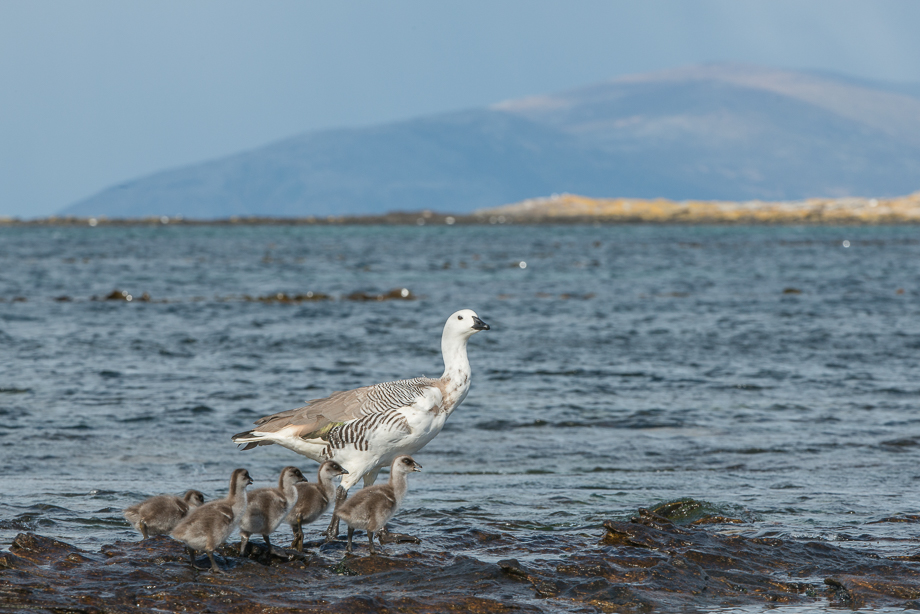
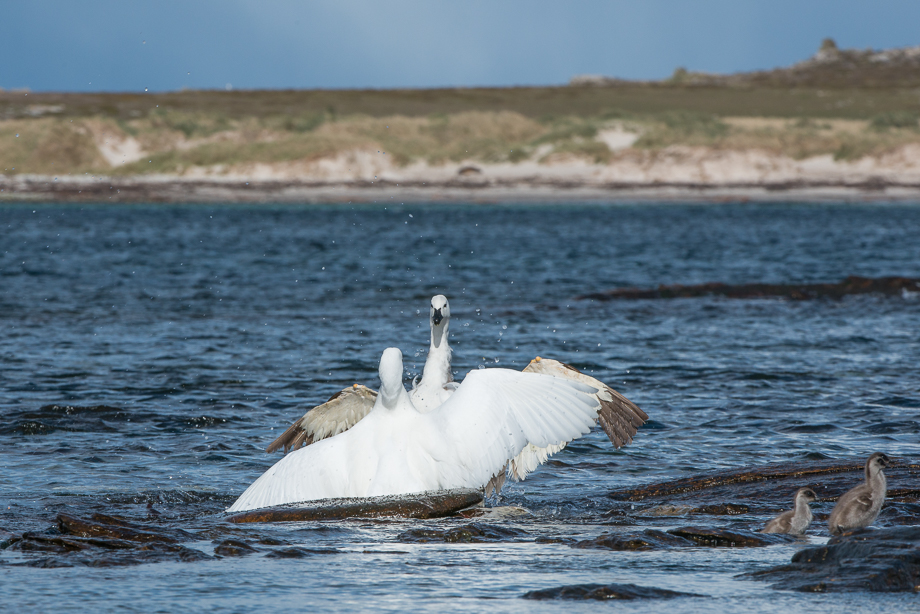
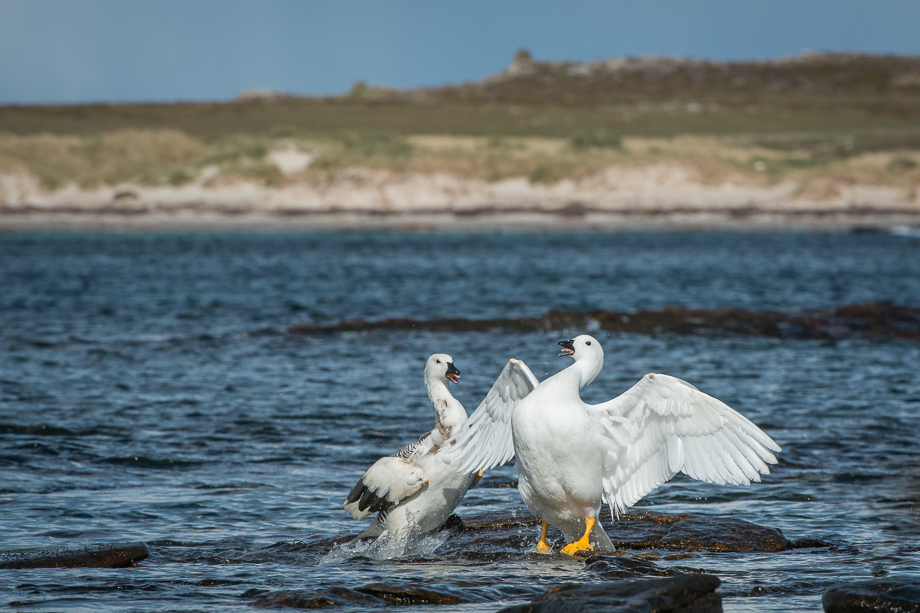
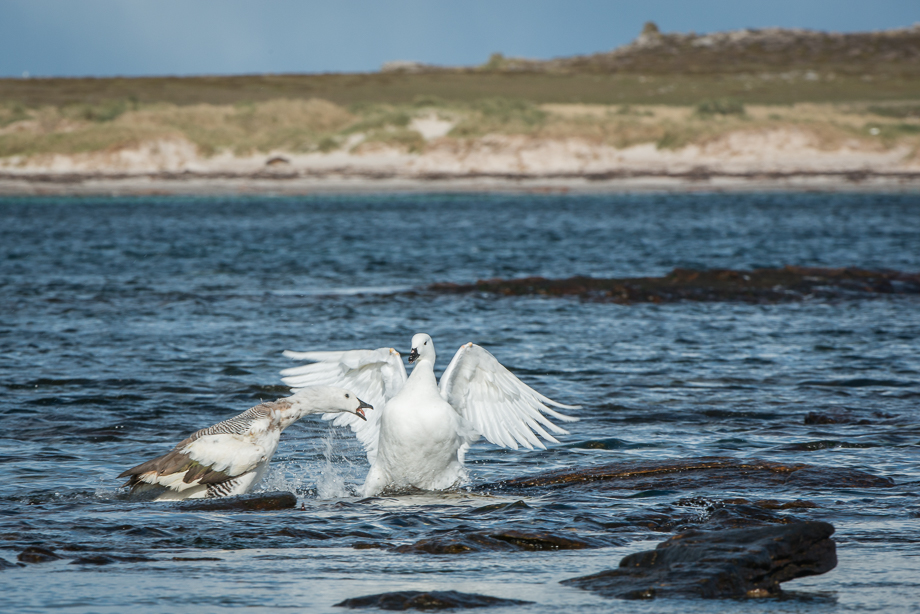
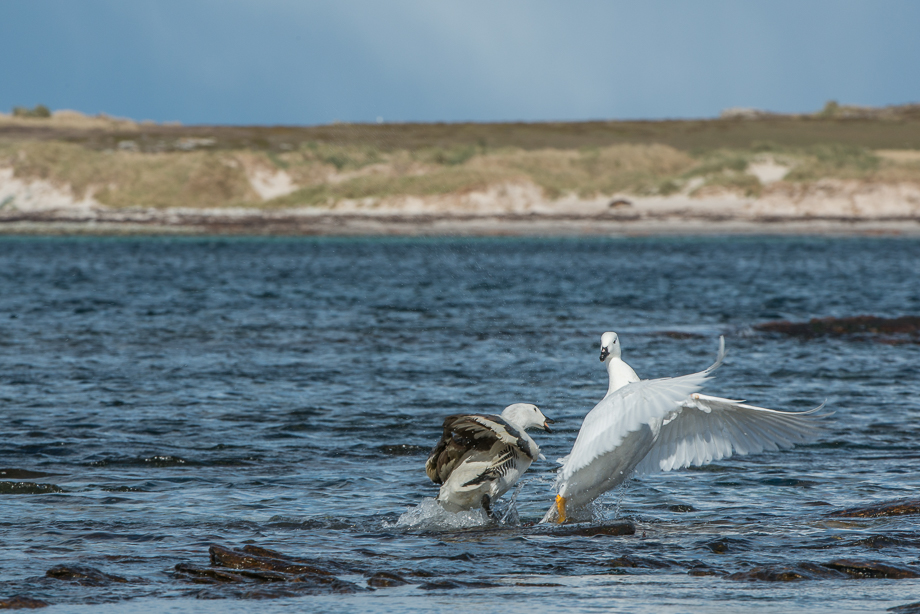
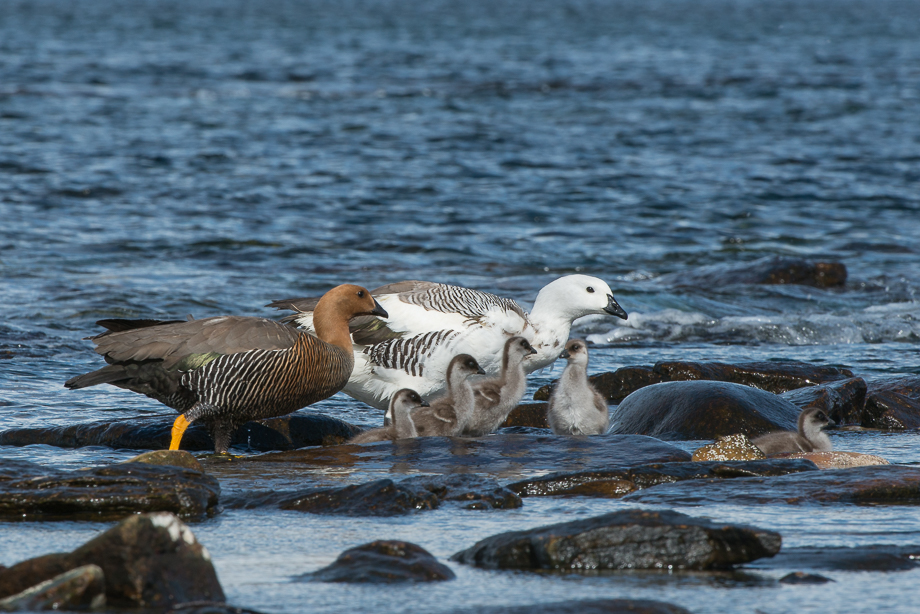
This upland goose was minding his business as he walked along the shoreline with his goslings on Carcass Island in the Falklands… Then, suddenly a kelp goose (all white) came out of nowhere and went after the goslings. Dad quickly squared off as the youngsters ran to safety with Mom (you can see the last two goslings to the right of frame)… Dad made a nice move to the right of the kelp goose… Then applied a few quick jabs to the midsection… The kelp goose was overmatched and fled the scene… Order restored, Dad joined Mom and the kids to continue on their way. Nikon D800 with Nikkor 200-400mm lens (at 300mm) ISO 400, f/14 at various shutter speeds of 1/400th of a second to 1/800th of a second
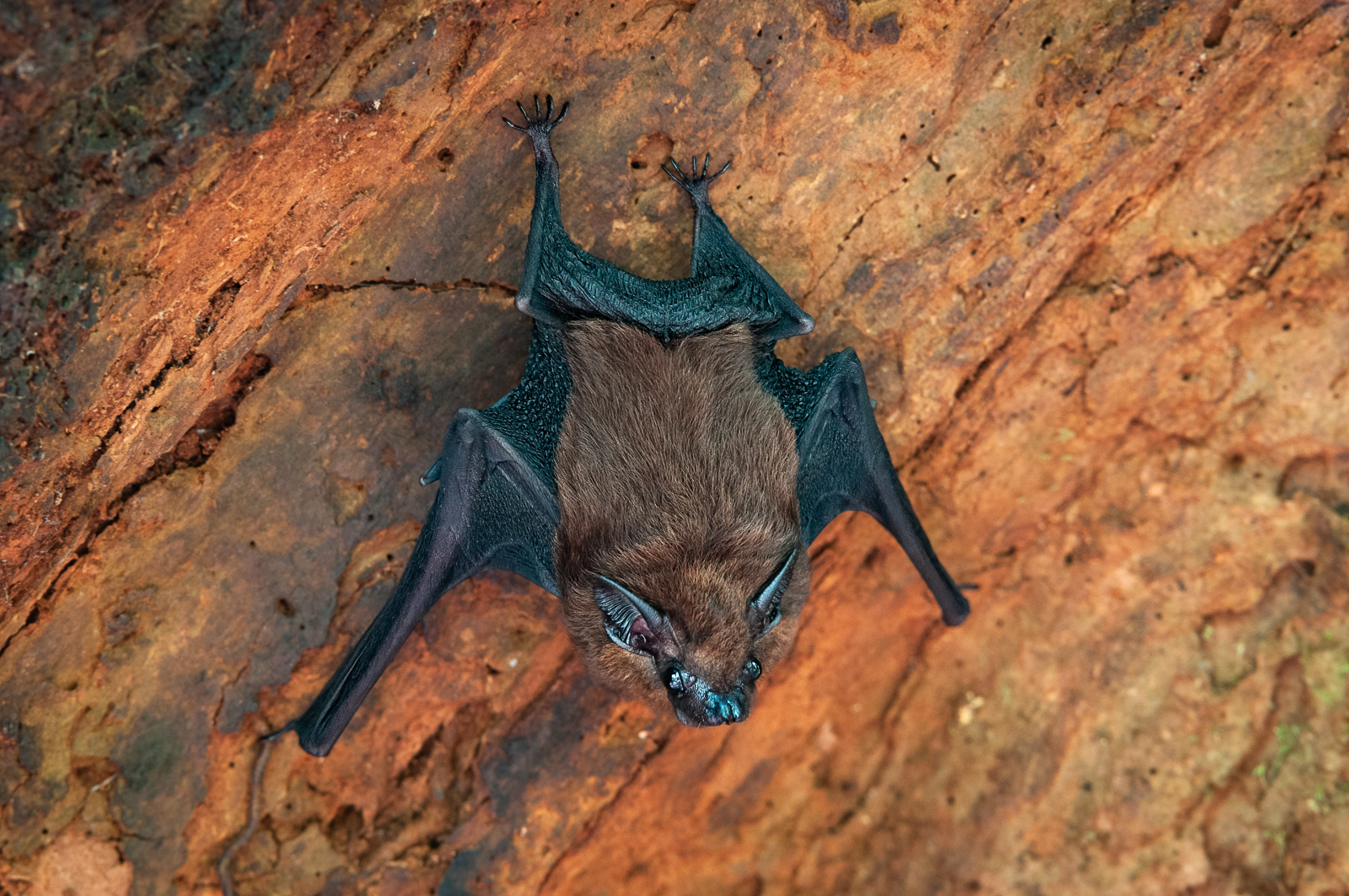
I was asked last week how I know the names of so many different species of animals. Here’s an example of one that I haven’t been able to identify just yet. I know, of course, that it’s a bat, and that I photographed it roosting inside a hollow tree in Tanjung Puting National Park in Indonesia, but there are so many different bats that knowing the exact species can be difficult. To any experts that might be out there, what do you think? Nikon D300 with Nikkor 200-400mm lens (at 290mm) ISO 400, f/10 at 3 seconds
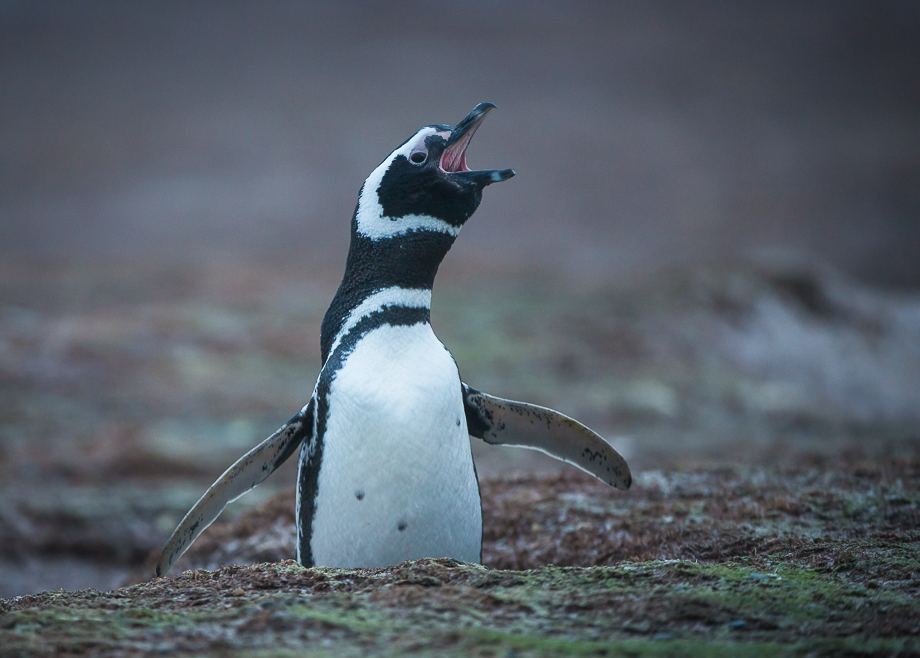
This is a Magellanic penguin — more commonly known as a jackass penguin by the locals in the Falkland Islands. Not because it’s an idiotic bird, but because it brays like a donkey at dawn and dusk. This guy here was doing his best jackass impersonation just after the sun had set at Volunteer Point in East Falkland. Nikon D800 with Nikkor 200-400mm lens (at 340mm) ISO 1600, f/4 at 1/320th of a second
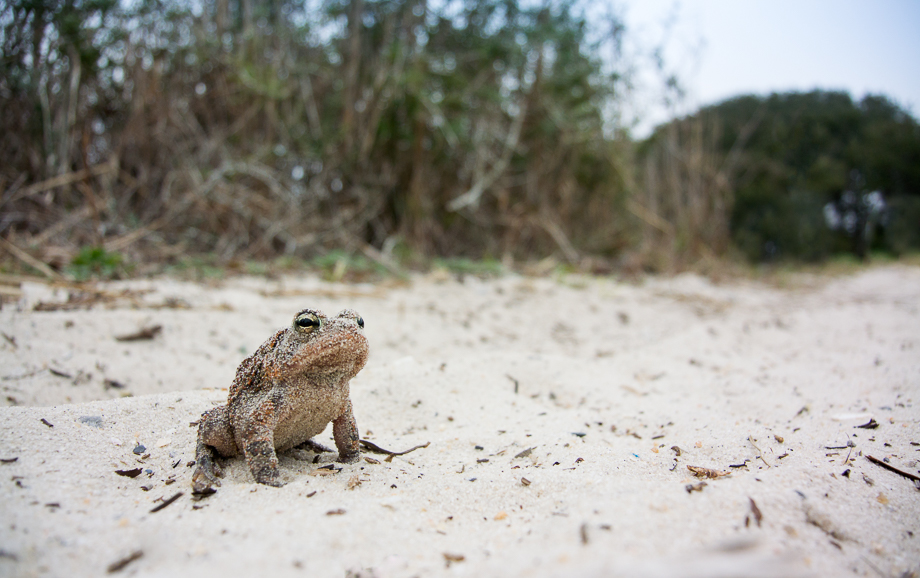
I’m back down in the Florida Panhandle on business for a couple of days and came across this Fowler’s toad this afternoon at Camp Helen State Park in Panama City Beach. I don’t have my good gear with me because this isn’t a photo trip, but I was able to get a few decent shots today with my little Nikon 1 AW1, which I was carrying along just in case I came across anything like, well, a Fowler’s toad. Nikon 1 AW1 with Nikkor 1 AW 11-27.5mm lens (at 11mm) ISO 160, f/4 at 1/640th of a second
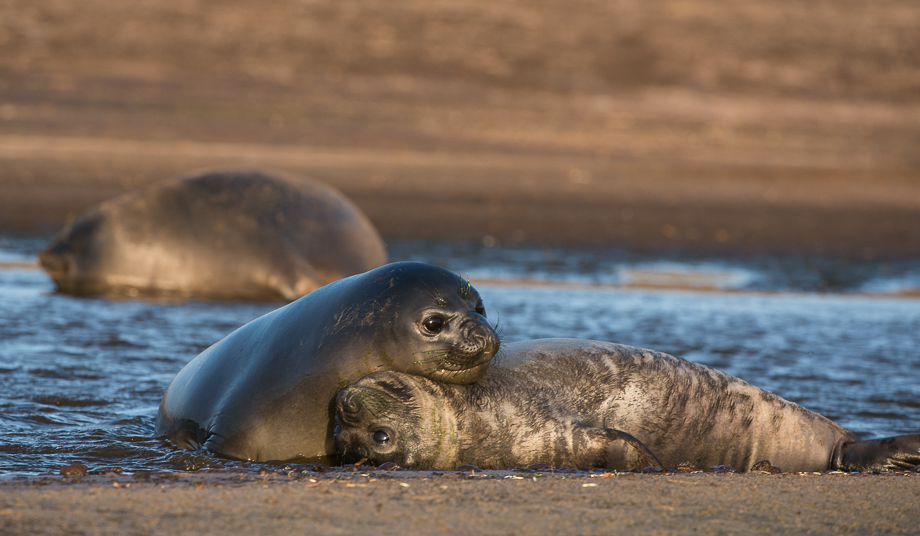
When it comes to kicking back and taking it easy, southern elephant seals are skilled practitioners of the art. Their big, blubberous bodies were lazily strewn across the beach and bay of Sea Lion Island in the Falklands. Early one morning, I caught these two juvenile seals doing their best to do nothing in a shallow inlet. Nikon D800 with Nikkor 200-400mm lens (at 400mm) ISO 400, f/6.3 at 1/250th of a second
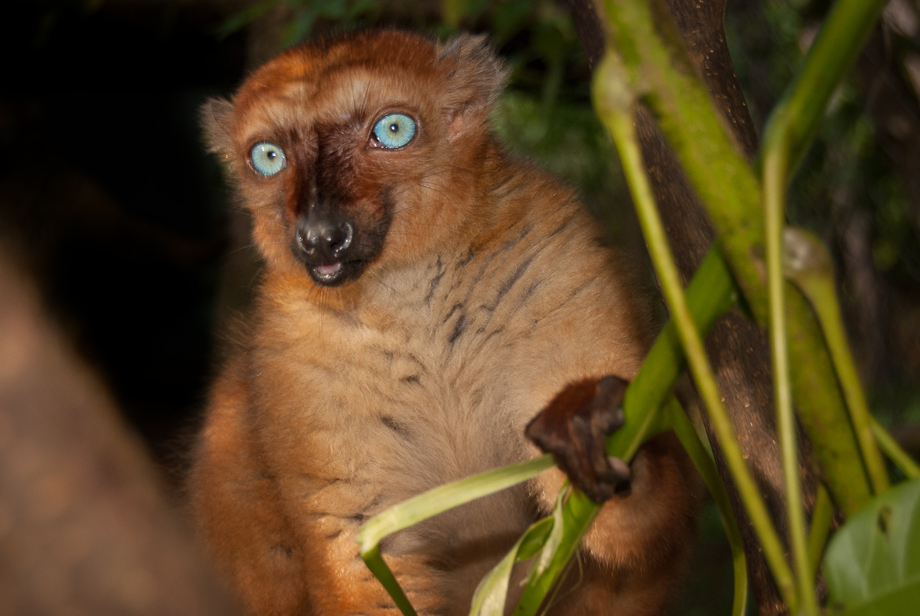
Only two primates have blue eyes. The blue-eyed black lemur and us. I don’t usually post captive animals, but this is a rare exception for this very rare animal. Blue-eyed black lemurs are classified as critically endangered. This means that, in all likelihood, they will soon be extinct in the wild. The current estimate is that there are less than a thousand individuals remaining in the forests of Madagascar. Loss of habitat due to slash and burn farming is the main culprit. I photographed this female (males are completely black) in a free range zoo on the east coast of Madagascar. Nikon D40X with Nikkor 18-55mm lens (at 46mm) ISO 400, f/5.3 at 1/60th of a second
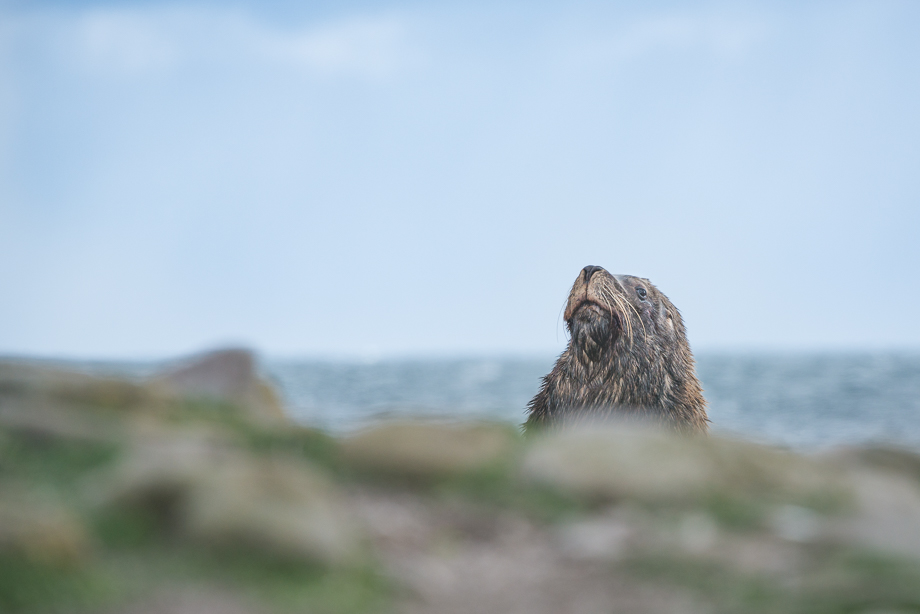
This southern sea lion wasn’t quite buying what I was selling. Still, he posed for a few quick shots before taking his business elsewhere. I was hiking along a remote coastline on Carcass Island in the Falklands where these sea lions are usually pretty timid. I had to be very still while photographing this large male. The males, as I mentioned in a previous post, really live up to their name with that mane of thick lion-like hair. Nikon D800 with Nikkor 200-400mm lens (at 400mm) f/6.3 at 1/800th of a second
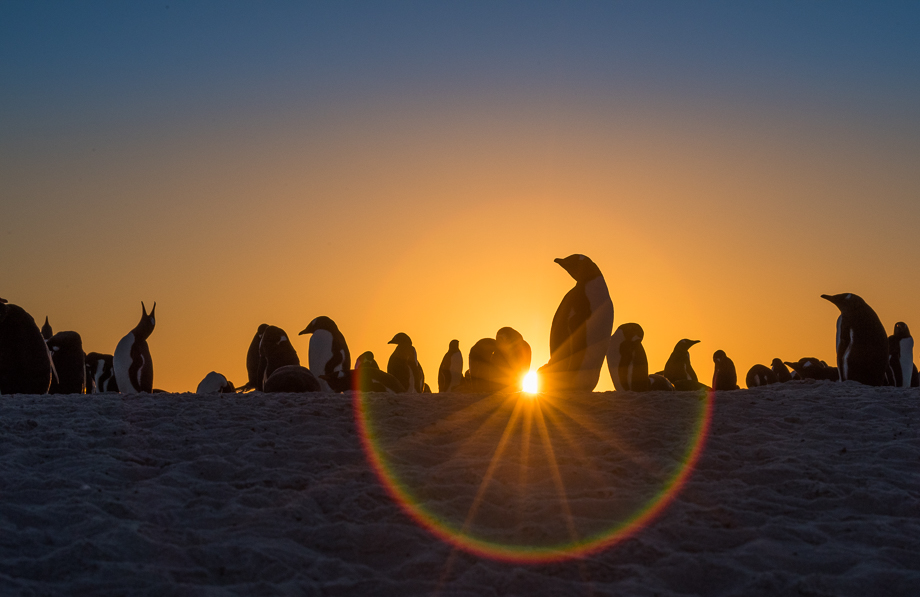
This was at sunset on Sea Lion Island in the Falklands. The gentoo penguins were all arriving back at the colony after an afternoon swim. I took a lot of these starburst/pseudo-silhouette shots. This was the only one that the rainbow ring showed up on. At first I didn’t like it, but then decided I did. To accentuate the starburst effect, I stopped my aperture all the way down to f/22 and made sure that the light was hitting the hard edges of the penguins and the sand. Nikon D810 with Nikkor 70-200mm lens (at 78mm) ISO 800, f/22 at 1/640th of a second
We use cookies to enhance your experience while using our website. If you are using our Services via a browser you can restrict, block or remove cookies through your web browser settings. We also use content and scripts from third parties that may use tracking technologies. You can selectively provide your consent below to allow such third party embeds. For complete information about the cookies we use, data we collect and how we process them, please check our Privacy Policy