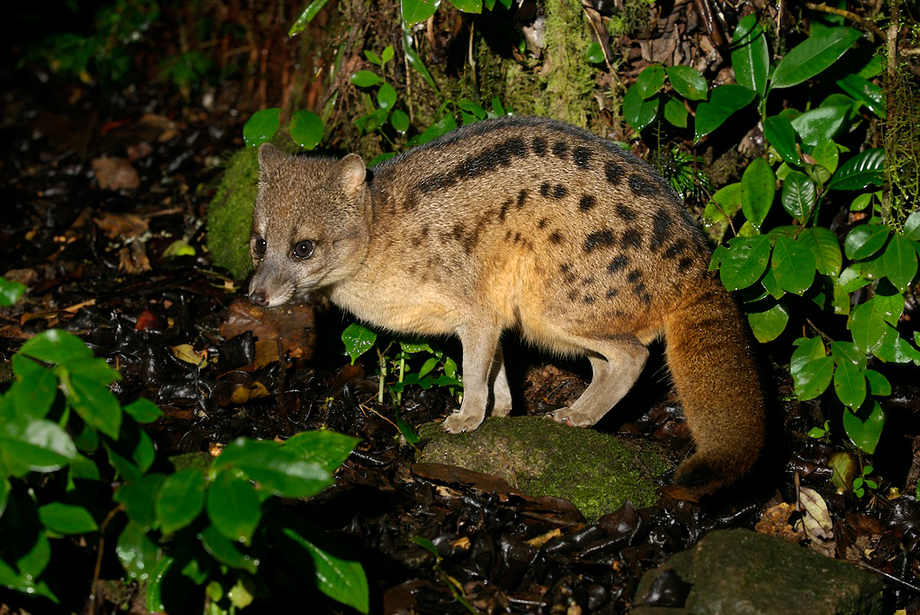
Hope everyone had a nice long weekend. Thought I’d start out the work week with a creature that hasn’t been seen on the blog in over four years. This is a fanaloka (also known as the Malagasy civet), and it was photographed in a rain forest in central Madagascar in Ranomafana National Park. Fanalokas are nocturnal and usually very secretive. This one was looking for scraps near a picnic area. These guys are about the size of a house cat, but are a bit more fox like in appearance. They are neither a feline or a canine, however, and are more closely related to the mongoose. Nikon D200 with Nikkor 80-200mm lens (at 92mm) ISO 200, f/5 at 1/60th of a second, Nikon SB-800 flash unit
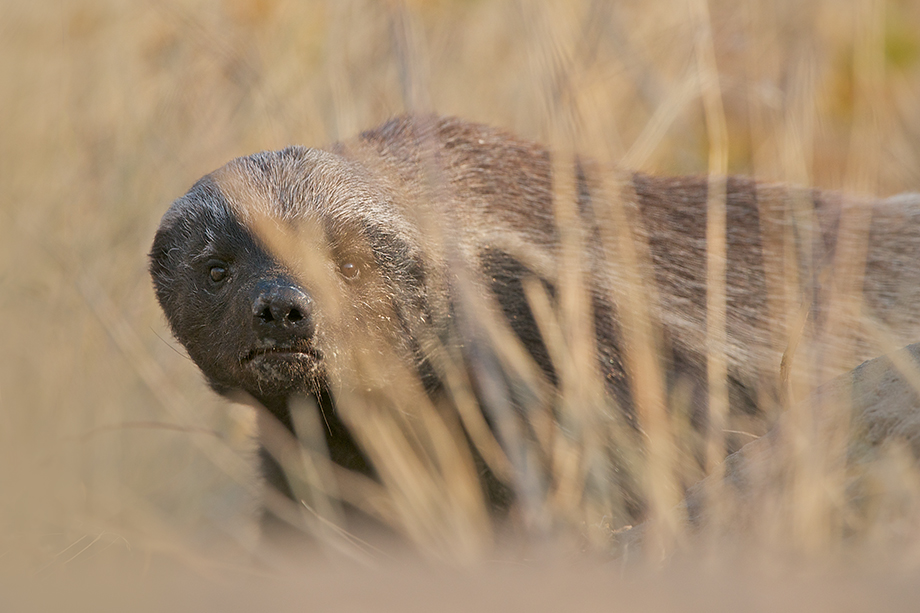
People seem to be of mixed minds about the honey badger. I for one, think they are pretty cool animals — true scrappers able to defend themselves against much larger beasts. This guy didn’t quite know what to think about me when he saw me crouched down in the grass just outside of my tent in the Central Kalahari Game Reserve. Nikon D300 with Nikkor 200-400mm lens (at 400mm) ISO 400, f/5.6 at 1/500th of a second
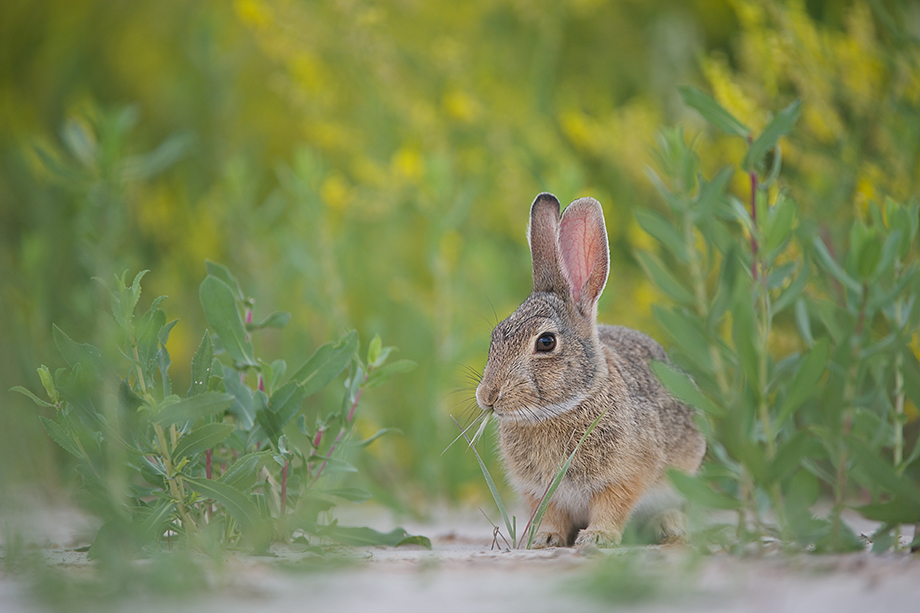
Back to the Badlands for this one. I’m not quite sure of the exact species of cottontail, but this little rabbit was running around early in the morning at one of the popular pullouts in the park. There were a couple of other rabbits there as well, but this one was easily the smallest and clearly younger than the rest. Nikon D800 with Nikkor 200-400mm lens (at 400mm) ISO 400, f/4 at 1/800th of a second
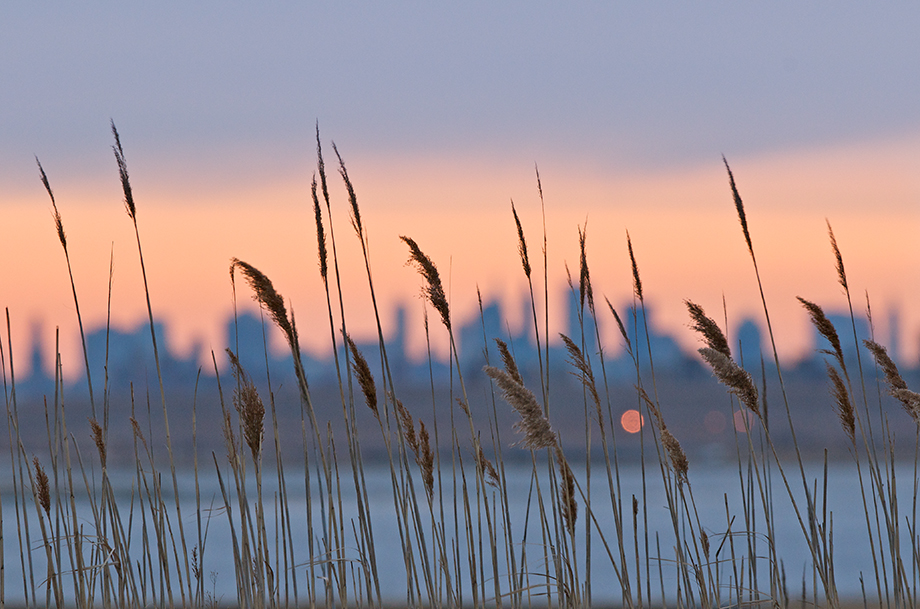
I don’t often take photos in my own backyard. Mainly because I’m a wildlife photographer and I live in New York. That being said, there are some very good places in the city to find nature. One of the best is Jamaica Bay National Wildlife Refuge, which straddles both Brooklyn and Queens. Jamaica Bay is a bit of an anomaly because it is the only National Wildlife Refuge that is not administered by the Fish and Wildlife Service, but rather the National Park Service. It’s a great place to photograph migrating birds, raccoons, and the occasional reeds with blurred cityscape. Nikon D300 with Nikkor 200-400mm lens (at 300mm) ISO 800, f/6.3 at 1/100th of a second
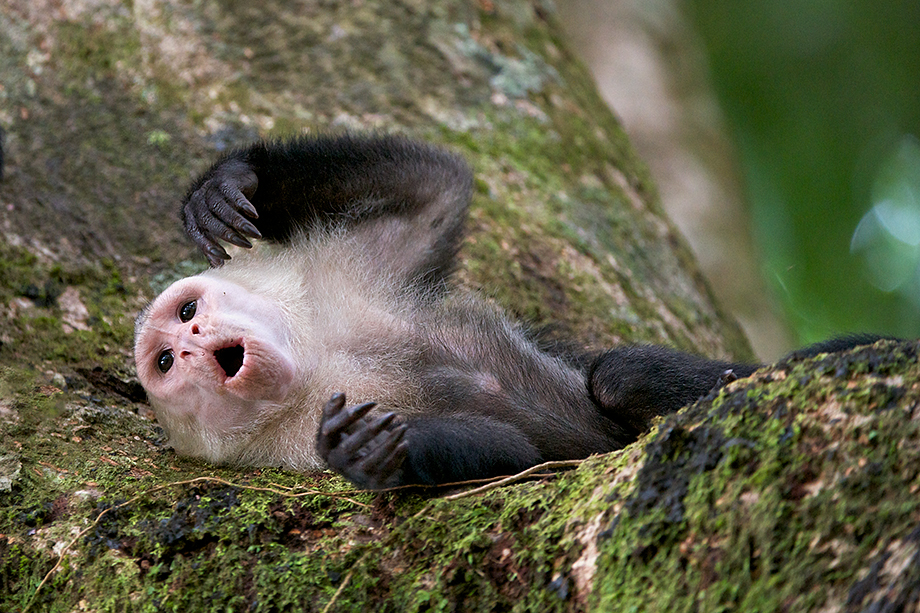
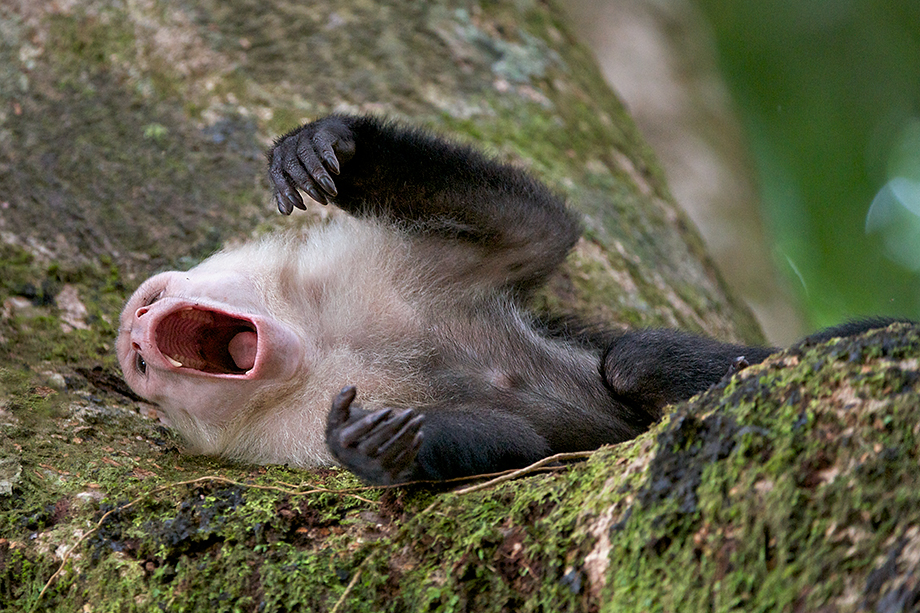
In honor of Costa Rica’s dramatic victory yesterday in the World Cup, here’s a Costa Rican white-faced capuchin monkey who looks like he could have been watching the game… … and celebrating after the final score. Nikon D800 with Nikkor 200-400mm lens (at 330mm) ISO 1600, f/4 at 1/160th of a second
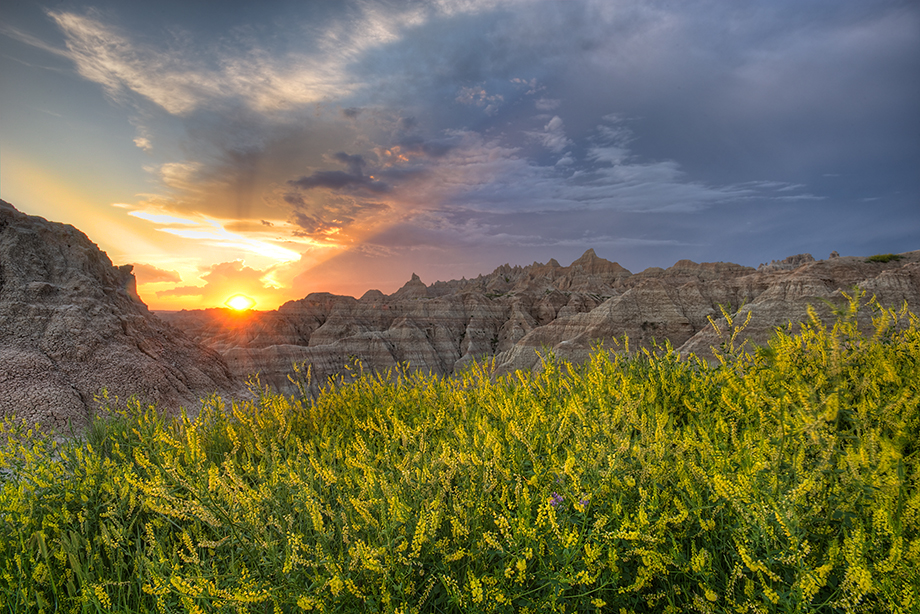
Here’s a rare post minus any animals — once again, taken in Badlands National Park a few weeks ago. Those yellow flowers in the foreground were everywhere throughout the park, covering the ground and growing up the sides of the eroded buttes. To hold the detail in the foreground and the sky, I took five exposures and combined them in post as an HDR image. Nikon D800 with Nikkor 17-35mm lens (at 17mm) ISO 200, f/20 at 1/3, 1/13, 1/6, .6, and 1.3 seconds
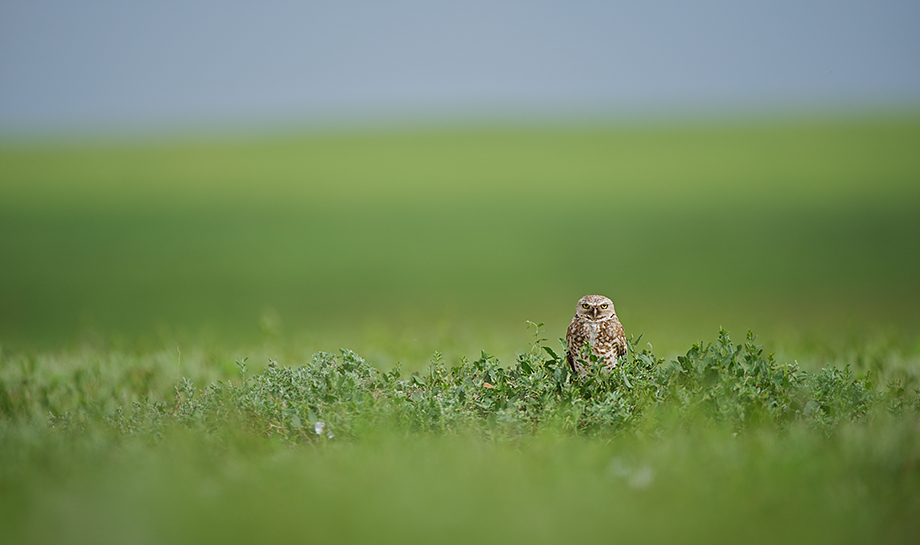
I promise that next week I’ll get back to the rest of the world, but for now I’m going to stick with south west South Dakota. A few days ago I posted a great horned owl. This is the other, much more common species of owl that I saw while in the Badlands. Burrowing owls are very small, and they can be seen early in the morning, living alongside prairie dogs in prairie dog towns. Nikon D800 with Nikkor 200-400mm lens (at 400mm) ISO 400, f/4 at 1/1600th of a second
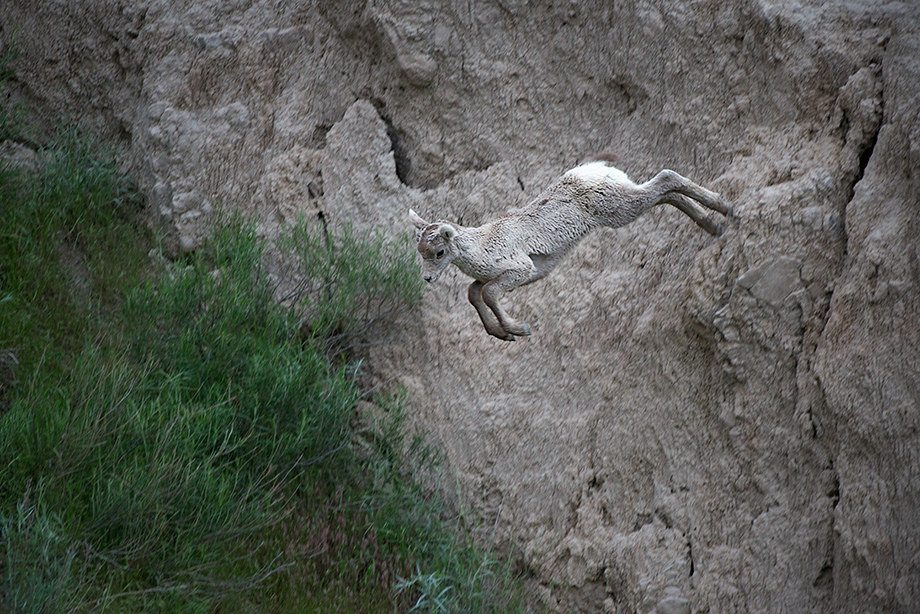
Spring is the time for bighorn lambs to be born and there were plenty of them in the Badlands. It’s fun to watch them running up and down the steep walls of the buttes, jumping fearlessly as they chase each other back and forth. Nikon D800 with Nikkor 200-400mm lens (at 400mm) ISO 1600, f/4 at 1/320th of a second
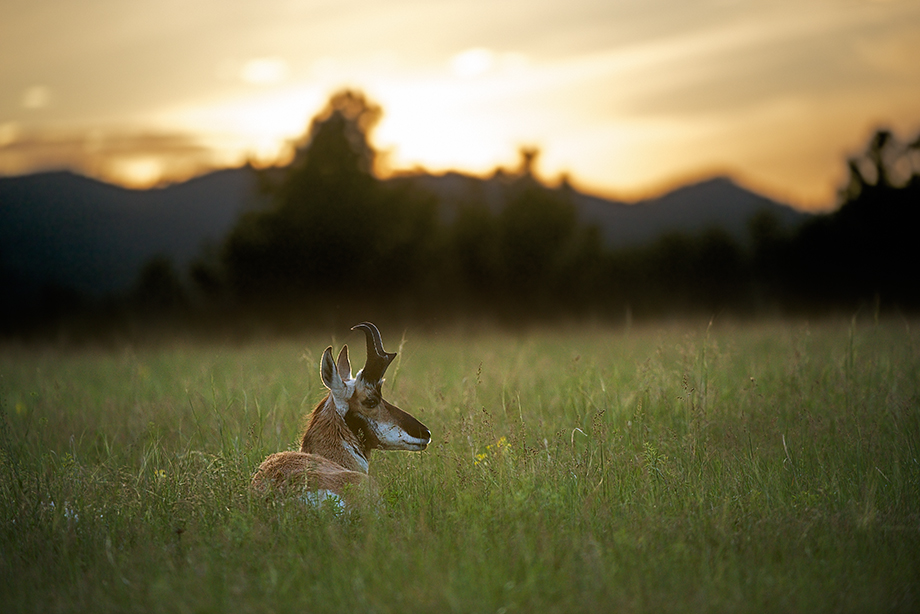
Just down the road from Badlands National Park is another of our country’s fifty-nine National Parks — Wind Cave. People primarily go to Wind Cave to explore what’s under ground, but I prefer it for what’s above. It’s a great area to view pronghorn and I photographed quite a few, including this guy just settling down for the night. I shot two frames and blended them together in post to expose for both the foreground and the sky. Nikon D800 with Nikkor 200-400mm lens (at 300mm) ISO 800, f/4 at 1/1250th of a second and 1/8000th of a second
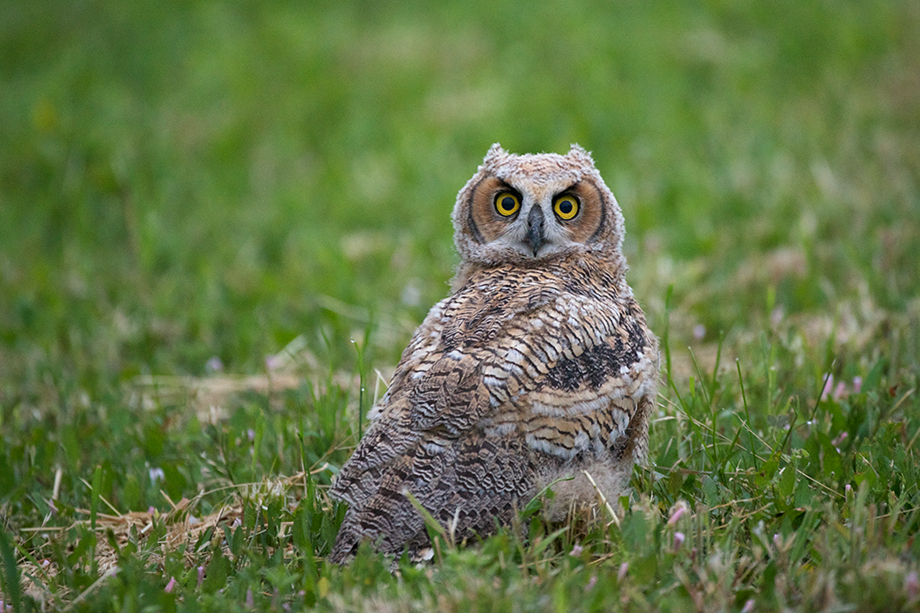
It was very early in the morning in the Badlands when I came across this young great horned owl. This is one of those cases where I chose a slower shutter speed/aperture combination to brighten the exposure and make it look like it was much later in the day. It was actually about 4:45 AM and pre-dawn light was just starting to lighten up the sky. I saw a medium to large owl fly across the street and I pulled over to get a closer look. The owl was nowhere to be found as I sat in my car scanning the trees. Suddenly, it landed in the grass right in front of my car. I used the headlights at first to get a few exposures at a decent speed, then turned off the lights and tried this one at only 1/10th of a second (at ISO 3200 with a wide open aperture). I was able to steady my camera on the side view mirror — and with vibration reduction enabled — I got two in-focus shots before the owl flew off. I still wasn’t quite sure what kind of owl it was until I took a closer look on my camera’s LCD screen. The not-yet-fully-formed ear tufts threw me off at first but indicate that this is a young great horned owl. Eventually those ear tufts will get much more defined. Nikon D800 with Nikkor 200-400mm lens (at 400mm) ISO 3200, f/4 at 1/10th of a second
We use cookies to enhance your experience while using our website. If you are using our Services via a browser you can restrict, block or remove cookies through your web browser settings. We also use content and scripts from third parties that may use tracking technologies. You can selectively provide your consent below to allow such third party embeds. For complete information about the cookies we use, data we collect and how we process them, please check our Privacy Policy