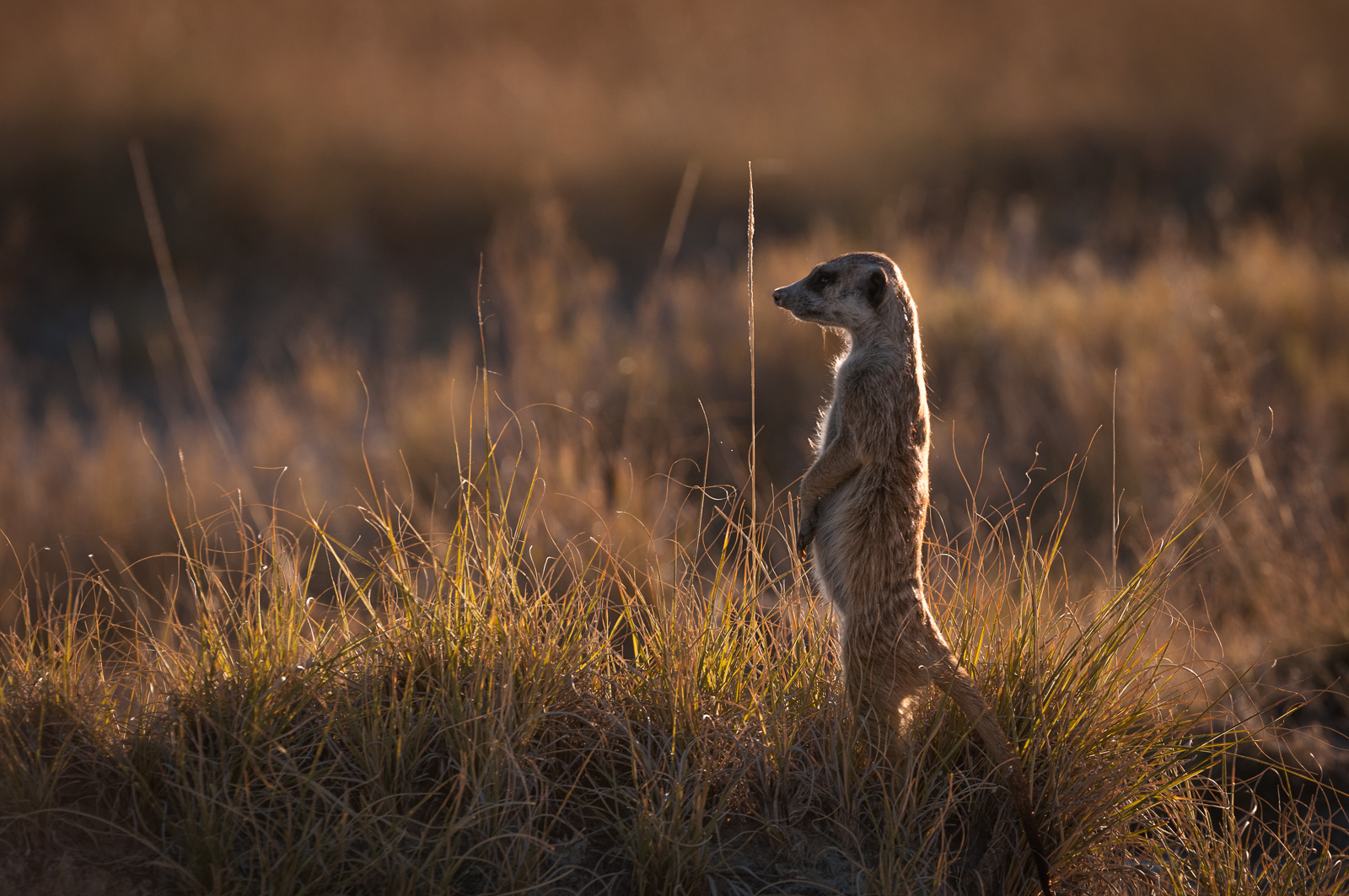
Meerkats do a lot of standing around. But it is well orchestrated standing around. They take turns on guard duty and have a well-oiled system of cooperation when it comes to protecting the gang (or mob as a group of meerkats is also called). Gangs can typically be up to 40 members. Photographed in the Kalahari Desert of Botswana. Nikon D300 with Nikkor 200-400mm lens (at 400mm) ISO 400, f/5.6 at 1/500th of a second.
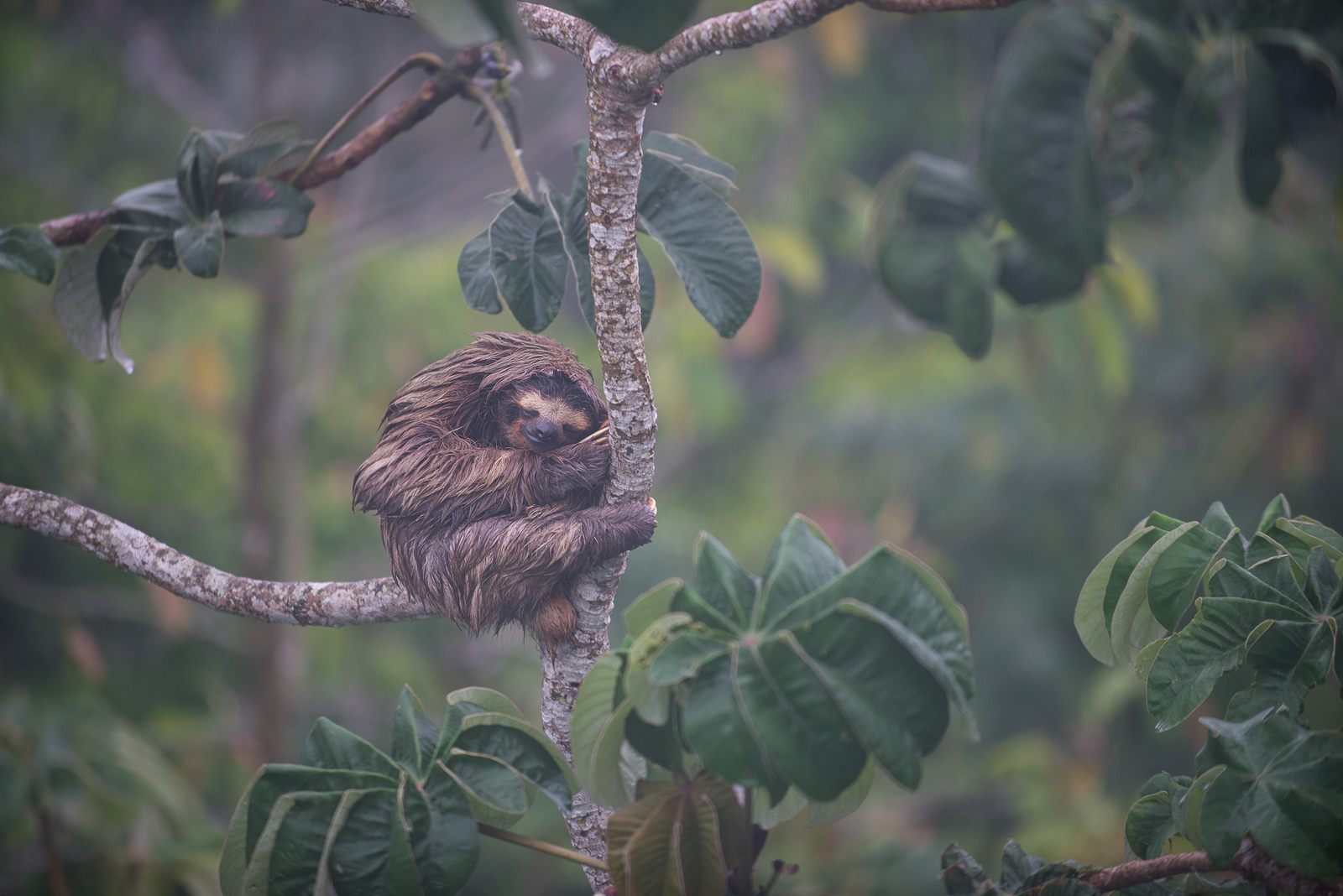
This one goes out to Lily Quinn who turned 10 this weekend. Hope you like it Lily — a three-toed sloth getting what appears to be a very satisfying nap in a cecropia tree. Photographed on a misty day in Soberania National Park in Panama. Nikon D800 with Nikkor 70-200mm lens (at 200mm) ISO 800, 1/80th of a second at f/2.8.
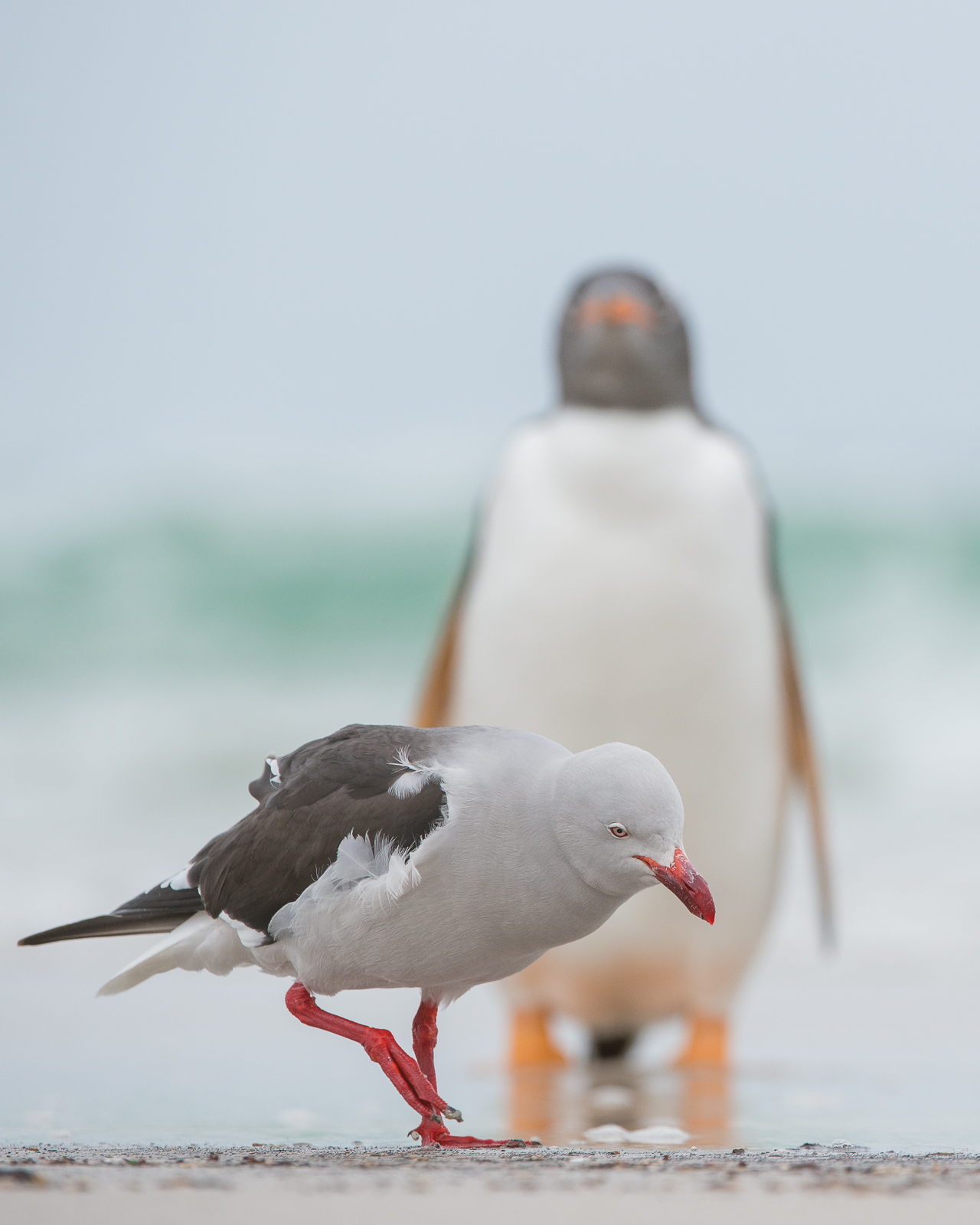
A gentoo penguin looms in the background as a dolphin gull walks along the shoreline. Photographed on Saunders Island in the Falklands. Nikon D800 with Nikkor 200-400mm lens (at 350mm) ISO 800, f/5.6 at 1/1250th of a second.
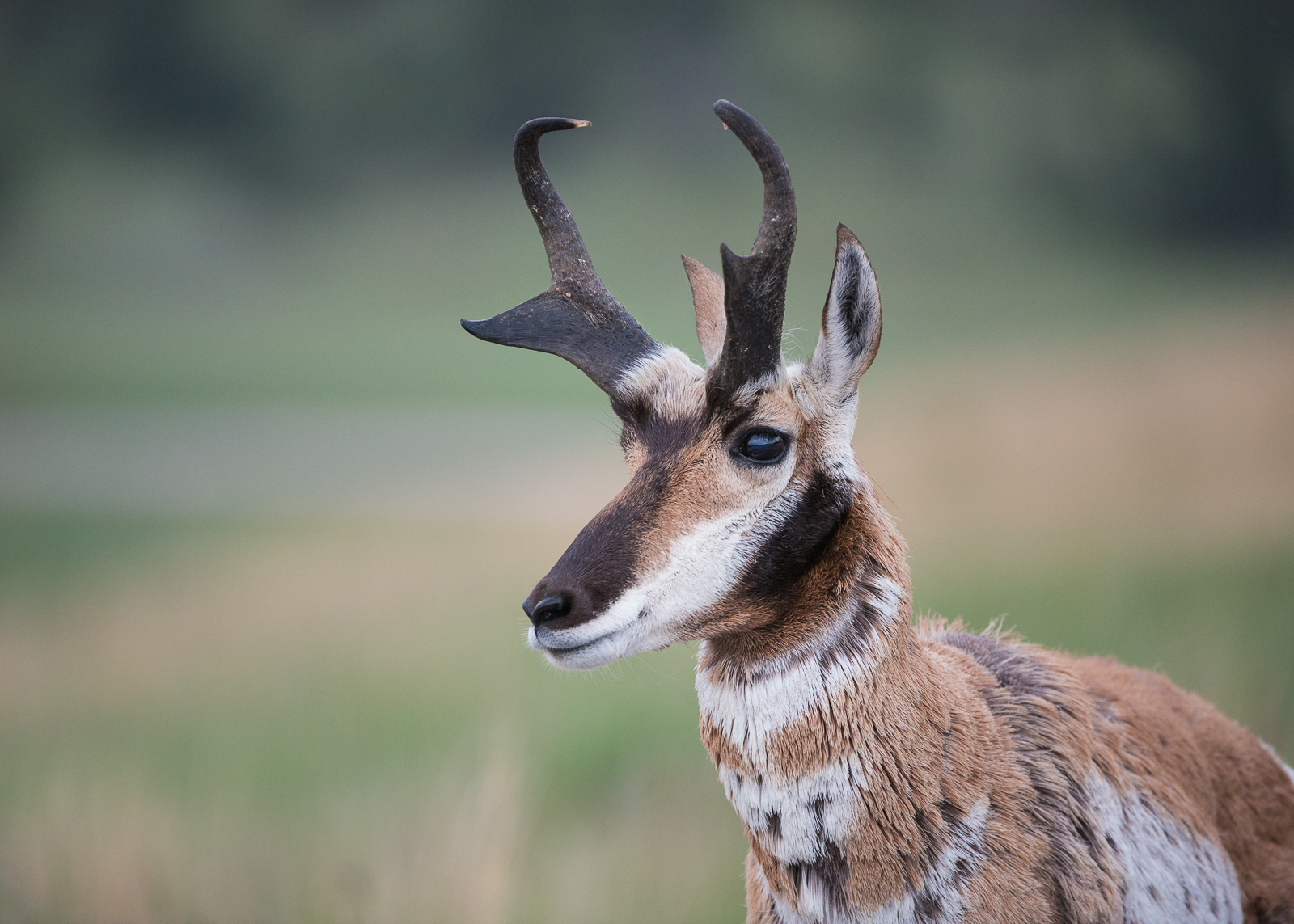
Wind Cave National Park is known for what’s under ground, but it’s also a great spot for all that exists above ground. This male pronghorn granted me a few moments to grab a nice side portrait before he moved along to do pronghorn-y things. Nikon D800 with Nikkor 200-400mm lens (at 400mm) ISO 1600, f/4 at 1/250th of a second.
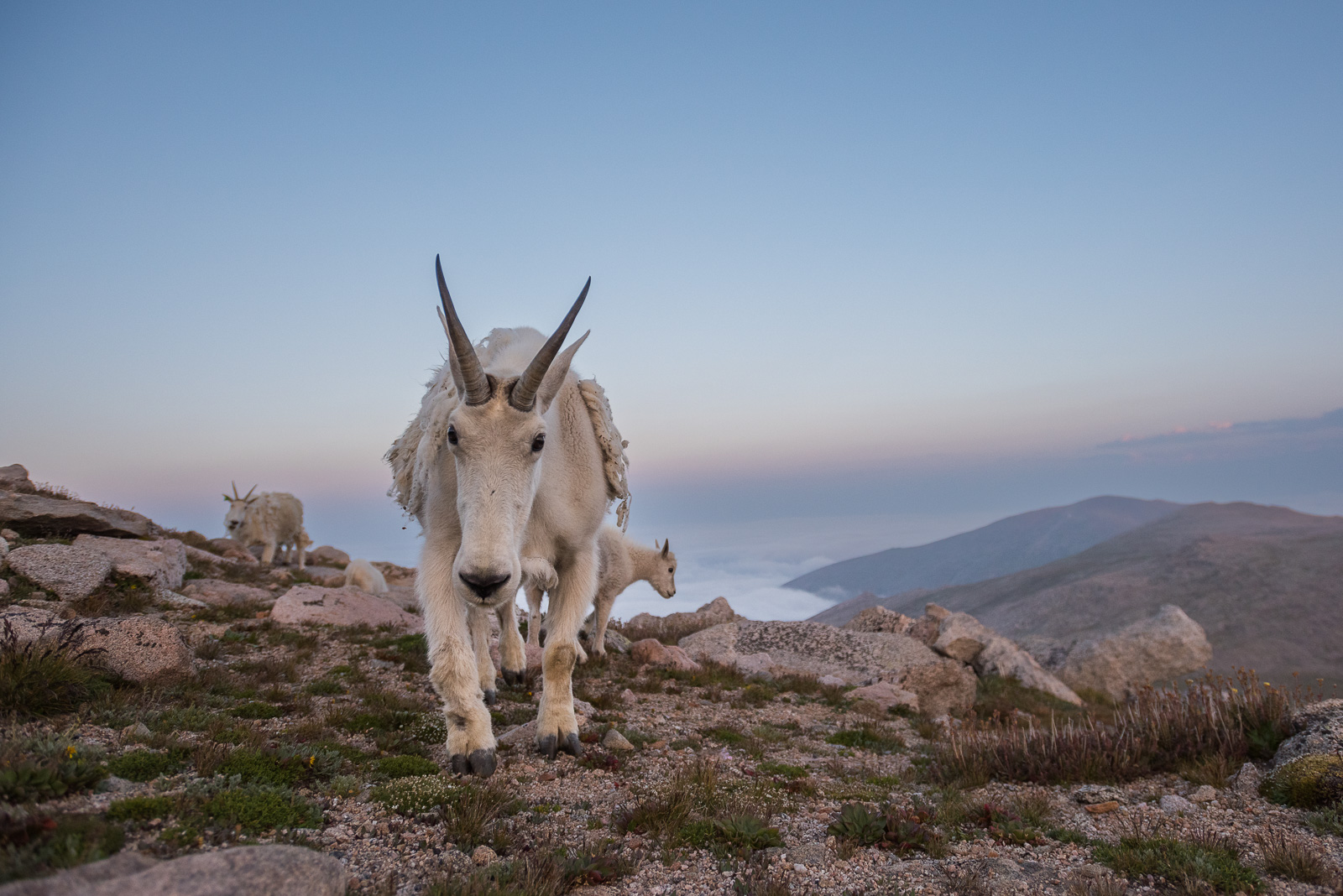
I took this one in mid summer a few years back when the adult goats were still in various stages of undress. Before long, their coats will start to thicken up again for the long winter. Nikon D810 with Nikkor 17-35mm lens (at 17mm) ISO 800, f/4 at 1/1250th of a second.
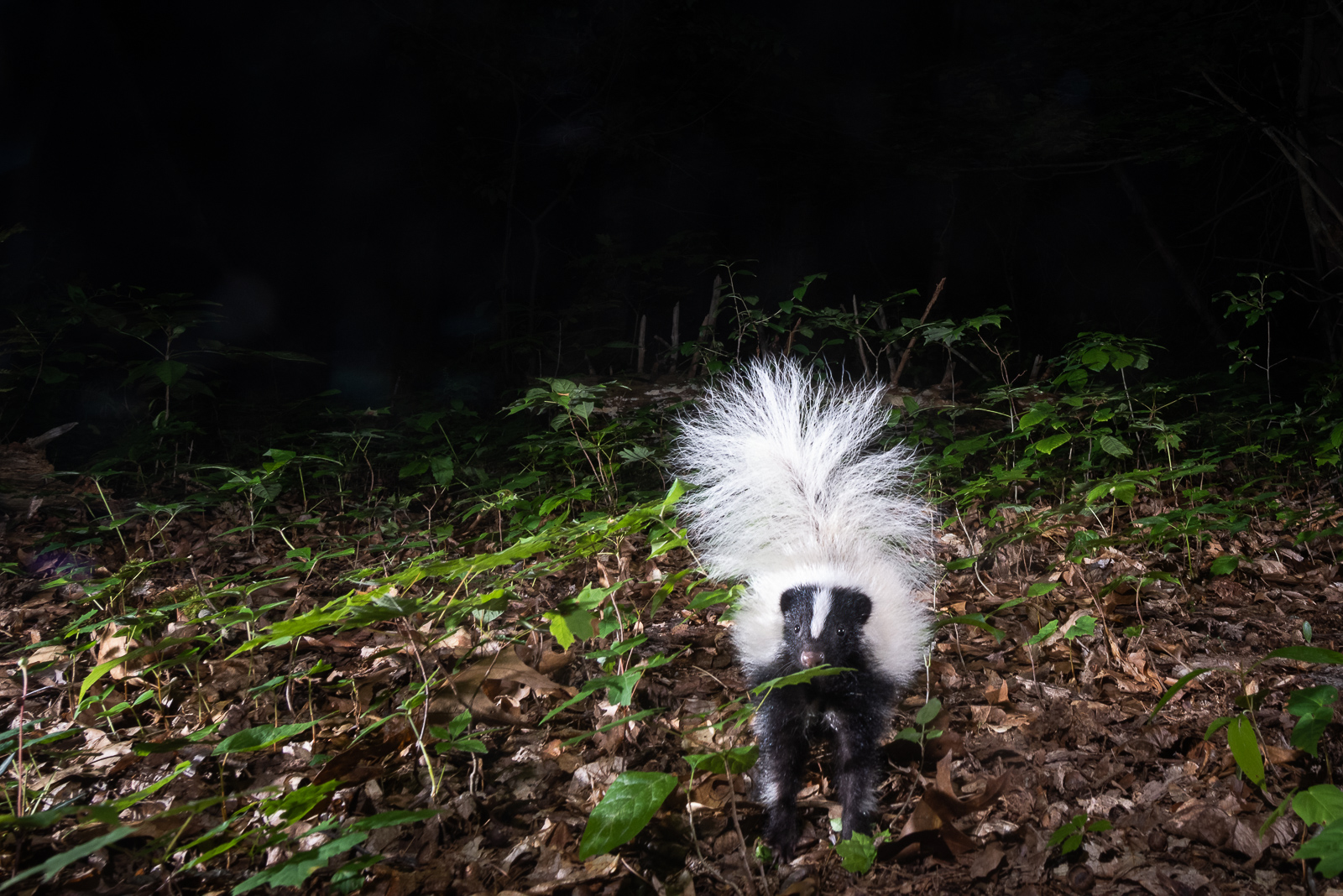
My dog and I have had a few close encounters with our local skunks the past few nights, on our pre-bedtime walk. Not sure if this is the same one we came face to face with, but likely, and it eventually found its way to my camera trap in the back woods. Thankfully, the close encounter did not result in any sort of a stinky situation. Nikon D810 with Nikkor 20mm lens, ISO 500, f/14 at 1/200th of a second, Cognisys camera box, trail monitor and remote flash units.
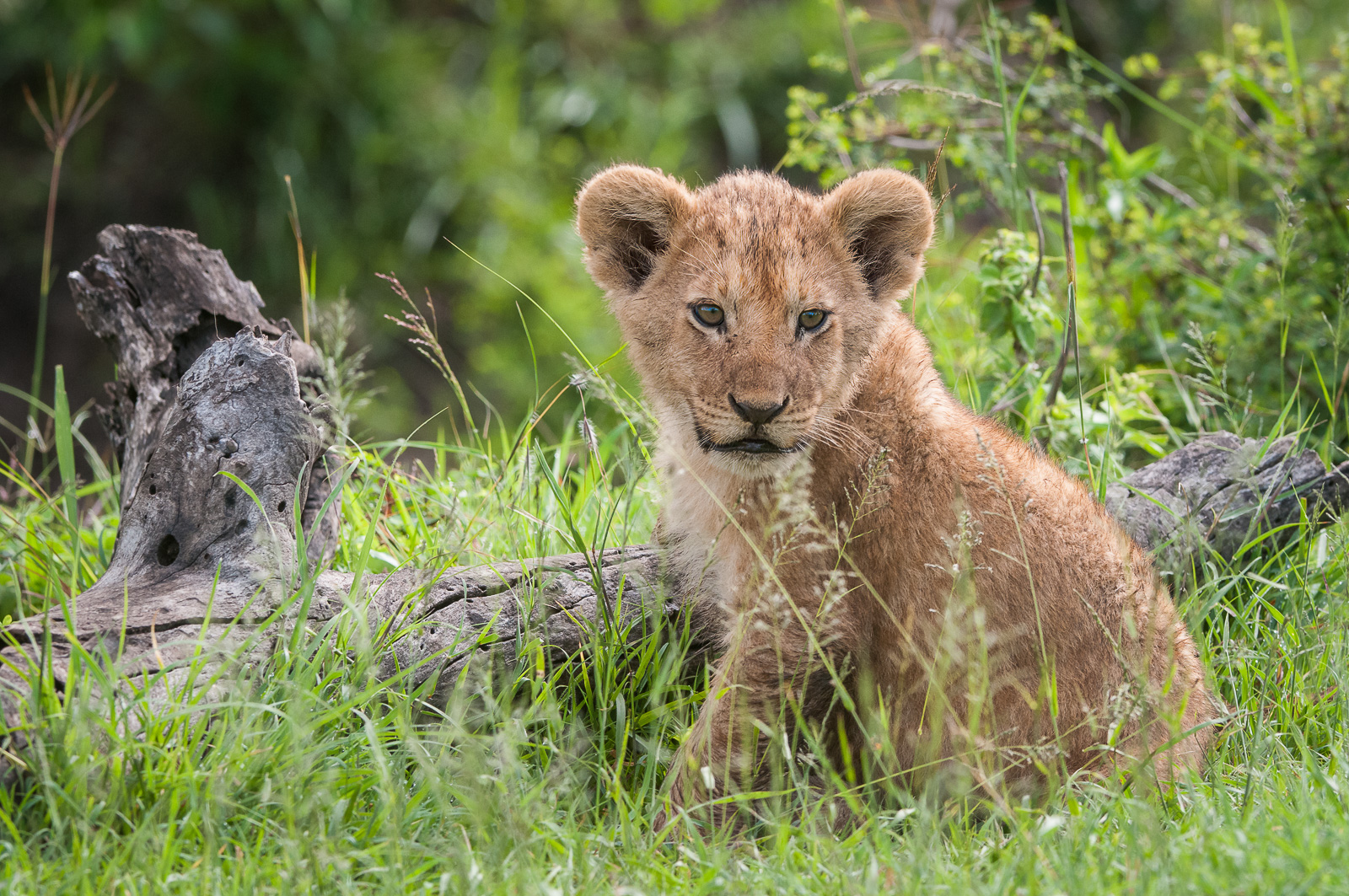
I posted a lion cub to start last week. If I’m going to be redundant, might as well be with baby lions. This little guy was hanging with his mother who had exerted all her energy on a zebra kill. I watched as she dragged the zebra into thick bushes. More than likely, she was going to hide the kill, rest up and then go find the rest of the pride. Nikon D300 with Nikkor 200-400mm lens (at 200mm) ISO 800, f/6.3 at 1/400th of a second.
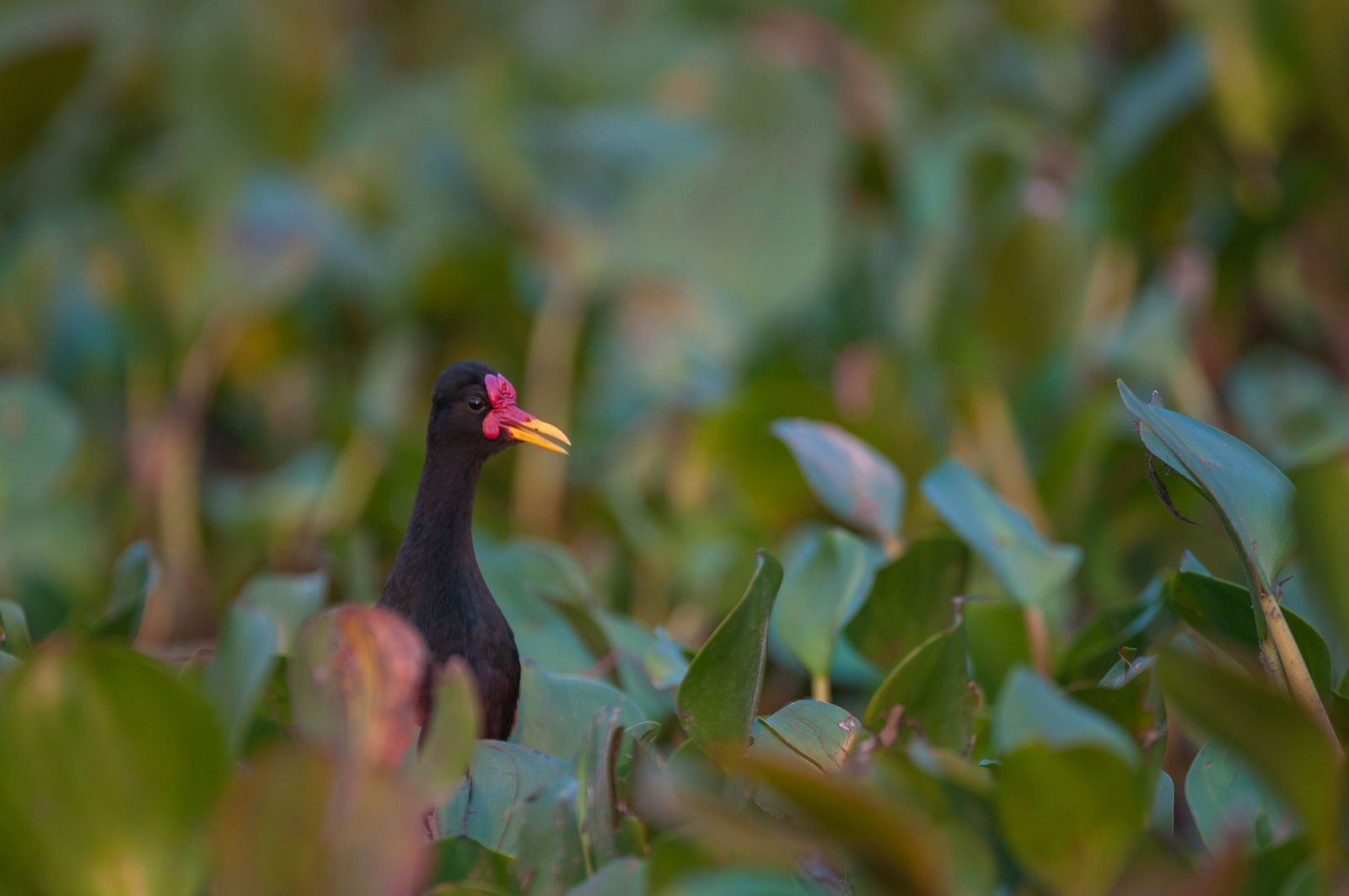
A wattled jacana appears amidst the floating water hyacinths in the Pantanal of Brazil. The Pantanal is the world’s largest tropical wetland and home to a great variety of birdlife. Nikon D300 with Nikkor 200-400mm lens (at 400mm) ISO 400, f/4 at 1/250th of a second.
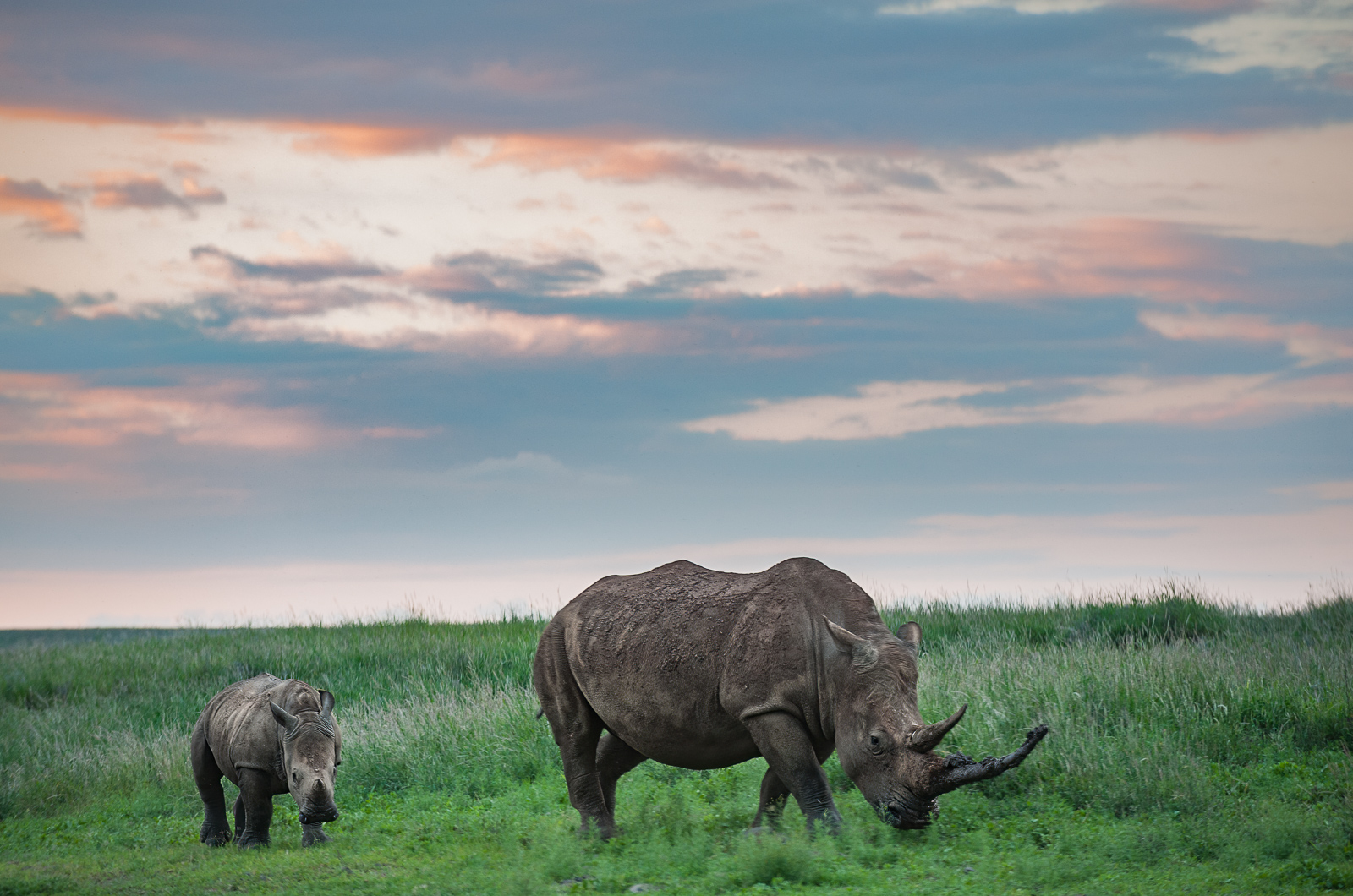
A white rhinoceros mother and calf graze on the green grasses of Lewa Wildlife Conservancy in Kenya. Lewa is a great place to see both white and black rhinoceros. Nikon D700 with Nikkor 70-200mm lens (at 200) ISO 800, f/5 at 1/100th of a second.
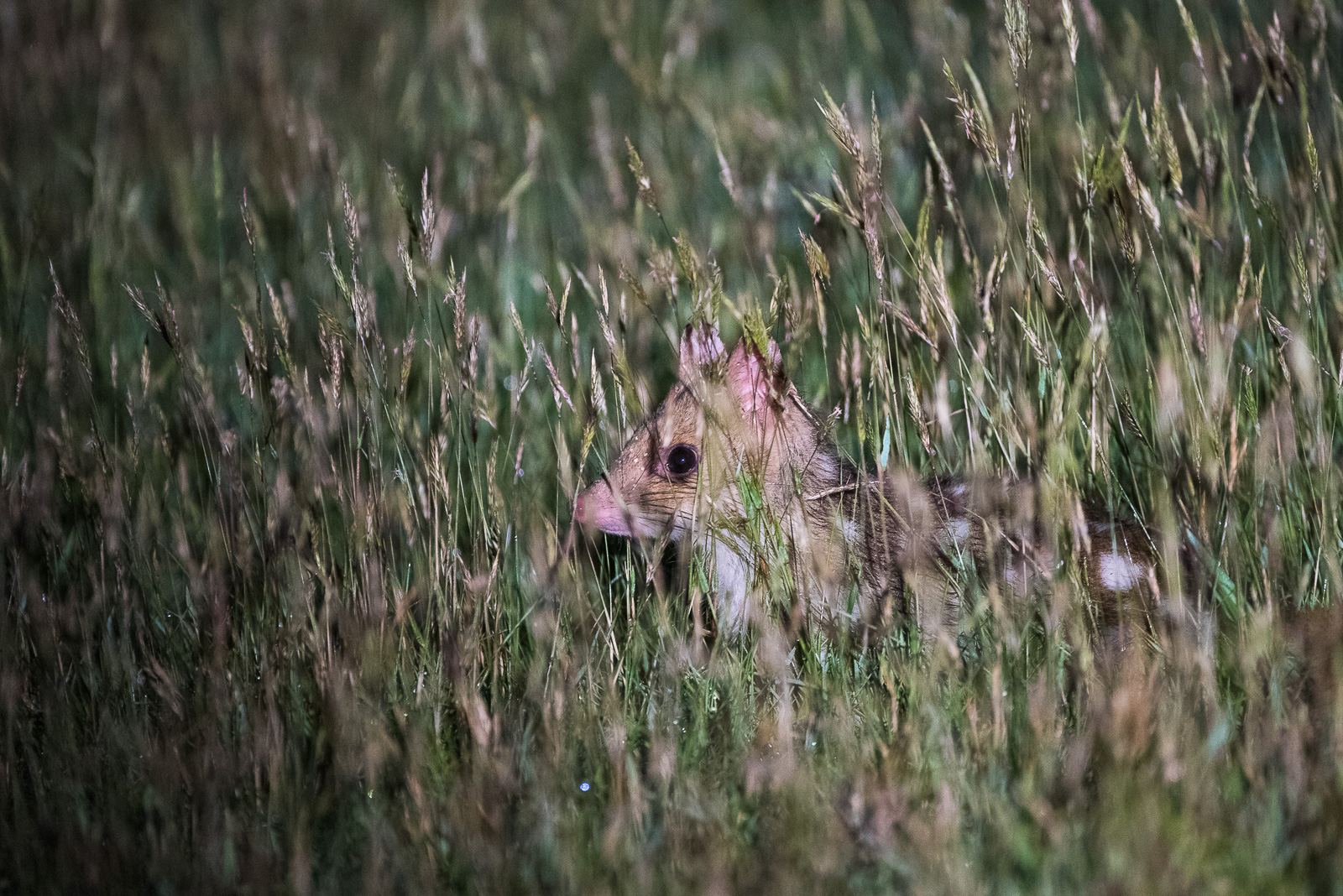
I saw two species of quoll while I was in Tasmania, the eastern and the spotted. This is the eastern (even though it has spots). Eastern quolls come in two main color variations — a darker brown, almost black and a lighter, sandy color. This is obviously the latter. They are strictly nocturnal and I captured this image on a late-night spotlighting mission. The light was provided by the headlights of our vehicle and not a flash. Nikon D810 with Nikkor 200-400mm lens (at 400mm) ISO 3200, f/4.5 at 1/320th of a second.
We use cookies to enhance your experience while using our website. If you are using our Services via a browser you can restrict, block or remove cookies through your web browser settings. We also use content and scripts from third parties that may use tracking technologies. You can selectively provide your consent below to allow such third party embeds. For complete information about the cookies we use, data we collect and how we process them, please check our Privacy Policy