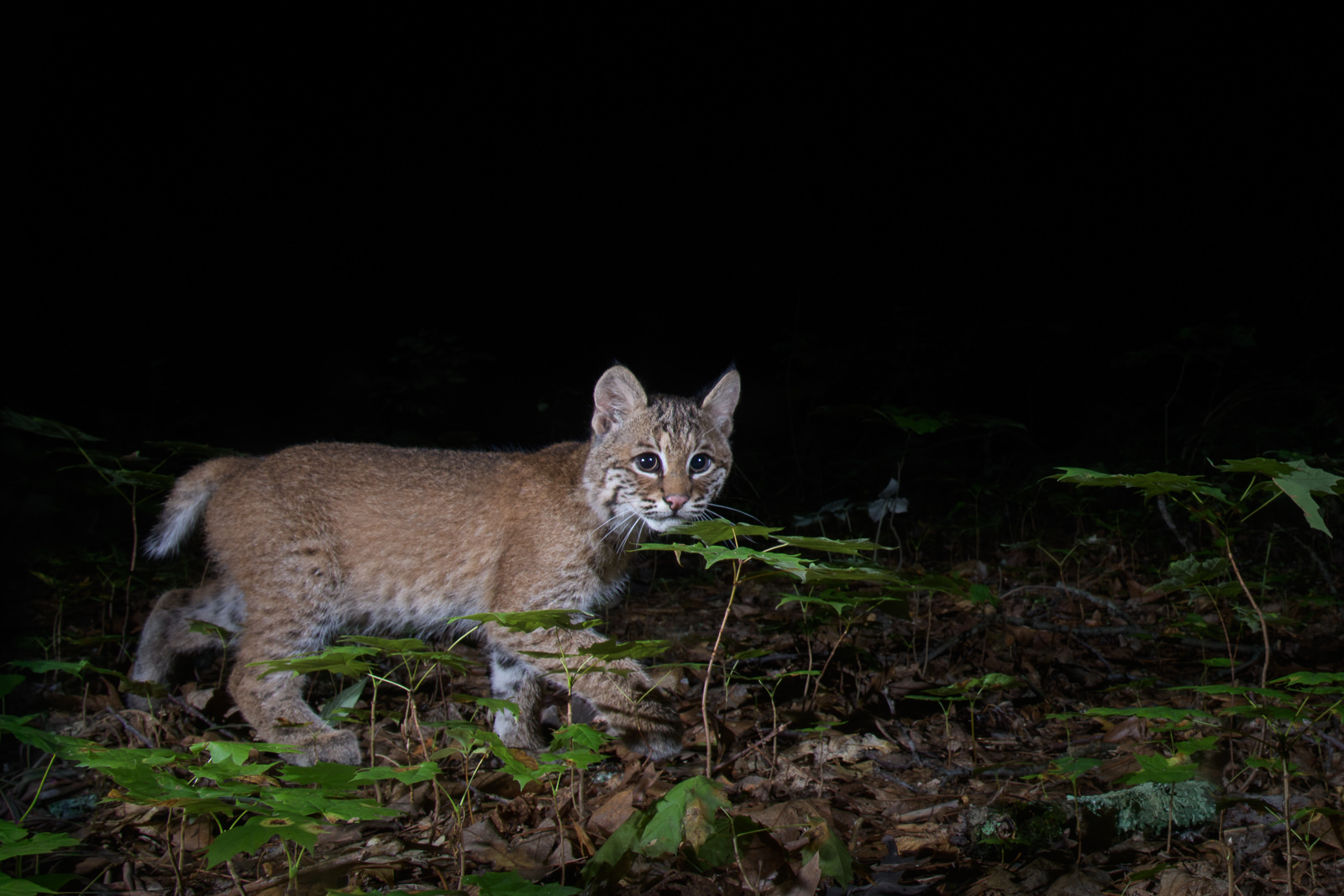
After my last post (last week) I forgot to mention that Karen and I were heading out of the country for a wedding in Italy. We just got back tonight. I wasn’t going to post until tomorrow, but checking the camera trap in the backyard, I saw that a bobcat kitten was up there hanging around. Enjoy. I’ll get back to the Africa posts tomorrow. Nikon D850 with Nikkor 20mm lens, ISO 500, f/14 at 1/200th of a second, Cognisys camera box, field monitor and flash units.
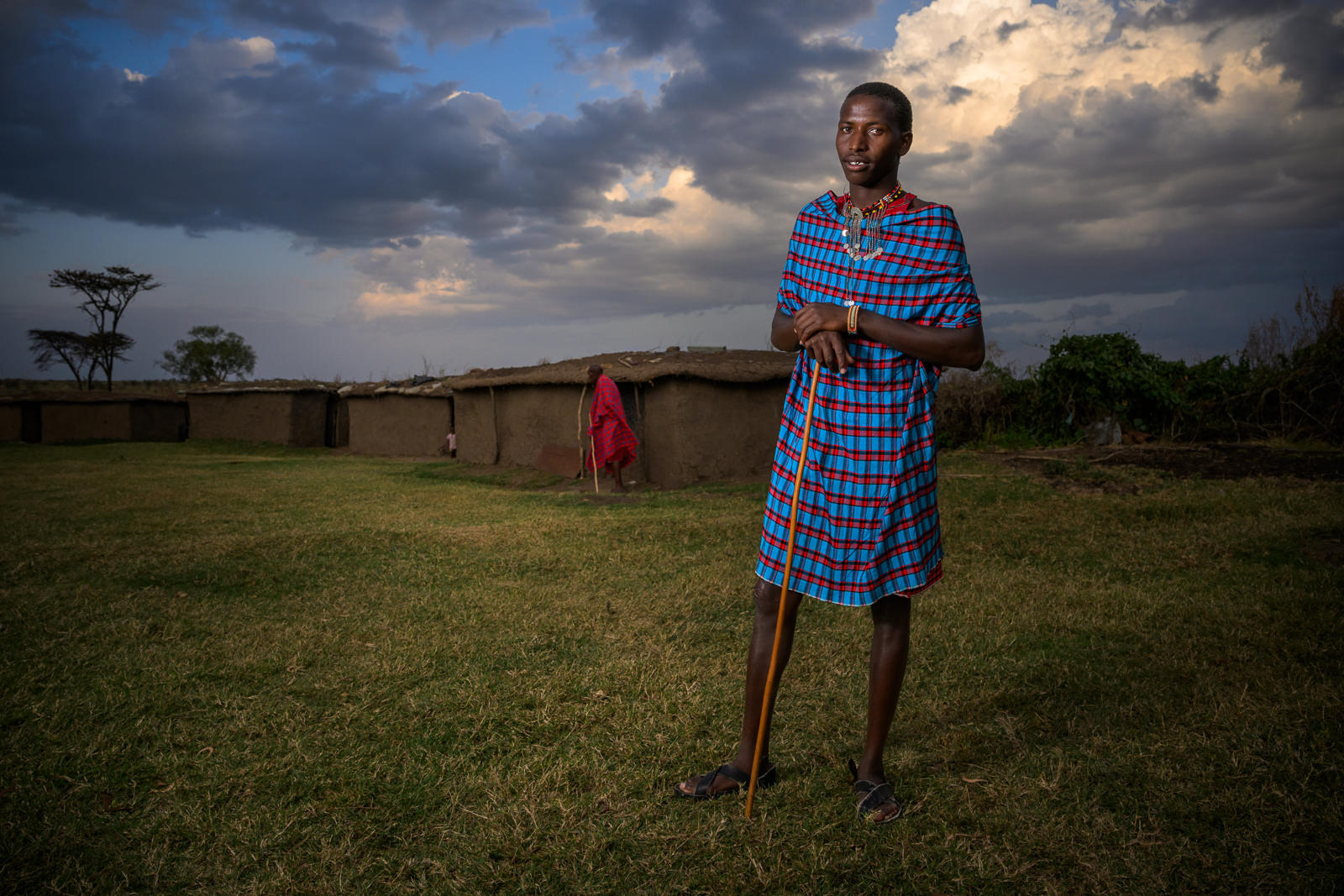
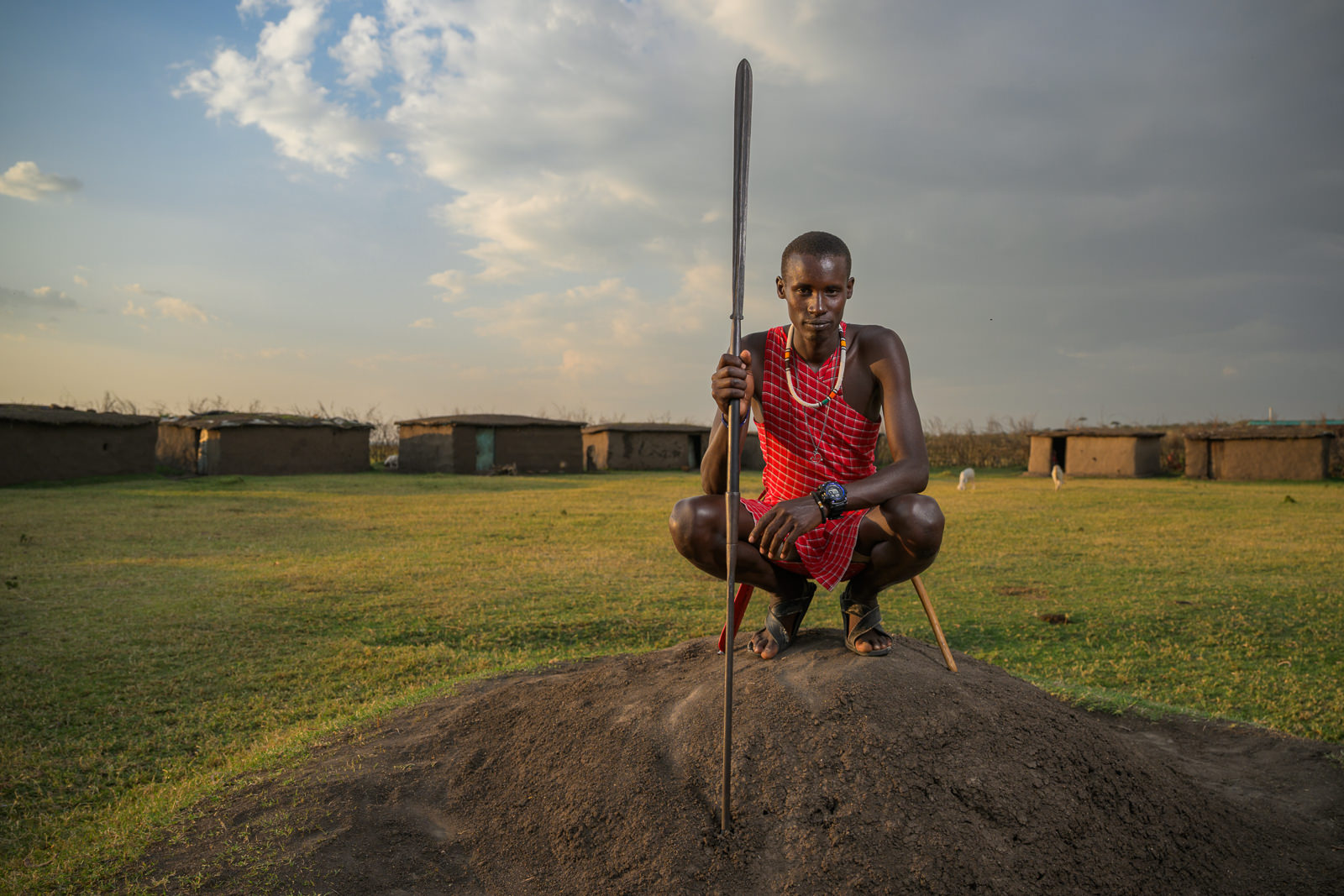
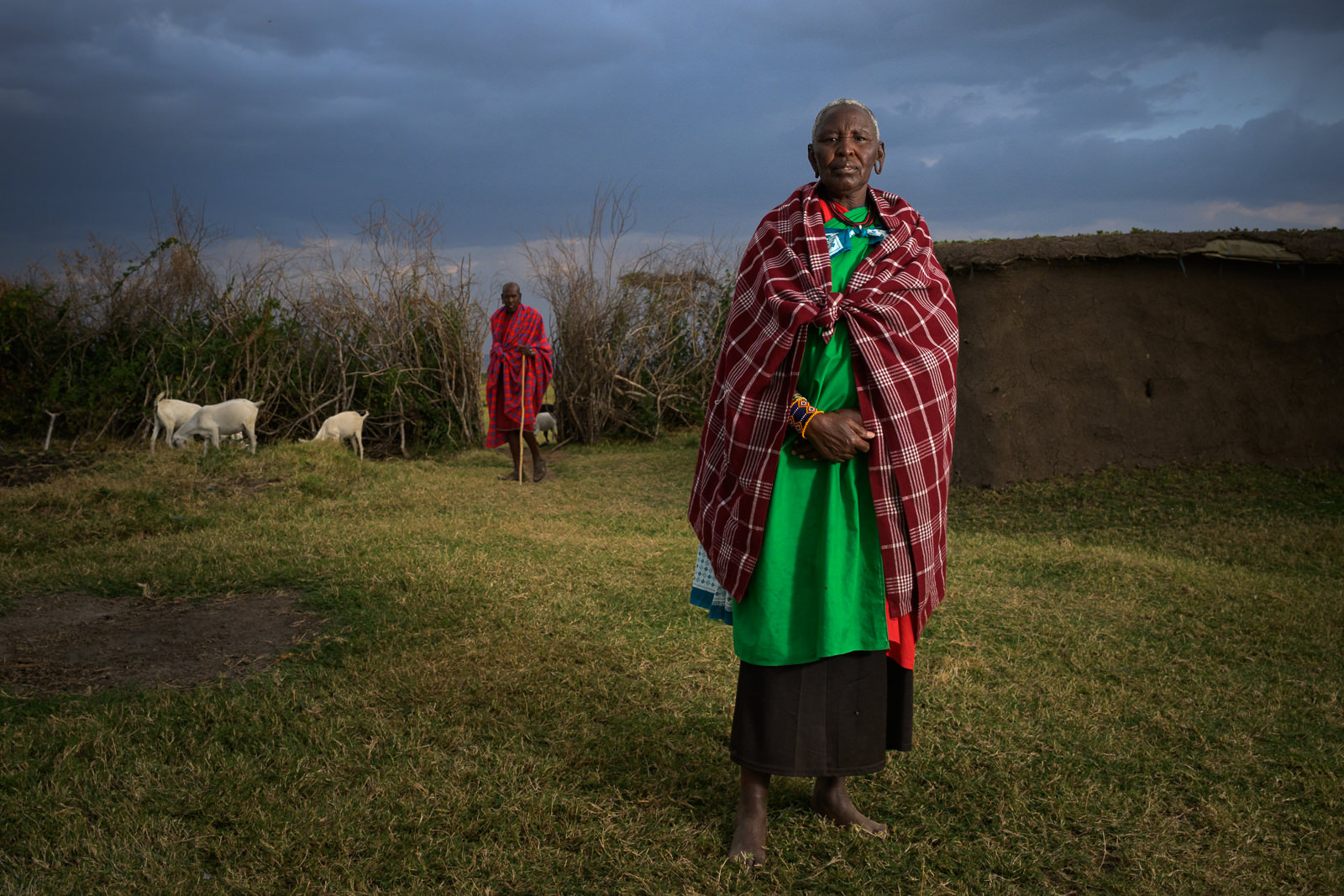
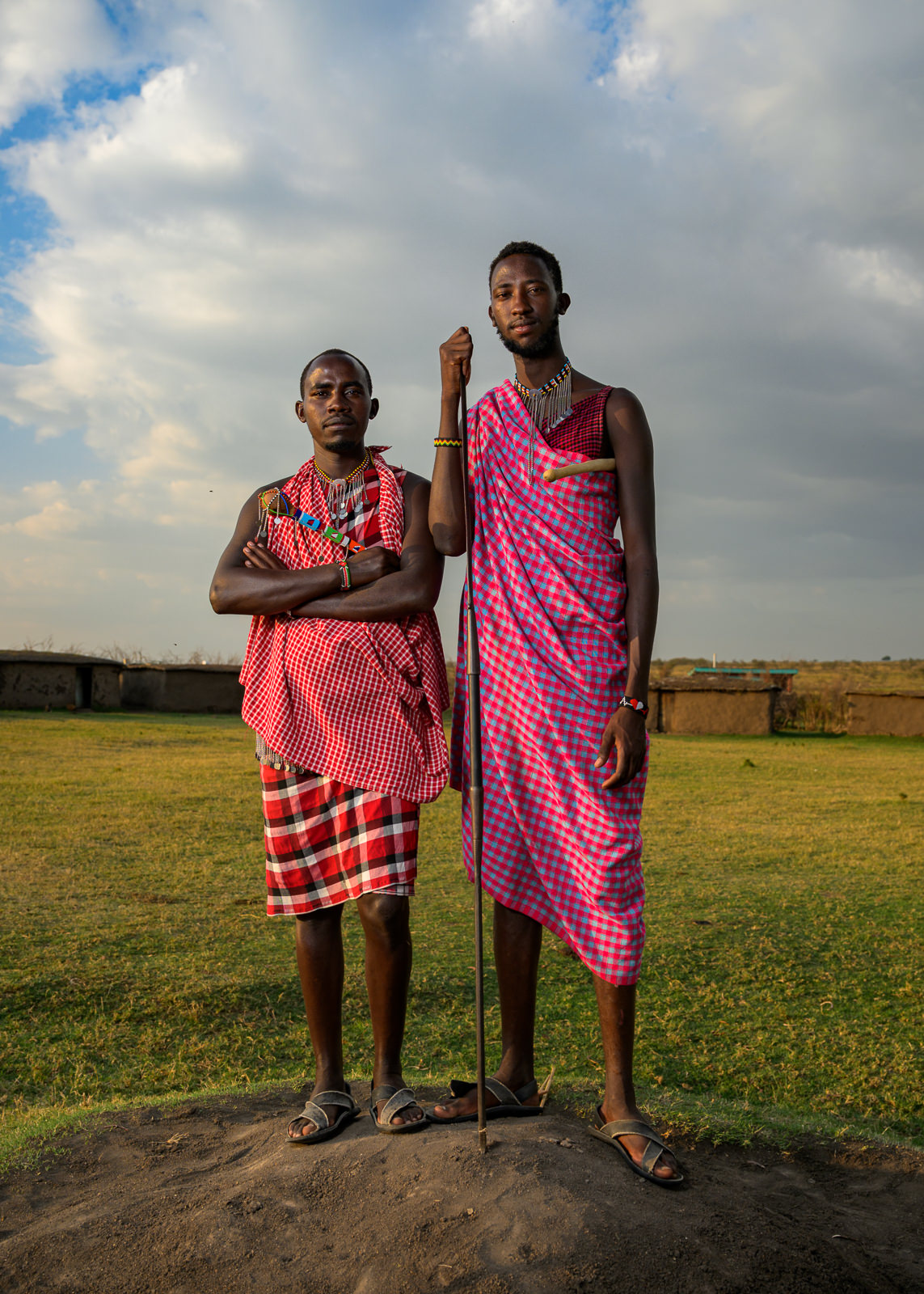
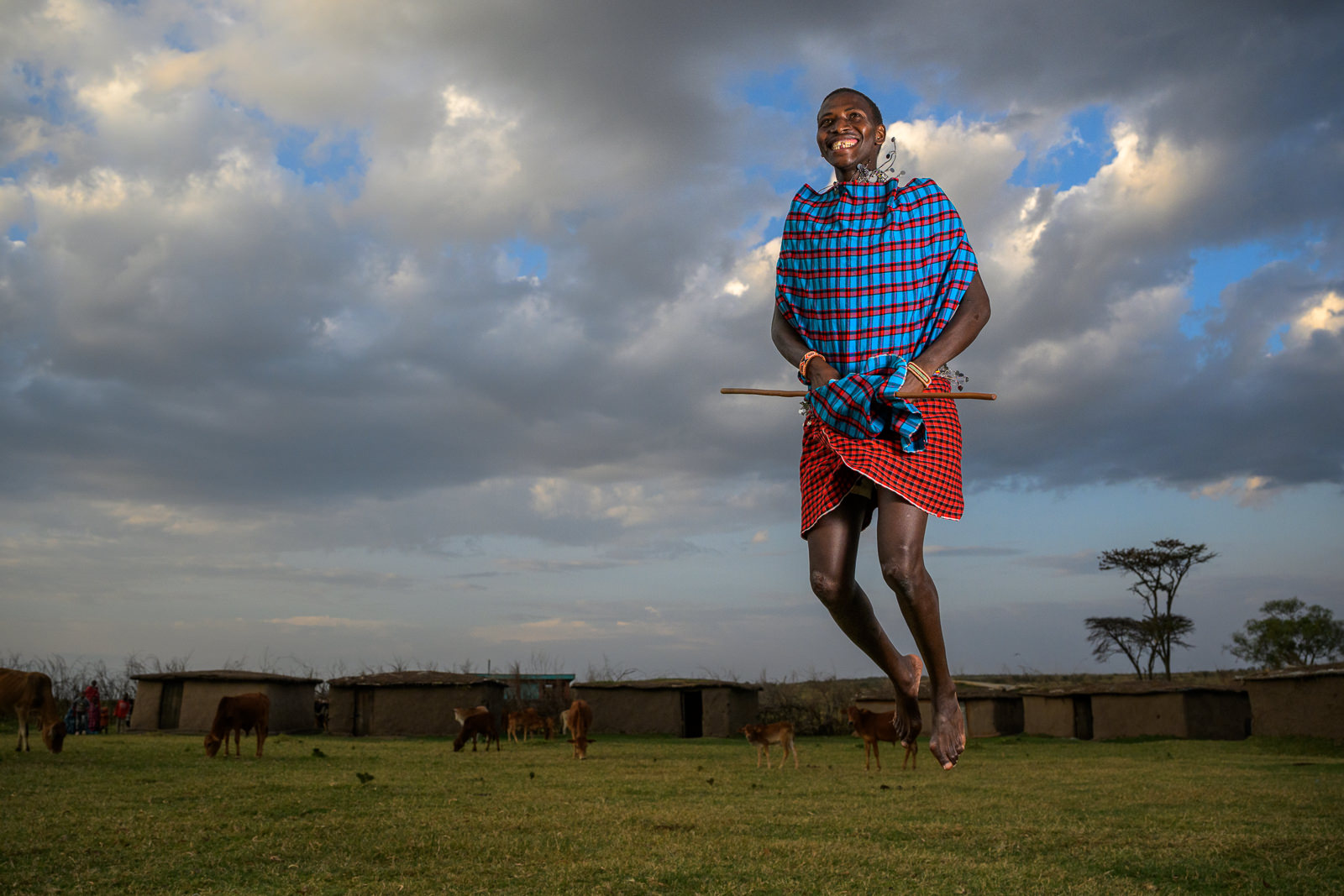
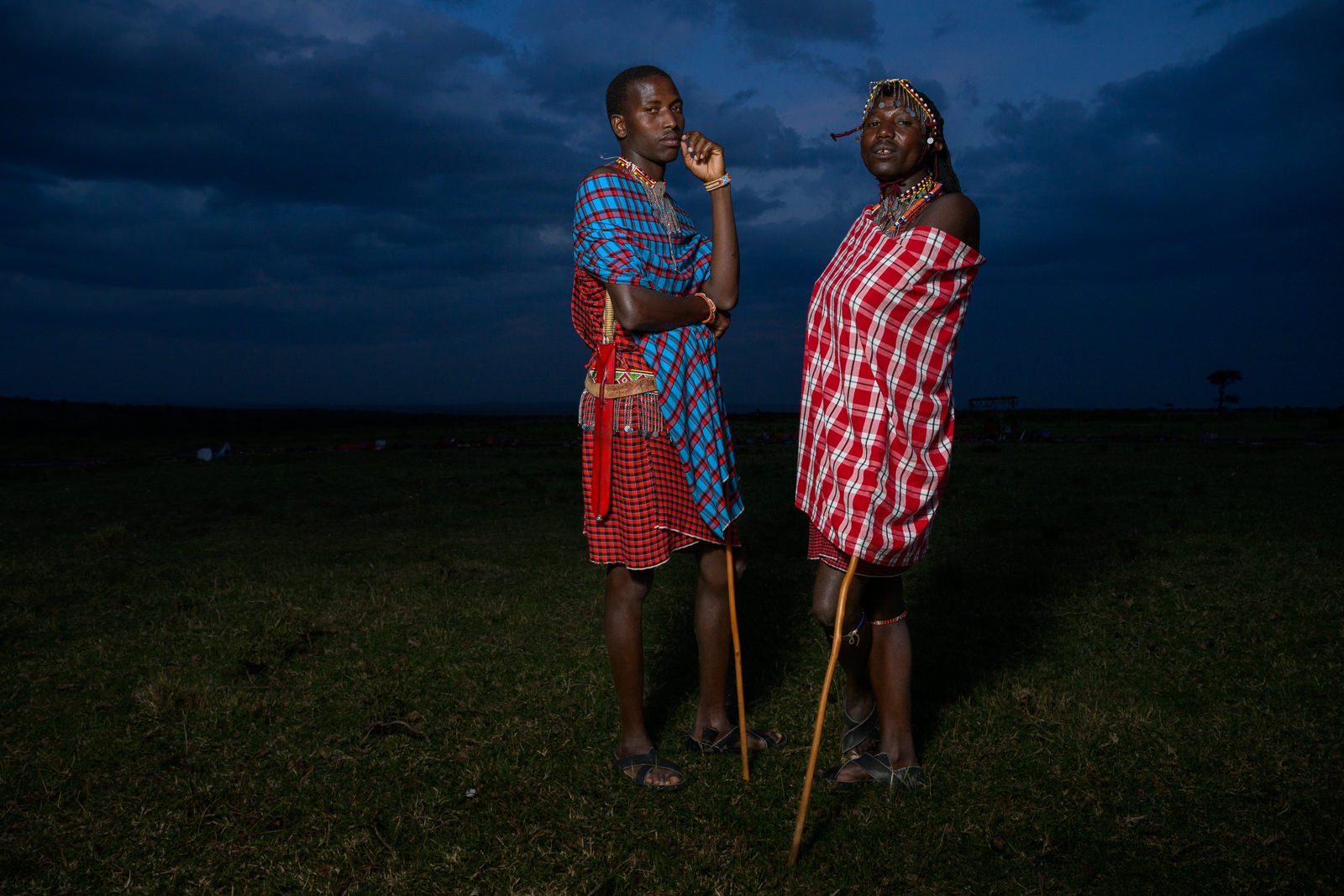
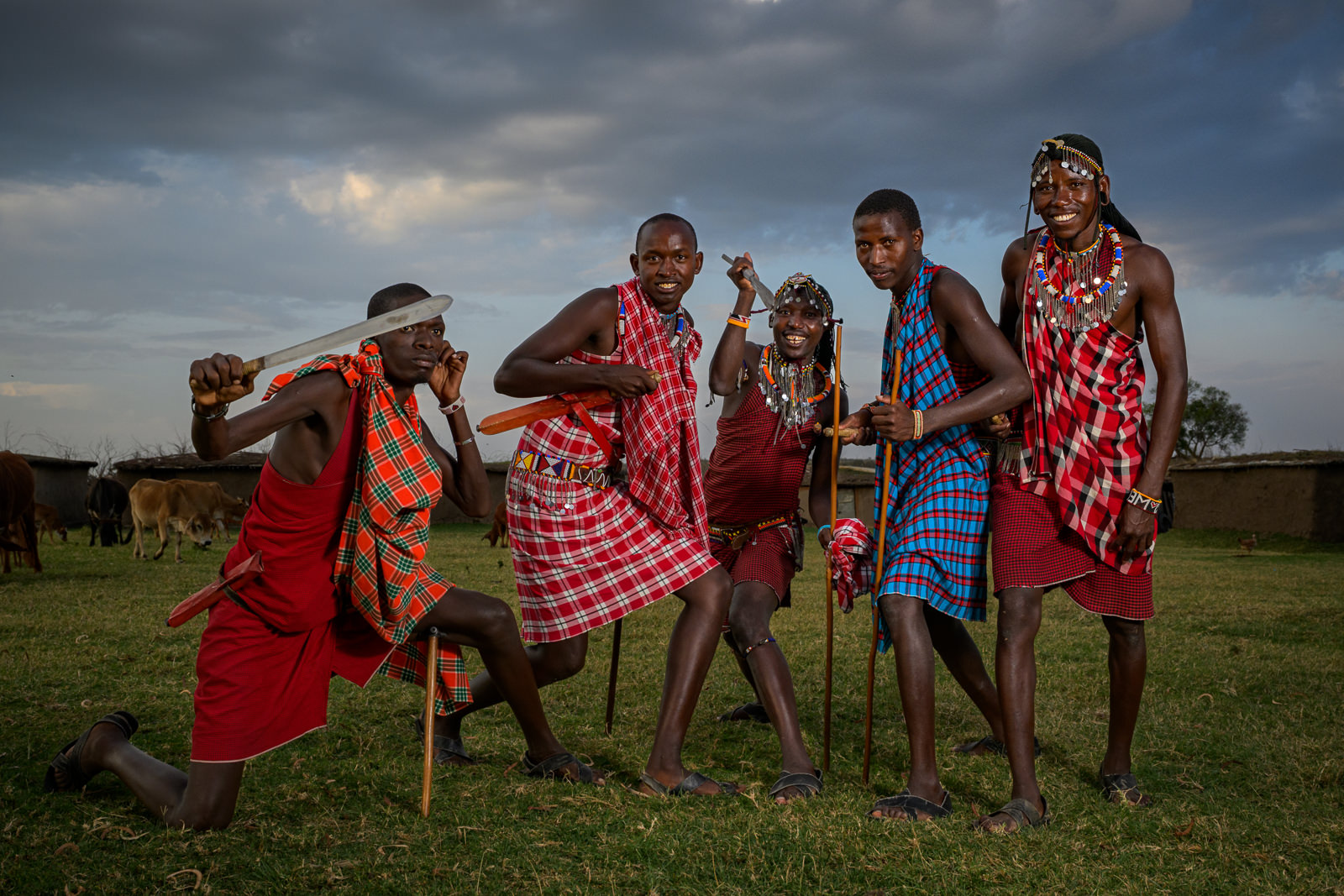
We always offer our guests a trip to the local Maasai village. Usually Karen takes those that want to go for some culture and I sneak into the national park for more wildlife. This last trip, however, I decided to bring a single flash and umbrella setup to get some proper portraits. The young warriors were all too happy to have their photos taken. The women and elderly were a bit more skeptical, but a few of them allowed me a few quick shots. These were some of my favorites. In a future post I’ll share portraits of all our favorite guides and hospitality staff. And yes, when referring to the people, it’s spelled Maasai, but the national park is Masai Mara. Nikon Z8 with Nikkor 24-70mm lens, Godox 860iii flash and X3 controller.
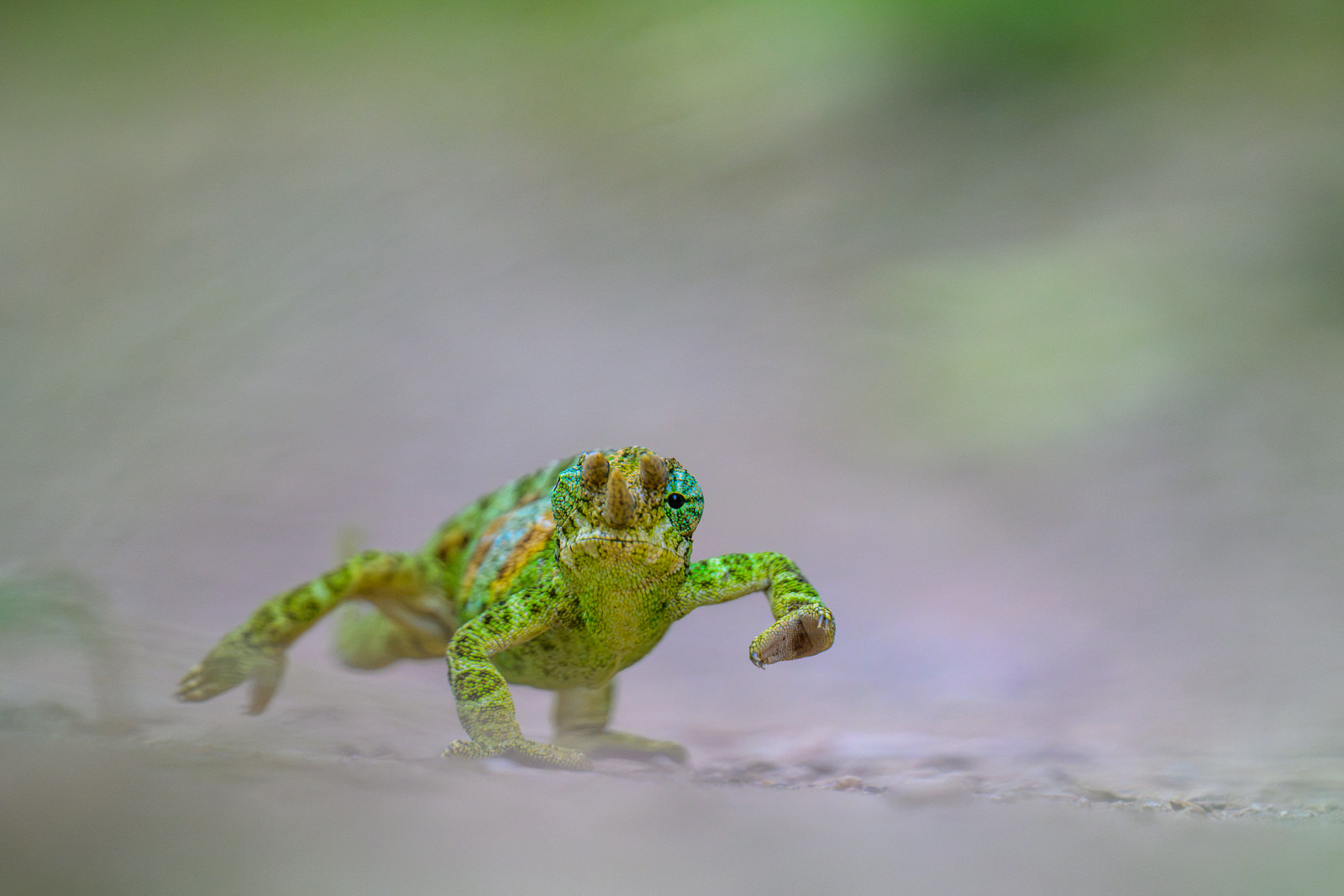
A bonus on gorilla treks is that we occasionally see a Jackson’s chameleon. Also known as the three-horned chameleon, these guys are medium-sized chameleons and the males get to about 15 inches in length. The males also have the three horns, which give them a triceratops-like appearance. Nikon Z8 with Nikkor 180-600mm lens (at 600mm) ISO 1400, f/6.3 at 1/1250th of a second.
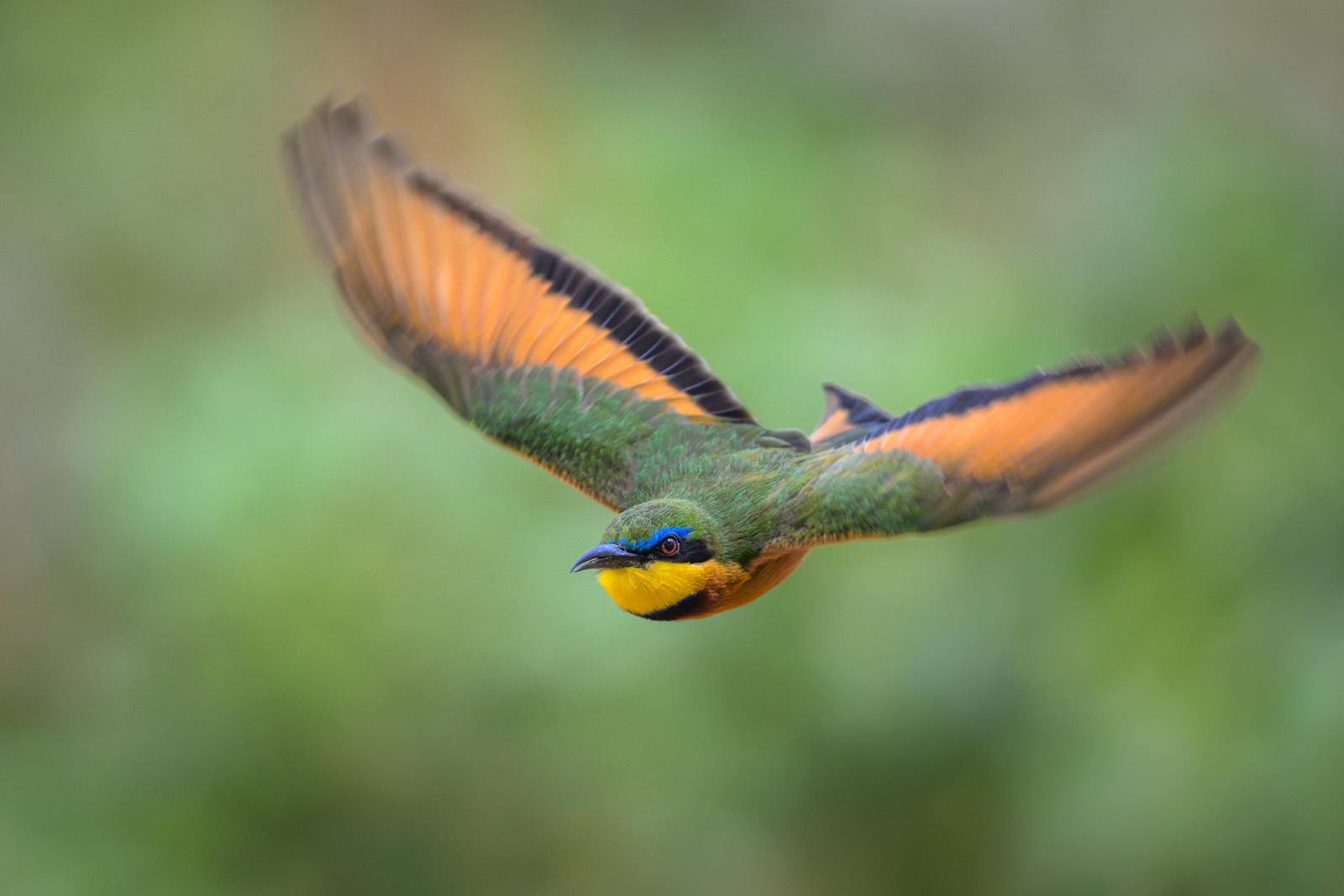
I love walking around during down/siesta time while on safari, searching for any wildlife that happens to be wandering through camp. Without the pressure to move on to the next big sighting, I can take my time and work on getting interesting shots. While at Samburu, there were two bee eaters that kept flying out over the river, catching bees and then heading back to their perches. The perfect time to work on flight shots (not always easy with small birds and erratic flight patterns). I missed a lot, but also nailed quite a few, including this one where you can see the little bee eater in all its colorful glory. Now if I could just capture one as it catches a bee mid-flight. Nikon Z8 with Nikkor 180-600mm lens (at 600mm) ISO 1600, f/6.3 at 1/2500th of a second.
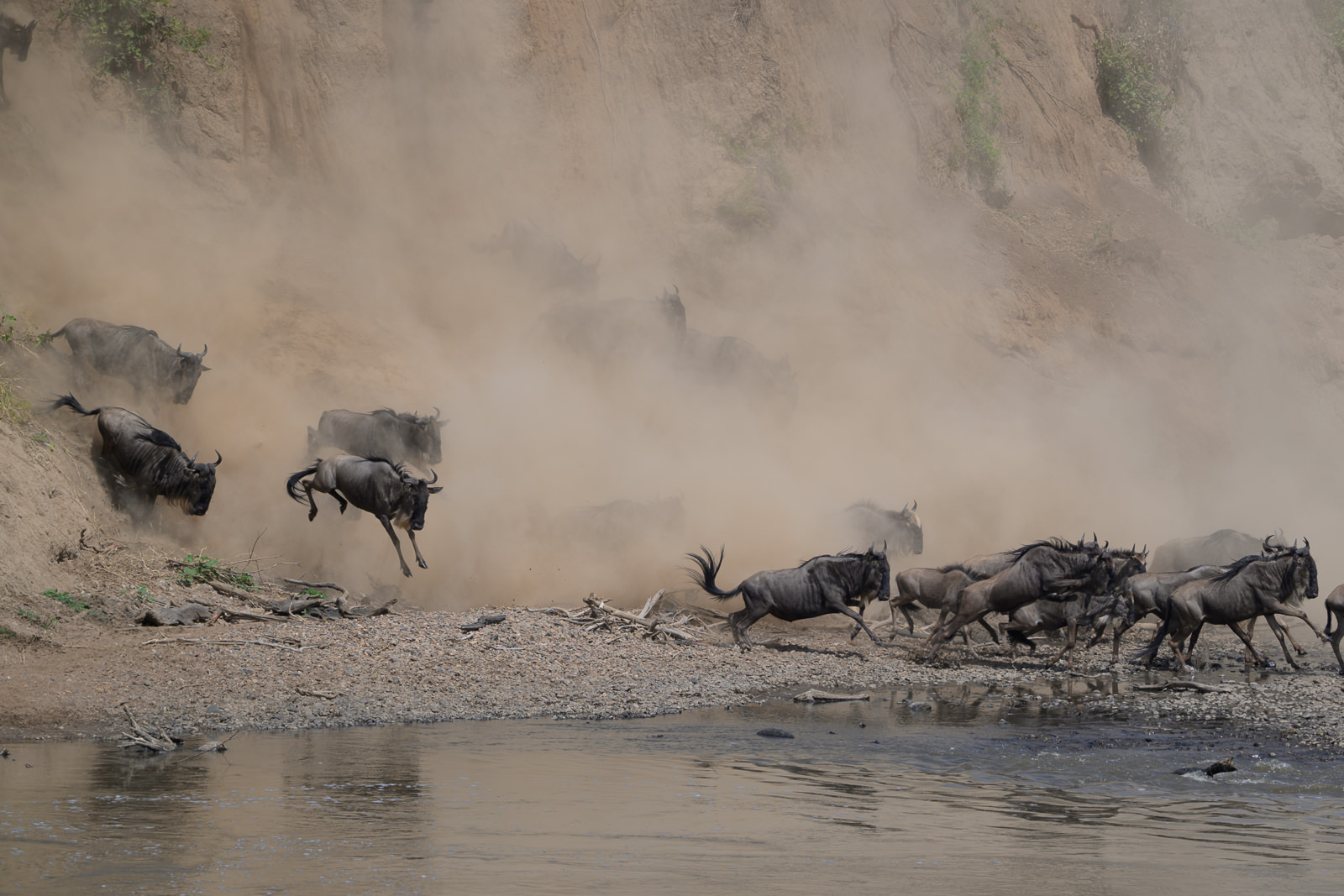
Every year, more than a million wildebeest and hundreds of thousands of zebras face one of nature’s greatest challenges—the Mara River crossing. It’s not the water they fear, but what waits beneath it. Crocodiles, lions, steep banks, and pure chaos turn each crossing into a gamble, where hesitation can be as dangerous as the plunge itself. This is one crossing, from the first leap to the last survivor climbing the opposite bank.
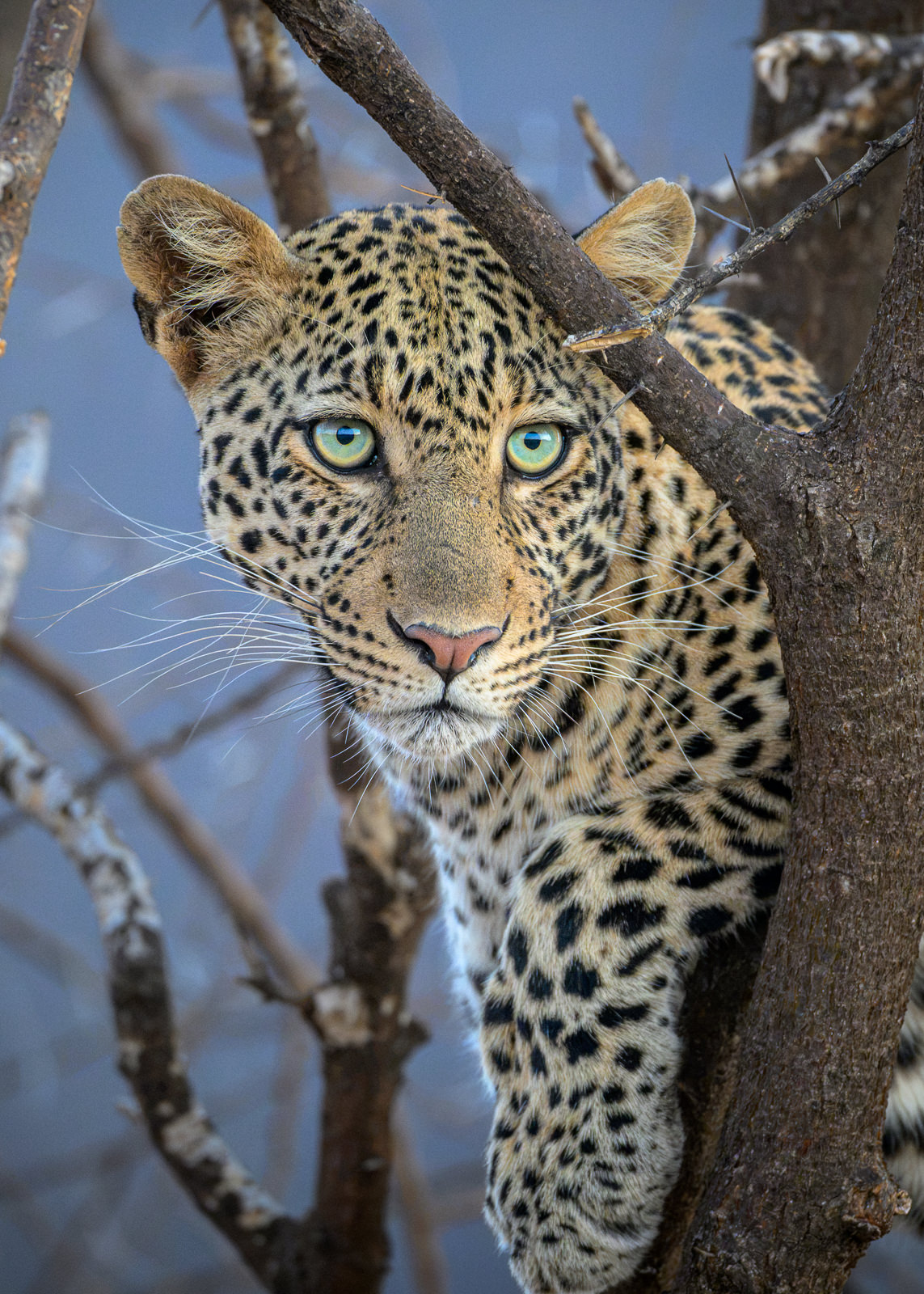
I photographed this leopard a few weeks ago in Samburu National Reserve in Kenya at the very end of the day. The pale green and golden eyes aren’t just striking, they’re built for exceptional night vision. A reflective layer behind the retina, called the tapetum lucidum, bounces light back through the eye, allowing leopards to see up to seven times better than humans in low-light conditions. Nikon Z8 with Nikkor 180-600mm lens (at 600mm) ISO 4000, f/6.3 at 1/125th of a second.
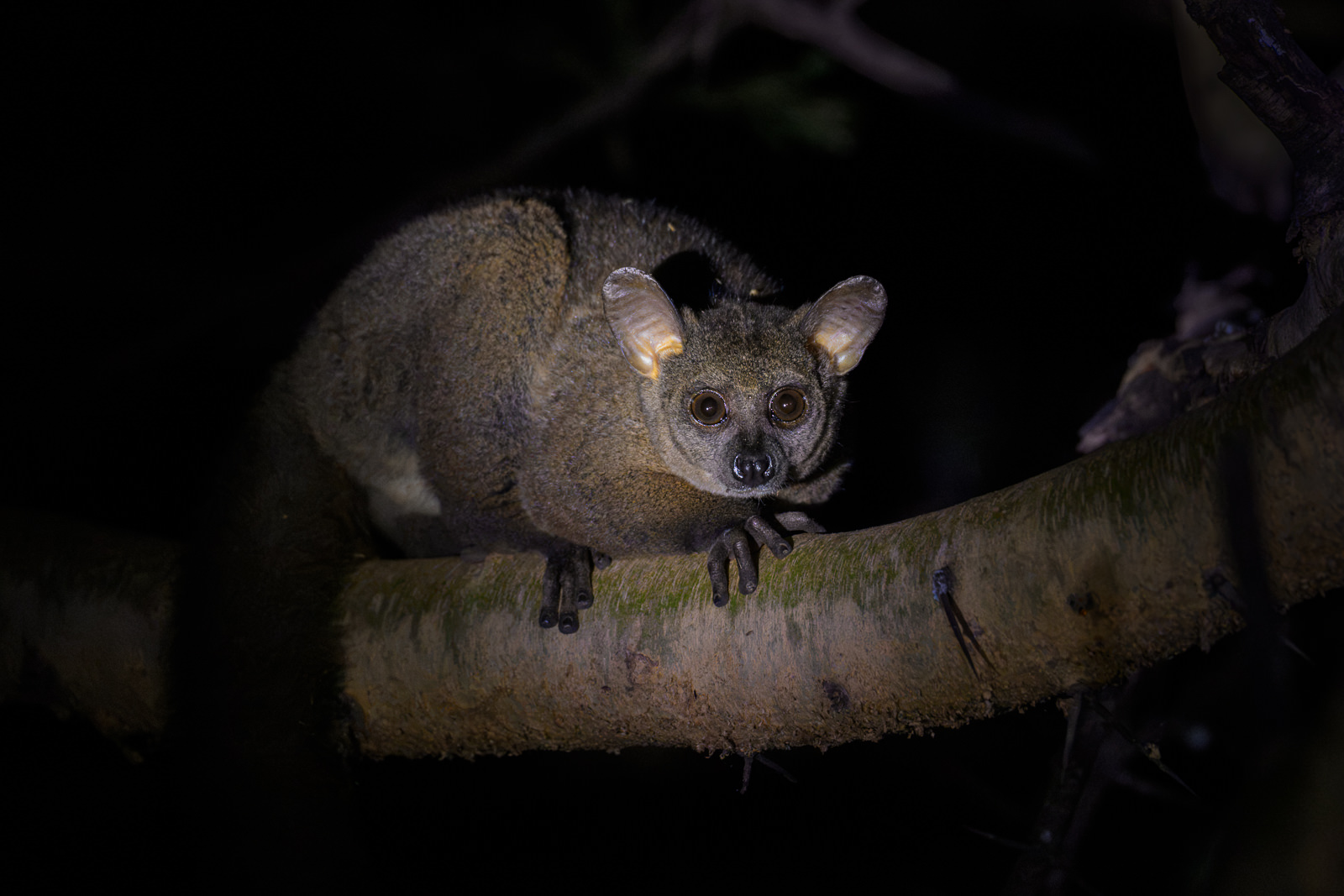
Much like the serval I posted yesterday, it’s also been awhile since I got a good look at a bushbaby — more specifically (and accurately) this is a northern greater galago. They are nocturnal primates with big eyes adapted for seeing in near darkness. Their powerful legs allow them to jump more than 15 feet between trees, while their oversized ears can swivel independently to pinpoint the sounds of insects and other prey in the night. This one was calling to another nearby just before I headed into my tent for the night in Nairobi National Park. I used illumination from a low-powered flashlight and a very high ISO to capture a few images before letting them get back to business. Nikon Z8 with Nikkor 180-600mm lens (at 600mm) ISO 25600, f/6.3 at 1/250th of a second.
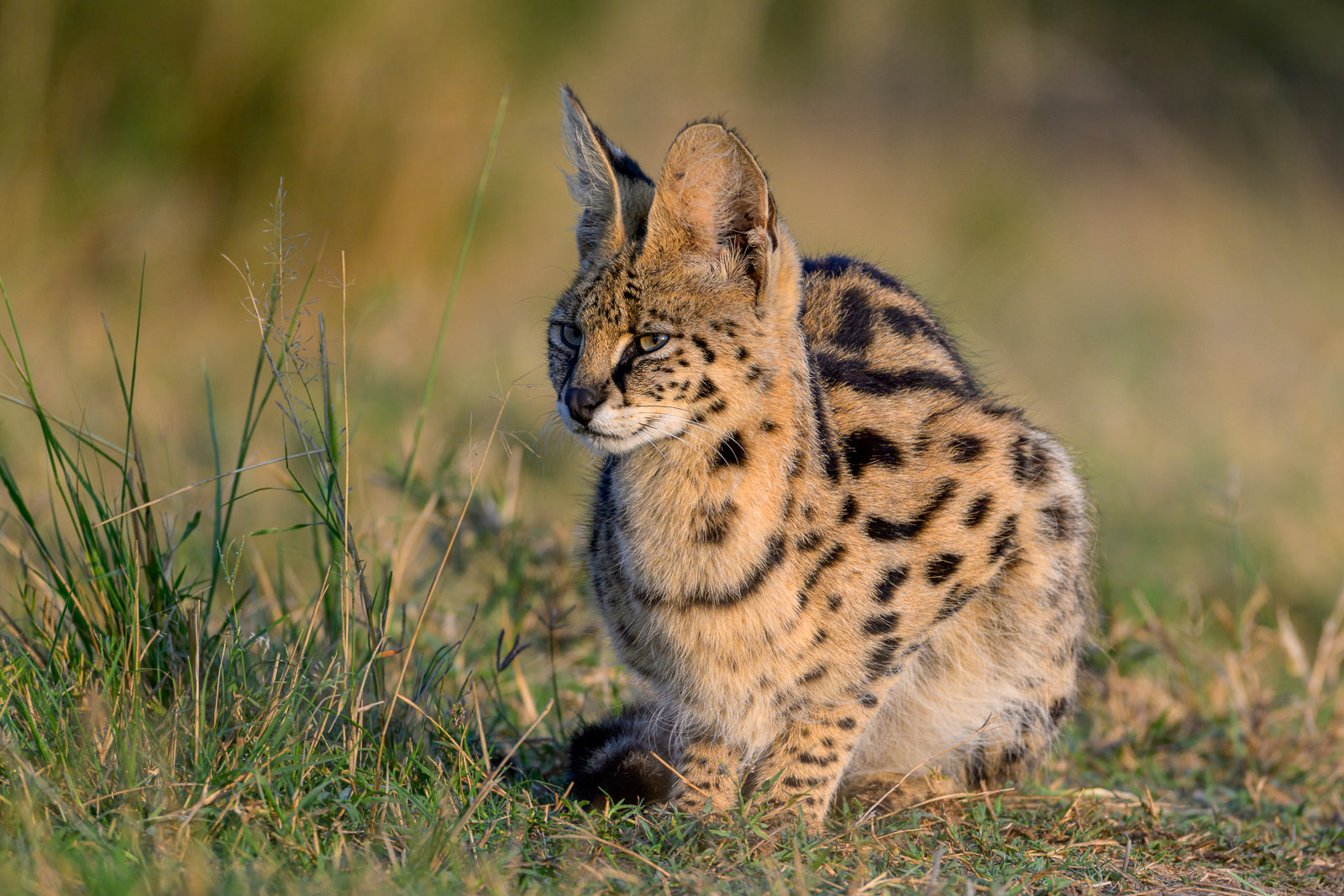
It’s been a while since I had a good look at a serval. Servals are medium to small-sized cats of the African savanna. Usually they are quite secretive and shy, and run when approached by a safari vehicle. This serval was the complete opposite. My biggest photographic challenge was getting a few shots with the eyes open, as he/she was content to take a nap only feet away from us. The unusual situation gave me the opportunity to lower my long lens to the ground for some eye-level portraits.Nikon Z8 with Nikkor 180-600mm lens (at 600mm) ISO 360, f/6.3 at 1/640th of a second.
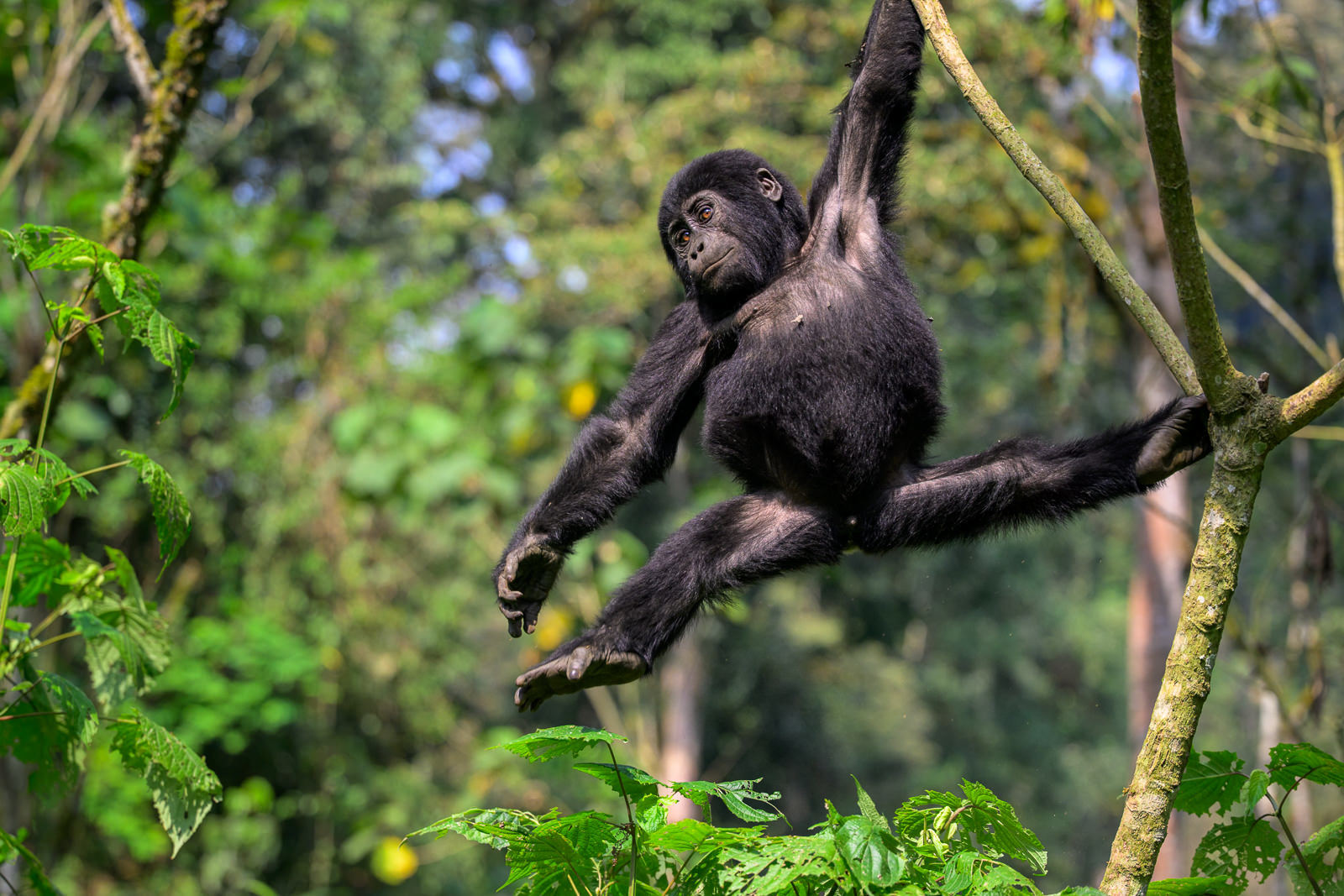
Over the course of five days, I had the opportunity to visit the same gorilla family twice — the Nshongi family. The Nshongis are famous for being one of the largest gorilla families ever recorded in the Virunga Mountains of Uganda, with 36 members. They’ve since split a few times and the current family consists of 23 members, including four babies and toddlers. It was fun to see them on different days in slightly different situations and environments. The first time I saw them, two of the young ones put on quite a show swinging from one small tree to another. Nikon Z8 with Nikkor 24-70mm lens (at 74mm) ISO 500, f/2.8 at 1/640th of a second.
Where there are giraffes there are oxpeckers. They usually enjoy what is known in nature as mutualistic symbiosis — the oxpecker gets a delicious meal of ticks, fleas and blood-sucking parasites while the giraffe gets natural pest control and warning alarms against predators. But on this particular evening, the giraffe seemed to have had enough of all that symbiosis and was doing his best to rid his neck and face of the nuisance. Video shot at 120fps in 4K on Nikon Z8 with Nikkor 180-600mm lens.
We use cookies to enhance your experience while using our website. If you are using our Services via a browser you can restrict, block or remove cookies through your web browser settings. We also use content and scripts from third parties that may use tracking technologies. You can selectively provide your consent below to allow such third party embeds. For complete information about the cookies we use, data we collect and how we process them, please check our Privacy Policy

 After my last post (last week) I forgot to mention that Karen and I were heading out of the country for a wedding in Italy. We just got back tonight. I wasn’t going to post until tomorrow, but checking the camera trap in the backyard, I saw that a bobcat kitten was up there hanging around. Enjoy. I’ll get back to the Africa posts tomorrow. Nikon D850 with Nikkor 20mm lens, ISO 500, f/14 at 1/200th of a second, Cognisys camera box, field monitor and flash units.