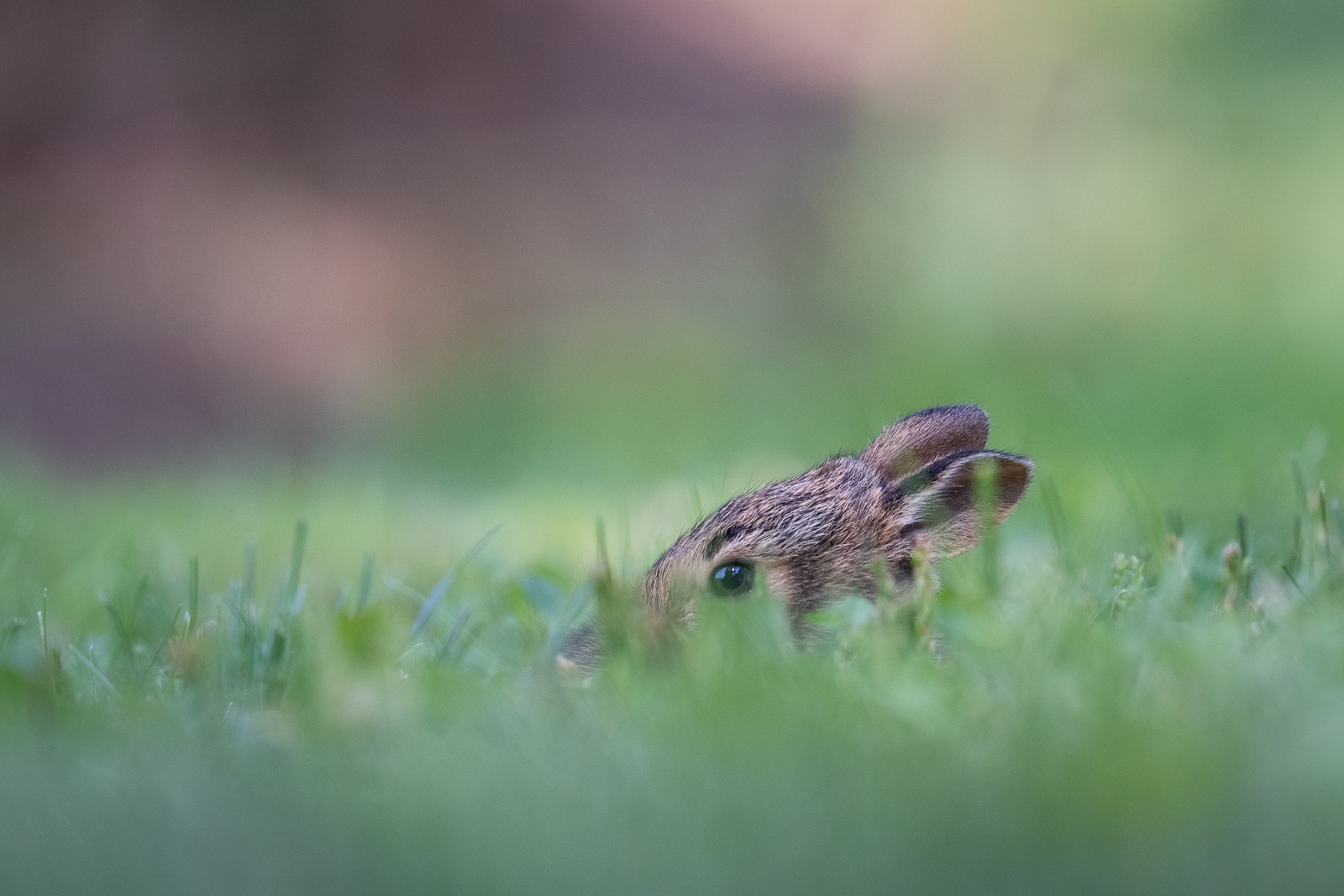
This year’s cottontail babies have made an appearance in our front lawn. Here’s hoping they keep their heads low and away from the always circling red-tailed hawks. Nikon D500 with 500mm PF lens, ISO 800, f/5.6 at 1/400th of a second.
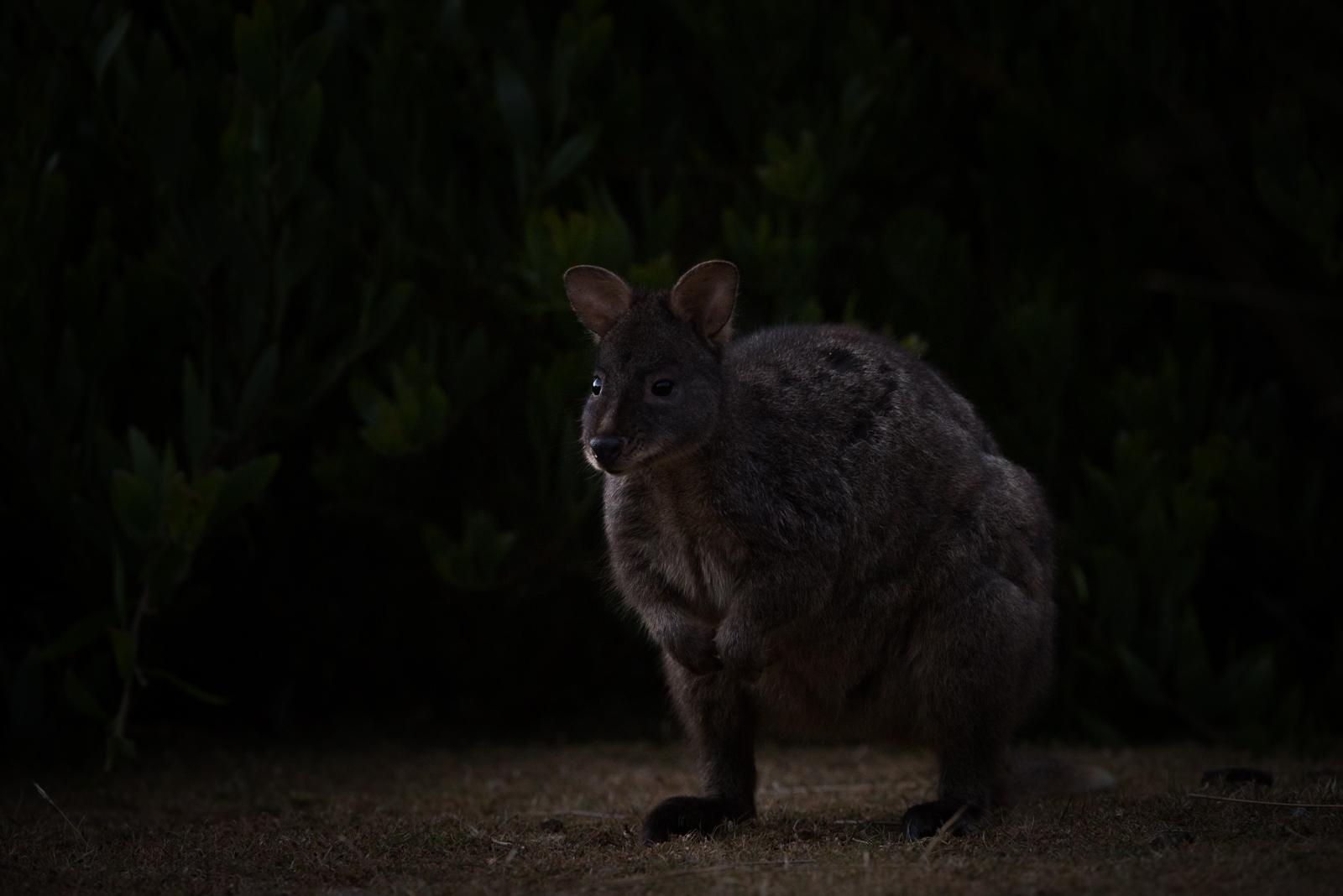
I used just a touch of off camera flash to illuminate this Tasmania pademelon coming out of the darkness on a pre-dawn morning on Maria Island, which is just off the east coast of Tasmania. Pademelons are very small macropods (the family that kangaroos and wallabies belong to). Nikon D810 with Nikkor 200-400mm lens (at 260mm) ISO 800, f/8 at 1/160th of a second.
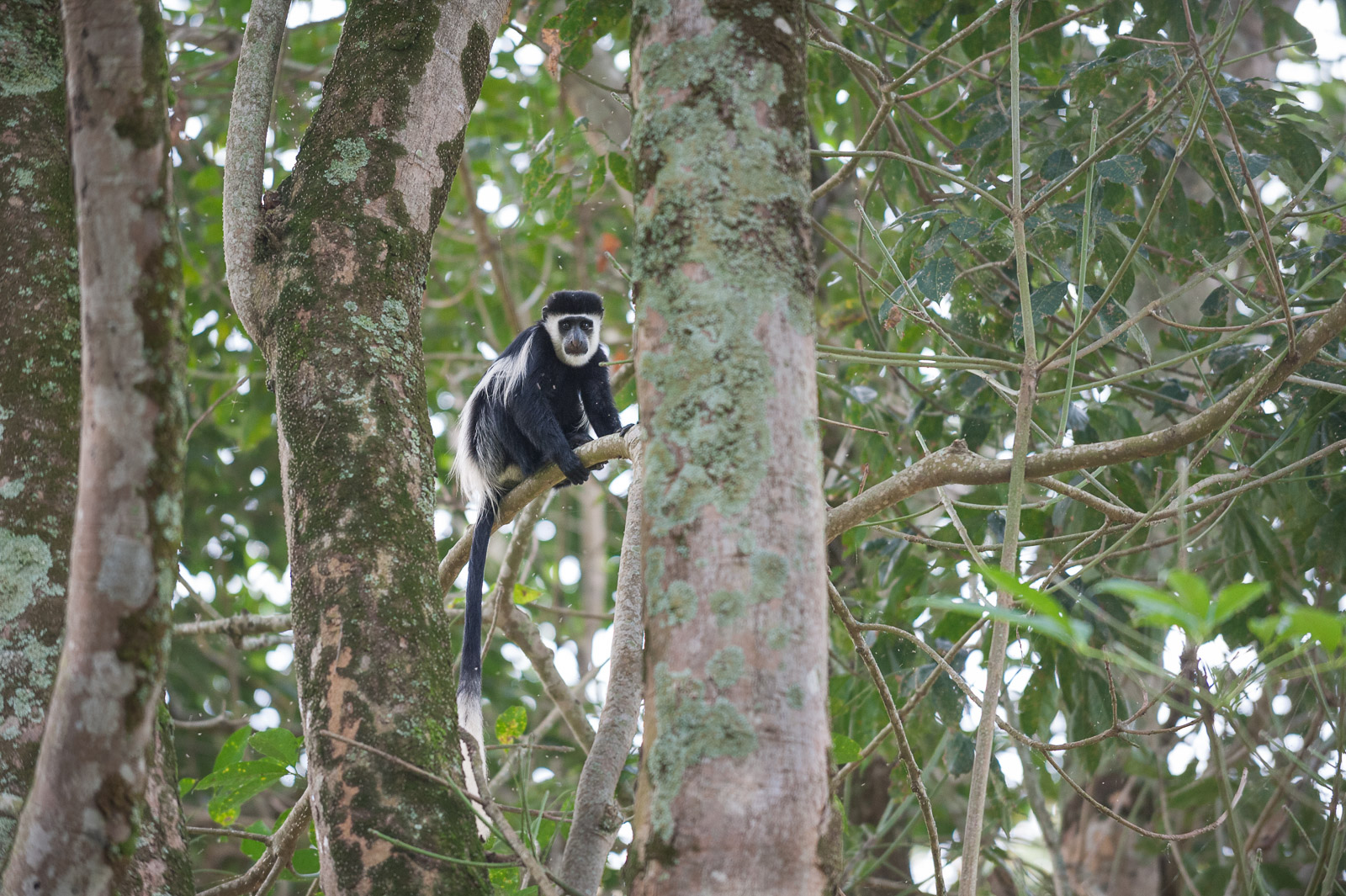
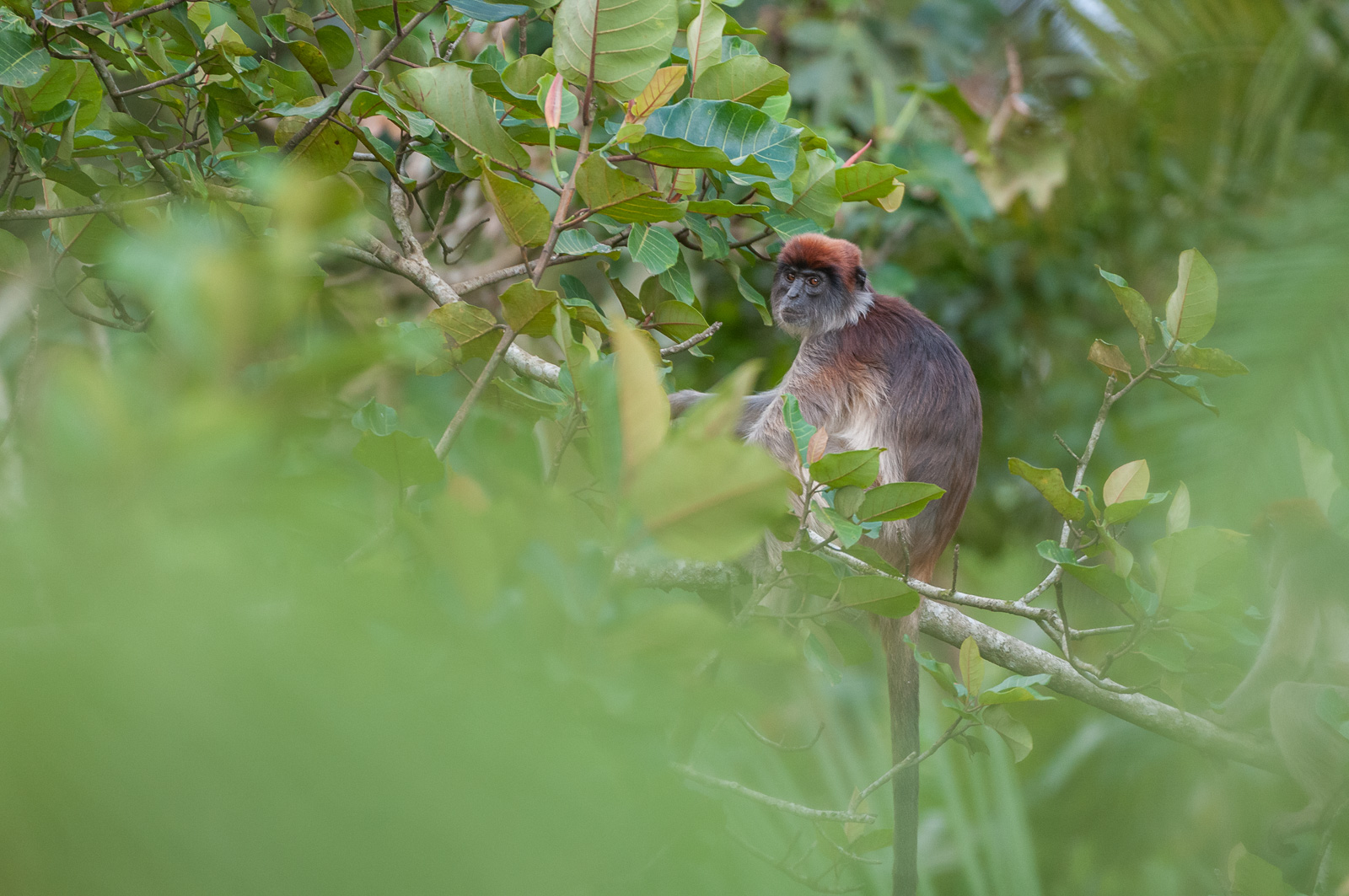
A couple of days ago I posted a red colobus monkey from Kibale National Park in Uganda. Here’s the red colobus’s cousin, the black and white colobus monkey, also photographed in Kibale. These guys are more commonly seen and are known for their long, white-tipped tails and that white fringe on their backs. Nikon D700 with Nikkor 70-200mm lens (at 200mm) ISO 1600, f/3.2 at 1/100th of a second.
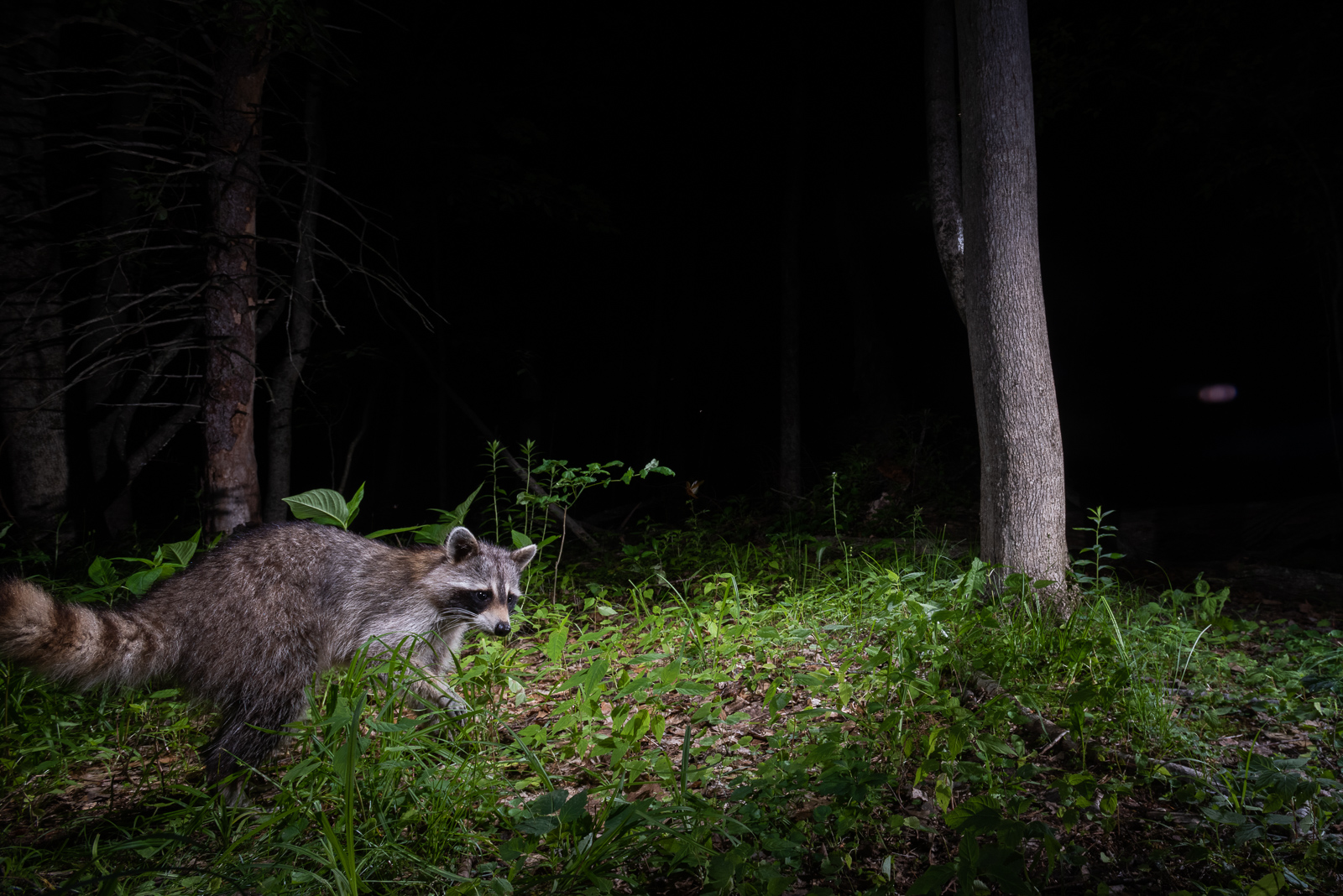
The raccoons have been active lately in the woods behind our house. I’ve still yet to see one in the daylight on our property. Which is a good thing. It means they haven’t adjusted their nocturnal routine to accommodate the foraging of garbage. At least not to the extent that has caused them to come sneaking around at any opportune time as is the case in many other areas. Nikon D810 with Nikkor 17-35mm lens (at 17mm) ISO 500, f/11 at 1/200th of a second.
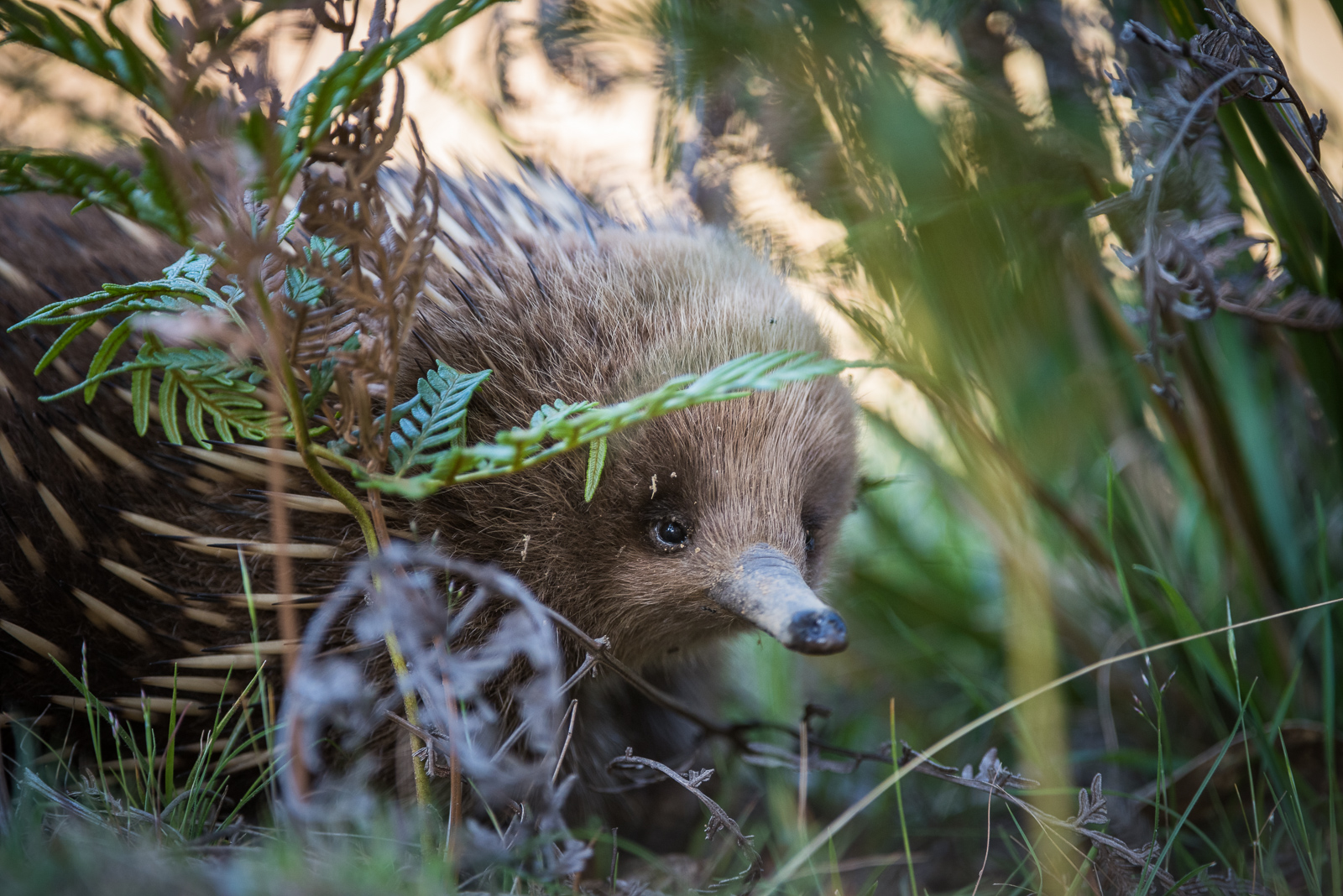
It’s a little messy down there in the undergrowth, but that’s the way echidnas like it. These Australia natives seem to always have that snout in the ground routing around for ants. Echidnas are monotremes, one of the three groups of living mammals — the other two being marsupials and placentals. Platypus are also monotremes and like the echidna they do something that no other mammal does — they lay eggs. I photographed this one in northern Tasmania while on a hike. Nikon D810 with Nikkor 200-400mm lens (at 400mm) ISO 800, f/4 at 1/200th of a second.
There are thirteen different species of primate in Uganda’s Kibale National Park. On my first visit to the country I saw quite a few of those species, including the red colobus monkey. The red colobus is closely related to the black and white colobus and the two species are sometimes seen socializing with one another in a single troop. Nikon D300 with Nikkor 200-400mm lens (at 380mm) ISO 640, f/4 at 1/200th of a second.
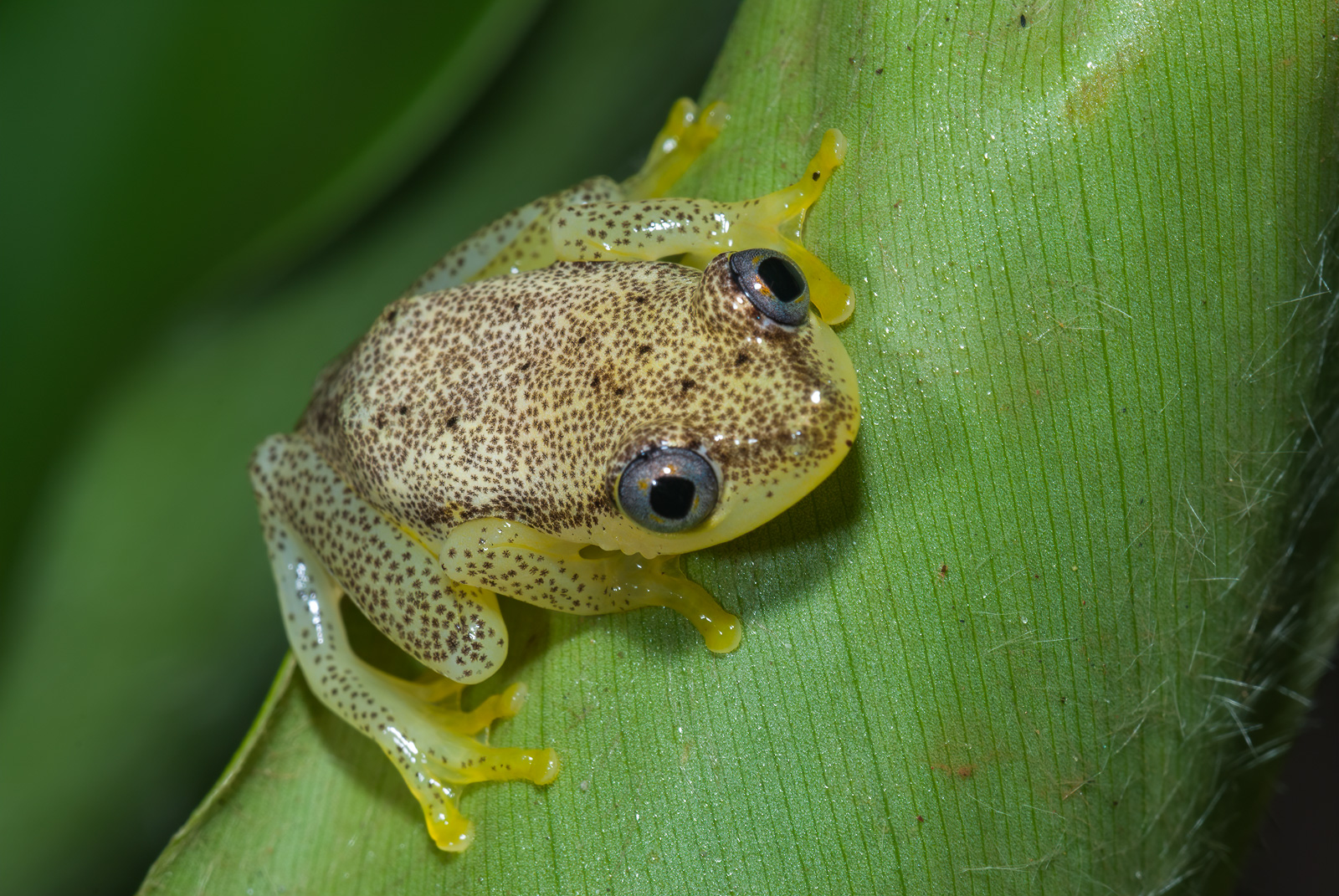
This is just one of many impressive frog species I encountered in Madagascar. I don’t know of a common name but the scientific name is Heterixalus betsileo. I saw a few of these little guys and they ranged in color from almost white to a bright yellow. This one was somewhere in the middle of those extremes. Heterixalus Betsileo also has varying degrees of those little dark flecks. I must say, this one had particularly outstanding flecks. Nikon D200 with Nikkor 80-200mm lens (at 200mm with Canon 500D close up filter) ISO 100, f/22 at 1/60th of a second, two Nikon SB-600 flash units.
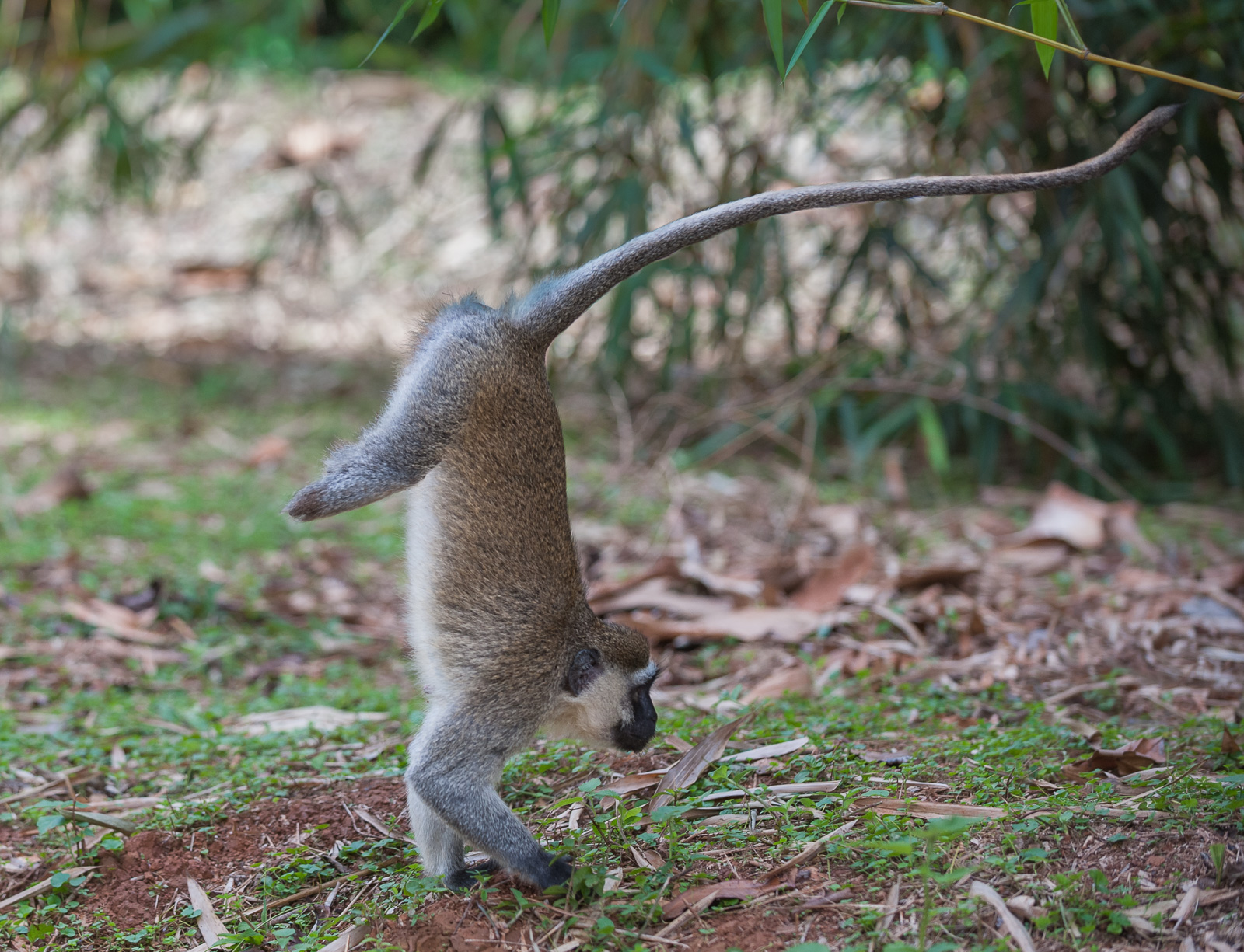
Far from a great shot technically, but I wanted to share this image I took on my first trip to Uganda of a crippled vervet monkey. She may have been missing both of her back legs from mid-shin down, but that didn’t stop her from doing all that the other monkeys were doing. And she could actually move pretty fast hopping around on just her front legs. Where there’s a will. Nikon D700 with Nikkor 70-200mm lens (at 105mm) ISO 400, f/3.2 at 1/1000th of a second.
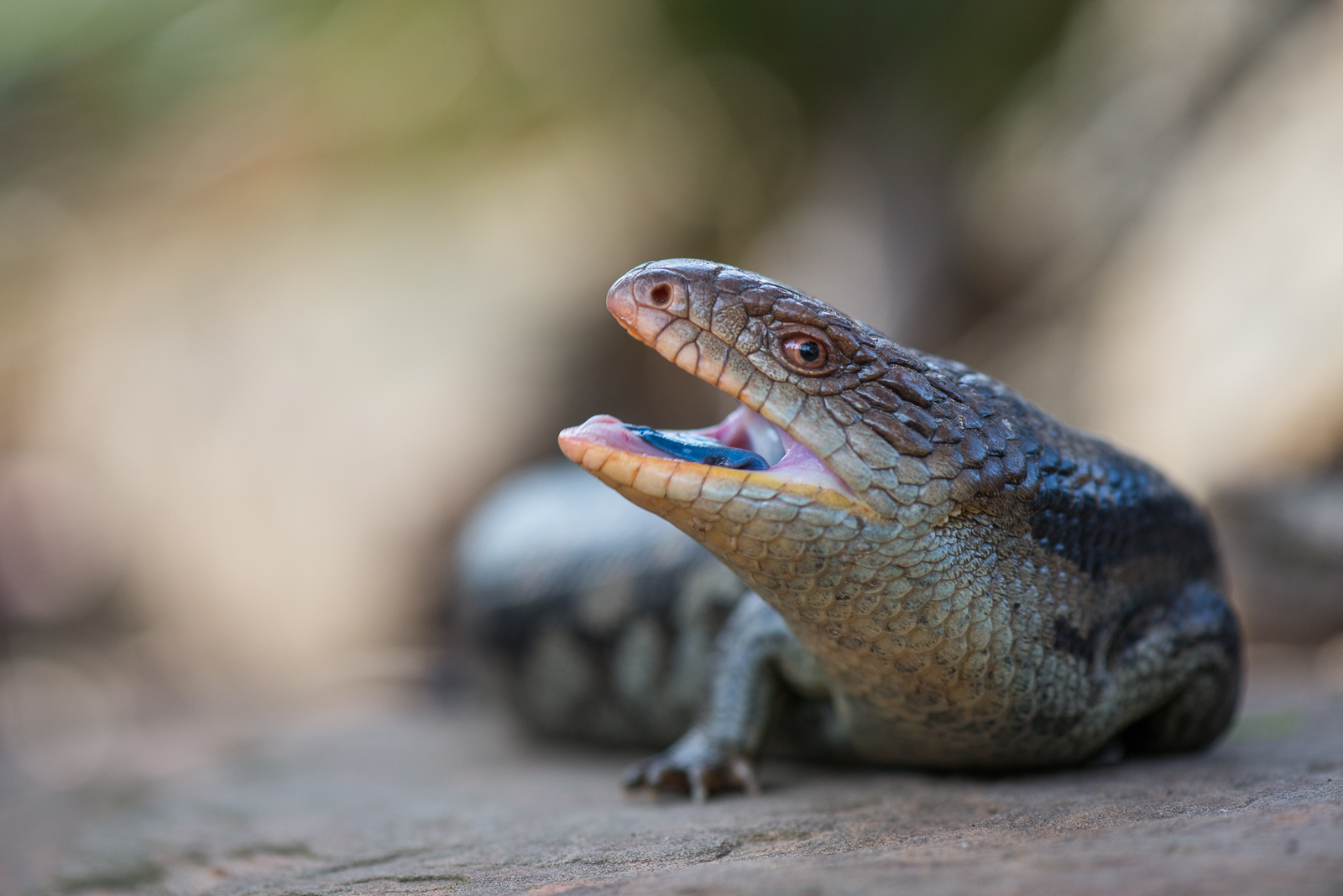
These guys are big, robust lizards with short limbs. And they have a pretty cool tongue. Actually a really cool tongue. You can kind of see it in this picture taken at the Bonorong Wildlife Sanctuary in Tasmania. Nikon D800 with Nikkor 105mm macro lens, ISO 800, f/4.5 at 1/250th of a second.
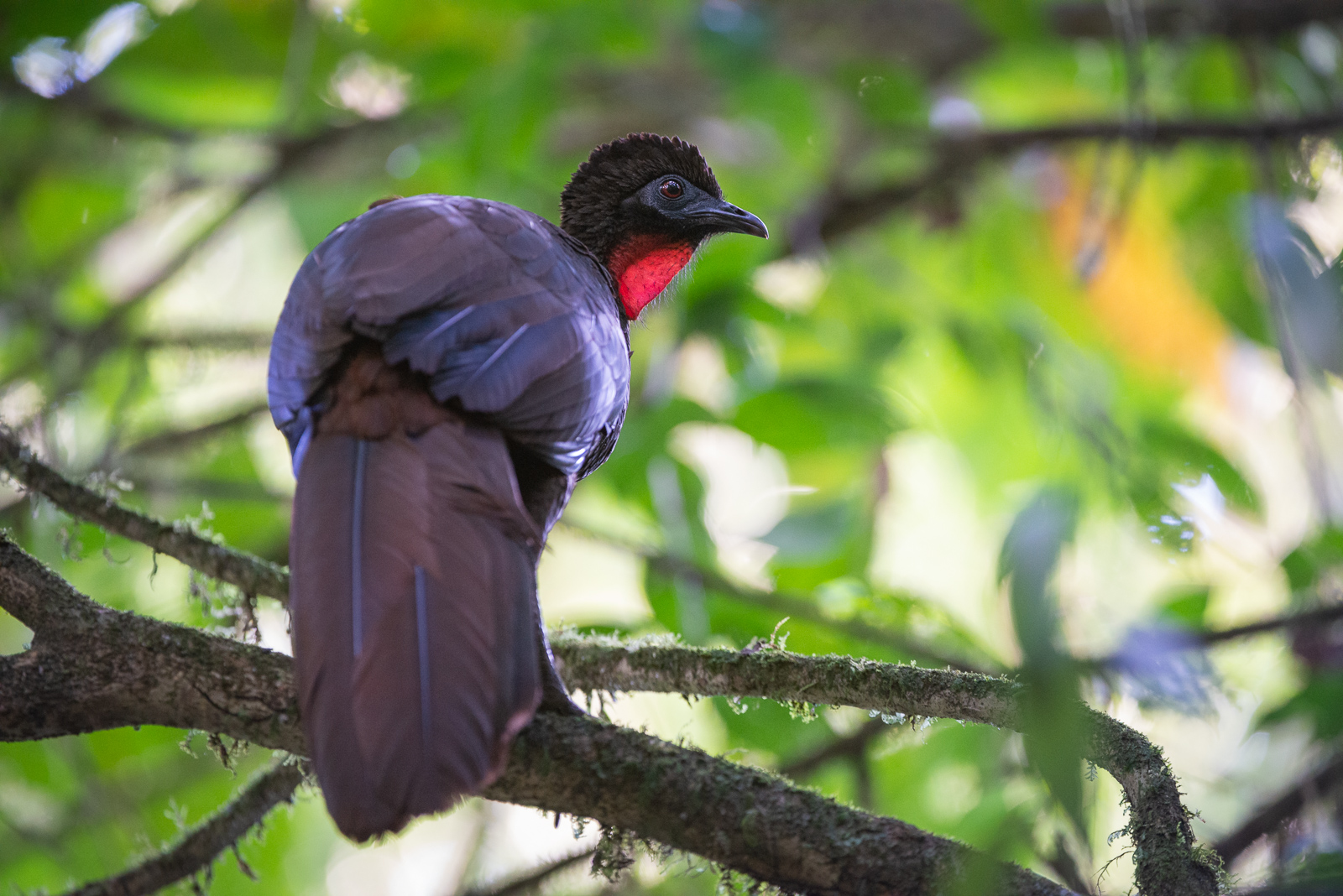
The crested guan doesn’t get a lot of respect. At least that’s the way it seemed to me. They were around, but no one was getting too excited about it. They resemble turkeys in a way, especially given their size. This one was giving me a nice look at that red wattle, or dewlap. You also get a good look at the crest that gives these birds their name. Photographed in central Costa Rica. Nikon D800 with Nikkor 200-400mm lens (at 350mm) ISO 3200, f/4.5 at 1/60th of a second.
We use cookies to enhance your experience while using our website. If you are using our Services via a browser you can restrict, block or remove cookies through your web browser settings. We also use content and scripts from third parties that may use tracking technologies. You can selectively provide your consent below to allow such third party embeds. For complete information about the cookies we use, data we collect and how we process them, please check our Privacy Policy