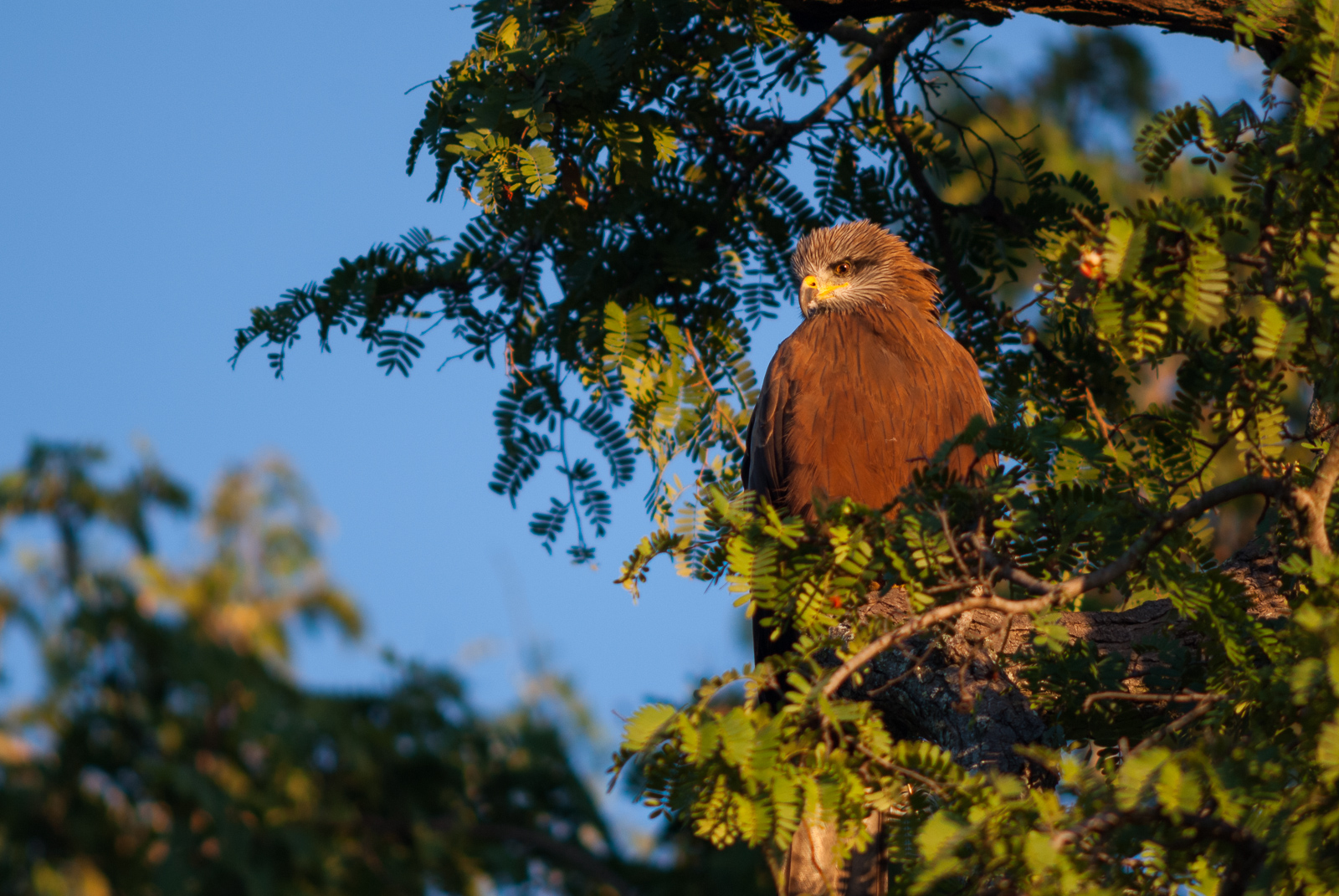
This yellow-billed kite is one of the first creatures that I met upon my arrival in Madagascar. I would make the acquaintance of many more strange and wonderful feathered and furred beings over the ensuing three weeks. Photographed in Berenty Private Reserve in the southern tip of Madagascar. Nikon D200 with Nikkor 600mm f/5.6 manual focus lens, ISO 200, f/5.6 at 1/160th of a second.
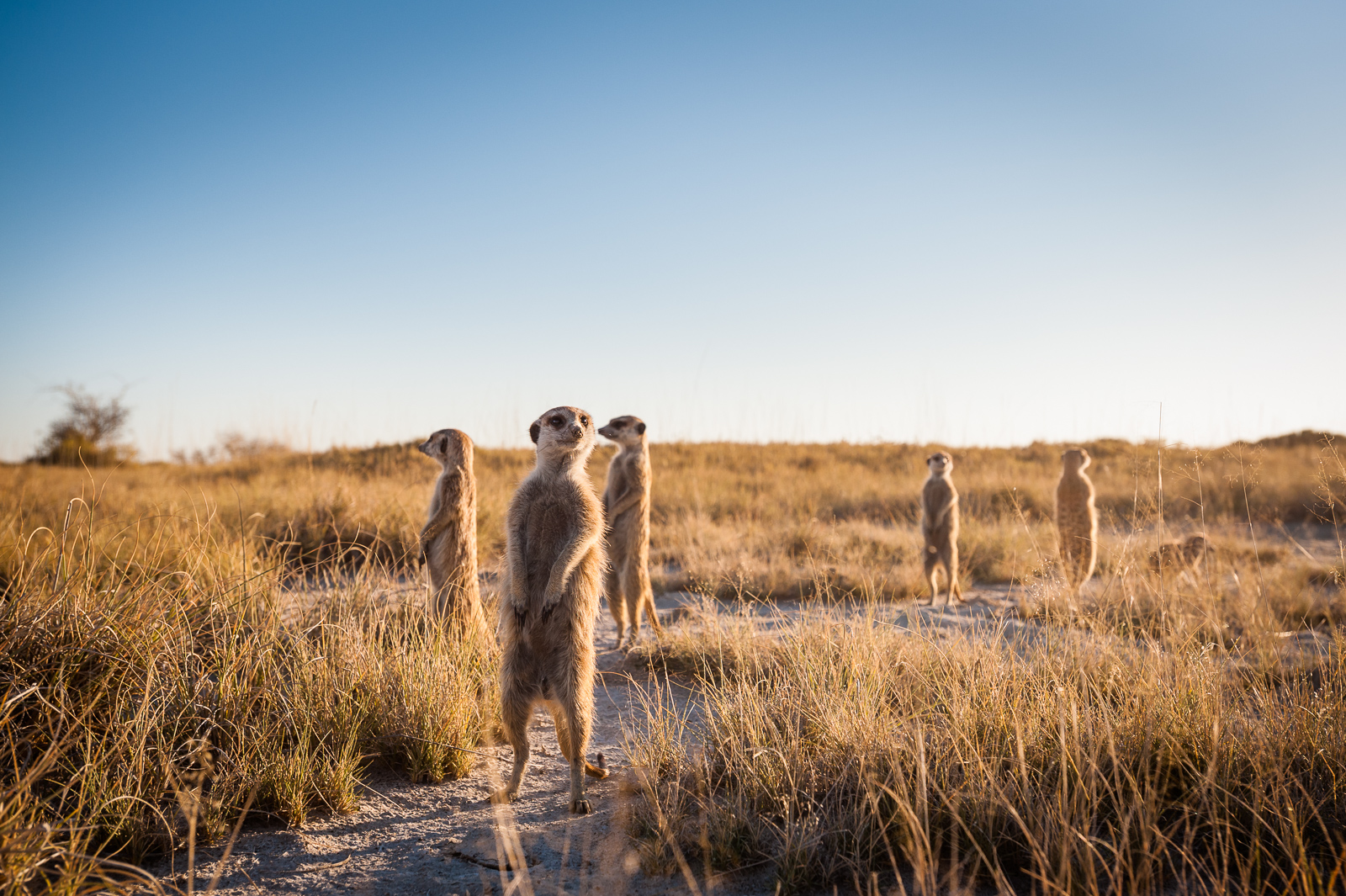
Meerkats are always on the lookout for any possible danger. This gang of them seem to have all directions under heavy surveillance. A group of meerkats can be called a gang, a mob or a clan. I kind of liked the former for this particular group. Photographed in the Kalahari Desert of Botswana at a place called the Makgadikgadi Pans. Nikon D300 with Nikkor 17-35mm lens (at 35mm) ISO 400, f/13 at 1/400th of a second.
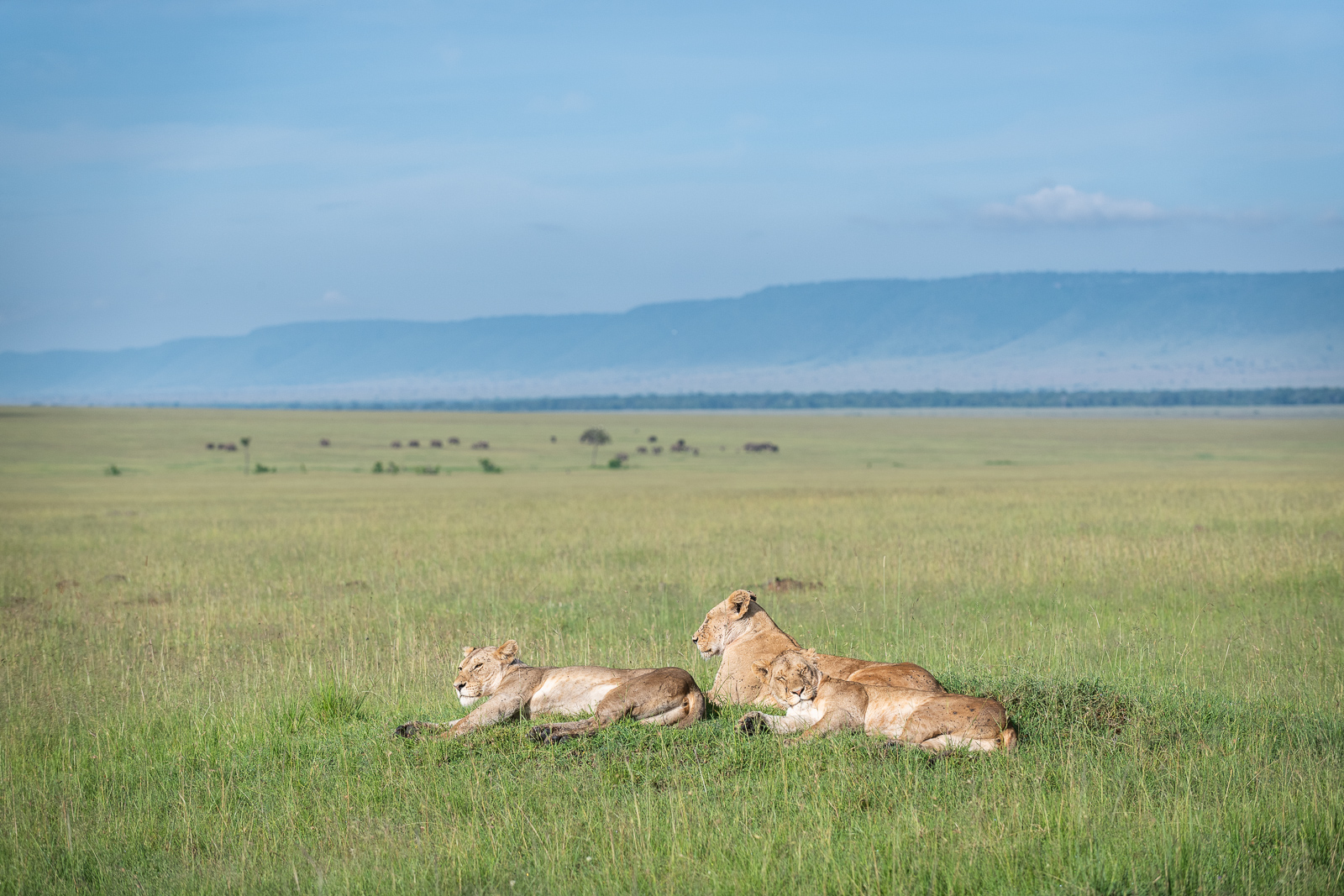
Three female lions rest on the vast African plains of the Masai Mara in Kenya. Shortly after taking this shot, they were joined by two others from the pride and they made an attempt to capture a warthog. I had no idea how fast a warthog could be and despite the well orchestrated ambush by the lions, the warthog narrowly escaped. Those are cape buffalo in the distance. Nikon D850 with Nikkor 70-200mm lens (at 125mm) ISO 400, f/5.6 at 1/2500th of a second.
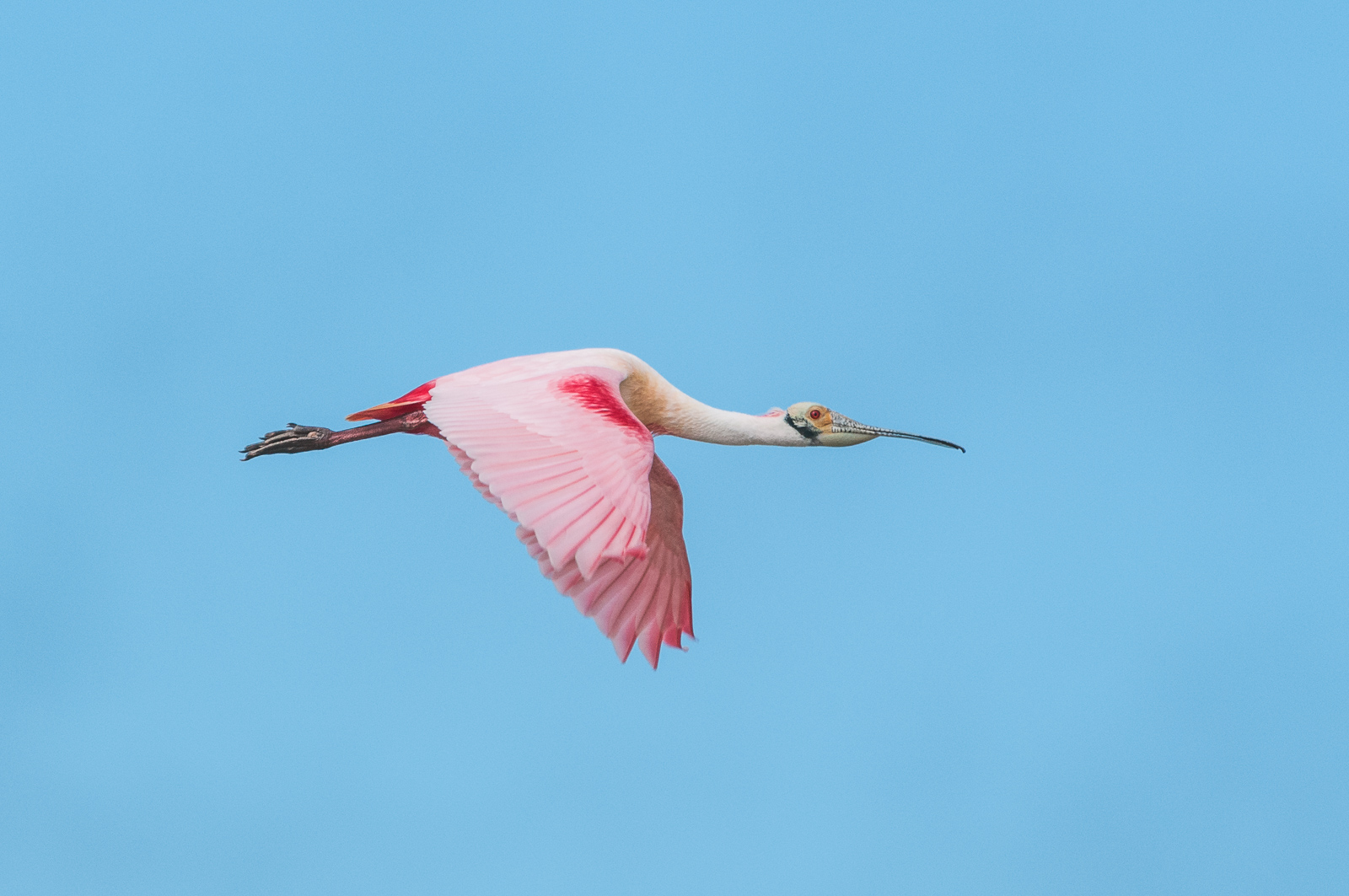
Roseate spoonbills range east of the Andes in South America and on up through the Caribbean, Central America, Mexico and as far north as the gulf coast of the United States. I’ve photographed them in Texas, Louisiana and in this case, Florida. Much like flamingos, they get their color from the foods they eat — crustaceans and other aquatic invertebrates that contain carotenoids that turn their feathers pink. Nikon D300 with Nikkor 200-400mm lens (with 1.4x teleconverter for 550mm) ISO 400, f/8 at 1/1250th of a second.
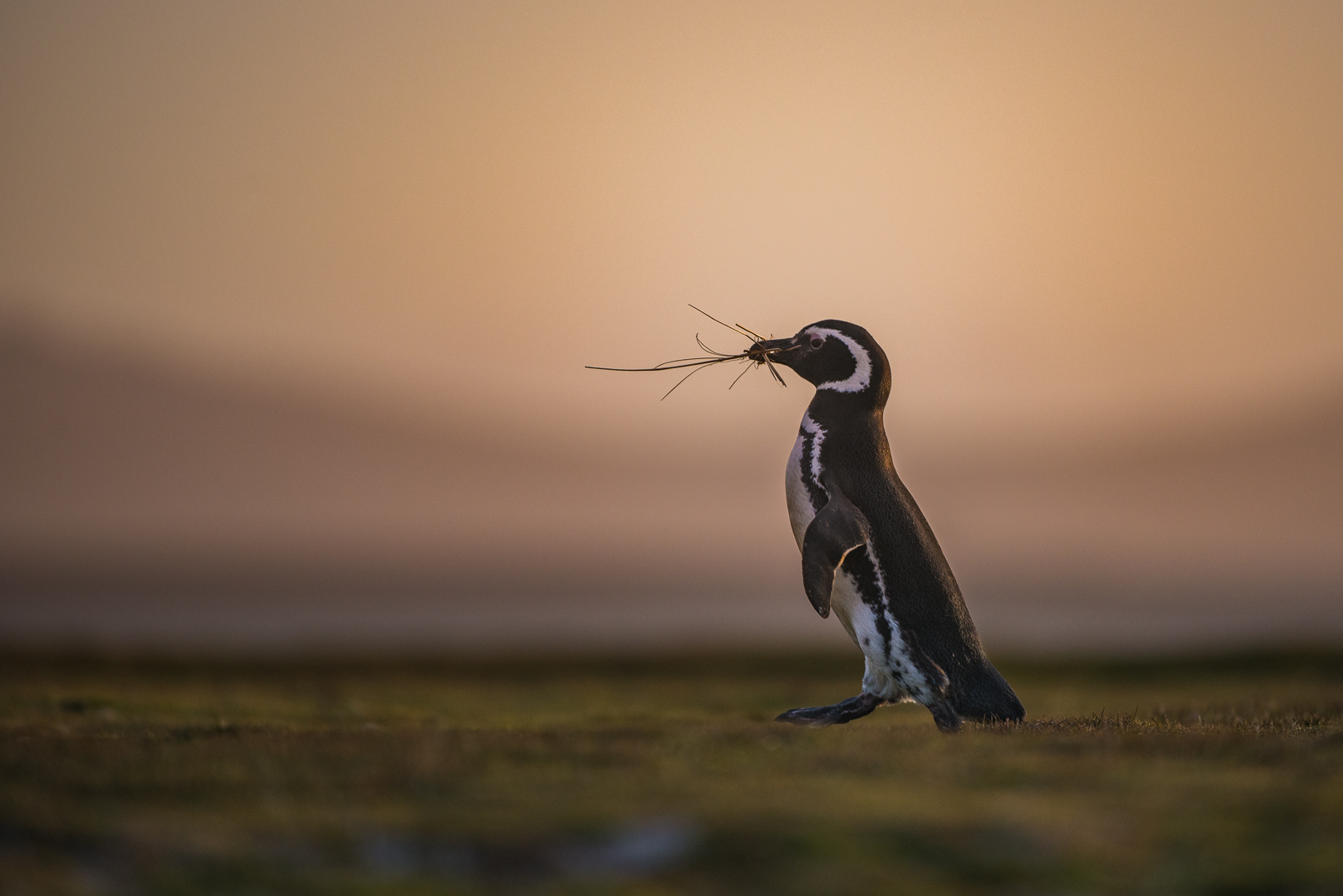
Of the five species of penguin I photographed in the Falkland Islands, the Magellanic is the only one that digs burrows in the ground. This Magellanic penguin was working on lining that burrow with twigs and straw. Photographed early morning at Volunteer Point. Nikon D800 with Nikkor 200-400mm lens (at 400mm) ISO 800, f/4 at 1/1600th of a second.
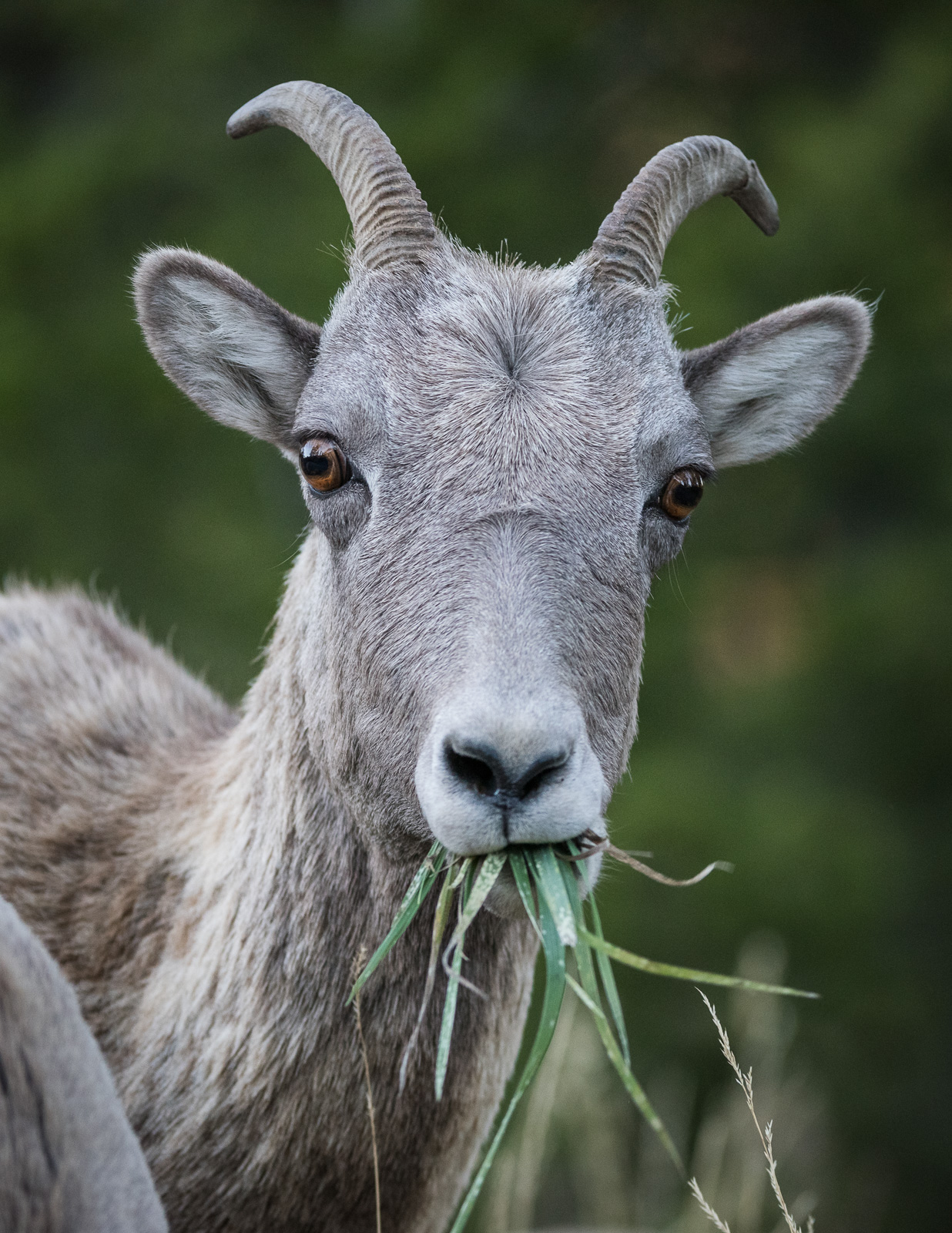
A bighorn ewe munches on some grass in Yellowstone National Park in Wyoming. Like the rams, female bighorn also have horns, but nothing like the size and shape of their male counterparts. Nikon D810 with Nikkor 200-400mm lens (at 200mm) ISO 2000, f/4 at 1/400th of a second.
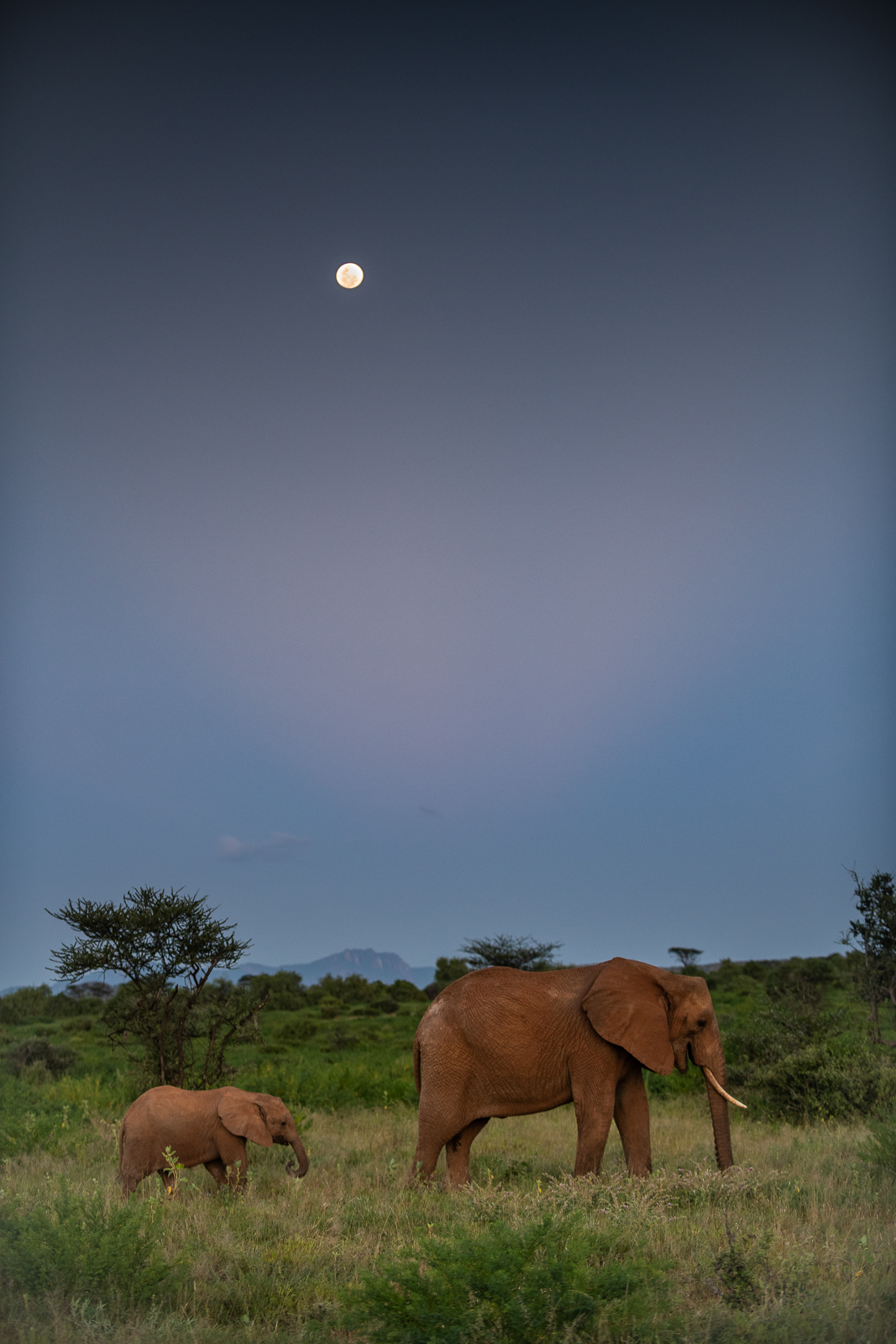
A mother African bush elephant leads her calf on a foraging mission under a full moon in Samburu National Reserve, Kenya. Nikon D850 with Nikkor 70-200mm lens (at 70mm) ISO 800, f/4 at 1/200th of a second, 3 stop graduated neutral density filter.
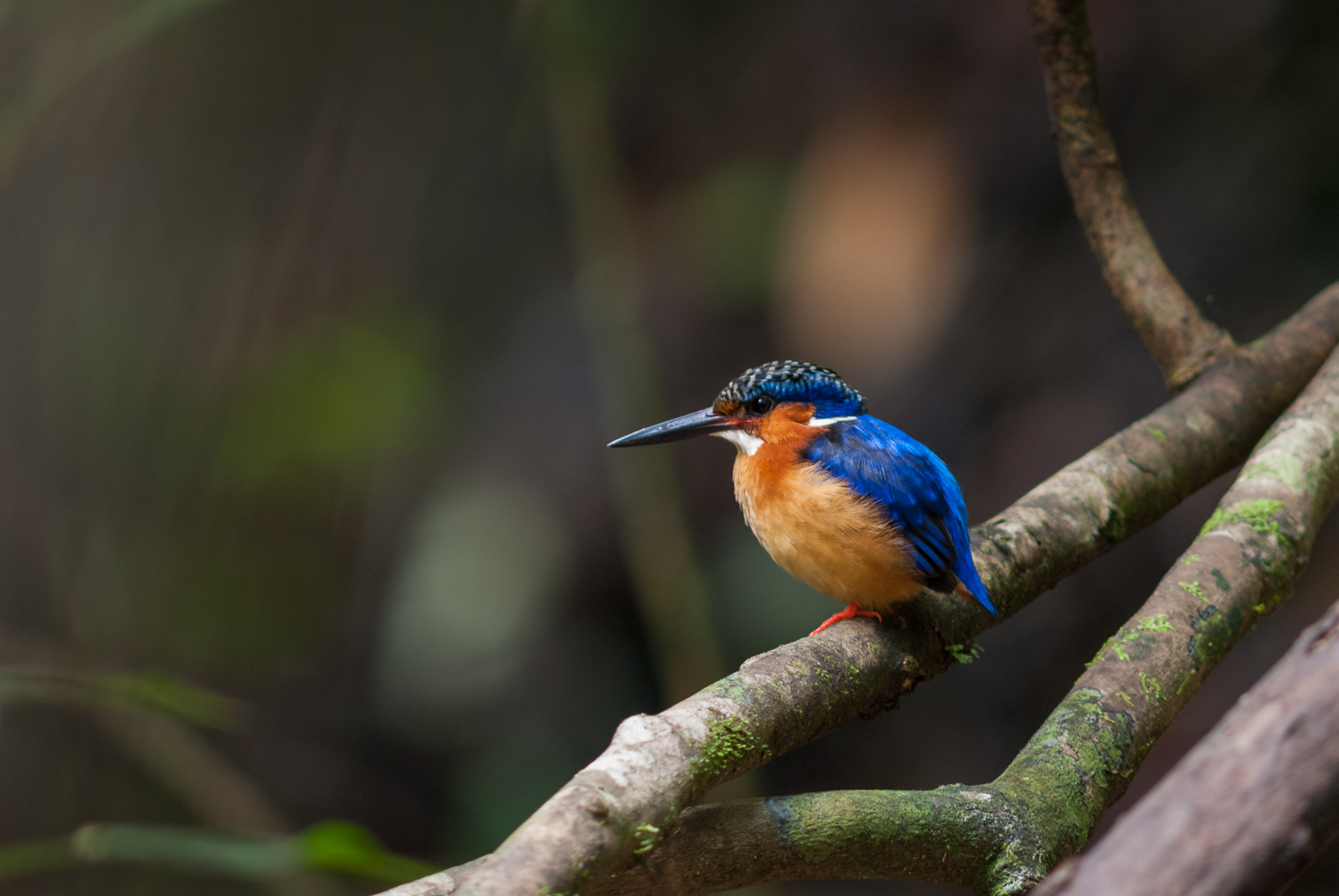
The Malagasy kingfisher is a colorful little bird that I saw in a few different locations on my Madagascar trip years ago. They are relatively small as far as kingfishers go. This one was spotted on the island of Nosy Mangabe which is off the east coast of Madagascar. Nikon D200 with Nikkor 600mm f/5.6 manual focus lens, ISO 400, f/5.6 at 1/4th of a second.
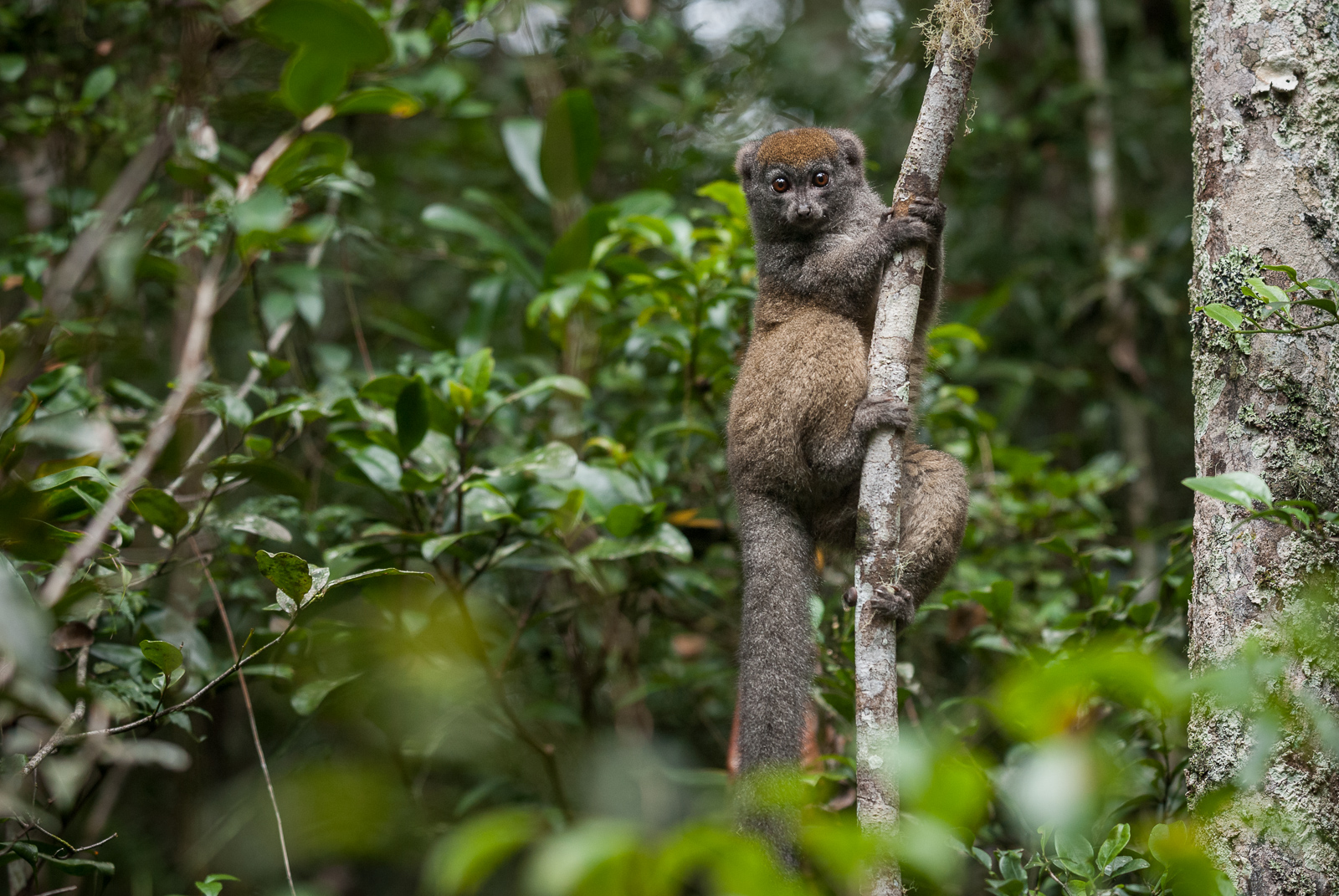
As the name suggests, these guys eat a lot of bamboo. They are a smallish and highly athletic lemur. I photographed this one in Andasibe-Mantadia National Park in Madagascar. Nikon D200 with Nikkor 80-200mm lens (at 120mm) ISO 400, f/2.8 at 1/125th of a second.
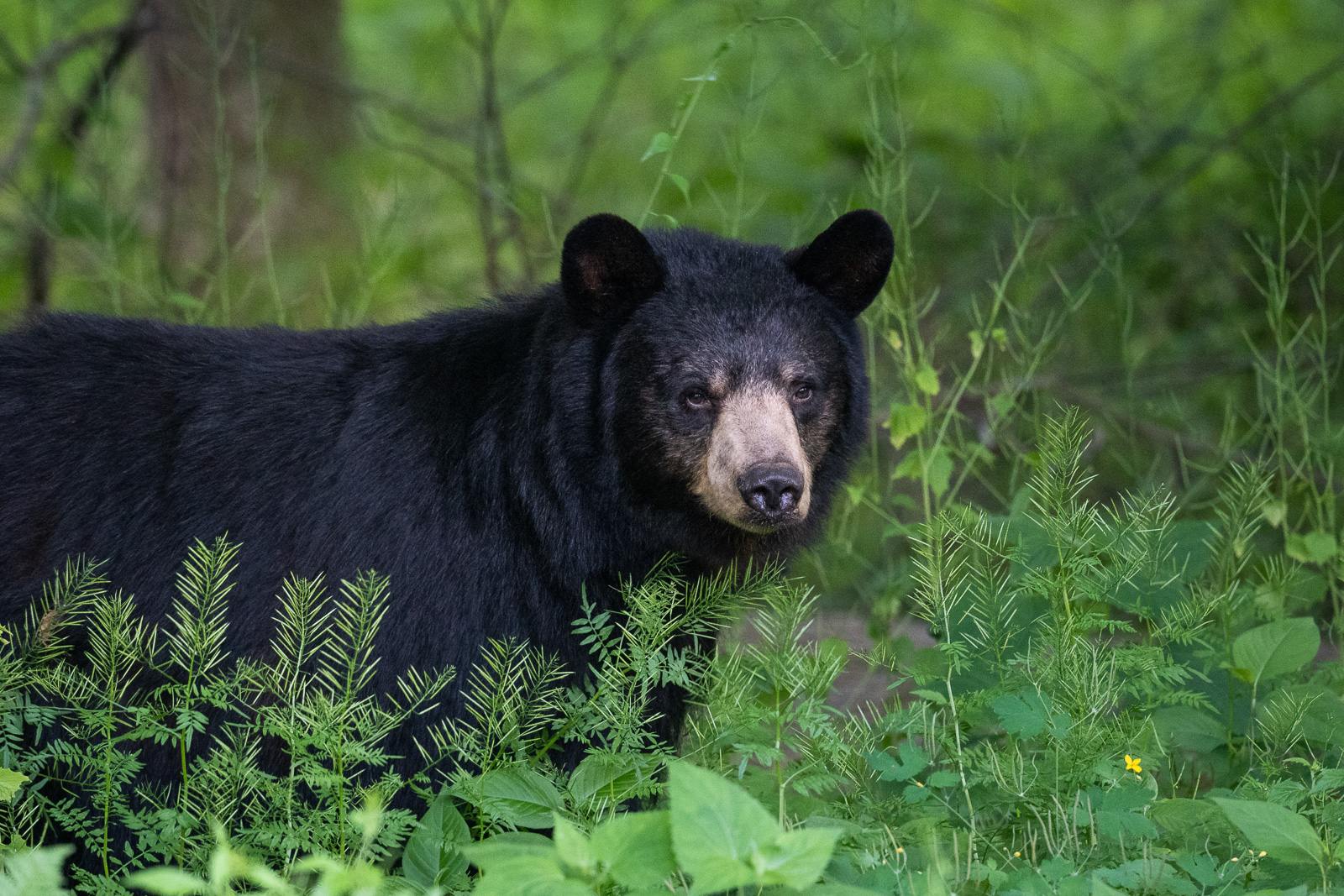
This is a perfectly fine, but rather ordinary shot of a bear. But what I really like about it is that it was taken in my side yard on Friday. We also had three other bear sightings in the yard that day. And at least one sighting a week over the last month or so. True, our house sits on five acres and the neighborhood is fairly wooded, but we also happen to be only fifteen minutes to the state capitol in downtown Hartford. Being quarantined here at home isn’t so bad after all. Nikon D500 with Nikkor 500mm pf lens, ISO 3200, f/5.6 at 1/125th of a second.
We use cookies to enhance your experience while using our website. If you are using our Services via a browser you can restrict, block or remove cookies through your web browser settings. We also use content and scripts from third parties that may use tracking technologies. You can selectively provide your consent below to allow such third party embeds. For complete information about the cookies we use, data we collect and how we process them, please check our Privacy Policy