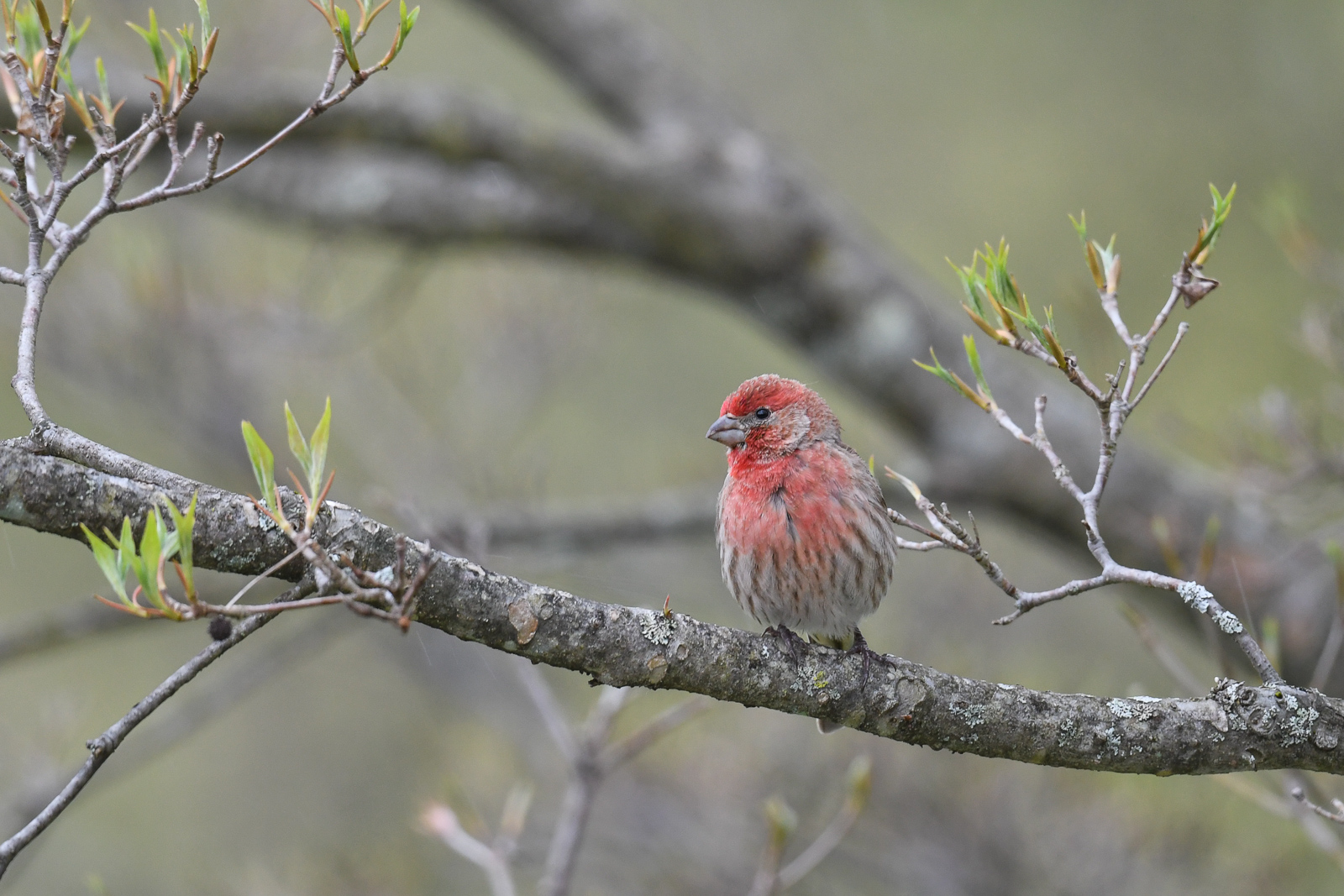
Here’s another one captured the other day in my yard. This is a male house finch. A mated pair have been hanging around our garage. I’m assuming their nest is somewhere nearby. They look like normal brown sparrows until viewing them through my long lens. The female, however, doesn’t have the red. I want to hang feeders to draw in more of the birds I see flying around, but it’s not recommended with all the bear activity. Two days ago, we had a large male walk up the driveway, past our front door and then into the back yard where he stood a few times as if about to climb a tree. Unfortunately, I didn’t have my camera in hand. Until next time. Nikon D500 with Nikkor 500mm f/56 PF lens, ISO 800, f/5.6 at 1/200th of a second.
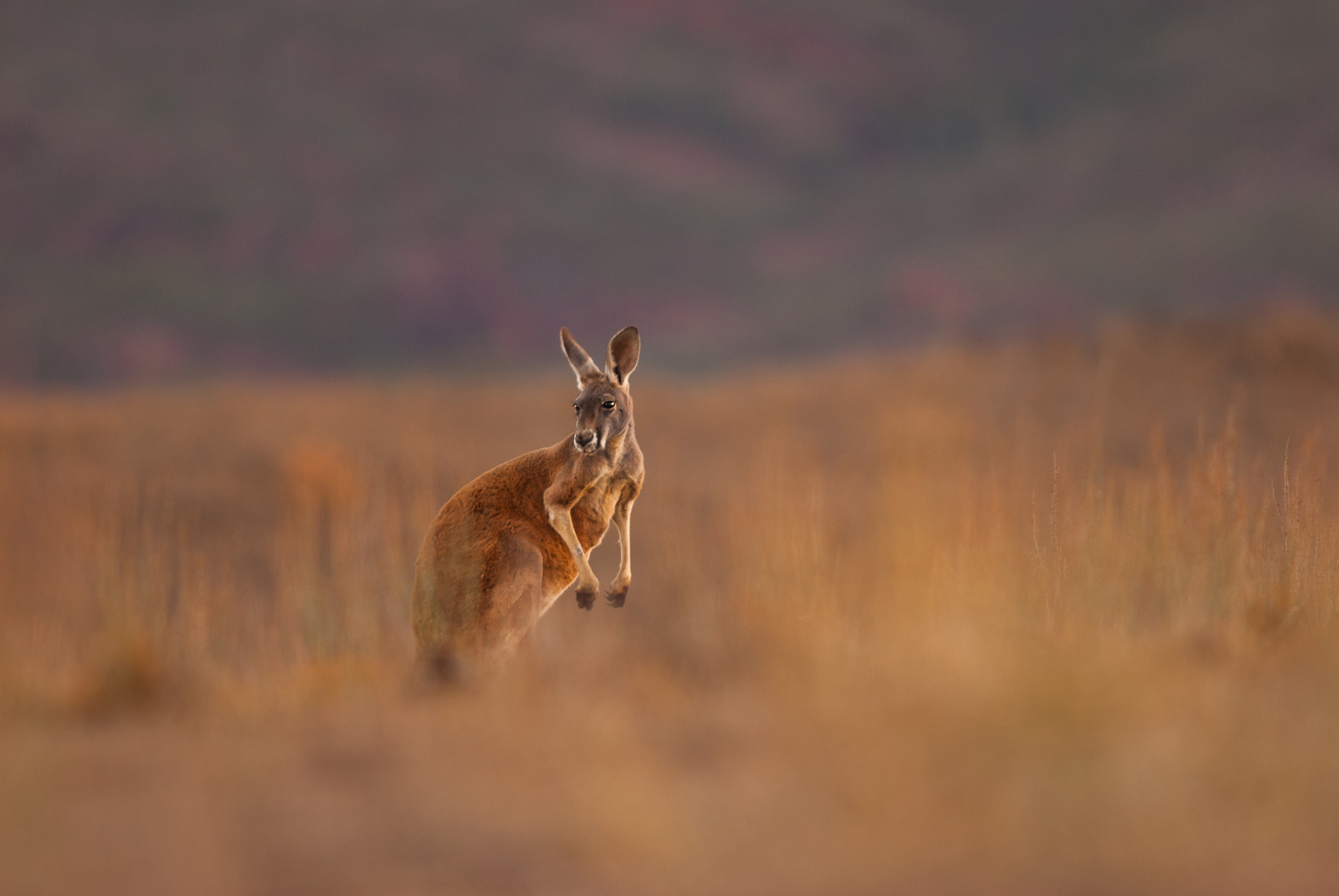
This one goes back quite a ways to when my main big lens was a manual focus 600mm f/5.6. I picked it up used at a bargain price and it enabled me to capture images that previously wouldn’t have been possible. I always loved the narrow depth of field and smooth bokeh. A perfect combo for late afternoon in Flinders Ranges National Park in South Australia. Without auto focus, action shots back then were always a challenge, but the quality of the glass produced lots of great portraits like this red kangaroo. Nikon D200 with Nikkor 600mm f/5.6 manual focus lens, ISO 200, f/5.6 at 1/40th of a second.
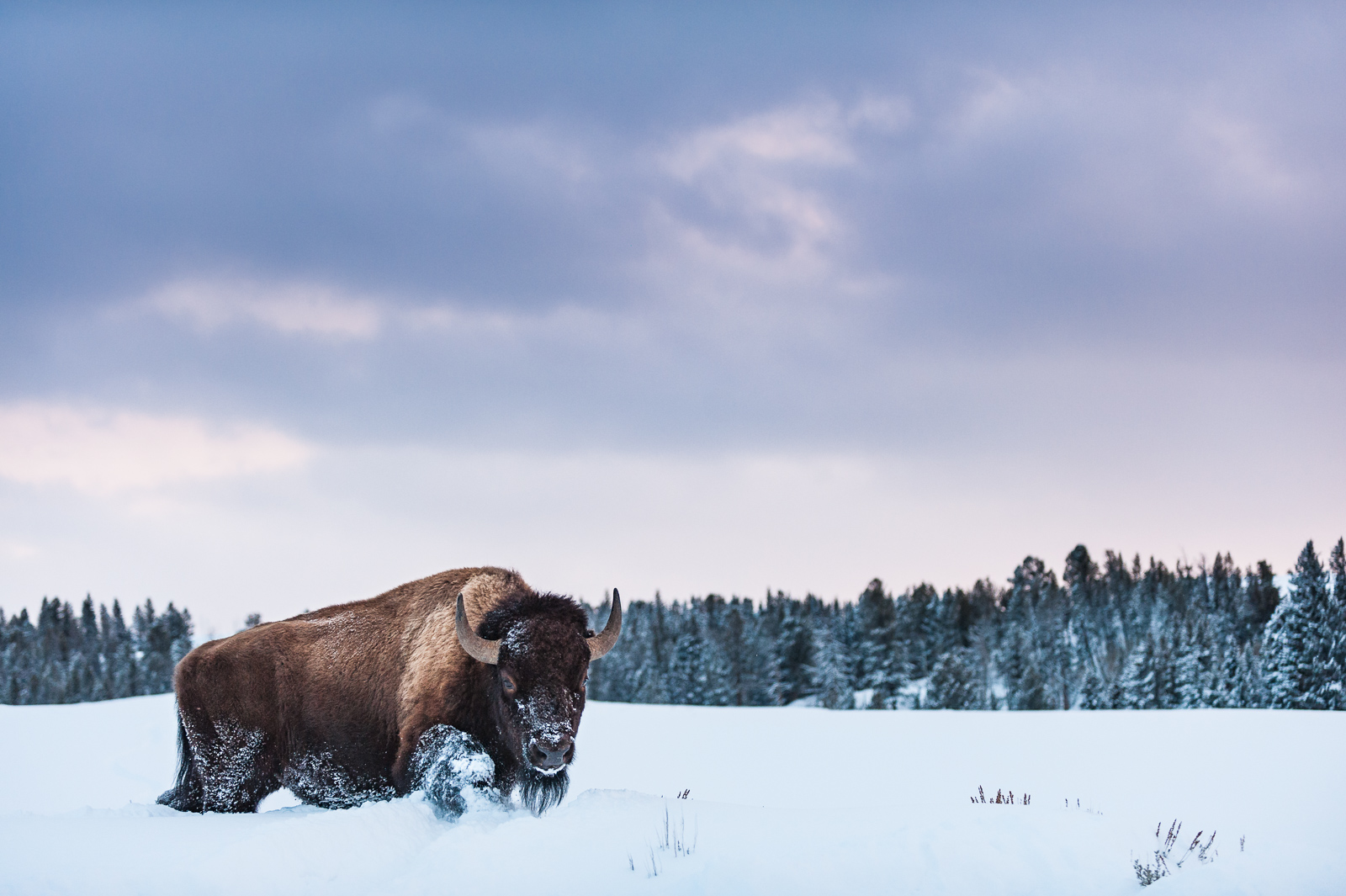
The sky was starting to take on a bit of late-day color as I caught this bison trudging through the snow in Yellowstone. Nikon D700 with Nikkor 70-200mm lens (at 70mm) ISO 800, f/2.8 at 1/250th of a second.
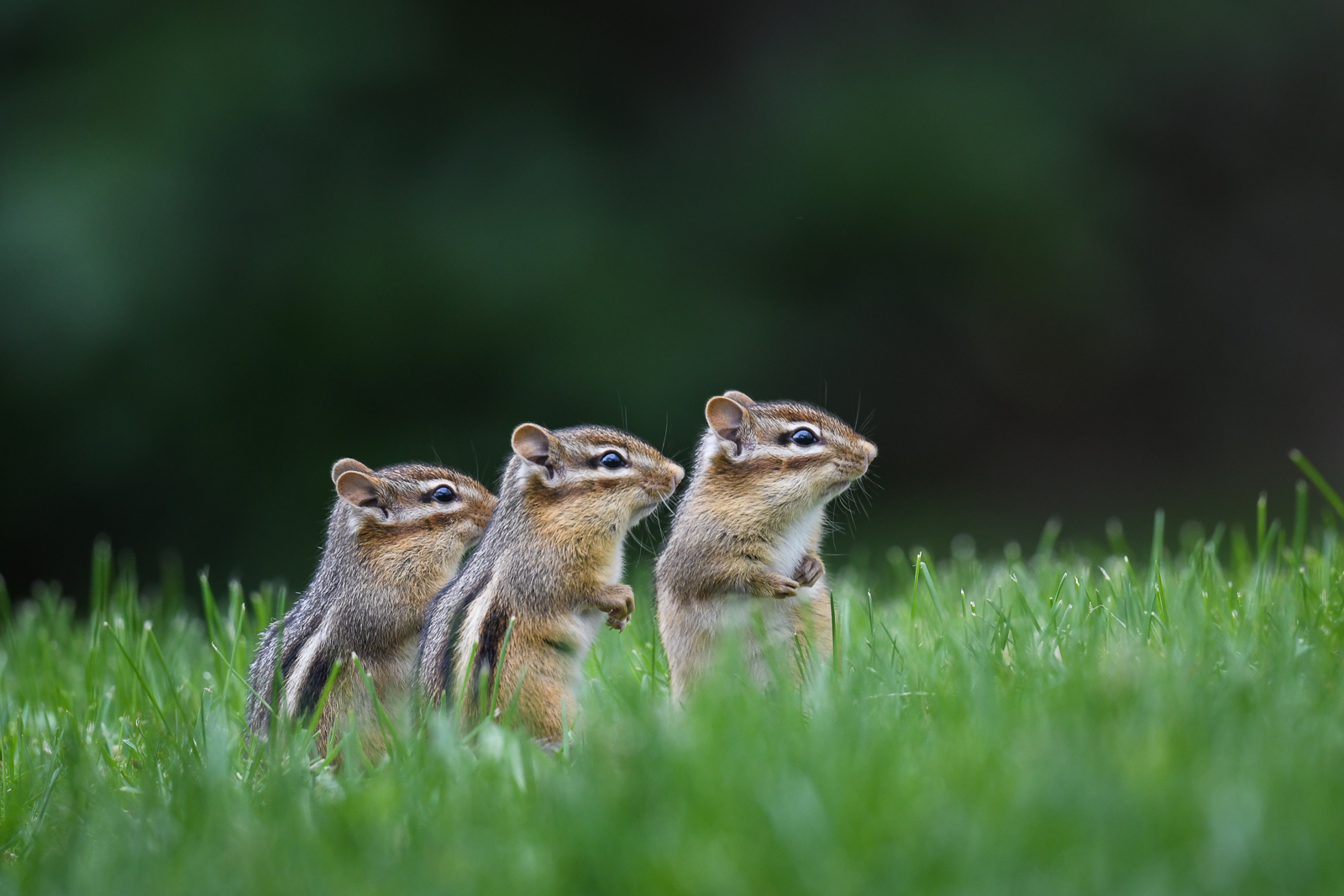
I may not be able to get on a plane and go back to Africa or Asia or anywhere else on the planet anytime soon, but there’s plenty of wildlife worth appreciating a bit closer to home. Chipmunks dig up our yards, destroy mortar in our stone walls and cause all other manner of havoc around the yard. But we still love having them around. These three babies have been making a daily appearance in our backyard. Nikon D500 with Nikkor 500mm f/5.6 PF lens, ISO 800, f/5.6 at 1/500th of a second.
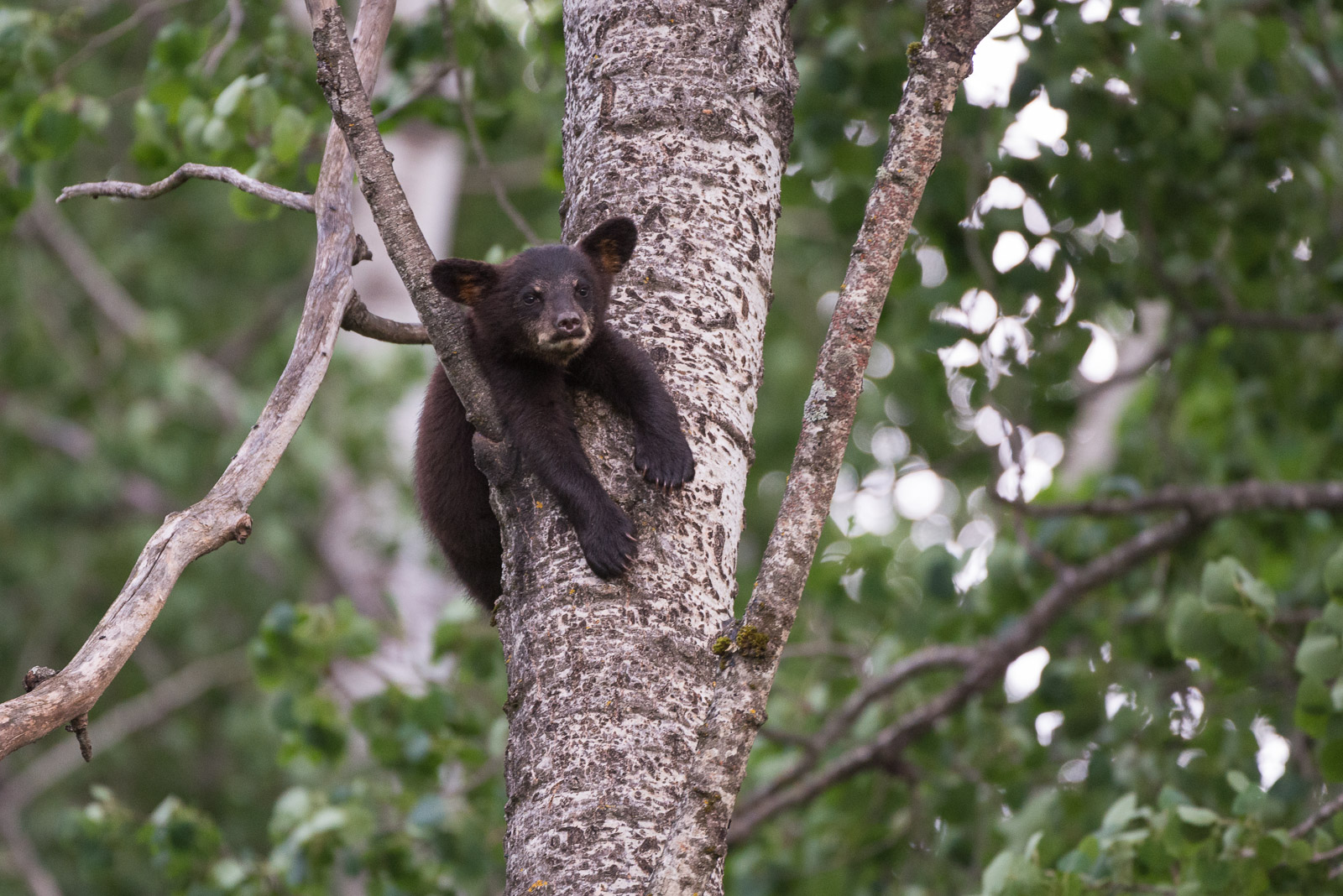
Looks like a perfectly fine place to relax to me. This black bear cub was one of several siblings perched safely in the trees while Mom foraged below. Photographed in northern Minnesota. Nikon D800 with Nikkor 200-400mm lens (at 400mm) ISO 1600, f/4 at 1/160th of a second.
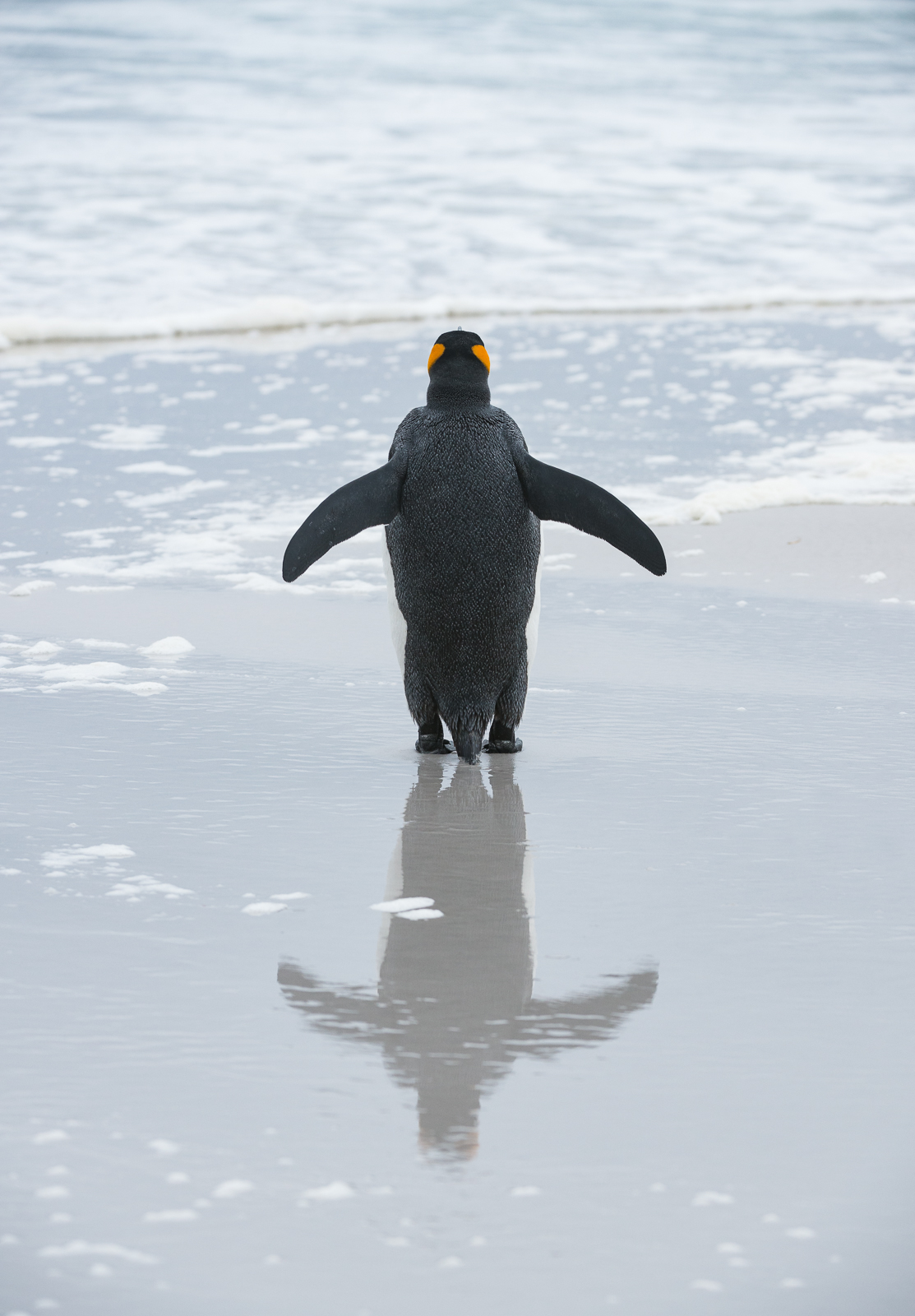
Nothing about a king penguin’s entrance into the water is expeditious. They’ll go to the water’s edge, retreat, go back again, contemplate any danger that may lurk unseen, retreat again, do a little dance, stretch, retreat again, and then finally, maybe, make the plunge and get down to the business of catching fish. This guy appeared to be throwing a few back stretches into the routine, limbering up for the adventure ahead. Photographed at Volunteer Point in the Falkland Islands. Nikon D800 with Nikkor 200-400mm lens (at 200mm) ISO 800, f/5.6 at 1/640th of a second.
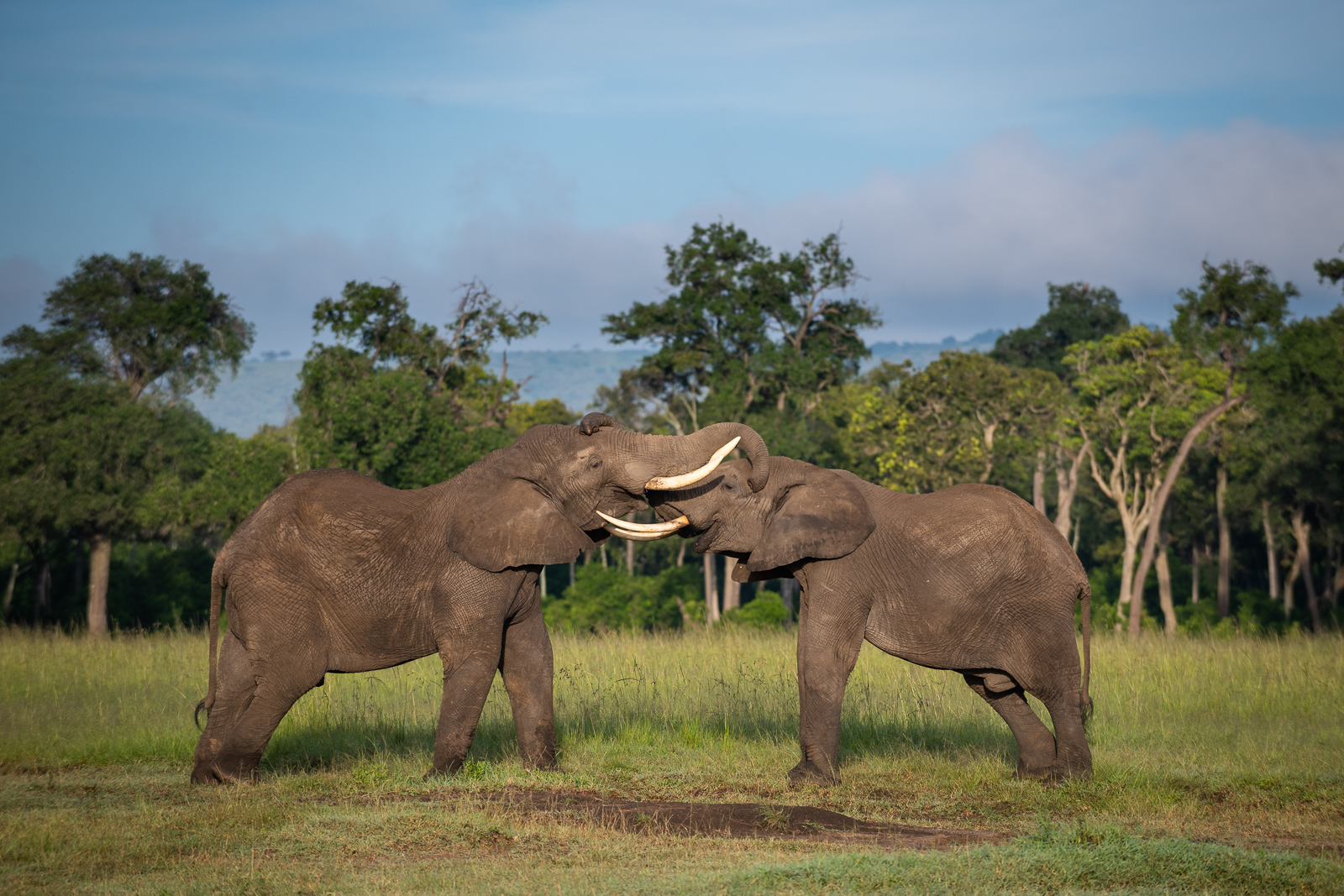
These two African bush elephants were challenging each other for dominance over the herd. The challenge was half-hearted and didn’t get very aggressive. The smaller guy on the right seemed to know that he had no chance against the bigger bull. Photographed in the Maasai Mara of Kenya. Nikon D850 with Nikkor 70-200mm lens (at 200mm) ISO 400, f/5.6 at 1/1600th of a second.
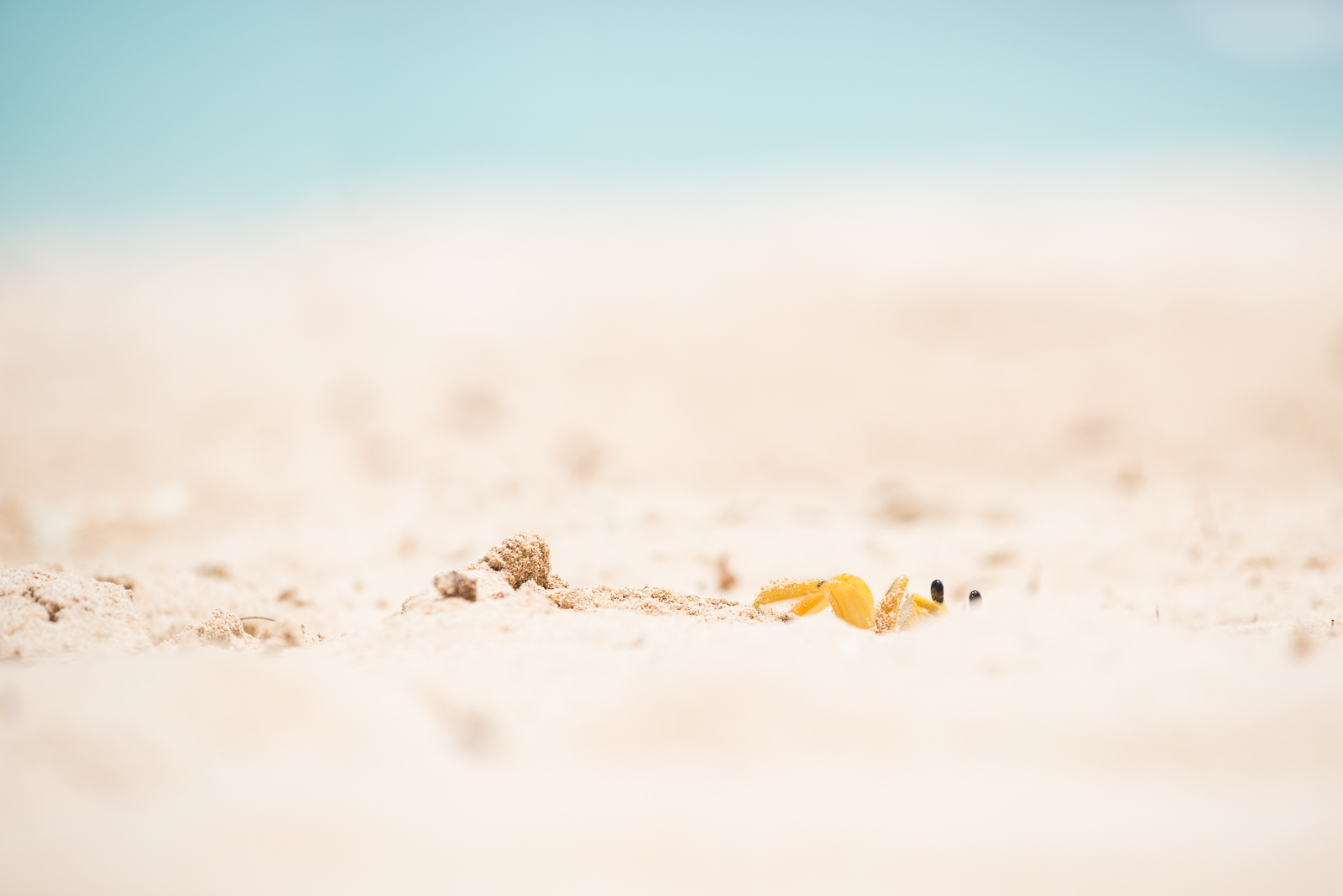
A couple of years ago in Barbados, I promised my wife that I would take a break from searching for wildlife and simply relax on the beach. As luck would have it, the wildlife came to me. I had a lot of fun watching these Atlantic ghost crabs as they dug their burrows in the sand. Nikon D800 with Nikkor 70-200mm lens (at 200mm) ISO 200, f/5 at 1/1600th of a second.
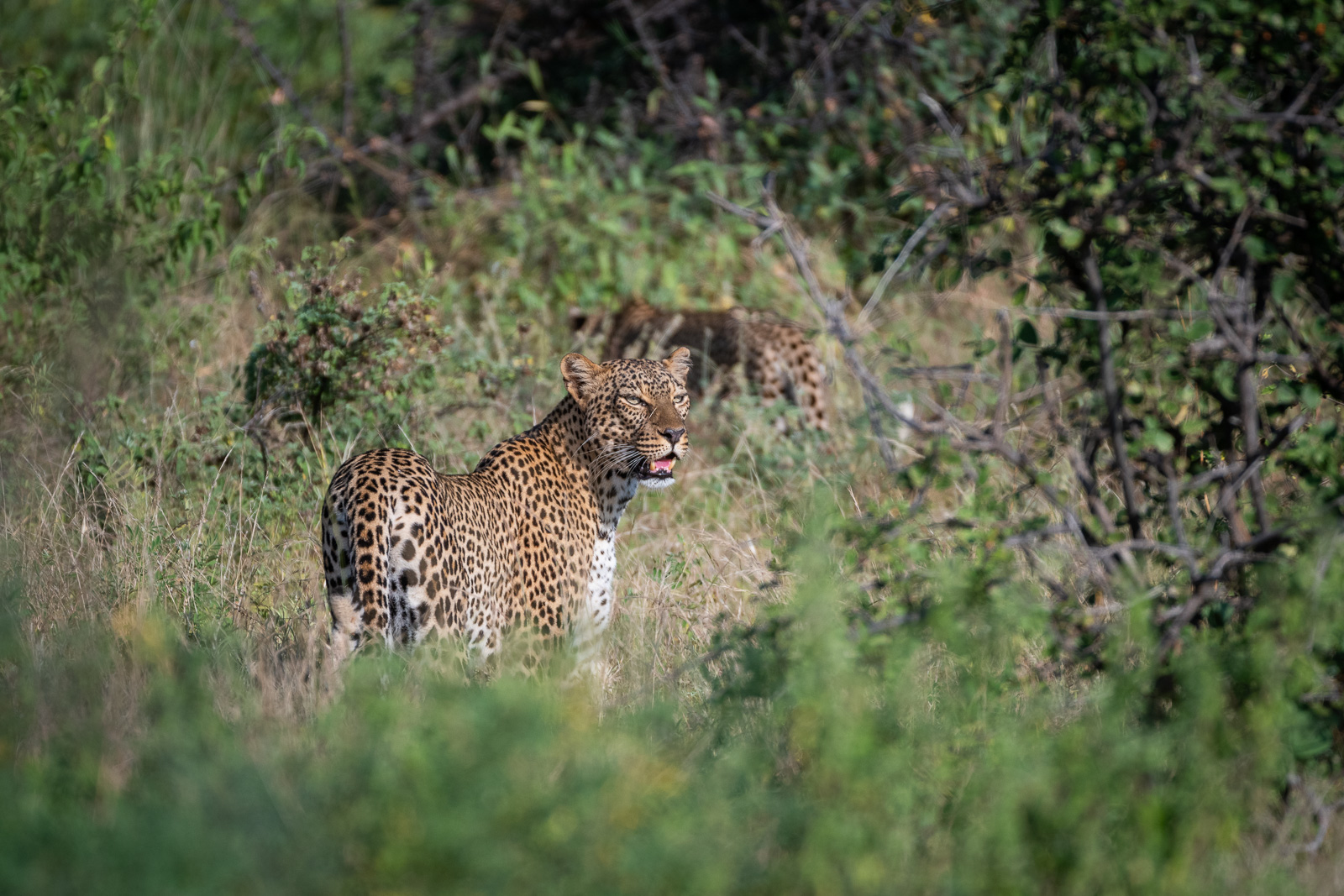
Apparently yesterday was International Leopard Day. That said, here’s another leopard from the recent trip to Kenya. This female had two grown cubs. You can see one of the cubs crossing in the background as she stands guard. Photographed in Samburu National Reserve. Nikon D500 with Nikkor 200-400mm lens (at 400mm) ISO 400, f/4 at 1/3200th of a second.
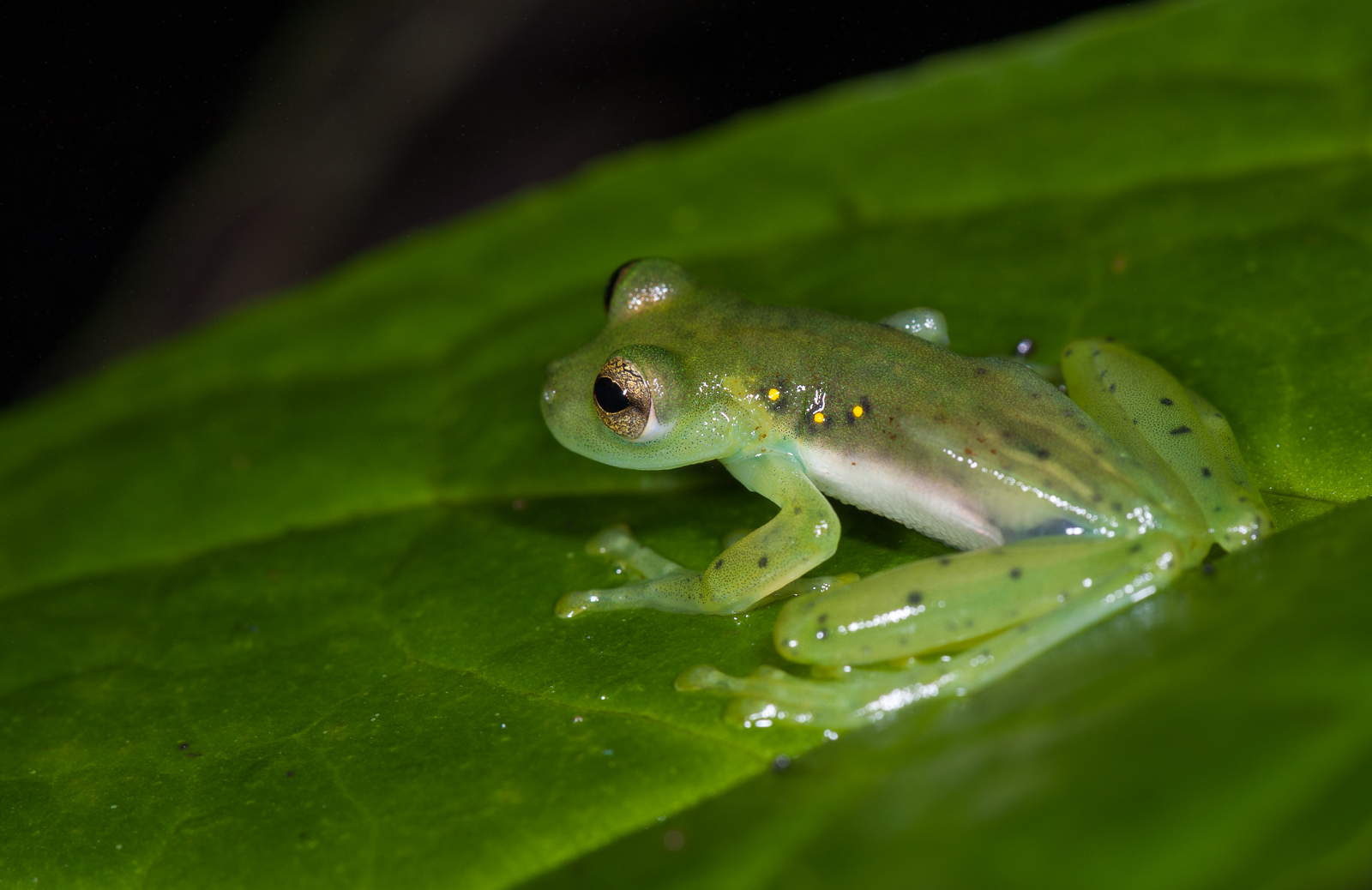
There’s a saying that you can gauge the health of an environment by the health of its frogs. And there’s a sad truth to it. When frogs start to die off in a particular area, more often than not it can be traced back to toxicity in that environment. One of the reasons frogs are so susceptible is because they breath through their skin. Any imbalance in the air can be lethal. Unfortunately, frog species worldwide have been declining in numbers in recent decades. Frogs are a particular favorite of mine, and I always get excited for nocturnal walks in tropical environments to search for these colorful little prophets of the night. This is one of the many species of glass frog that can be found in healthy parts of Central and South America. If photographed from underneath, you’d be able to see the internal organs through that delicate air-breathing skin. Photographed in the mountainous cloud forest of Ecuador. Nikon D700 with Nikkor 105mm macro lens, ISO 200, f/14 at 1/60th of a second, two Nikon SB-900 flash units.
We use cookies to enhance your experience while using our website. If you are using our Services via a browser you can restrict, block or remove cookies through your web browser settings. We also use content and scripts from third parties that may use tracking technologies. You can selectively provide your consent below to allow such third party embeds. For complete information about the cookies we use, data we collect and how we process them, please check our Privacy Policy