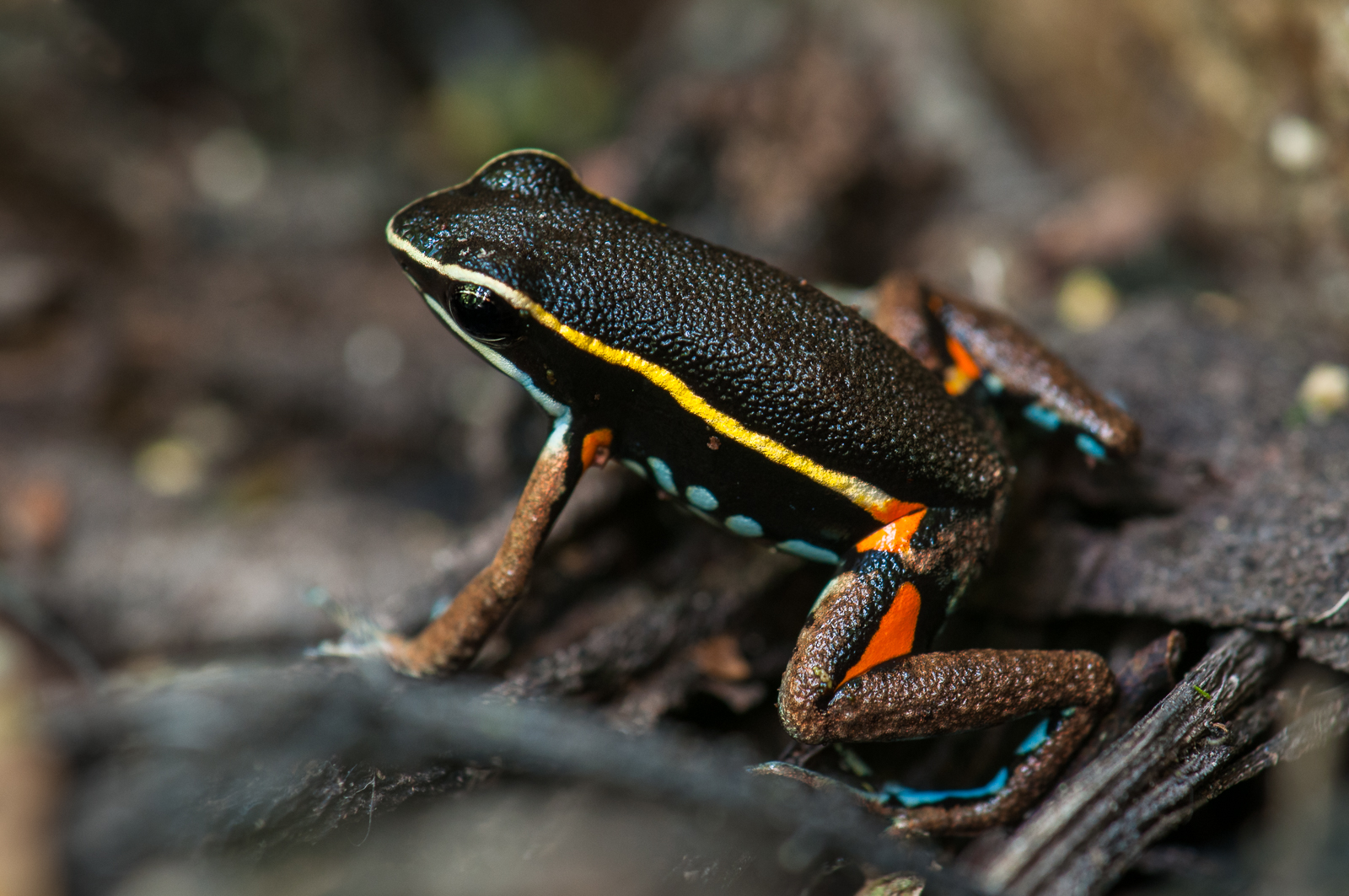
This is a very small frog. Probably not much more than an inch in length. I photographed it several years back on a trip to the Bolivian Amazon. Back then, I didn’t have my macro lens yet and was using a screw on macro filter on the end of my 70-200mm lens — a pretty good low cost, low weight solution to get decent close ups of small things. Nikon D300 with Nikkor 70-200mm lens (at 180mm) with Canon 500D macro filter, ISO 200, f/6.3 at 1/4th of a second
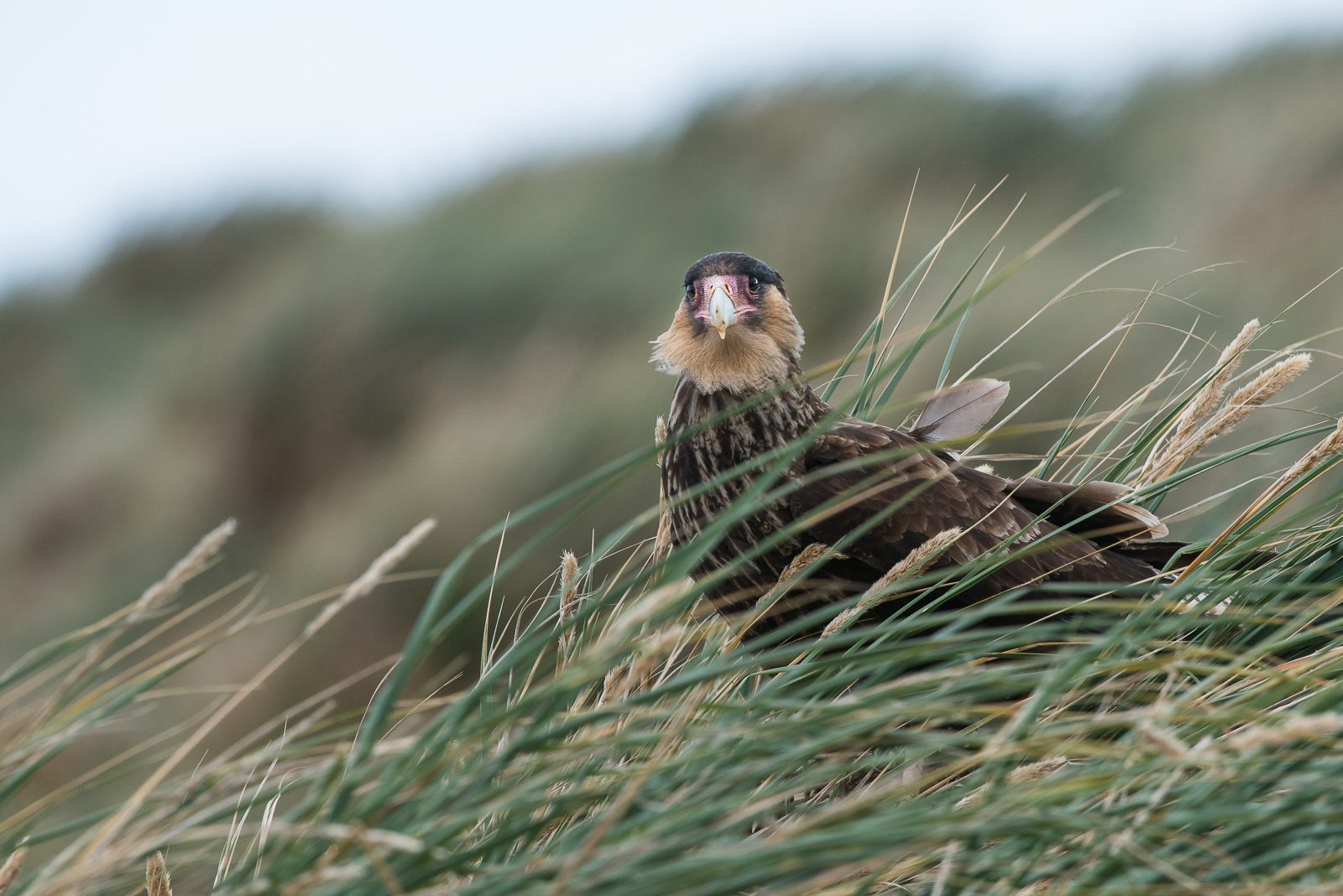
There are quite a few species of caracara. They are all birds of prey and mostly live in Central and South America (they also reach the southern US). I’ve seen the northern crested caracara quite a few times in Texas and Florida. This is the southern crested caracara, also simply called the southern caracara. I was on Carcass Island in the Falkland Islands photographing elephant seals when this guy turned my way. Nikon D800 with Nikkor 200-400mm lens (at 400mm) ISO 400, f/6.3 at 1/640th of a second
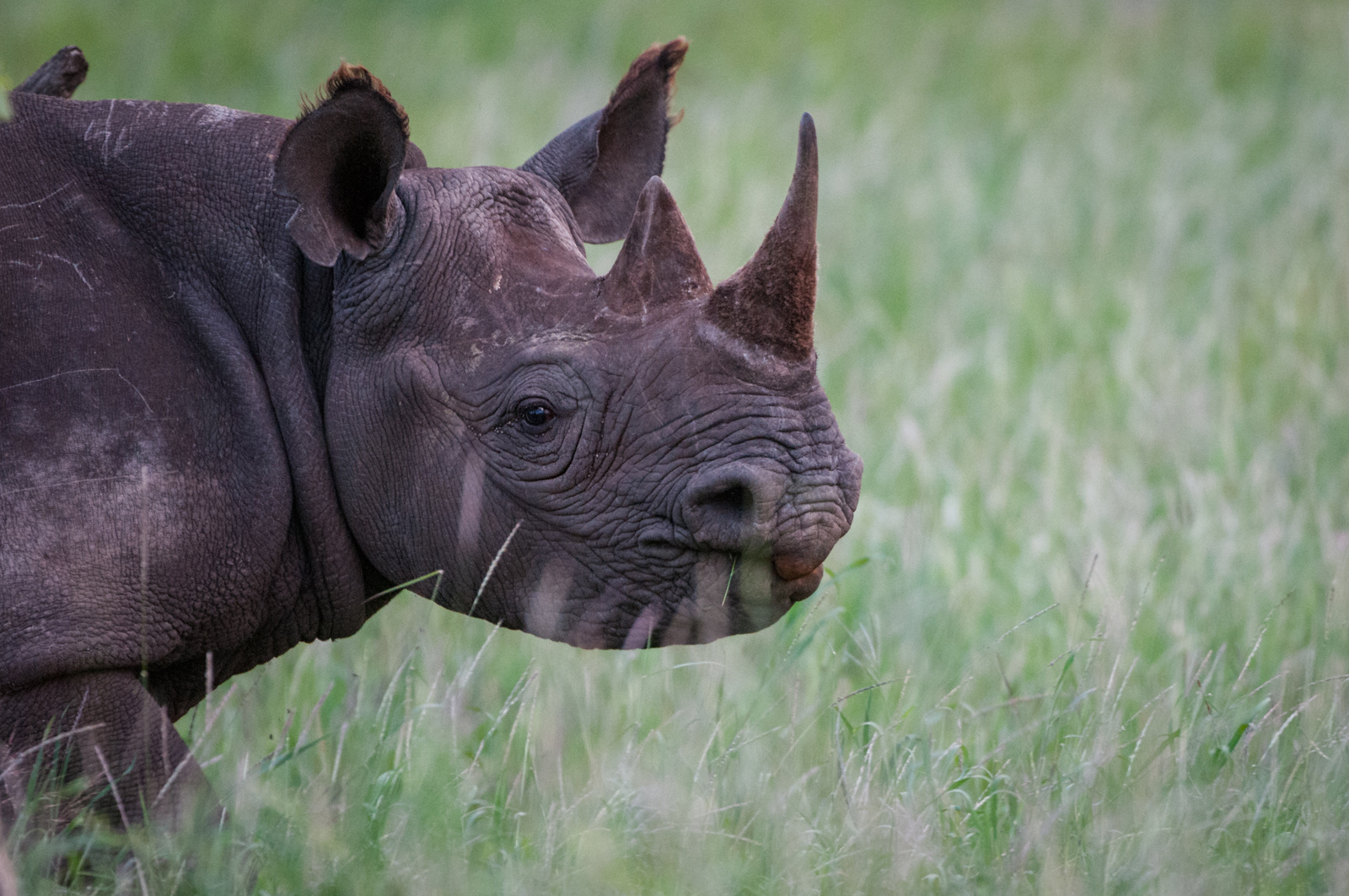
Last month, I posted a white rhino. This is the more rare and endangered black rhino (not that the white rhino isn’t in trouble as well). But the black rhino is currently listed as “Critically Endangered.” I saw this one at the Lewa Wildlife Conservancy in Kenya, which is working hard to save these amazing beasts from extinction by protecting them from poachers and other dangers. Nikon D300 with Nikkor 200-400mm lens (at 400mm) ISO 1600, f/4 at 1/125th of a second
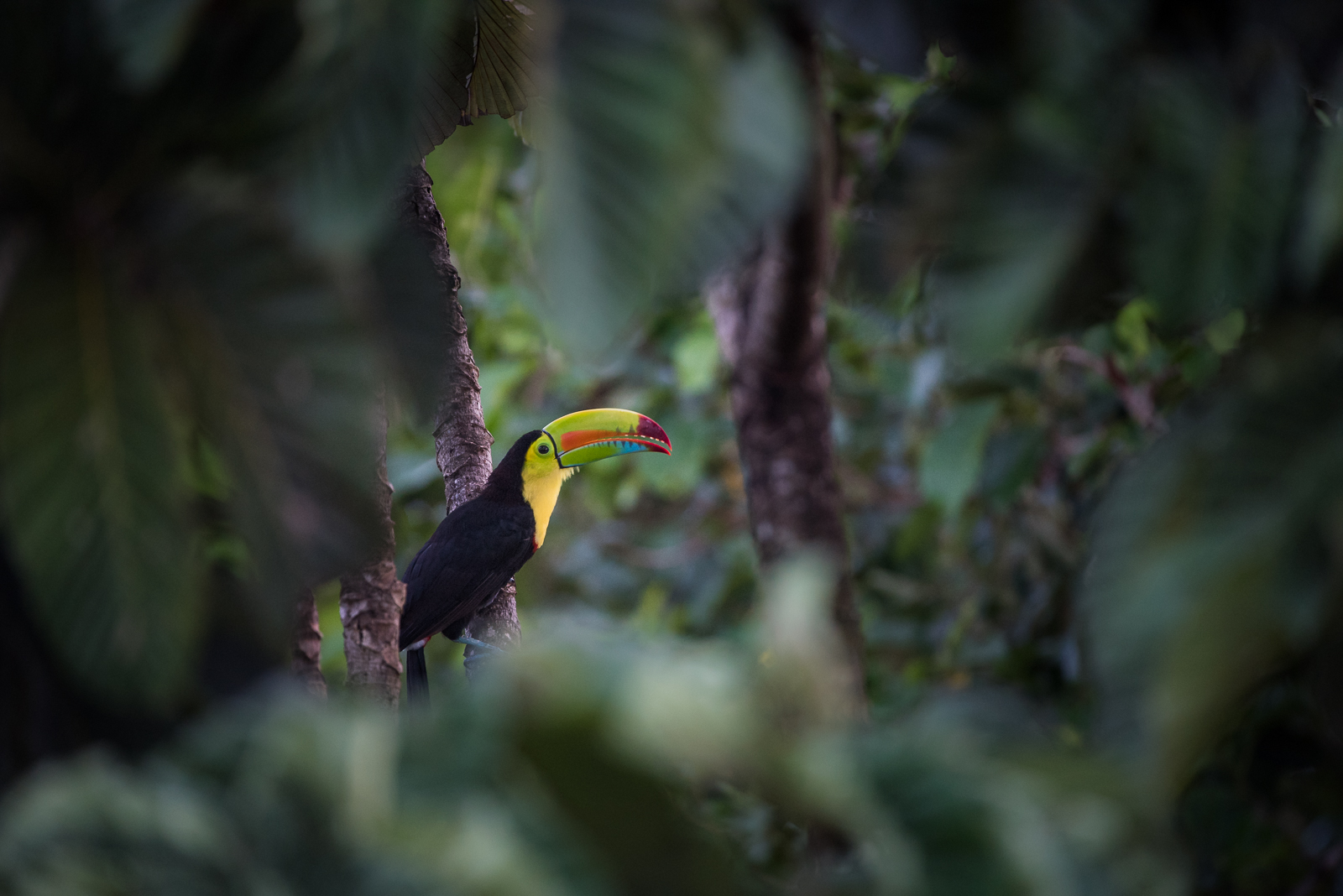
I’ve posted two other keel-billed toucan photos since my Panama trip back in May. But I really do think they’re among the best looking birds in the world. So… here’s another. I spotted this guy through a small opening in the cecropia trees while on the rooftop of the Canopy Tower. The Canopy Tower lodge was once a US military fort, but was converted into an eco lodge. It’s only about an hour from Panama City. The rooftop deck affords visitors an eye level view of the rainforest canopy — the favorite spot for keel-billed toucans and other birds (and many other creatures) to hang out. Nikon D810 with 200-400mm lens (at 400mm) ISO 1600, f/4 at 1/160th of a second
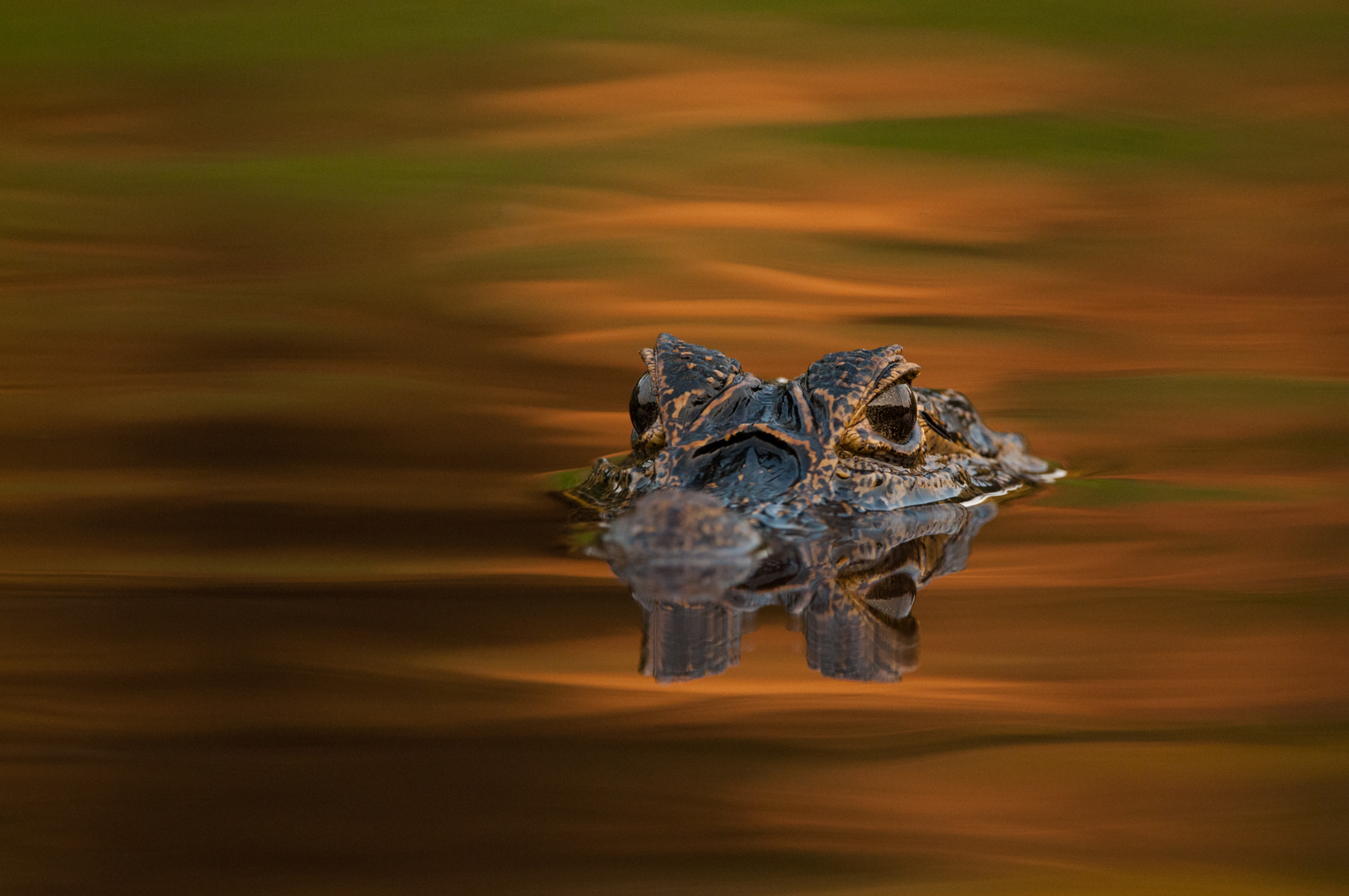
I’ve posted similar photos before of caiman in colorful water. This one really shows off the late day light that was reflecting greens, oranges and golds off the surface of a river in the Pantanal of Brazil. Yacare caiman are a medium sized crocodilian, with males reaching about 8 to 10 feet in length. Not exactly small, but not as big as some of its larger relatives. Nikon D300 with Nikkor 200-400mm lens (at 360mm) ISO 800, f/5 at 1/320th of a second
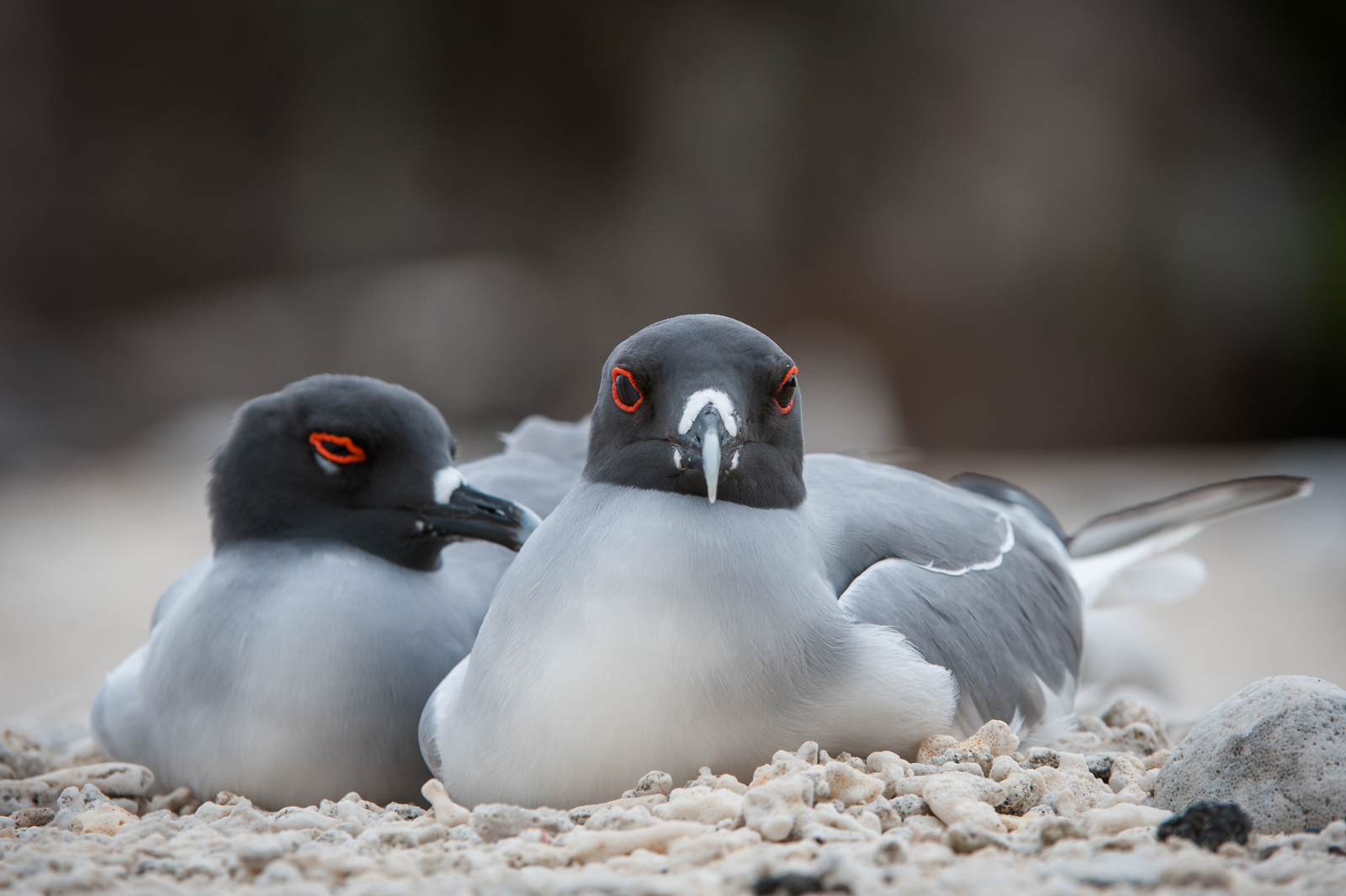
Just a photo of two simple gulls sitting on their coral-y nest. But if I do say, they have spectacular eye rings. And the one looking at camera adds a nice bit of attitude. They are swallow-tailed gulls and they were photographed on Genovesa Island in the Galapagos Islands of Ecuador. Nikon D700 with Nikkor 200-400mm lens (at 300mm) ISO 400, f/6.3 at 1/320th of a second
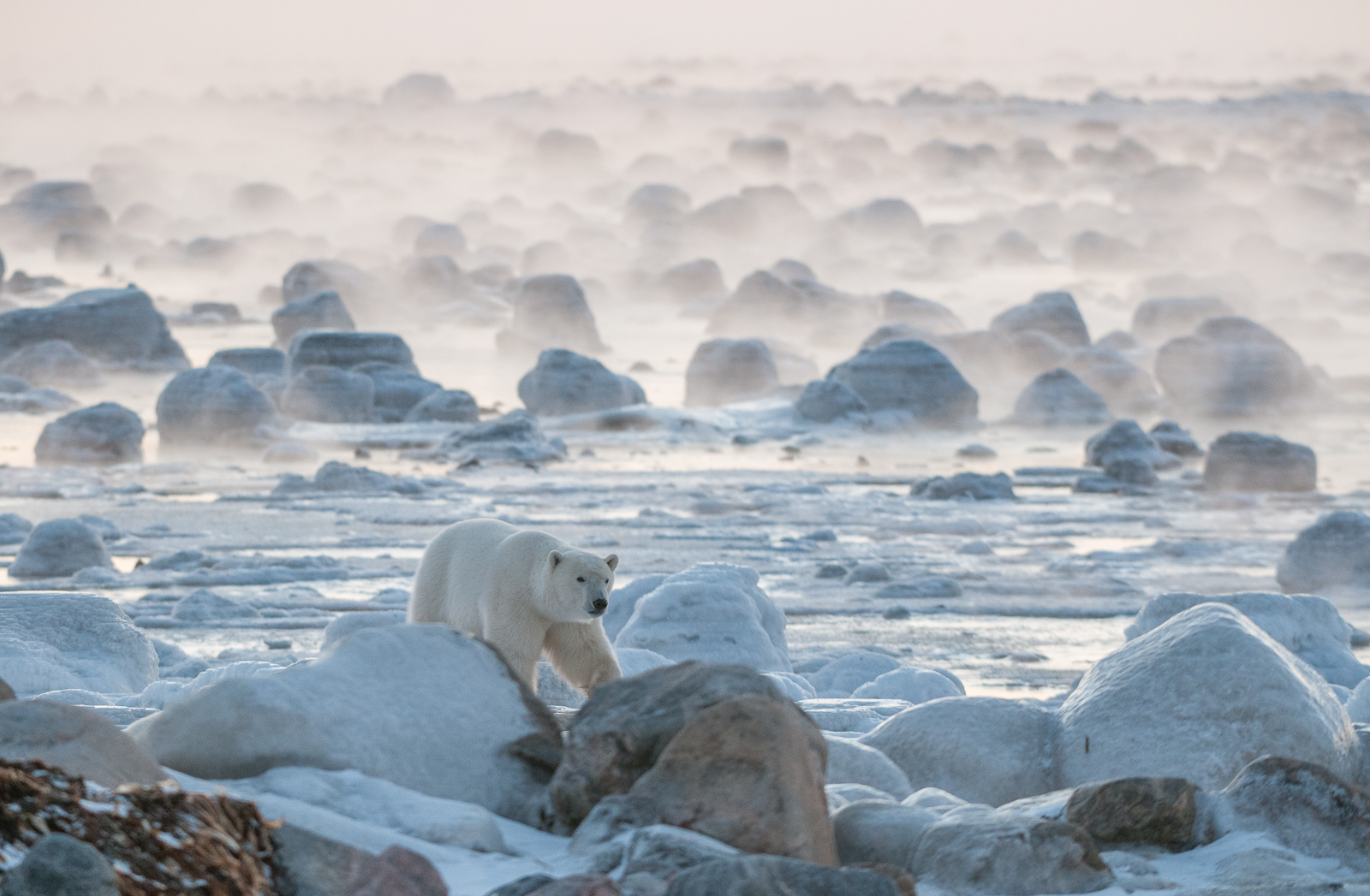
The time to see polar bears in northern Manitoba, Canada is right about now. Between mid October and mid November. That’s when the water freezes on the Hudson Bay and the bears congregate along the shoreline waiting for the ice to be strong enough so that they can go hunt for seals. As the water rises and falls, large boulders of ice form and are left behind. Nikon D300 with Nikkor 200-400mm lens (at 240mm) ISO 800, f/4 at 1/250th of a second
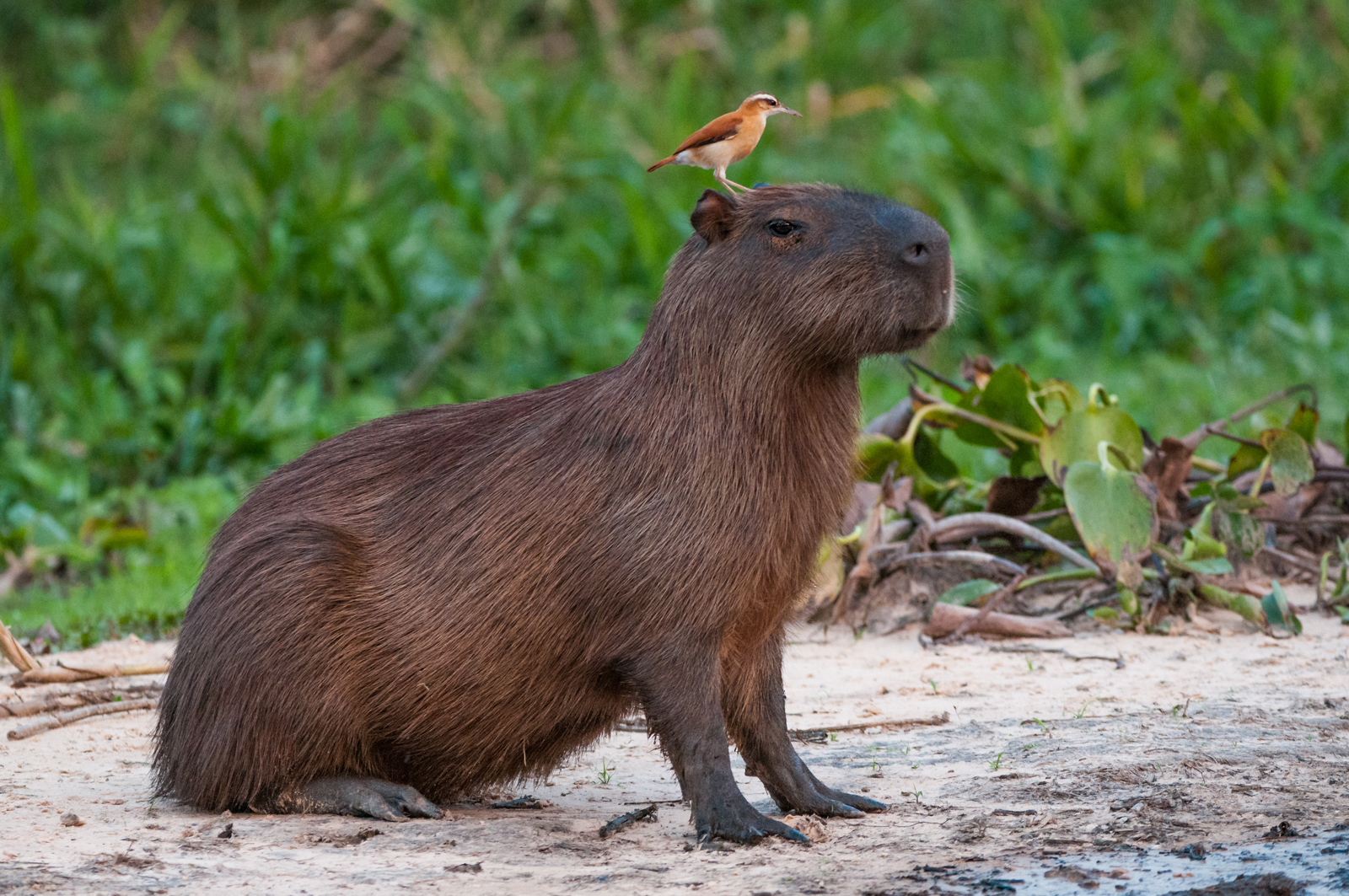
Where there is a capybara, there is usually a bird or two. In this case, it’s a pale legged hornero getting a free ride, as well as a few delicious bugs. The capybara is the world’s largest rodent. They are widespread throughout much of South America, up into southern Central America. I photographed this one in the Pantanal of Brazil. Nikon D300 with Nikkor 200-400mm lens (at 200mm) ISO 800, f/4 at 1/250th of a second
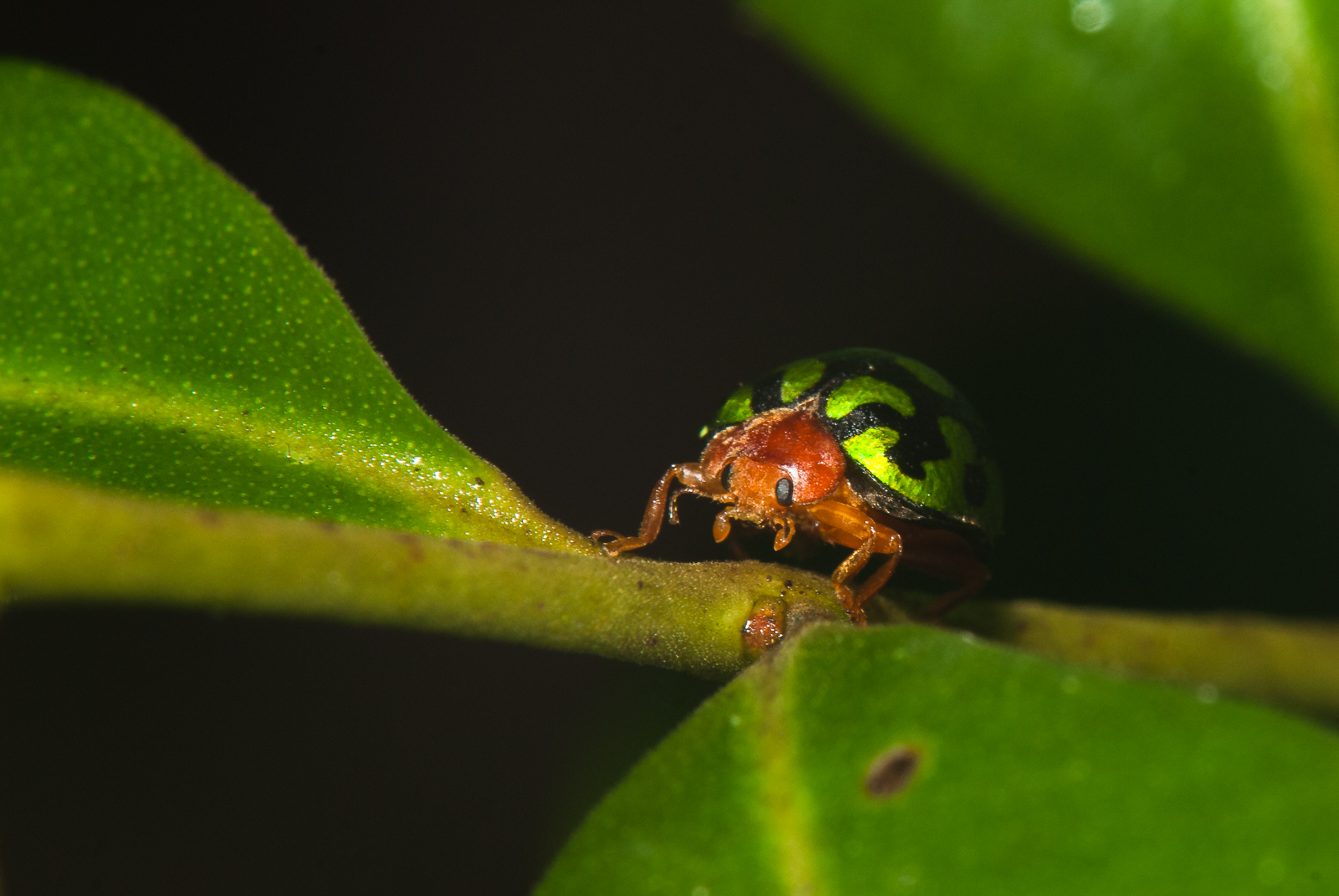
I’m not sure who this guy is, only that he had an awfully nice green and black pattern on his back. We met late one night in a Madagascar rainforest back in 2007. Nikon D200 with Nikkor 80-200mm lens (at 200mm) with Canon 500D close up filter, ISO 100, f/22 at 1/60th of a second, two Nikon SB-600 flash units
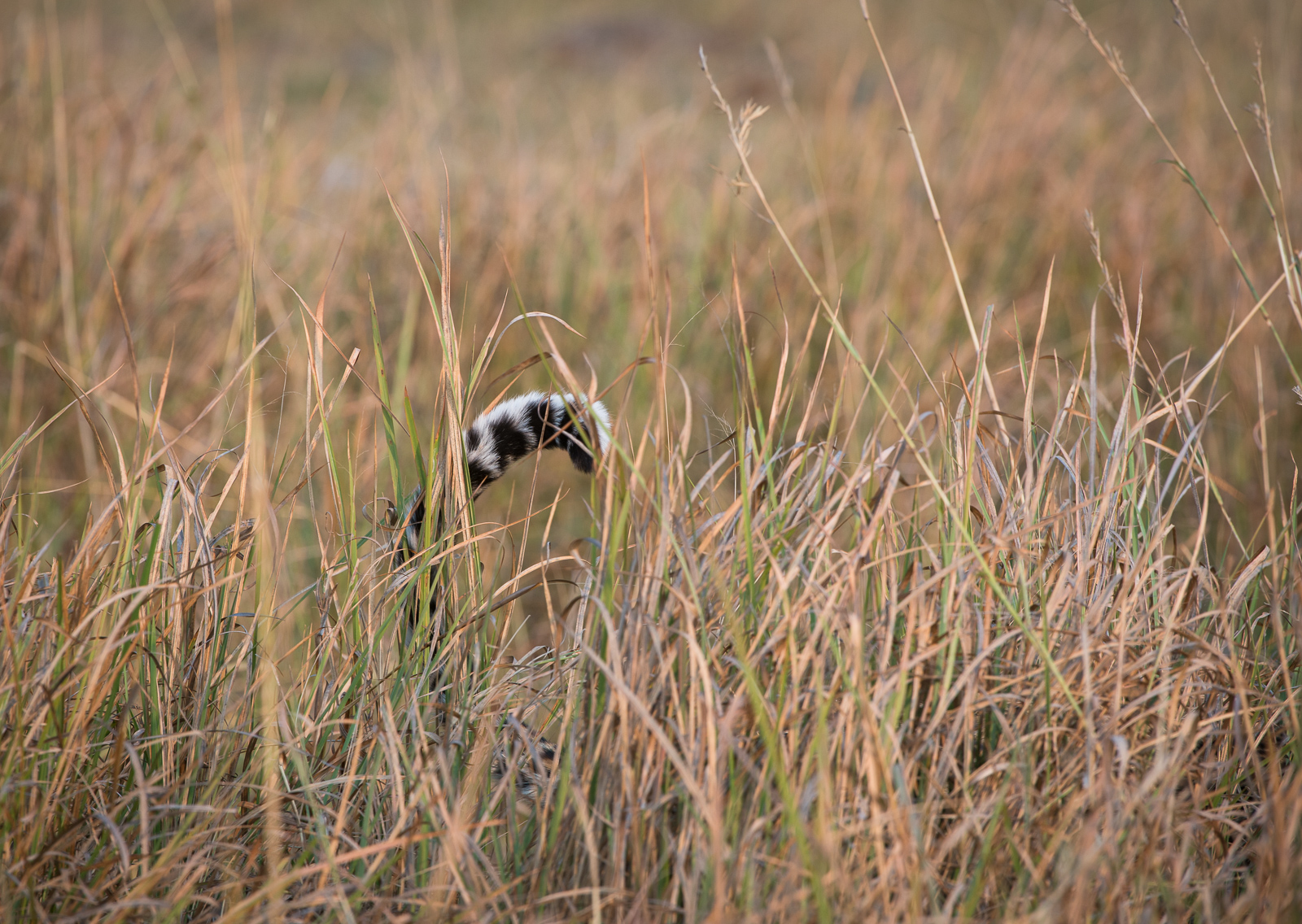
When our guide in Botswana spotted an extremely rare pangolin, I quickly jumped at the opportunity to get out of the vehicle and onto the ground for some eye level shots. Before I could, however, he pulled me back and pointed in the direction of an empty field. What I didn’t see at first was the leopard hiding in the grass and stalking the pangolin. Eventually I saw the tip of the leopard’s tail rising above the grass. I never got my eye level shots of the pangolin but I did get plenty of photos of the Leopard stalking it. Nikon D800 with Nikkor 200-400mm lens (at 400mm) ISO 400, f/7.1 at 1/400th of a second
We use cookies to enhance your experience while using our website. If you are using our Services via a browser you can restrict, block or remove cookies through your web browser settings. We also use content and scripts from third parties that may use tracking technologies. You can selectively provide your consent below to allow such third party embeds. For complete information about the cookies we use, data we collect and how we process them, please check our Privacy Policy