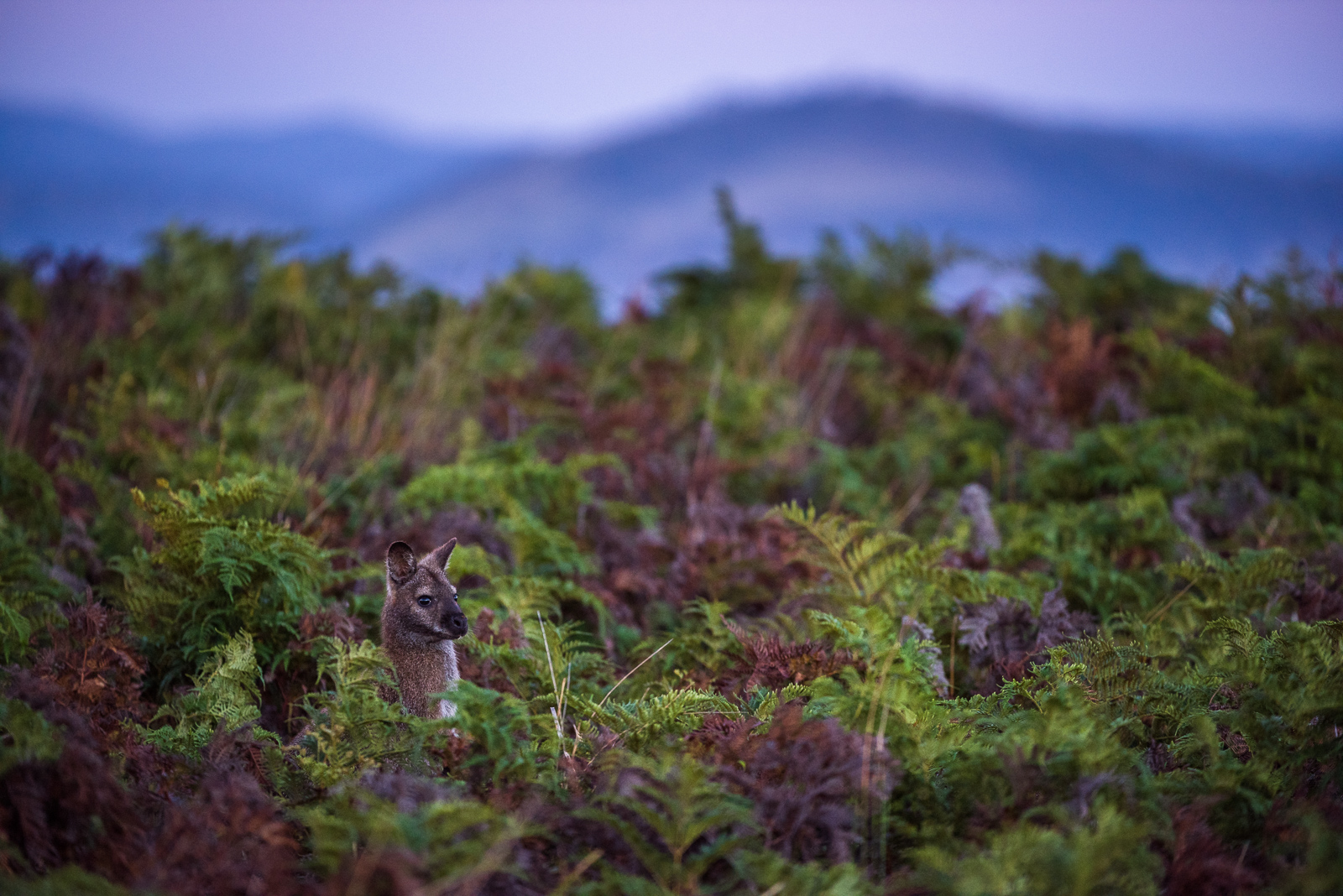
I think this Bennett’s wallaby thought that if it held still for long enough, I wouldn’t notice and would move on. The photo was taken pre-sunrise on Maria Island in Tasmania. Nikon D810 with Nikkor 200-400mm lens (at 330mm) ISO 800, f/4 at 1/250th of a second
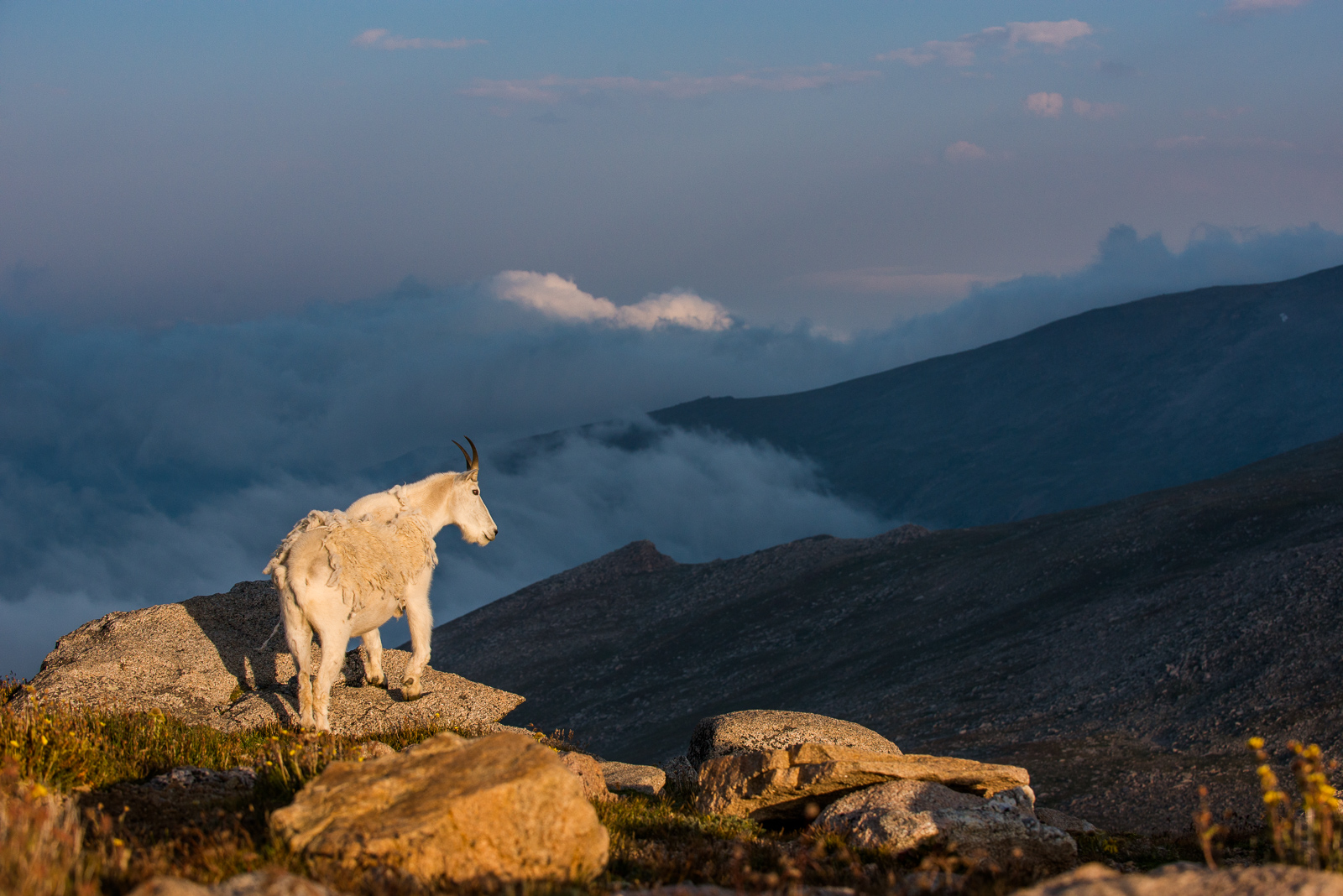
A drive up Mount Evans Scenic Byway in Colorado usually produces a few mountain goats. The harder part is finding great light and clouds. On this occasion, I was lucky enough to be greeted by low lying clouds settling into the valley below as a goat stepped out into a shaft of light. Nikon D800 with Nikkor 70-200mm lens (at 70mm) ISO 800, f/6.3 at 1/2000th of a second
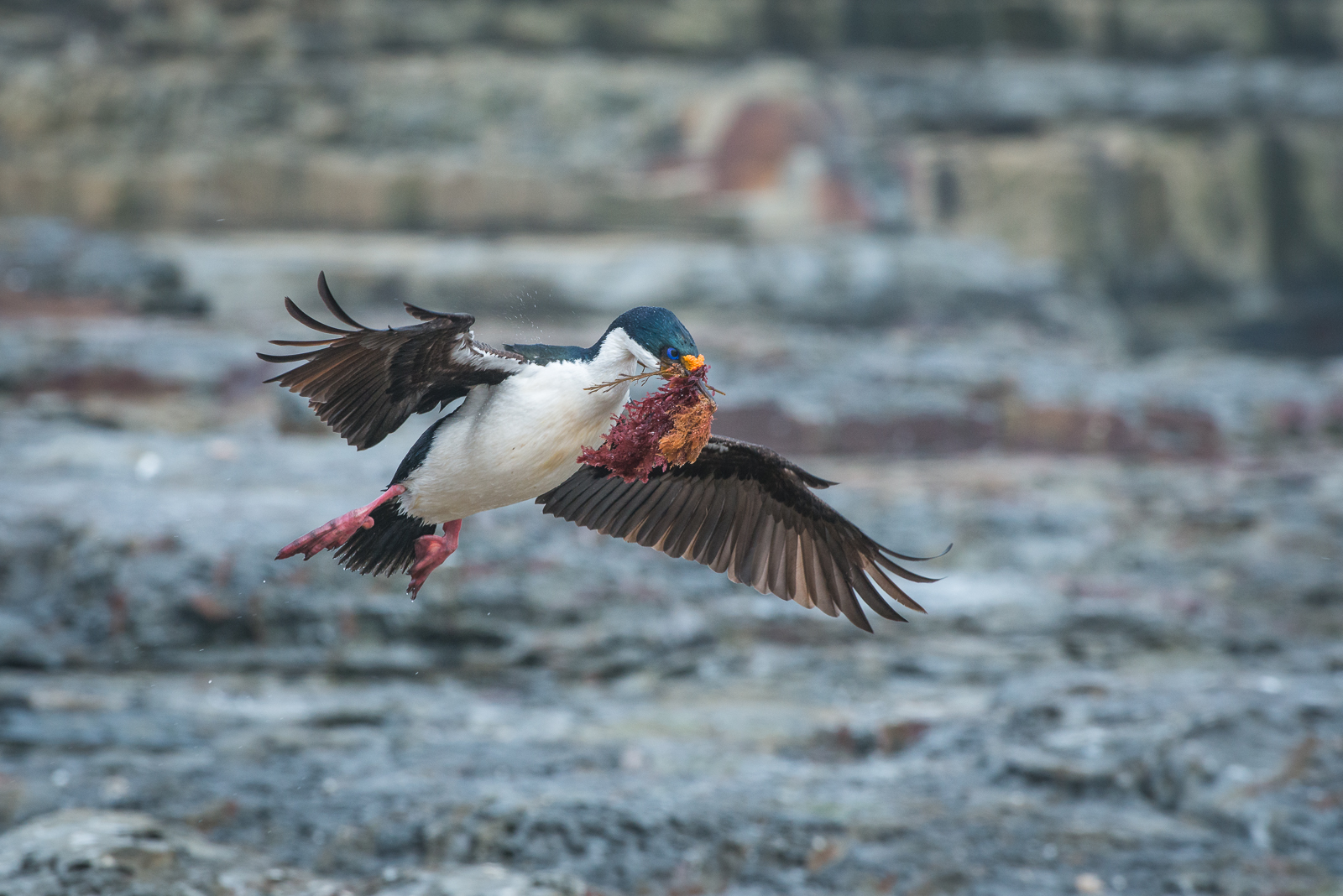
I spent a great afternoon with these imperial shags, also known as imperial cormorants, on the southern tip of Sea Lion Island, which is itself one of the most southerly islands of the Falkland Islands. I had hiked the length of the small island when I came across the colony and it really felt like I had reached the end of the earth. The shags were in the process of nest building and were flying out to sea to collect kelp before returning to their nests. They looked like they had colorful red and orange beards as they came back with beaks full of kelp. Nikon D800 with Nikkor 200-400mm lens (at 400mm) ISO 800, f/7.1 at 1/1000th of a second
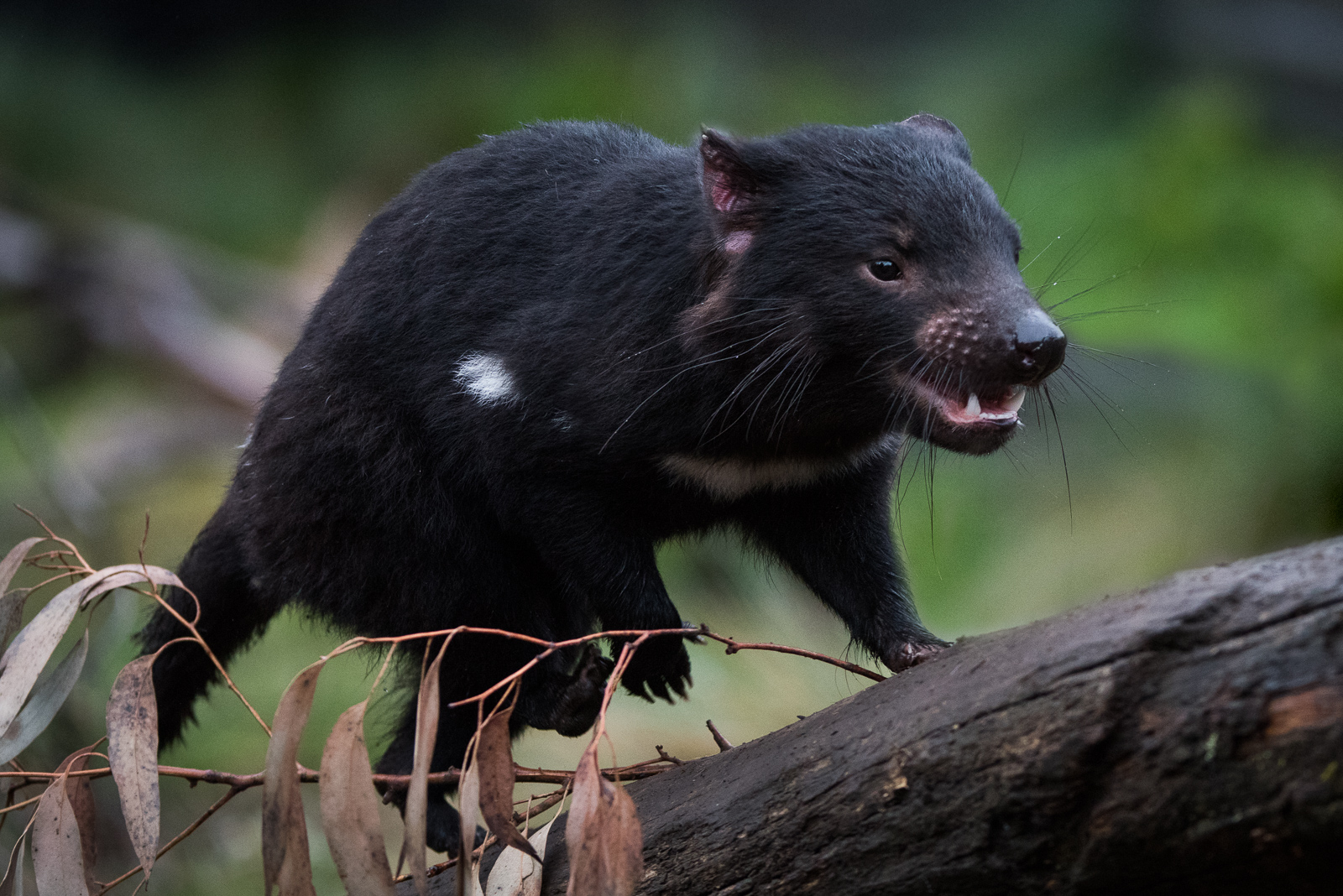
Thanks to the many Tasmanian devil sanctuaries that are doing their best to save this nocturnal marsupial from the deadly facial tumor disease, it is possible to see a captive devil during daylight hours. Even so, they can be difficult to photograph because they never seem to stop moving. I snapped this young devil as it was running along a fallen tree trunk at the Devils@Cradle sanctuary just outside of Cradle Mountain National Park. Nikon D810 with Nikkor 200-400mm lens (at 200mm) ISO 2500, f/4 at 1/1000th of a second
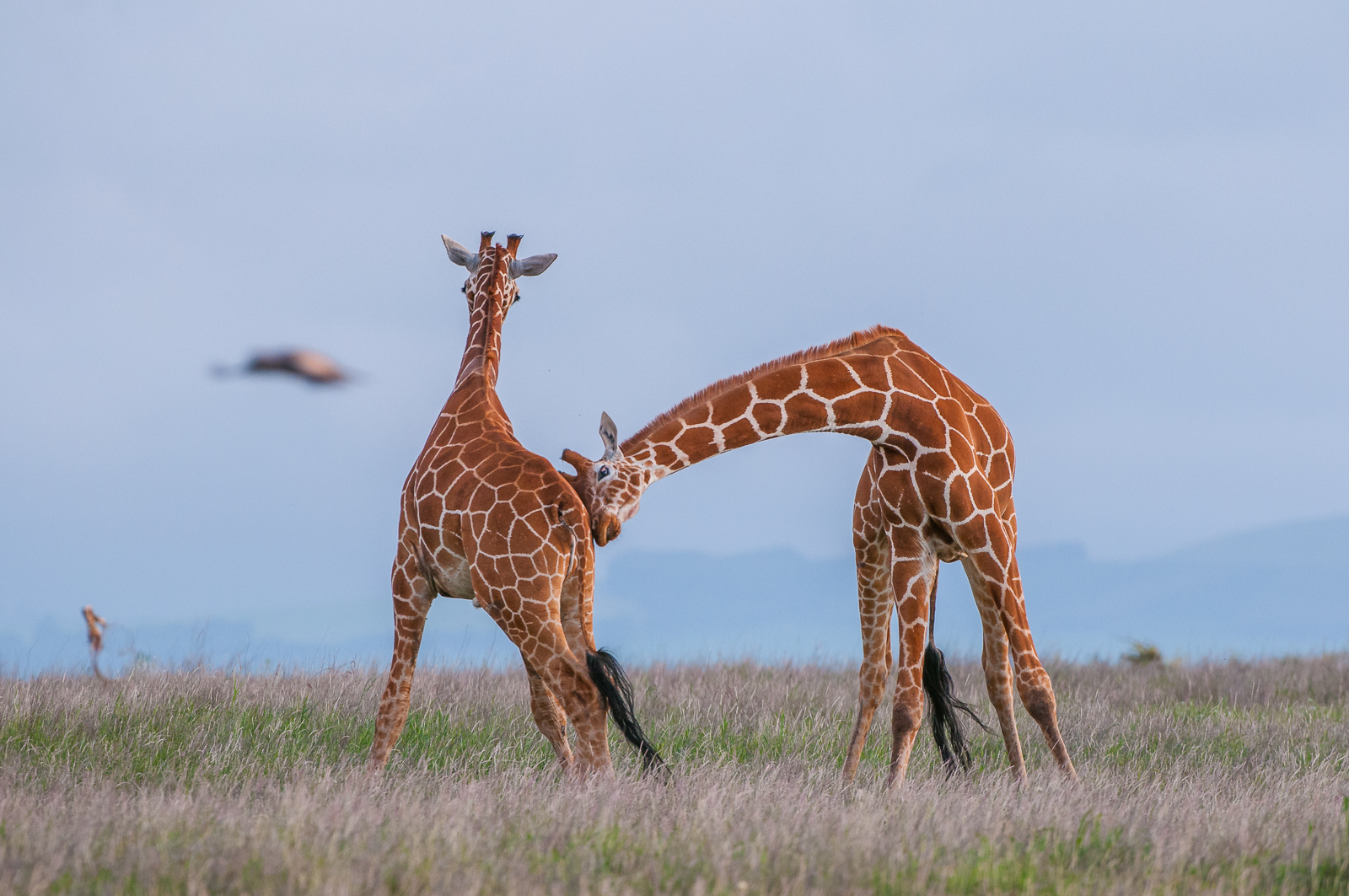
When giraffes fight, they use their long necks to slap massive blows at their opponents neck and body. The practice is called necking. These two were just finishing a bout, with one final smack coming from the giraffe on the right. Perhaps the guy on the left was distracted by the passing stork. We watched them going at it for quite awhile before they casually went back to eating grass. Nikon D300 with Nikkor 200-400mm lens (at 360mm) ISO 400, f/5 at 1/320th of a second
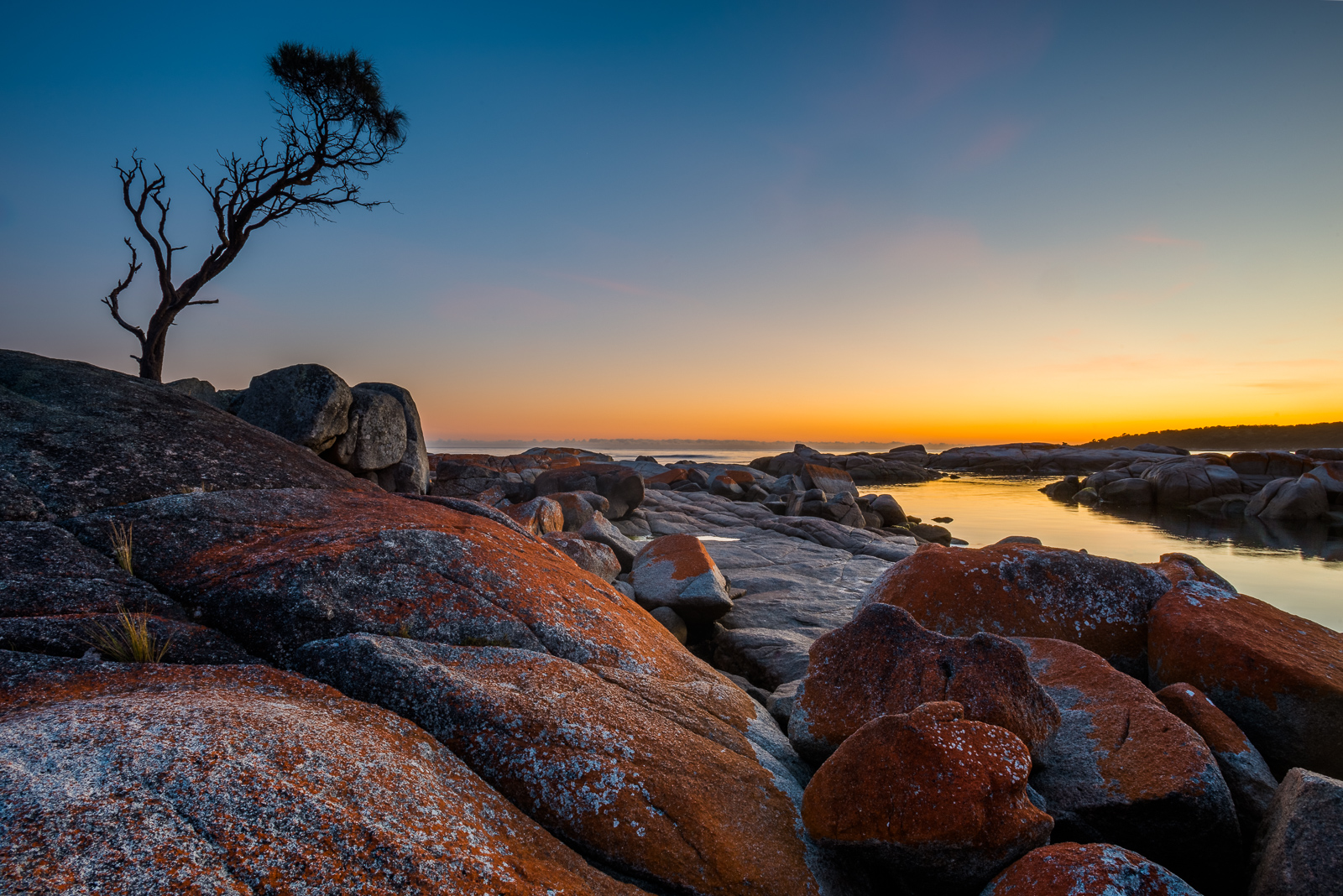
Another great thing about Tasmania — it has places with names like The Bay of Fires. Tyrion Lannister would feel right at home. At the southern end of the Bay of Fires is a place called Binalong Bay, where I took this photo just before sunrise. Orange lichen is characteristic of the Bay, although it’s not the reason for the name. In 1773, a sea captain saw the fires of Aboriginal people on the beaches and christened the name. Nikon D800 with Nikkor 17-35mm lens (at 17mm) ISO 200, f/18 at 1, .25, .5, 2, and 4 seconds.
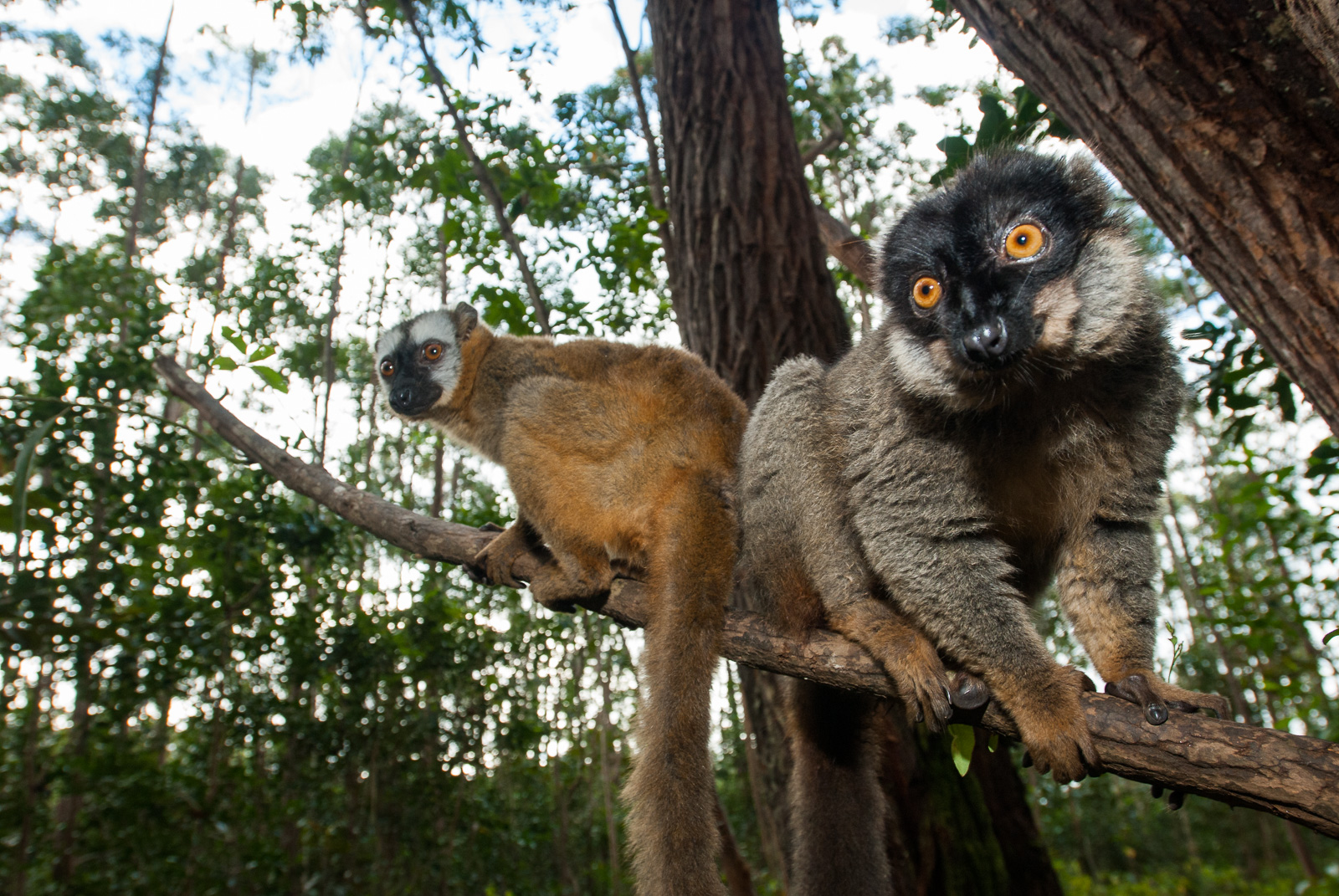
Last week I posted a black and white ruffed lemur from Lemur Island in Madagascar. This is a common brown lemur on the right and a red-fronted brown lemur on the left. They are very similar species and, in fact, the red-fronted brown lemur used to be considered a subspecies of the common brown lemur. Both species live together on Lemur Island, a rehabilitation center for rescued and orphaned lemurs. Nikon D200 with Nikkor 17-35mm lens (at 17mm) ISO 200, f/5.6 at 1/60th of a second, two Nikon SB-600 flash units
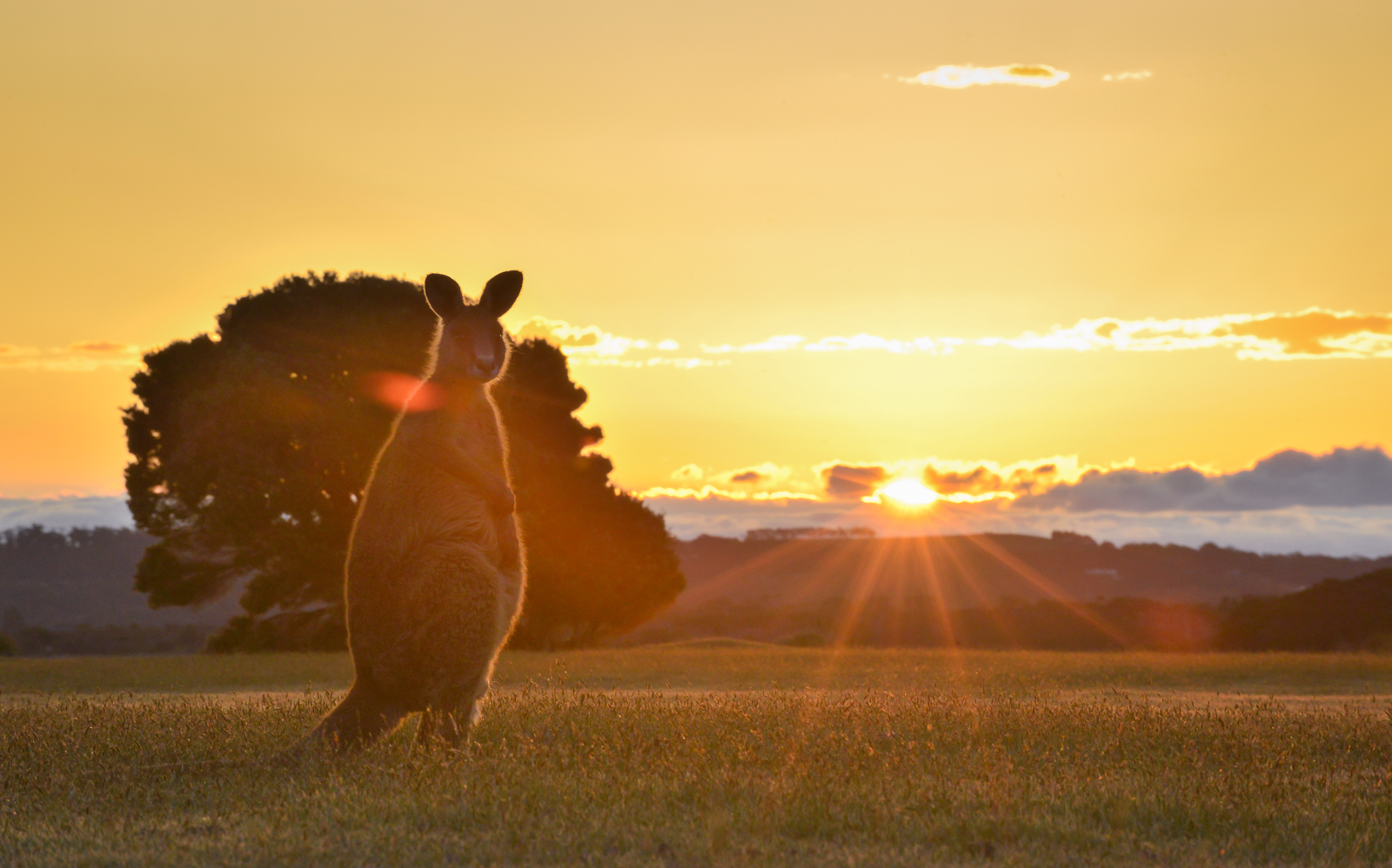
Here’s another shot from northern Tasmania and Narawntapu National Park. It was really great to be all alone with so many forester kangaroos on a night that the sky was so cooperative. I used a small aperture on this one to really bring out the rays of the setting sun. Nikon D800 with Nikkor 70-200mm lens (at 200mm) ISO 800, f/22 at 1/125th of a second
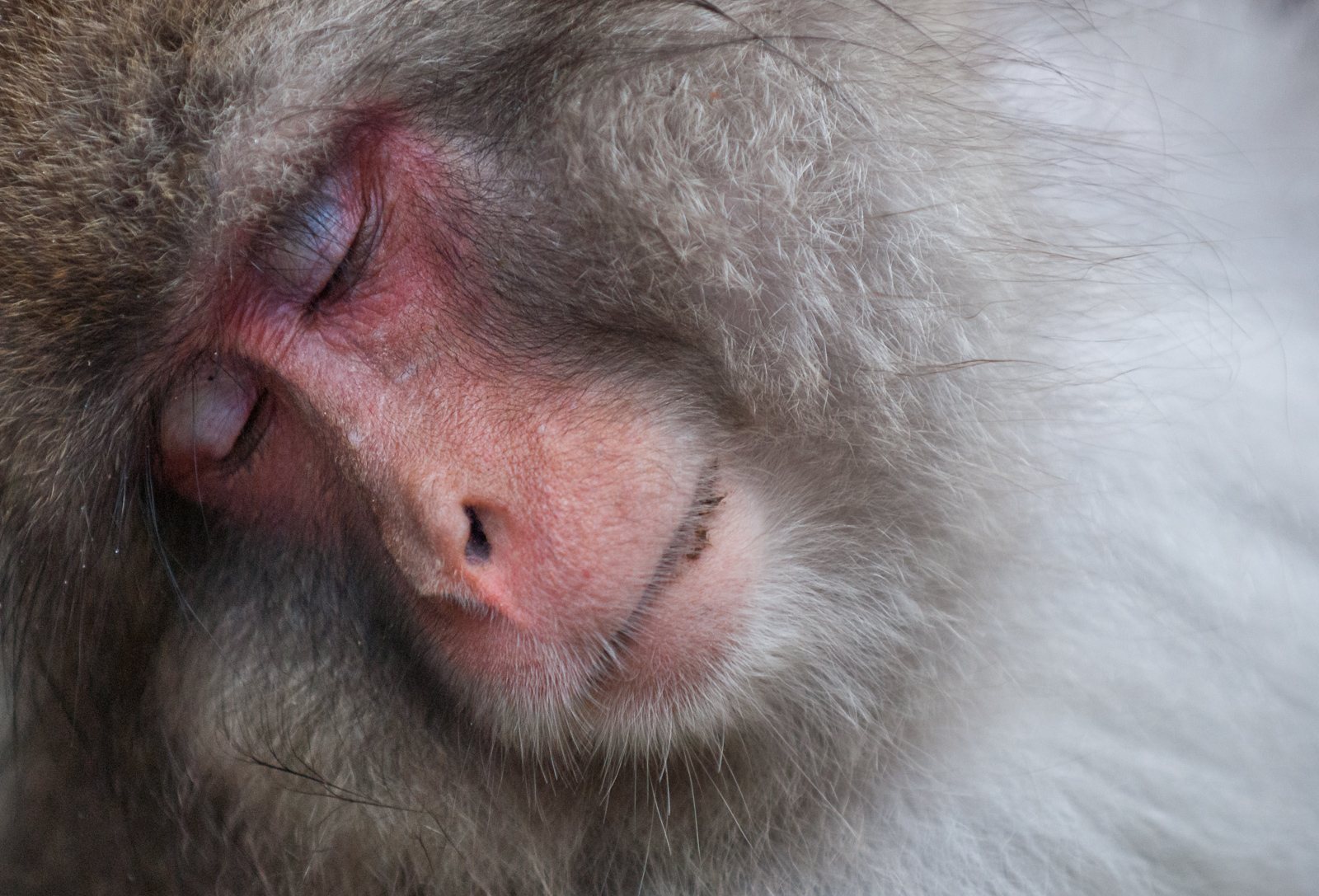
The snow monkeys (or Japanese macaques) of Jigokudani Springs near Nagano, Japan are certainly one of the more photogenic species I’ve had the pleasure of working with. There is only one ryokan (a traditional Japanese inn) at the springs, and you have to hike in about 40 minutes, carrying your suitcase or backpack, to reach it. This could be tricky in bad weather, but it was a nice day when I hiked in as well as when I hiked back out three days later. Spending a few nights at the ryokan, gave me the opportunity to photograph the macaques after the day tourists had gone for the night. Many of the macaques sleep around the ryokan, some even up on the roof. This was one of those macaques that didn’t bother retreating into the forest before falling asleep. Nikon D200 with Nikkor 70-200mm lens (at 190mm) ISO 400, f/3.2 at 1/50th of a second
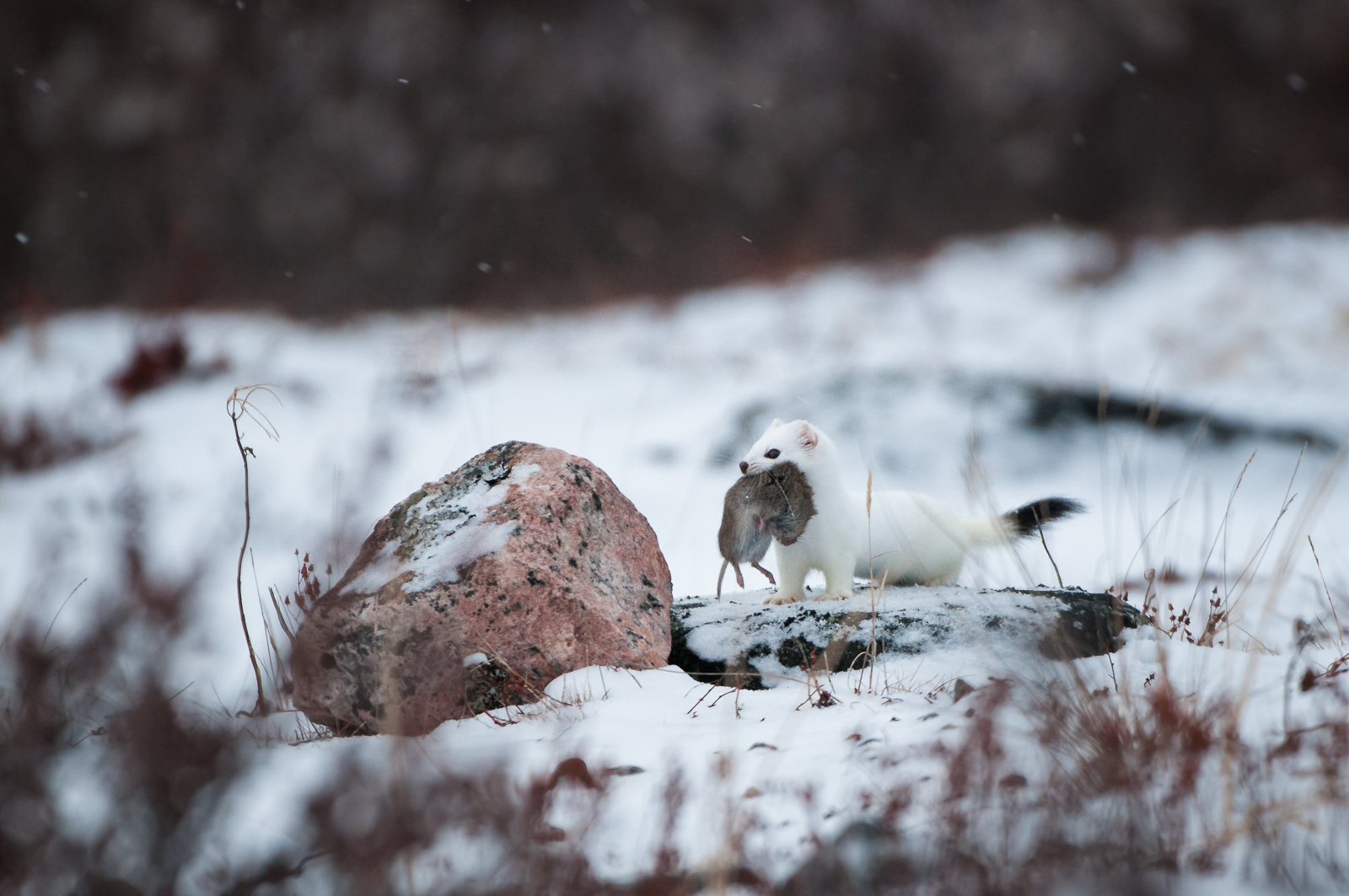
On my polar bear trip back in 2010, I saw a lot of bears, but not a lot of other wildlife. I did, however, have a few precious seconds with this short tailed weasel before it scampered off to hide its lemming. I’ve had quick glimpses of weasels before but they never seem to stick around long enough to get their picture taken. In the summer, their coats are brown, but they turn completely white (with the exception of the black tail tip) when winter sets in. Nikon D300 with Nikkor 200-400mm lens (at 400mm) ISO 800, f/4 at 1/400th of a second
We use cookies to enhance your experience while using our website. If you are using our Services via a browser you can restrict, block or remove cookies through your web browser settings. We also use content and scripts from third parties that may use tracking technologies. You can selectively provide your consent below to allow such third party embeds. For complete information about the cookies we use, data we collect and how we process them, please check our Privacy Policy