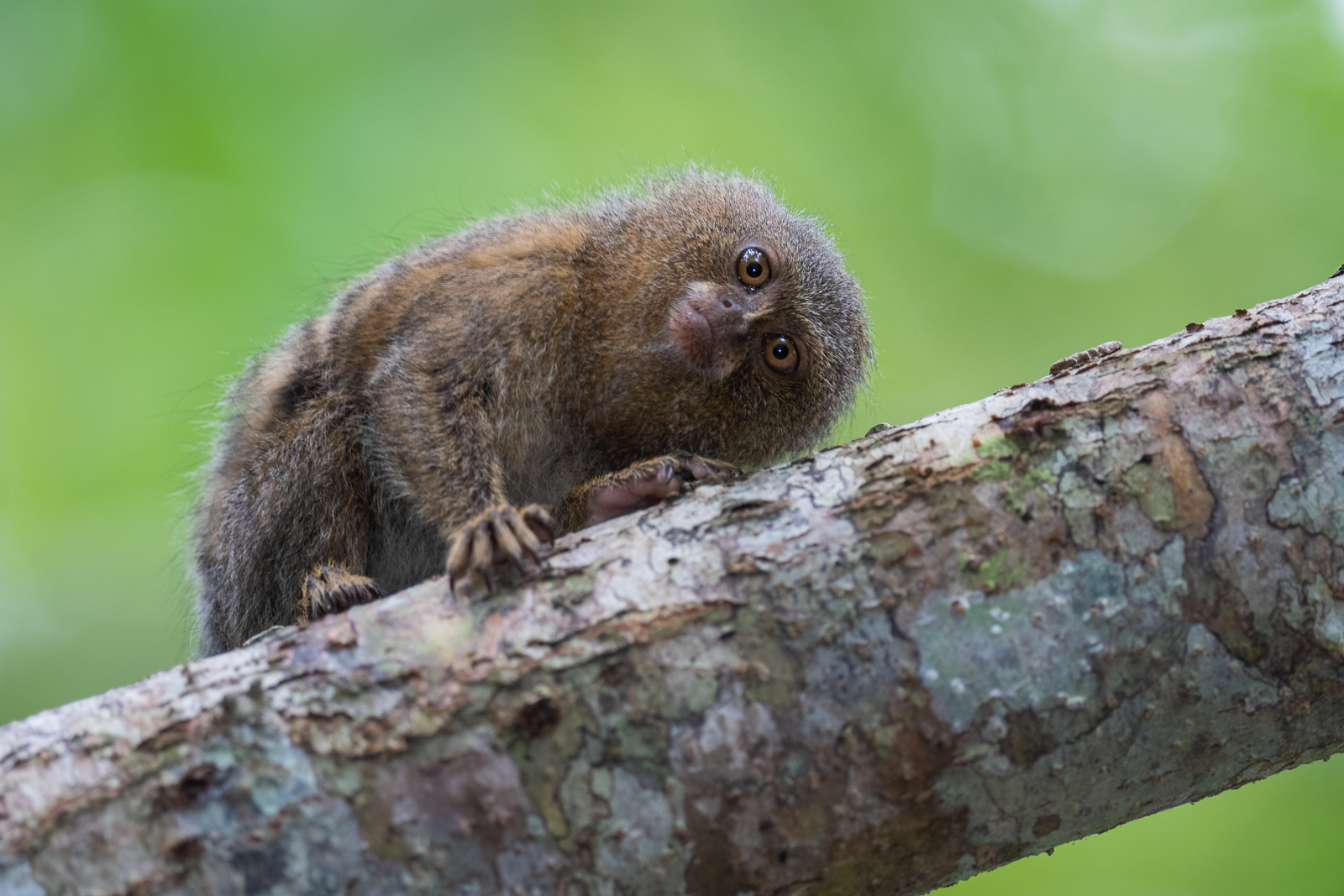
Just back today from a week in the Peruvian Amazon. Per usual with these trips, a great deal of disappointment (many targeted species of primates and frogs were more elusive than expected) as well as some amazing surprises (a face-to-face, late night encounter with one of the most secretive and sought after wild cats in the rainforest). But more on the latter later this week. The species I was most eager to see was the pygmy marmoset. And I saw a lot of them. This is the smallest monkey in the world. They’re about the size of a chipmunk, if that. They’ve been nicknamed finger monkeys or pocket monkeys because they easily fit into a human hand. They’re typically about five inches long, not including the eight inch tail. And they can be quite playful. This particular pygmy marmoset kept putting its head down on the tree branch while watching me snap a few photos. Much more on these guys in future posts, but for now, some much needed rest. Nikon D500 with Nikkor 500mm PF lens, ISO 800, f/5.6 at 1/80th of a second, -2 stops of fill flash with Godox V860iii.
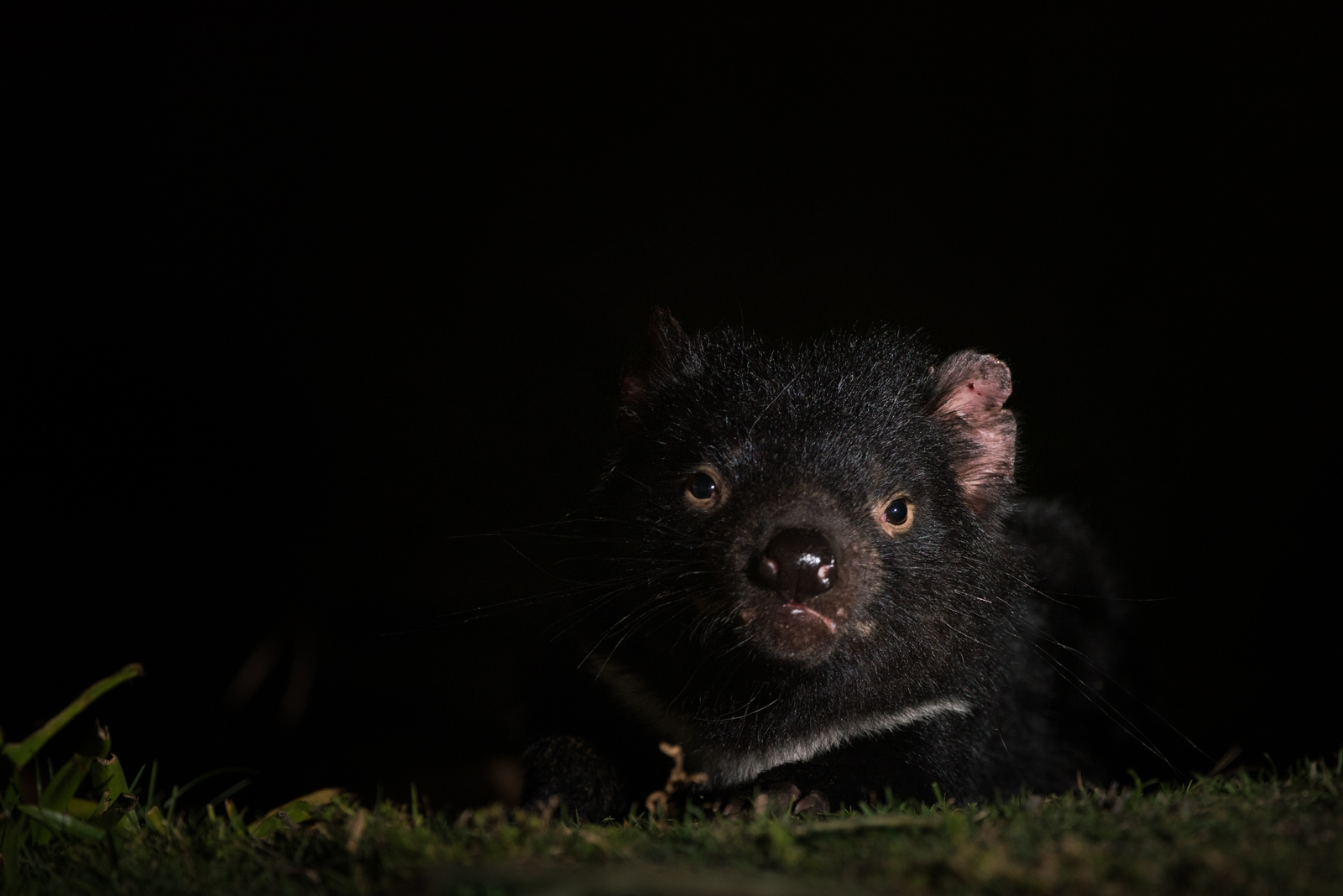
This will be my last post until I return from Peru first week of November. When I went to Tasmania back in 2015 I was hoping to see a few Tasmanian devils in the wild. I saw quite a few in rehab centers, before finally capturing this guy on Maria Island. Here’s hoping I see several of my target species in the Amazon next week. Nikon D810 with Nikkor 200-400mm lens (at 400mm) ISO 800, f/5.6 at 1/250th of a second.
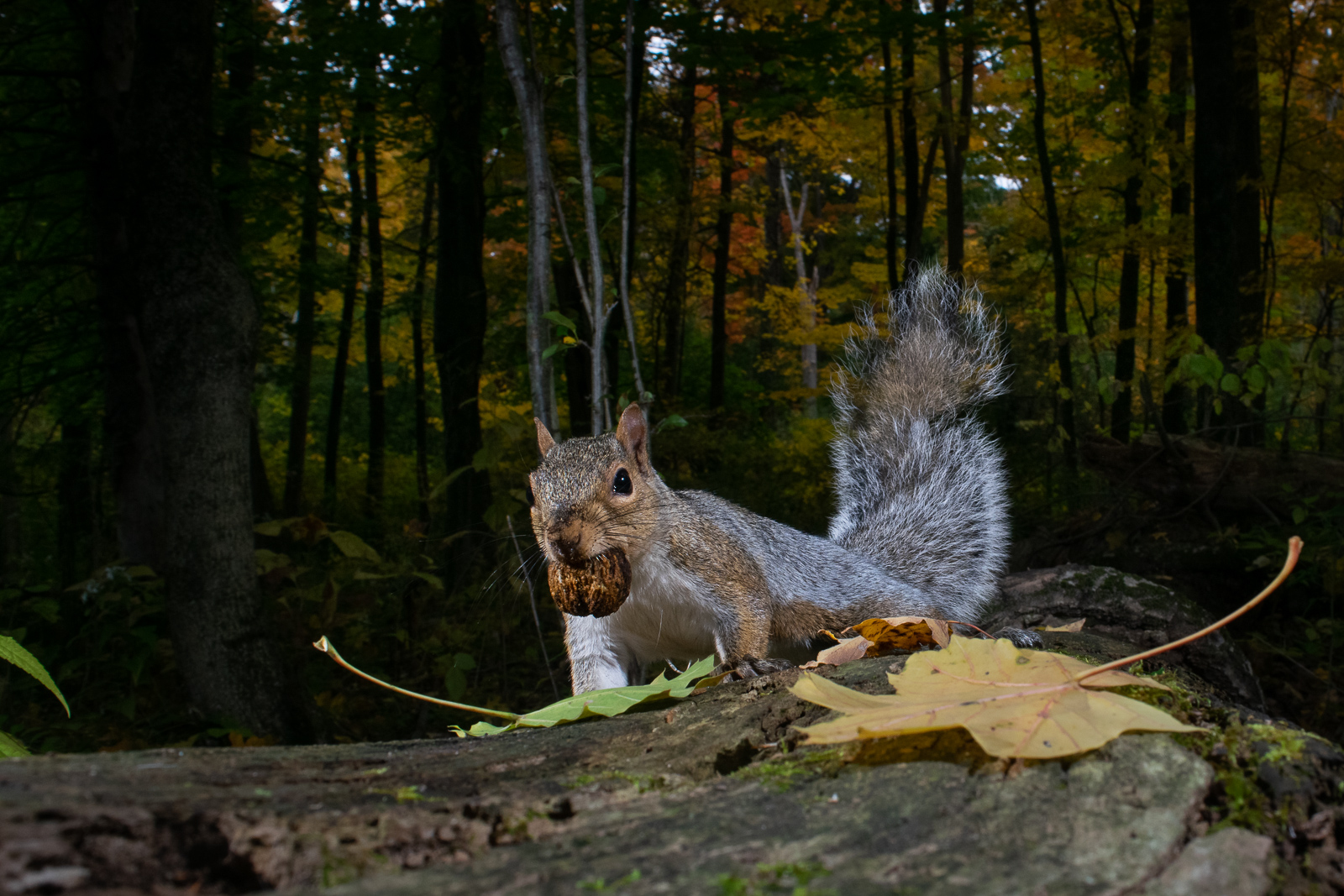
It’s that time of year when the nuts are in high demand. In this case, I believe that’s a black walnut. I’ve been testing out a new lightweight camera trap setup to take to Peru this weekend. Hopefully I can get some shots like this, only with Amazonian creatures doing what they do. Nikon D3300 with Nikkor 18-55mm lens (at 18mm) ISO 400, f/11 at 1/200th of a second, two Nikon SB-900 flash units with Camtraptions remote triggers and camera housing.
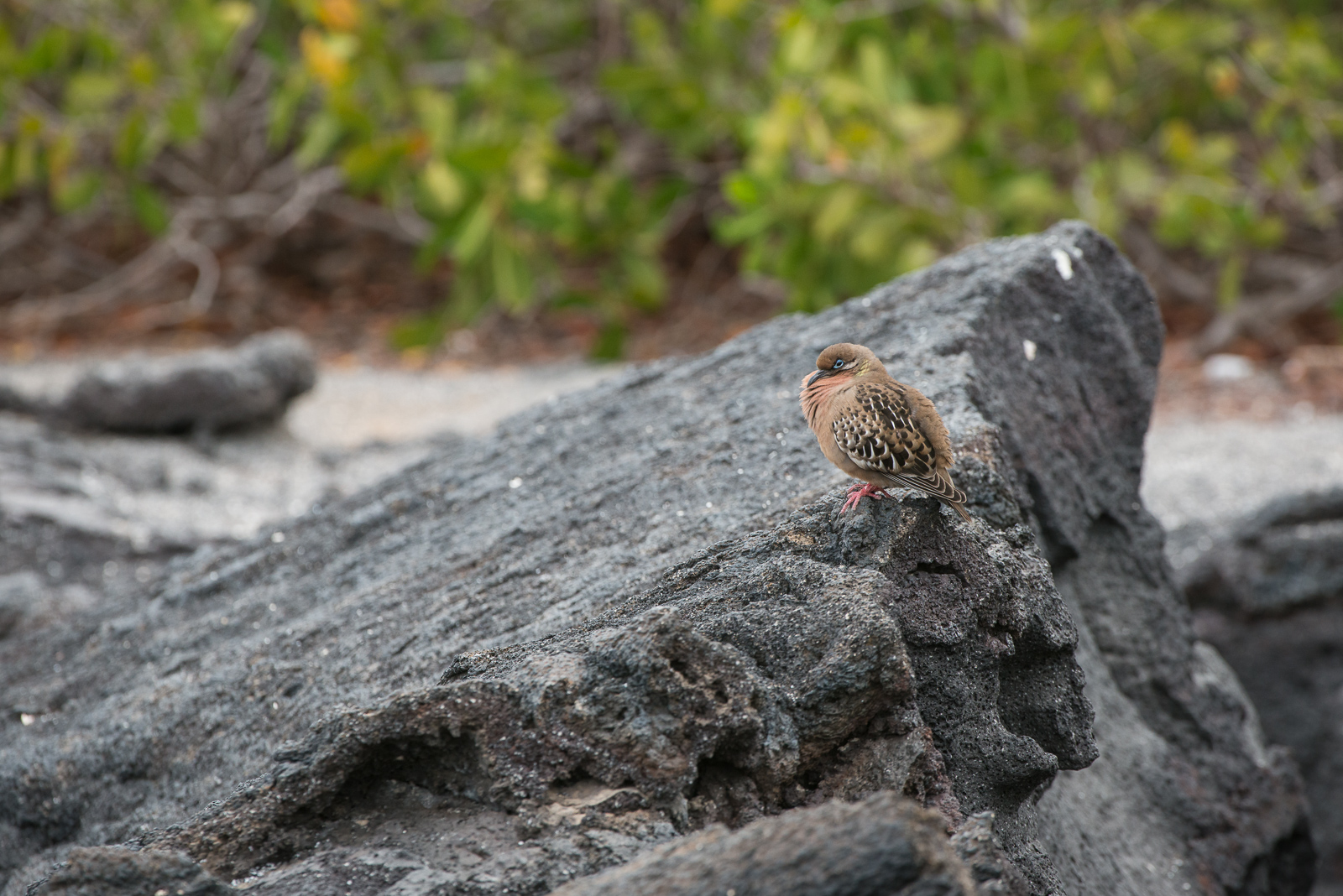
This is what doves look like in the Galápagos Islands. I photographed this one on Fernandina Island, which is primarily made up of volcanic rock such as the perch the dove is resting on. Nikon D800 with Nikkor 200-400mm lens (at 400mm) ISO 800, f/6.3 at 1/400th of a second.
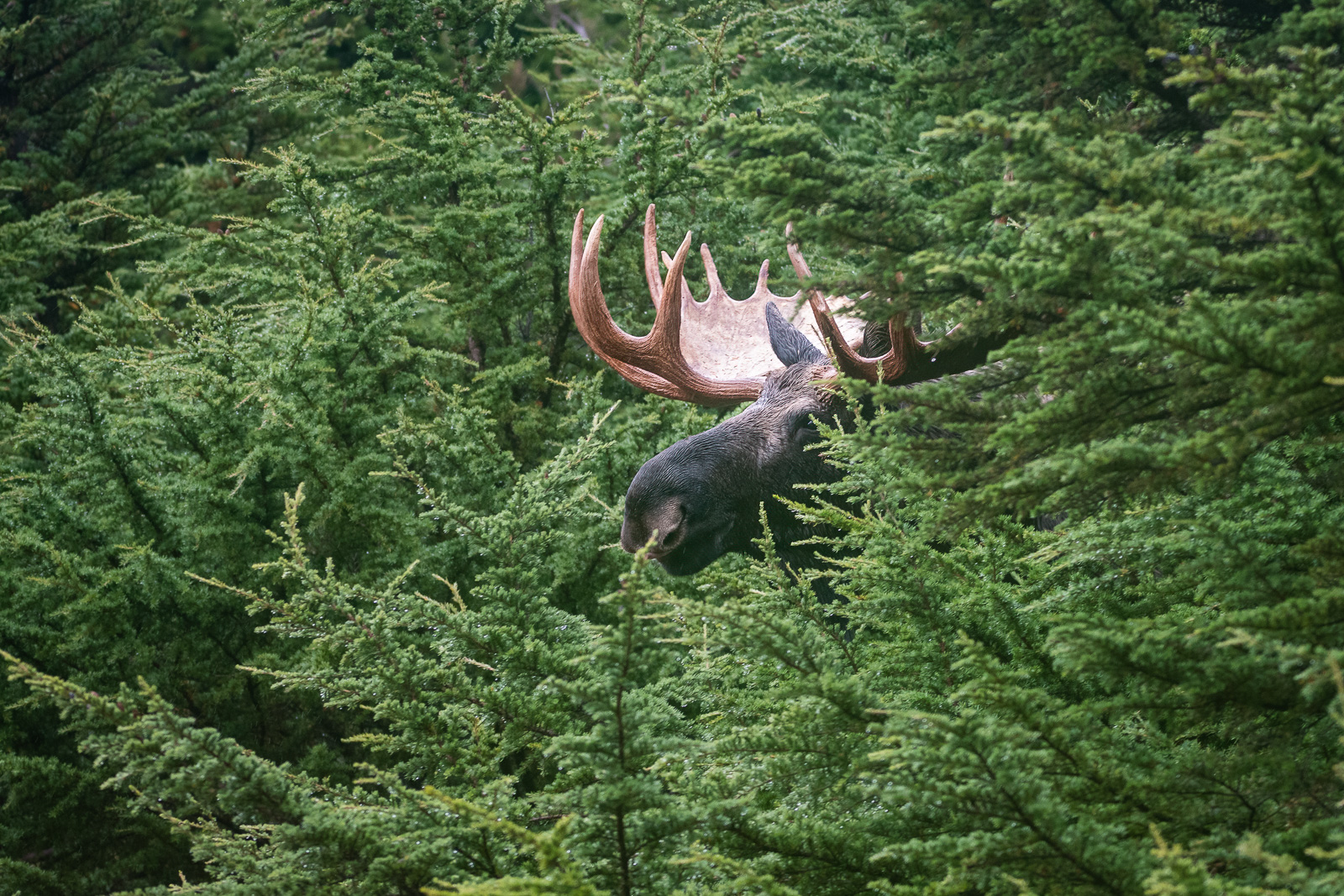
If you’ve never been up close and personal with a full-grown bull moose it’s hard to comprehend just how big they are. But even more remarkable is their ability to appear out of nowhere, and then suddenly vanish again into the forest. This guy caught me off guard, but not before I was able to get a quick shot as he emerged from the bushes, hot on the scent of a female during the mating rut, which in Alaska is in September and October. Nikon D500 with Nikkor 200-400mm lens (at 220mm) ISO 800, f/4 at 1/200th of a second.
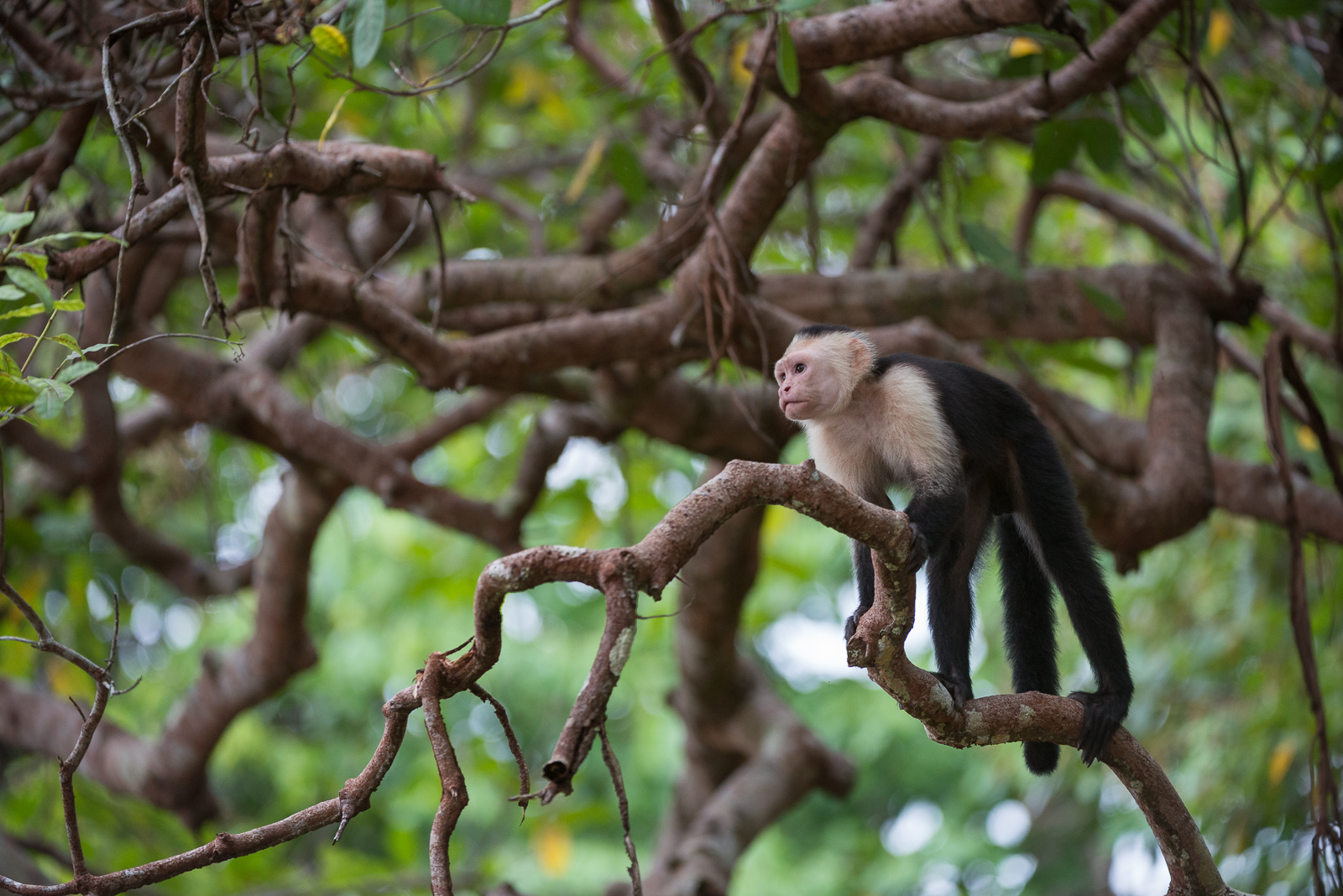
White-faced capuchin monkeys, otherwise known as white-throated or white-headed capuchin monkeys, are the most commonly seen of Costa Rica’s four (non-human) primate species. I saw this one down on the Osa Peninsula at Drake Bay. Nikon D800 with Nikkor 200-400mm lens (at 260mm) ISO 1600, f/4 at 1/640th of a second.
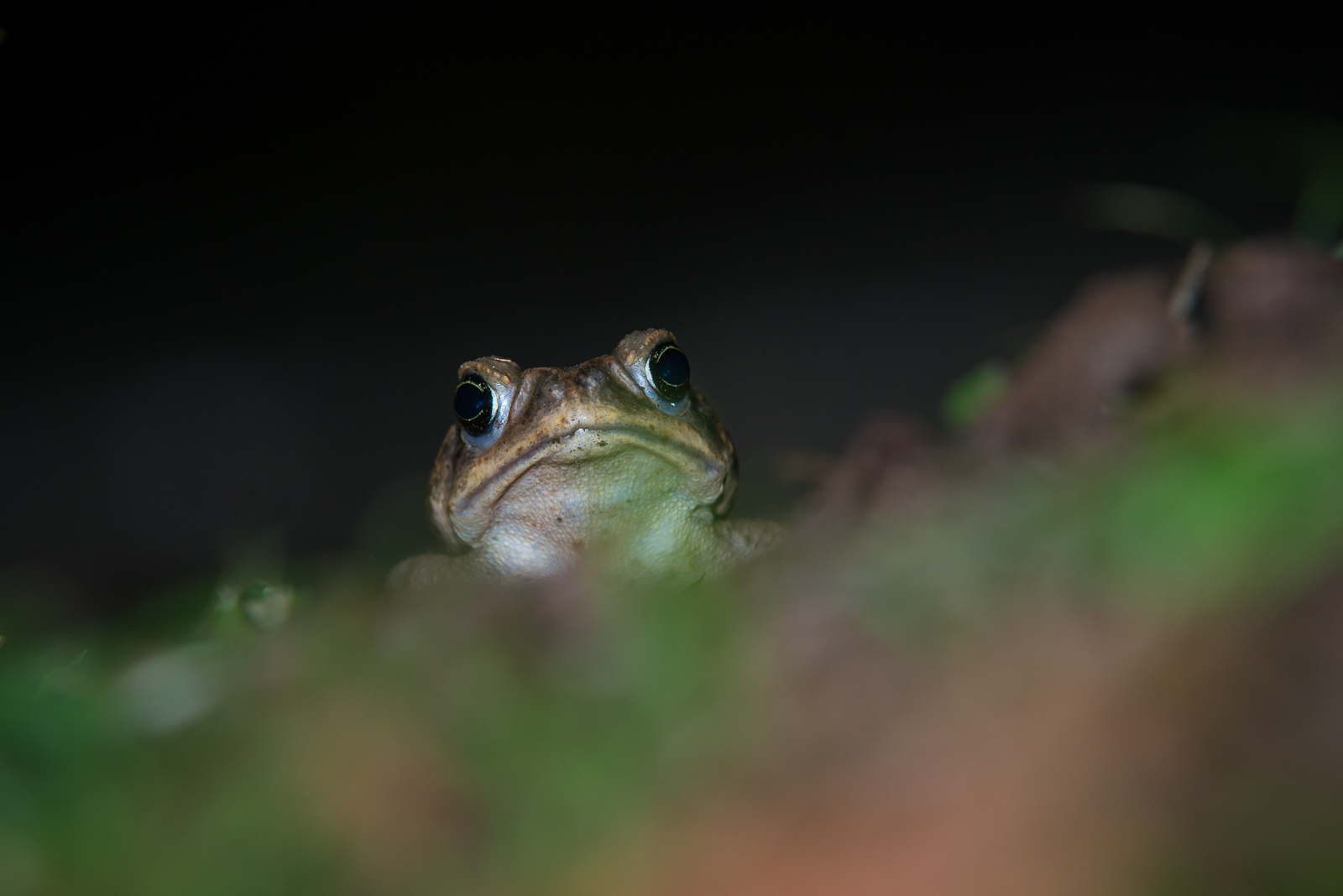
The giant neotropical toad also goes by marine toad and cane toad. These are the guys that were introduced to northern Australia to disastrous results (a story for another day). In Costa Rica they are natives and quite common to spot on night walks. I photographed this one at La Selva, not far from the capital of San José. Nikon D800 with Nikkor 200-400mm lens (at 310mm) ISO 800, f/8 at 1/60th of a second, two Nikon SB-900 flash units.
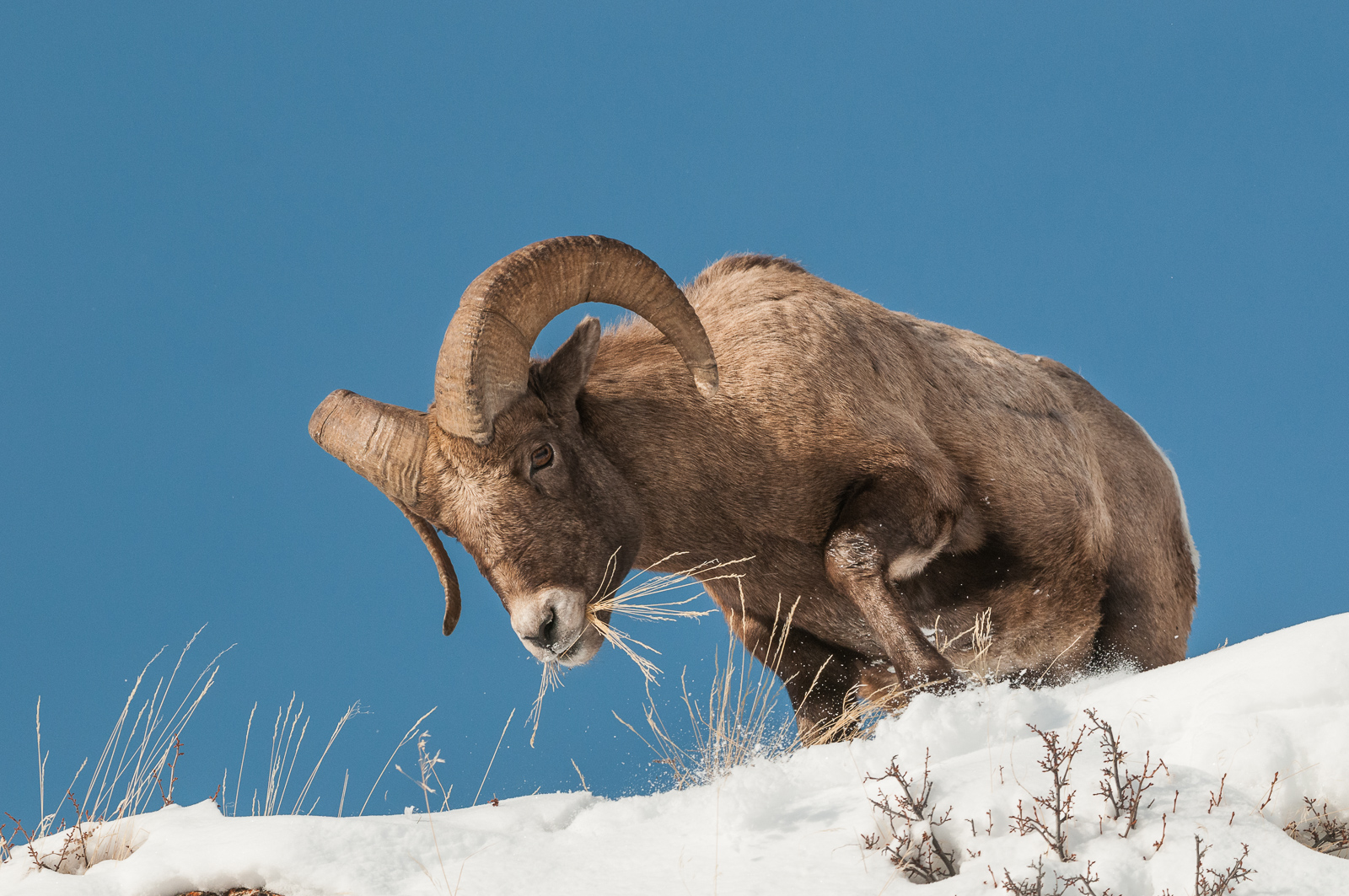
I was down below looking up when this bighorn ram came to the edge of a cliff to munch on some of the exposed grass. Photographed in Yellowstone National Park. Nikon D300 with Nikkor 200-400mm lens (at 270mm) ISsO 400, f/5.6 at 1/1000th of a second.
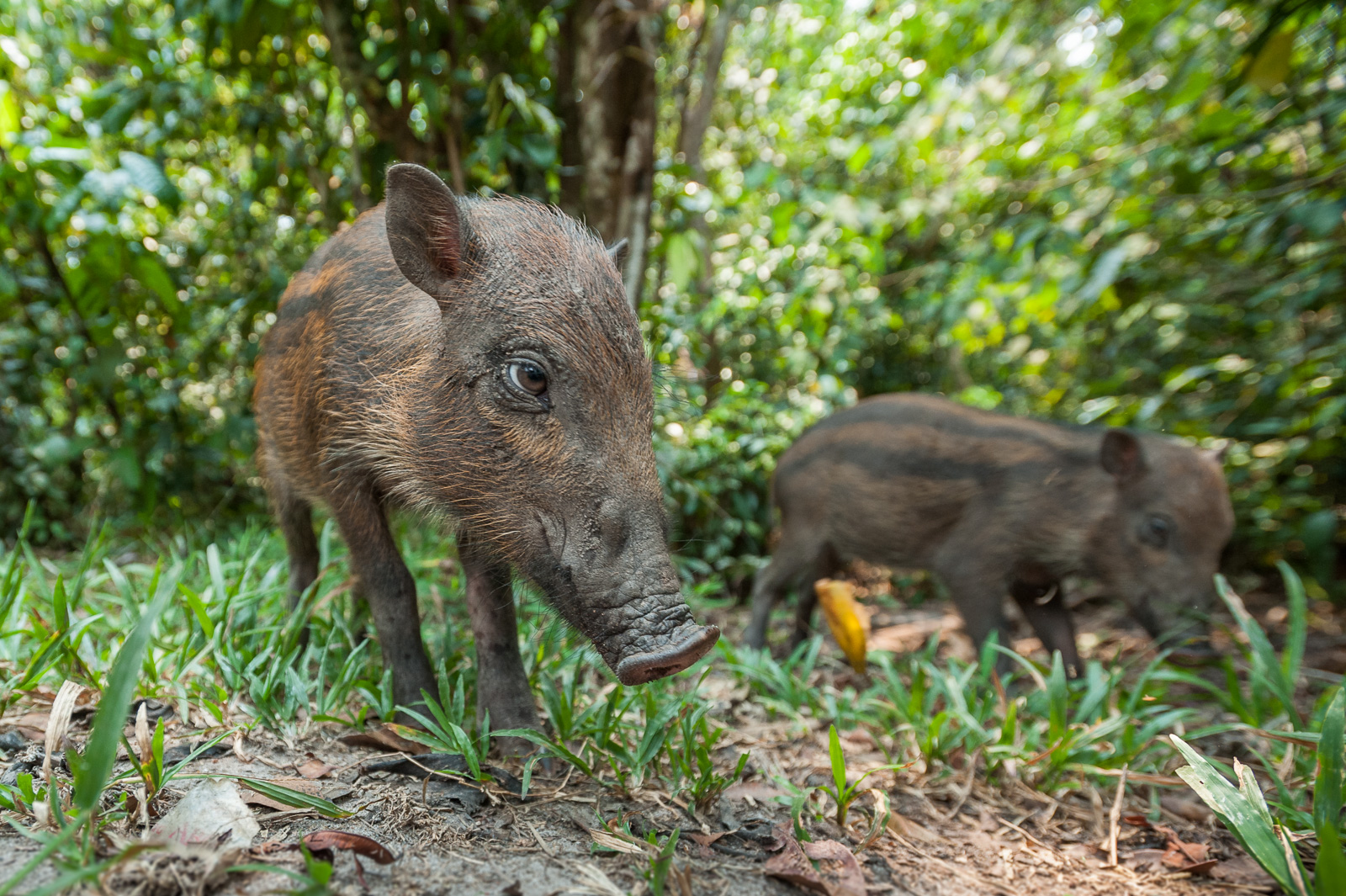
These Bornean bearded piglets had yet to grow their namesake beards. I was on the ground snapping away with my long lens when they came closer and closer. I quickly swapped out lenses to my wide angle and got a few shots before they continued on their way. Bearded pigs like to follow orangutans through the forest, hoping to clean up the scraps left on the forest floor after meals. Nikon D700 with Nikkor 17-35mm lens (at 17mm) ISO 800, f/4.5 at 1/500th of a second.
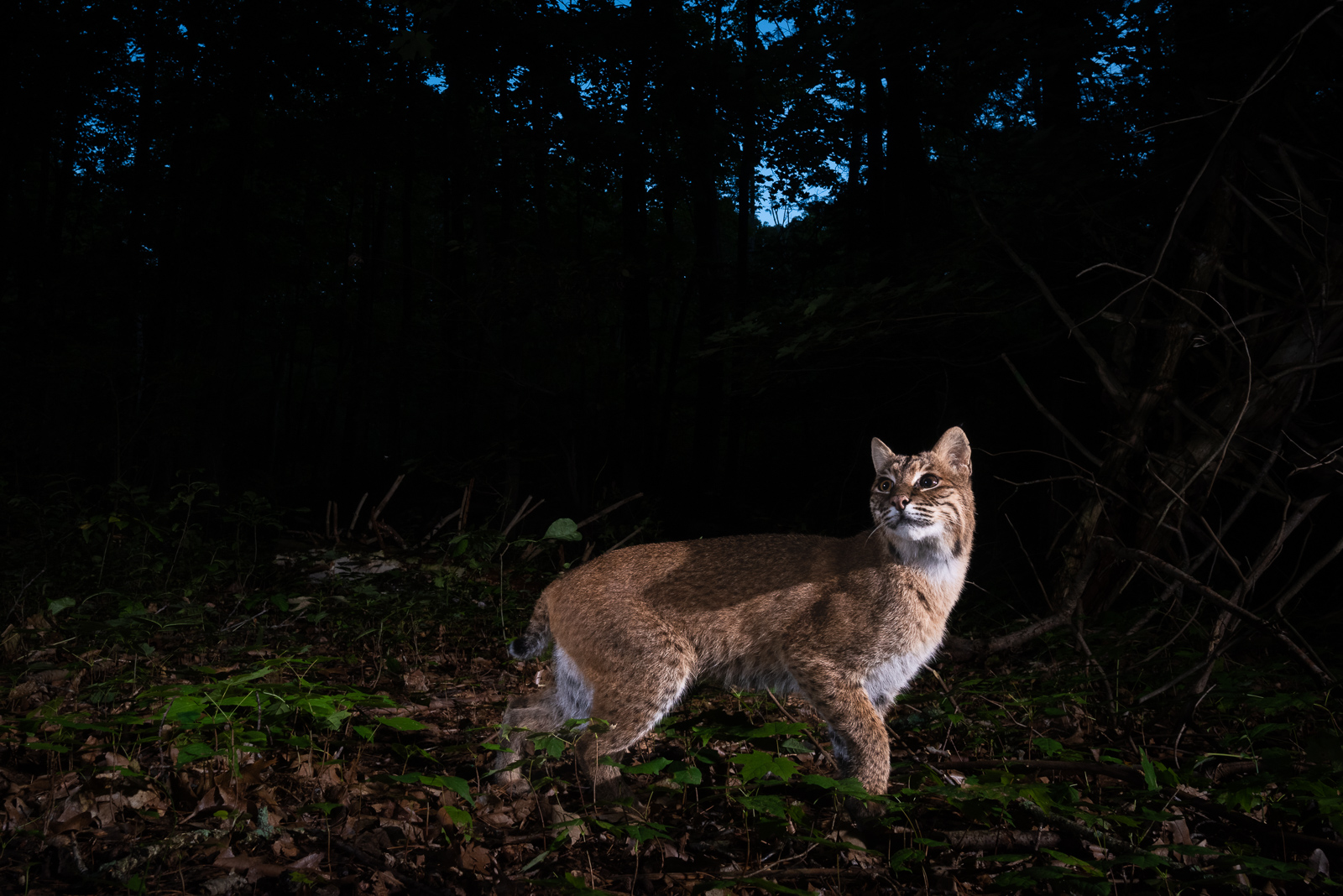
Here’s another exposure of one of the two bobcats that visited my camera trap a few weeks back. Nikon D810 with Nikkor 20mm lens, ISO 500, f/14 at 1/200th of a second, Cognisys camera box, trail monitor and remote flash units.
We use cookies to enhance your experience while using our website. If you are using our Services via a browser you can restrict, block or remove cookies through your web browser settings. We also use content and scripts from third parties that may use tracking technologies. You can selectively provide your consent below to allow such third party embeds. For complete information about the cookies we use, data we collect and how we process them, please check our Privacy Policy