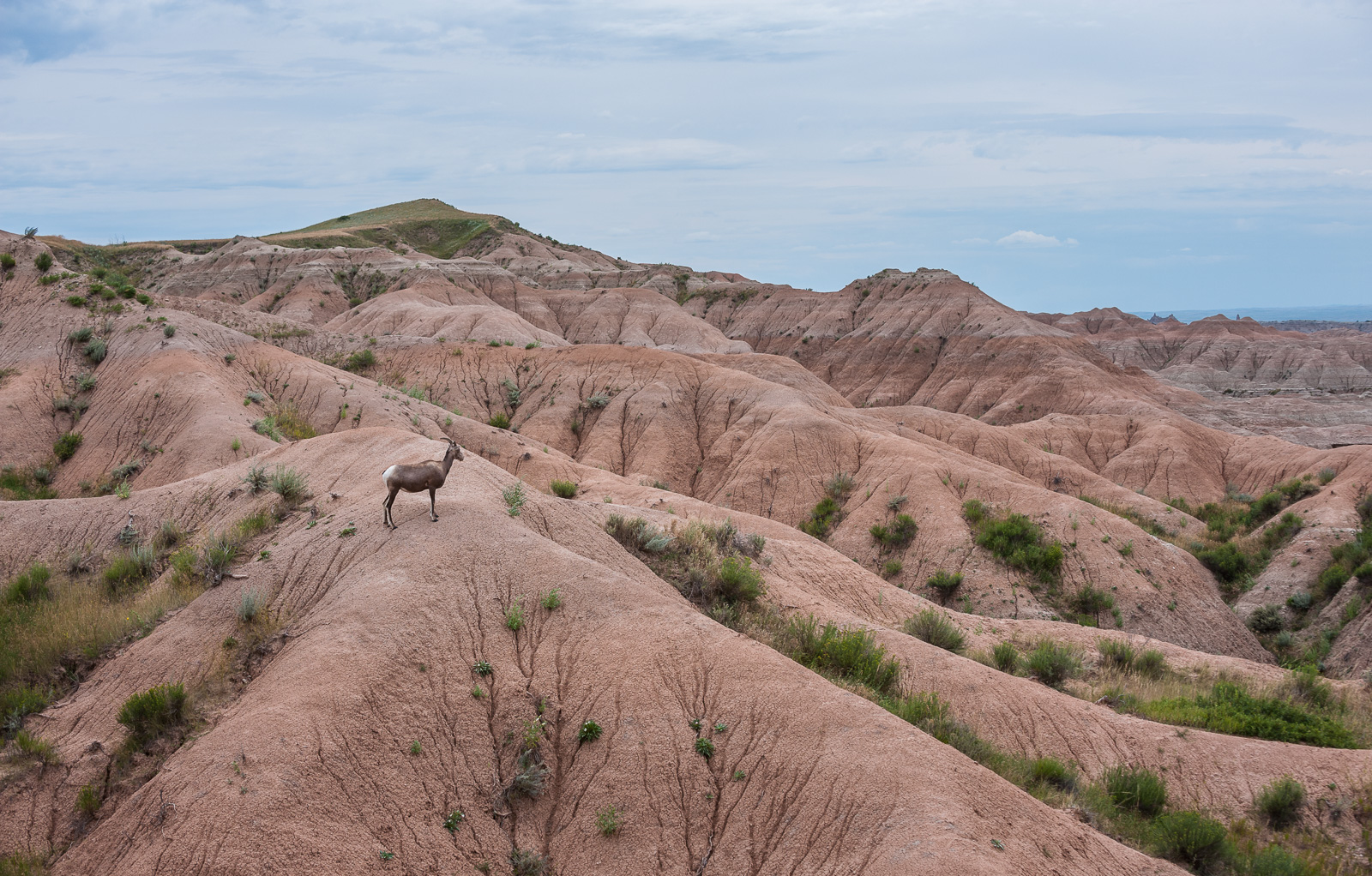
Bighorn Amidst the Badlands
A bighorn sheep blends in with the surroundings at Badlands National Park in South Dakota. Nikon D700 with Nikkor 70-200mm lens (at 70mm) ISO 200, f/5 at 1/2000th of a second.


A bighorn sheep blends in with the surroundings at Badlands National Park in South Dakota. Nikon D700 with Nikkor 70-200mm lens (at 70mm) ISO 200, f/5 at 1/2000th of a second.
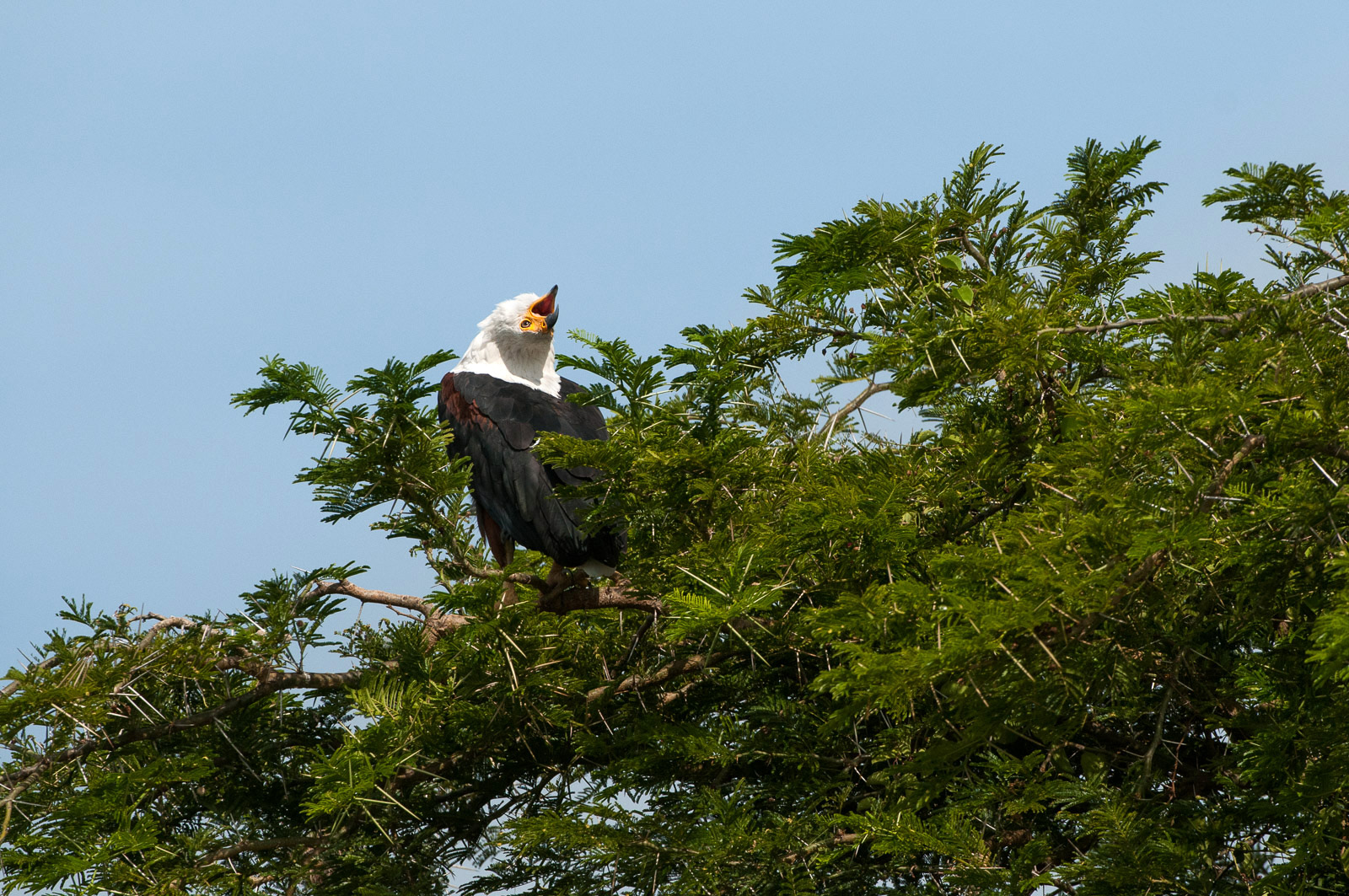
The African fish eagle is an impressive bird. So much so, that it’s the national bird of four countries — Namibia, South Sudan, Zambia and Zimbabwe. I photographed this one in Uganda. It was perched along a river in Queen Elizabeth National Park, throwing its head backward as it cried out. Nikon D300 with Nikkor 200-400mm lens (at 400mm) ISO 400, f/6.3 at 1/3200th of a second.
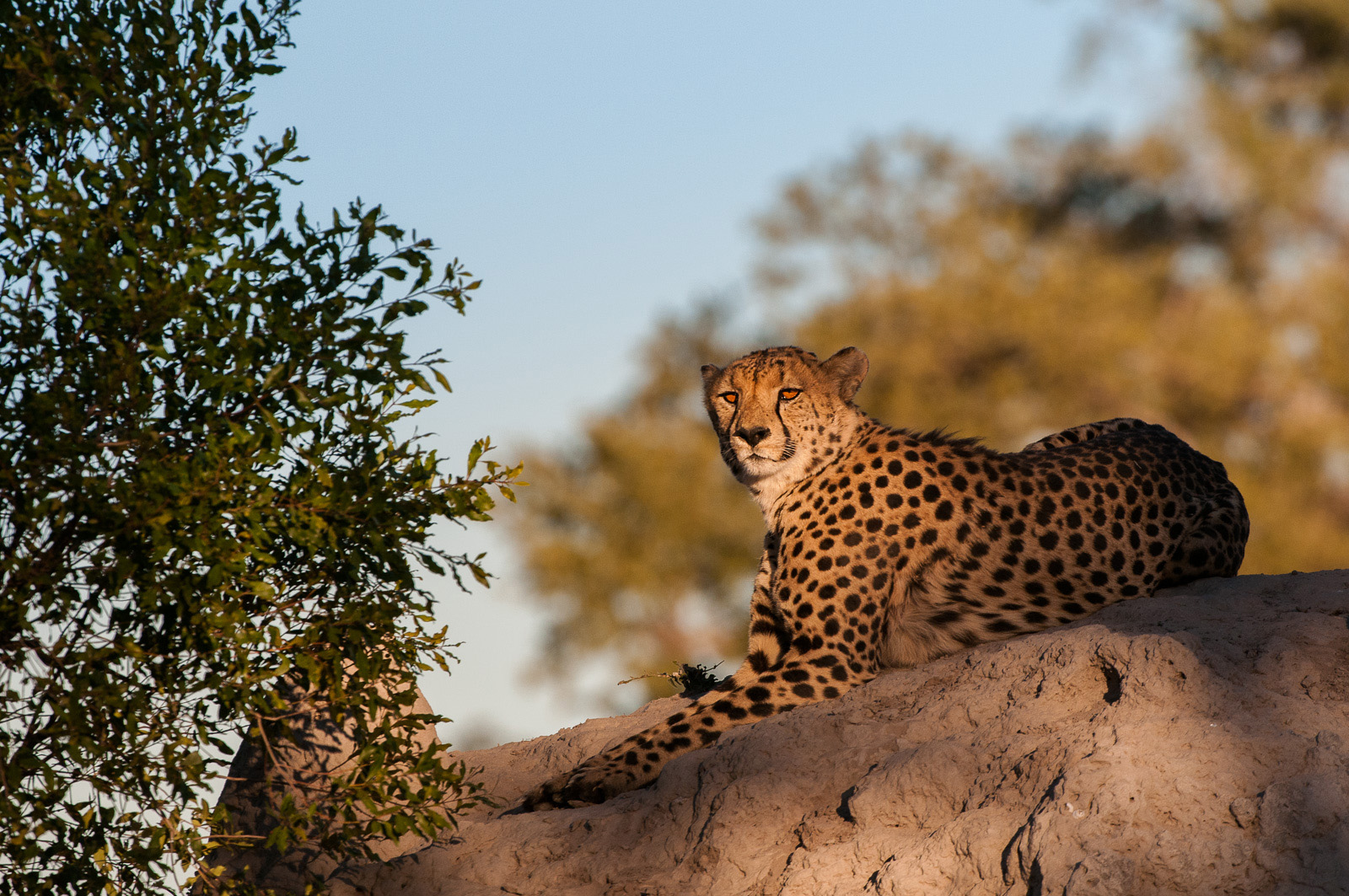
An adult cheetah rests in morning light atop a termite mound in the Linyanti Swamp area of Botswana. Nikon D300 with Nikkor 200-400mm lens (at 400mm) ISO 400, f/5.6 at 1/1250th of a second.
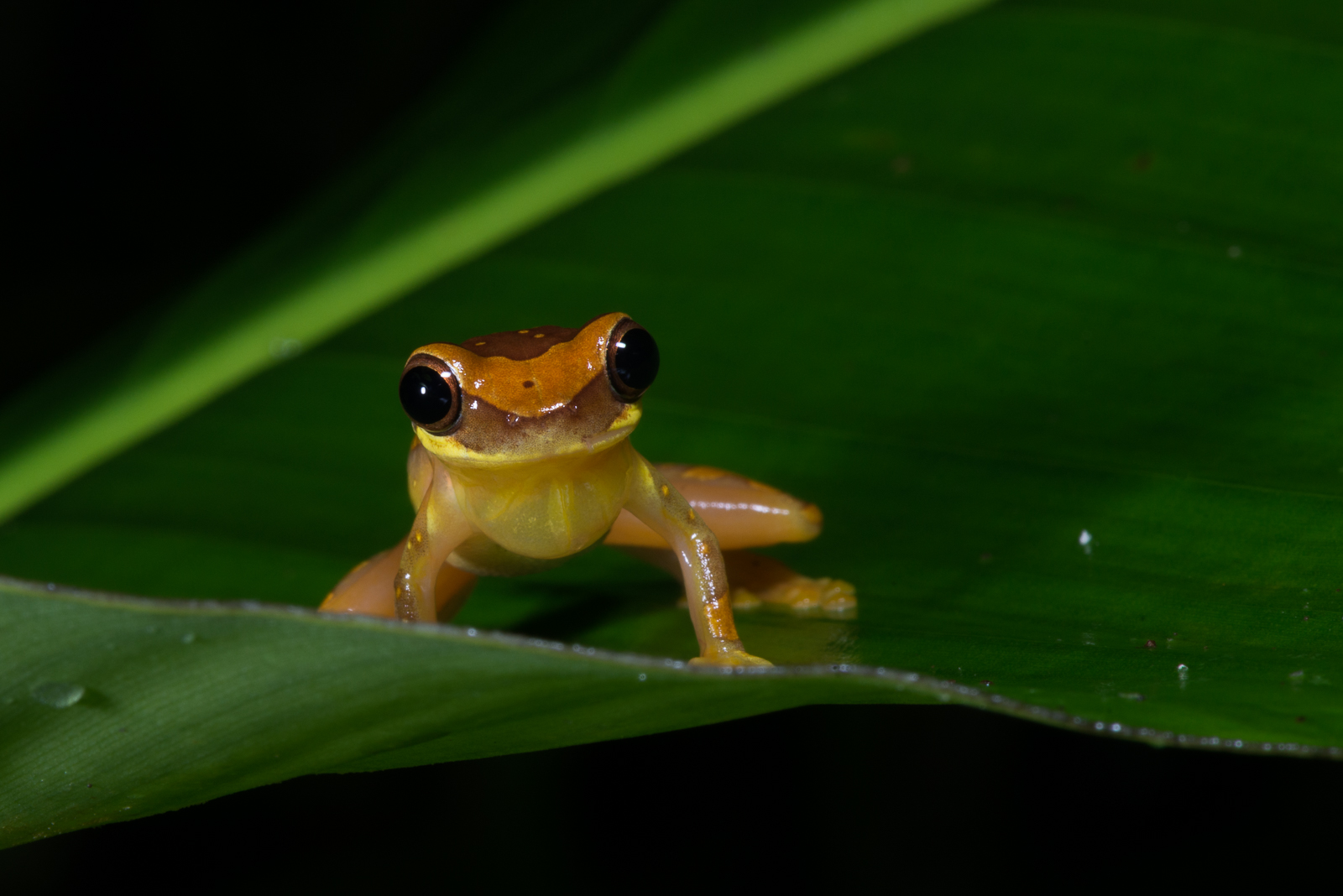
Panama is a great location for nocturnal shooting — especially the bounty of tree frogs that always seem to be about. This is an hourglass tree frog photographed in the highlands of El Valle. Nikon D800 with Nikkor 105mm macro lens, ISO 200, f/25 at 1/60th of as second, two Nikon SB-900 flash units.
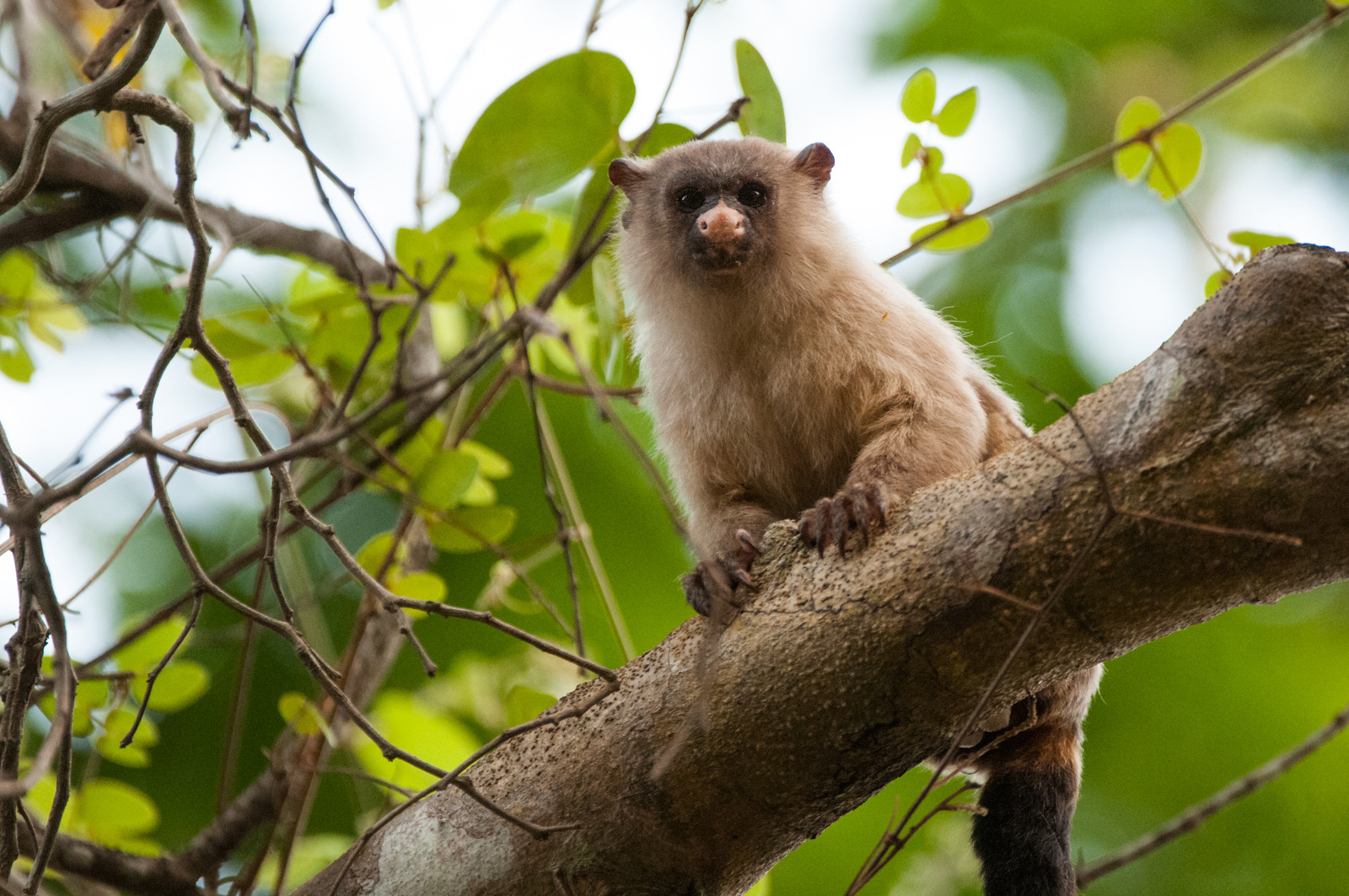
Marmosets are very small monkeys. Most of the 22 different species are only about eight inches long (not including the tail). They are also fairly primitive with a less developed brain than other monkeys and several interesting physical characteristics like claws rather than nails. This black-tailed marmoset was photographed in the Pantanal of Brazil. Nikon D300 with Nikkor 200-400mm lens (at 400mm) ISO 1600, f/4 at 1/1000th of a second.
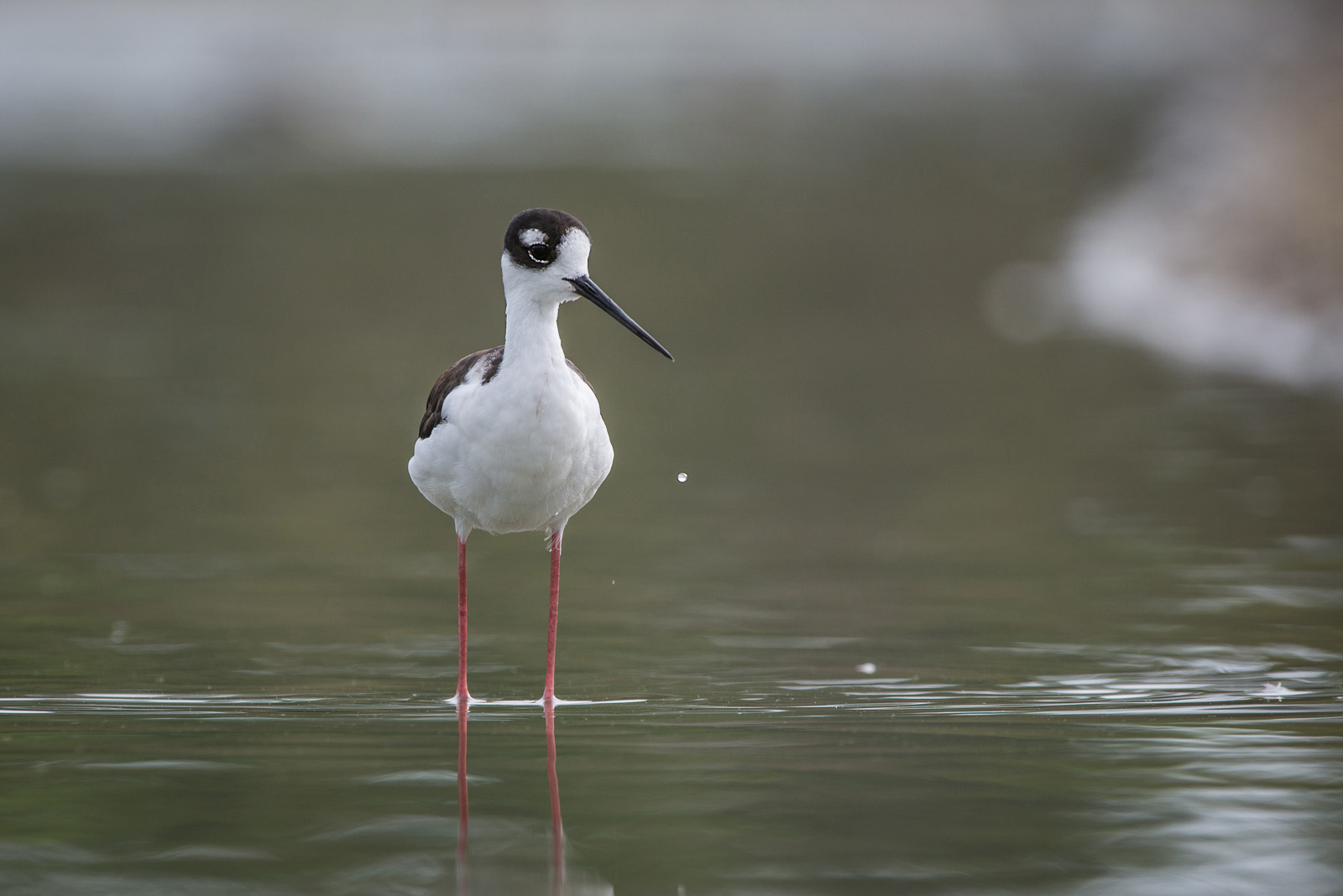
The black-necked stilt is a very widespread shorebird throughout a good portion of the Americas. I photographed this one in San Joaquin Wildlife Sanctuary in California while I was searching for bobcats. Always nice to have something to photograph when looking for an elusive something else to photograph. Nikon D800 with Nikkor 200-400mm lens (at 400mm) ISO 400, f/5.6 at 1/1000th of a second.
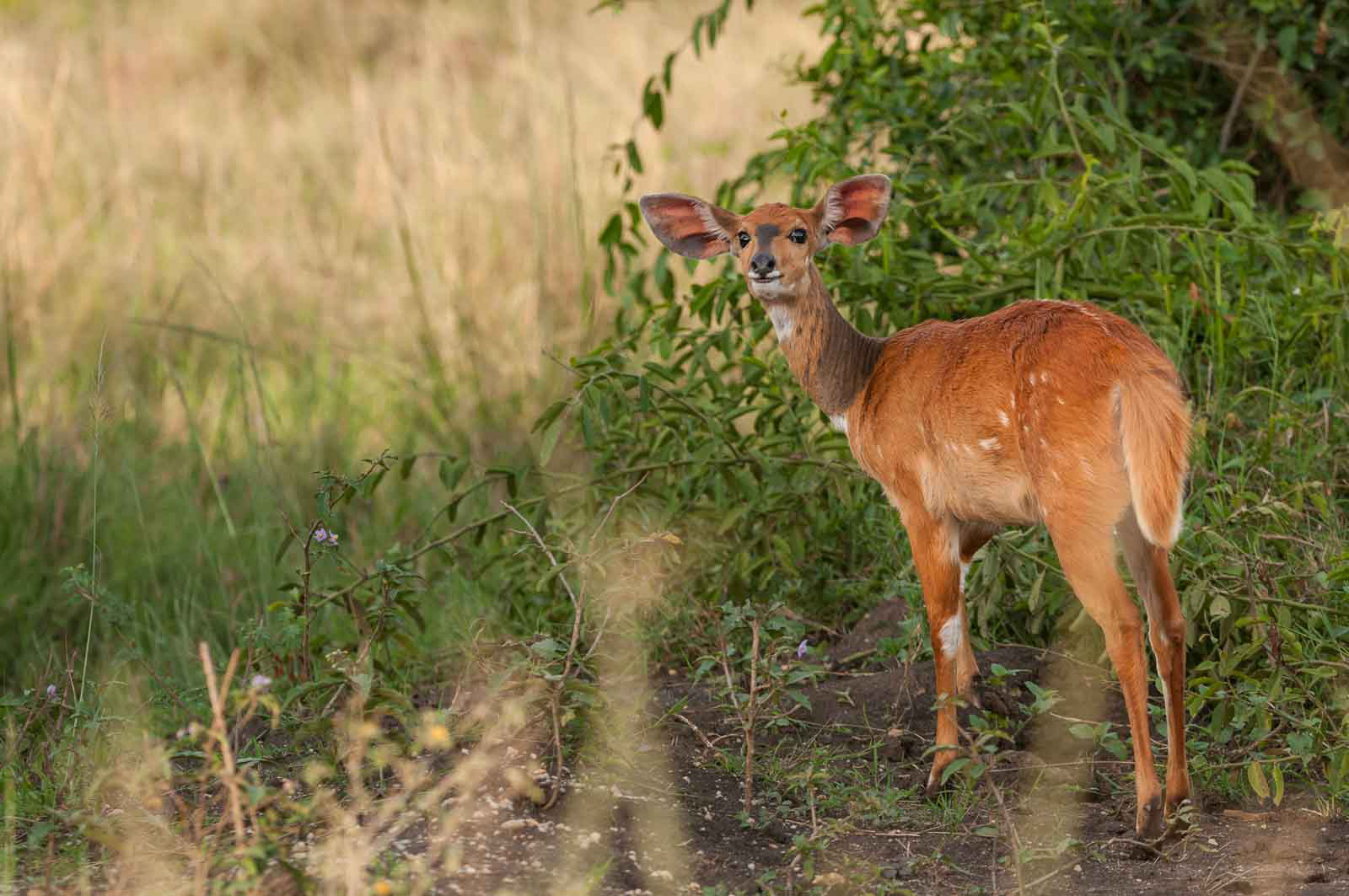
Of the many antelope species in Africa, the bushbuck — by my estimation at least — has some of the most impressive ears. I encountered this one in Queen Elizabeth National Park in Uganda. Nikon D300 with Nikkor 200-400mm lens (at 270mm) ISO 200, f/5.6 at 1/200th of a second.
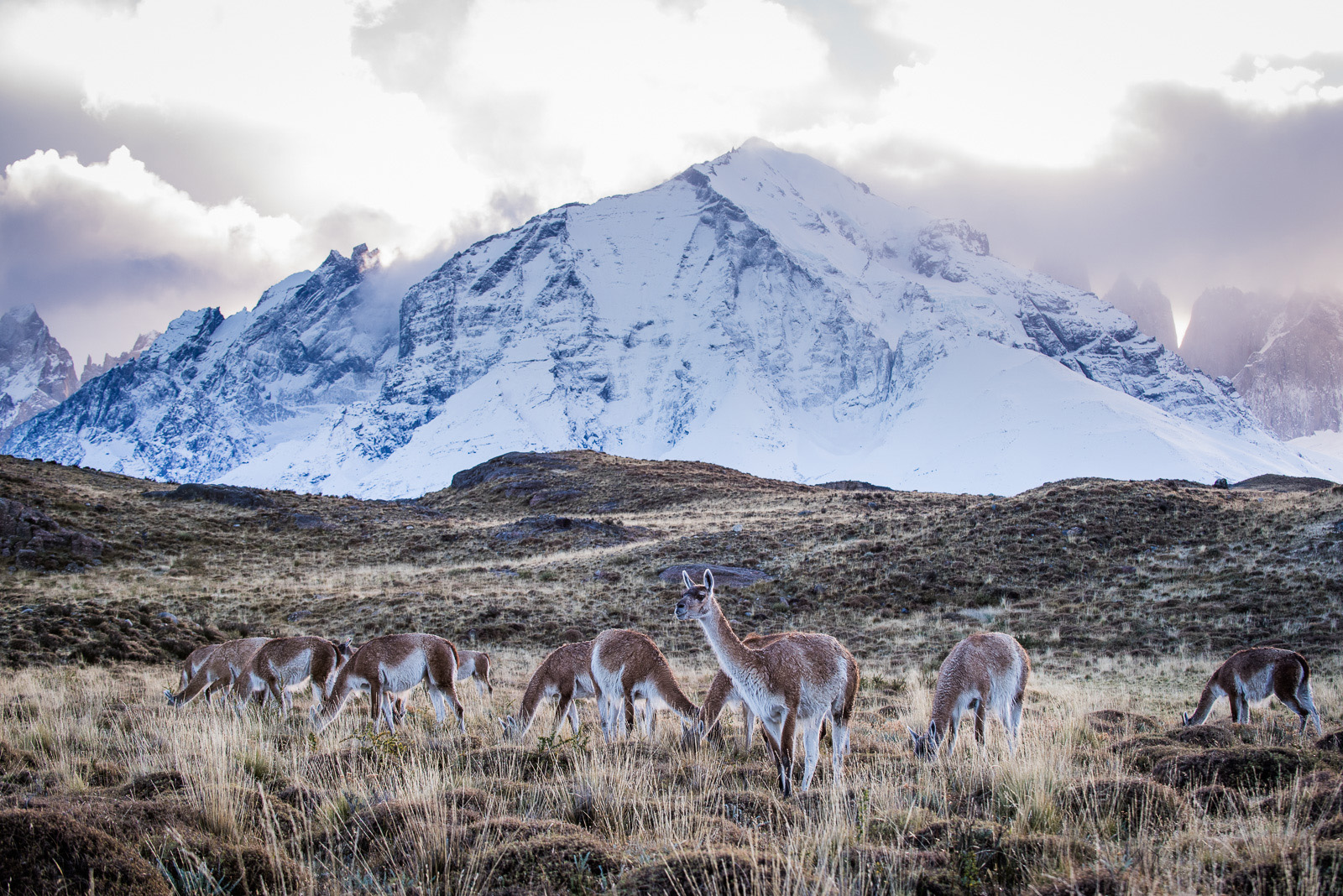
Guanacos are very common in Chile’s Torres Del Paine National Park. So are mountains. Together they make a great combo. This herd was enjoying a late day snack, but always aware that a puma might be lurking nearby. Nikon D810 with Nikkor 70-200mm lens (at 70mm) ISO 400, f/8 at 1/250th of a second.
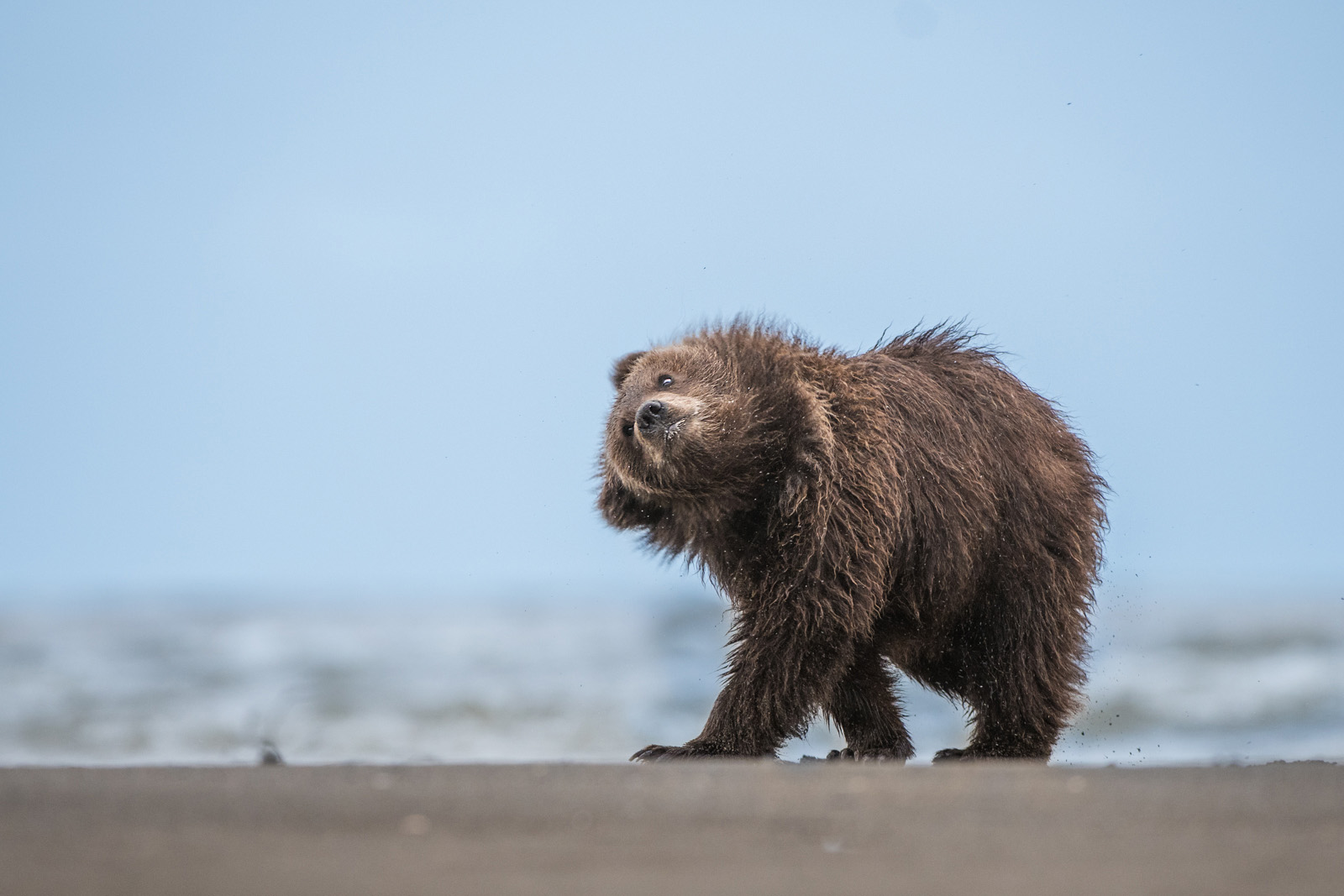
A brown bear cub shakes off the sea and rain after a morning of fishing with mom. Photographed in Lake Clark National Park in Alaska. Nikon D500 with Nikkor 200-400mm lens (at 310mm) ISO 640, f/4 at 1/1250th of a second.
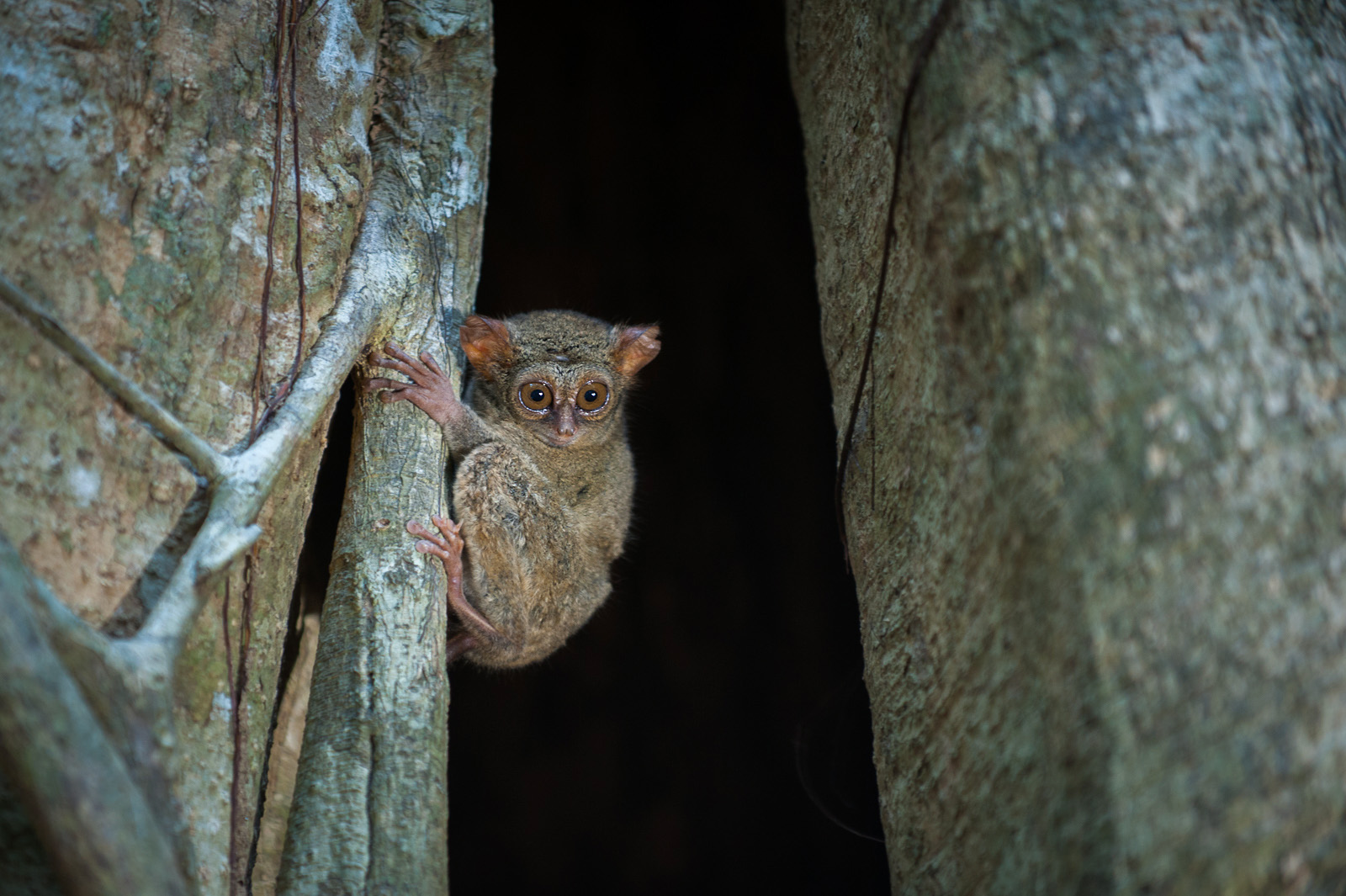
Quite late on my post today, so just scrolled quickly through my files to find an appropriate subject and came across this spectral tarsier. I photographed her in Sulawesi, Indonesia using existing light from just after twilight, supplemented by the full moon. A slow shutter speed, tripod, and a very still subject allowed me to get the shot. Nikon D700 with Nikkor 70-200mm lens (at 200mm) ISO 800, f/2.8 at .4 seconds.