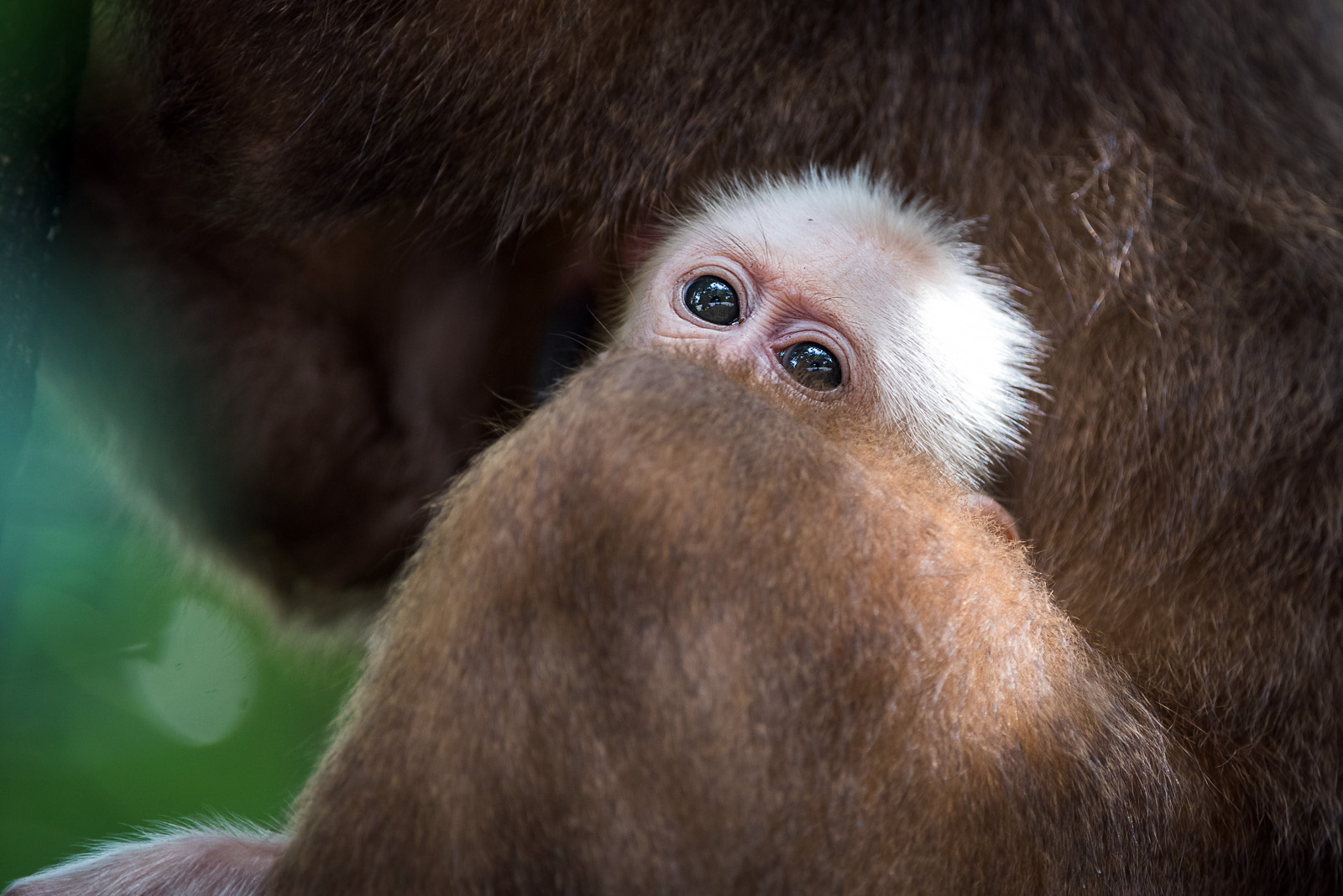
A baby stump-tailed macaque checks out her new world from the safety of her mother’s lap. Photographed near Kaeng Krachan National Park on the Malay Peninsula of Thailand. Nikon D810 with Nikkor 200-400mm lens (at 400mm) ISO 1600, f/5.6 at 1/250th of a second.
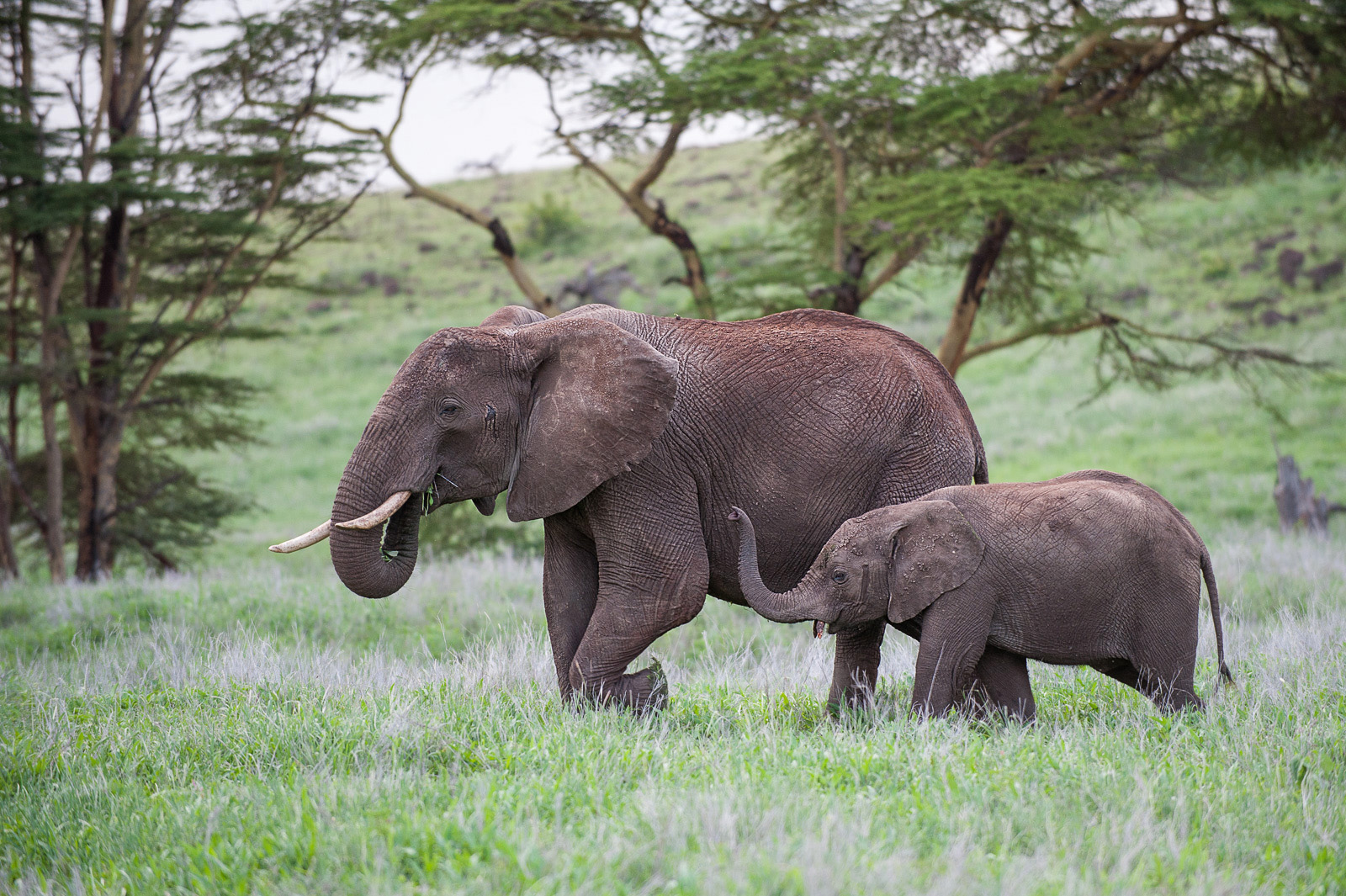
A mother and her calf forage as they walk through the green landscape of Lewa Wildlife Conservancy in Kenya. Female elephants are at their most fertile between the ages of 25 and 45 and they have a gestation period of almost two years. Once born, the calves are cared for by not only their biological mother, but also other adult and young females in the group. This is know as allomothering. Nikon D700 with Nikkor 70-200mm lens (at 200mm) ISO 800, f/3.5 at 1/400th of a second.
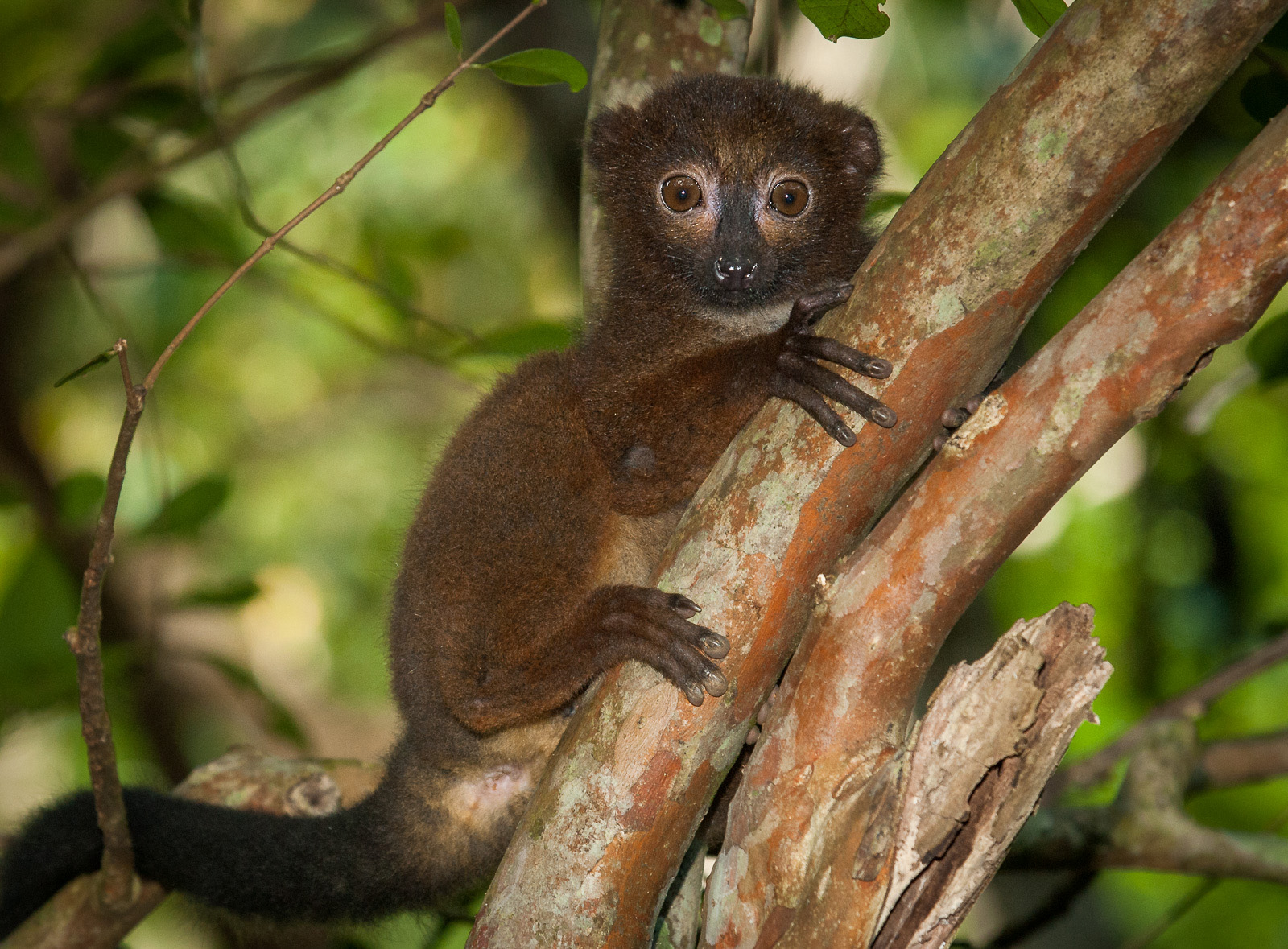
This young red-bellied lemur was part of a free-ranging troop that took residence in Parc Ivoloina on the east coast of Madagascar. These guys are equally active both day and night. Even outside of park-like settings, these lemurs can be very accepting of human approach and will often come forward to get a better look at the fellow primate staring back at them. Nikon D200 with Nikkor 80-200mm lens (at 155mm) ISO 250, f/4.5 at 1/60th of a second.
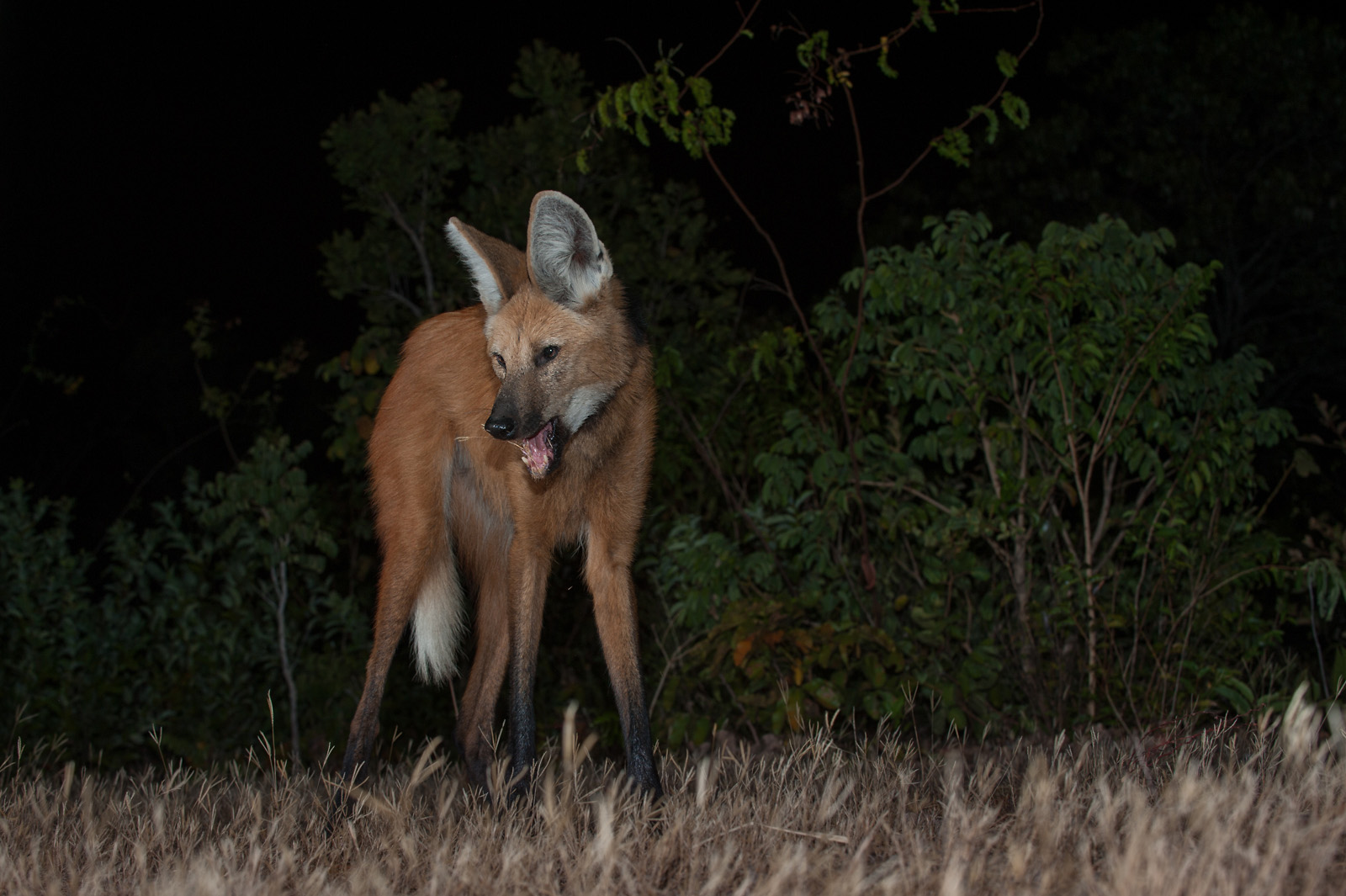
It’s been more than three years since I posted a photo of my encounter with maned wolves in Piaui State, Brazil. Often referred to as a fox on stilts, the mostly-nocturnal maned wolf has exceedingly long legs — an adaptation to the tall grasslands where it spends most of its time. Nikon D700 with Nikkor 70-200mm lens (at 78mm) ISO 200, f/7.1 at 1//60th of a second, two Nikon SB-800 flash units.
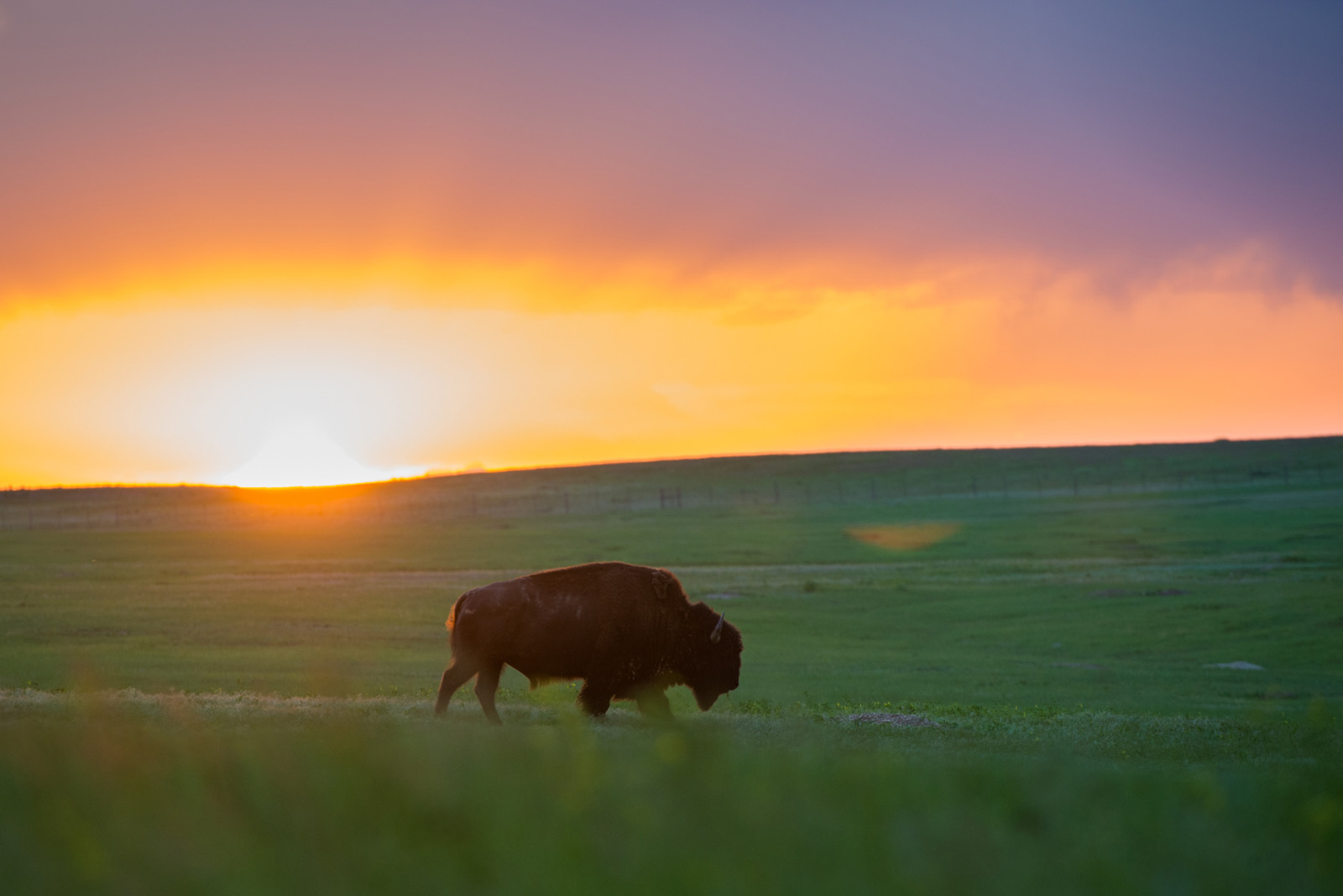
A bison grazes on the prairie in one of the less badlandy areas of Badlands National Park in South Dakota. Nikon D800 with Nikkor 200-400mm lens (at 400mm) ISO 800, f/5 at 1/100th of a second.
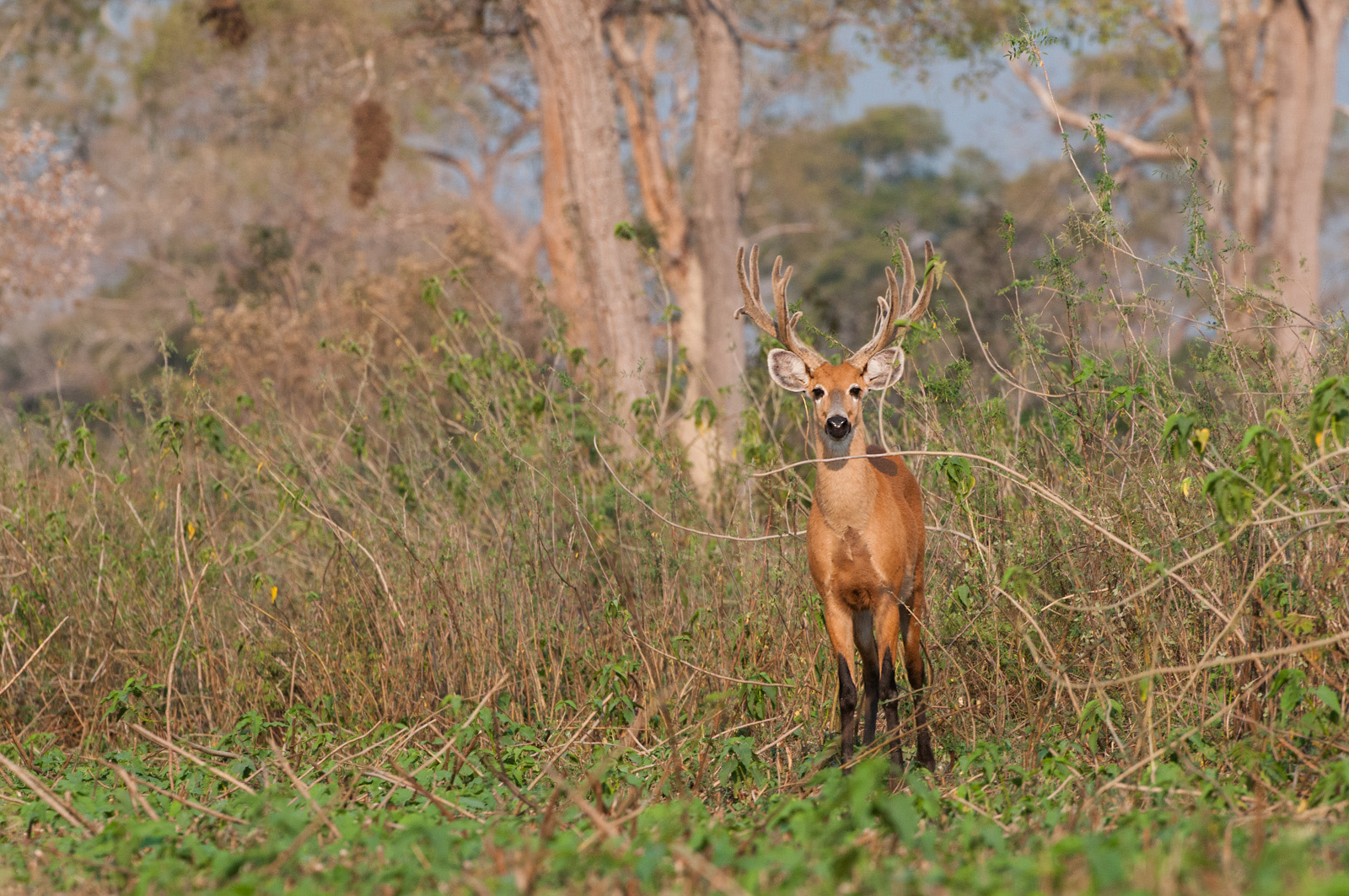
Deer come in many varieties across the globe. They can be found on every continent except for Antarctica and Australia. The marsh deer is native to South America. It is the largest of South America’s 17 different deer species. I spotted this one while hiking a trail in southwestern Brazil. Nikon D300 with Nikkor 200-400mm lens (at 400mm) ISO 400, f/7.1 at 1/500th of a second.
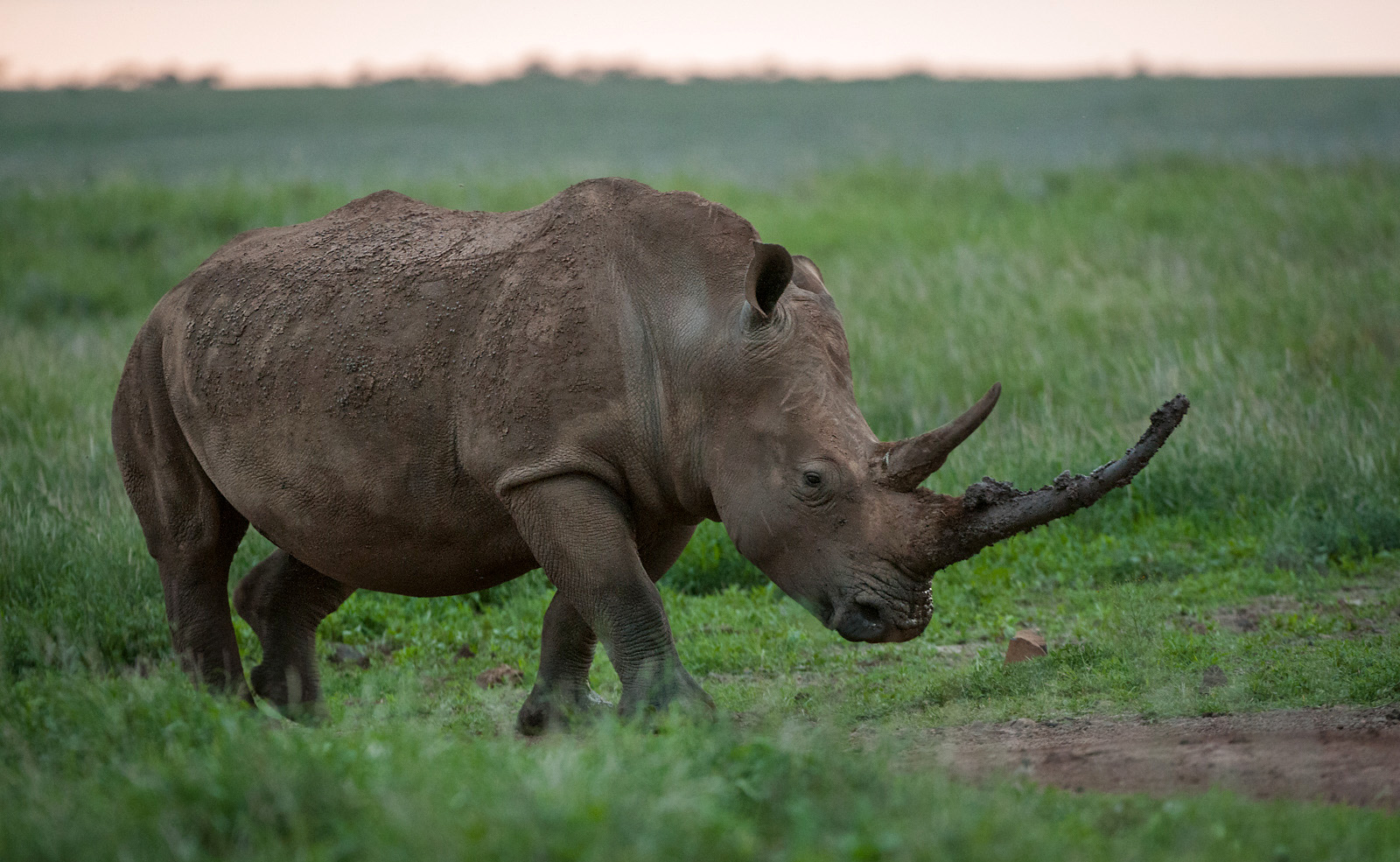
A white rhino grazes at the end of the day in Lewa Wildlife Conservancy in Kenya. The main difference between the white rhino and the black rhino (other than there are a lot more of the white in existence) is the shape of the mouth. The black rhino has more of a pointed lip for picking fruit off of bushes, whereas the white rhino has a flat, wide lip more suited for grass feeding. In fact, another name for the white rhino is the square-lipped rhinoceros. Nikon D300 with Nikkor 200-400mm lens (at 310mm) ISO 1600, f/4 at 1/250th of a second.
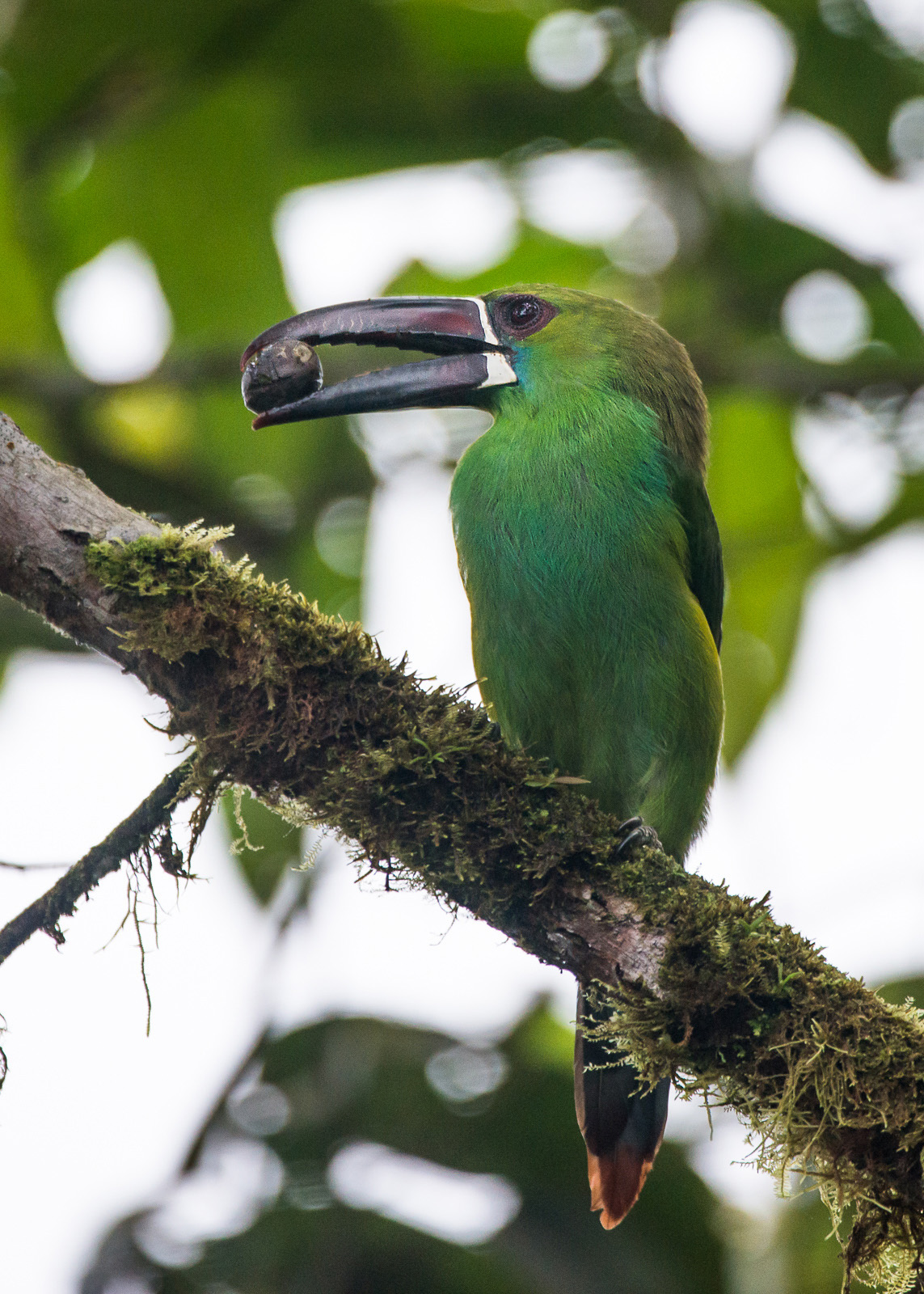
I shot this image of a crimson-rumped toucanet through the glass of my lodge window while staying in the cloud forest of Ecuador (unfortunately, the windows didn’t open). He didn’t allow me to see his namesake crimson rump, but did have the common courtesy to at least display a bit of feeding behavior. Nikon D800 with Nikkor 200-400mm lens (at 400mm) ISO 800, f/4 at 1/640th of a second.
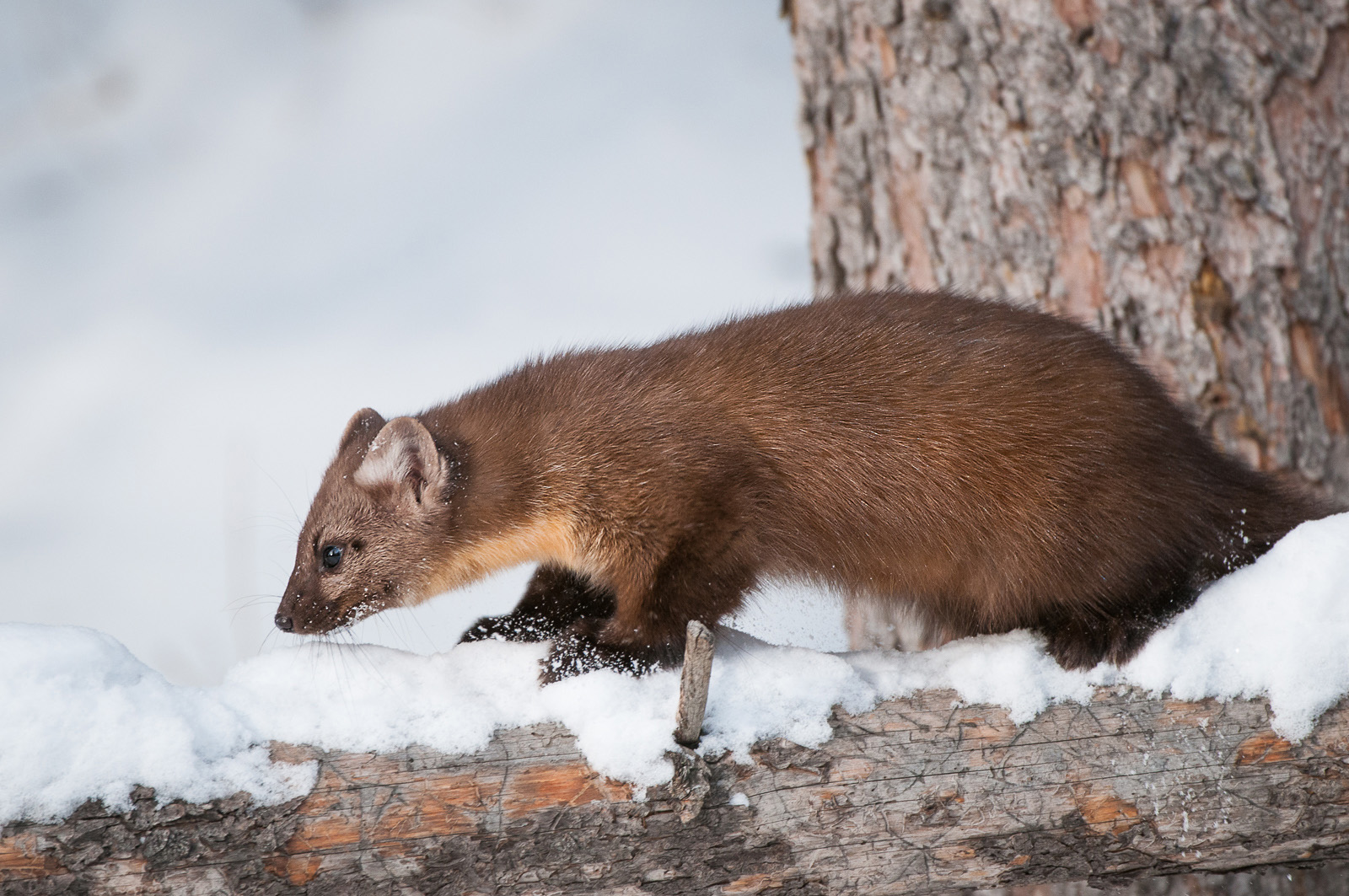
I came across this pine marten (and a friend) just outside of Yellowstone National Park near the northeastern entrance in the town of Silver Gate, Montana. The two were chasing each other around in the snow by a wood pile and across a few fallen logs. They didn’t last long before scurrying back into the woods. Nikon D300 with Nikkor 200-400mm lens (at 400mm) ISO 400, f/4 at 1/800th of a second.
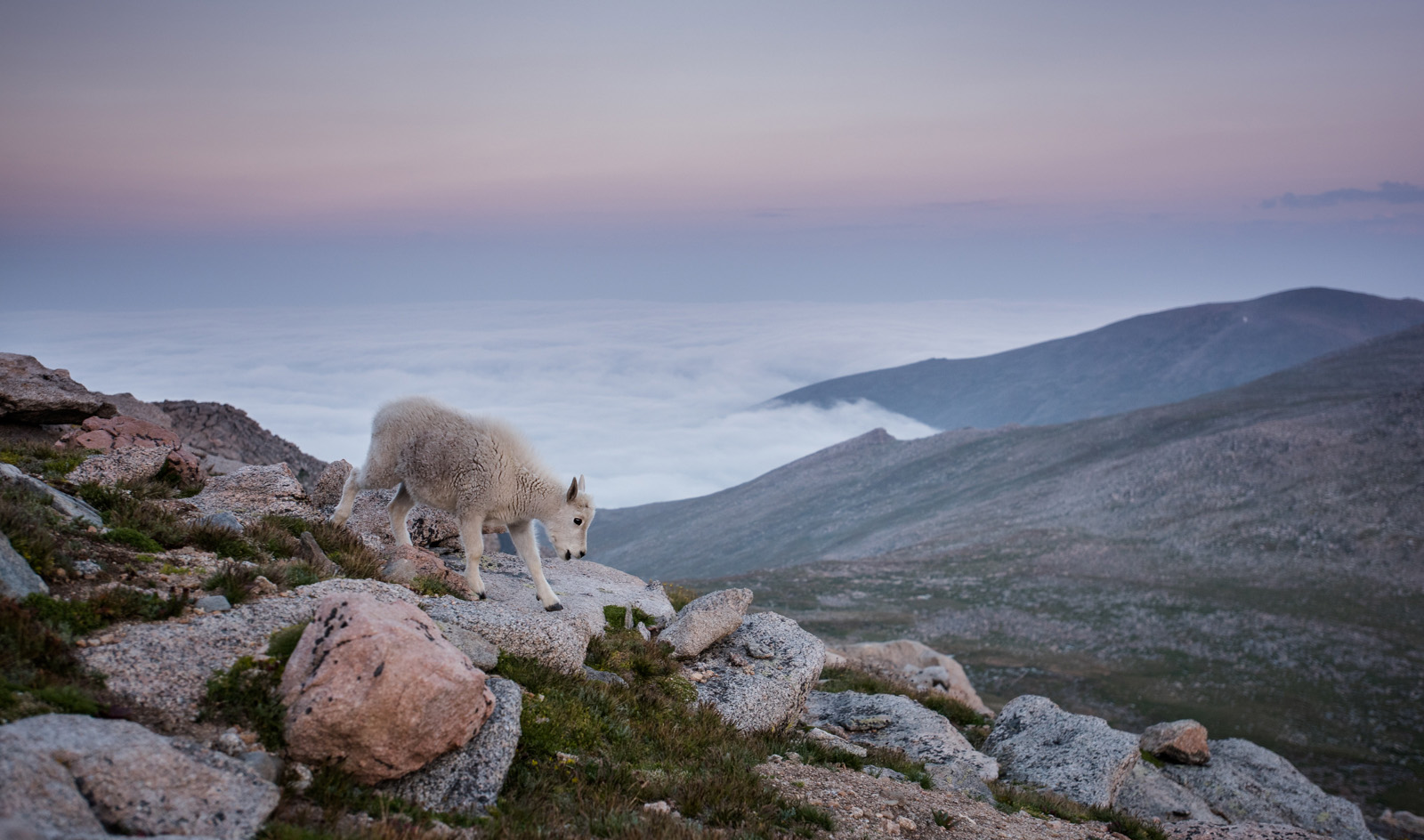
A young mountain goat walks high above the clouds near the top of Mount Evans in Colorado. Sorry that posts have been a bit intermittent as of late (or maybe that’s a good thing). Karen and I have been busy moving into our new house. Once that’s settled I’m looking forward to getting back out into the wild for all new images to share. Nikon D810 with Nikkor 17-35mm lens (at 35mm) ISO 800, f/4 at 1/400th of a second.
We use cookies to enhance your experience while using our website. If you are using our Services via a browser you can restrict, block or remove cookies through your web browser settings. We also use content and scripts from third parties that may use tracking technologies. You can selectively provide your consent below to allow such third party embeds. For complete information about the cookies we use, data we collect and how we process them, please check our Privacy Policy