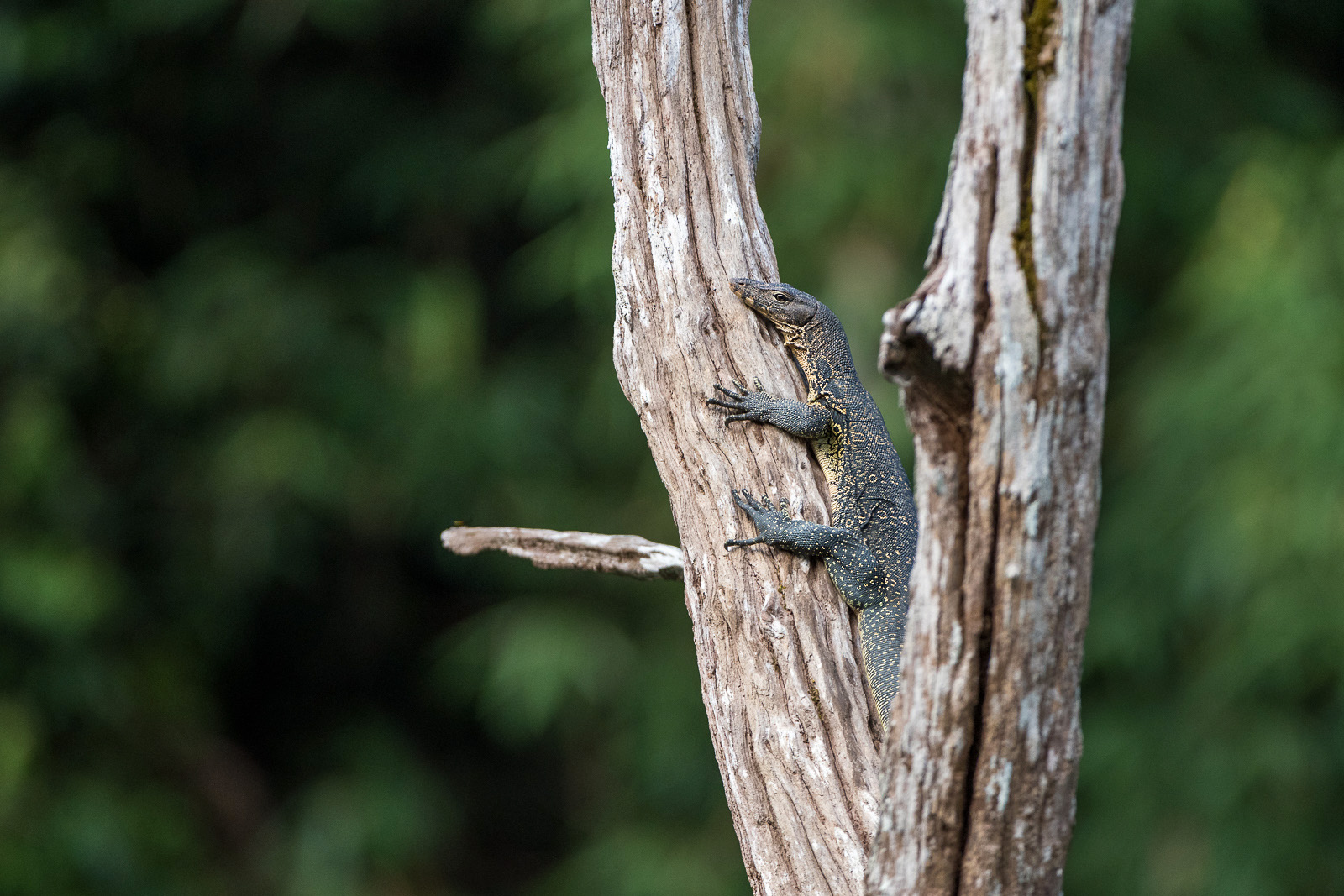
Tree monitors are very big lizards — three feet long or more. I spotted this one while on a boat in Khlong Saeng in Thailand. The dead trees were protruding from the water in this permanently flooded region. Nikon D500 with Nikkor 200-400mm lens (at 350mm) ISO 800, f/4 at 1/1250th of a second.
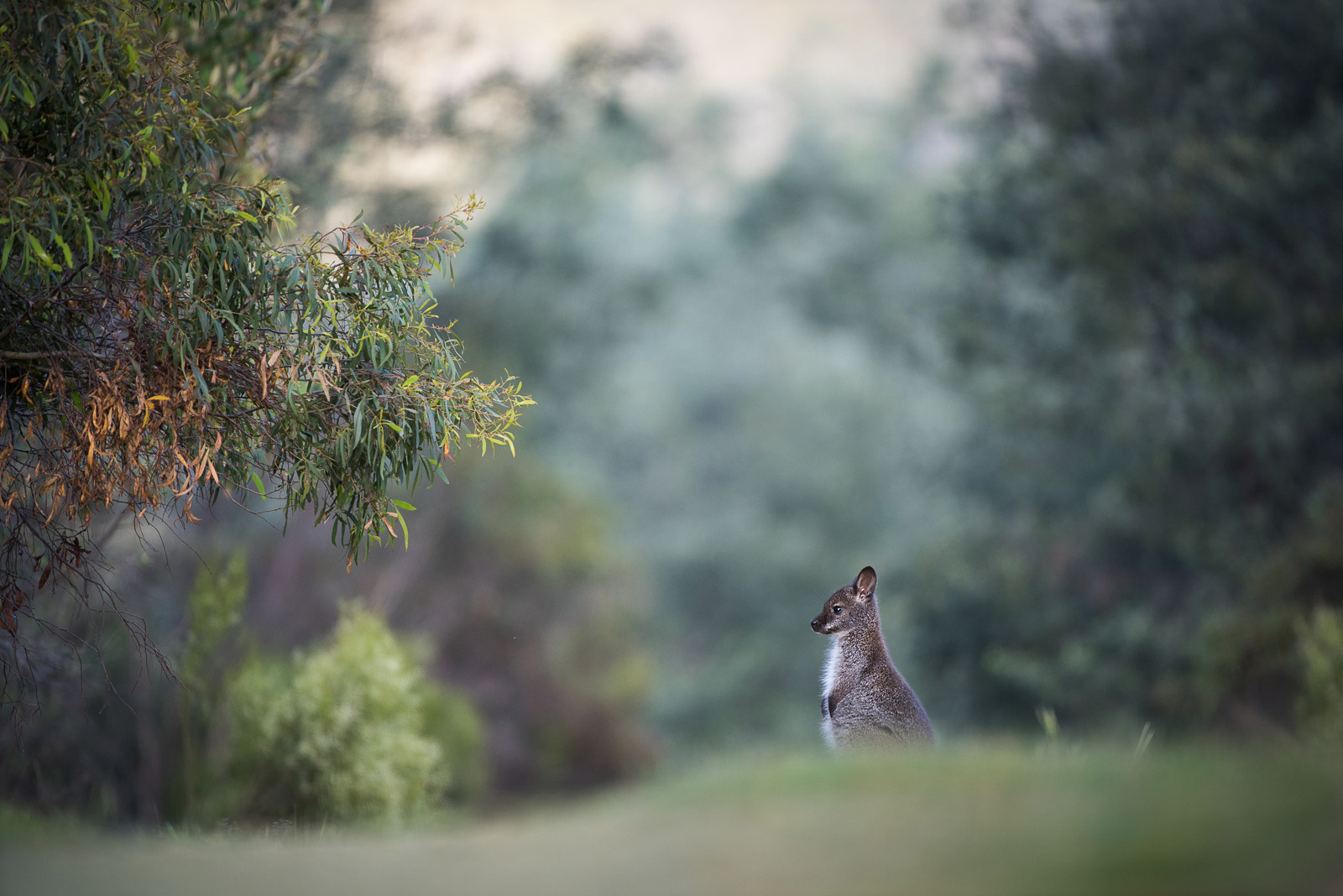
A young Bennett’s wallaby takes a moment to enjoy the scenery in a field near Scottsdale in Tasmania, Australia. Nikon D810 with Nikkor 200-400mm lens (at 400mm) ISO 800, f/4 at 1/400th of a second.
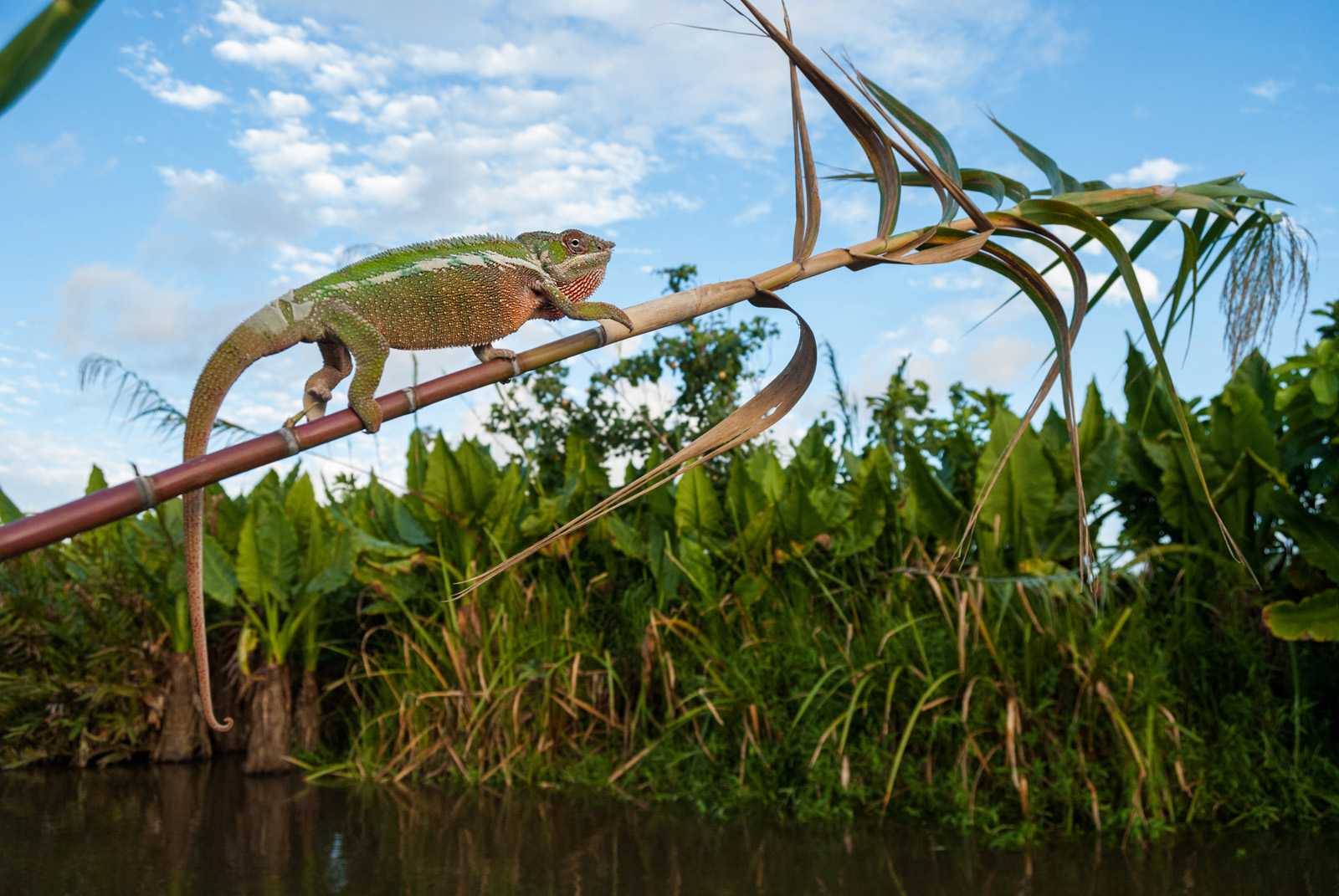
A panther chameleon crawls out on a reed while we were heading upriver on the east coast of Madagascar. I used my little entry level camera for this one, which I was using as a backup back in the day. Nikon D40x with Nikkor 18-55mm lens (at 18mm) ISO 400, f/5.6 at 1/320th of a second.
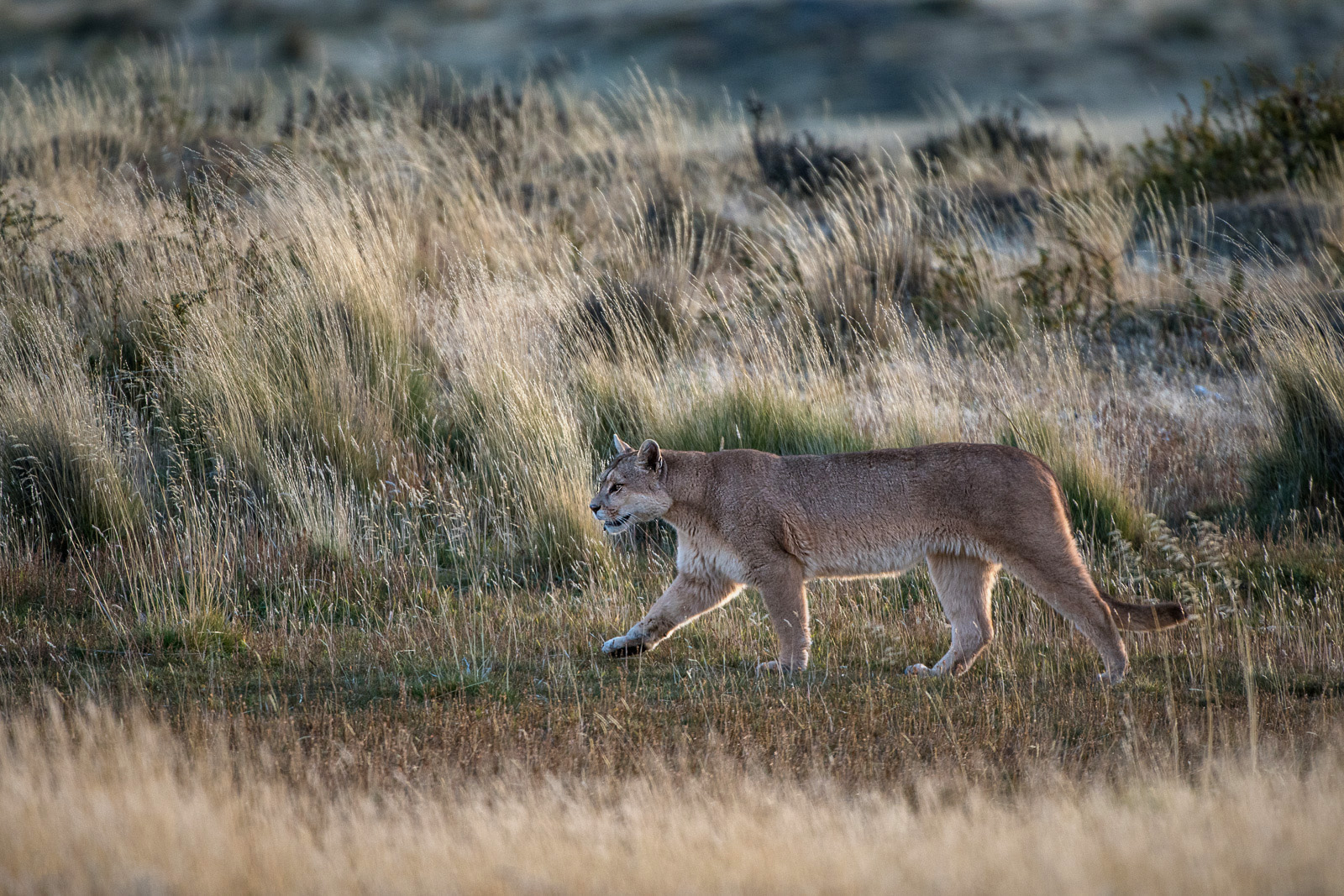
The grasslands of Patagonia can be a dangerous place, especially for a guanaco. Being able to spot a puma amongst the constantly flowing grasslands can be a difficult task. This particular female was on her way back to a kill that she had previously stashed in the bushes. She wasn’t hunting, but still blended almost seamlessly with the landscape. Nikon D500 with Nikkor 200-400mm lens (at 400mm) ISO 800, f/4 at 1/800th of a second.
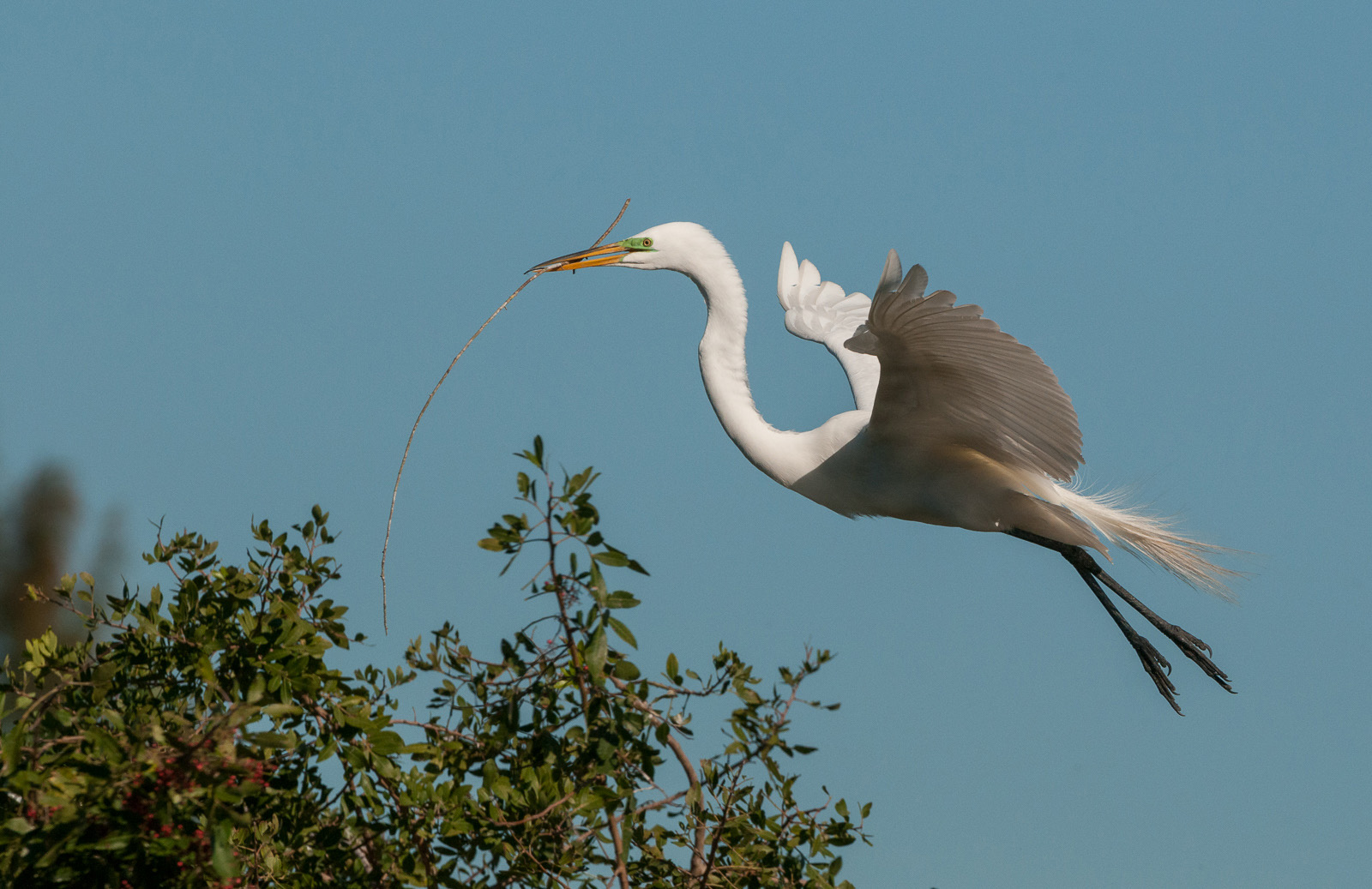
A great egret puts a finishing touch on a nest at the Venice Rookery in Florida. Nikon D300 with Nikkor 200-400mm lens (at 400mm) ISO 400, f/8 at 1/3200th of a second.
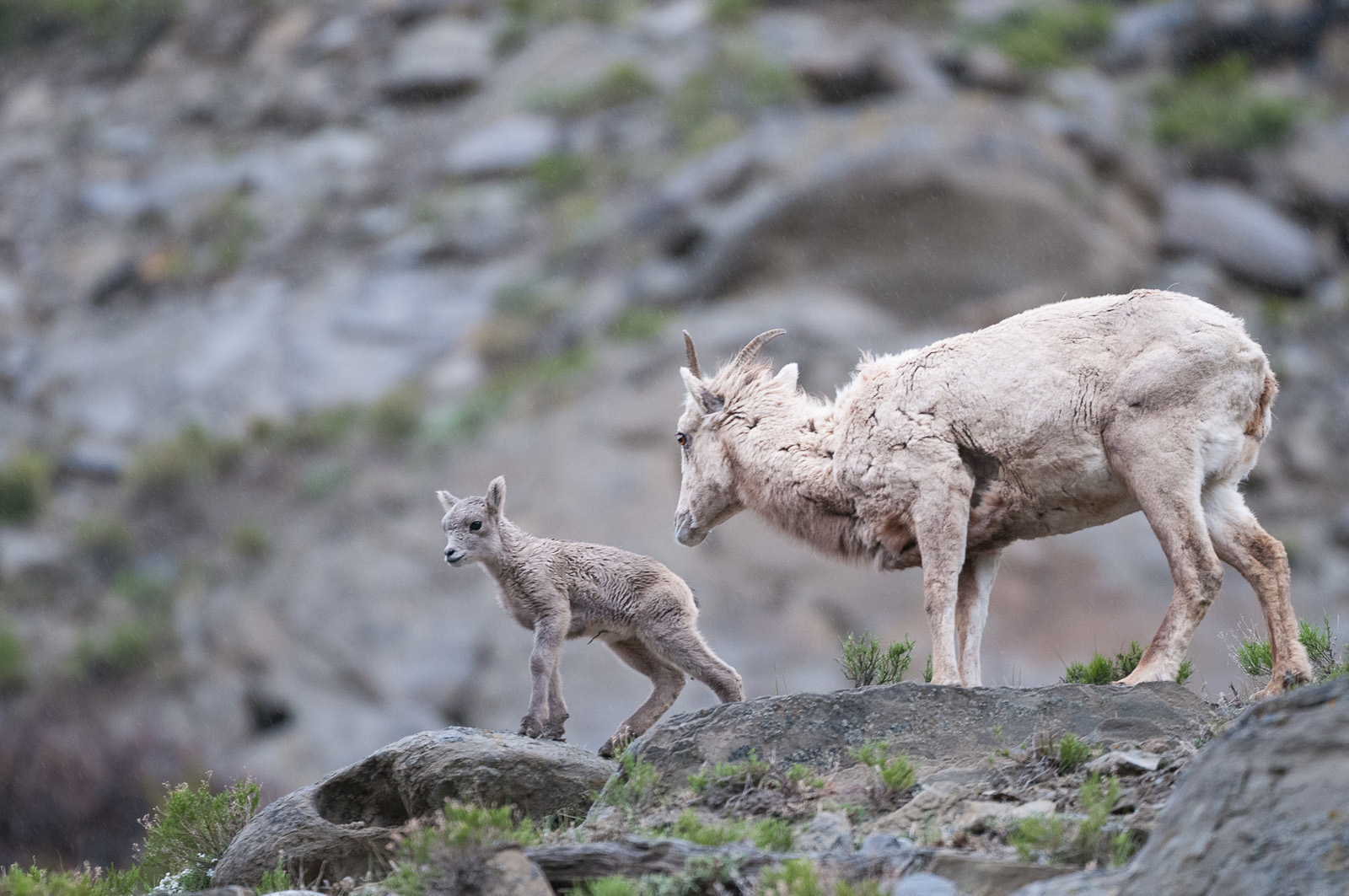
Late May/early June is a great time to see bighorn lambs in Yellowstone. Although sometimes they’re not quite as easy to spot as you might think. The newborns can be the same exact color as the surrounding landscape. But when you do spot them, they’re a lot of fun to watch as they jump all around the steep mountainsides. Nikon D300 with Nikkor 200-400mm lens (at 400mm) ISO 800, f/4 at 1/250th of a second.
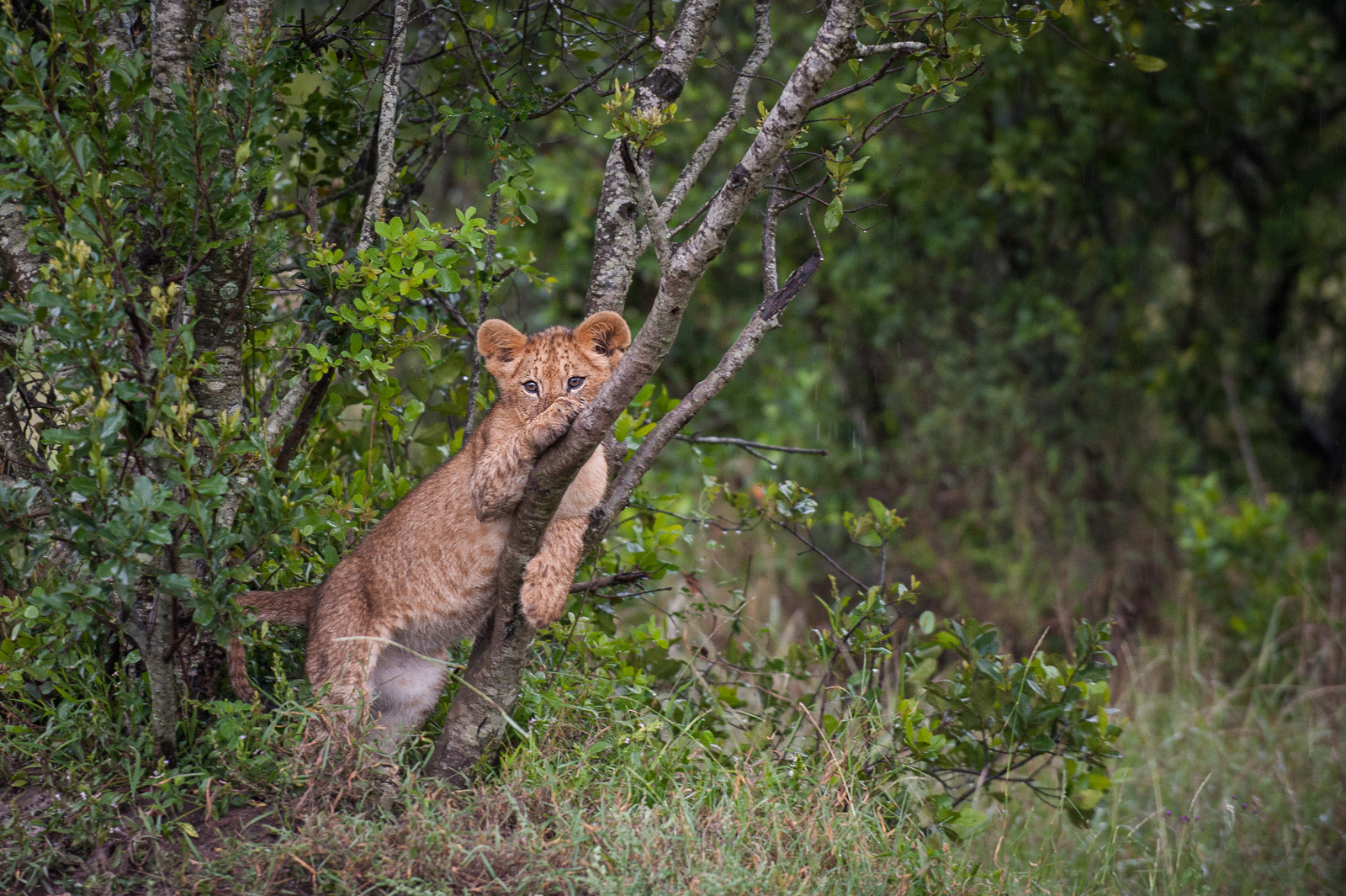
A bit late on my post today, but hopefully I can make up for it with a lion cub. This guy was relaxing with his siblings while mom was resting in the bushes. Photographed in the Ol Pajeta Conservancy in Laikipia, Kenya. Nikon D700 with Nikkor 70-200mm lens (at 200mm) ISO 1600, f/3.5 at 1/200th of a second.
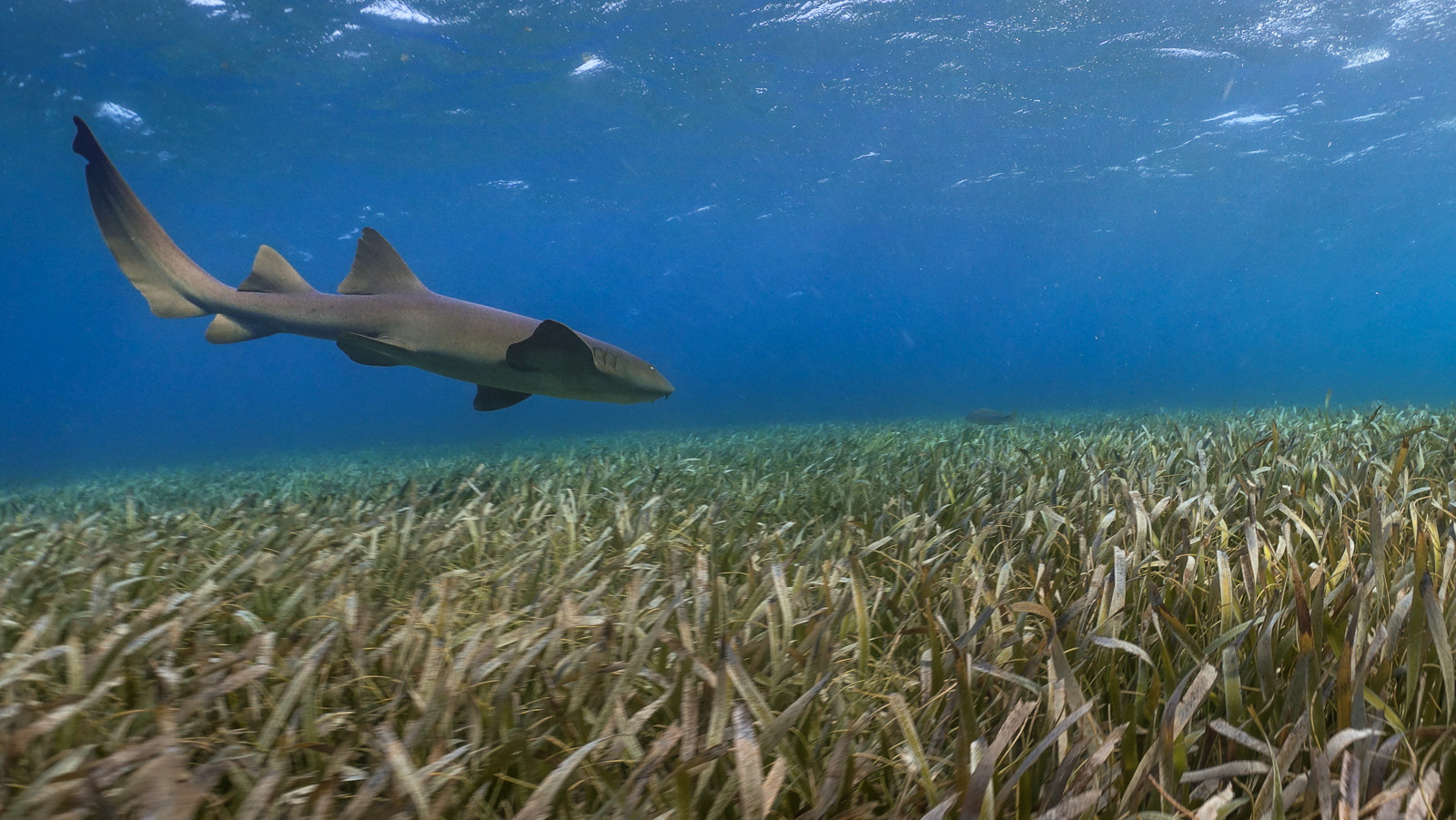
Shark Ray Alley Marine Reserve off of Ambergris Caye in Belize is aptly named. Plenty of sharks. Plenty of rays. The sharks are mostly nurse sharks like this guy. We spent a few days snorkeling in the area with plenty of sightings as the sharks come by for the chum tossed into the water by the local tour guides. Sony RX100V at 8.8mm (24mm equivalent) plus wide angle wet lens, ISO 125, f/5.6 at 1/125th of a second, Fantasea housing.
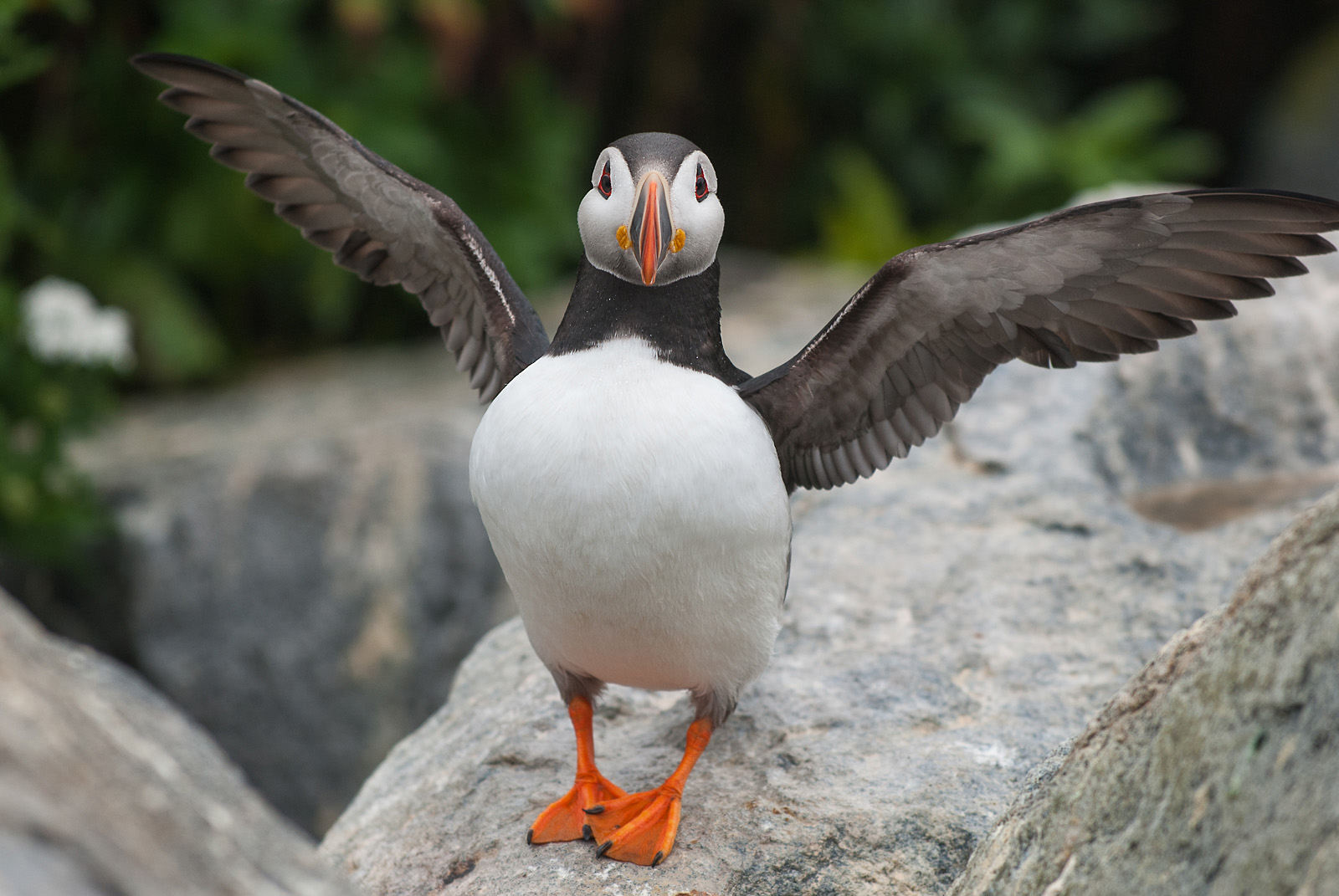
An Atlantic puffin stretches its wings on Machias Seal Island. As I’ve mentioned in past posts from this location, the island is a disputed territory between the US and Canada. I never knew there were land disputes between the countries. The US claims it’s part of Maine. Canada claims it’s part of New Brunswick. The puffins don’t seem to care either way. Nikon D200 with Nikkor 70-200mm lens (at 200mm) ISO 200, f/4 at 1/500th of a second.
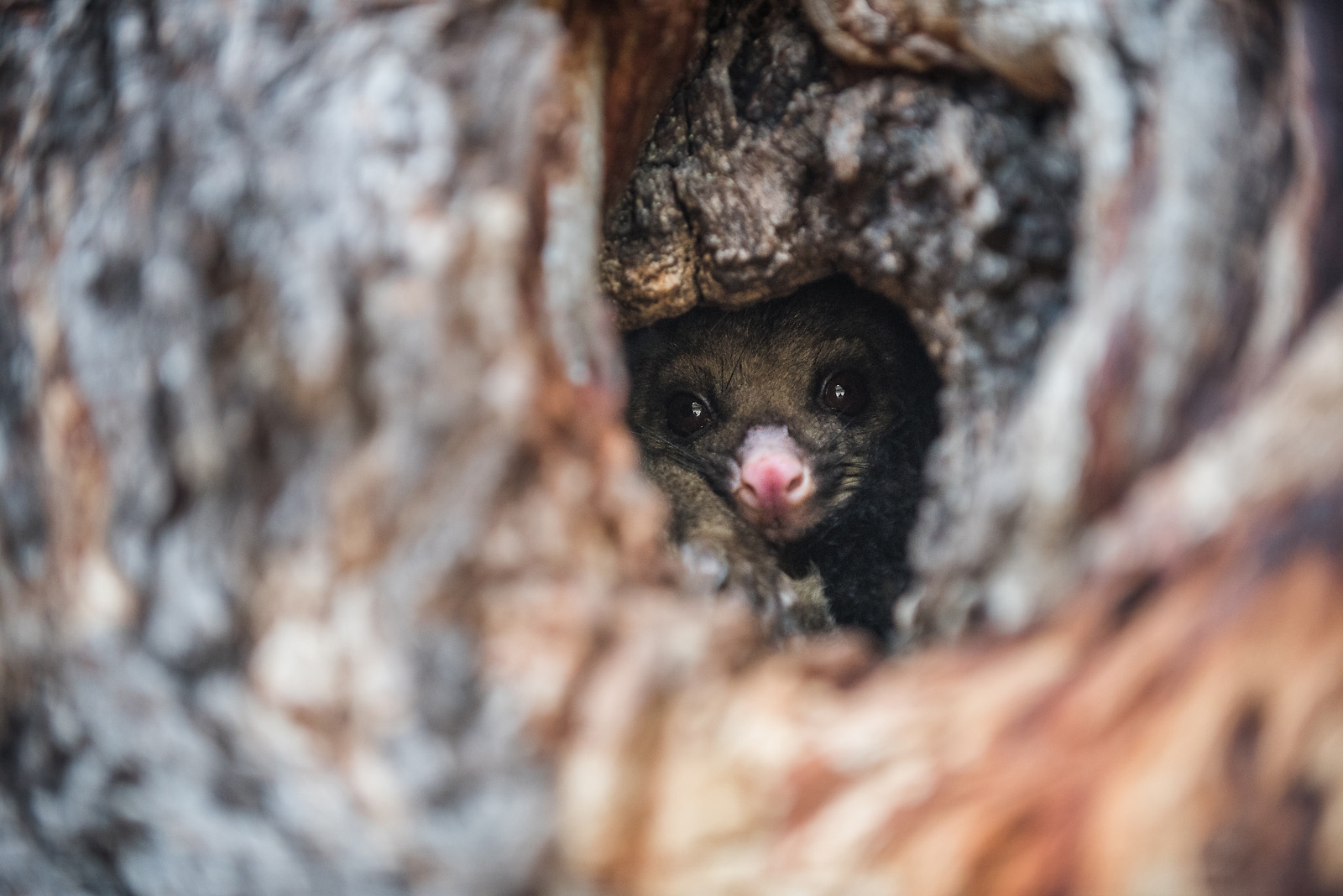
I can only imagine all the animals over the years that quietly watched me pass as I hiked trails unaware. Occasionally, I also catch a glimpse of them. Thus was the case with this common brushtail possum that I spotted while hiking in Coles Bay in Tasmania. These guys are strictly nocturnal, but this one obviously woke up from its daytime resting place to take a quick look at what those footsteps on the trail down below were all about. After I passed, I’m sure those eyes closed right back up for a few more hours until the sun went down. Nikon D810 with Nikkor 70-200mm lens (at 135mm) ISO 1600, f/2.8 at 1/100th of a second.
We use cookies to enhance your experience while using our website. If you are using our Services via a browser you can restrict, block or remove cookies through your web browser settings. We also use content and scripts from third parties that may use tracking technologies. You can selectively provide your consent below to allow such third party embeds. For complete information about the cookies we use, data we collect and how we process them, please check our Privacy Policy