Elephants toss mud on themselves to protect their skin from the sun and biting insects. The mud also helps cool them down and soothes irritated or sensitive skin. After bathing or wallowing, they often follow up with a dusting of dry soil to seal in moisture and enhance the protective layer. I filmed this big bull elephant on day one of our recent trip to the Masai Mara in Kenya. Please contact us if you’d like to join our tour in late November of this year. Nikon Z8 with Nikkor Z 70-200mm lens (at 200mm), ISO 476, f/18 at 1/250th of a second and 120 FPS.
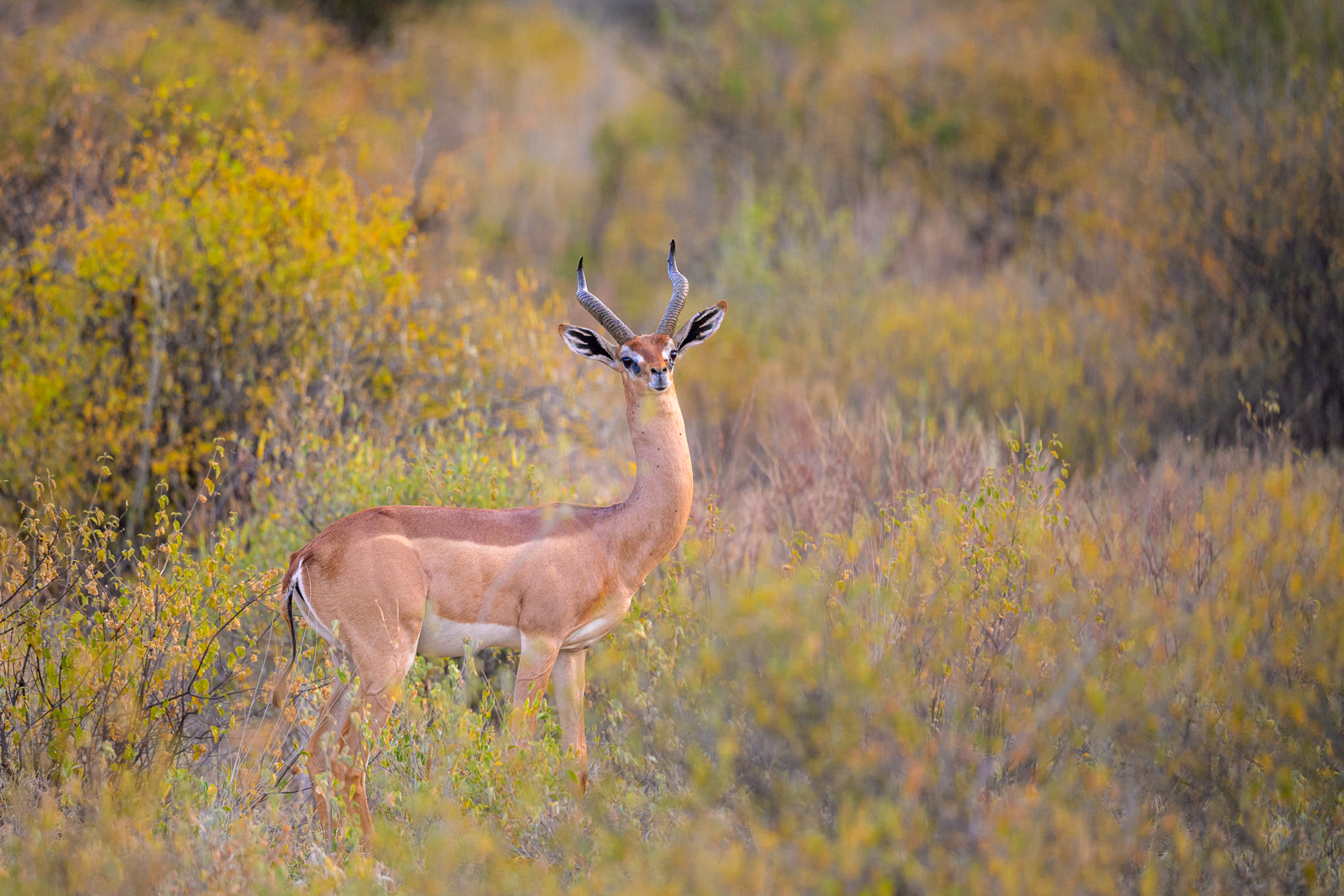
On our Kenyan tours, we always include contrasting national parks for the greatest variety of wildlife and landscapes. This is a male gerenuk, a specialty of northern parks. Extremely long necks allow gerenuks to reach vegetation that other grazers can’t (not withstanding giraffes and elephants, of course). Males have horns whereas females do not. They also have much thicker necks than females. Nikon Z8 with Nikkor 500mm PF lens, ISO 1800, f/5.6 at 1/500th of a second.
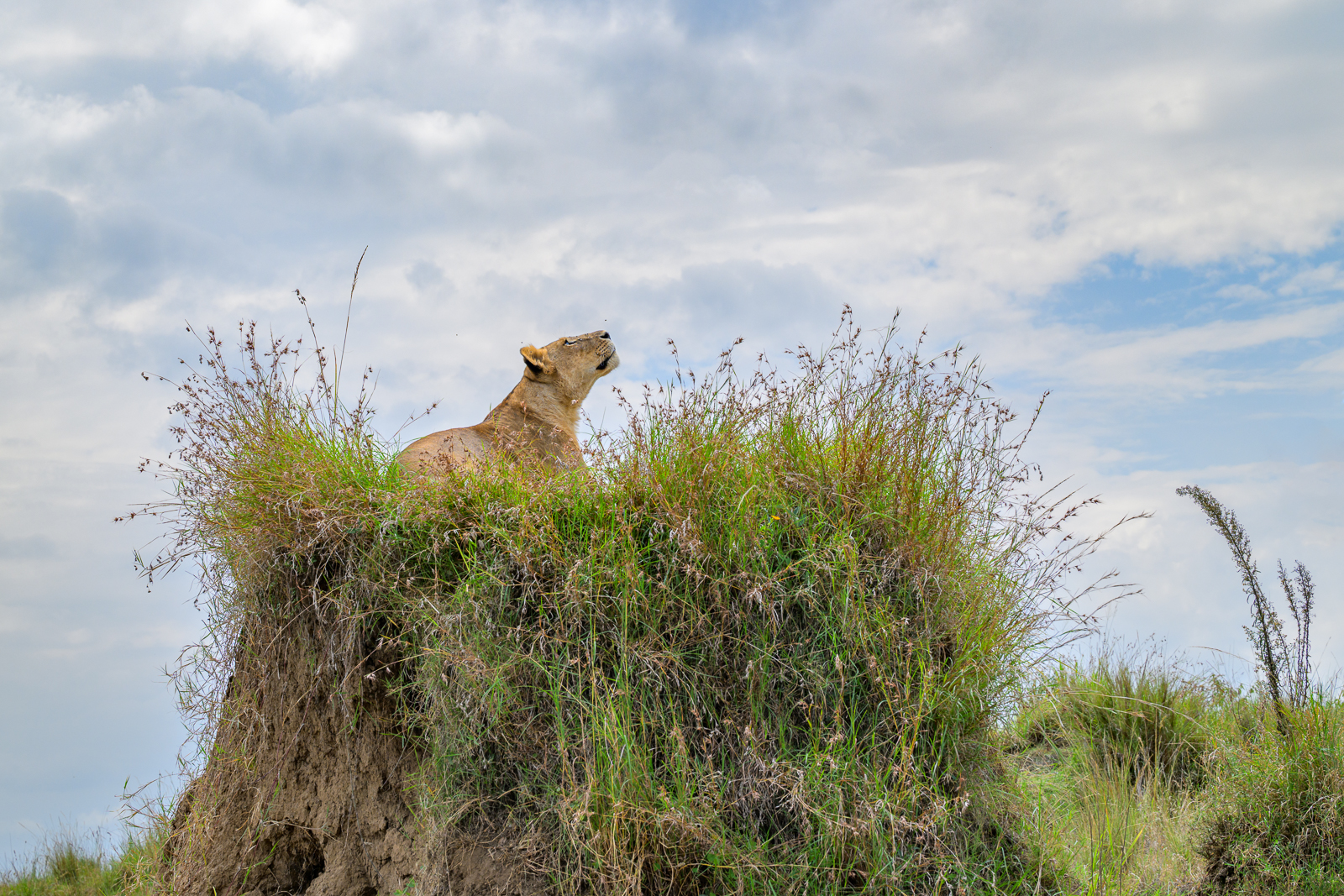
This lioness found a great perch to spend the morning. Her male counterpart was bedded down in nearby bushes, but she had the prime spot atop a small grassy butte. We watched her for quite some time and even left for a while to have breakfast before returning to find her in the same place. At one point she looked skyward as a bush pilot was bringing in the next round of wide-eyed safari goers. Nikon 8 with Nikkor 70-200mm lens (at 80mm) ISO 140, f/8 at 1/800th of a second.
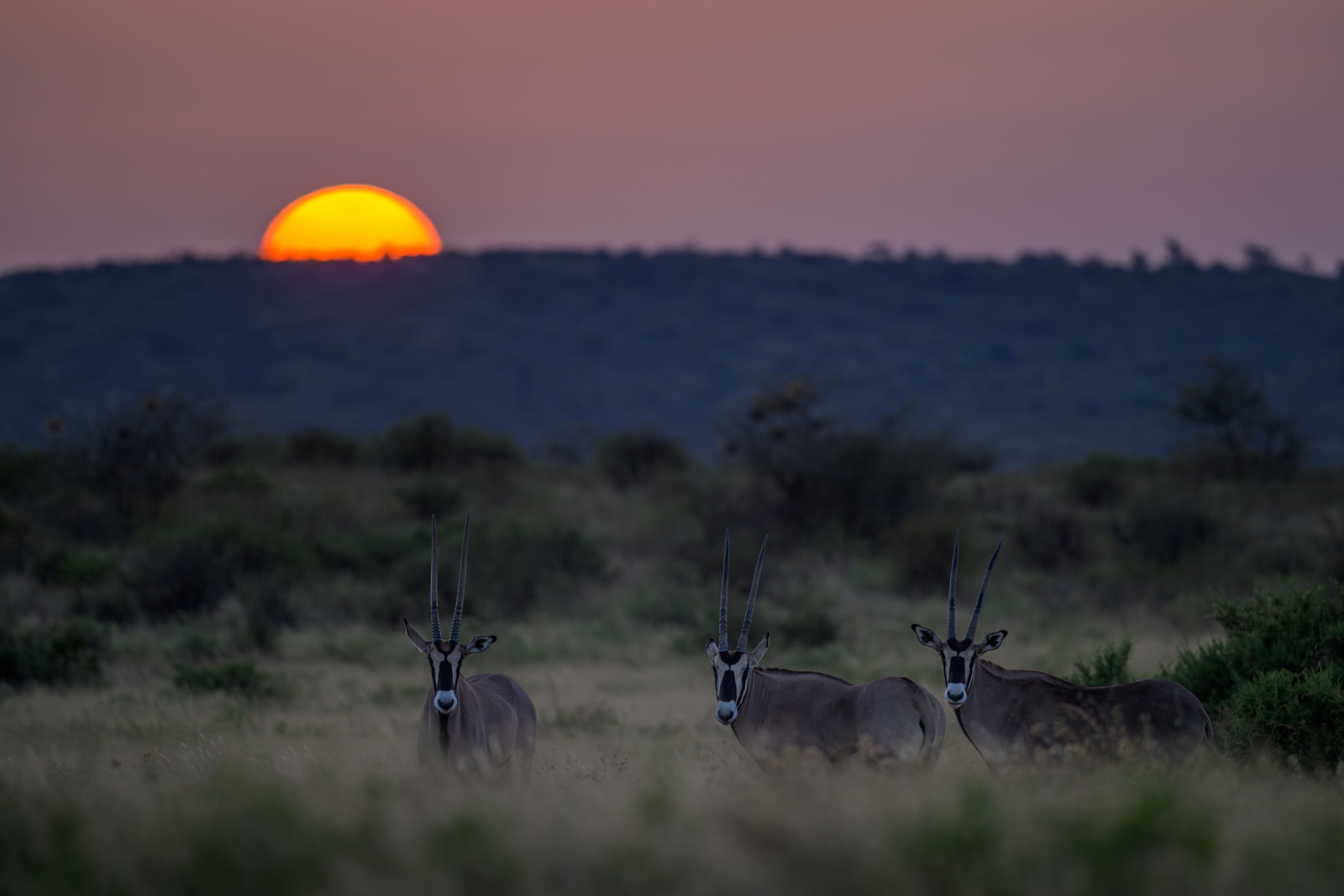
June marks the beginning of the long dry season in Kenya. That said, the weather can be unpredictable and you never know what you’re going to get. More often than not, however, sunny skies are the norm this time of year. As a photographer, I love the cloudy, dramatic skies that are more typical of the rainy season. But on cloudless days, there is a fifteen minute period each morning when a large ball of fire rises over the savanna. It becomes a mad dash to find whatever wildlife we can to place in front of it. On this particular morning, one of northern Kenya’s specialities — beisa oryx, also known as East African oryx — found their way between my lens and the sun. More on these guys in upcoming posts. Nikon Z8 with Nikkor 500mm PF lens, ISO 280, f/5.6 at 1/250th of a second.
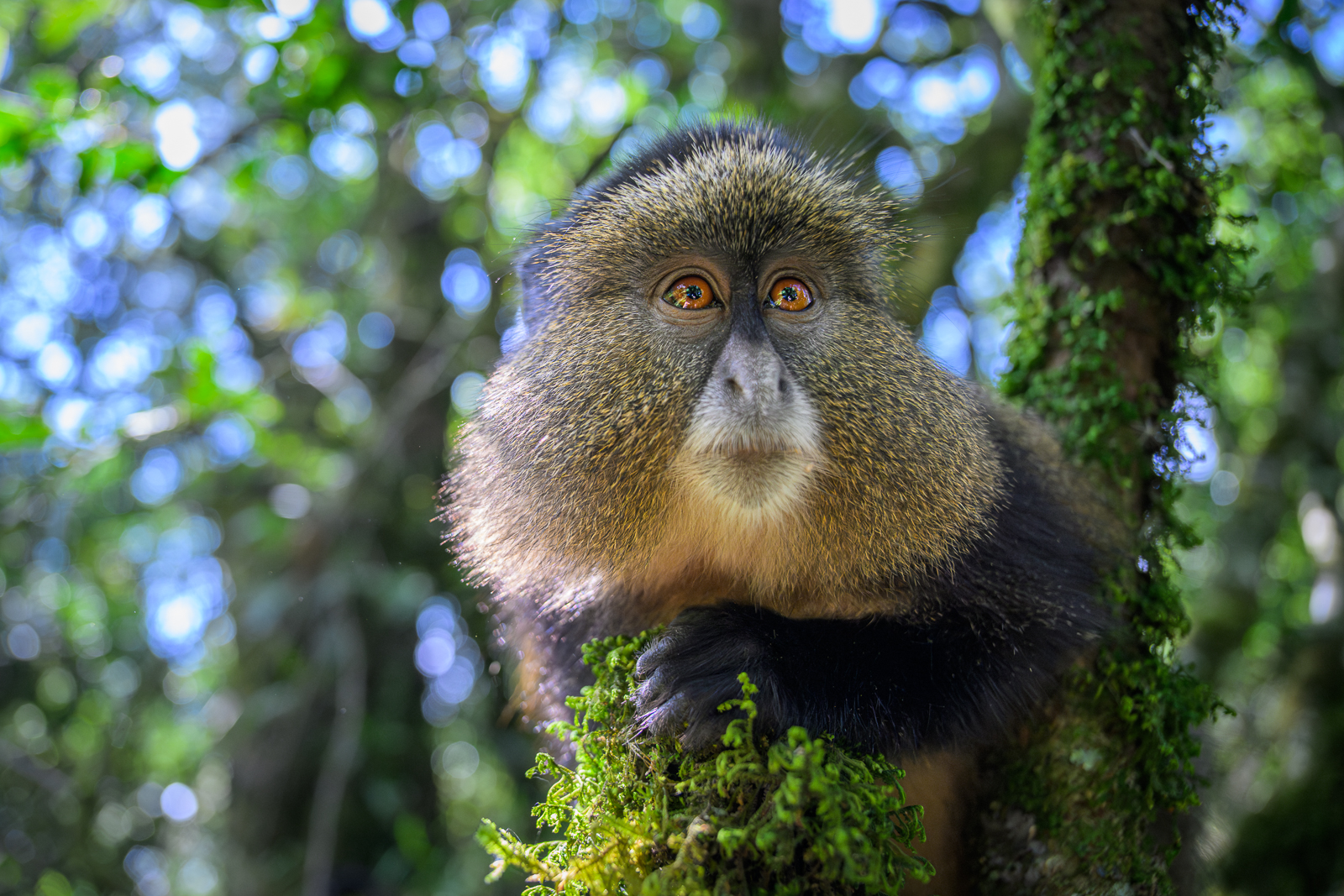
We add Uganda to our classic Crane Wildlife Tours trips in order to see critically endangered mountain gorillas. But that’s not the only endangered primate we have the opportunity to see. We also include an optional hike to visit golden monkeys in their bamboo forest habitat. This little guy kept getting closer and closer to me and then eventually reached out and tapped the front of my lens. This image was taken just before the tap. Nikon Z8 with Nikkor 24-70mm lens (at 24mm) ISO 1800, f/2.8 at 1/1250th of a second.
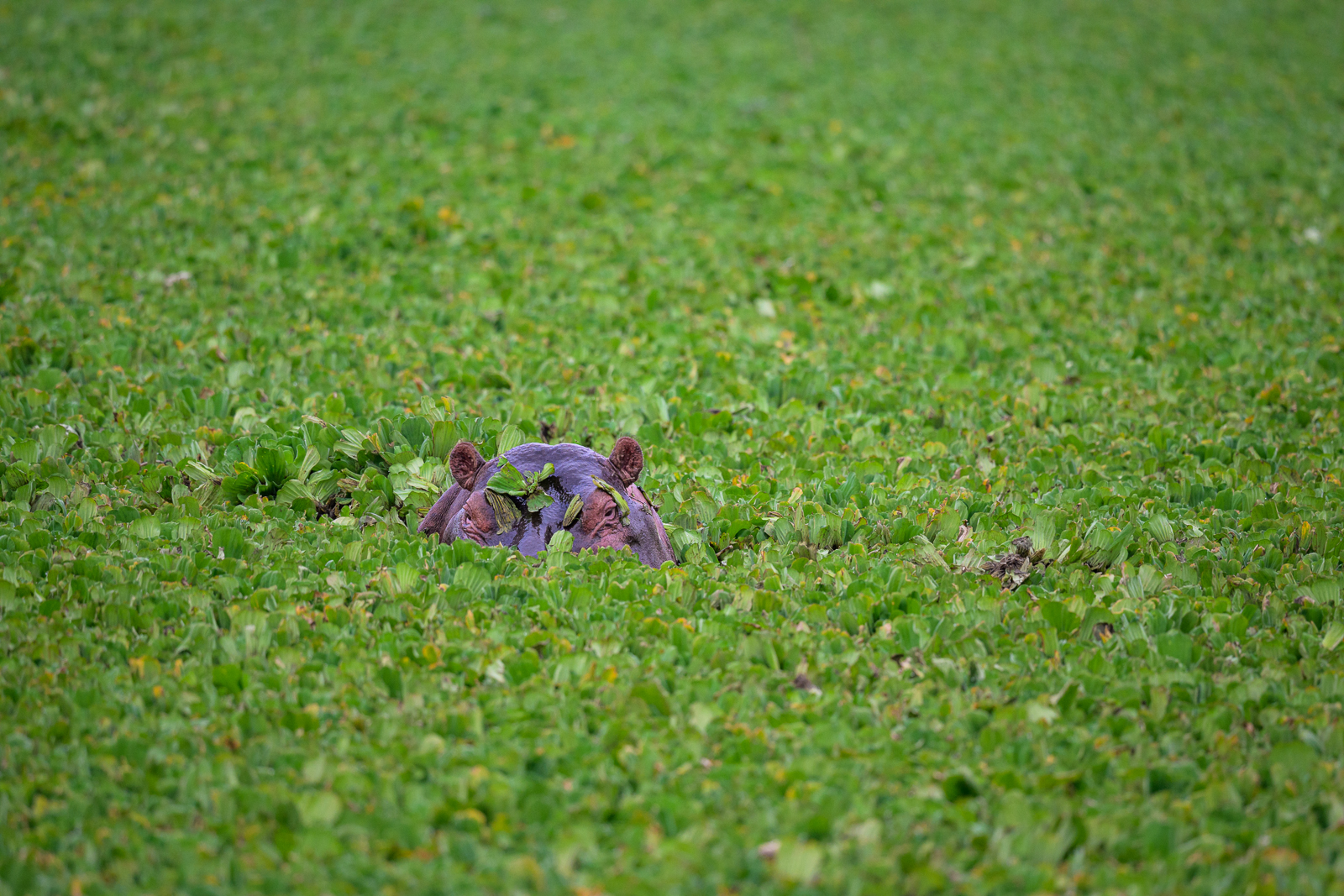
Earlier in the day we spotted a hippo roaming the savanna, covered in water lilies. That afternoon we found the pond he/she likely wondered out of. If was fun watching several hippos suddenly rise up through all that green while blowing water through their nostrils (video to come). Our guide told us the water lily species was Nymphaea capensis, common name Cape blue waterlily. Nikon Z8 with Nikkor 500mm PF lens, ISO 1100, f/5.6 at 1/1000th of a second.
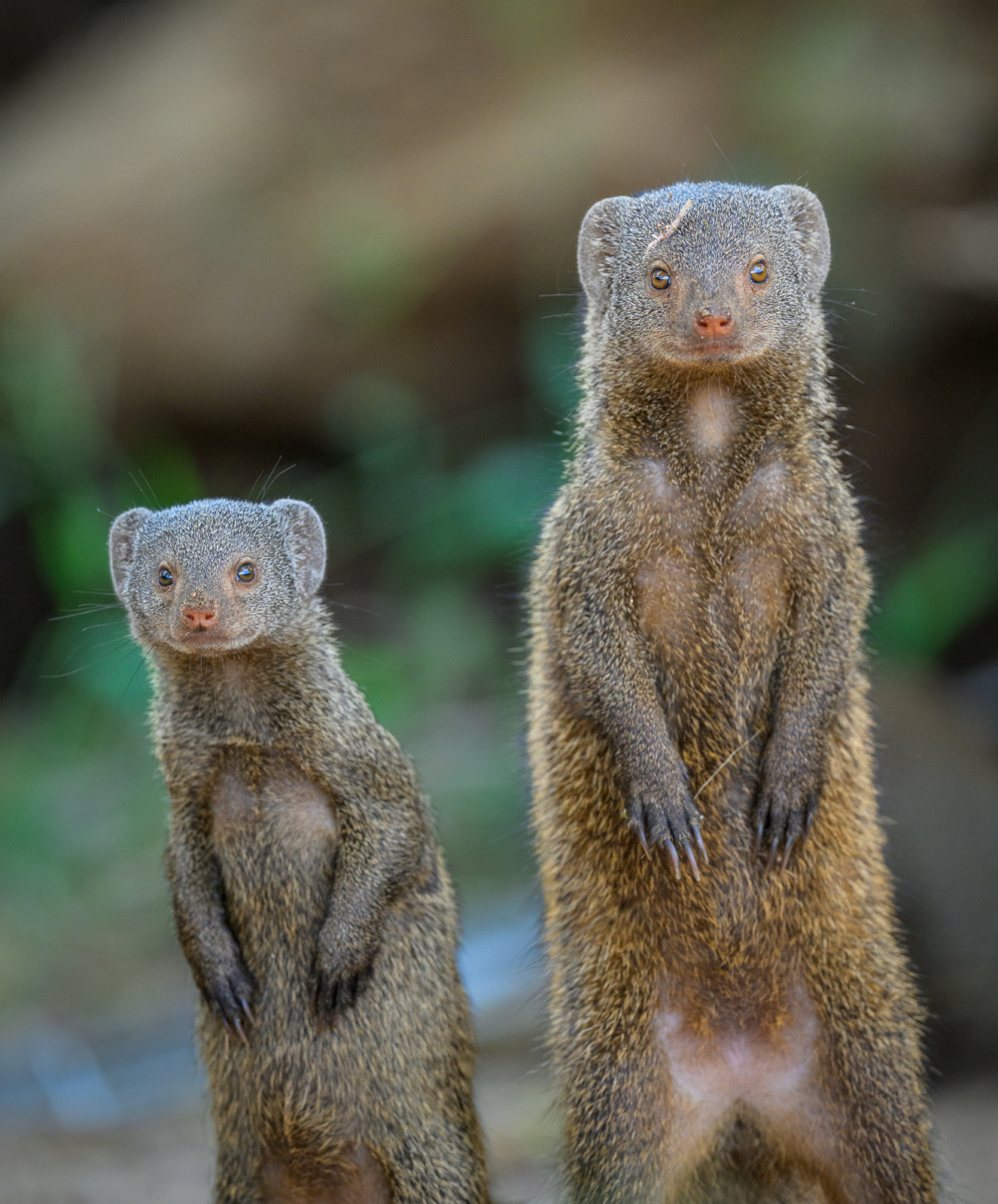
At the locations we visit on Crane Wildlife Tours, the safari never stops. Dwarf mongooses are just one of the species that can be found back at camp during down time. We usually see quite a few of them. Pups are raised in a shared den with help from the whole group. These mongooses live in tight-knit family units where older siblings and other adults act as babysitters, bringing food and guarding the pup while the mother forages. Pups quickly learn the rules of the group by mimicking adults and joining in on playful wrestling matches that build coordination and social skills (behavior we often observe while eating lunch). Though small, dwarf mongooses are bold and cooperative, traits passed from mother to pup in one of Africa’s most charming and efficient social systems. Nikon Z8 with Nikkor 500mm PF lens, IOS 2000, f/5.6 at 1/1000th of a second.
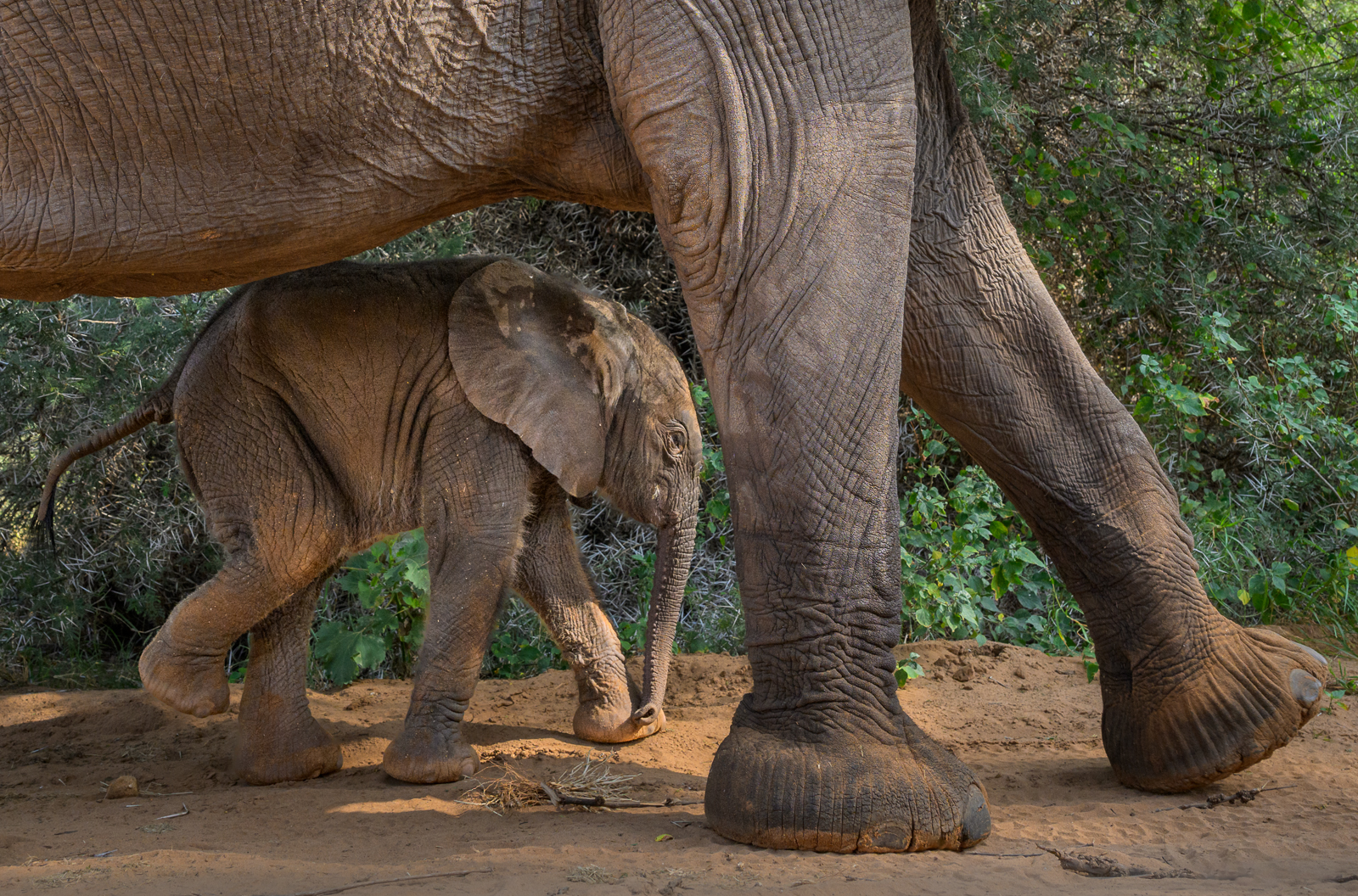
We always see a lot of elephants on our trips. But this time, we saw more baby elephants — and at extremely close range — than ever before. I used my camera-at-the-end-of-a-monopod technique to get this look under the hood of a Mom shielding her calf as they walked by our vehicle. Nikon Z8 with Nikkor 24-70mm lens (at 24mm) ISO 640, f/5 at 1/500th of a second.
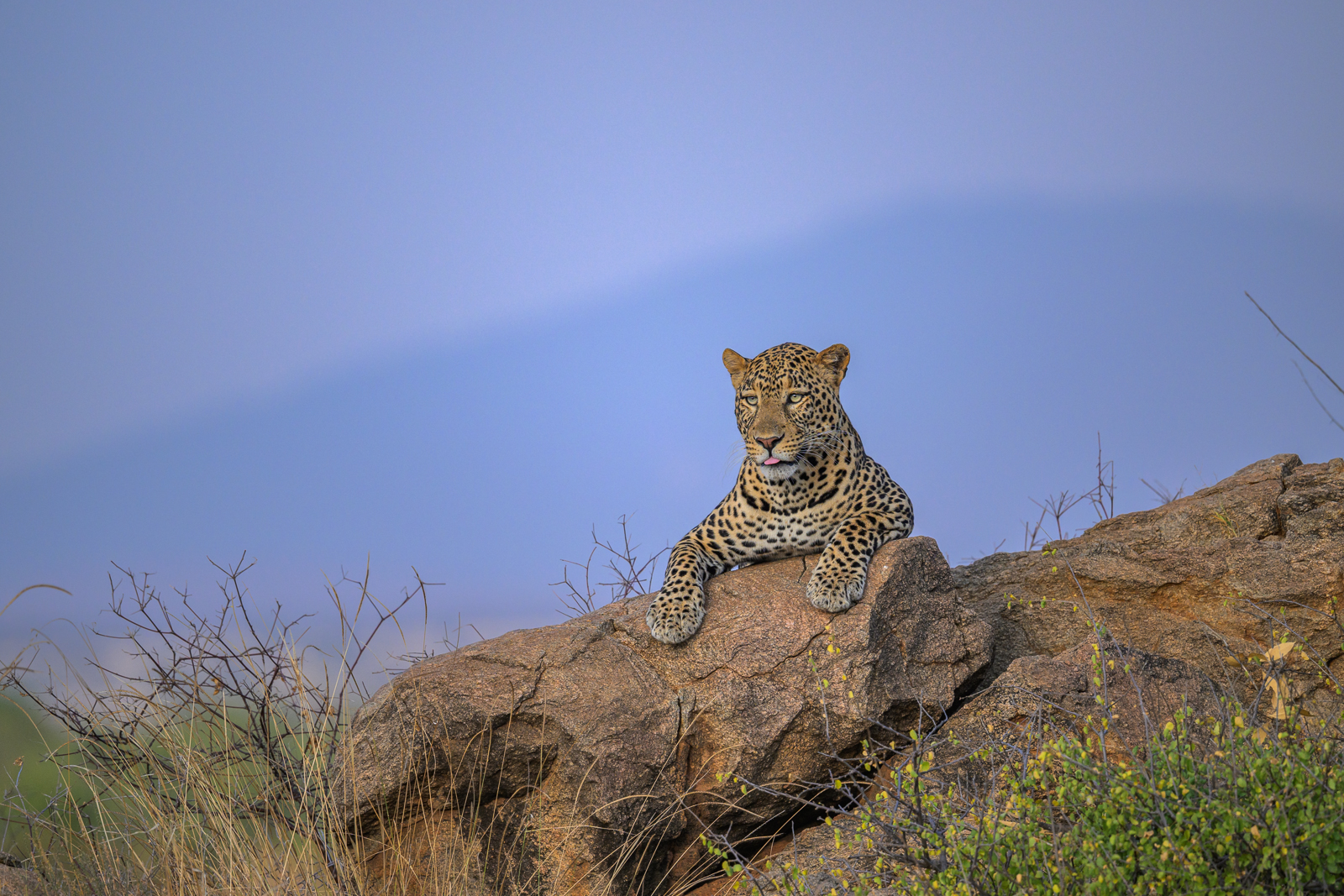
Karen and I are just back from leading another great trip to Kenya and Uganda. We saw a lot — including a particularly productive couple of days with leopards. This male kept us entertained one afternoon by posing in a variety of settings while surveying the landscape and contemplating his next move. Lots of files to go through and process which I’ll dive into tomorrow. Until then, enjoy this portrait of the most sought after of all species on our Kenyan tours. And as always, please enquire if you’d like to join us on an upcoming trip. We’re hoping to pull something together for November/December of this year and will be looking to fill 8 to 10 slots. Nikon Z8 with Nikkor 500mm PF lens, ISO 800, f/5.6 at 1/1600th of a second.
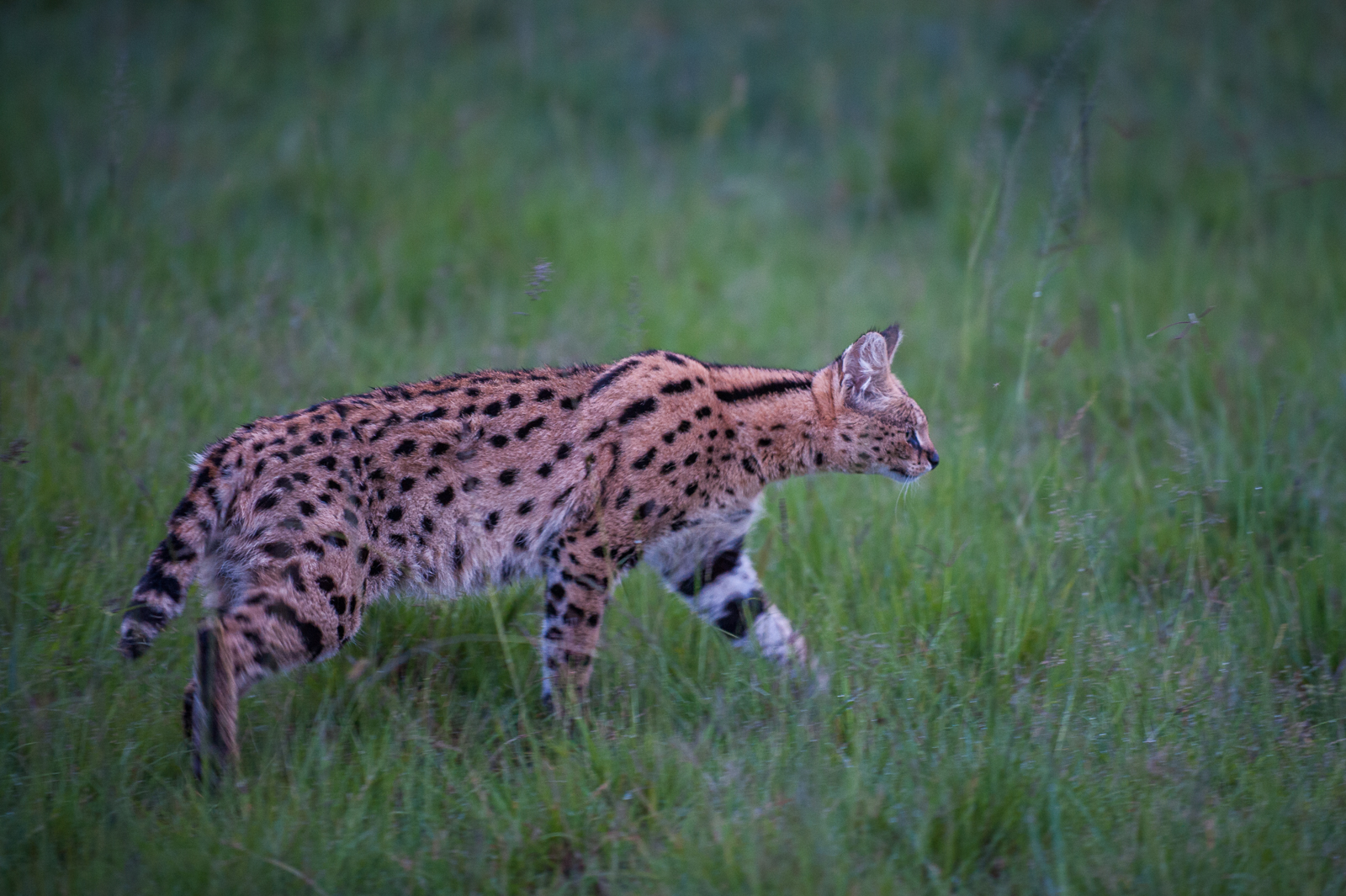
This will be the last post for a few weeks as we head off to lead another tour to Kenya and Uganda on Monday. Here’s hoping we have some luck with one of the more elusive cats — the serval. I captured this one way back in 2012 on the final night of our final day of a two week trip. We’re currently planning tours for later this year, next year and into 2027. Contact if you’re interested in traveling with us and seeing more of Africa’s amazing wildlife. Nikon D700 with Nikkor 70-200mm lens (at 200mm) ISO 1600, f/2.8 at 1/80th of a second.
We use cookies to enhance your experience while using our website. If you are using our Services via a browser you can restrict, block or remove cookies through your web browser settings. We also use content and scripts from third parties that may use tracking technologies. You can selectively provide your consent below to allow such third party embeds. For complete information about the cookies we use, data we collect and how we process them, please check our Privacy Policy