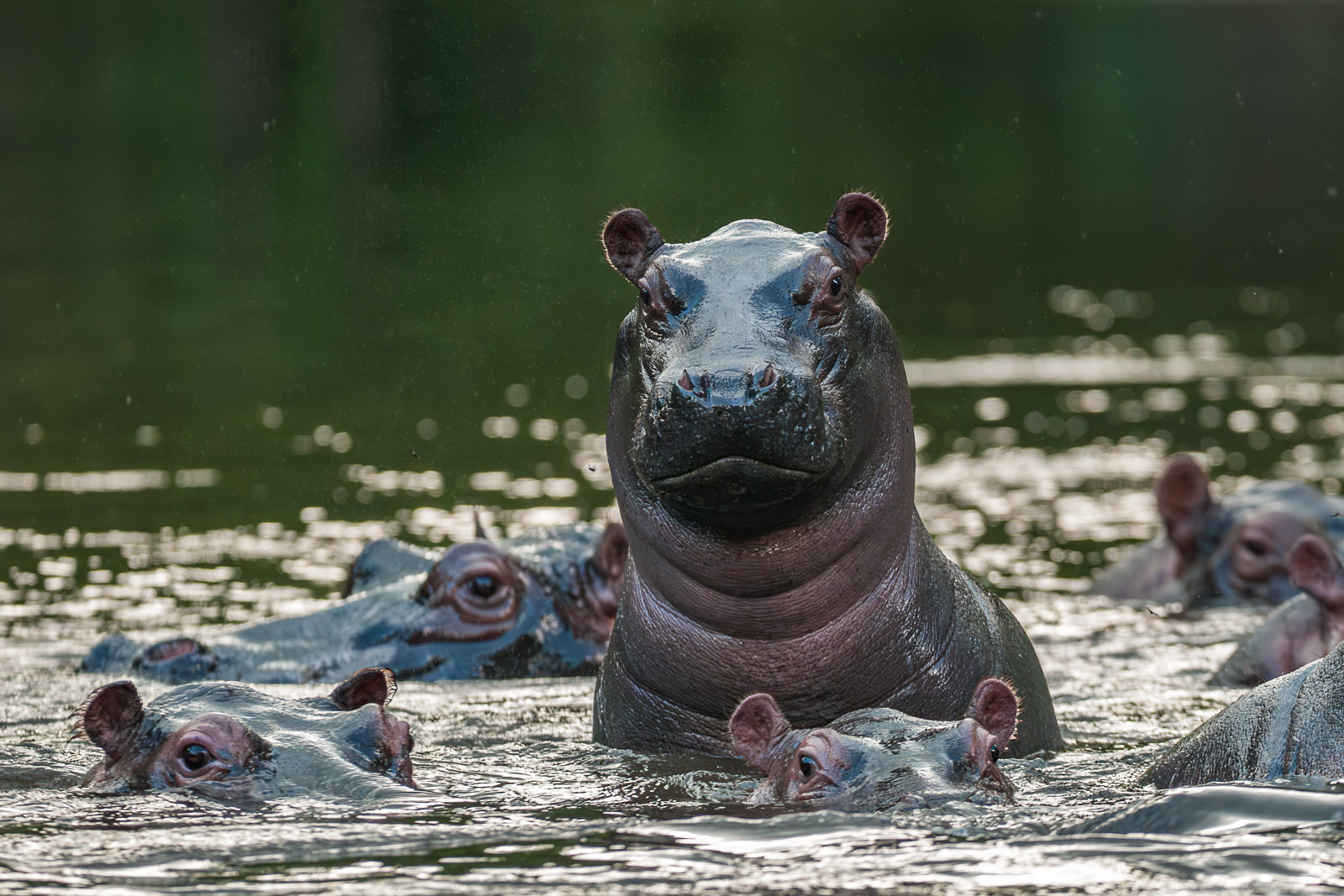
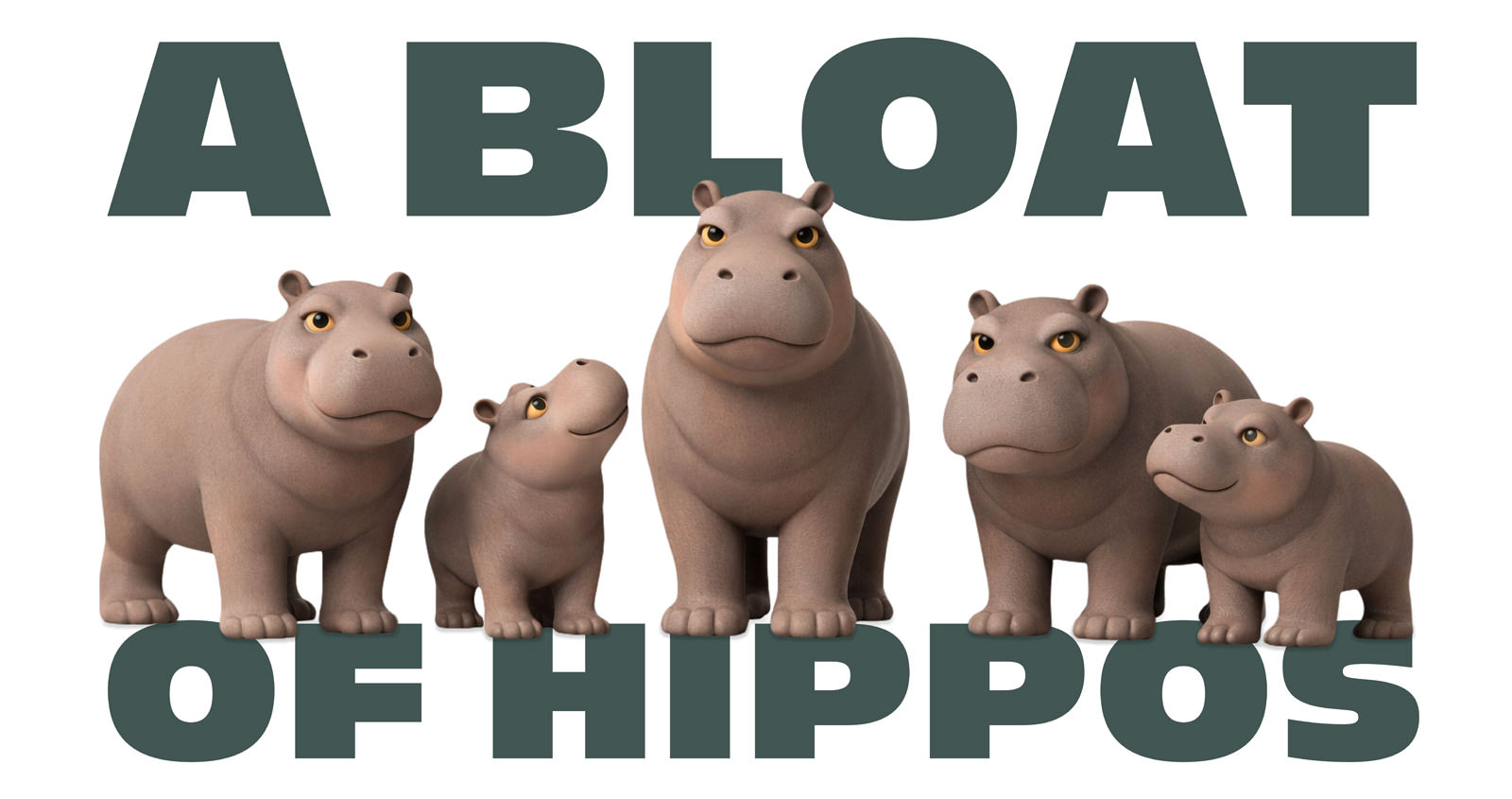
A group of hippos is called a bloat because the word perfectly captures the visual impact of several enormous, barrel-bodied animals packed together in shallow water. When hippos gather in pods — often dozens at a time — their rounded backs and swollen-looking forms rise from the river like floating boulders, giving the impression of something oversized and “bloated.” To get your Bloat of Hippos merchandise, visit Species Limited. Nikon D300 with Nikkor 200-400mm lens (at 300mm) ISO 800, f/4 at 1/640th of a second.
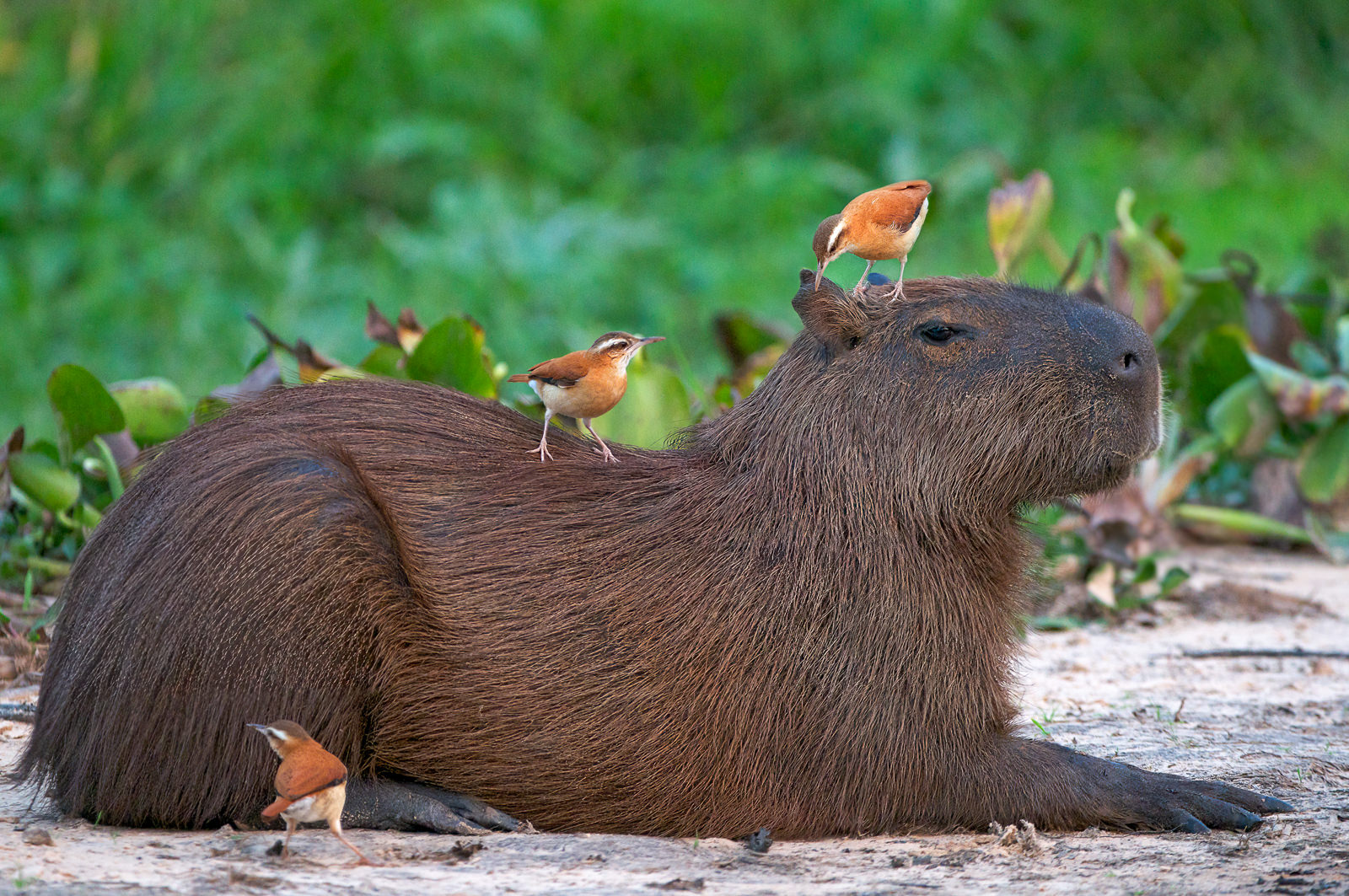
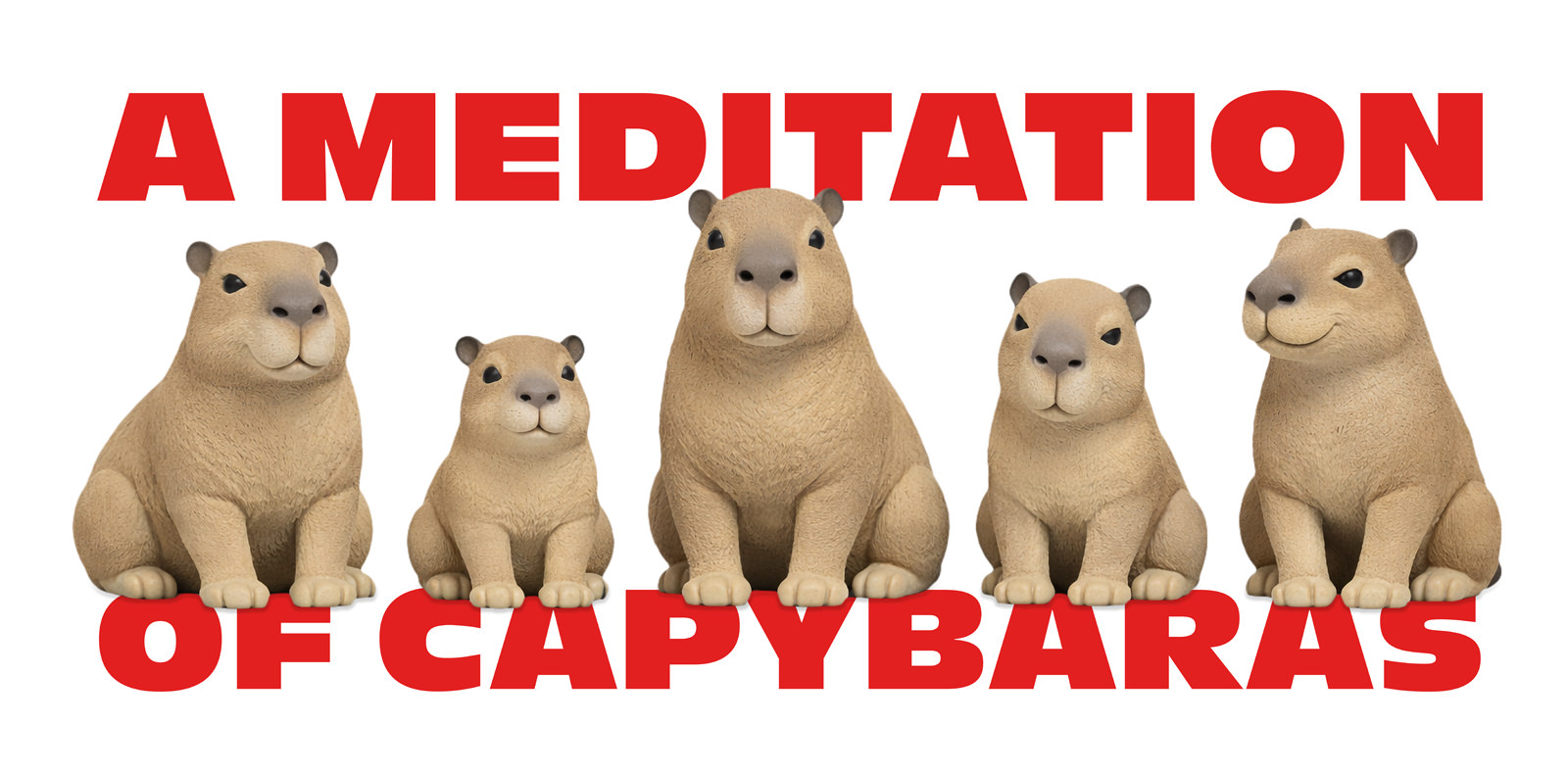
A group of capybaras is called a meditation because, well… have you seen them? Capybaras are famously calm, often sitting together in serene clusters along riverbanks, eyes half-closed, looking like they’ve achieved a level of inner peace the rest of us are still chasing. Whether lounging in hot springs, sharing space with birds (like this guy in Brazil’s Pantanal), or simply existing without drama, a gathering of capybaras really does look like a quiet meditation session in the wild. For more group names in the wild, including my just-posted adult tees collection, see the Language of the Wild collection at SpeciesLimited.com. Nikon D300 with Nikkor 200-400mm lens (at 330mm) ISO 800, f/4 at 1/200th of a second.
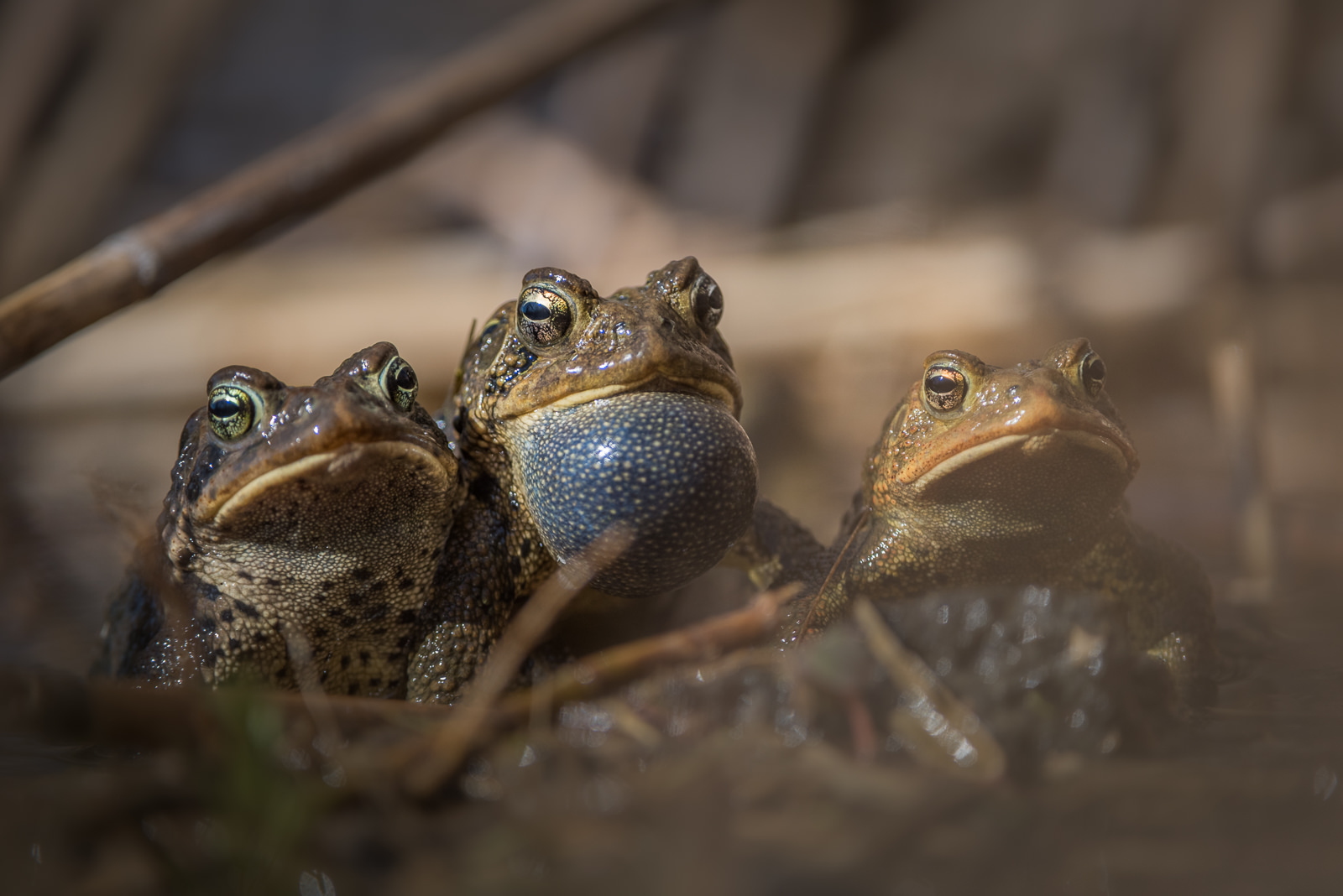
A group of toads is called a knot because of the way they cluster together, especially during breeding season, when multiple males gather around a single female in what looks like a tangled pile of bodies. From a distance, the mass can resemble a knotted bundle of warty backs and intertwined limbs. To get your Knot to Toads merchandise, head over to specieslimited.com. Nikon D810 with Nikkor 200-400mm lens (at 400mm) ISO 400, f/5 at 1/2500th of a second.
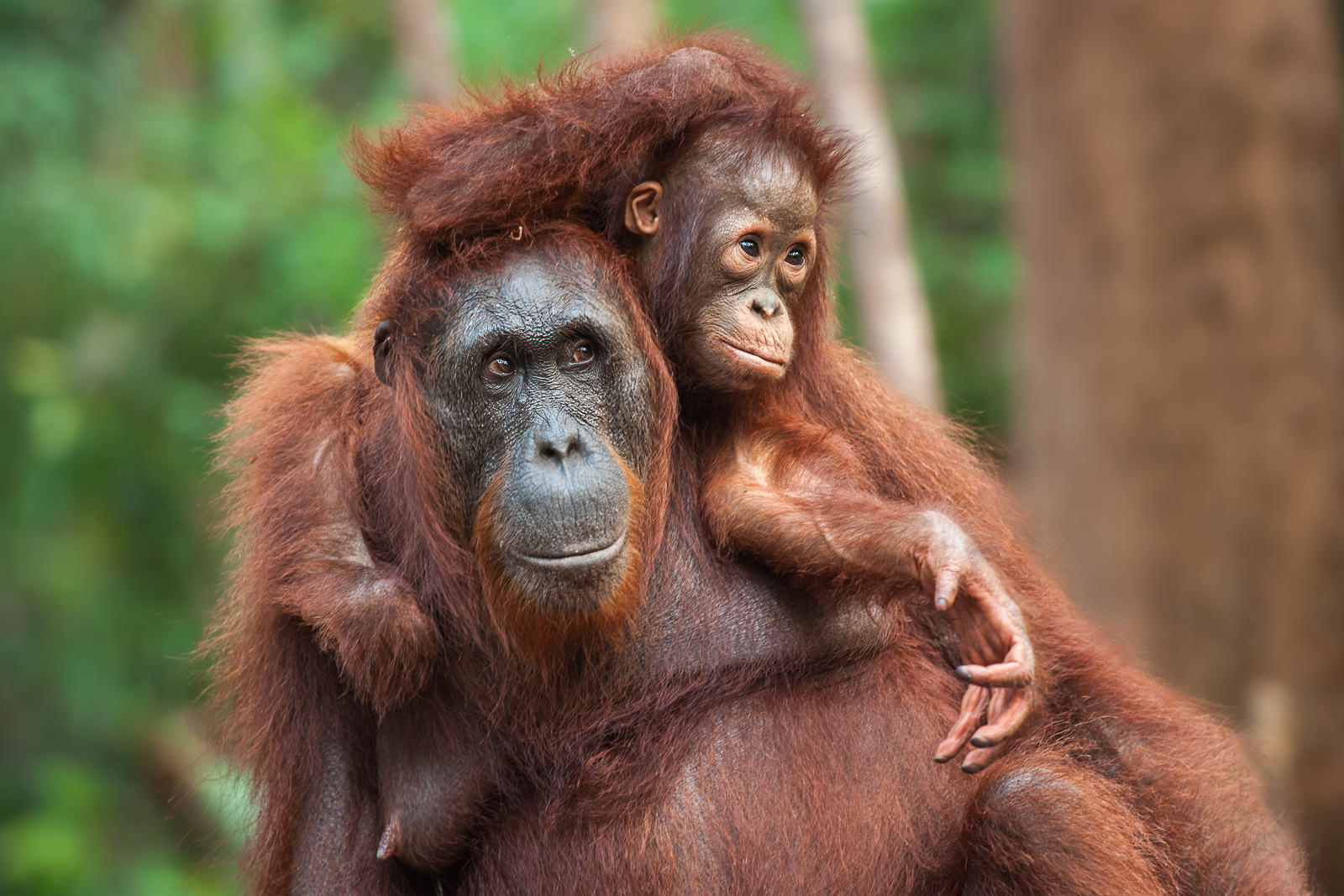
Perhaps my favorite of the wildlife group names — a buffoonery of orangutans. The term buffoonery comes from old perceptions of orangutans as comical or clownish due to their expressive faces, gangly limbs, and slow, deliberate movements that can appear exaggerated or humorous to human observers. In reality, orangutans are deeply intelligent, solitary primates with complex behaviors and problem-solving skills. Photographed in Indonesian Borneo. To get a buffoonery t-shirt, baby bodysuit or coffee mug, visit specieslimited.com. Nikon D700 with Nikkor 70-200mm lens (at 190mm) ISO 800, f/4.5 at 1/80th of a second.
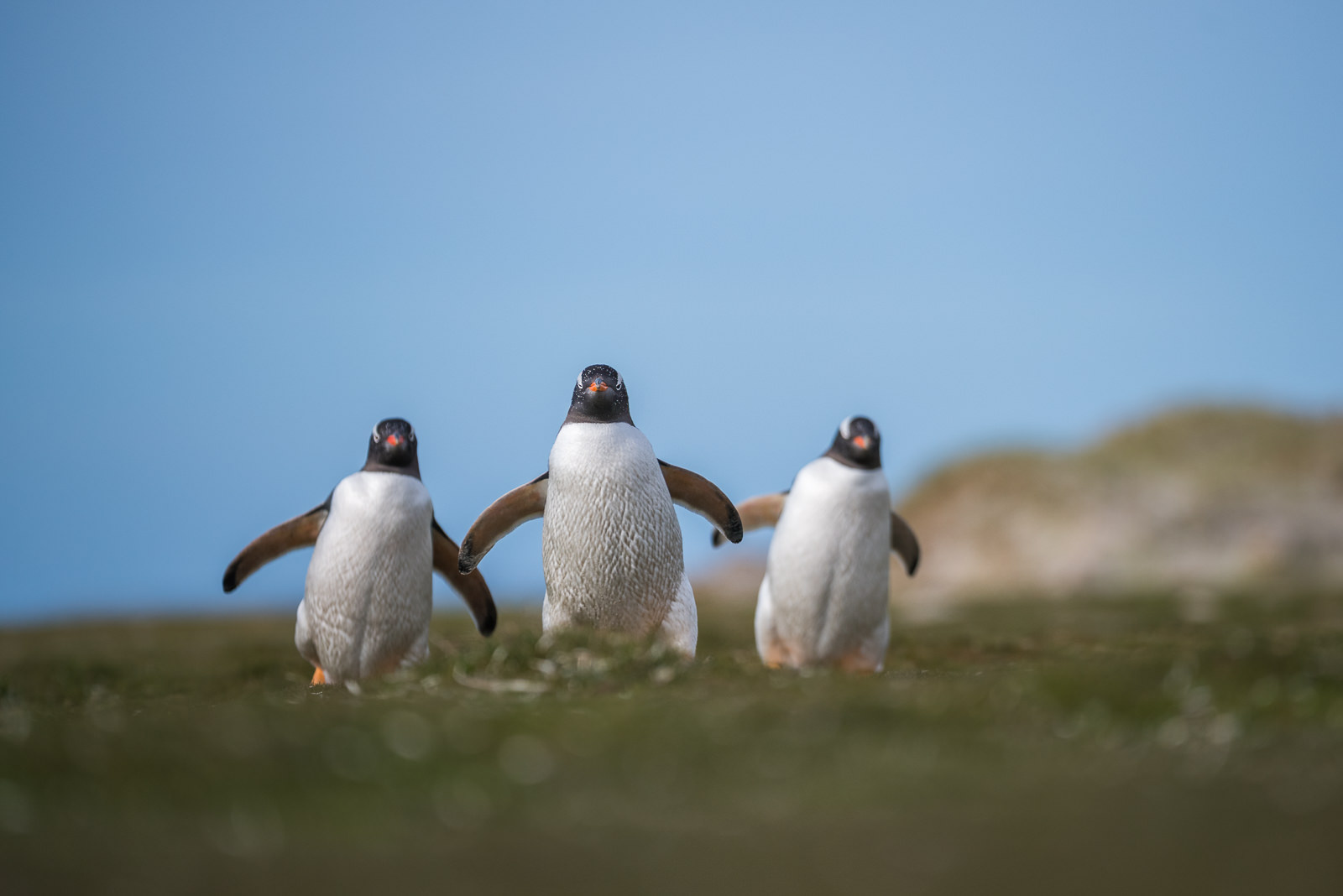
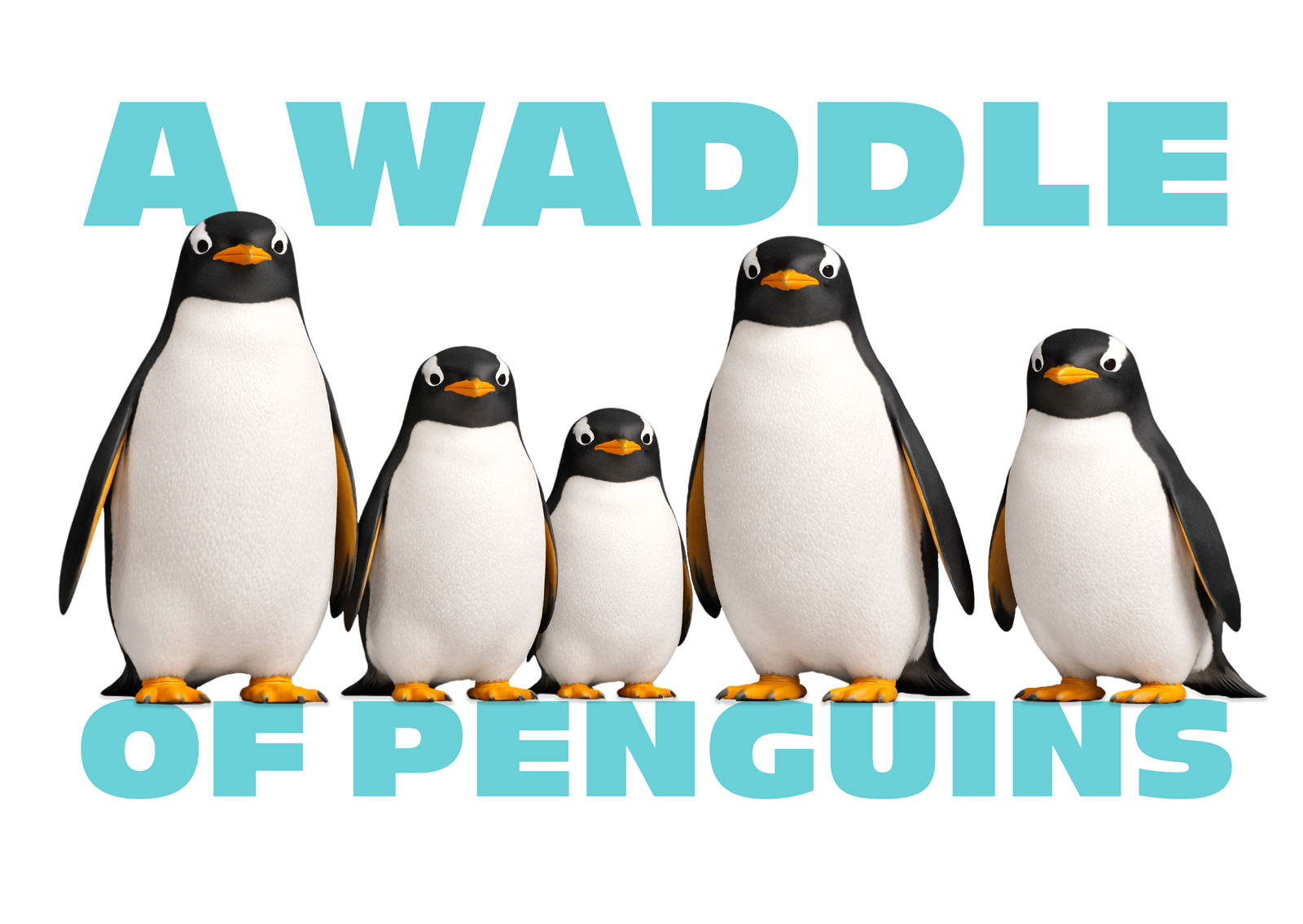
A group of penguins on land is called a waddle, no doubt inspired by their distinctive, side-to-side walking style — a shuffle both awkward and endearing. This waddle of gentoo penguins was photographed on Saunders Island in the Falkland Islands. To buy a waddle t-shirt, Onesie or coffee mug, visit specieslimited.com. Nikon D810 with Nikkor 200-400mm lens (at 350mm) ISO 400, f/4 at 1/3200th of a second.
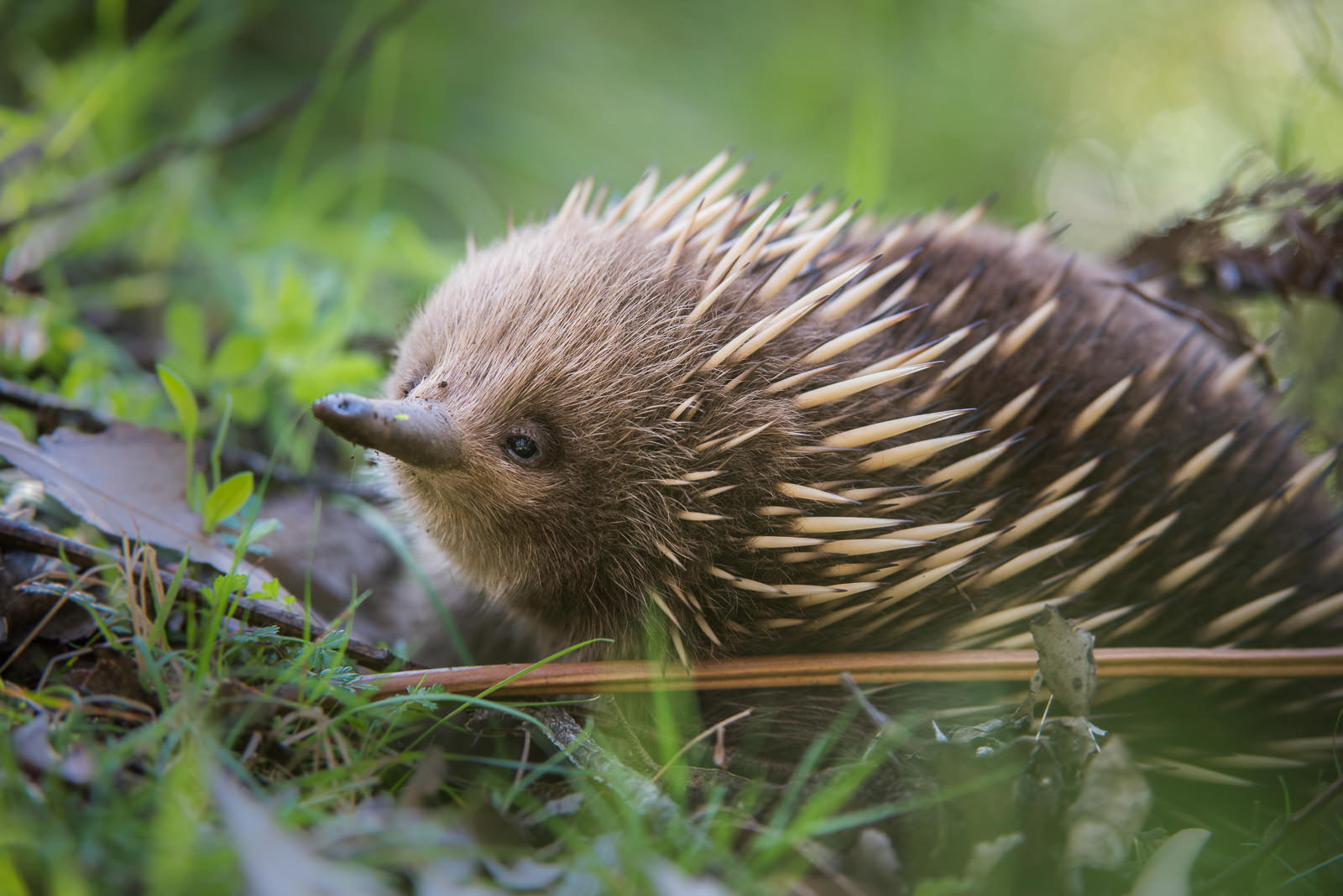
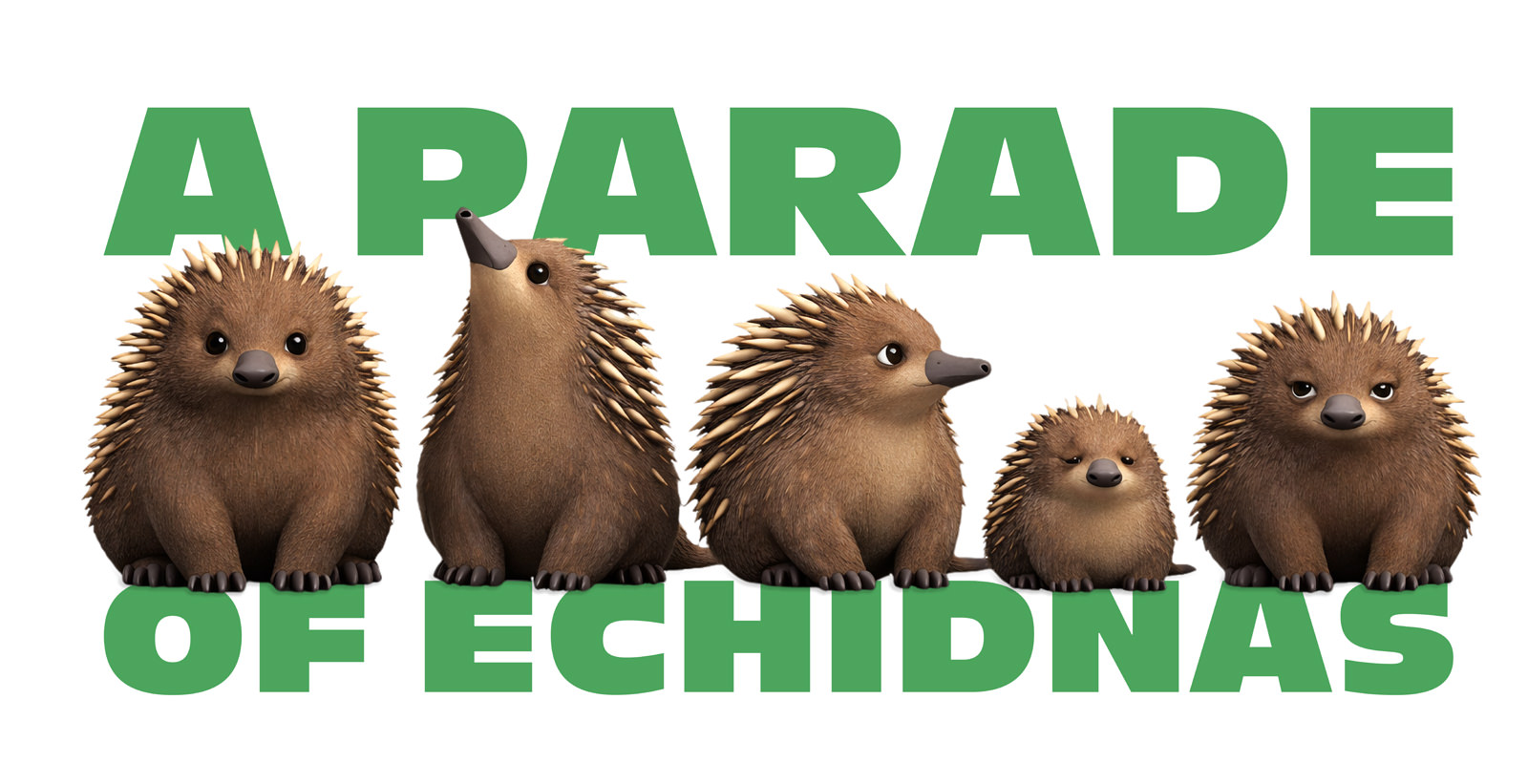
The name “Parade” of echidnas comes from the unusual sight of multiple echidnas waddling along in a slow, purposeful line, especially during the breeding season when males may follow a single female in what’s called an “echidna train.” There was no evident parade when I photographed this guy. Just a single echidna along the side of the road in Tasmania. Nikon D810 with Nikkor 200-400mm lens (at 200mm) ISO 800, f/4 at 1/125th of a second.
Well… at least, the makings of a clowder. Bobcats are almost always solitary in the wild, so the collective name is borrowed from domestic cat terminology, where clowder describes a loose, shifting gathering of felines. Applying it to bobcats is more poetic than scientific, but that’s the charm. It brings these elusive wildcats together in name, if not in nature. The photo was captured by my backyard camera trap back in April of 2024. Nikon D810 with Nikkor 17-35mm lens (at 20mm) ISO 500, f/14 at 1/200th of a second, Cognisys camera box, trail monitor and flash units.
A group of bears is called a sleuth — the term coming from the Old English word “sleuth,” meaning a slow-moving or stealthy animal. The connection to bears stems from their solitary, slow-moving, and deliberate nature when not provoked. This particular sleuth was photographed in Alaska’s Lake Clark National Park. As always, head on over to specieslimited.com to get your animal group names apparel. Nikon D500 with Nikkor 200-400mm lens (at 400mm) ISO 1600, f/4 at 1/1600th of a second.
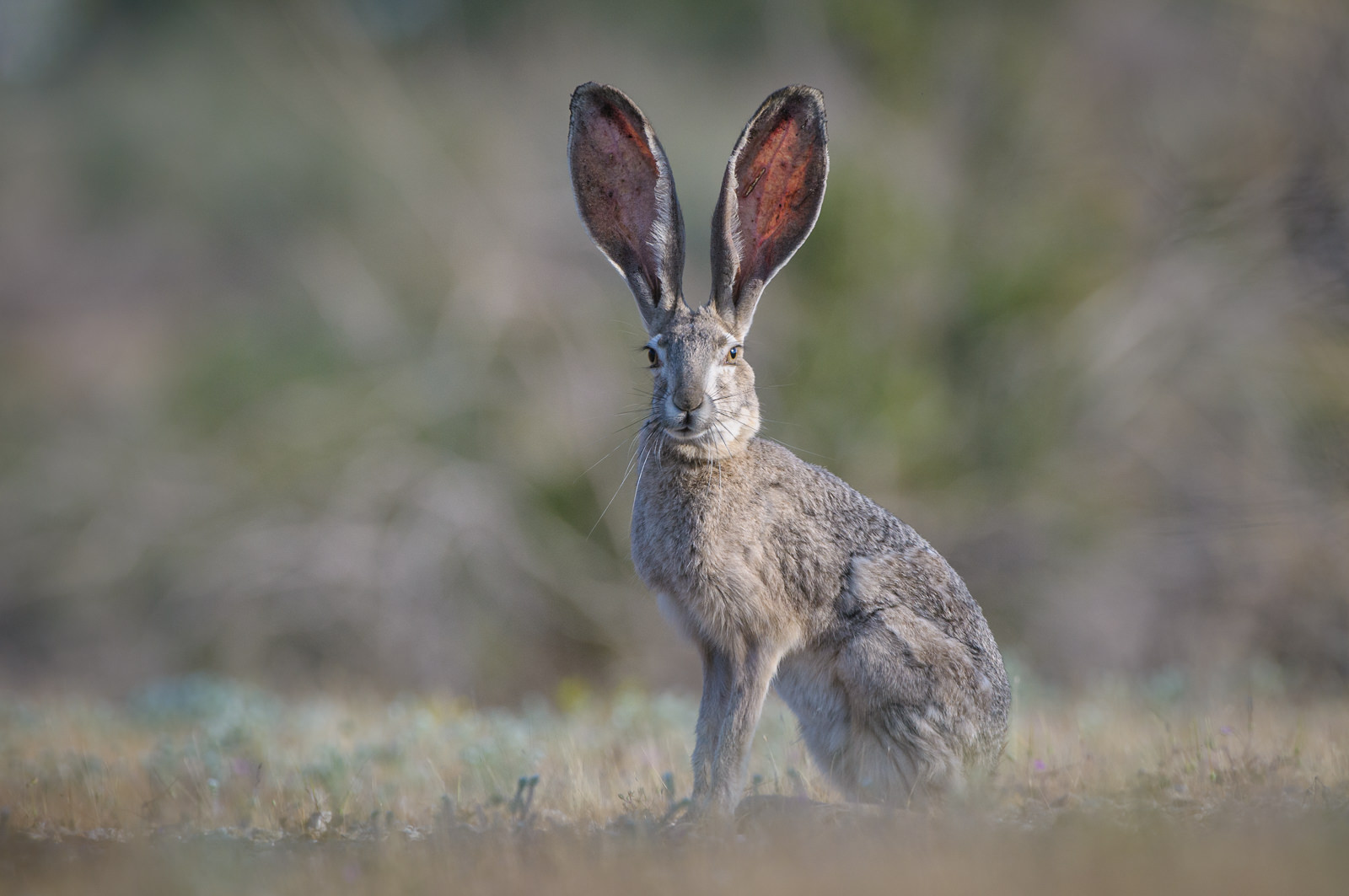
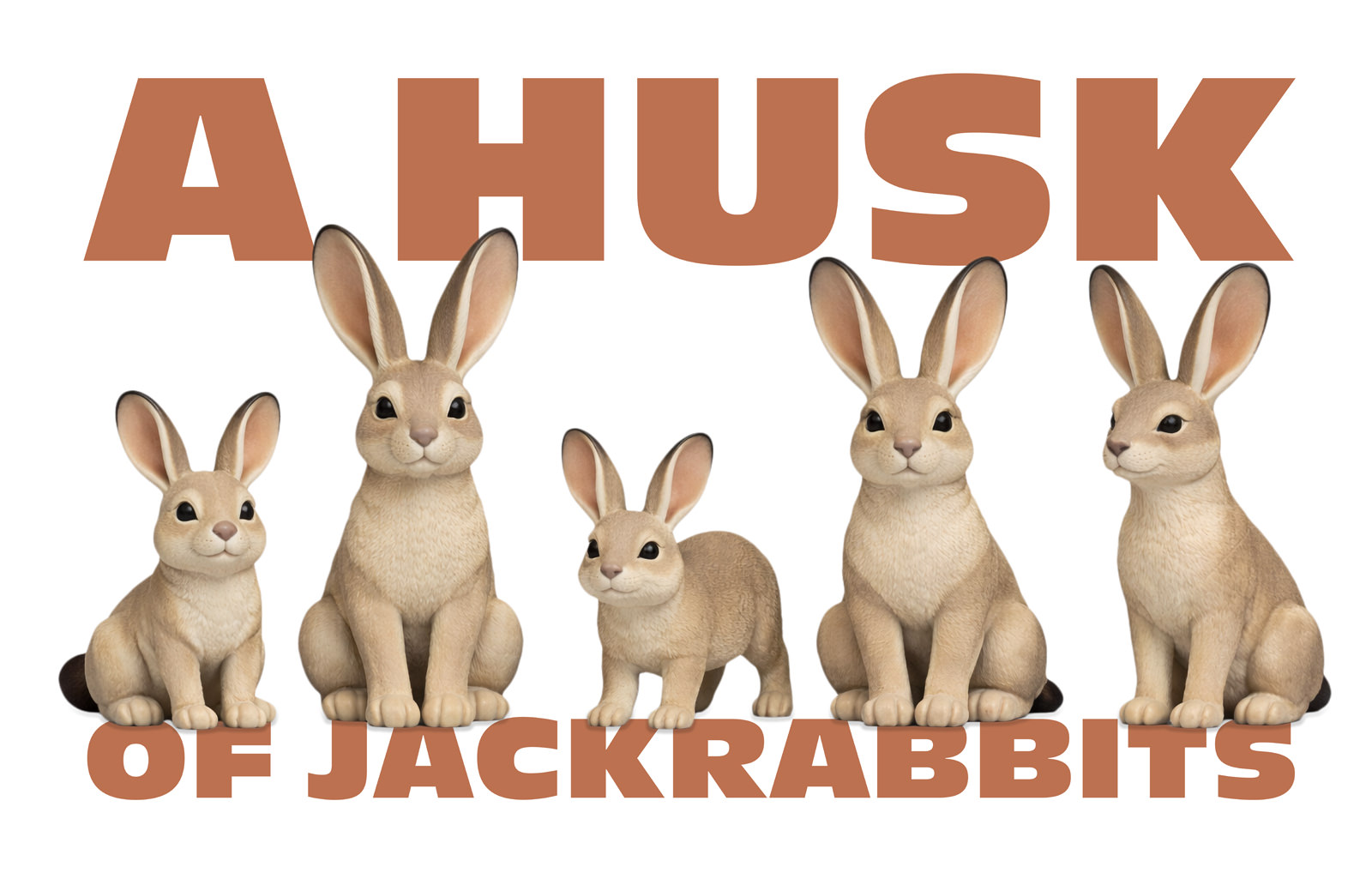
The term “husk” for a group of jackrabbits is one of those rare and lesser-known collective nouns, and like many such terms, its origin is more poetic than scientific. It may come from the old usage of “husk” meaning an outer shell or group enclosing something, possibly reflecting how jackrabbits may scatter from low vegetation or “husk-like” cover when startled. Alternatively, it could simply have been chosen for its crisp, natural sound, fitting for an animal of open plains and dry grasslands. As with many collective nouns, it’s more about imaginative language than biological behavior. For more, head on over to Species Limited, and why not pick up a few tee shirts (or a nice coffee mug of a jackrabbit husk) while you’re there. Nikon D300 with Nikkor 200-400mm lens (at 400mm) ISO 400, f/5.6 at 1/640th of a second.
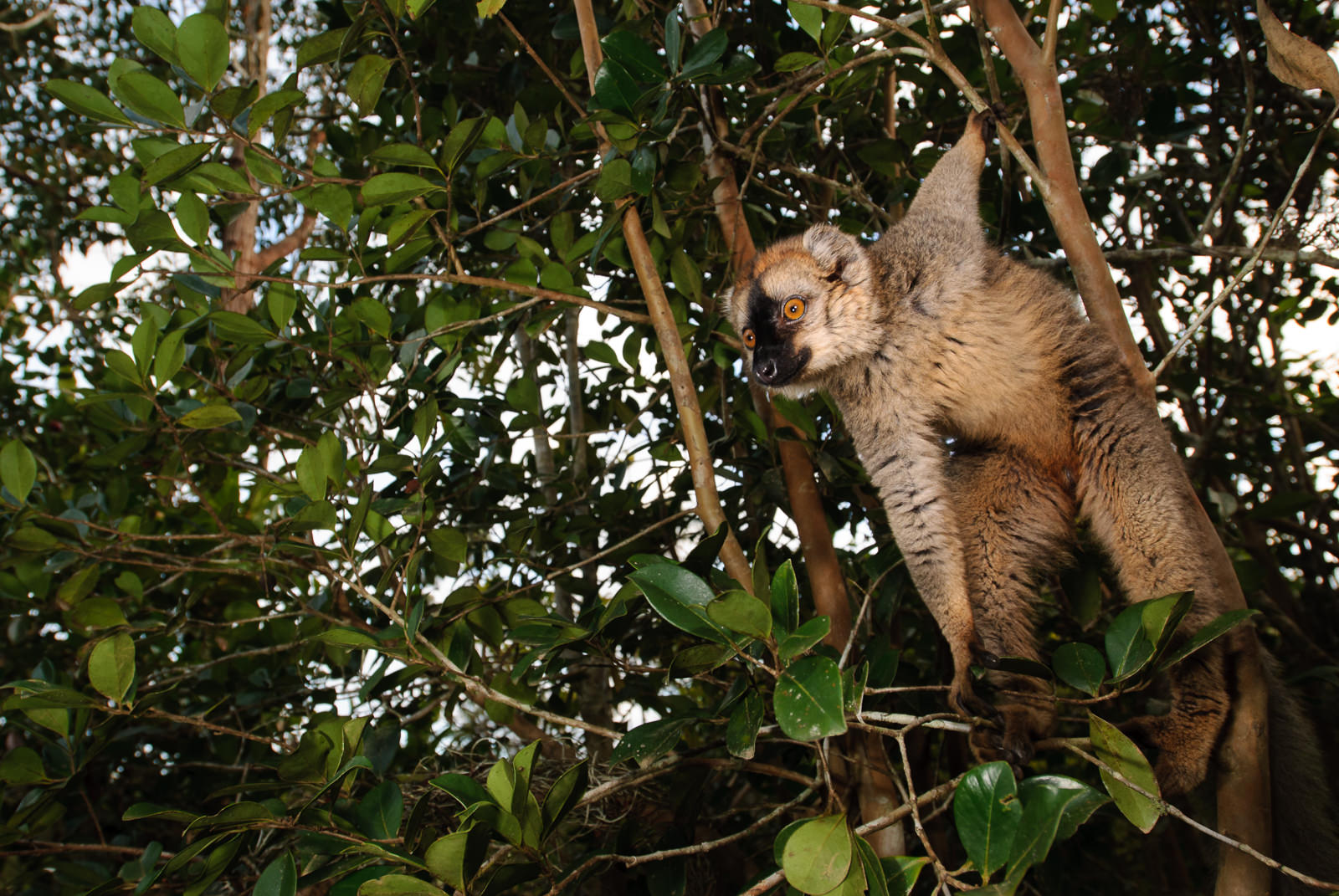
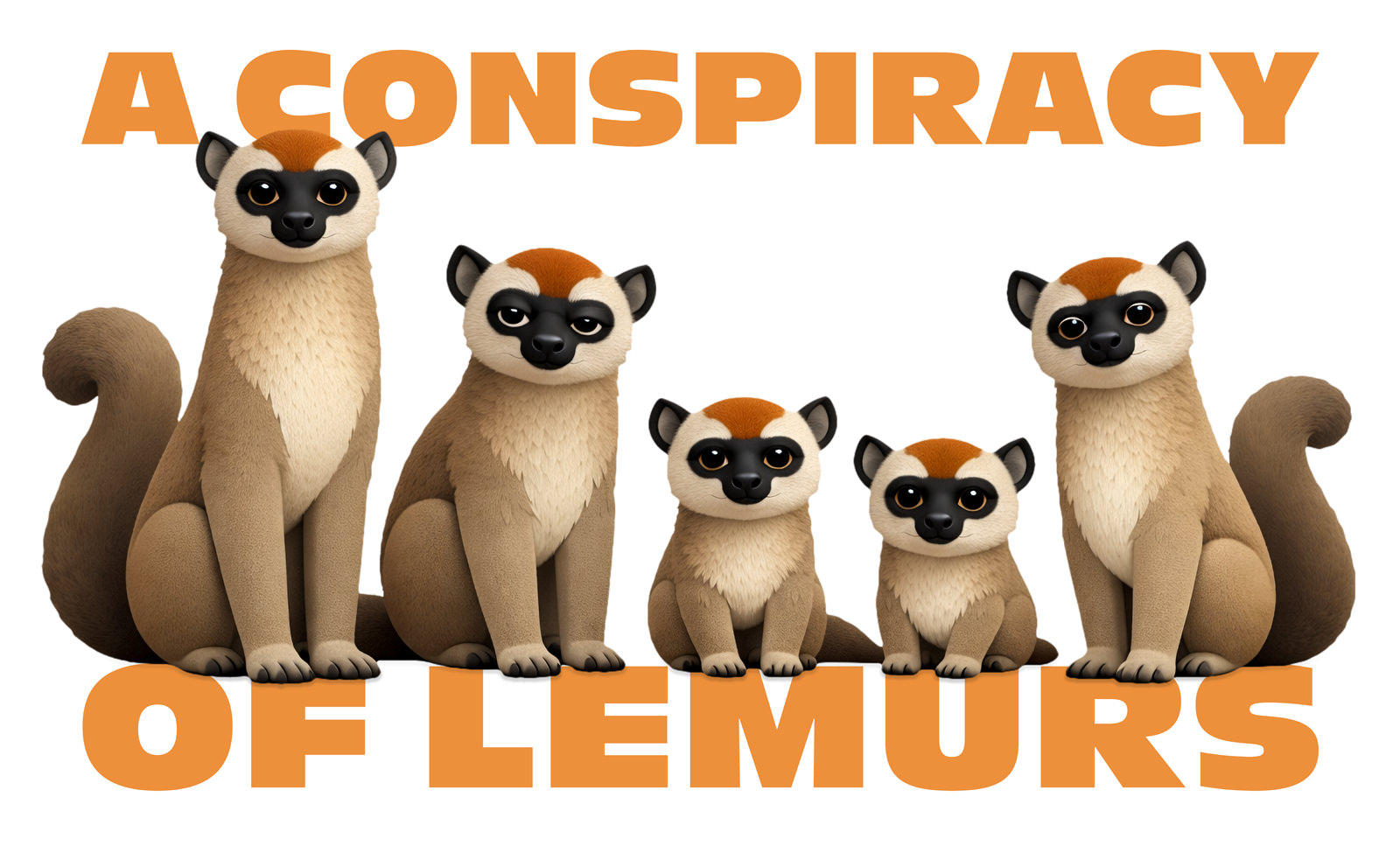
The term for a group of lemurs likely comes from the way lemurs move together silently through the trees, with watchful eyes and coordinated behavior that can seem secretive or mischievous. The eerie calls of some species like the indri, especially at night, might have added to that mysterious reputation. While not used in scientific contexts, “conspiracy” has stuck in popular culture because it captures the intriguing, otherworldly vibe of lemur groups. Karen and I are looking to put a group together for a Madagascar trip in September of 2027. Reach out if interested. And head to specieslimited.com to get your Conspiracy of Lemurs onesie, toddler tee or coffee mug. Nikon D200 with Nikkor 17-35mm lens (at 17mm) ISO 200, f/5.6 at 1/60th of a second, two Nikon SB-600 flash units.
We use cookies to enhance your experience while using our website. If you are using our Services via a browser you can restrict, block or remove cookies through your web browser settings. We also use content and scripts from third parties that may use tracking technologies. You can selectively provide your consent below to allow such third party embeds. For complete information about the cookies we use, data we collect and how we process them, please check our Privacy Policy