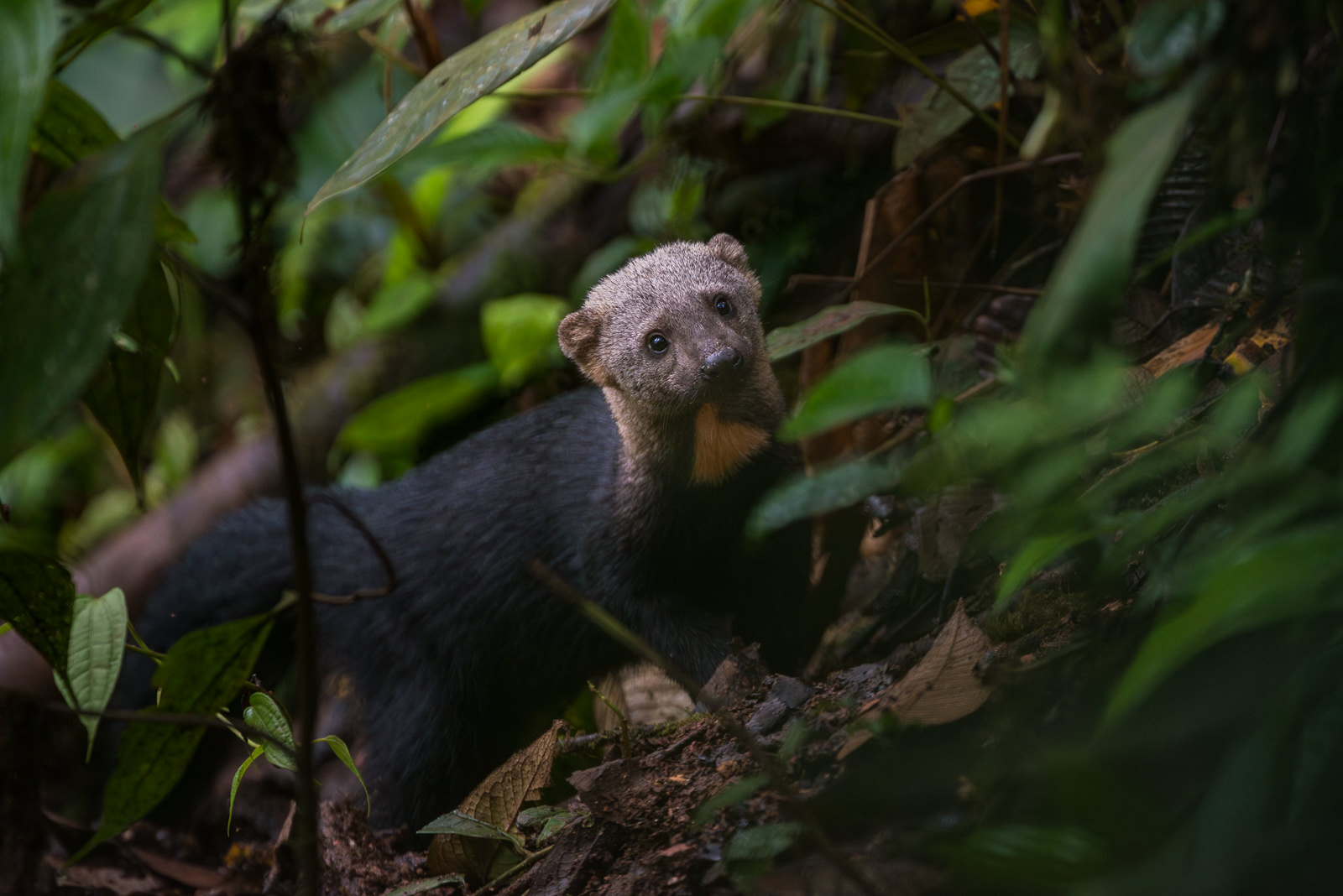
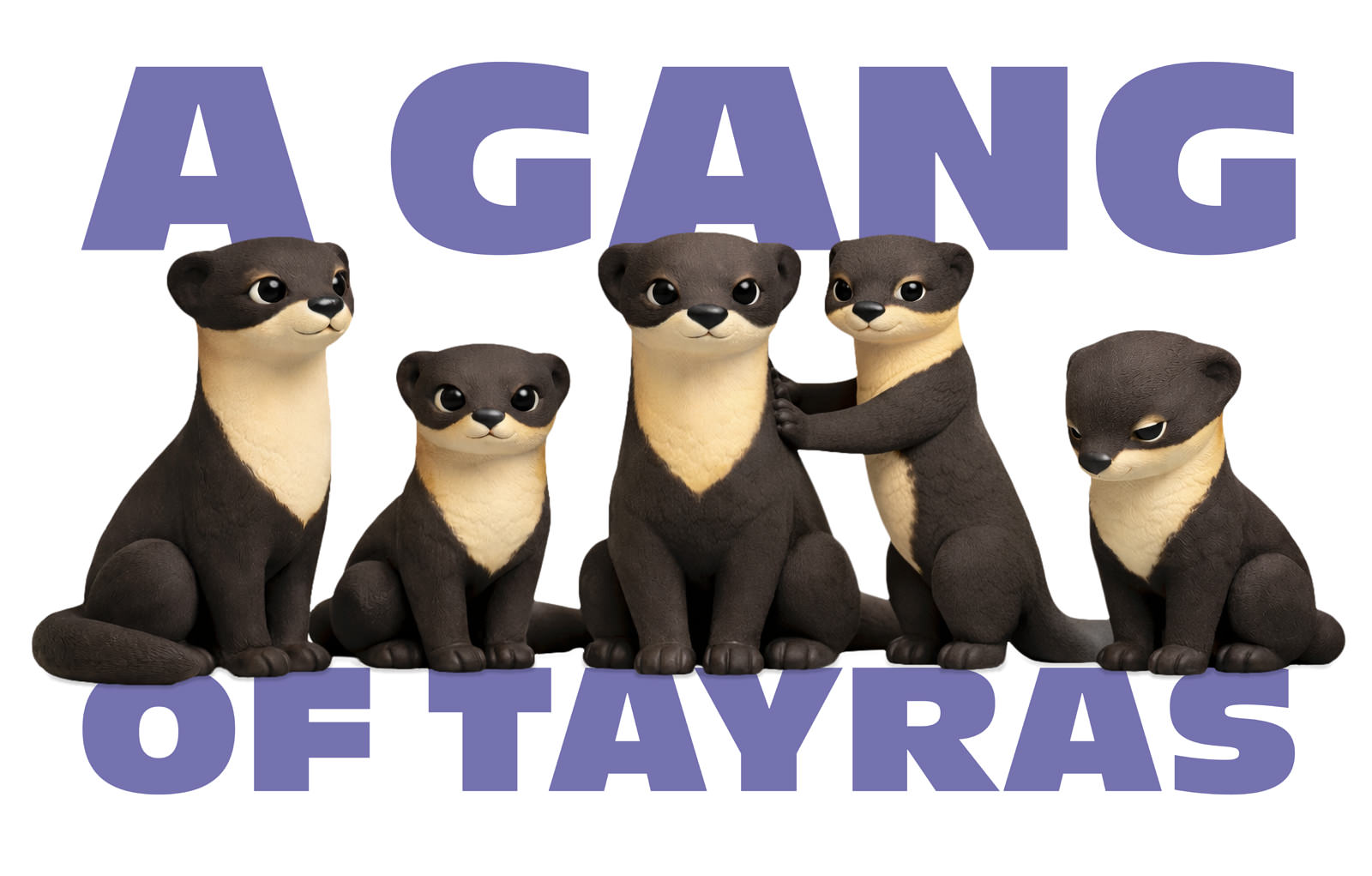
I’ve seen tayras a few times, but was only able to photograph them this one time. And when I say “them,” I mean this one individual. So again, not technically a gang. You need two more for that. Either way hope you’re all enjoying the wildlife collective name series and have checked out more at specieslimited.com. Tayras are sleek, weasel-like mammals found in Central and South American forests. Fast, curious, and highly adaptable, they are agile climbers that hunt small animals and raid fruit trees with equal enthusiasm. I photographed this one in the cloud forest of Ecuador. Nikon D800 with Nikkor 200-400mm lens (at 400mm) ISO 1600, f/4 at 1/125th of a second.
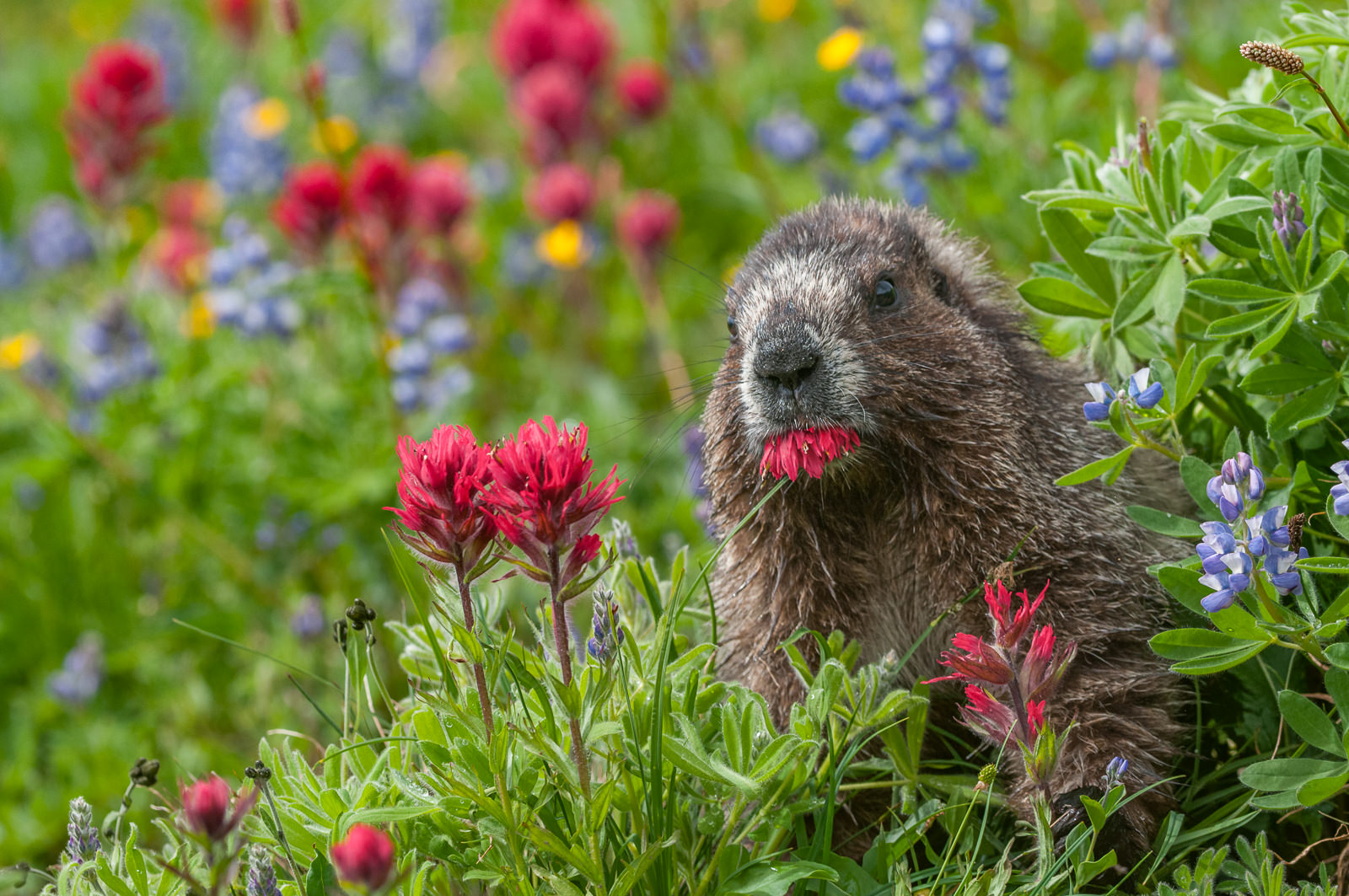
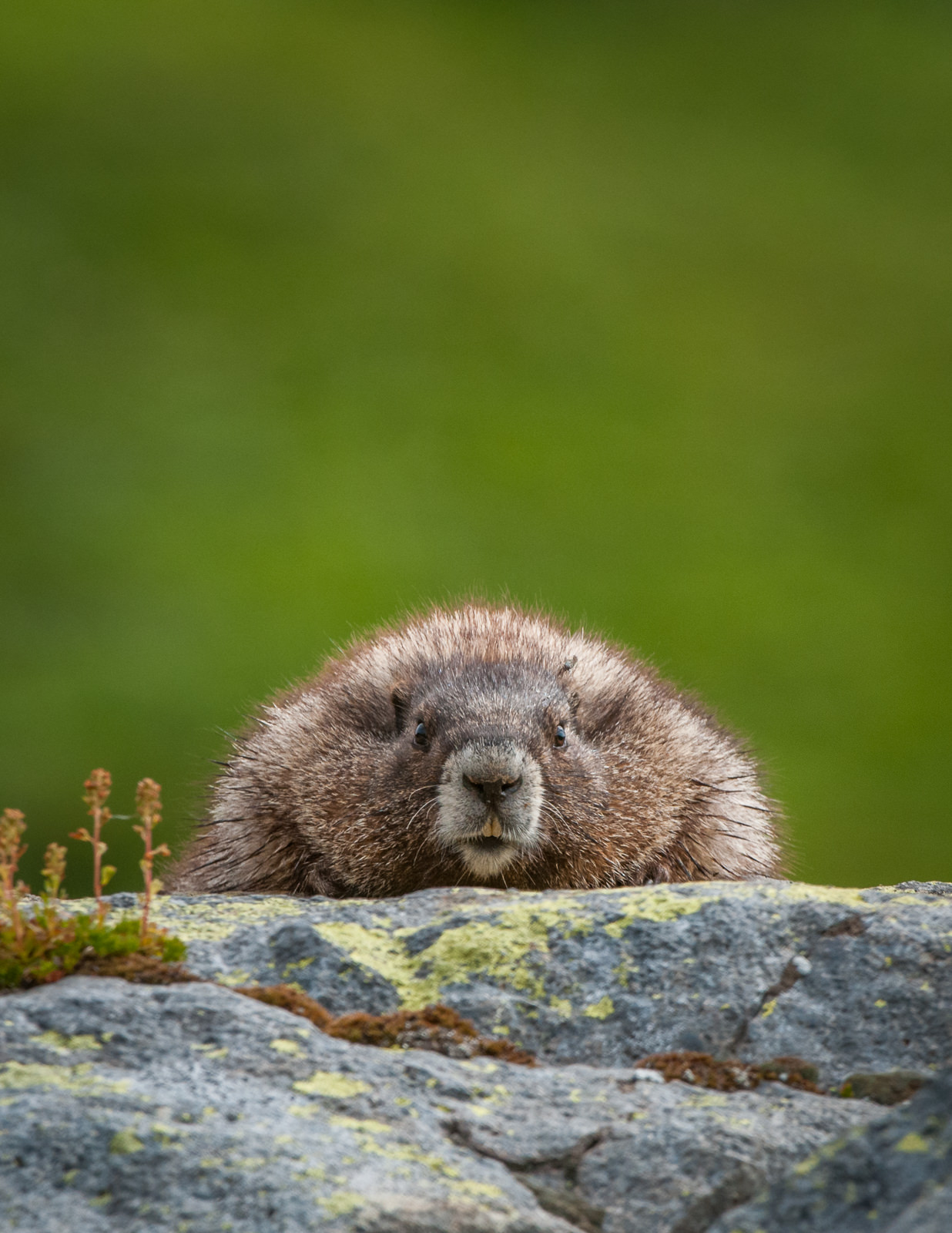
Continuing with the animal collective names series, here is my favorite marmot shot. Had this individual been with two others, it would be correct to call it a madness of marmots. This image has been posted before but was worth a second look. Captured in the alpine tundra of Mount Rainier National Park. For more on the animal group names series, visit my shop at specieslimited.com.Nikon D300 with Nikkor 200-400mm lens (at 200mm) ISO 400, f/5.6 at 1/1250th of a second.
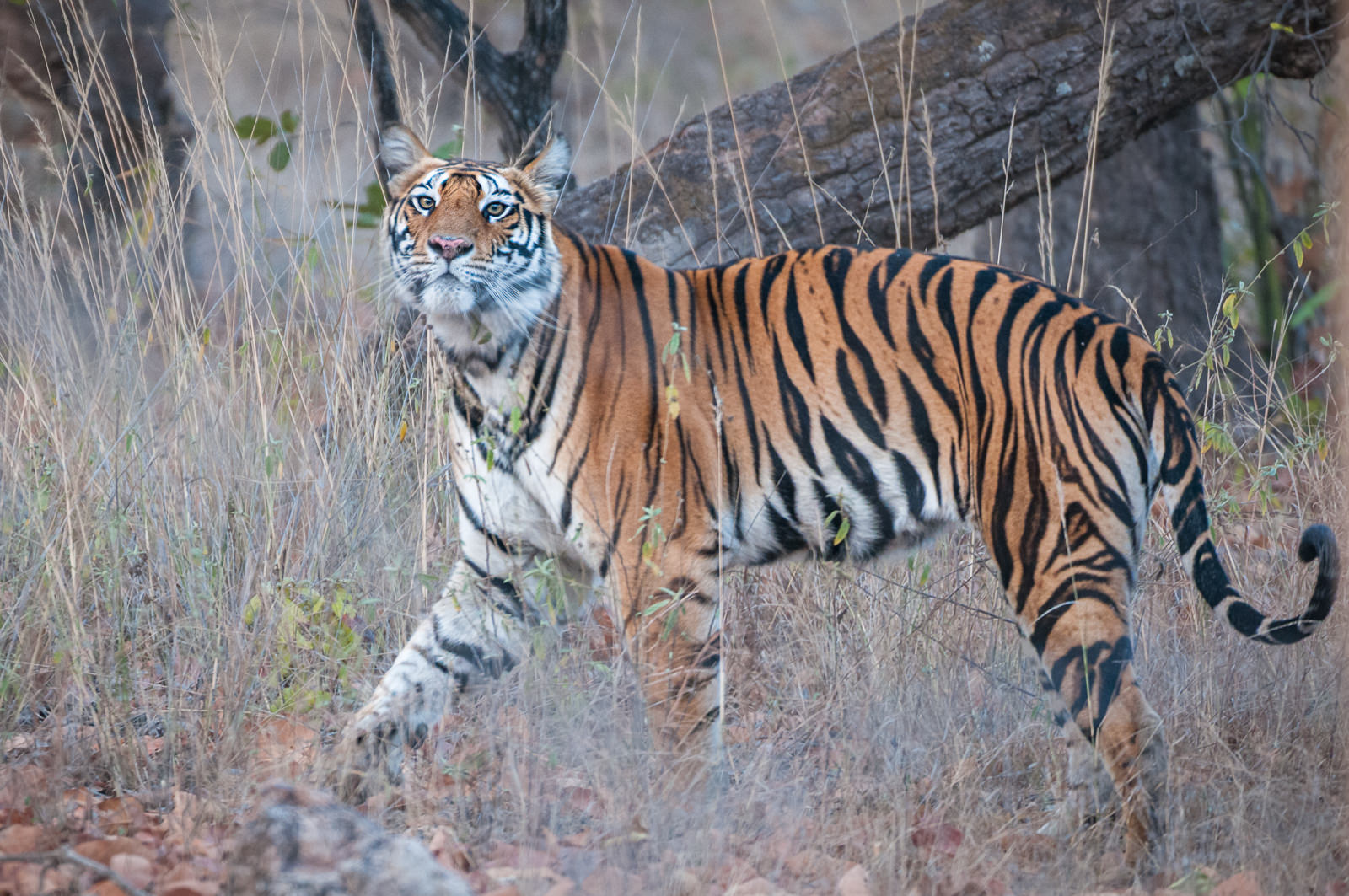
Last week I launched a new collection of t-shirt (and baby bodysuit) designs in my online store, Species Limited. The 72 fun new designs center around the names we call groups of animals. For instance, a group of tigers is called an ambush. In my ten days in India, however, I never came close to seeing an ambush. I managed only three sightings of solo tigers — which was three more than I had ever seen, so good by me. See the “ambush” design below and head over to Species Limited to see more. Nikon D300 with Nikkor 200-400mm lens (at 400mm) ISO 800, f/4 at 1/200th of a second.
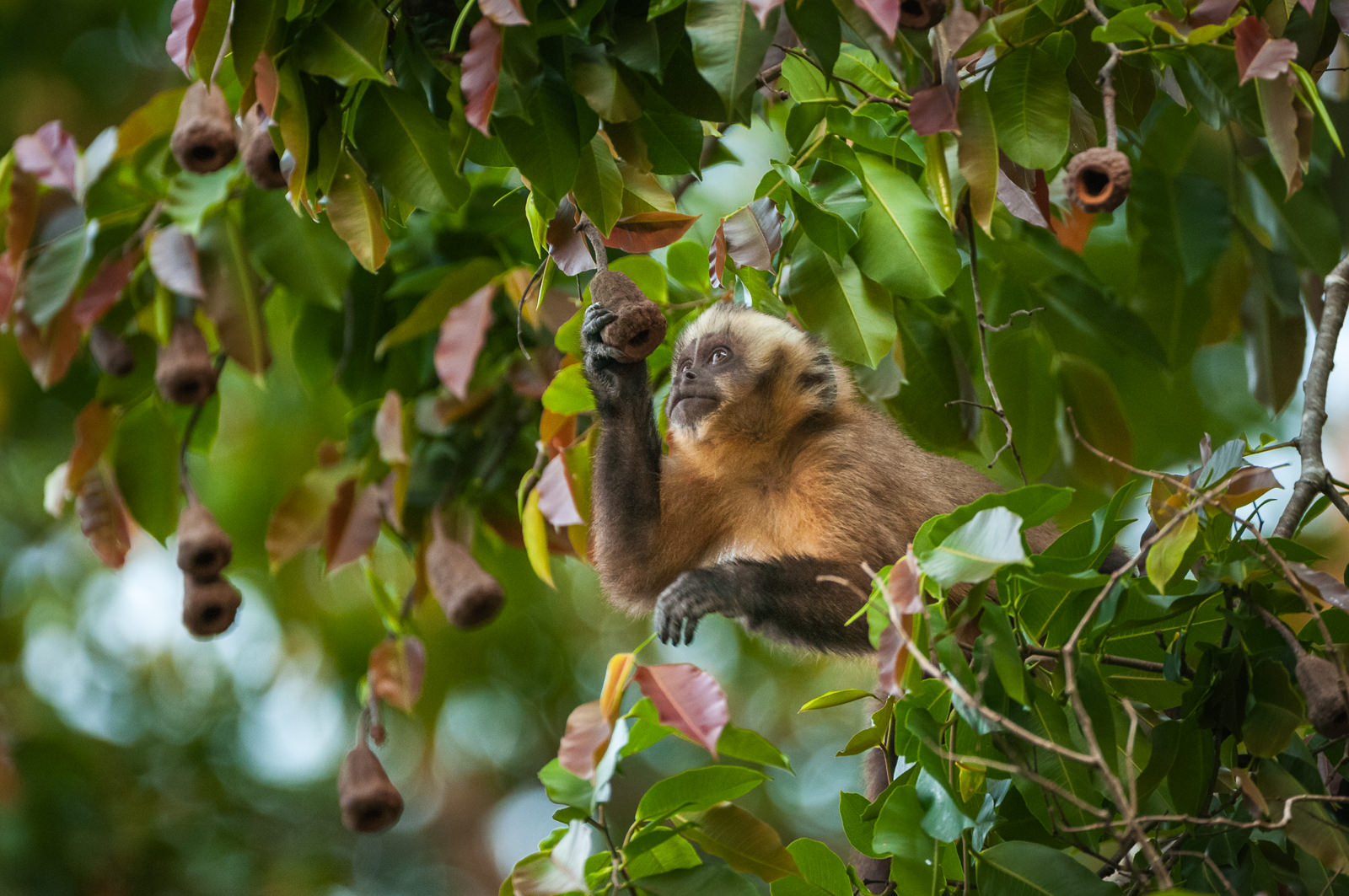
Another throwback — to my first visit to Bolivia’s Madidi National Park in the Amazon. A brown capuchin pausing to inspect a seed pod. Nikon D300 with Nikkor 200-400mm lens (at 380mm) ISO 800, f/4 at 1/320th of a second.
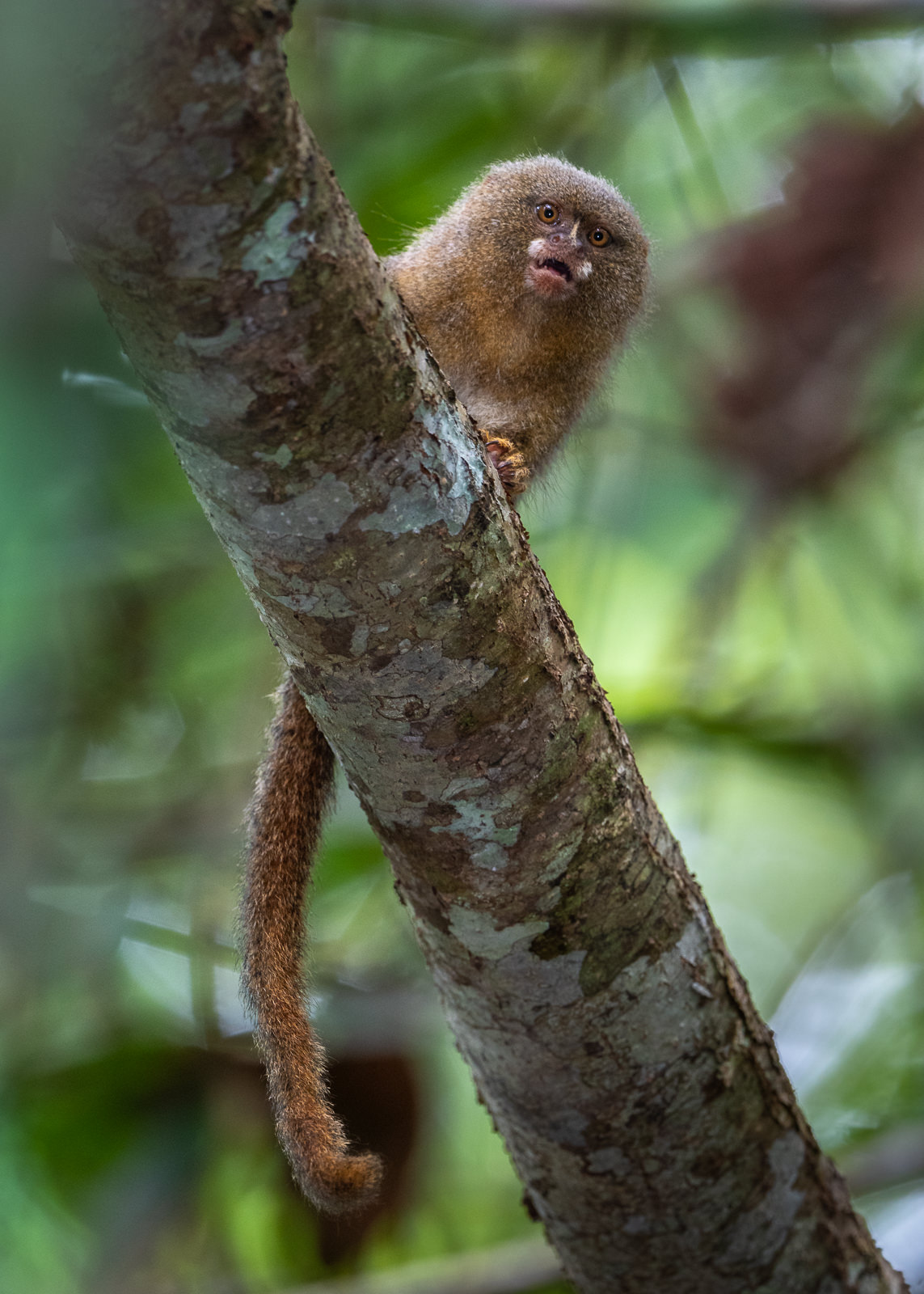
The pygmy marmoset is the world’s smallest monkey, weighing just 3 to 5 ounces and measuring around 5 inches long (excluding its tail). Native to the Amazon rainforest, it uses sharp lower teeth to gouge tree bark and feed on sap and gum. I saw quite a few of them over two trips to the Loreto region of Peru in the upper Amazon basin. Nikon D500 with Nikkor 500mm PF lens, ISO 800, f/5.6 at 1/200th of a second.
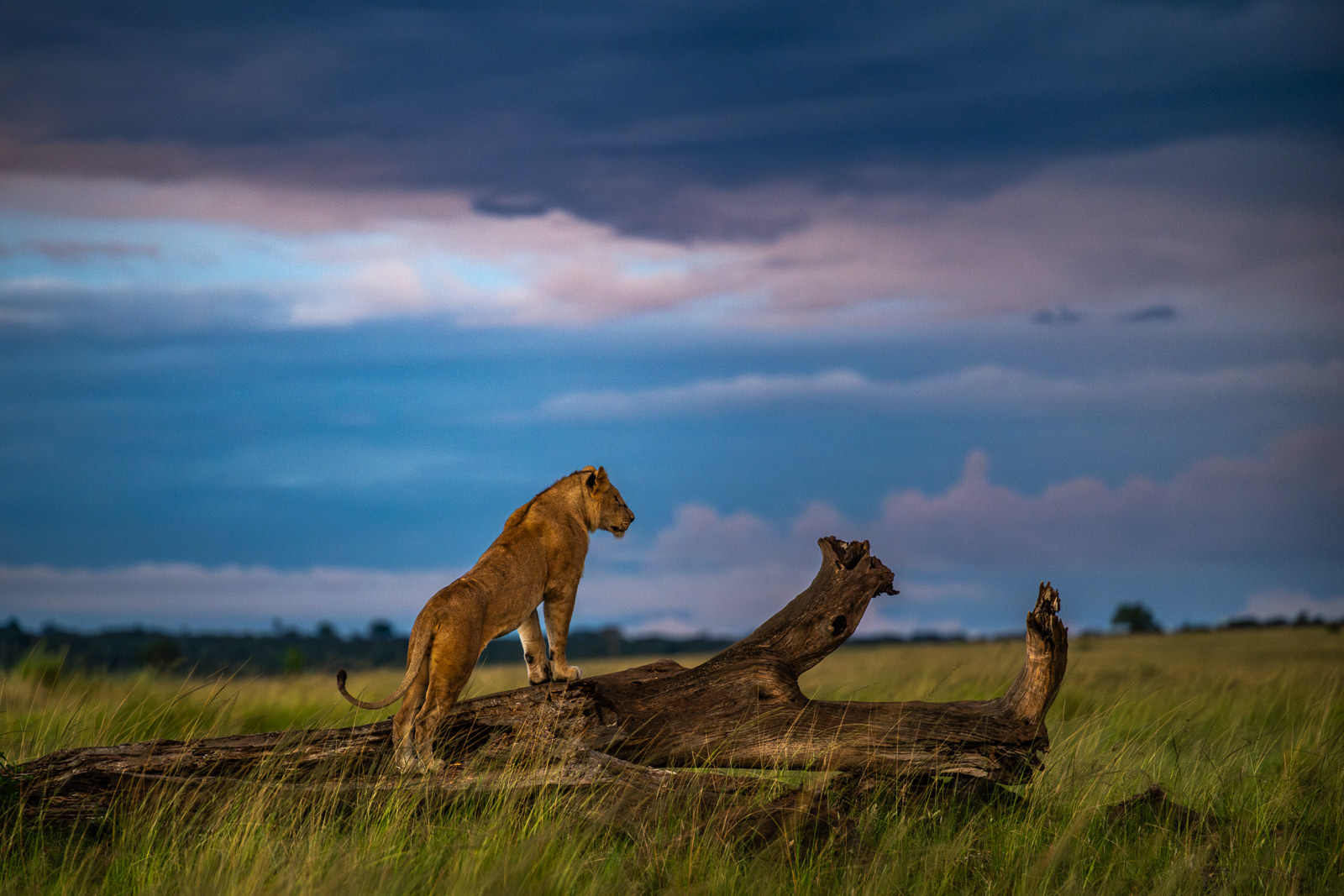
Lions like to get active just after the sun sets. This young male was scoping out the area for any potential prey — a highlight of our tour in June of 2024. If you’d like to join a Crane Wildlife Tours trip to Africa, reach out to get the conversation started. Nikon Z8 with Nikkor 70-200mm lens (at 200mm) ISO 1400, f/2.8 at 1/640th of a second.
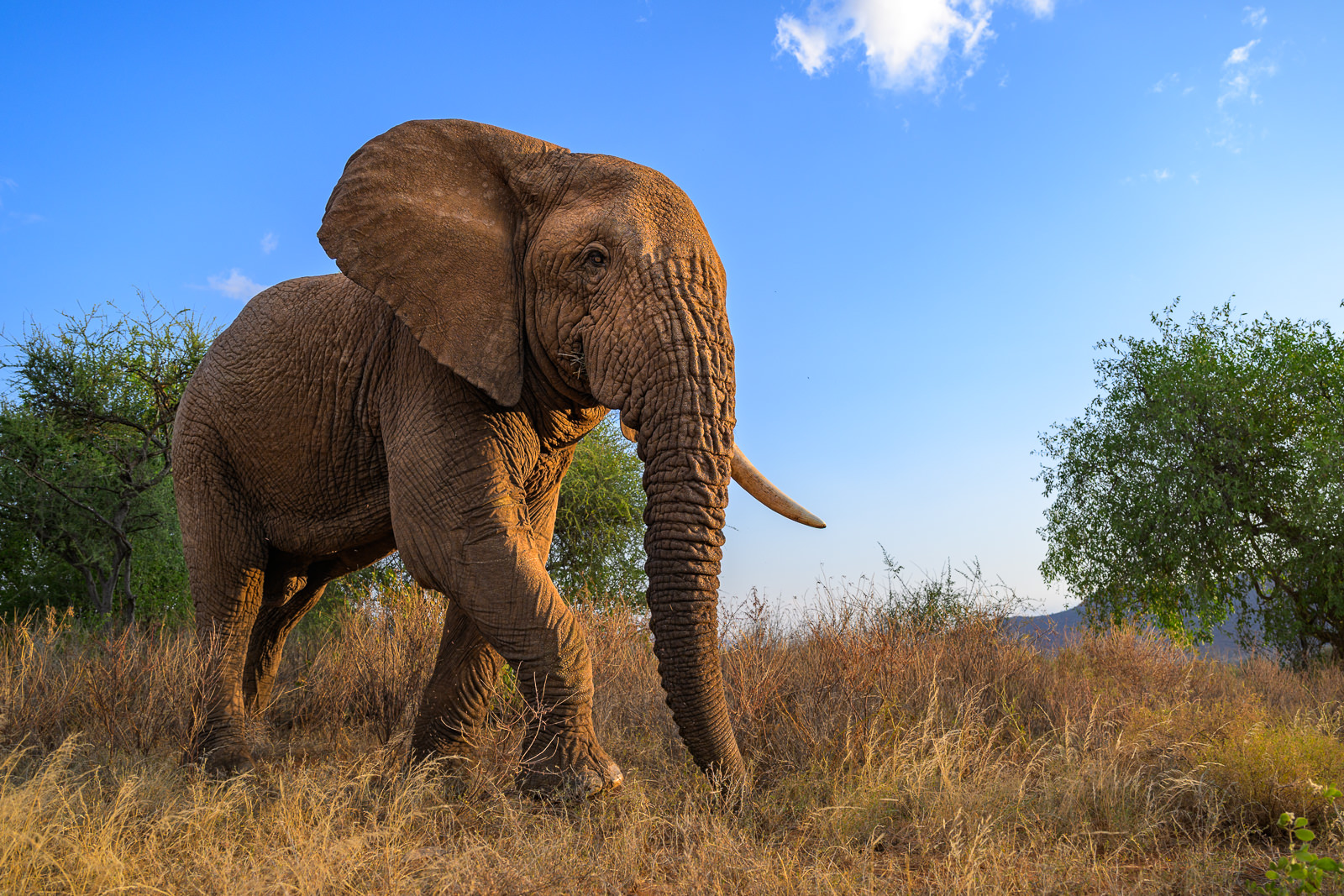
Here’s another elephant that I was able to photograph from a ground-level perspective using a wide angle lens, inverted monopod and remote trigger. In Samburu National Reserve in the north of Kenya, the elephants take on a reddish tint due to the red clay dirt of the landscape. Nikon Z8 with Nikkor 24-70mm lens (at 24mm) ISO 160, f/4.5 at 1/500th of a second.
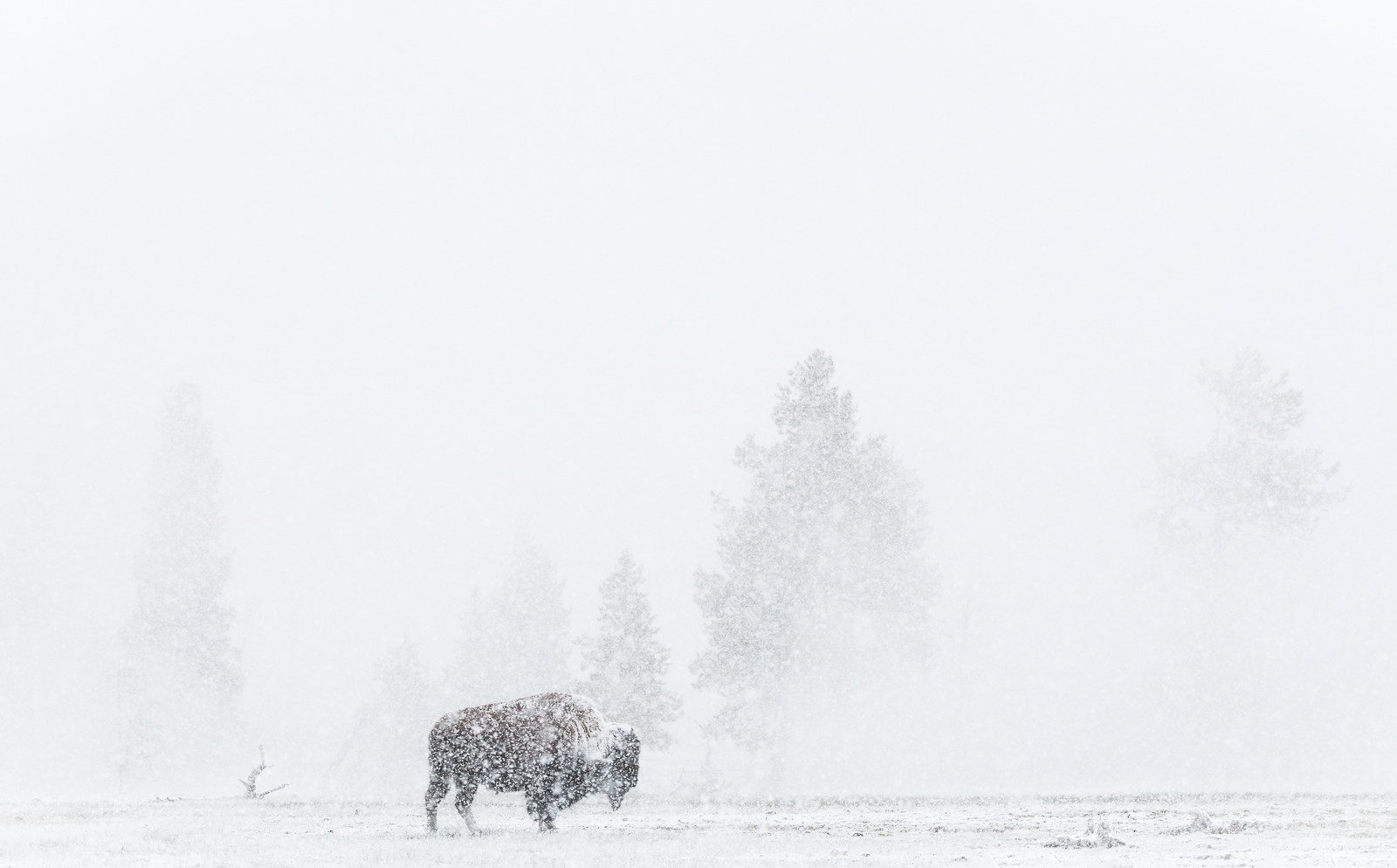
Seemed like a good day to resurface this old shot from Yellowstone during a springtime blizzard back in 2011. We’re looking at about two feet outside my window today (and still snowing). Hope everyone is keeping safe and warm. Nikon D300 with Nikkor 200-400mm lens (at 200mm) ISO 800, f/7.1 at 1/400th of a second.
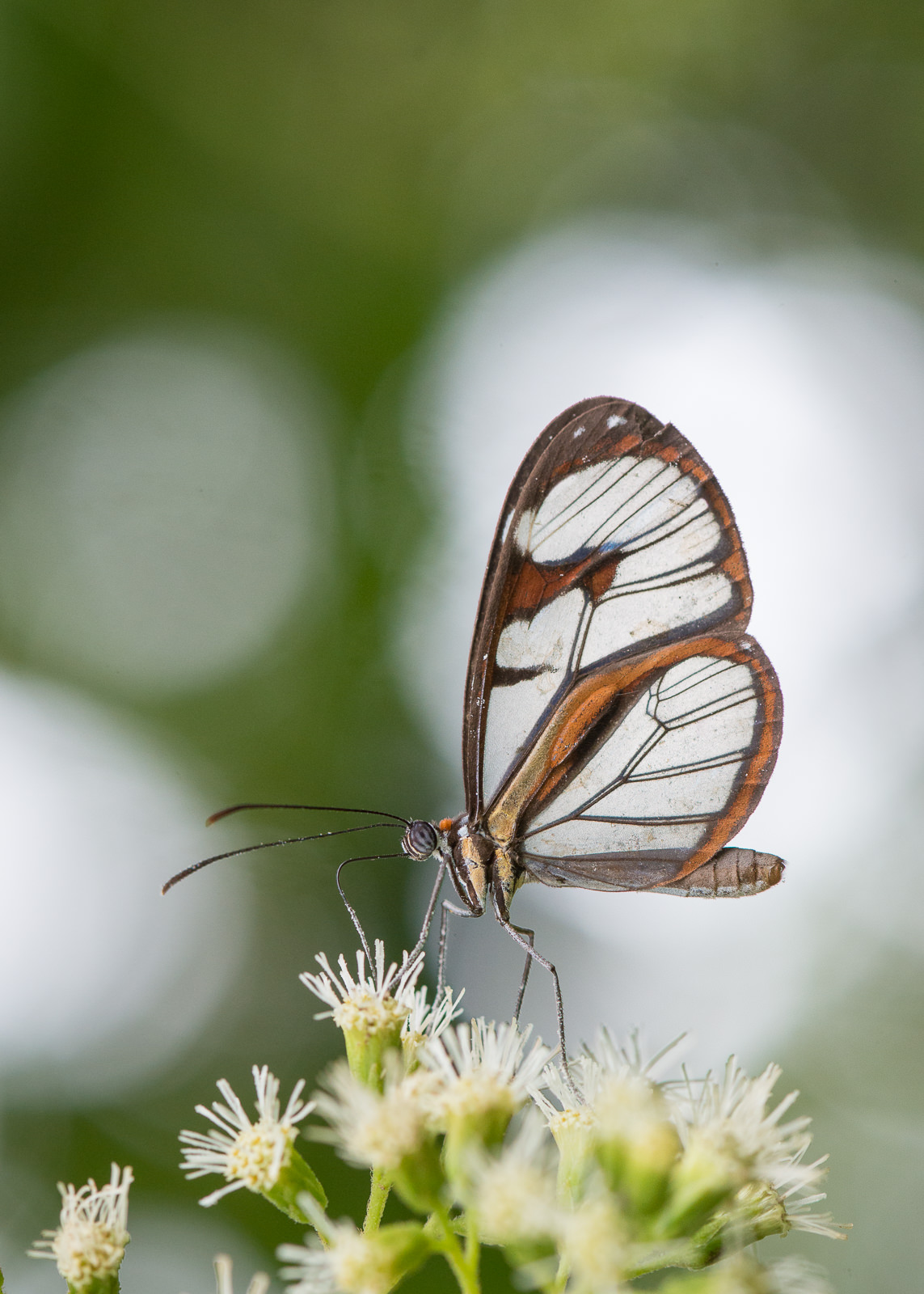
Clearwing butterflies are known for their transparent wings, an adaptation that helps them vanish into their forest surroundings. Instead of relying on bright colors for warning or attraction, their see-through wings reduce visibility to predators. This species, (Ithomia diasia hippocrenis) was photographed in El Valle, Panama. Nikon D800 with Nikkor 105mm macro lens, ISO 1600, f/8 at 1/320th of a second.
Hoary marmots, often called “whistle pigs” for their high-pitched alarm calls, are a common sight among the alpine meadows and rocky slopes of Mount Rainier in Washington State. These large ground squirrels spend the short summer season feeding and basking in the sun to build fat reserves for their long hibernation, which can last up to eight months. Social and vocal, they often perch on rocks to watch for predators. Nikon D300 with Nikkor 200-400mm lens (at 400mm) ISO 400, f/8 at 1/500th of a second.
We use cookies to enhance your experience while using our website. If you are using our Services via a browser you can restrict, block or remove cookies through your web browser settings. We also use content and scripts from third parties that may use tracking technologies. You can selectively provide your consent below to allow such third party embeds. For complete information about the cookies we use, data we collect and how we process them, please check our Privacy Policy