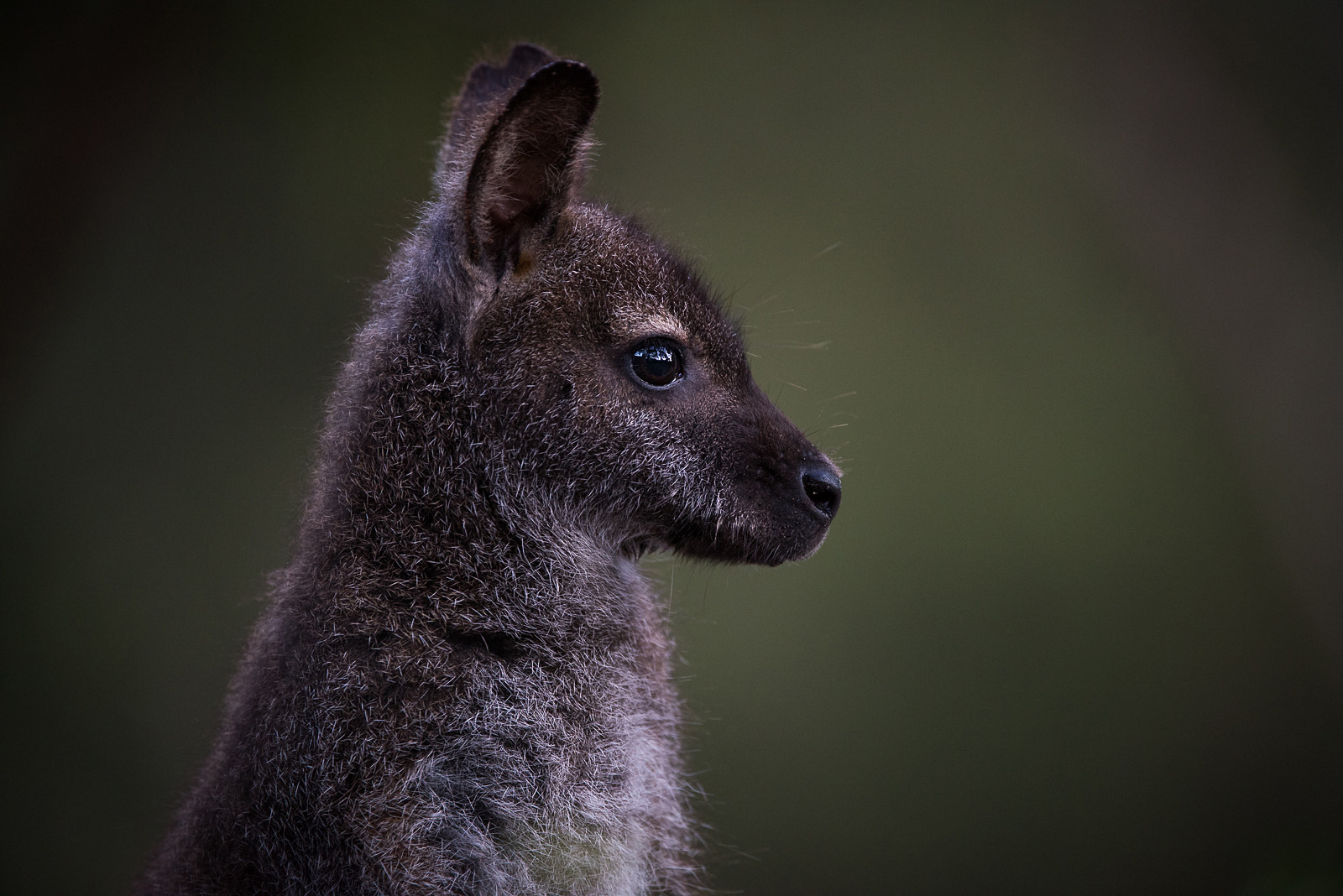
Bennett’s wallabies are pretty common on Bruny Island in Tasmania. I photographed this one early in the morning, just outside of my lodge. As you can tell, they don’t scare easily. Nikon D810 with Nikkor 200-400mm lens (at 350mm) ISO 1600, f/4 at 1/160th of a second
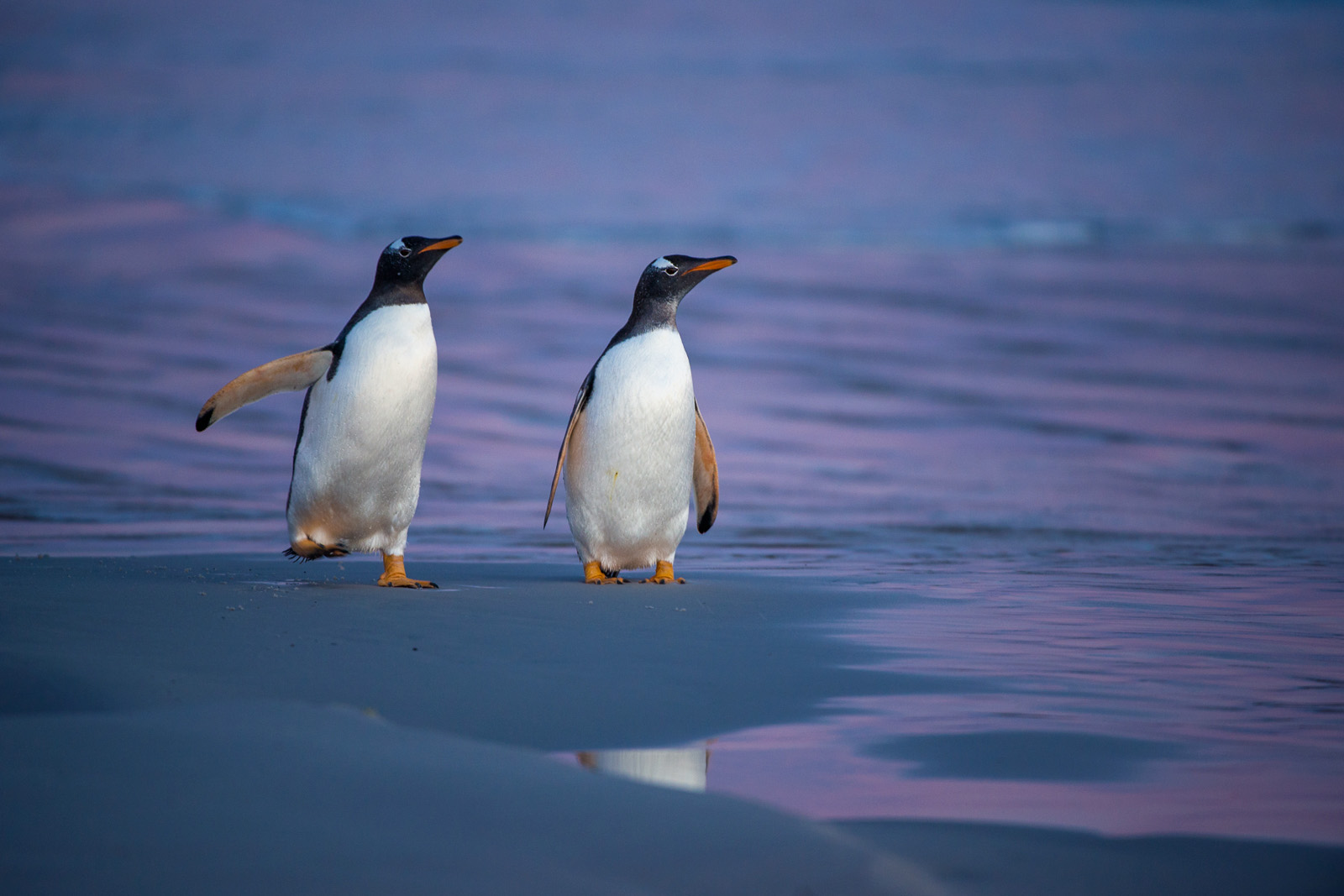
These two gentoo penguins were just finishing up a day at sea, returning to their colony as the twilight sky saturated the surface of the water at Volunteer Point in the Falkland Islands. Nikon D800 with Nikkor 200-400mm lens (at 400mm) ISO 800, f/4 at 1/160th of a second
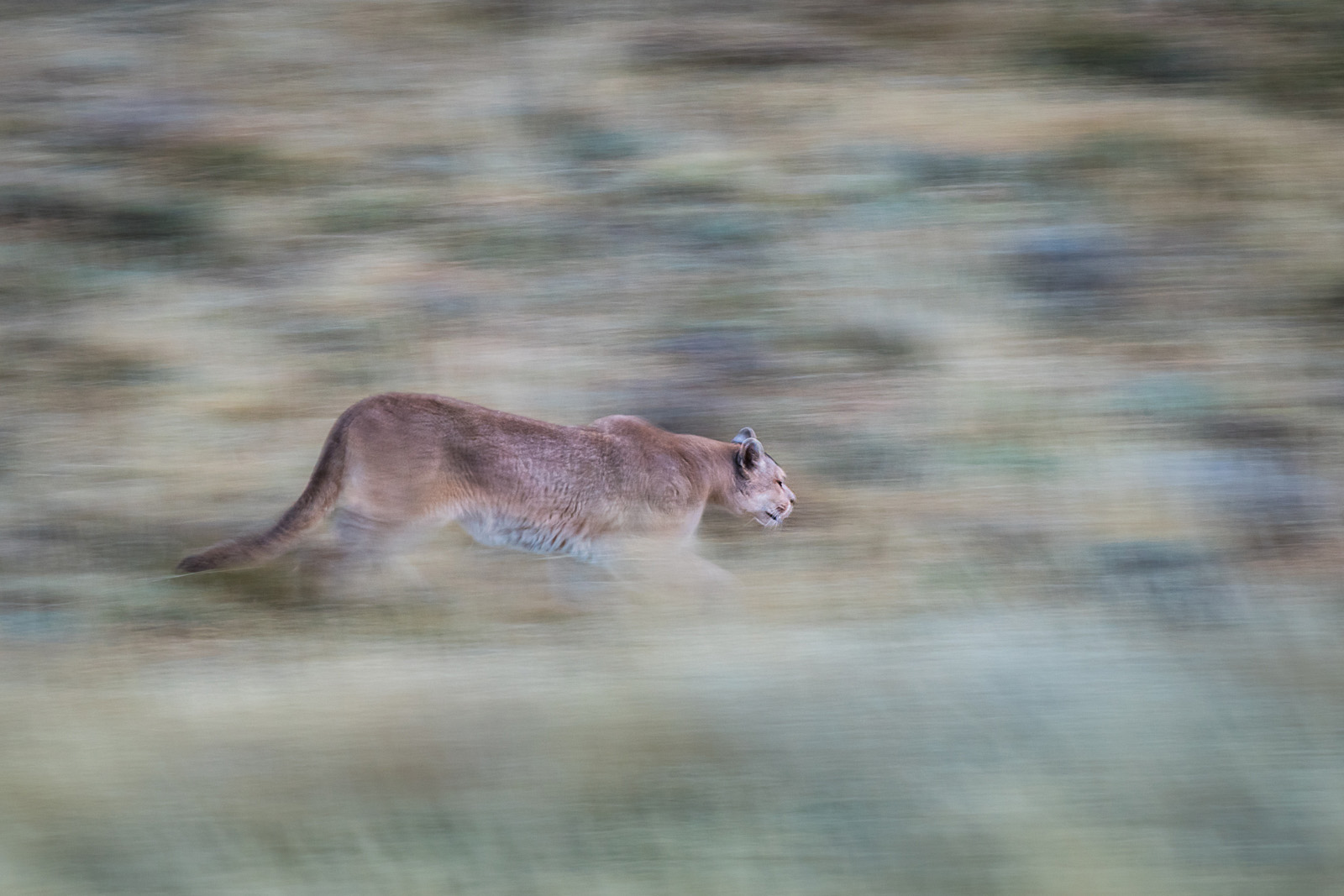
As soon as I saw this puma about to make a run at a group of guanacos, I quickly lowered the shutter speed of my camera by closing down the aperture, and I steadily tracked along with her. Unfortunately for the puma, her effort went unrewarded as the faster guanacos all got away. As for me, I was able to caputure a nice series of motion blurred images. I’ll post a few of the others in the future. Nikon D500 with Nikkor 200-400mm lens (at 400mm) ISO 800, f/22 at 1/13th of a second
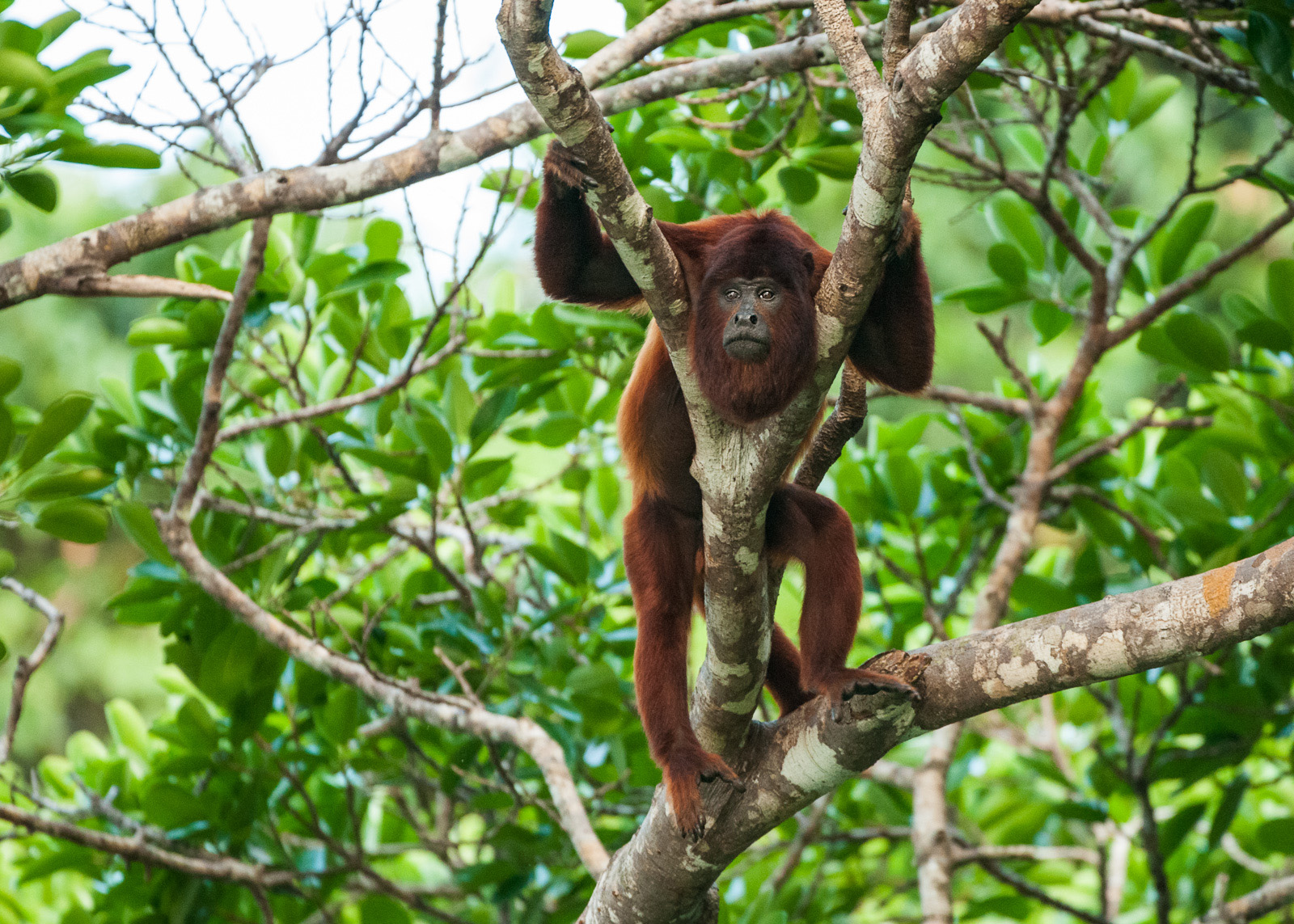
This is a male red howler monkey that I met years ago in the Bolivian Amazon. I was in a canoe on Lake Chalalan in Madidi National Park when I watched a troop of red howlers, as well as a troop of squirrel monkeys settling in for the night. This big guy seemed particularly pleased with the spot he found in the V (or is it a Y) of that tree. Nikon D300 with Nikkor 200-400mm lens (at 400mm) ISO 1600, f/4 at 1/100th of a second
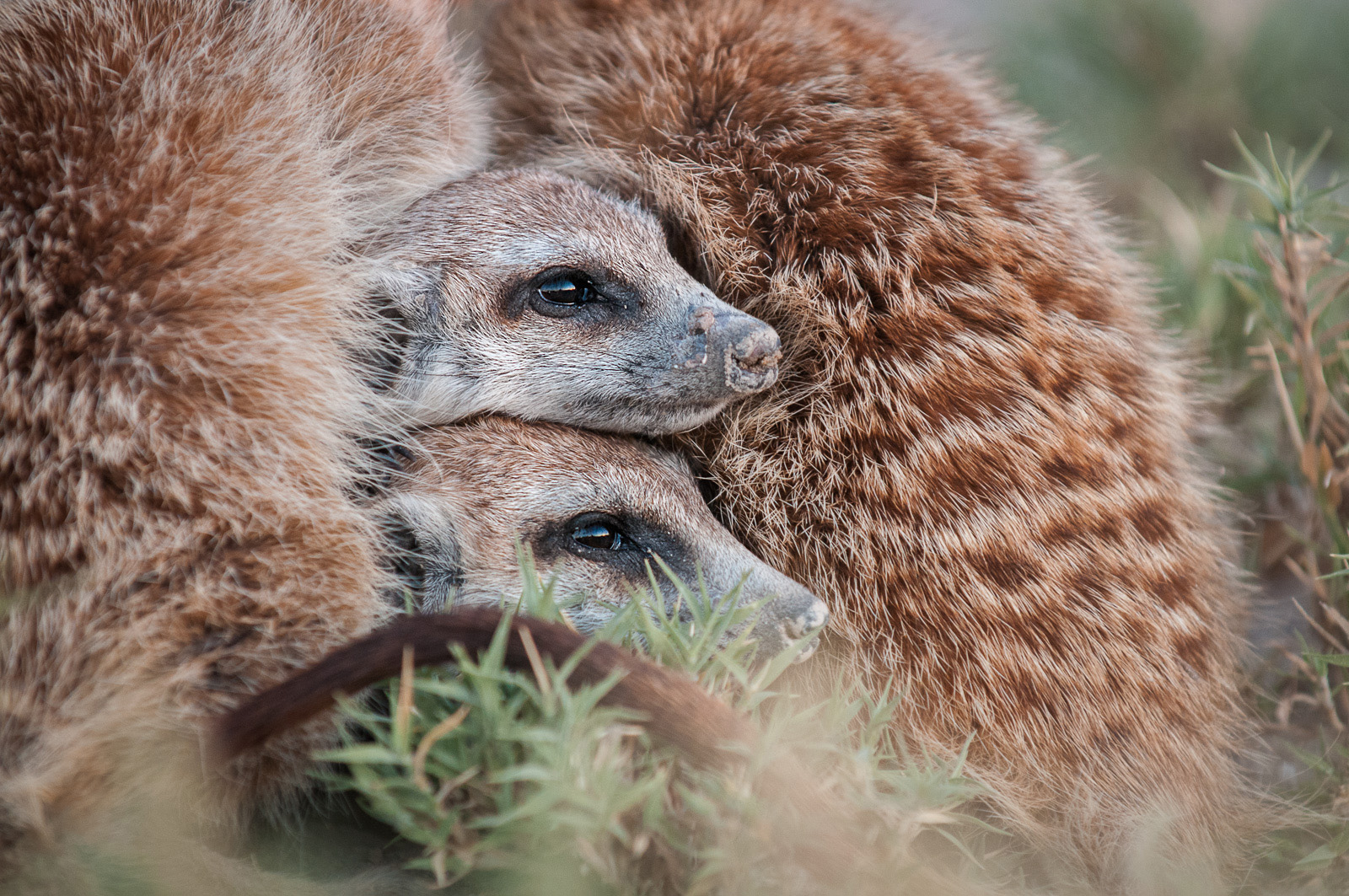
These two meerkats were part of a bundle of about eight that curled up into a furry ball to keep warm as the sun began to set on the Makgadikgadi Pans of Botswana’s Kalahari Desert. Nikon D300 with Nikkor 70-200mm lens (at 200mm), ISO 800, f/4.5 at 1/80th of a second
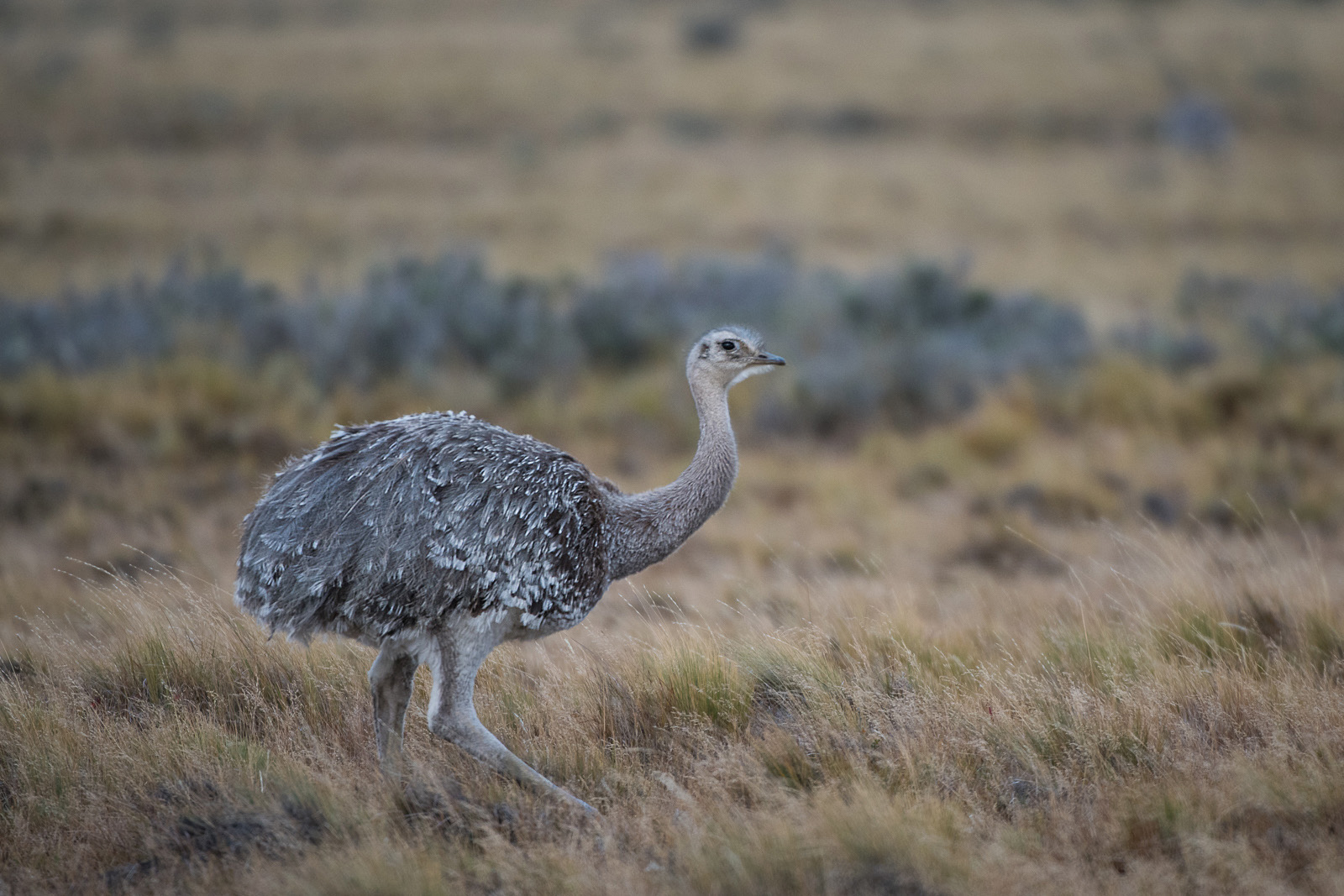
Meet the lesser rhea, otherwise known as Darwin’s rhea. Also otherwise known as the flightless bird they make feather dusters out of. In addition to their feathers, they are also farmed for their meat and eggs, their hide for leather and their oil for cosmetics. Needless to say, they have become near threatened in much of their range. Within Torres Del Paine, they are protected, at least from humans. Pumas will hunt them to add variety to their guanaco-rich diet. Rheas are related to the emu and are one of the world’s four large flightless birds along with the cassowary and the ostrich (there are other flightless birds in the world, but those four are the big boys). Nikon D500 with Nikkor 200-400mm lens (at 400mm) ISO 800, f/4 at 1/640th of a second
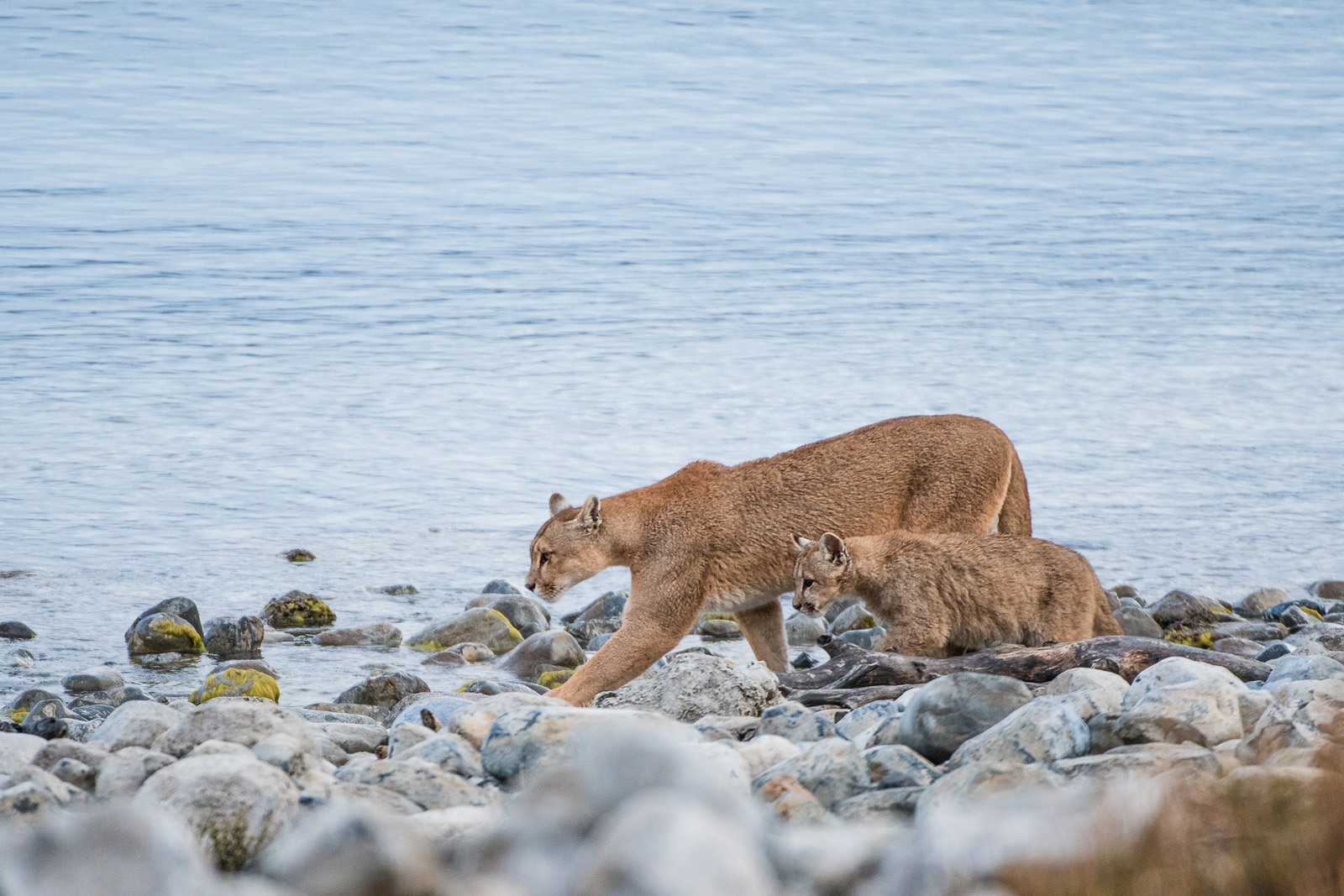
I previously posted this mother and also posted the cub. Here they are together, traveling along a lake in Torres Del Paine National Park. A few yards back and out of frame were two other cubs. Shortly after taking this photo, I turned my attention to an owl that was behind me. When I looked back, I had lost site of the pumas, but at least I got a few shots of them on the move after an afternoon of rest. Nikon D500 with Nikkor 200-400mm lens (at 400mm) ISO 800, f/4 at 1/1250th of a second
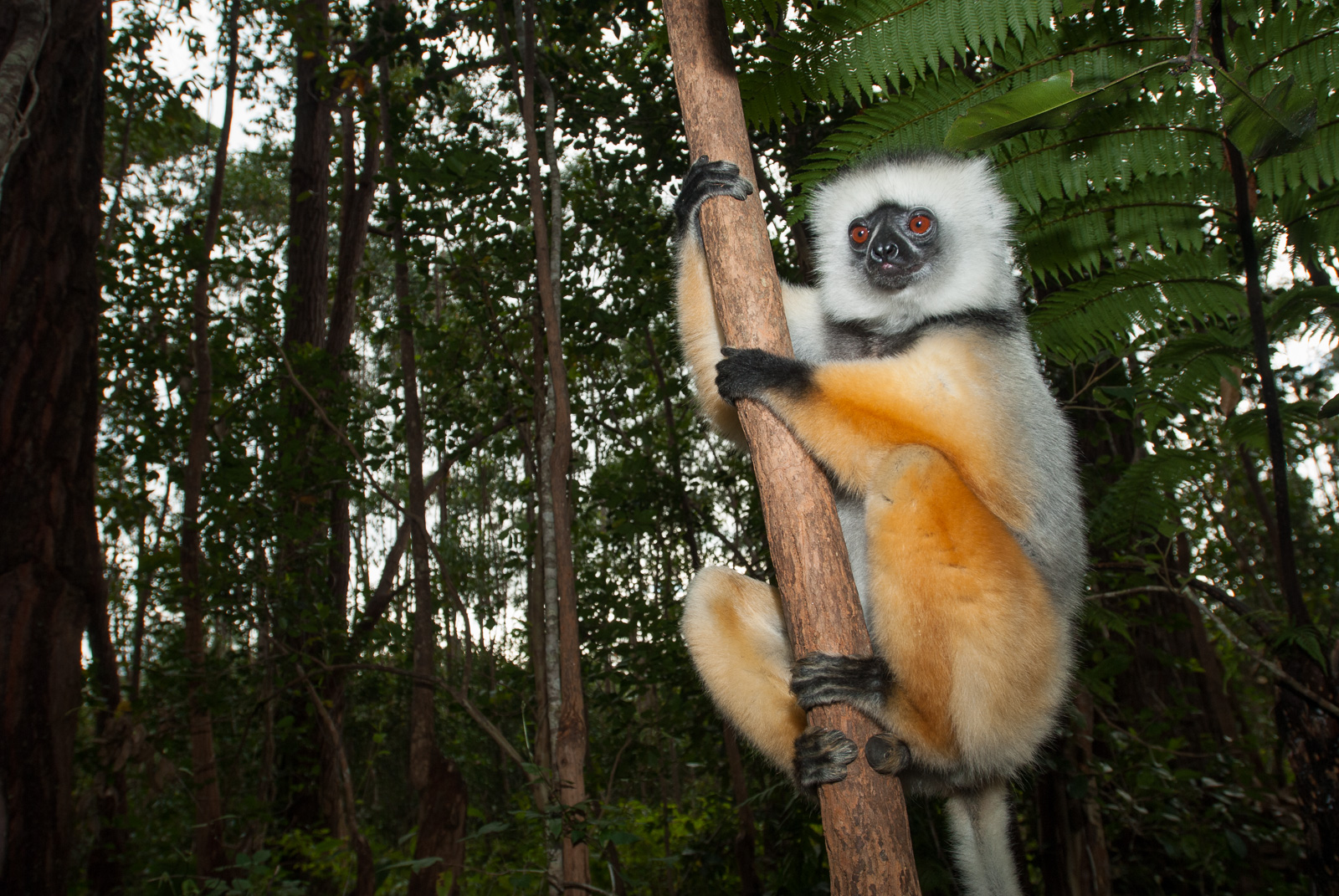
I’ve posted other shots of the diademed sifaka lemur before, but it deserves another look. With its ruby red eyes and yellow, black and white coat, it is considered one of the finest looking of all the lemurs. Nikon D200 with Nikkor 17-35mm lens (at 17mm) ISO 100, f/5.6 at 1/60th of a second, two Nikon SB-600 flash units
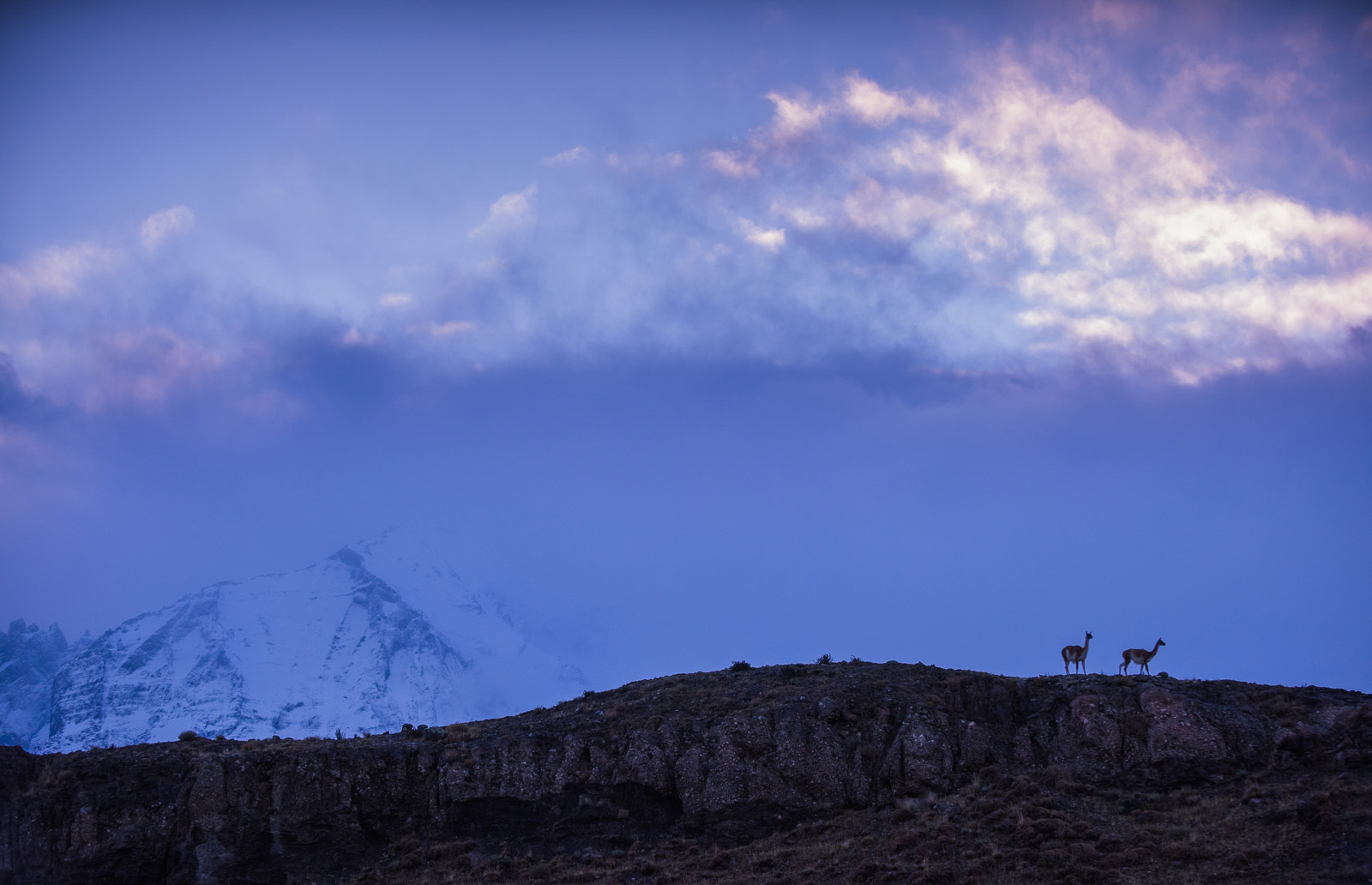
The great thing about guanacos is that they were seemingly everywhere in Torres Del Paine. When the light was good, it didn’t take long to find one — or two in this case — up on some ridge top with dramatic mountains and clouds in the background. Nikon D810 with Nikkor 70-200mm lens (at 70mm) ISO 800, f/4 at 1/1250th of a second
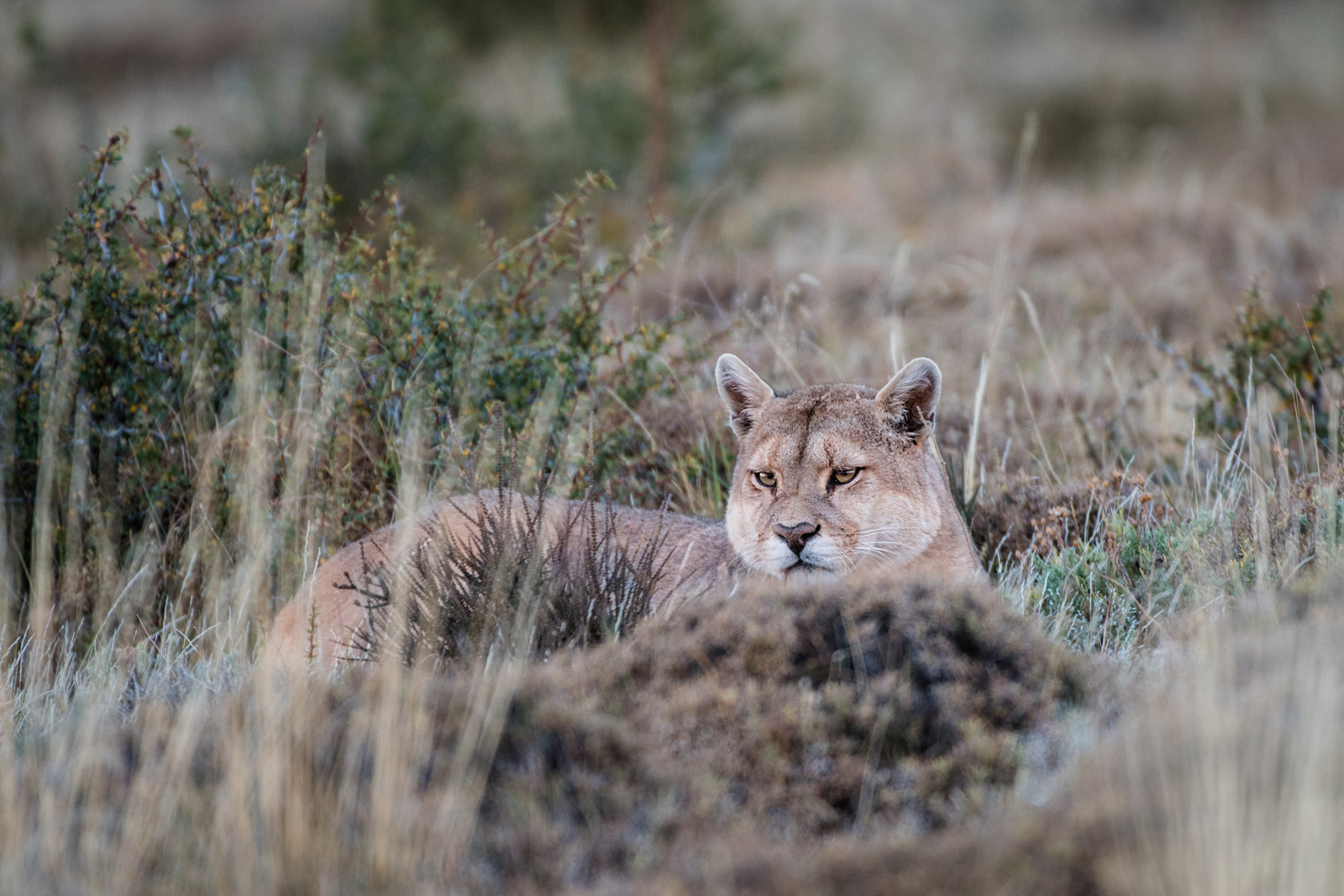
I watched this puma stalking, and then half-heartedly chasing, a herd of guanacos. It almost seemed as if she knew she had no chance but was going to give it a go anyway just in case. After all her would-be victims disappeared over the horizon, she plopped down for a nap. I’ll post some of the stalking pics soon. Nikon D500 with Nikkor 200-400mm lens (at 400mm) ISO 800, f/4 at 1/200th of a second
We use cookies to enhance your experience while using our website. If you are using our Services via a browser you can restrict, block or remove cookies through your web browser settings. We also use content and scripts from third parties that may use tracking technologies. You can selectively provide your consent below to allow such third party embeds. For complete information about the cookies we use, data we collect and how we process them, please check our Privacy Policy