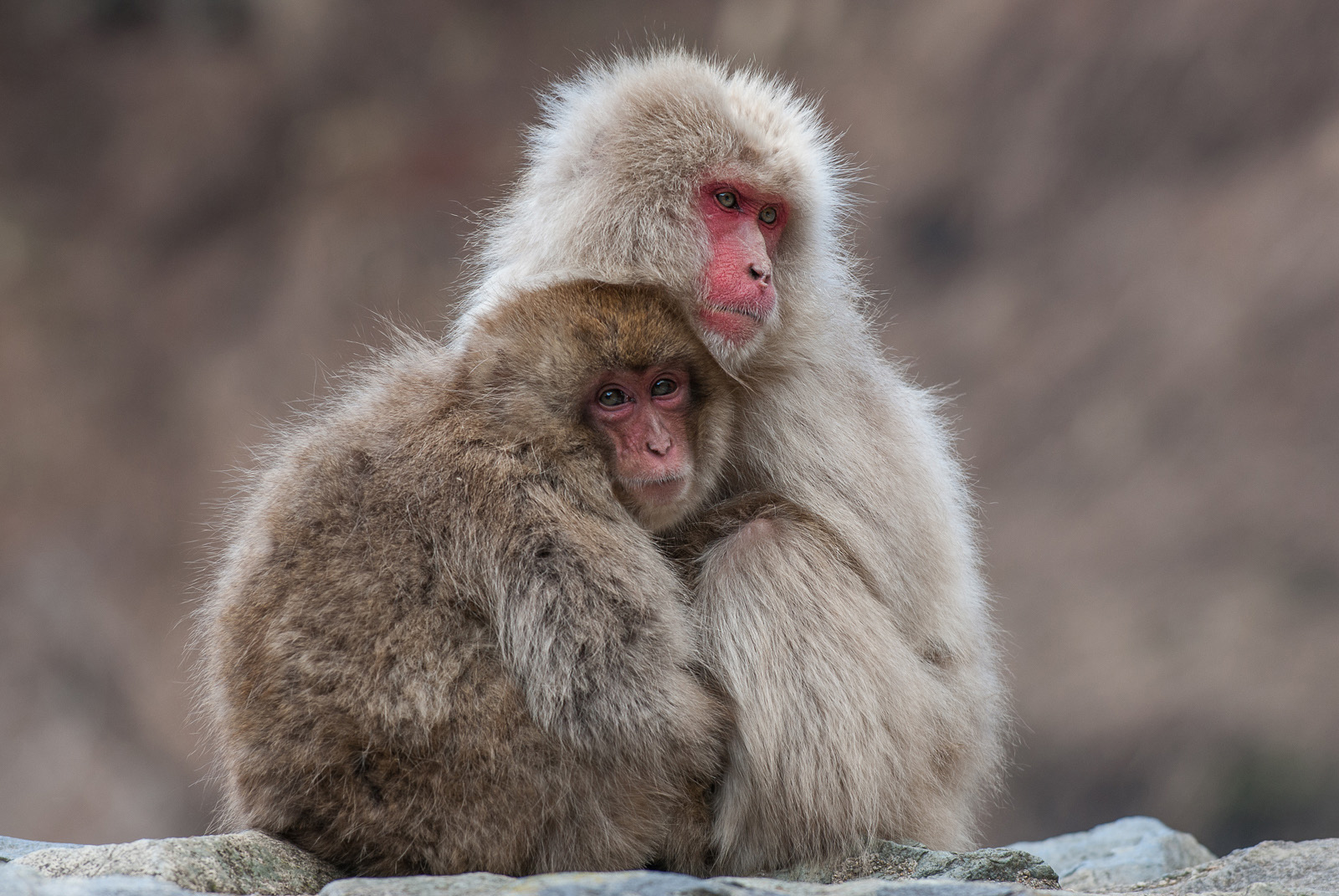
Just a quick post — of two Japanese macaques sharing a moment — before I head off on my next adventure. I’ll be heading down to the extreme southern tip of South America this weekend for a week of puma trekking in Chile’s Patagonia region. Hopefully all goes well (my flight was cancelled and rescheduled five times already this week due to an airline strike on Latam Airlines). I finally found a ticket on another airline but it wasn’t easy. Lot’s of long layovers, including 24 hours in Santiago, but eventually I’ll get there. And I’ll be back posting again on the 25th. Hopefully a puma or two. Nikon D200 with Nikkor 70-200mm lens (at 200mm) ISO 200, f/4.5 at 1/160th of a second.
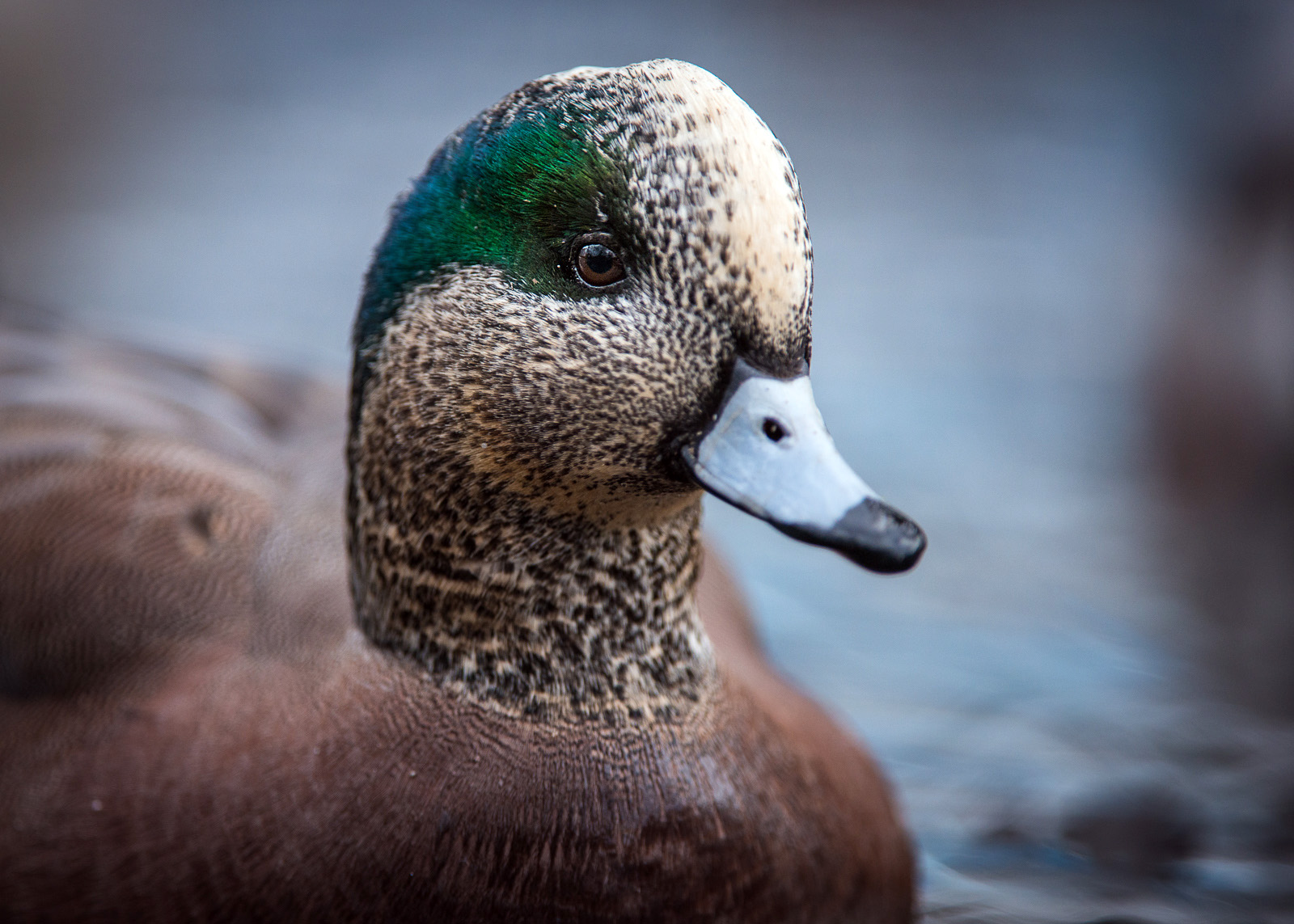
The American wigeon is a fine looking duck, especially the males with the green patch around the eye. They are also known by a few nicknames — one being the baldpate due to the white patch of feathers on the head, and the other being the poacher, due to their tendency to grab and steal vegetation brought to the surface by other diving water birds. Nikon D800 with Nikkor 200-400mm lens (at 400mm) ISO 800, f/4 at 1/1000th of a second
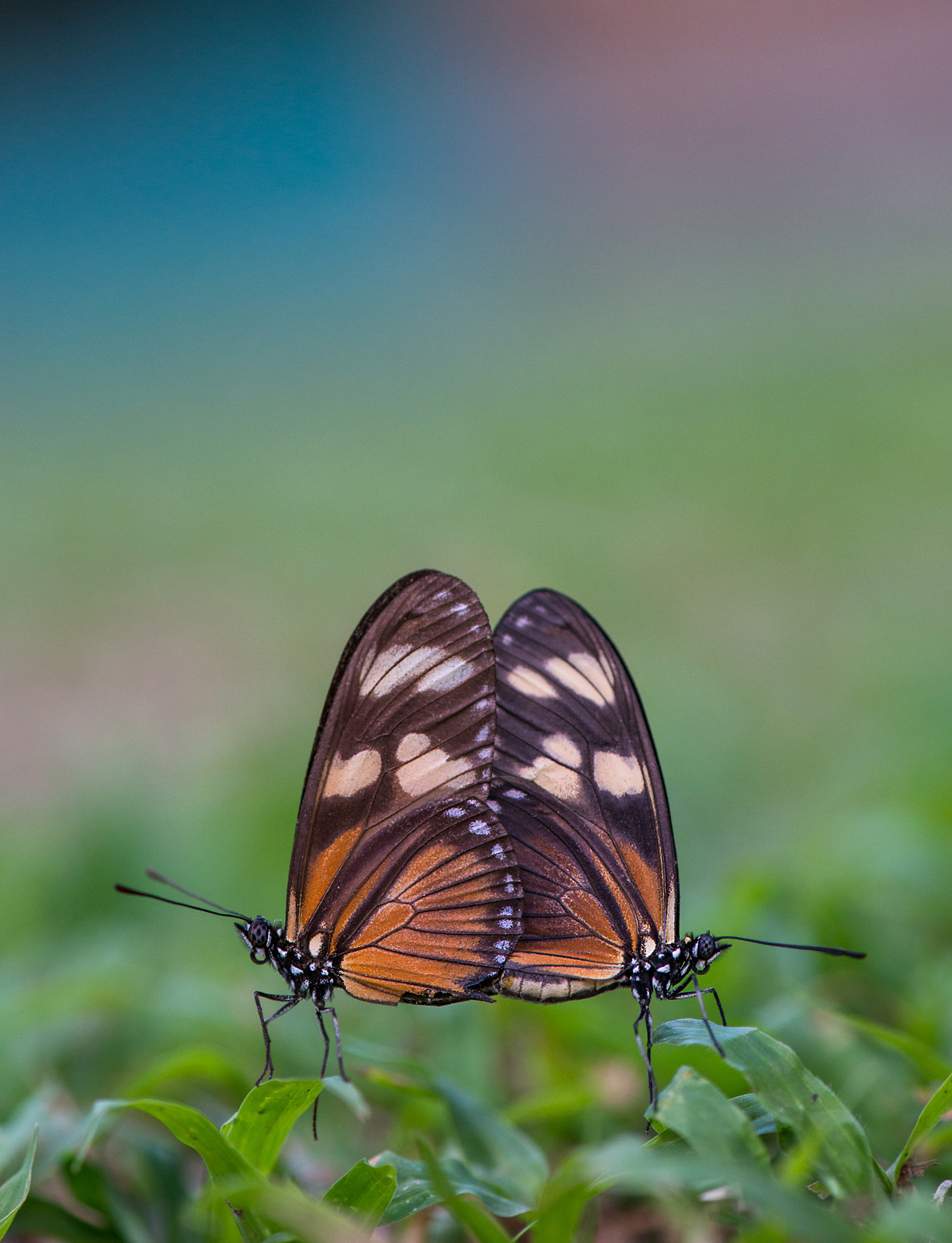
This is what butterfly lust looks like. I spotted these two lovers (genus heliconius) doing their thing near my tent in Corcovado National Park in Costa Rica. Nikon D800 with Nikkor 105mm macro lens, ISO 800, f/5 at 1/80th of a second
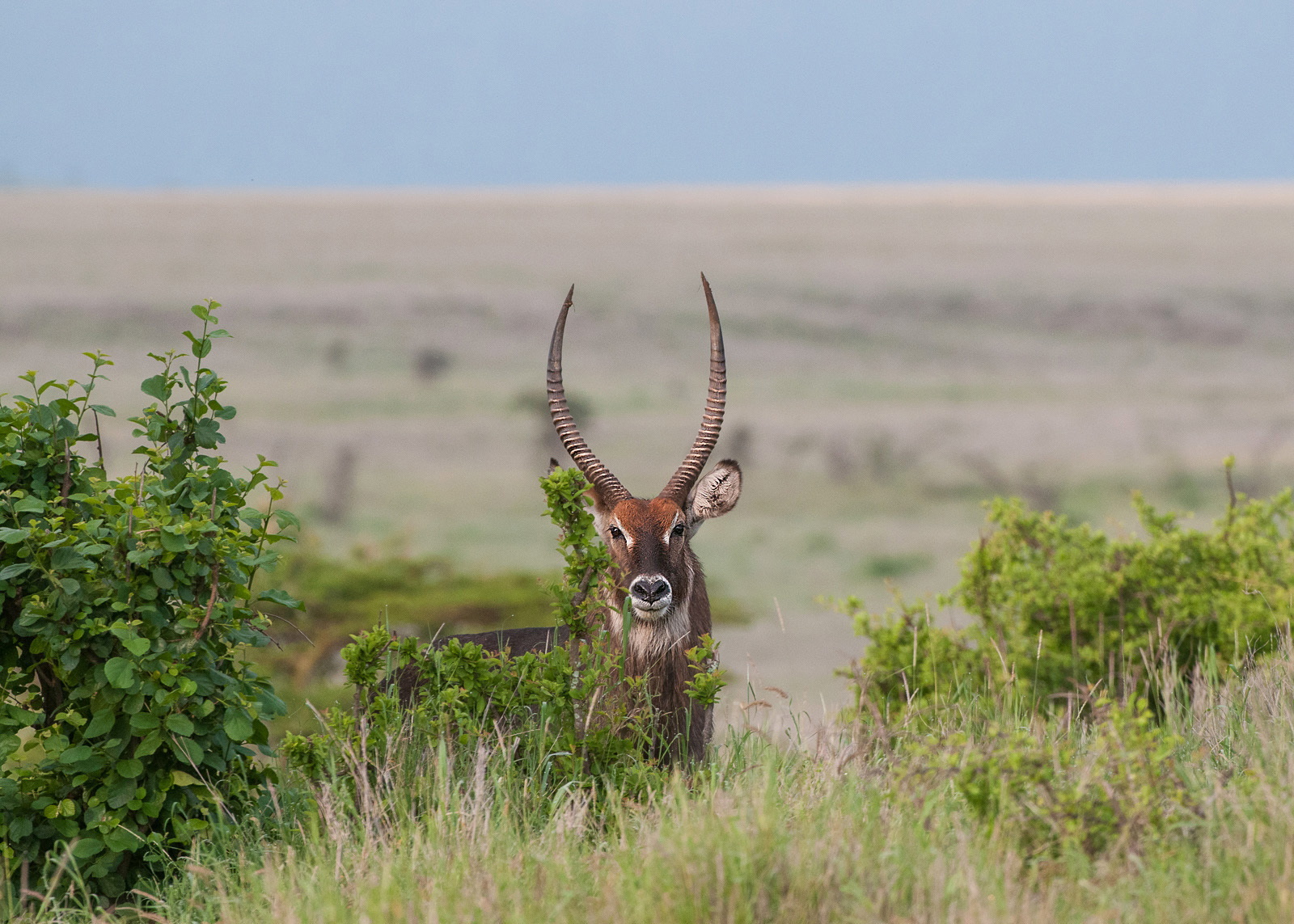
Waterbucks are a pretty big — their stocky build accounts for the fact that they are among the heaviest antelopes in Africa. The males have those nice spiraled horns which the females lack. I photographed this curious guy in Queen Elizabeth National Park in Uganda. Nikon D300 with Nikkor 200-400mm lens (at 400mm) ISO 800, f/5.6 at 1/800th of a second
As I mentioned in a few recent posts, I took a new compact camera underwater while in Belize. Being the first time I used it, there were plenty of mistakes to be had. The main screw up being that I kept inadvertently hitting the video record button while snorkeling, thinking that I was taking stills. I ended up with lengthy video clips of unusable (and unexpected) footage. But amidst all the shots of nothing-in-particular, there were glimpses of fish, sharks, stingrays and turtles. I cut together the bits that made sense into this short video of Shark Ray Alley. Music be Neil Young for no particular reason other than I like the song, it seems to fit the slow motion vibe and it’s called “On the Beach.” Next time I’ll take an intentional video and see how it goes. (Sony RX100 V with Fantasea underwater housing with wide angle wet lens attached.)
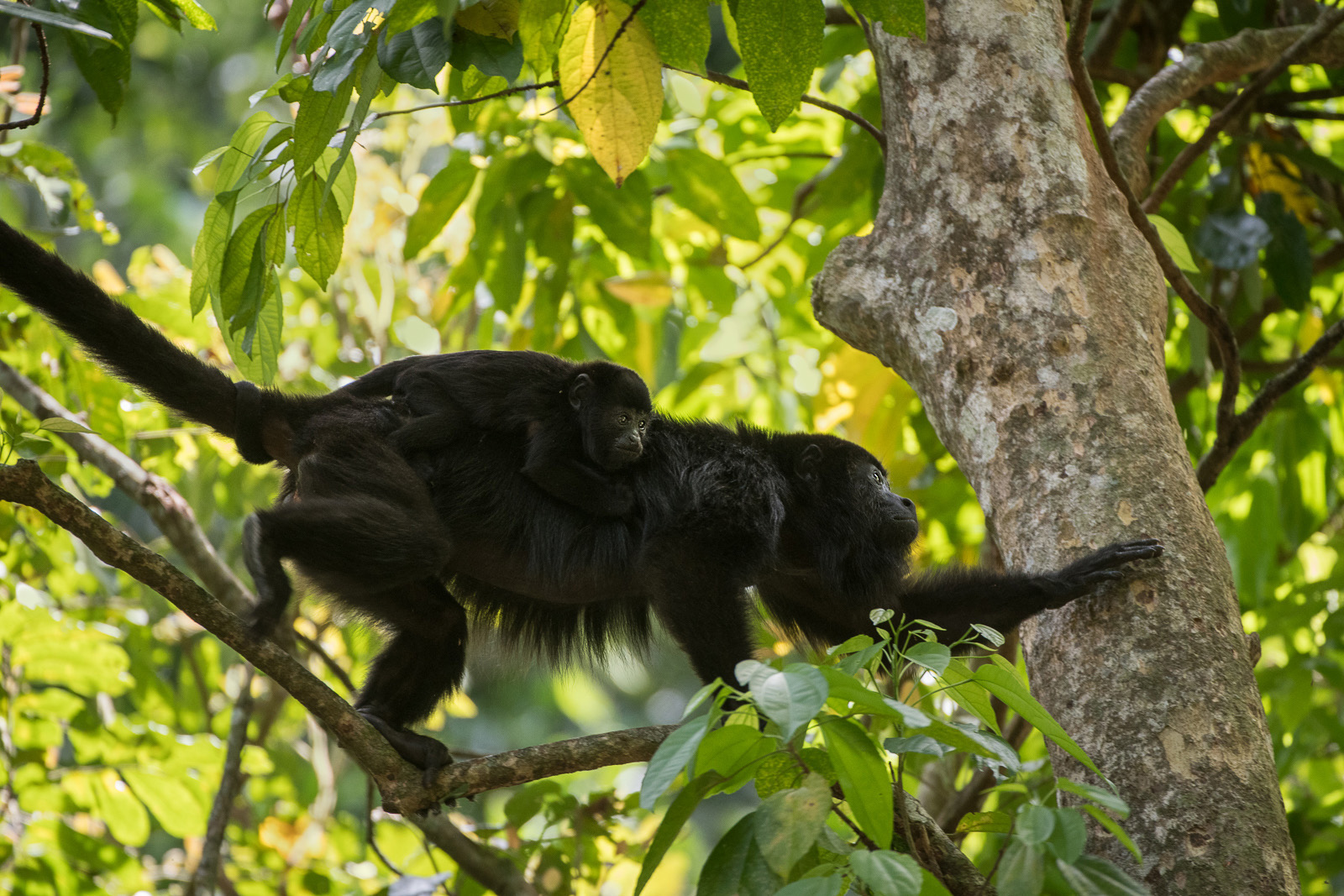
Another one of the black howler monkeys that we saw at the Caracol Mayan ruins deep in the western rainforest of Belize. Note the way the baby has its tail wrapped tightly around mom’s. Nikon D500 with Nikkor 200-400mm lens (at 400mm) ISO 800, f/4 at 1/320th of a second
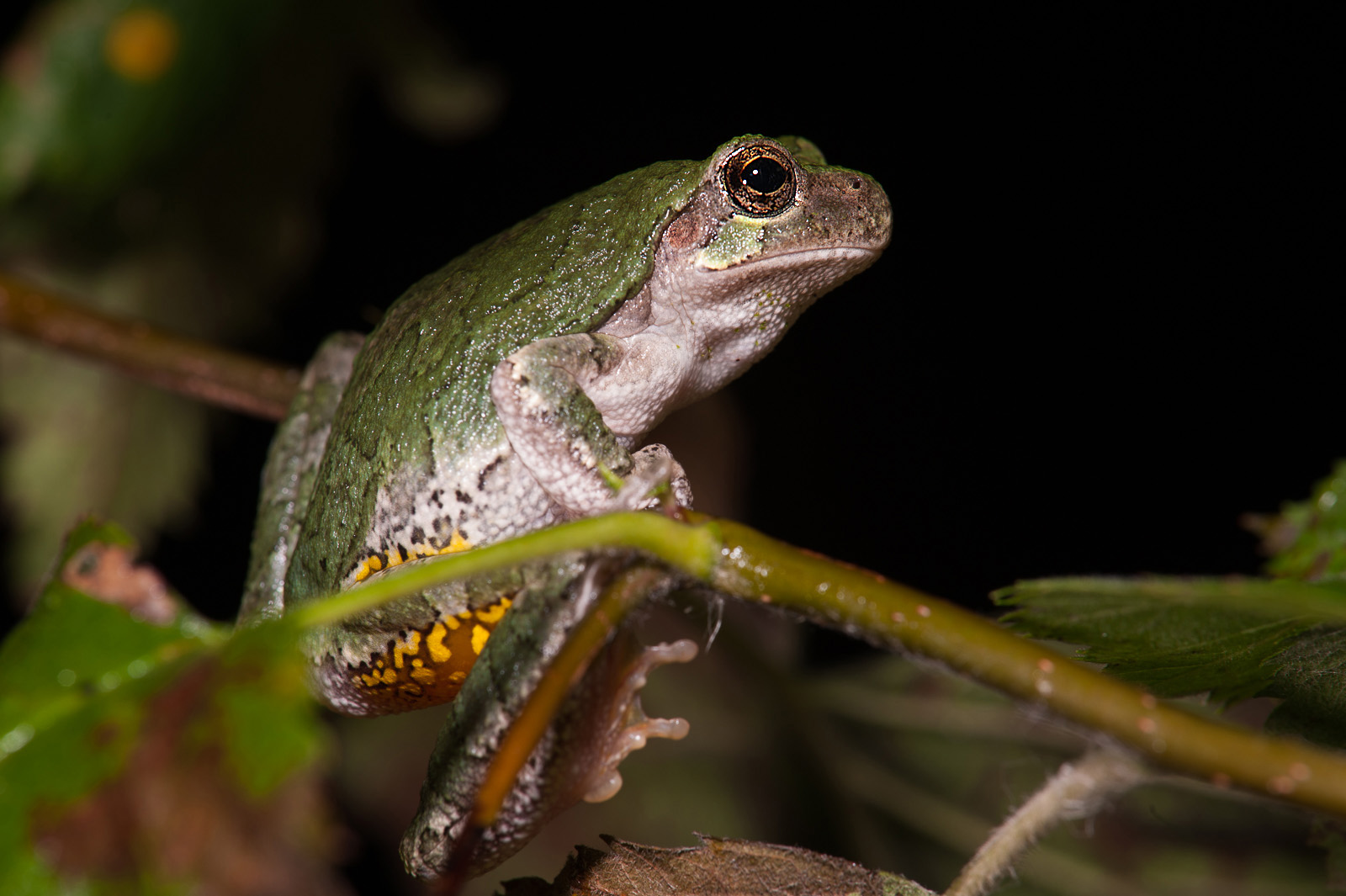
This is probably the most common North American tree frog. It can come in many colors depending on location — like chameleons, they have the ability to change depending on their environment (although not quite as spectacularly). As the name implies, they can appear anywhere on the gray to green spectrum. They are predominately found in southern Canada and the US states east of the Mississippi, although I spotted this one just west near the town of Waterloo, Iowa. Nikon D700 with Nikkor 70-200mm lens (at 200mm) with Canon 500D close up filter, ISO 160, f/16 at 1/60th of a second, two Nikon SB-800 flash units
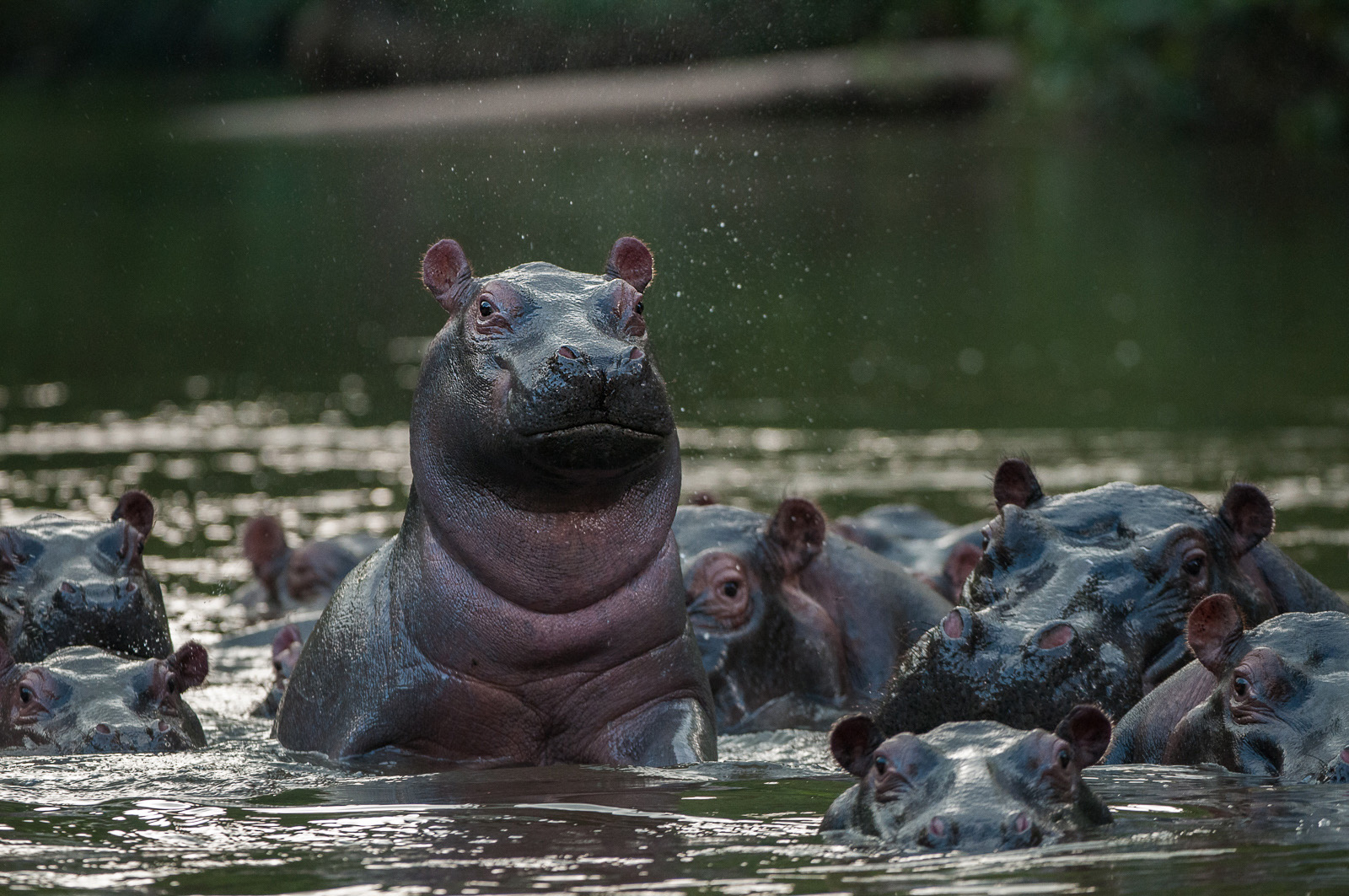
These curious hippos were photographed in Queen Elizabeth National Park in Uganda. Despite the fact that they are mainly vegetarian, hippos can be the most dangerous animals in Africa due to their territorial ways. Getting in the way of their route into and out of the water is never a good idea. Nikon D300 with Nikkor 200-400mm lens (at 300mm) ISO 800, f/4 at 1/400th of a second
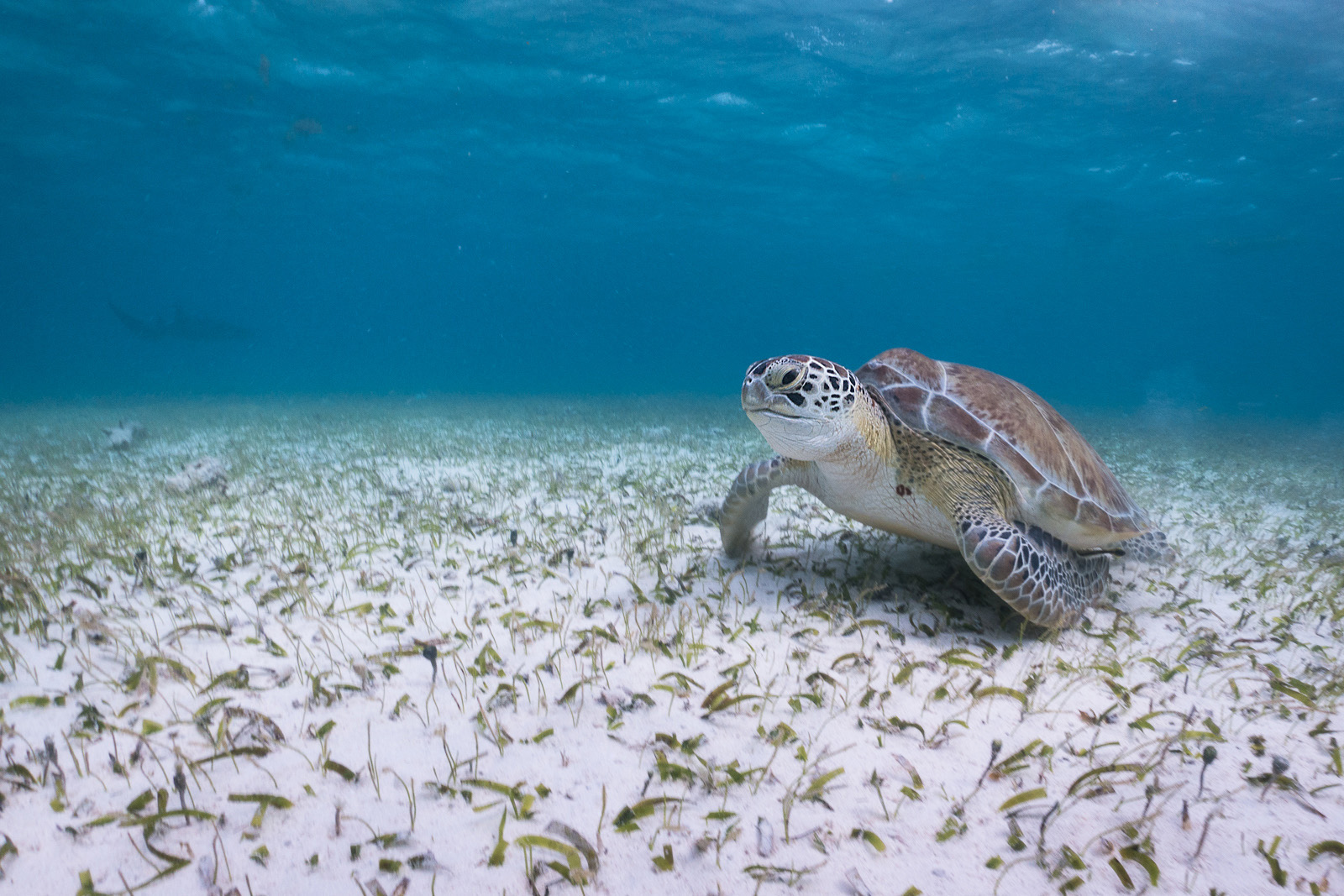
Back to Belize and Shark Ray Alley for this one — a Pacific green sea turtle feeding on the underwater grasses. You can see another shark silhouetted back there to the left. Sony RX100V in Fantasea housing and wide angle wet lens, 8.8mm (24mm equivalent) ISO 125, f/10 at 1/100th of a second
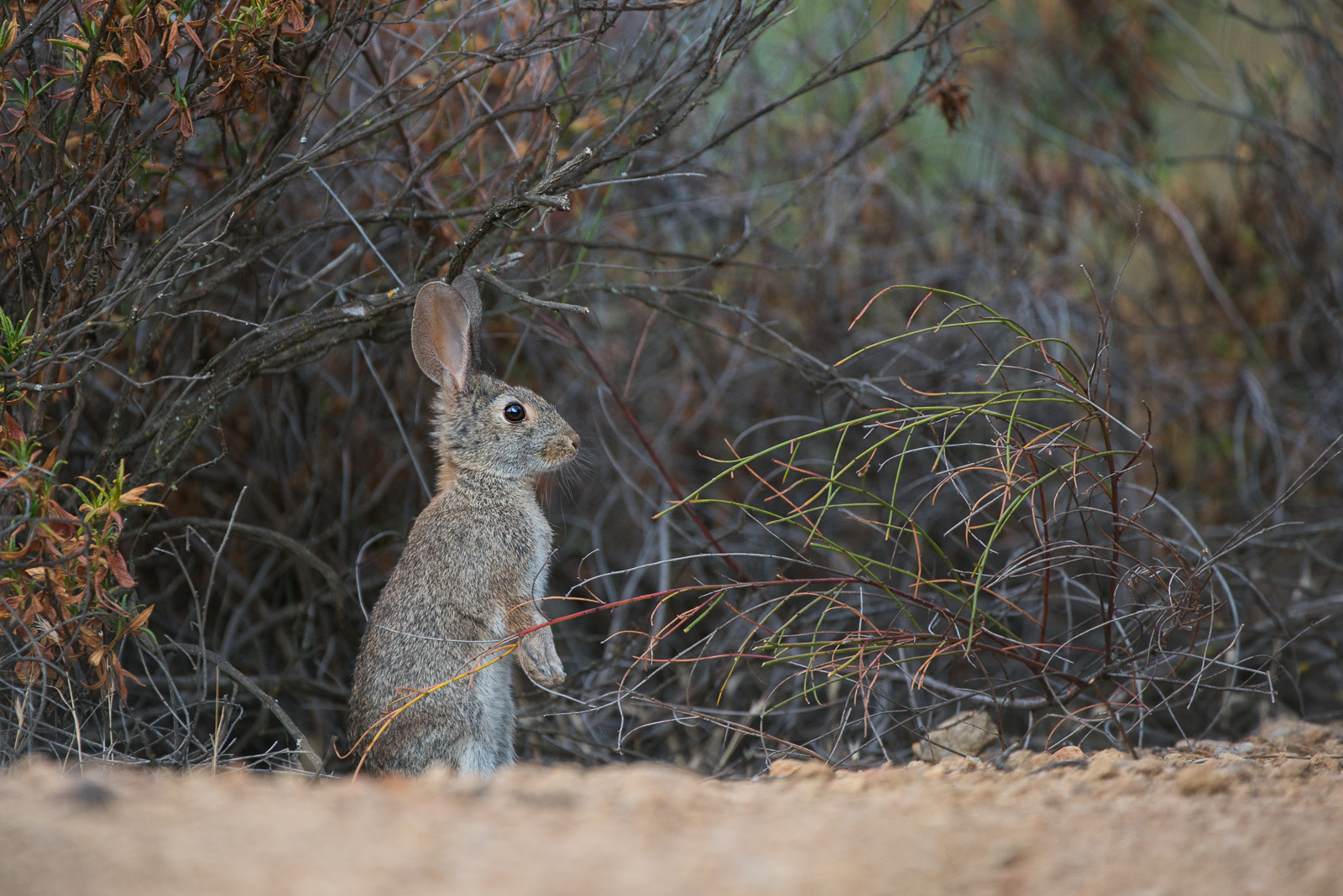
Time for the yearly rabbit post. This time a young cottontail, photographed on a hike one morning in the hills above Malibu, California. Hope everyone had a great day. Nikon D800 with Nikkor 200-400mm lens (at 400mm) ISO 800, f/4 at 1/1250th of a second
We use cookies to enhance your experience while using our website. If you are using our Services via a browser you can restrict, block or remove cookies through your web browser settings. We also use content and scripts from third parties that may use tracking technologies. You can selectively provide your consent below to allow such third party embeds. For complete information about the cookies we use, data we collect and how we process them, please check our Privacy Policy