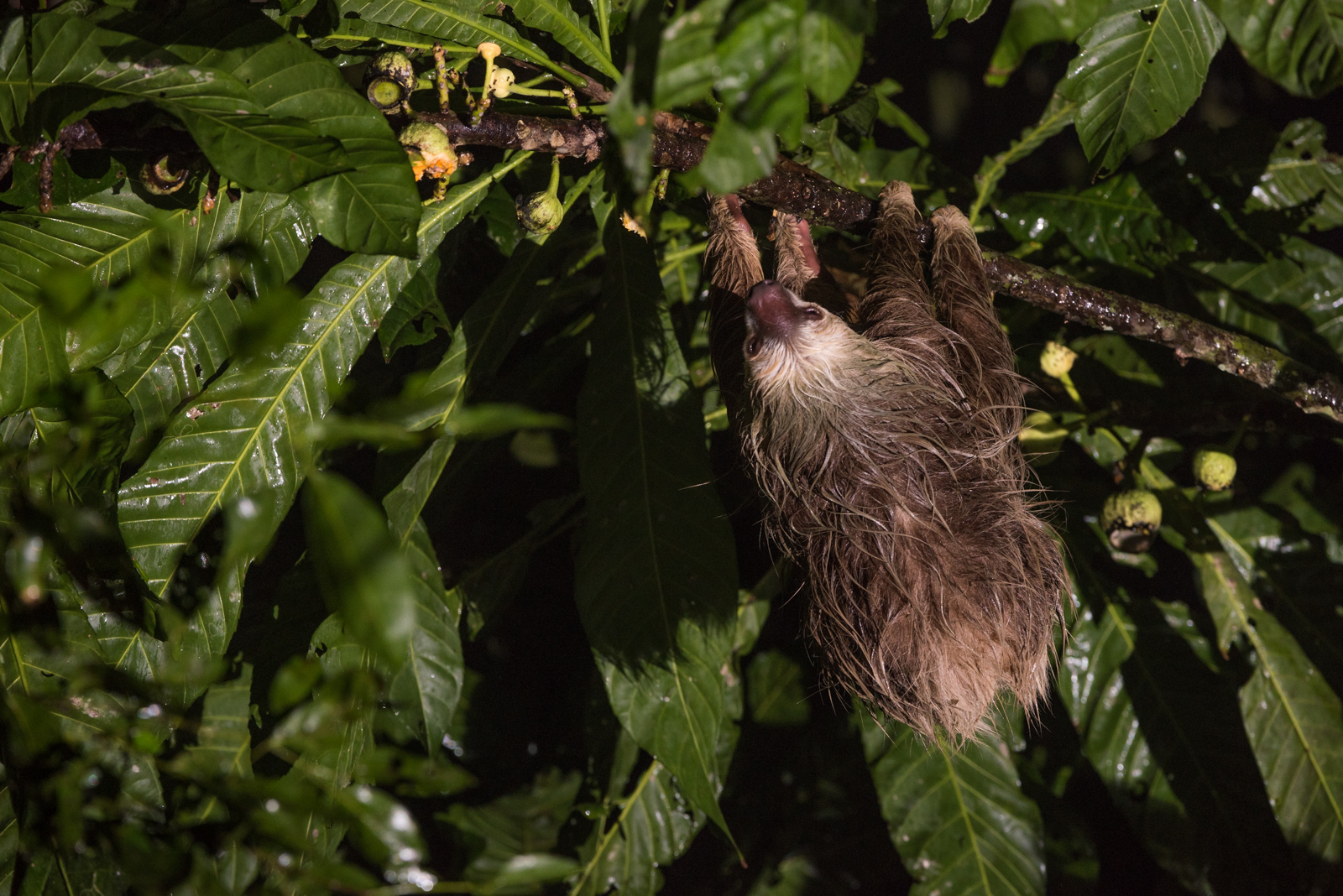
Here’s the other sloth species that I saw in Panama. I really wanted better photos of these guys but they just didn’t give me that many good looks. They are generally more nocturnal than three-toed sloths, so there was that, but they also had a habit of either hiding behind foliage, or showing me their backside. They actually look quite a bit different from three-toed sloths, other than the obvious difference of having one less toe. They are lighter and more blonde in color, with longer, softer looking, less matted fur. And they have a different shaped face, with more of a pinkish nose. This one was doing his/her sloth-y thing at night in the rain. Nikon D810 with Nikkor 200-400mm lens (at 310mm) ISO 800, f/6.3 at 1/160th of a second
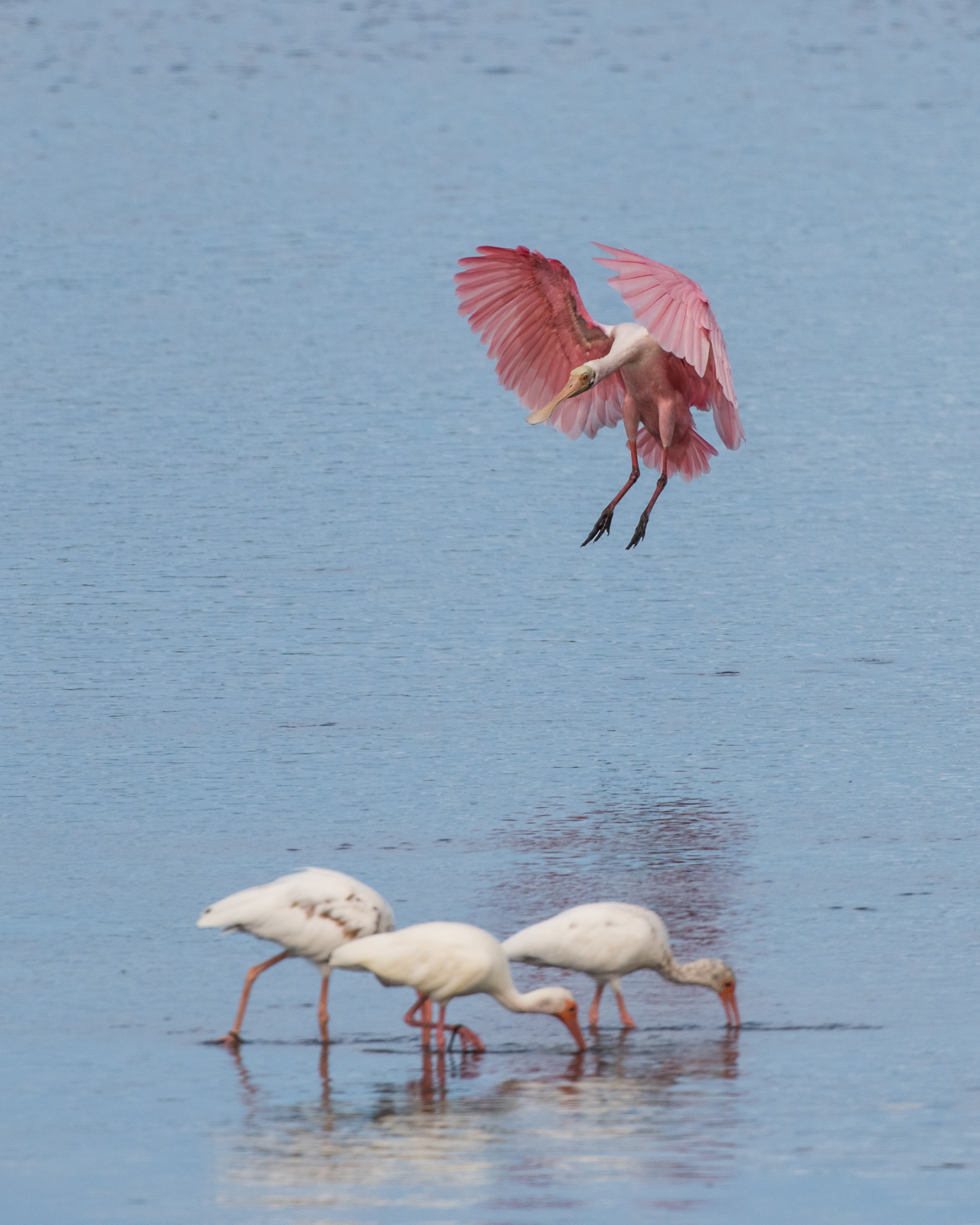
Now that my mother has moved from Gloucester, Massachusetts down to Bonita Springs, Florida, I’ll be searching for spoonbills and gators when I go home for a visit rather than snowy owls and moose. This one was taken this past weekend out on Sanibel Island at the Ding Darling National Wildlife Refuge. Odd name, but a great place for all kinds of birds, including roseate spoonbills and white ibis. Nikon D810 with Nikkor 200-400mm lens (at 400mm) ISO 400, f/8 at 1/2000th of a second
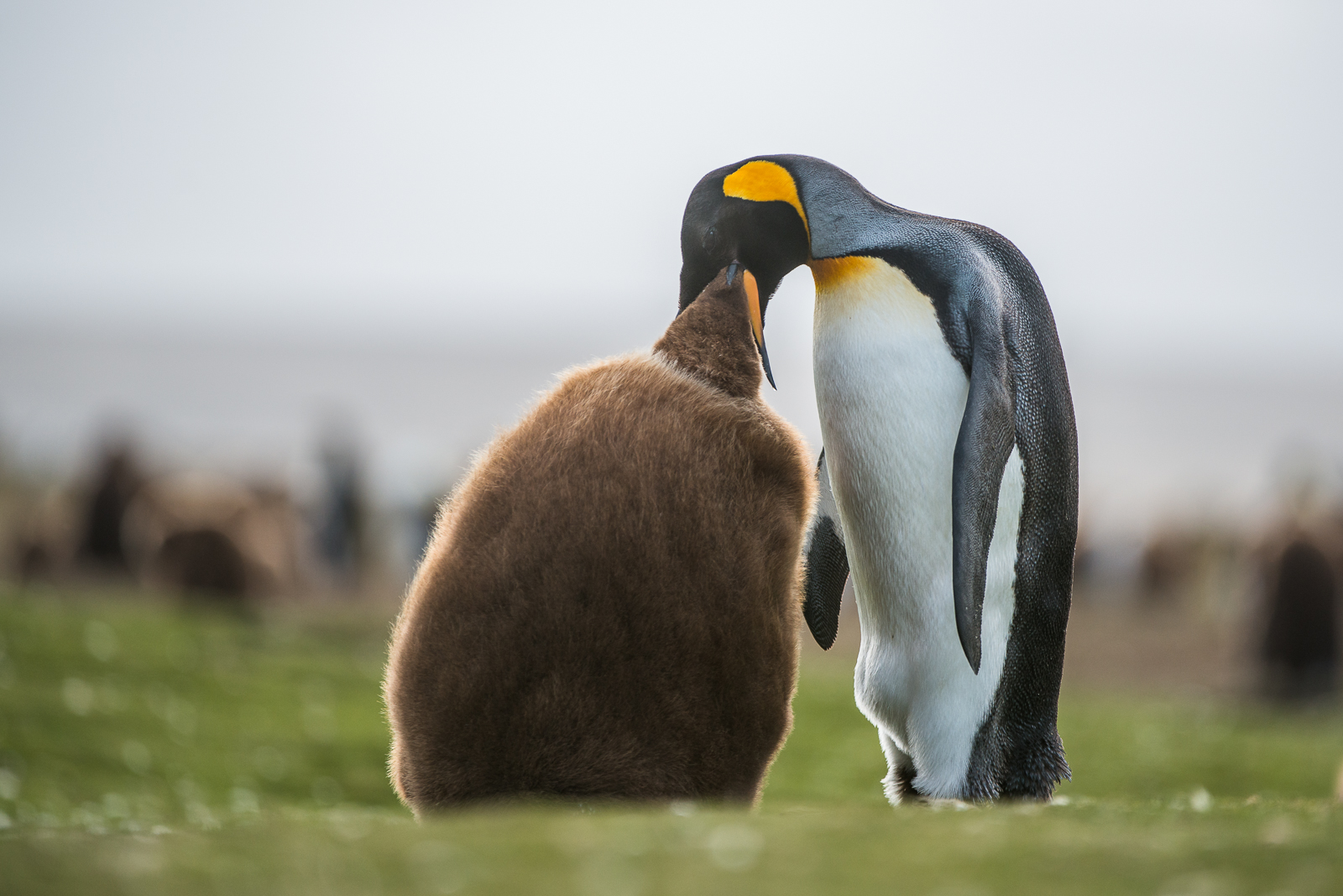
It looks like this mother king penguin is trying to eat the face off of her chick, but she was simply feeding the chick by regurgitating food. This was at Volunteer Point in the Falkland Islands. Nikon D800 with Nikkor 200-400mm lens (at 340mm) ISO 400, f/4 at 1/1250th of a second
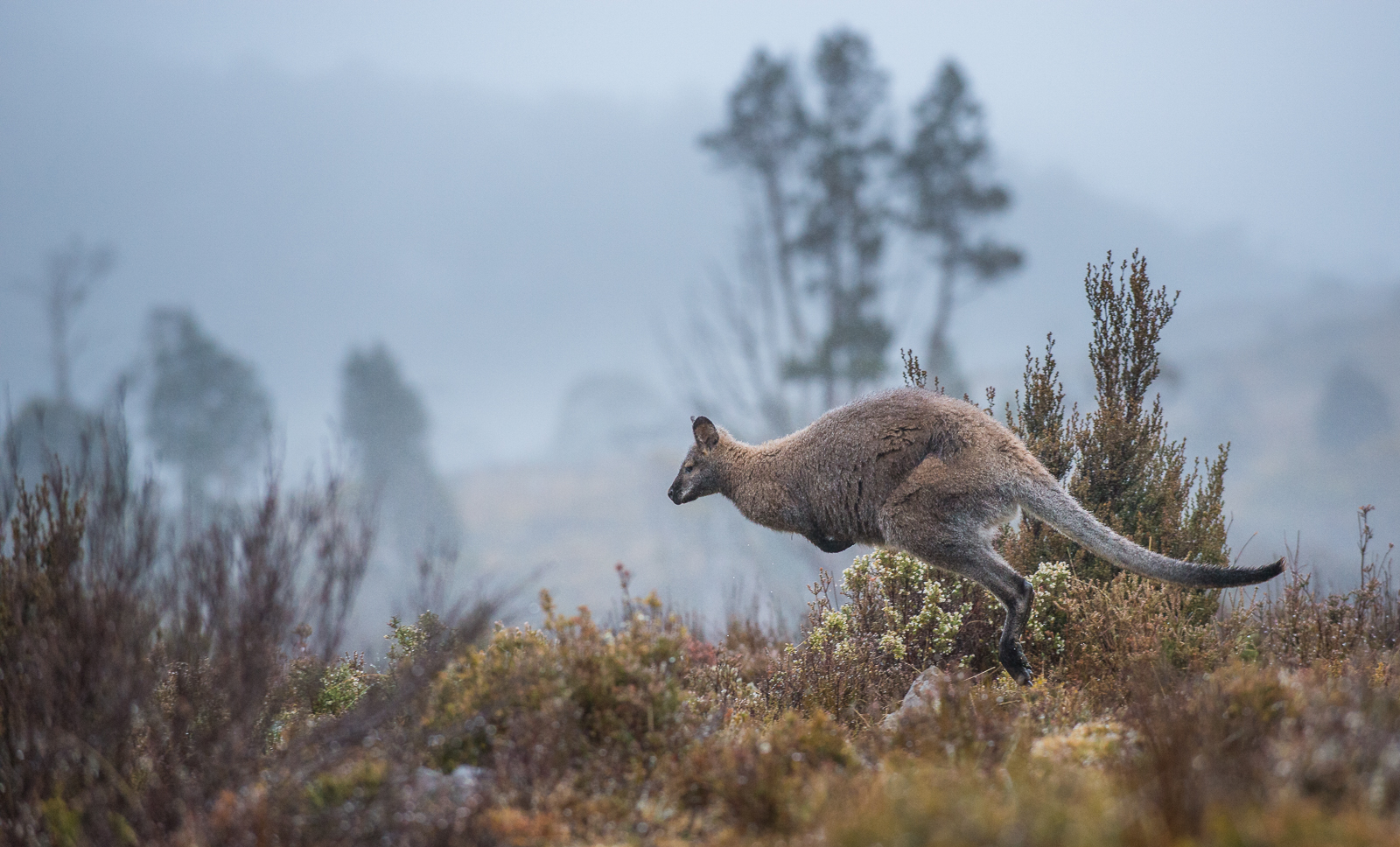
I caught this Bennett’s wallaby mid stride on a misty morning in Cradle Mountain National Park in Tasmania, Australia. Nikon D800 with Nikkor 70-200mm lens (at 200mm) ISO 1600, f/5.6 at 1/1000th of a second
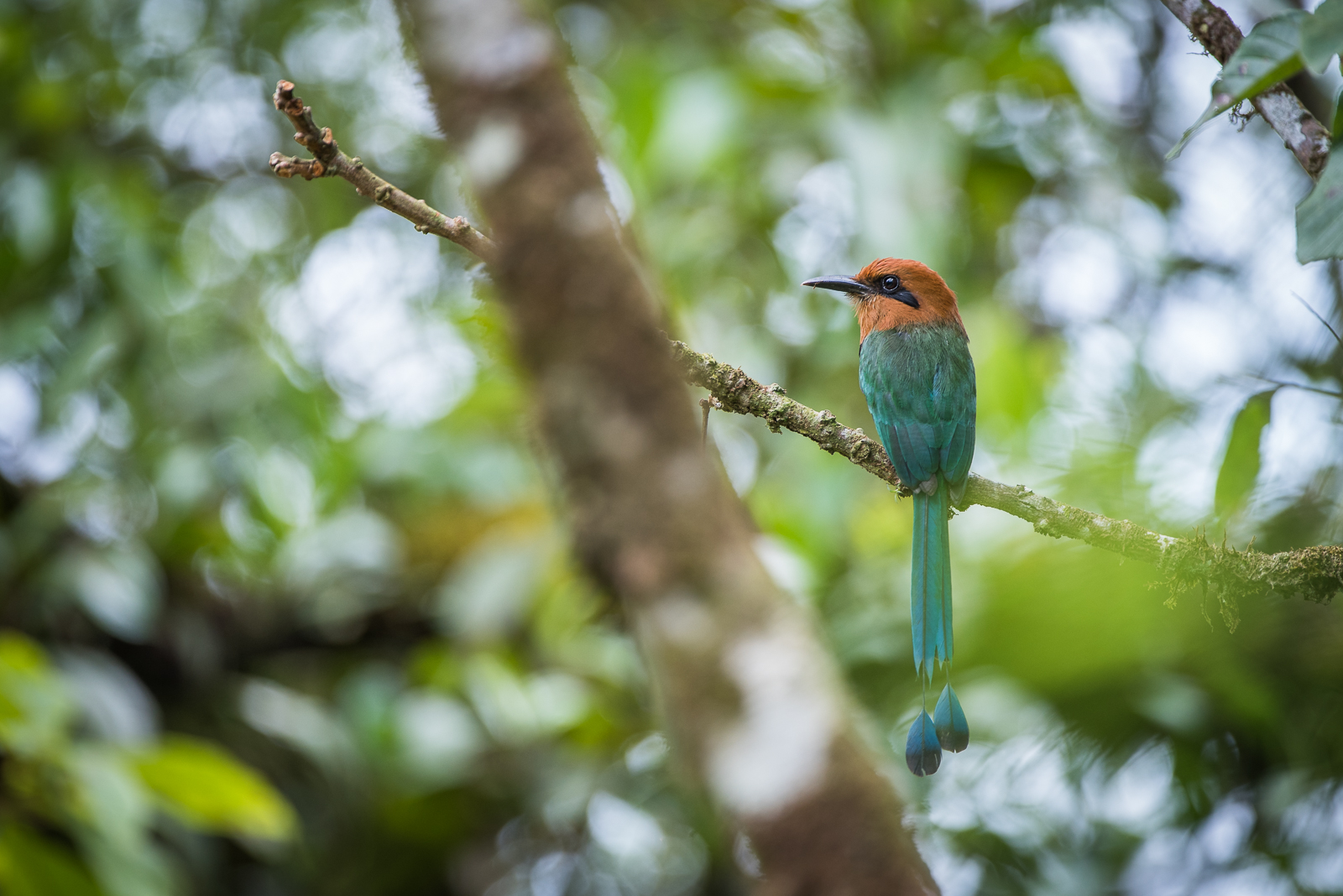
Here’s another of the four species of motmot that I photographed on this most recent trip to Panama. A few weeks ago I posted the tody motmot. This is the broad-billed motmot. You can see the classic racket-tip of the tail. Nikon D810 with Nikkor 200-400mm lens (at 400mm) ISO 400, f/4 at 1/320th of a second
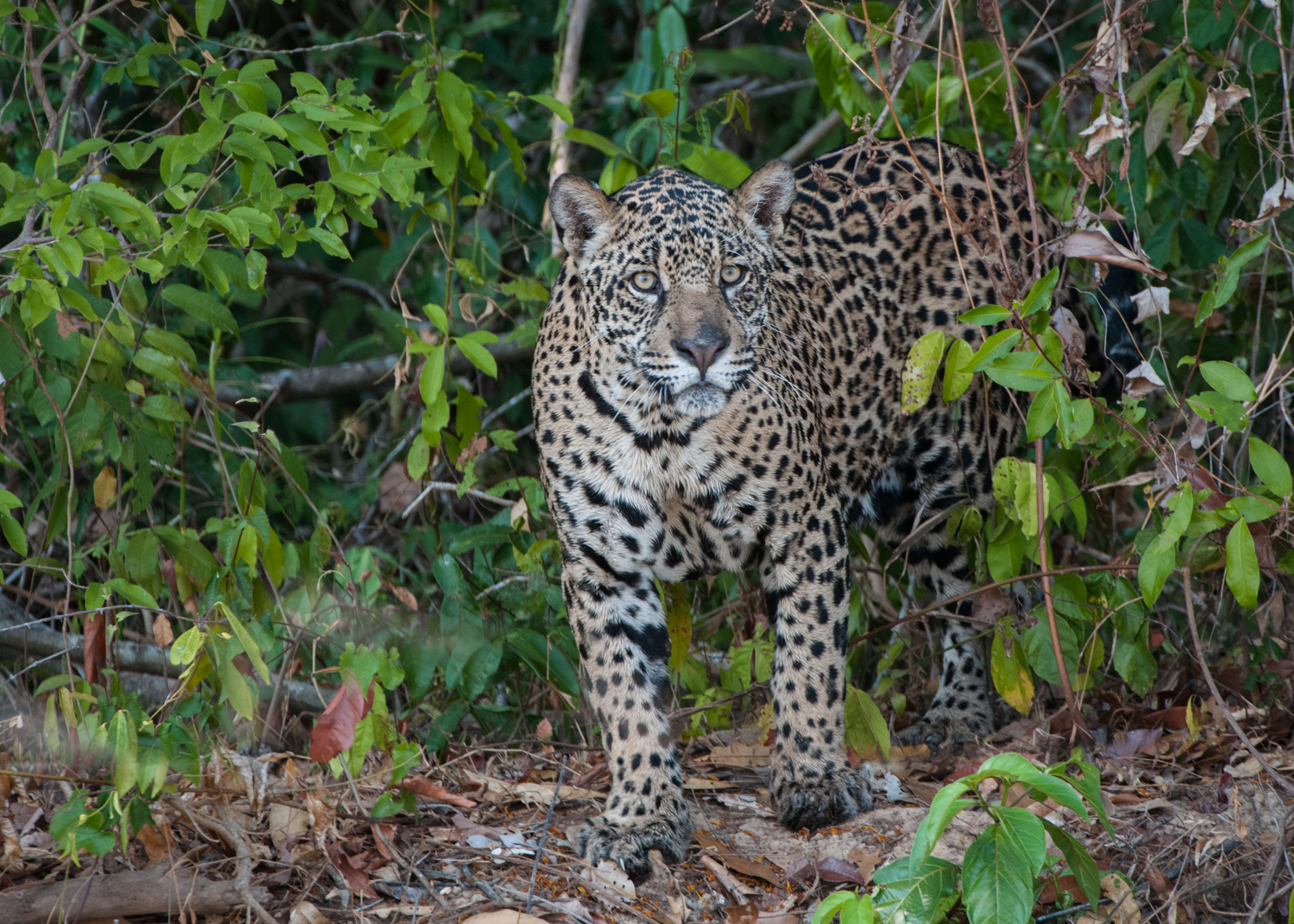
I photographed this jaguar from a boat while exploring the waters of the Pantanal in Brazil. Jaguars are the third largest cats in the world behind tigers and lions, and the largest in the Americas. Other than their robust build, you can distinguish them from leopards by the extra spots within the rosettes on their coats. Hope everyone has a great 4th of July weekend. I’ll be back early next week. Nikon D300 with Nikkor 200-400mm lens (at 400mm with 1.4 teleconverter attached for a total of 550mm) ISO 800, f/7.1 at 1/250 of a second
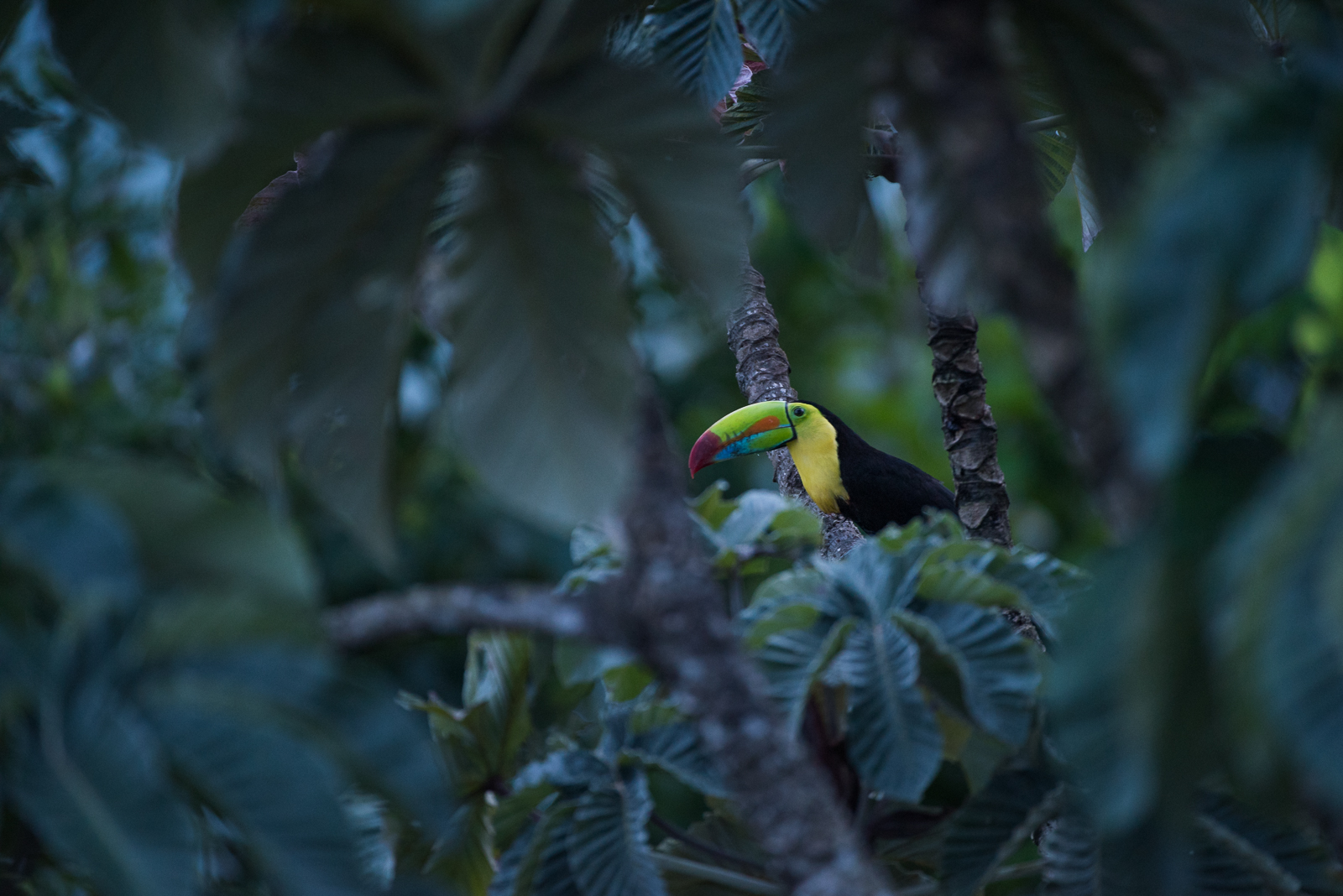
I took quite a few photos of keel-billed toucans in good early morning light, but there was something about this particular exposure that I liked, captured in very dim, pre-sunrise conditions. The light in the forest was still quite blue when I spotted the toucan through a window in the cecropia trees. I was shooting at only 1/15th of a second but was able to get a few shots when the bird was completely still. Nikon D810 with Nikkor 200-400mm lens (at 400mm) ISO 1600, f/4 at 1/15th of a second
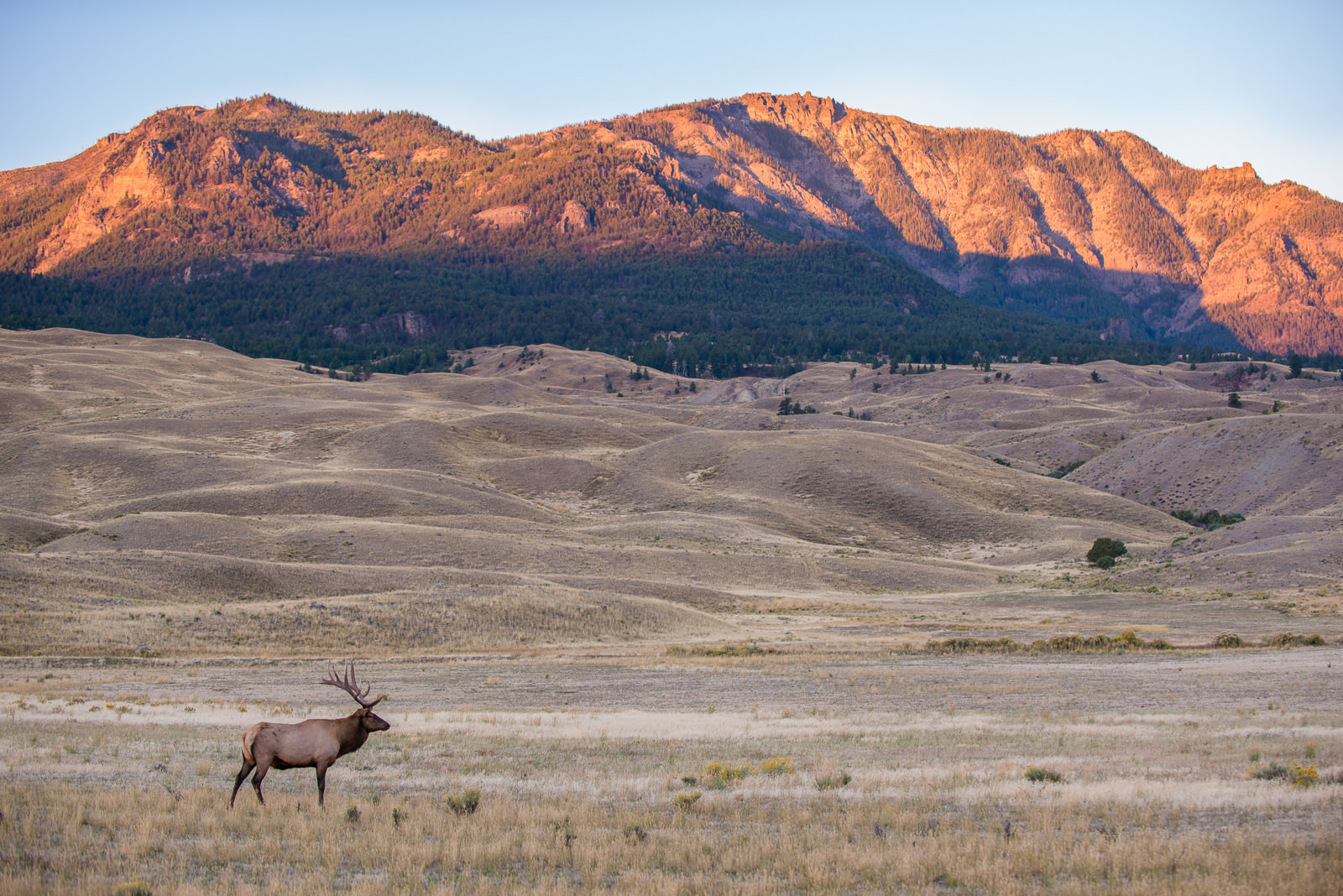
You don’t have to go far to see wildlife at Yellowstone. This bull elk greeted us before we even entered the park, just as the morning light was beginning to illuminate the higher peaks. Nikon D800 with Nikkor 70-200mm lens (at 70mm) ISO 800, f/3.5 at 1/400th of a second
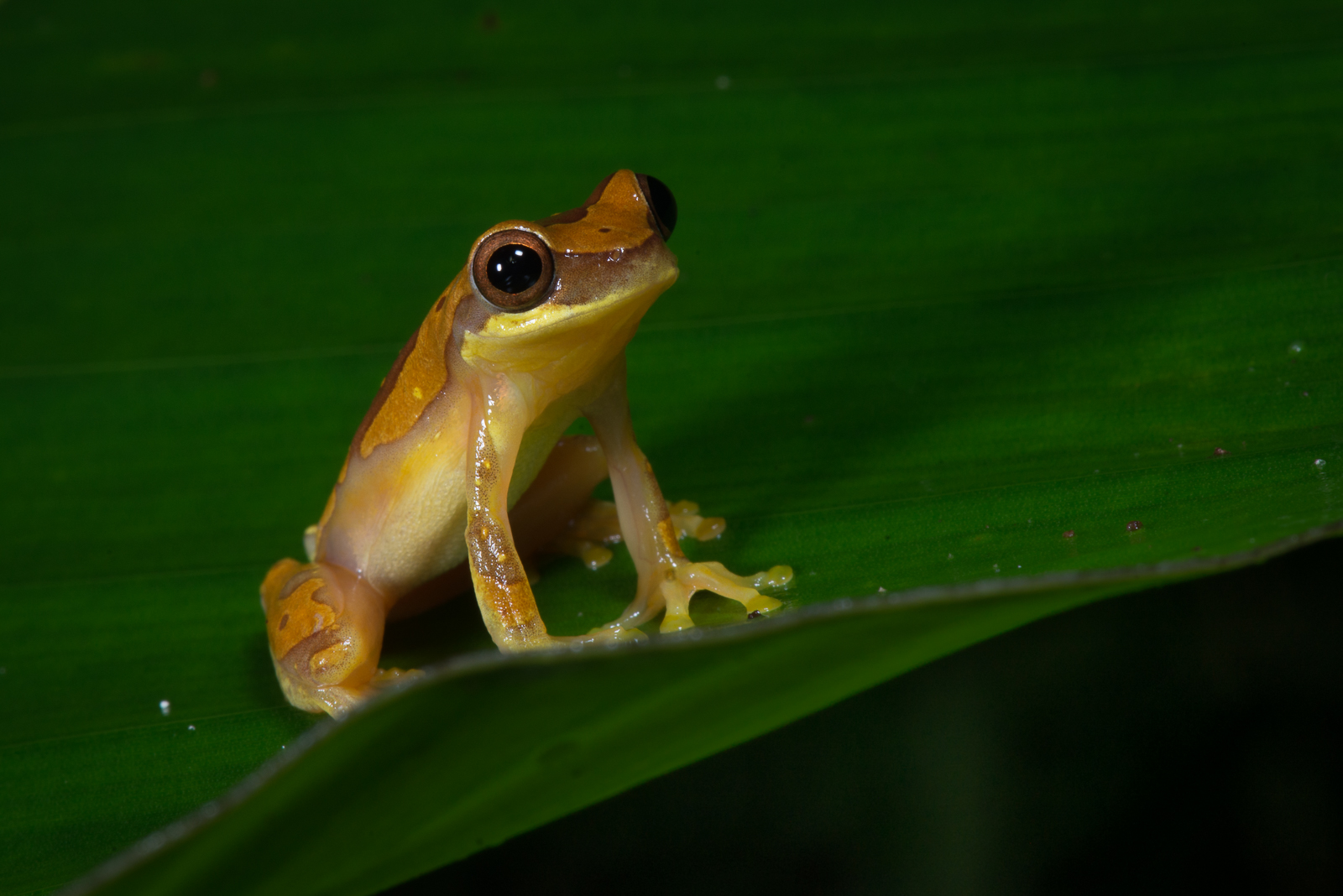
These little guys are pretty common in Panama (I also saw them quite a bit in Costa Rica). They are known for being the only vertebrate that can lay their eggs either on land or in the water. With ample shade, they will lay them above water, but with little or no shade they will attach their eggs to submerged vegetation. Nikon D800 with Nikkor 105mm macro lens, ISO 200, f/25 at 1/60th of a second, two Nikon SB-900 flash units
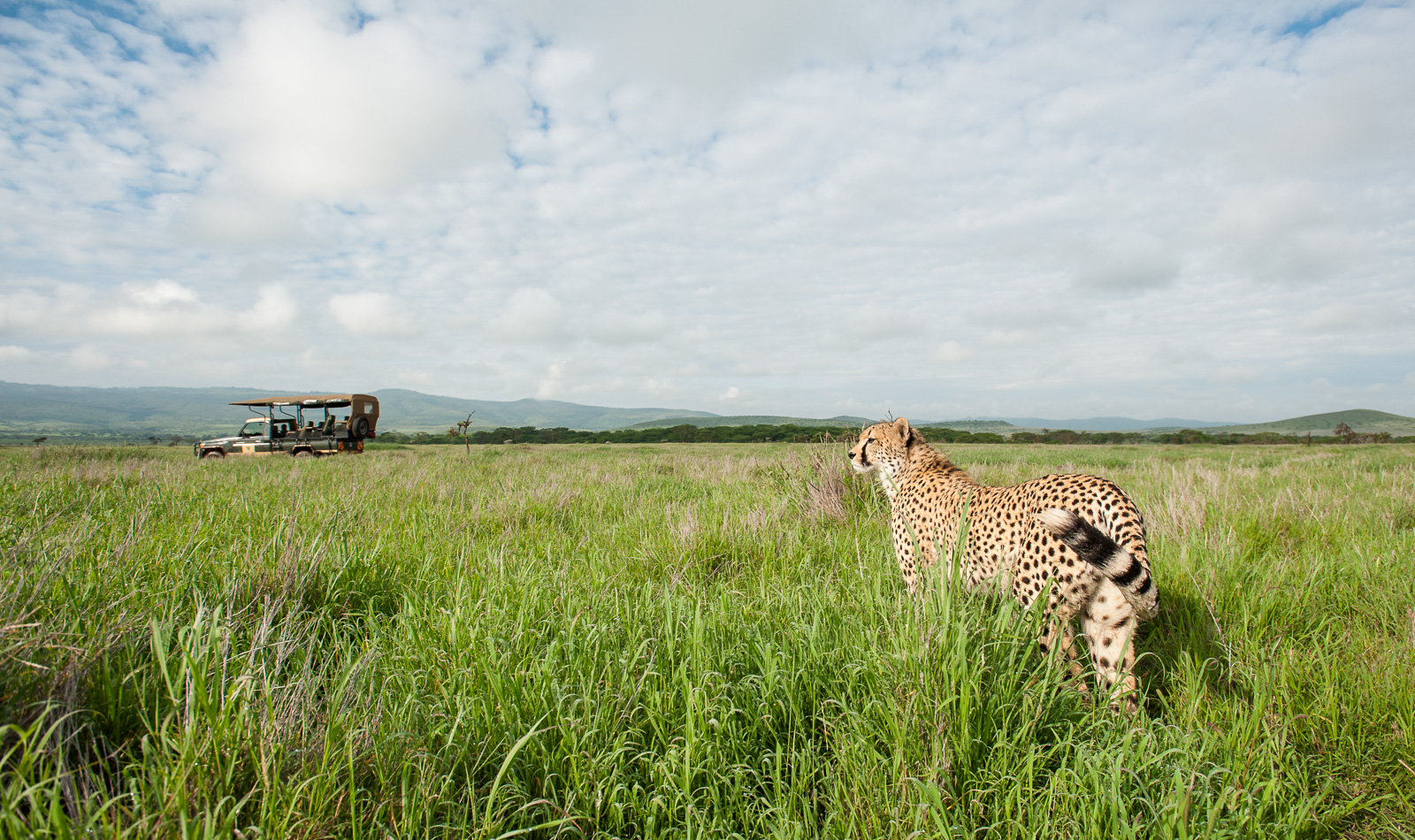
This is what a safari must look like to a cheetah. The vehicle is actually ours, and I was on the ground behind the cheetah. I’ve posted photos of her before — she was saved by a Masai warrior when she was six weeks old and caught in a barbed wire fence. In this photo she was six months old and just beginning to venture out and hunt on her own. She was still very trusting of humans and we were able to actually play with her out in the field (see my bio pic here when she was up on our vehicle’s front hood). Nikon D700 with Nikkor 17-35mm lens (at 17mm) ISO 400, f/6.3 at 1/1600 of a second
We use cookies to enhance your experience while using our website. If you are using our Services via a browser you can restrict, block or remove cookies through your web browser settings. We also use content and scripts from third parties that may use tracking technologies. You can selectively provide your consent below to allow such third party embeds. For complete information about the cookies we use, data we collect and how we process them, please check our Privacy Policy