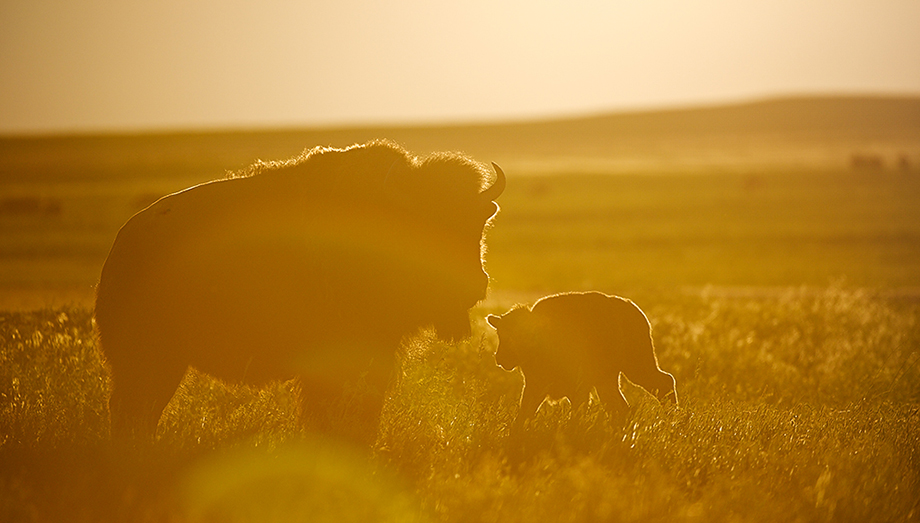
First, thanks everyone for the kind words on yesterday’s post. Today, it’s back to the wild for this mother bison and her calf. I recorded this shot back in June, early in the morning as the sun was rising over the Badlands. Nikon D800 with Nikkor 200-400mm lens (at 340mm) ISO 800, f/4 at 1/8000th of a second
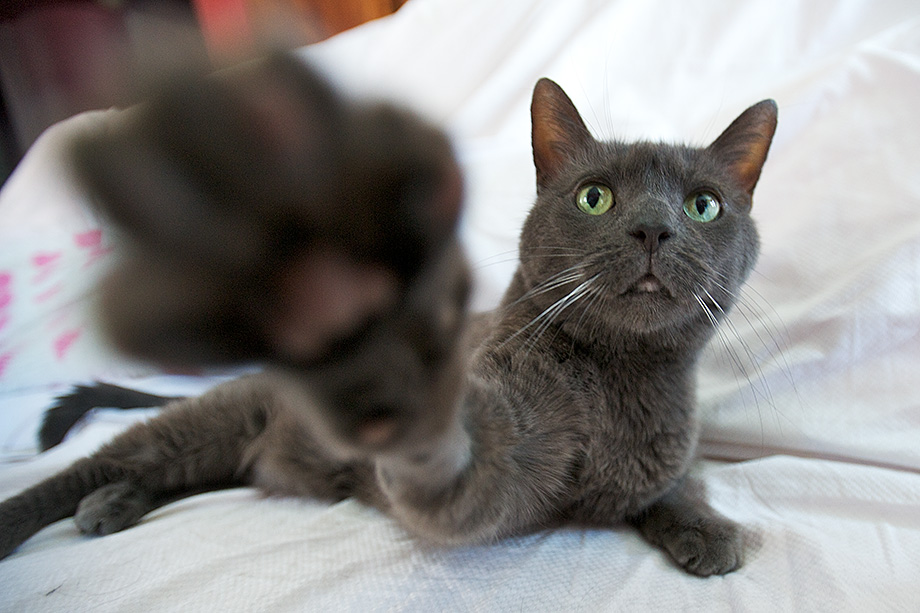
Those of you who have followed my blog for a while know that I don’t post pictures of captive or domesticated animals. But with the passing of our beloved Lola this weekend, it seemed appropriate to suspend those rules for a day. Lola was a true house cat — her only glimpses of the outside world coming from the windows of the five New York apartments that she called home during her seventeen plus years. That being said, I saw her often in the wild. In the playfulness of a cheetah in Kenya. The inquisitiveness of a leopard in Botswana. The hours spent lazing in a favorite spot of a jaguar in Brazil. The body language of a bobcat in southern California. And the sheer physical resemblance to the many wild cats that I’ve photographed from India to Costa Rica. There’s no doubt that they are all related in some way or another. Here’s to the felines. And especially the one that brought us so much joy over the years. Sleep well Lola.
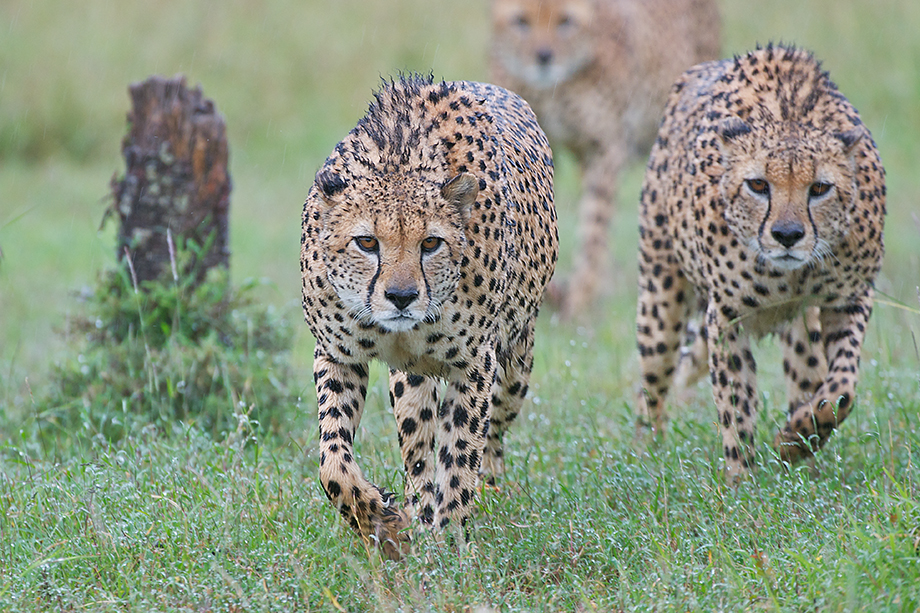
These three cheetahs brothers seemed full of confidence and on a mission as they marched past our safari vehicle. About half an hour later, I saw them again and watched as they chased down a herd (or dazzle as it’s more commonly known in Africa) of zebras. The chase — unfortunately for the cheetahs, but fortunately for the zebras — was unsuccessful. With their extreme speed, cheetahs are efficient hunters, but even so, only make a kill about fifty percent of the time. Nikon D300 with Nikkor 200-400mm lens (at 400mm) ISO 800, f/4.5 at 1/200th of a second
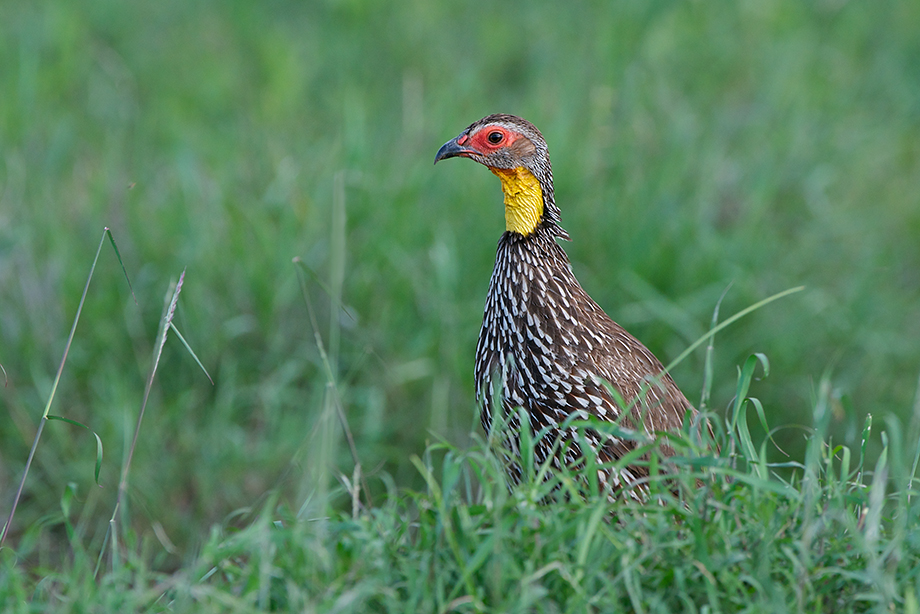
There are always plenty of ground birds around while on safari in Africa. Most get overlooked thanks to all the amazing large mammals diverting everyone’s attention. Among the many such birds we saw in Kenya were these yellow necked francolins, or as they’re otherwise known, spurfowl. Francolins are often referred to as African roadrunners as they always seem to be scurrying along in front of safari vehicles. I was able to catch this guy off to the side, resting in the green grass, creating a nice contrast to the red and yellow of the head. Nikon D300 with Nikkor 200-400mm lens (at 400mm) ISO 400, f/5.6 at 1/320th of a second
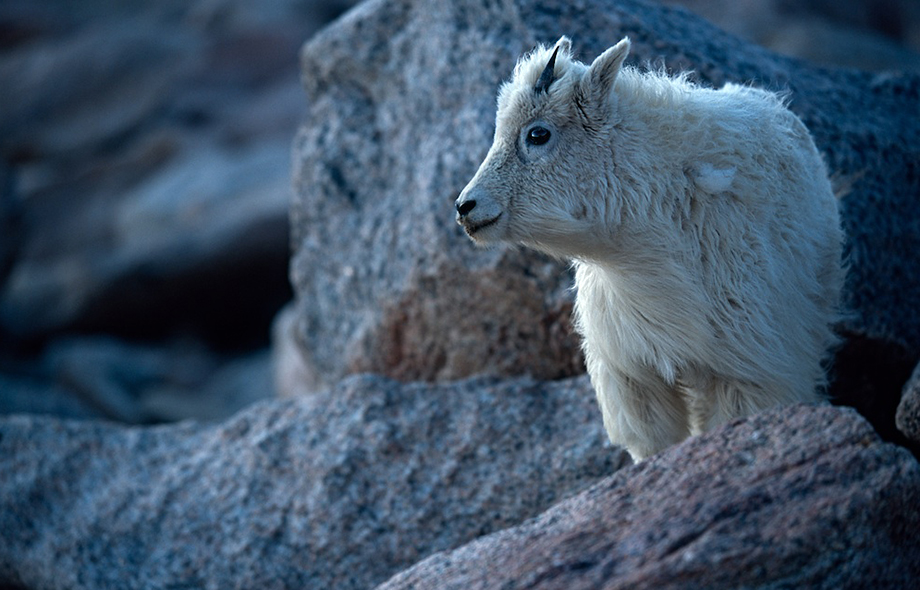
This is an old one from the film days. I had driven to the top of Mount Evans in Colorado (the highest paved road in North America) where a few mountain goats joined me to watch the setting sun. Nikon F100 with Nikkor 80-200mm lens, Fuji Provia 100 speed slide film (shutter and aperture unrecorded)
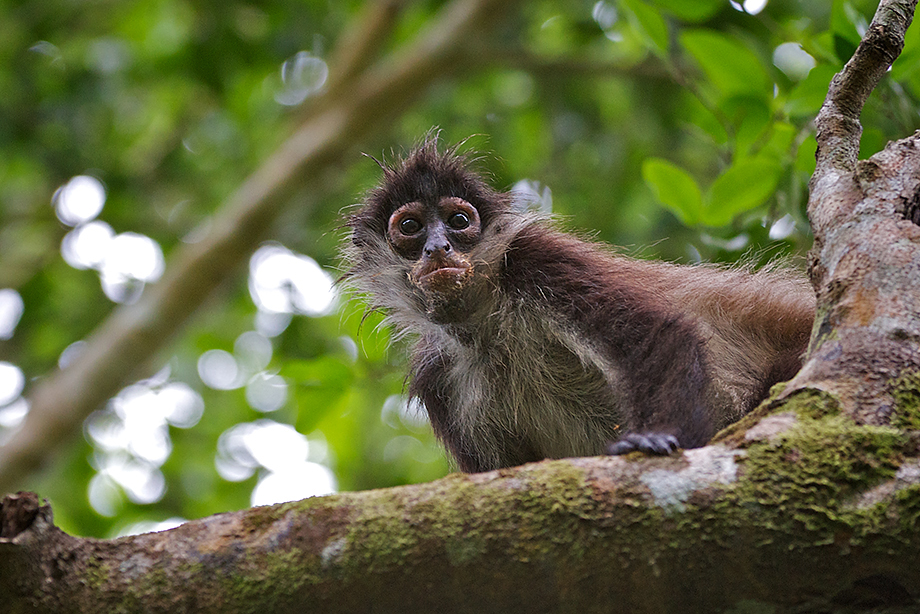
This spider monkey appears to be recovering from a night of simian debauchery. But who knows, perhaps unkempt is the style these days down in the rain forest of the Yucatan Peninsula. This was just one of several spider monkeys that I saw on our trip to Tulum, Mexico back in late May. Nikon D800 with Nikkor 200-400mm lens (at 240mm) ISO 1600, f/4 at 1/160th of a second
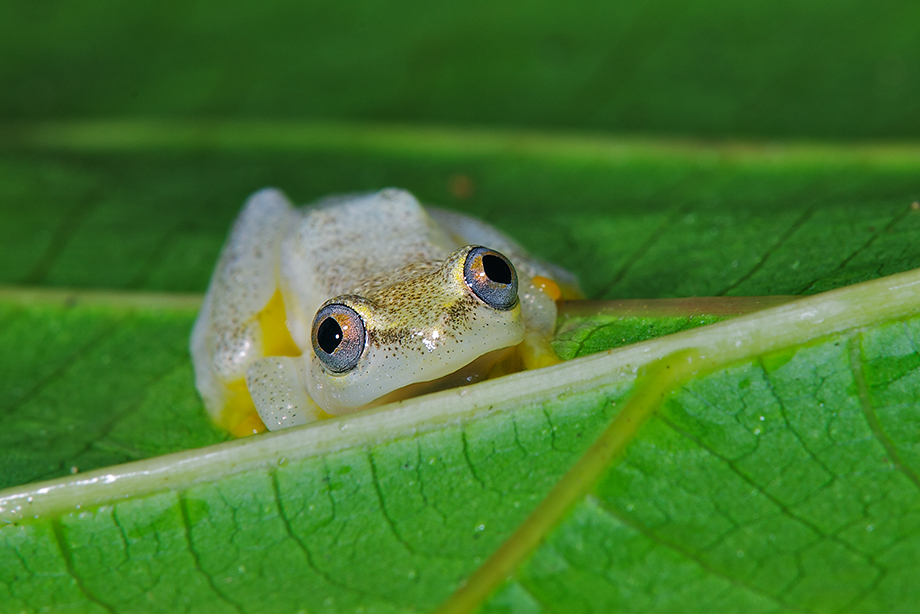
In addition to lemurs and chameleons, Madagascar is also full of interesting tree frogs, like this little white guy with gold flecks and yellow belly. I’m not sure of the common name but the latin name is Heterixalus Betsileo. I was on a night hike in Ranomafana National Park which is in the central part of the country. Nikon D200 with Nikkor 80-200mm lens (at 200mm), Canon 500D close up filter, ISO 100, f/22 at 1/60th of second, two Nikon SB-800 flash units on an off camera bracket
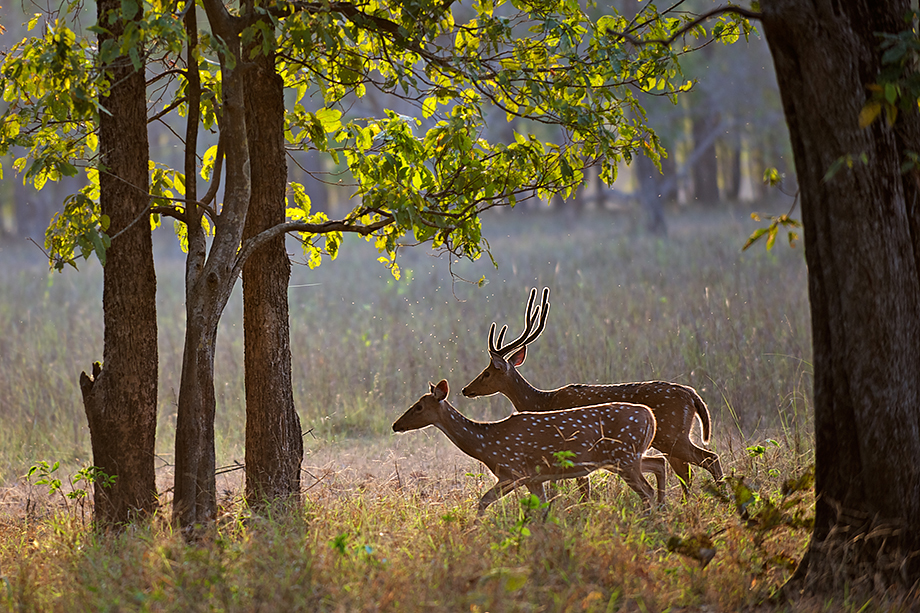
As seems to be the case with many of our furred and feathered friends, having just one name isn’t quite good enough. There are three names to choose from when talking about these deer, which are common throughout India and surrounding countries. I was in Kanha National Park in central India when I photographed this pair. My guide was calling them chital, so let’s go with that. Nikon D700 with Nikkor 70-200mm lens (at 200mm) ISO 200, f/2.8 at 1/200th of a second
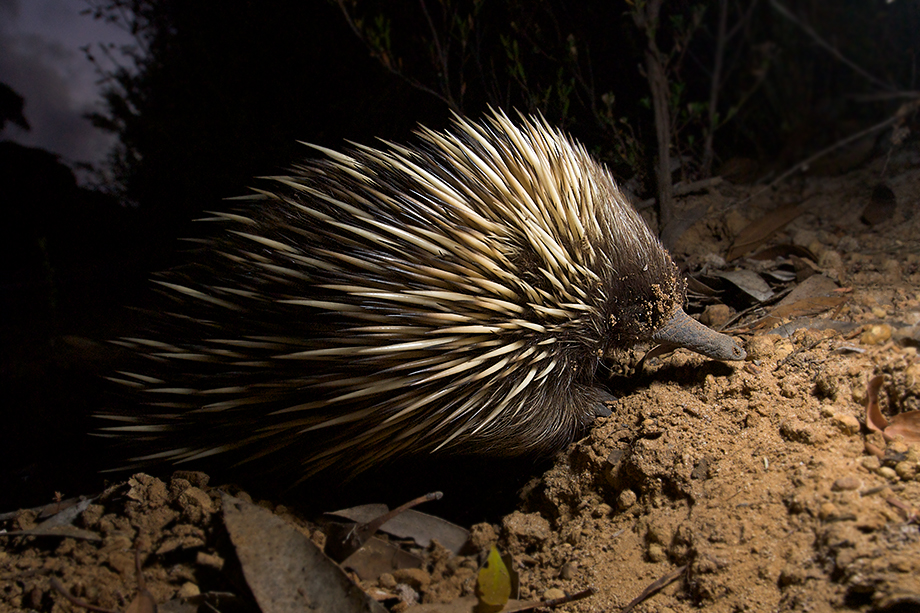
This spiny little creature is called a short-beaked echidna. It was photographed early one evening in Flinders Chase National Park on Kangaroo Island in South Australia. Echidnas are monotremes, meaning they are mammals that lay eggs. The only other surviving monotreme is the platypus. Nikon D200 with Nikkor 17-35mm lens (at 17mm) ISO 400, f/8 at 1/60th of a second, Nikon SB-800 flash
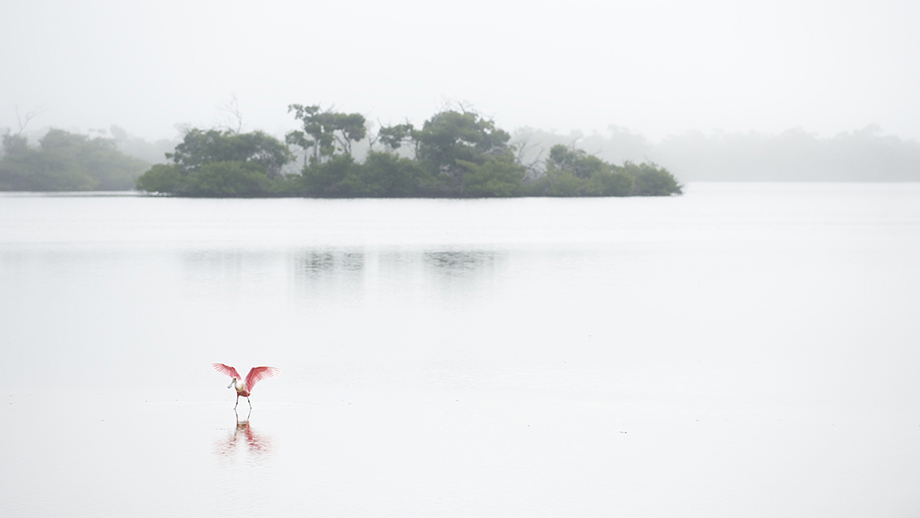
It was very foggy on this particular morning on Sanibel Island in Florida — perfect weather to capture the bright pink plumage of roseate spoonbills. This lone spoonbill was sifting through the shallow water feeding on minnows. The fog cleared just enough to record the landscape in the background, while still rendering the surface of the water almost completely white. Nikon D700 with Nikkor 70-200mm lens (at 200mm) ISO 400, f/4.5 at 1/2500th of a second
We use cookies to enhance your experience while using our website. If you are using our Services via a browser you can restrict, block or remove cookies through your web browser settings. We also use content and scripts from third parties that may use tracking technologies. You can selectively provide your consent below to allow such third party embeds. For complete information about the cookies we use, data we collect and how we process them, please check our Privacy Policy