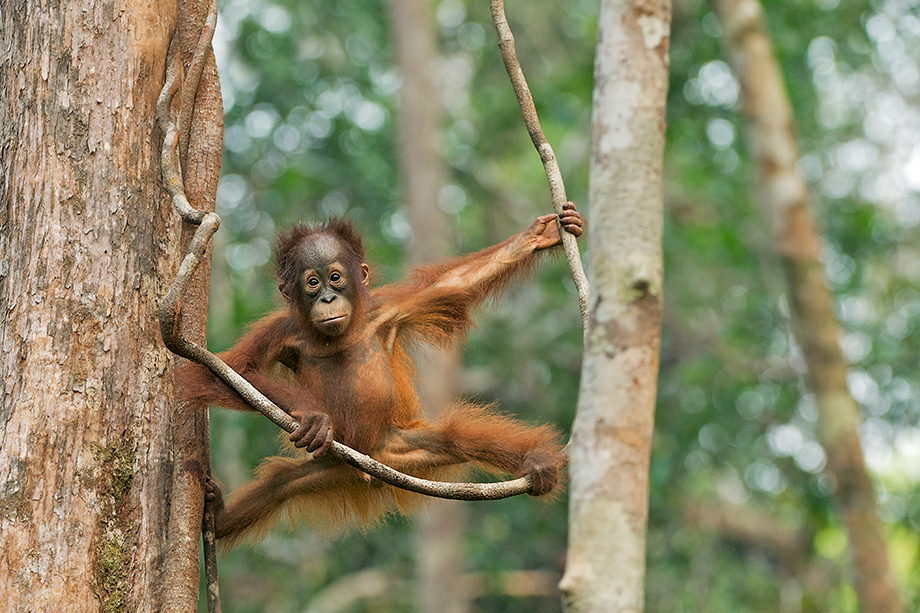
This little guy was one of the first orangutans that greeted me on my trip to Borneo back in 2009. He also serves as a great example of what my hair looks like when I grow it out. Nikon D300 with Nikkor 200-400mm lens (at 240mm) ISO 800, f/4.5 at 1/160th of a second
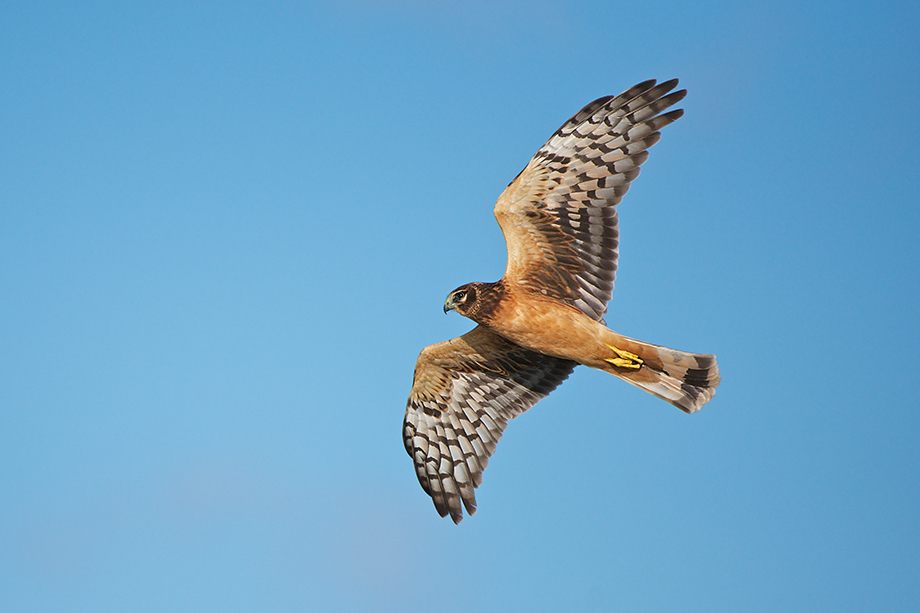
Nor is it a seal. Because I didn’t see any whales or seals this week in Nantucket. Unfortunately, our whale cruise was cancelled three times due to lack of interest from other tourists. We also got shut out on the seals as the area that they usually frequent was closed off due to the nesting piping plovers. What I was able to photograph (other than the aforementioned plovers) was this northern harrier hawk. This guy is a juvenile and we saw him hunting low to the ground just beyond the dunes of Great Point. Nikon D800 with Nikkor 200-400mm lens (at 400) ISO 800, f/4 at 1/8000th of a second
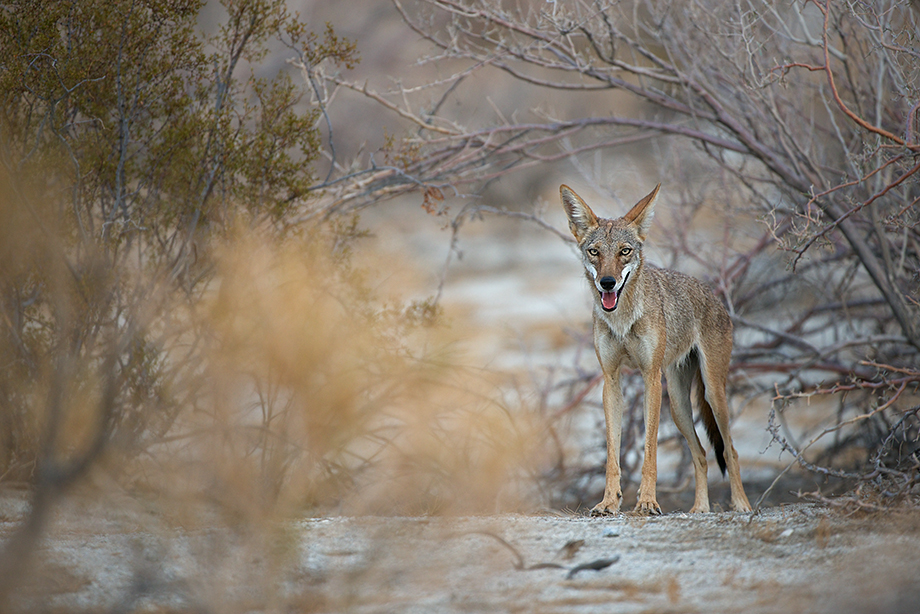
As my mother pointed out a few weeks ago, these desert coyotes are a bit sinister looking. Enjoy, as this will be the last post for a week as Karen and I head to Nantucket next week. Hope everyone has a great Labor Day weekend. See you in a week, perhaps with a few new whale photos to share. Nikon D800 with Nikkor 200-400mm lens (at 400mm) ISO 800, f/4 at 1/1000th of a second
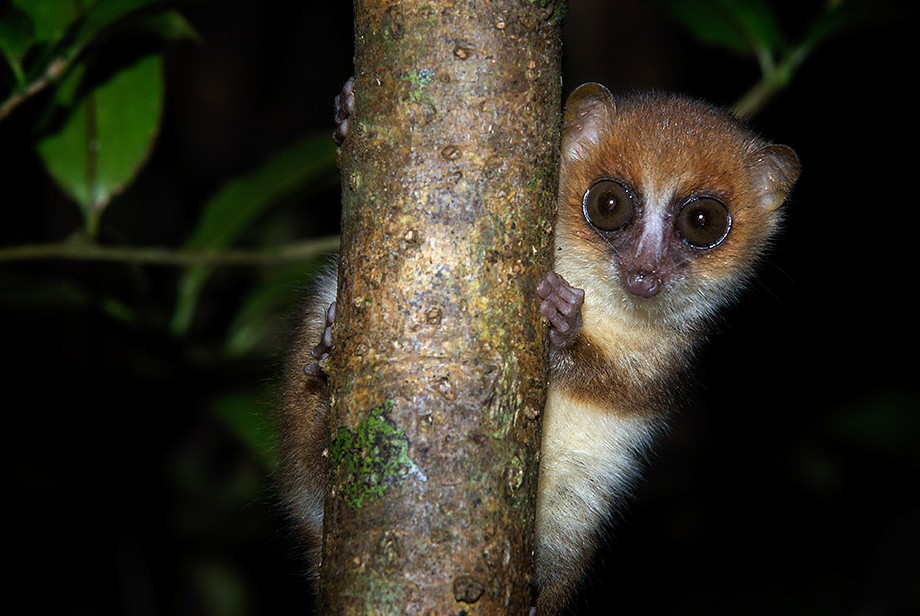
Brown mouse lemurs are among the smallest primates in the world. I came across this one on a night walk in Nosy Mangabe, an island off the east coast of Madagascar. The island has no human inhabitants and you must camp on the beach in order to spend the night. This guy was about ten inches tall. Nikon D200 with Nikkor 80-200mm lens (at 185mm) ISO 200, f/10 at 1/60th of a second, 2 SB-800 flash units
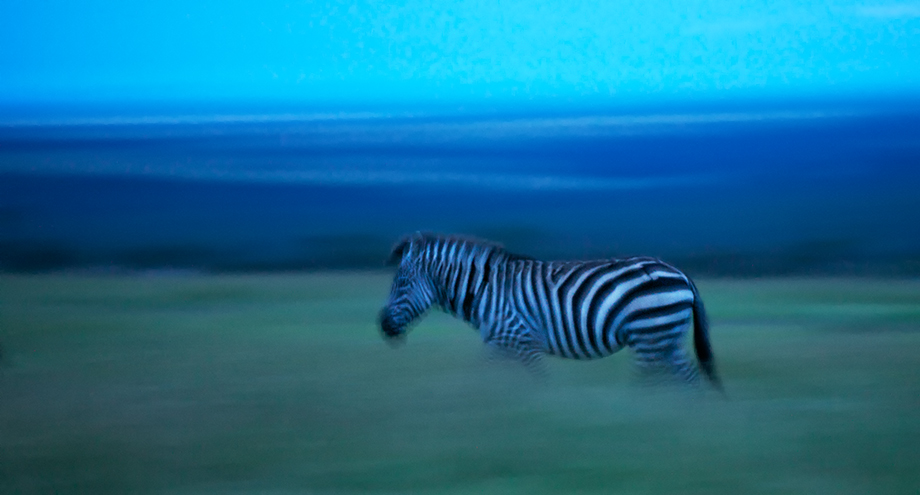
Once the sun is down, I still like to get pictures in the blue light of early evening. Slow shutter speeds are a given at this time of day, which is why I often pan along with animals for a nice motion blurred effect. Thus was the case with this zebra, trotting along the plains in Laikipia, Kenya. Nikon D700 with Nikkor 70-200mm lens (at 200mm) ISO 1600, f/2.8 at .6 seconds
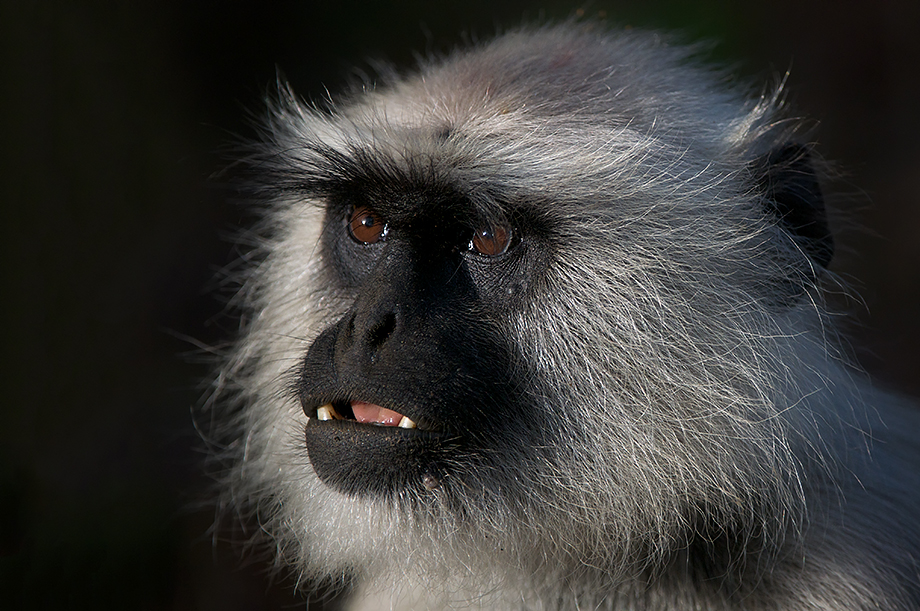
This hanuman langur was hanging around outside my tent late one afternoon after searching for tigers in Kanha National Park in India (I was searching for the tigers, not the langur). These monkeys were easily the most common mammals that I saw in the two national parks that I visited. Nikon D300 with Nikkor 200-400mm lens (at 360mm) f/4 at 1/2000th of a second
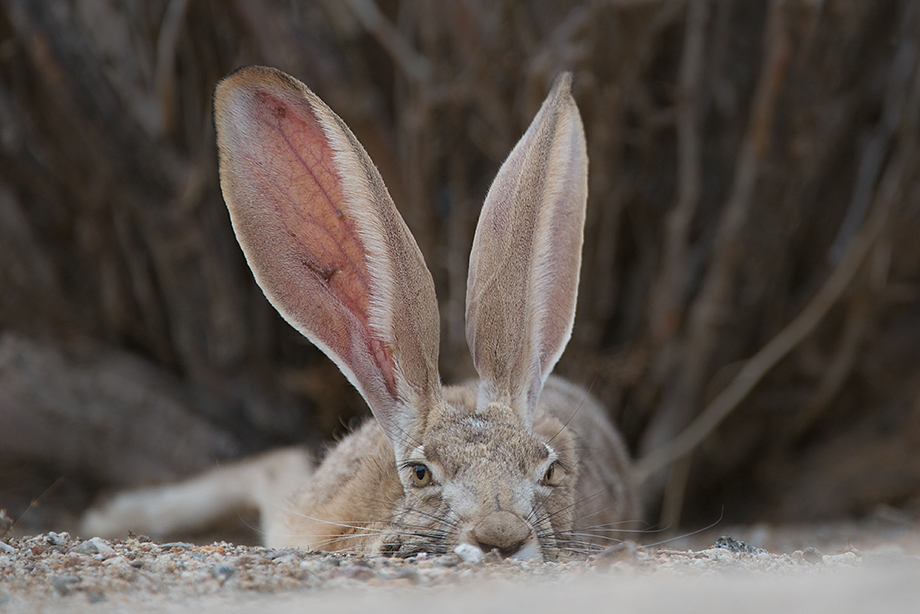
I’m not quite done with the jackrabbits just yet. Here’s another shot from last month’s shoot in the California desert. This guy was carefully considering me as I stared back at him, mimicking almost the same exact position on the ground. Nikon D800 with Nikkor 200-400mm lens (at 400mm) f/4 at 1/1250th of a second
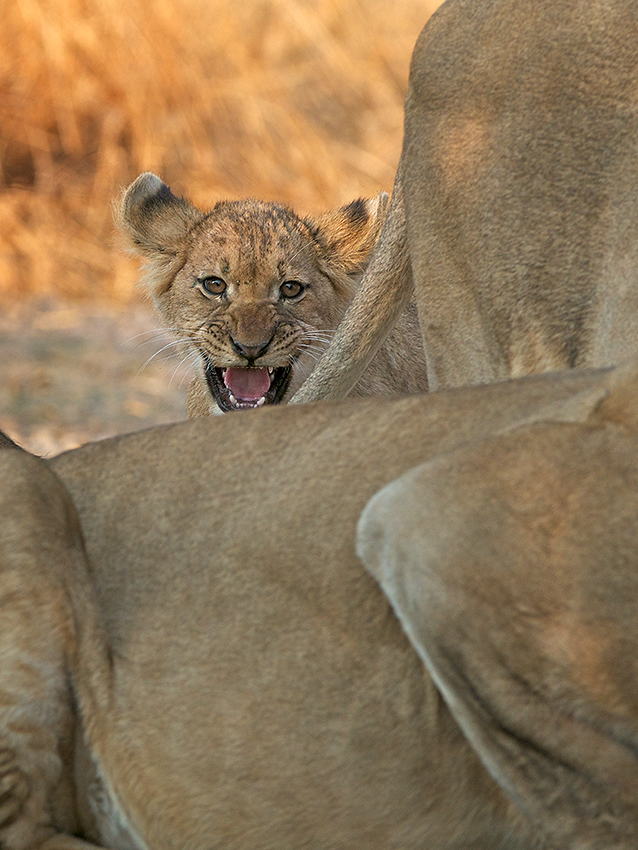
Friday seems like as good a day as any to post another lion cub. This little one hails from the Central Kalahari Desert in Botswana. He/she seemed to be feeling ferociously confident — albeit hiding behind the safety of mom and dad. Nikon D300 with Nikkor 200-400mm lens (at 300mm) ISO 400, f/5.6 at 1/640th of a second
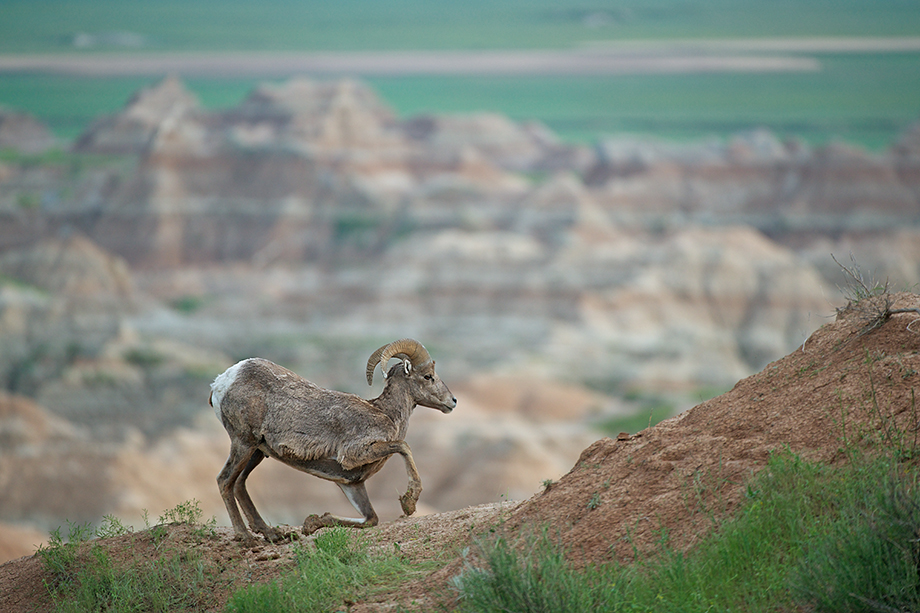
This bighorn seemed to be paying his respects to the powers that be. He was actually just getting up after a lengthy rest. In the background you can see the characteristic eroded buttes of Badlands National Park. Nikon D800 with Nikkor 200-400mm lens (at 400mm) ISO 800, f/4 at 1/500th of a second
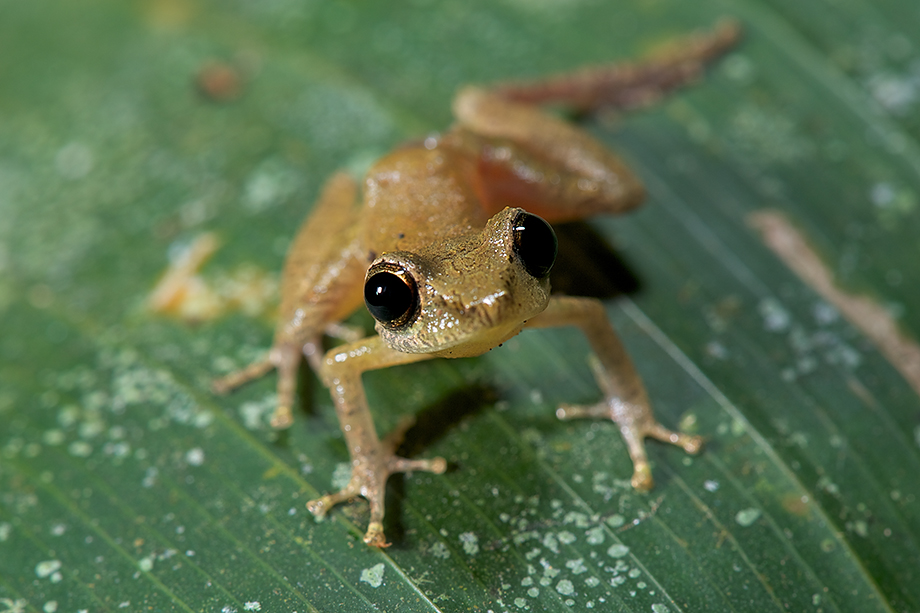
This is one of the many tree frogs that I met on several night walks in Corcovado National Park in Costa Rica. I’m not sure of the exact species (if you do, please let me know). He was a little guy, but seemed to have a big personality as he boldly peered into the front of my macro lens. Nikon D700 with Nikkor 105mm macro lens, ISO 200, f/16 at 1/60th of a second, two Nikon SB-900 flash units
We use cookies to enhance your experience while using our website. If you are using our Services via a browser you can restrict, block or remove cookies through your web browser settings. We also use content and scripts from third parties that may use tracking technologies. You can selectively provide your consent below to allow such third party embeds. For complete information about the cookies we use, data we collect and how we process them, please check our Privacy Policy