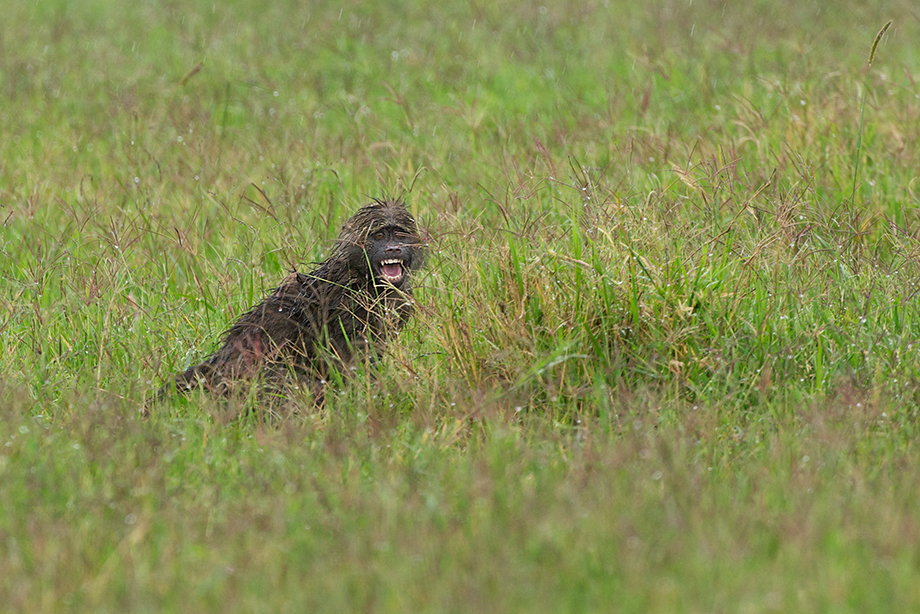
This little baboon was making all sorts of faces and seemed to be having a great time playing in the rain and jumping around in the wet grass on the Laikipia Plains of Kenya. Nikon D300 with Nikkor 200-400mm lens (at 400mm) ISO 800, f/5.6 at 1/500th of a second
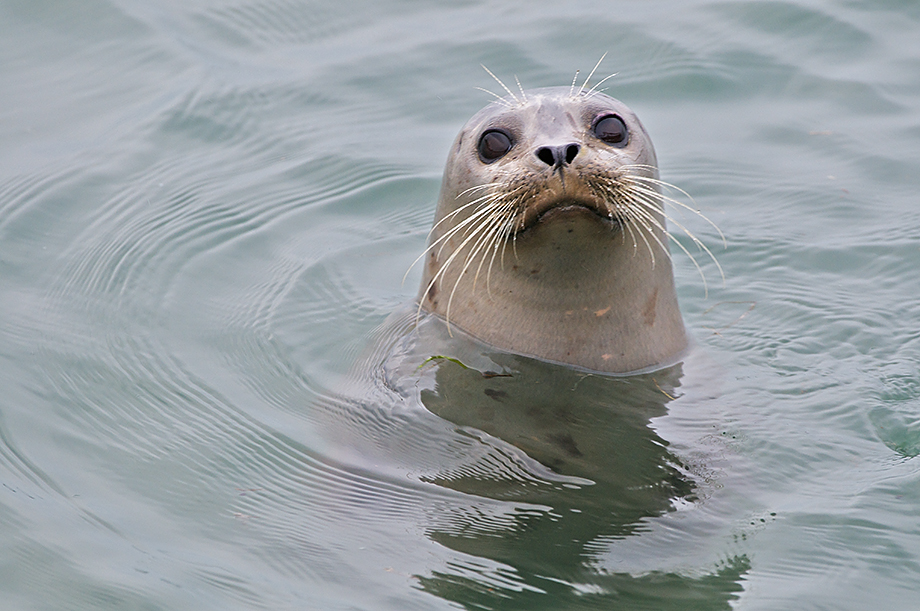
Always nice to start the week off with a seal face. This particular face happens to belong to a harbor seal. Harbor seals can be very curious and they tend to follow behind kayakers in Elkhorn Slough — just north of Monterey, California — where I took this photo. As soon as you turn around, however, they often dive beneath the surface. Nikon D300 with Nikkor 200-400mm lens (at 400mm) ISO 500, f/5.6 at 1/250th of a second
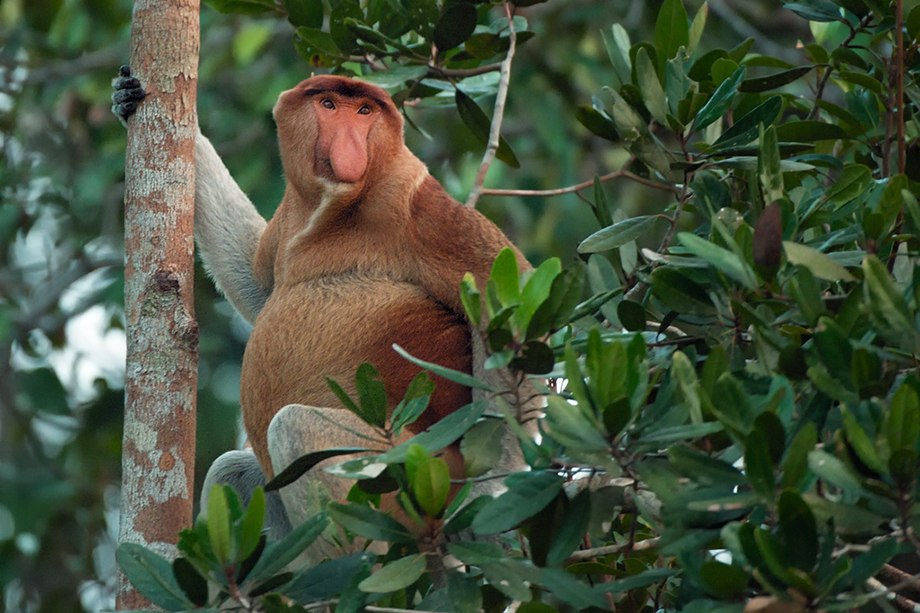
I went to Borneo to photograph orangutans, but I also really wanted to see a few of these proboscis monkeys — especially the males with their potato like noses. I ended up seeing quite a few of them as we meandered up and down the rivers of Tanjung Puting National Park. This handsome fellow had a particularly impressive snout. Nikon D300 with Nikkor 200-400mm lens (at 400mm) ISO 800, f/4 at 1/200th of a second
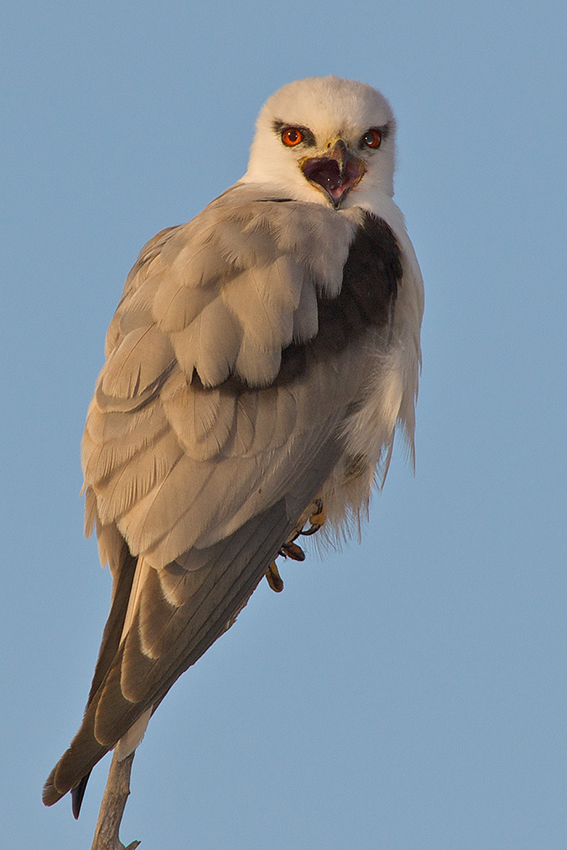
Black shouldered kites — also known as Australia black shouldered kites — are found in open habitat throughout much of Australia. They are smaller raptors, with a wingspan of up to 37 inches. Mostly white and grey in appearance, they have piercing red eyes set against patches of black — very cool looking birds. I saw this one on my last morning on Kangaroo Island in Southern Australia. Nikon D200 with Nikon 600mm f/5.6 manual focus lens, ISO 200, f/8 at 1/250th of a second
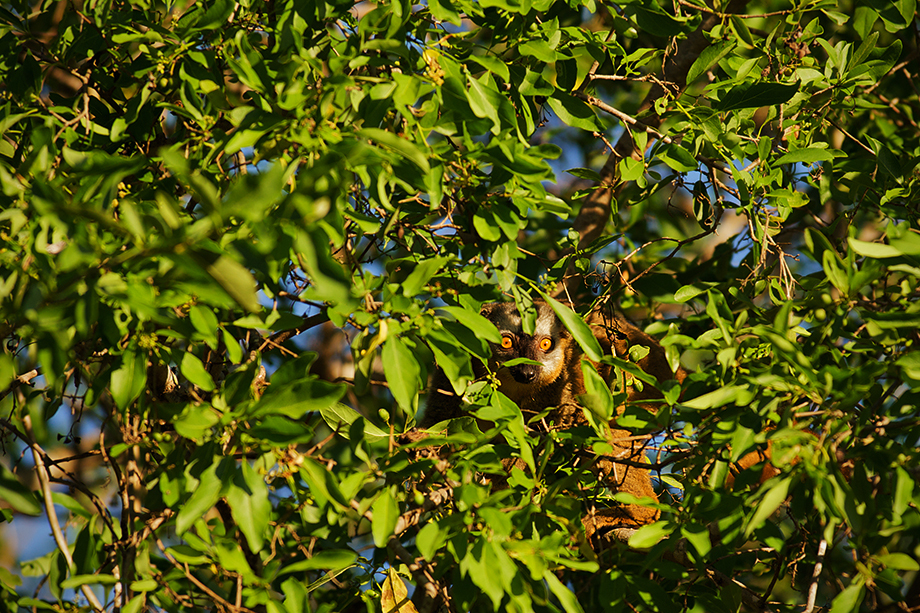
In Madagascar, you never know when you’ll see a lemur’s eyes peering out from inside a tree. This species is a red fronted brown lemur. I saw quite a few of them in the dry forests of southern Madagascar. Nikon D200 with Nikkor 80-200mm lens (at 200mm) ISO 200, f/3.5 at 1/640th of a second
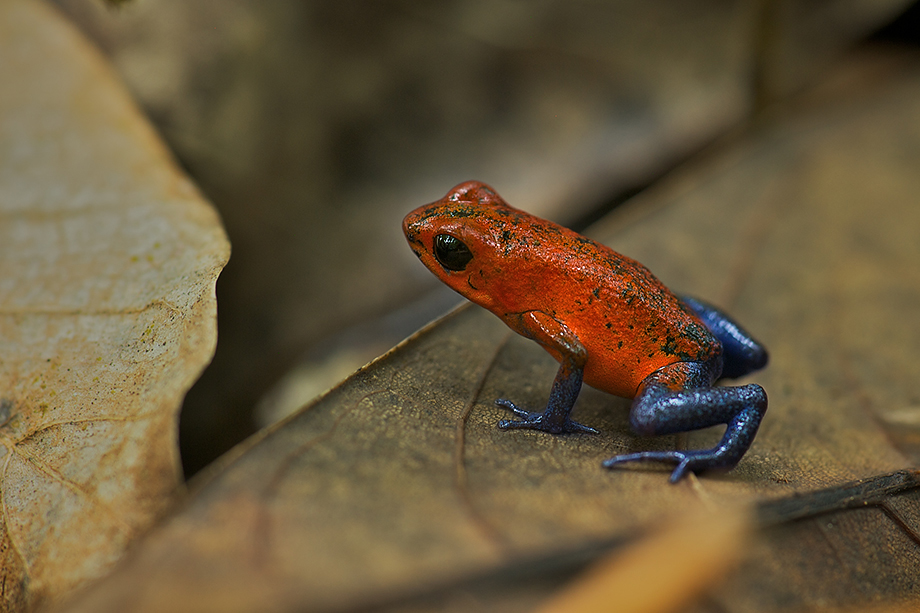
The strawberry poison dart frog is common throughout its range in Central America. There are believed to be up to 30 different color variations of this frog — the most common being the blue jeans morph. Other than those smart blue trousers, another nice thing about these frogs is that they are active during the day, making non-flash photos possible. I came across this little guy in the forest leaf litter at a place called La Selva in Costa Rica. Nikon D200 with Nikkor 70-200mm f/2.8 lens (at 200mm) with Canon 500D close up filter attached, ISO 100, f/5.6 at 1/8th of a second
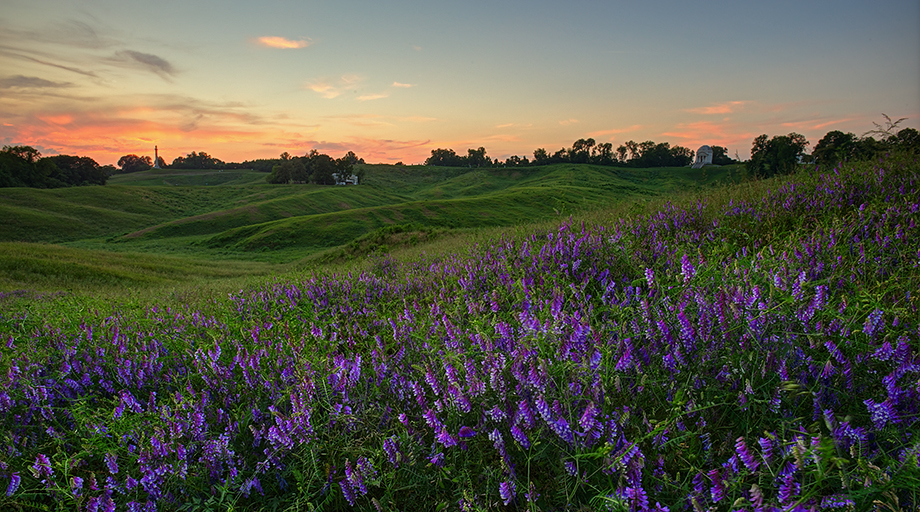
This photo was taken in the same general area as the previous one I posted from Vicksburg. In the distance to the left is the Louisiana Memorial. To the right is the Illinois Memorial, perhaps the most impressive structure in the park. In the middle, you can see how hilly the terrain is, making it difficult for either the Union or Confederate armies to gain much ground. Tomorrow, back to the animals. Nikon D800 with Nikkor 17-35mm lens (at 17mm) ISO 200, f/22, shutter speeds of 1.6, .4, .8, 3 and 6 seconds (5 shot HDR image)
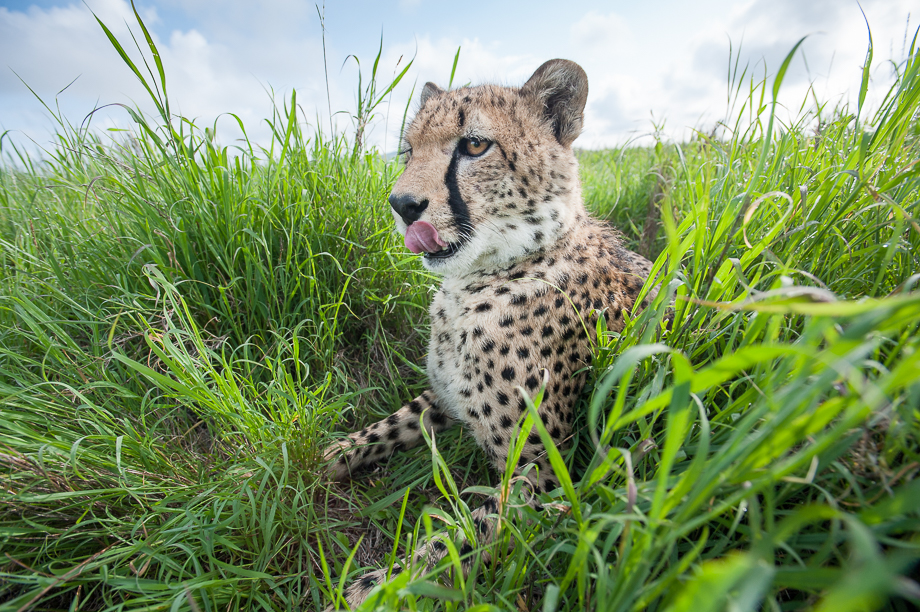
This is the same cheetah that I am petting in my bio photo on my website. Her name is Sheba and she was injured and caught in a barbed wire fence when she was just six weeks old (her right eye was permanently damaged in the accident). In this photo, she is six months old (almost fully grown). Ever since her injury, a Masai warrior had been tending to her — taking her out for walks and watching over her as she learned how to fend for herself in the wild. By the time I took this photo, she was already making kills on her own of impala and zebra — and she was only about two weeks away from being completely released back into the wild. Nikon D700 with Nikkor 17-35mm lens (at 17mm) ISO 400, f/6.3 at 1/1600th of a second
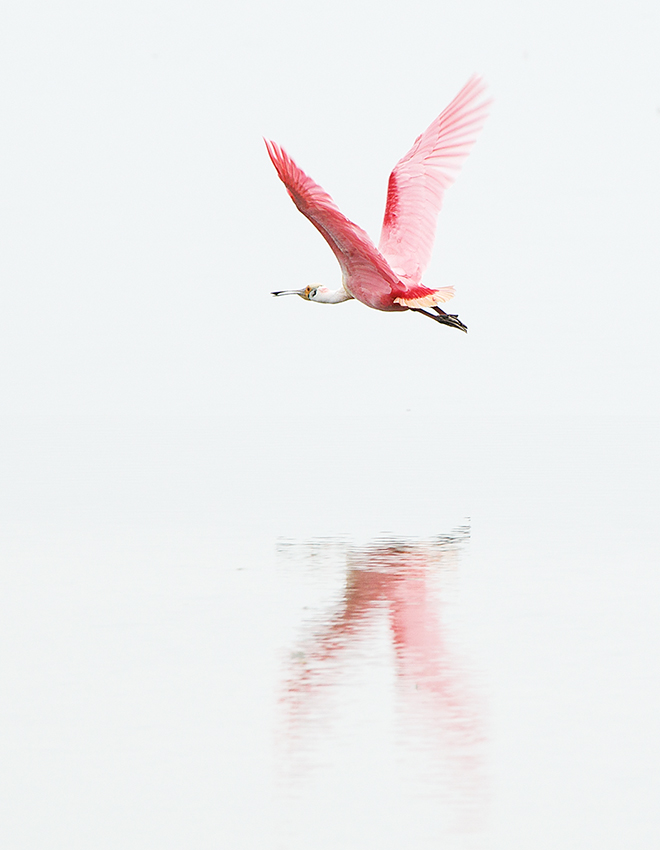
At first I was disappointed with the near white out conditions that I was greeted with several years ago down on Sanibel Island in Florida, but then the mist lifted and I was able to get some nice pink on white shots of spoonbills and their reflections in the water. Nikon D300 with Nikkor 200-400mm lens (at 550mm with Nikon 1.4 teleconverter) ISO 400, f/9 at 1/640th of a second
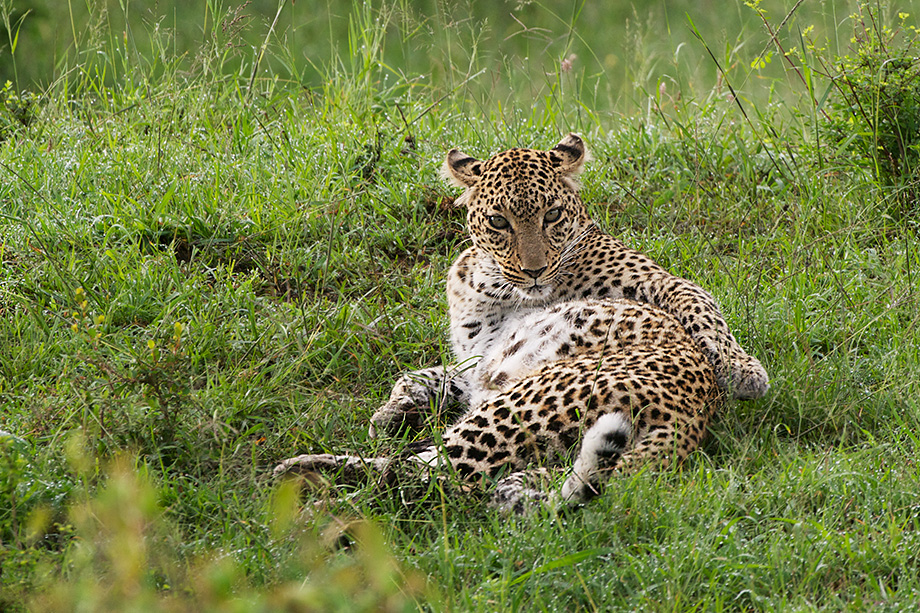
No, just a leopard who thinks she’s all that. This one was taken just north of the Masai Mara at a place called Olare Orok. She’s referred to as Pretty Girl by the locals and apparently she’s taken the name to heart. Nikon D300 with Nikkor 200-400mm lens (at 400mm) ISO 400, f/5.6 at 1/400th of a second
We use cookies to enhance your experience while using our website. If you are using our Services via a browser you can restrict, block or remove cookies through your web browser settings. We also use content and scripts from third parties that may use tracking technologies. You can selectively provide your consent below to allow such third party embeds. For complete information about the cookies we use, data we collect and how we process them, please check our Privacy Policy