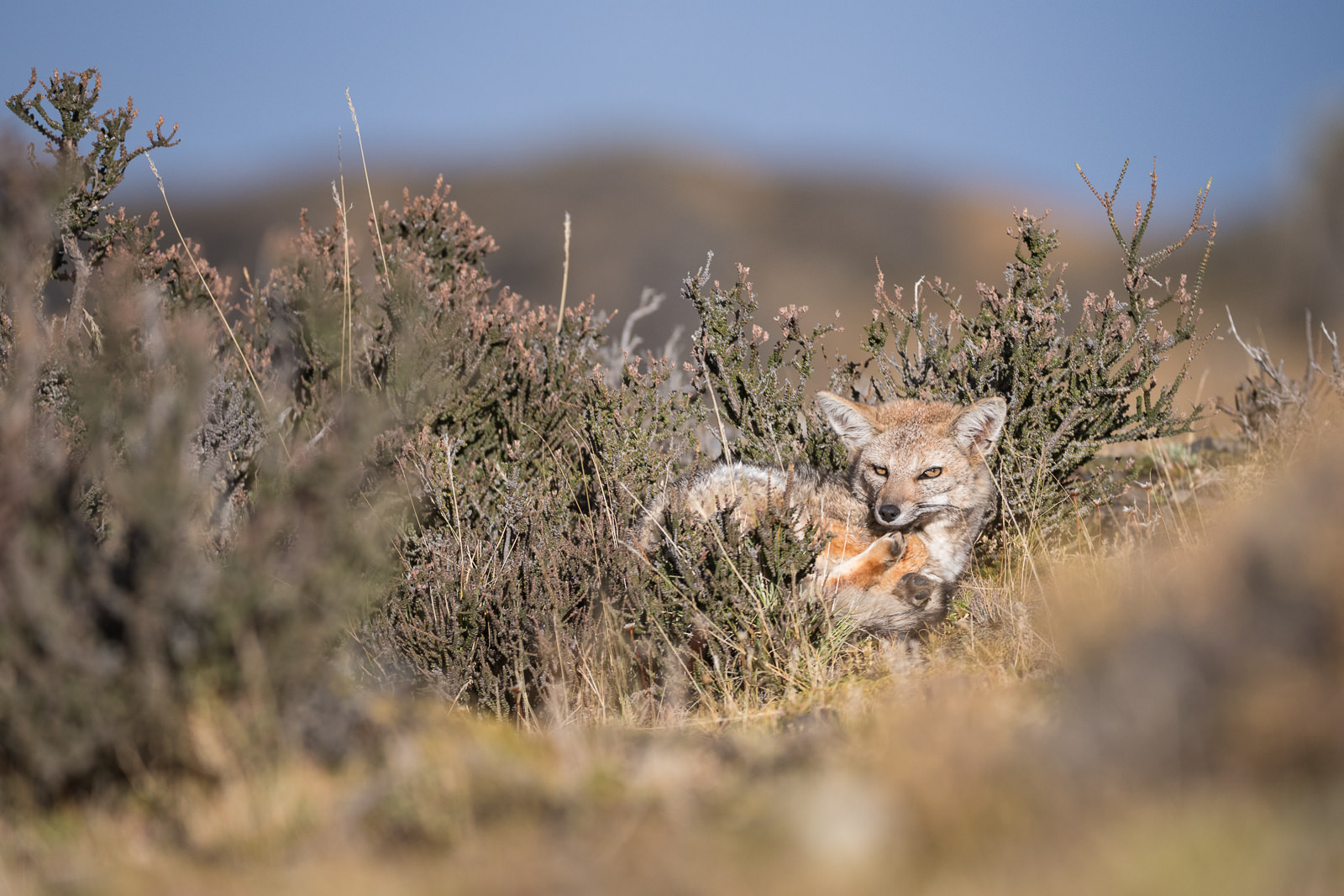
The Patagonian gray fox often uses low shrubs and dense vegetation for shelter, resting during the day while remaining alert for potential threats. An opportunistic omnivore, it feeds on everything from rodents and birds to insects, fruit, and carrion, helping it thrive in the challenging environment of southern Patagonia. Nikon D500 with Nikkor 200-400mm lens (at 300mm) ISO 400, f/4 at 1/3200th of a second.
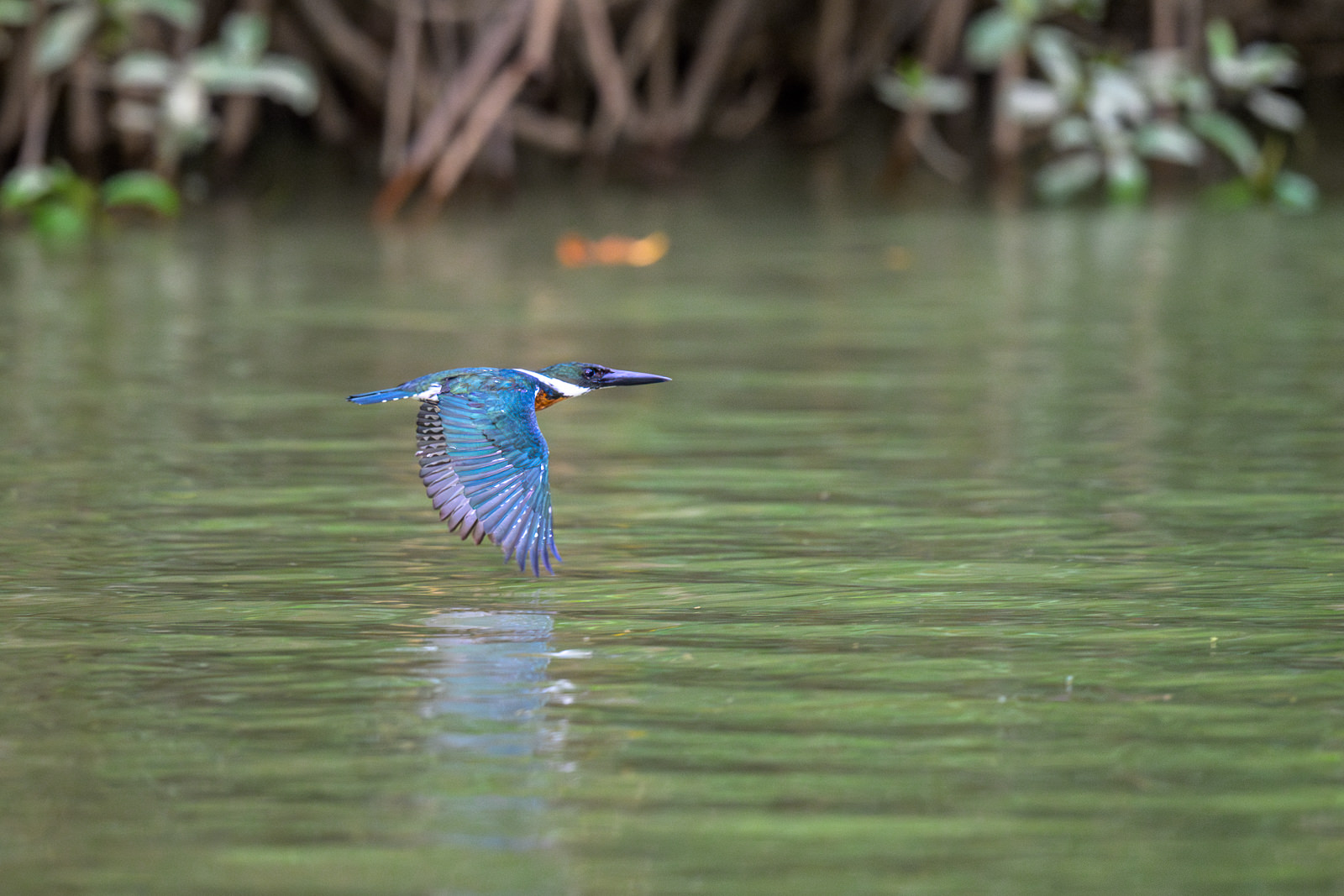
The ringed kingfisher is the largest kingfisher in the Americas, often seen patrolling rivers and wetlands from a high perch or in direct flight just above the water. It hunts primarily fish, plunging headfirst into the water before returning to a perch to swallow its catch. Nikon Z8 with Nikkor 500mm PF lens, ISO 5000, f/5.6 at 1/2500th of a second.
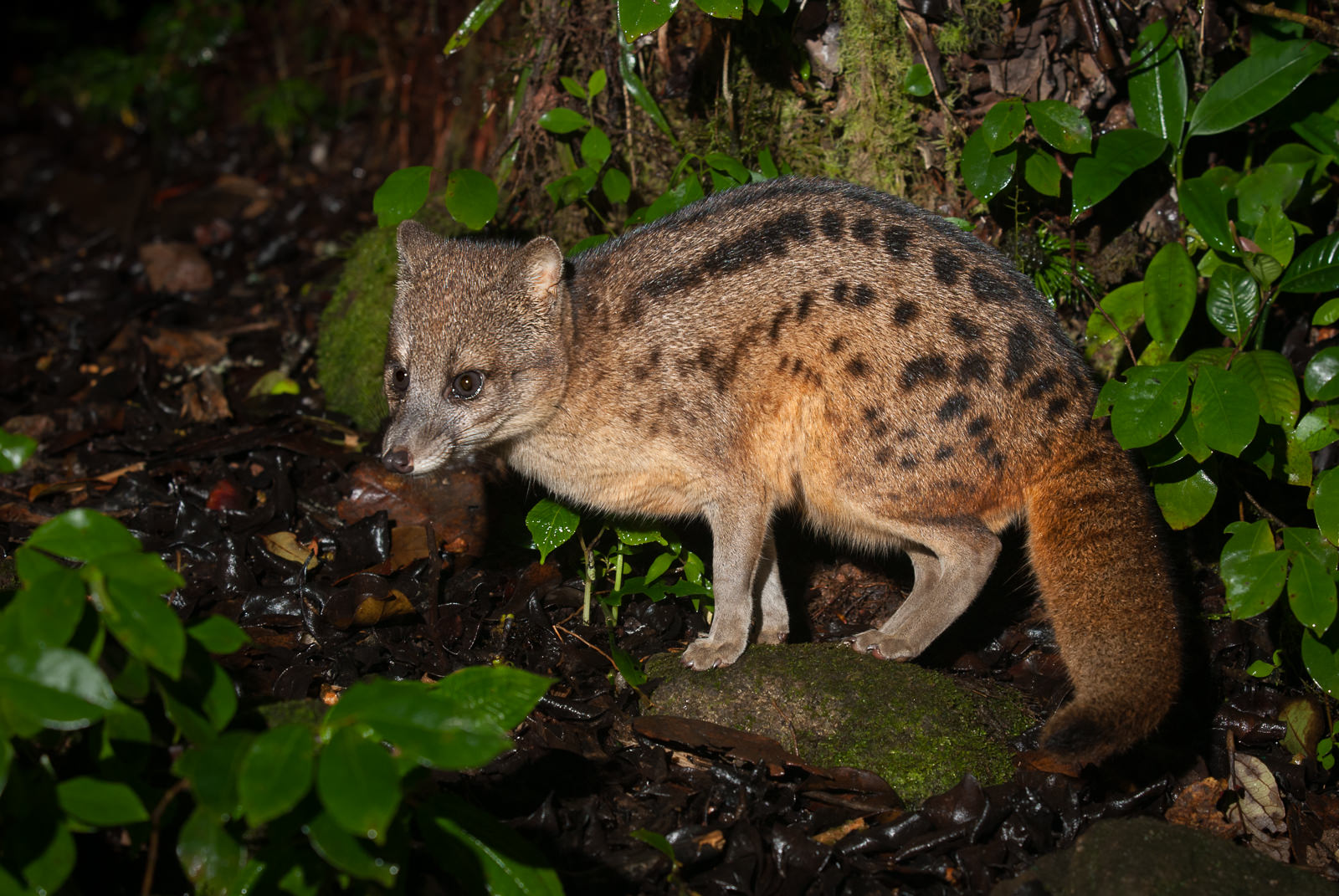
The fanaloka, also known as the Malagasy civet, is a nocturnal carnivore found only in Madagascar’s forests. It spends its nights hunting small vertebrates, insects, and other prey, relying on keen senses and camouflage to move through the darkness largely unseen. Nikon D200 with Nikkor 80-200mm lens (at 92mm) ISO 200, f/5 at 1/60th of a second, Nikon SB-600 flash units.
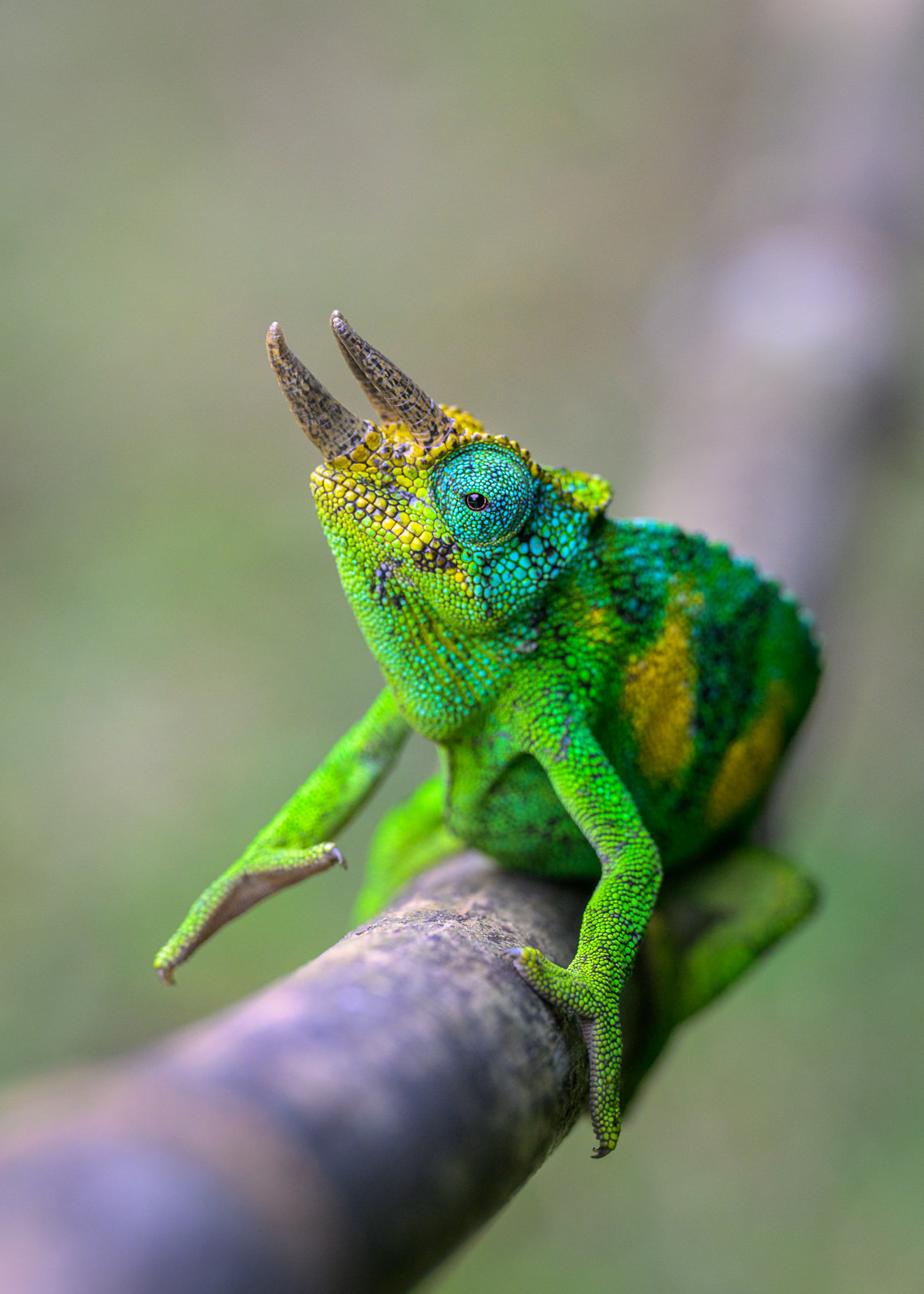
The three-horned chameleons of Uganda’s Virunga Mountains use their distinctive facial horns primarily in territorial disputes and courtship displays. Like other chameleons, their eyes can move independently of one another, allowing them to scan for predators and prey in different directions at the same time. Nikon Z8 with Nikkor 70-200mm lens (at 180mm) ISO 500, f/5 at 1/640th of a second.
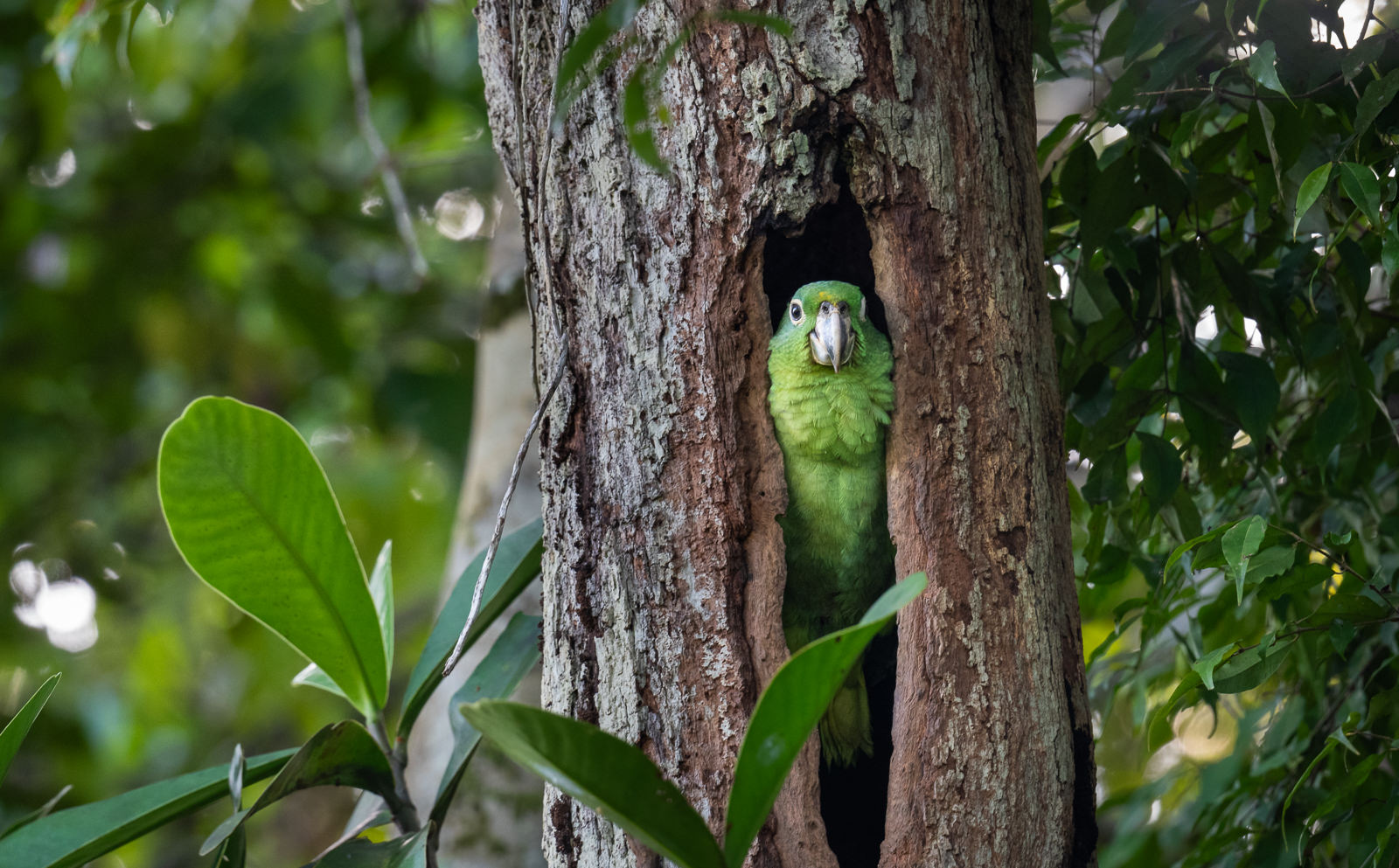
Southern mealy Amazon parrots often nest and roost in natural tree cavities, relying on these sheltered hollows for protection from predators and the elements. Despite being among the largest parrots in the Amazon, they can be surprisingly difficult to spot when tucked inside a cavity high in the forest canopy. We were in a canoe when we spotted this one in the Loreto region of the northern Amazon basin in Peru. Nikon D500 with Nikkor 500mm PF lens, ISO 1600, f/6.3 at 1/100th of a second.
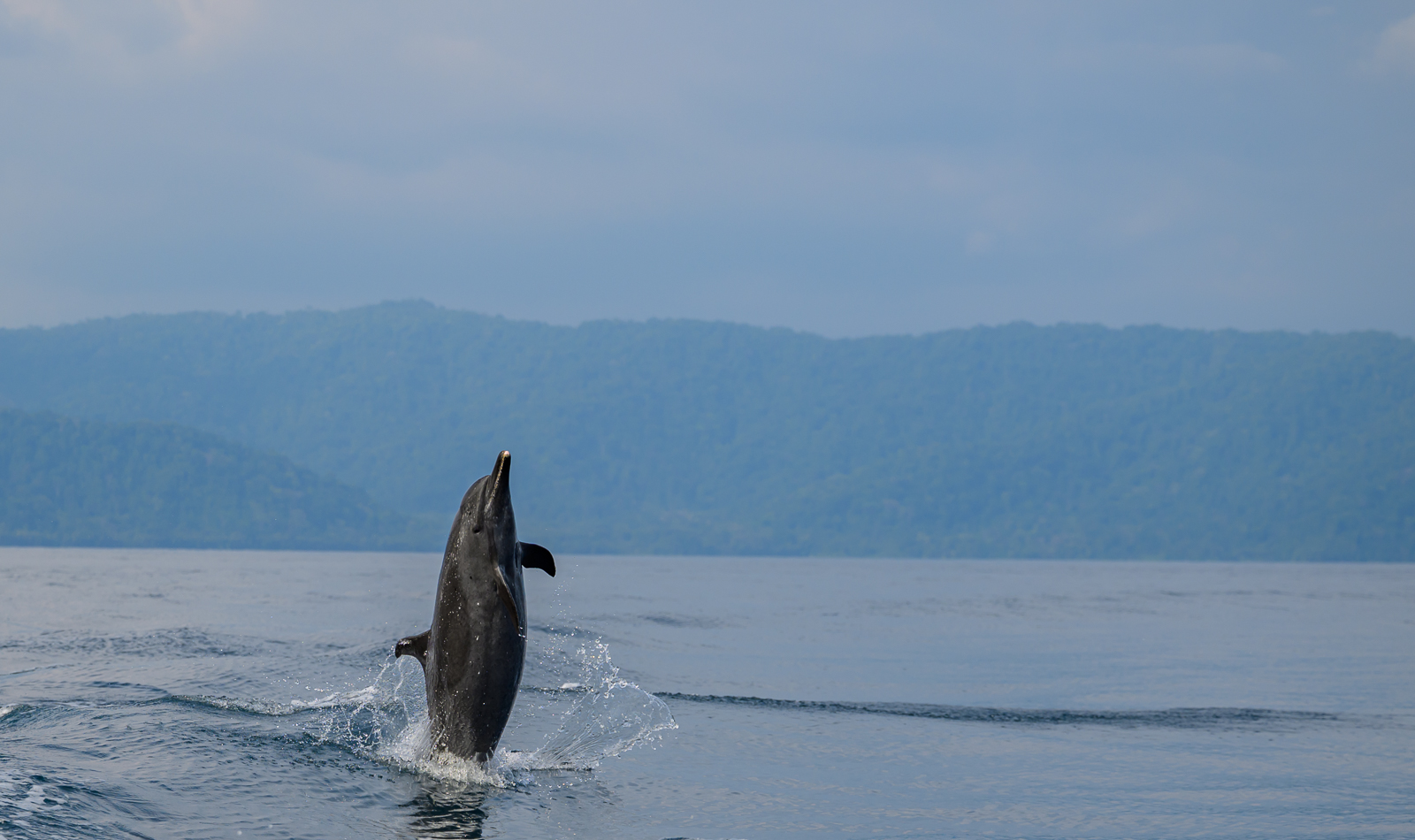
Pantropical spotted dolphins are known for the spots that gradually appear as they age. Calves are born unspotted and become increasingly marked throughout their lives. They are highly social animals, often traveling in large groups that can number in the hundreds or even thousands of individuals. Despite the numbers, photographing them can be like playing whack-a-mole as you try to get a quick shot when they suddenly jump. Nikon Z8 with Nikkor 24-70mm lens (at 70mm) ISO 64, f/4 at 1/1250th of a second.
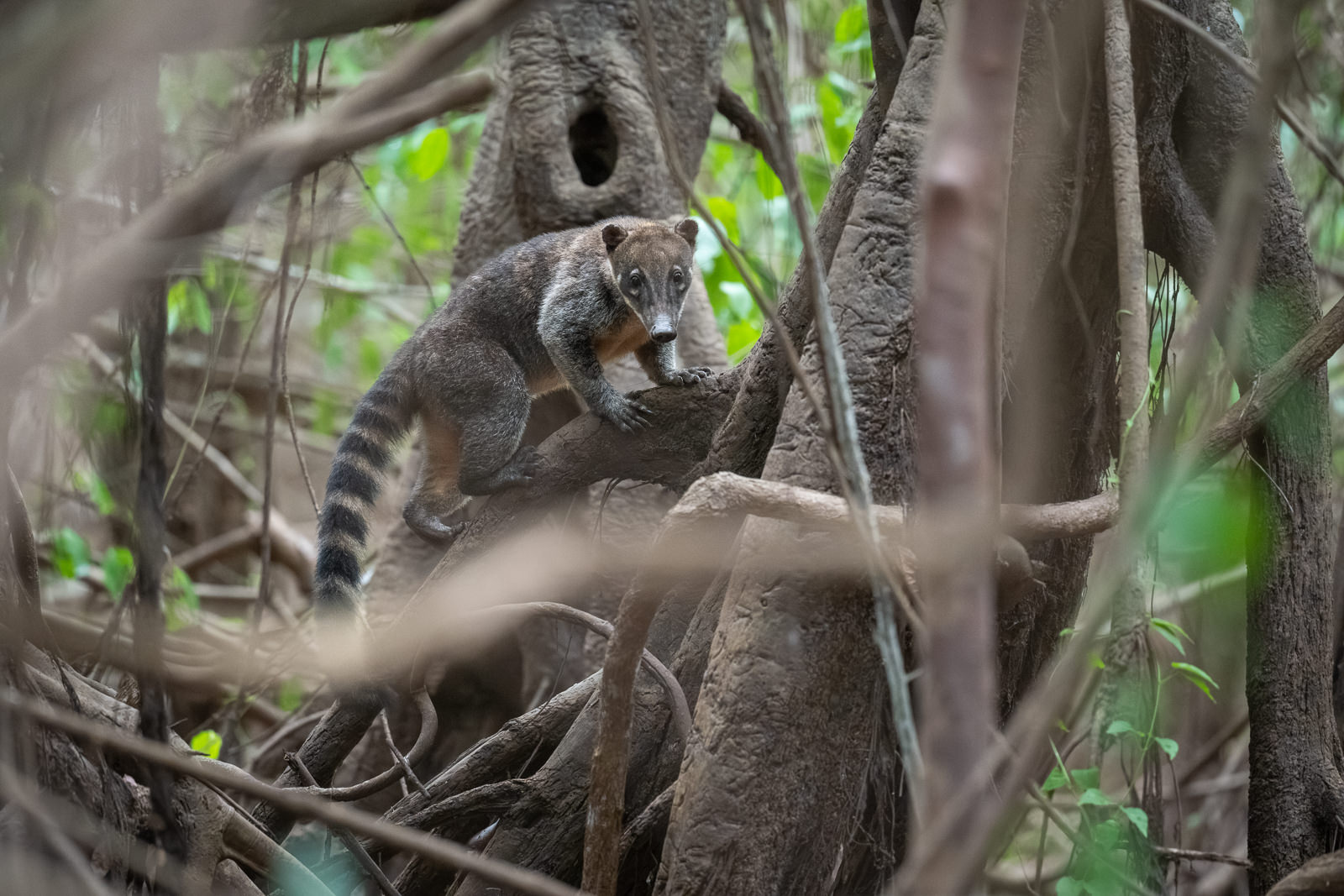
Coatis are highly adaptable omnivores that use their long, flexible snouts to root through leaf litter in search of insects, fruit, and small vertebrates. In Guyana’s Rupununi region, they’re often seen foraging during the day, a contrast to many other rainforest mammals that are primarily nocturnal. Nikon Z8 with Nikkor 500mm PF lens, ISO 10,000, f/5.6 at 1/500th of a second.
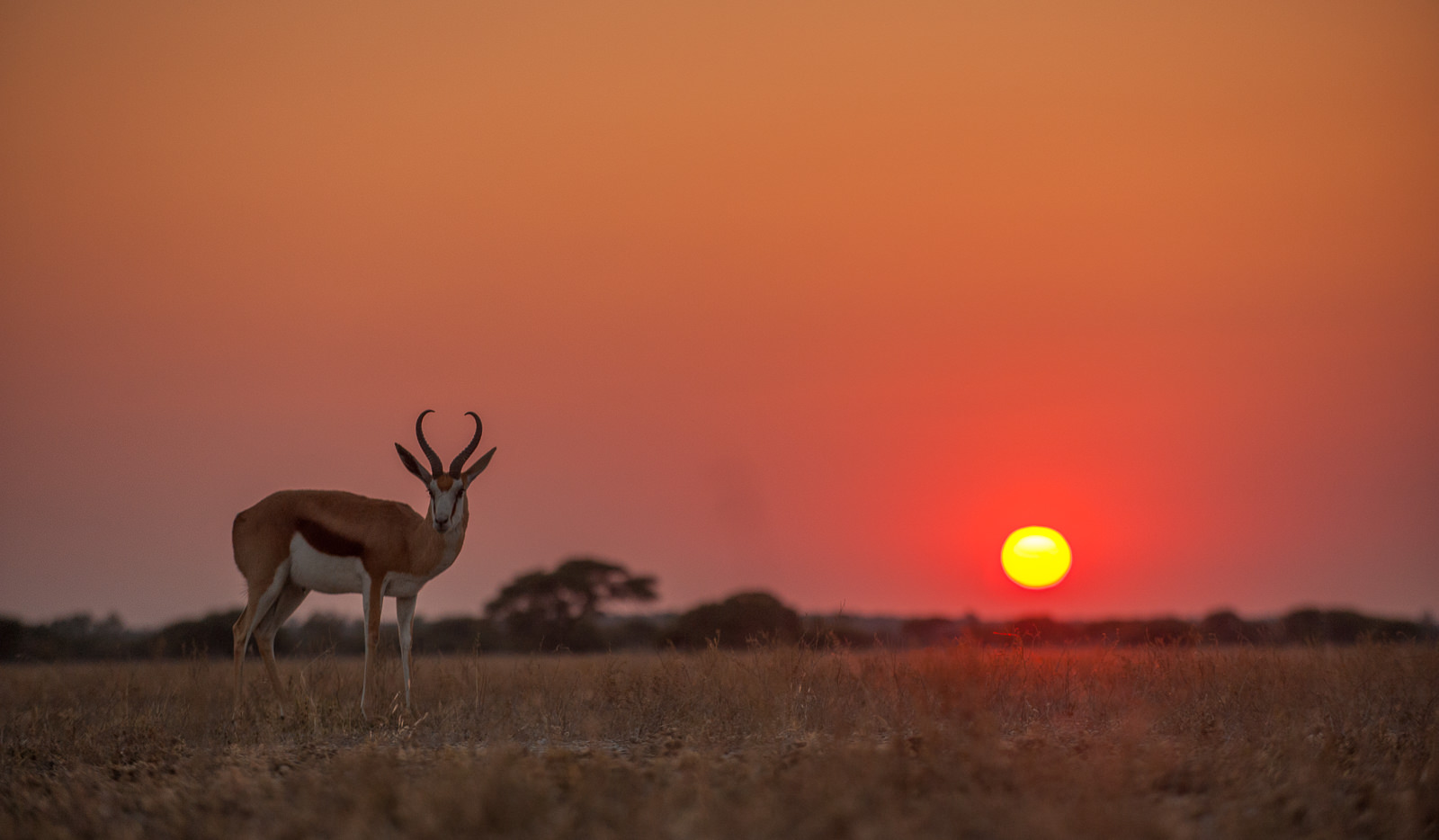
Springboks are highly adapted to arid environments and can meet much of their water needs from the vegetation they consume. They are among the most abundant antelope in southern Africa, inhabiting open grasslands and semi-desert regions from Botswana to South Africa. I photographed this one in the Kalahari Desert back in 2011. Nikon D700 with Nikkor 70-200mm lens (at 160mm) ISO 800, f/4 at 1/1600th of a second.
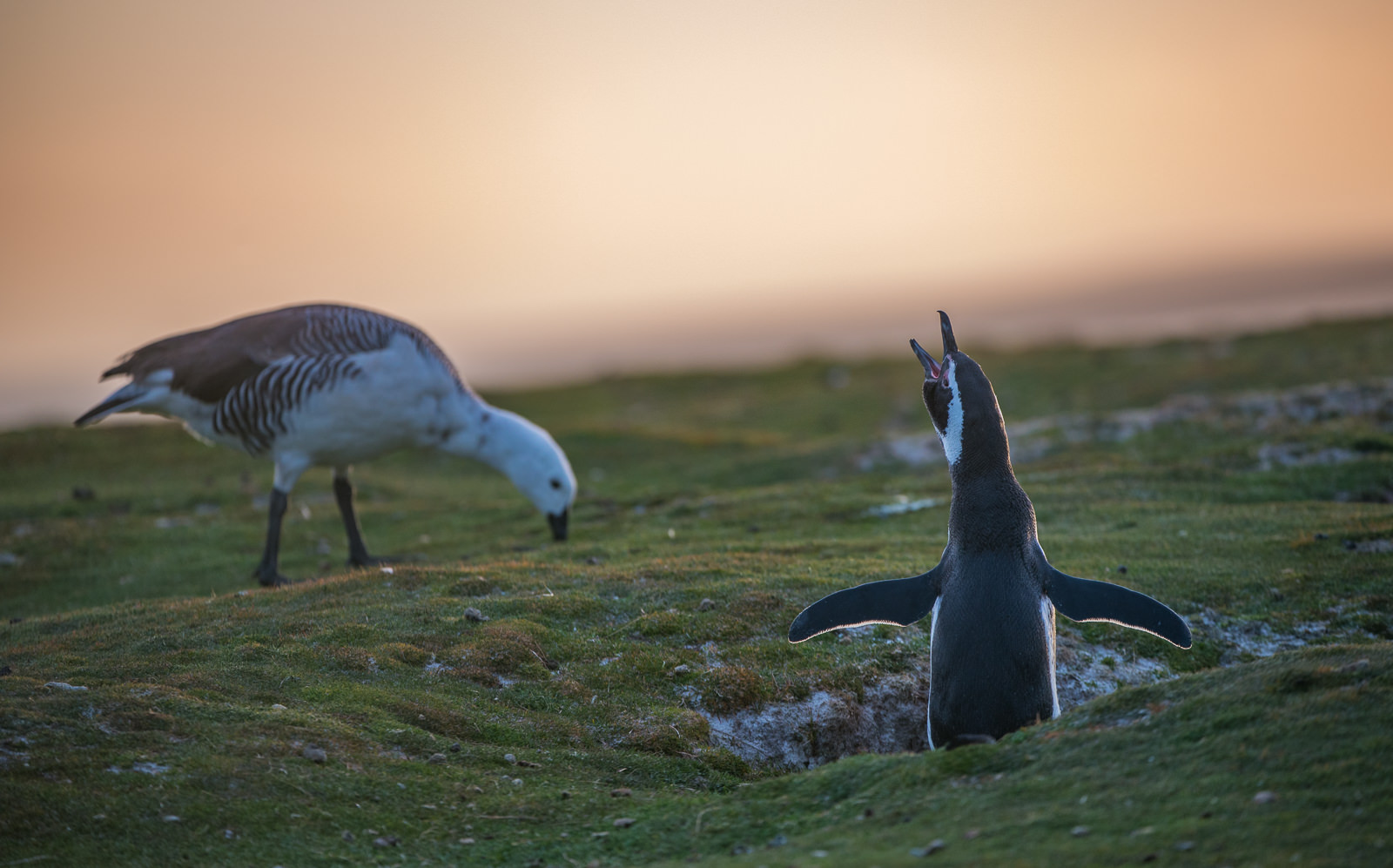
You might recall I posted a Magellanic oystercatcher last week. This week it’s the penguin and goose named after the famous Portuguese explorer. Ferdinand Magellan is obviously a big deal in the Falkland Islands, and rightly so. He was the first explorer to circumnavigate the globe which he accomplished by discovering the sea passage that would later be known as the Strait of Magellan on the southern tip of South America. As for the penguin, Magellanics are one of five species regularly found in the Falklands. They are the only species of the five that burrows in the ground. The Magellanic penguin in this photo was “braying” — a loud vocalization to send a warning to the goose when it got too close to home. Nikon D800 with Nikkor 200-400mm lens (at 330mm) ISO 800, f/4 at 1/400th of a second.
The barred jungle owlet is a small but fearless owl found in the forests and woodlands of the Indian subcontinent. Unlike many owls, it is often active during the day, perching conspicuously as it scans for insects, lizards, and small birds. I encountered this one in Bandhavgarh National Park in central India while searching for tigers. Nikon D300 with Nikkor 200-400mm lens (at 400mm) ISO 1600, f/4 at 1/1000th of a second.
We use cookies to enhance your experience while using our website. If you are using our Services via a browser you can restrict, block or remove cookies through your web browser settings. We also use content and scripts from third parties that may use tracking technologies. You can selectively provide your consent below to allow such third party embeds. For complete information about the cookies we use, data we collect and how we process them, please check our Privacy Policy