Guianan squirrel monkeys are highly social primates that spend much of their day searching for fruit, insects, and other small food items in the forest canopy — and in this case on the rainforest floor. Their excellent eyesight and agile movements allow them to quickly locate seasonal fruits like ripe mangoes, which provide a valuable source of energy. Nikon Z8 with Nikkor 500mm PF lens, ISO 1100, f/5.6 at 1/1250th of a second.
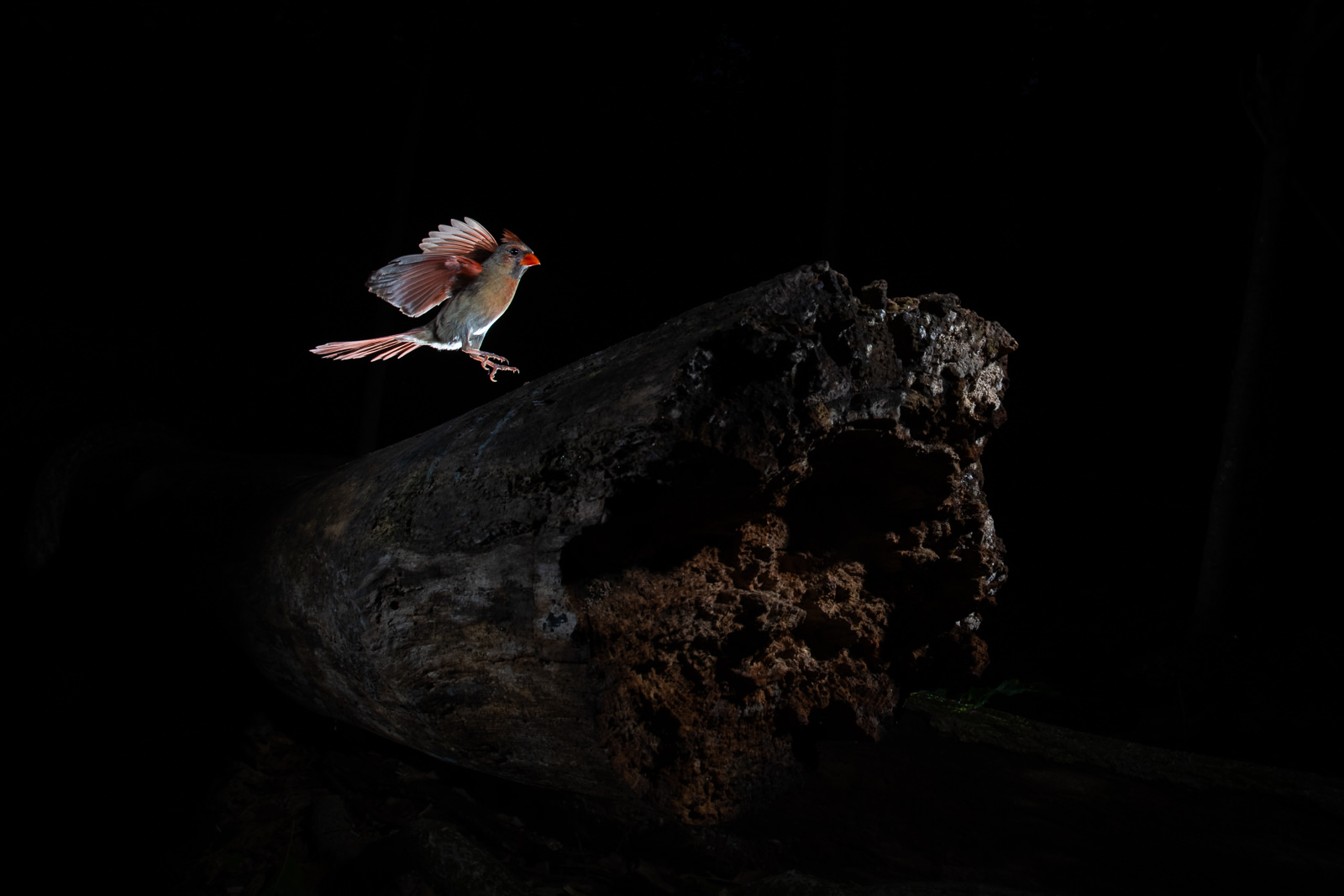
Here’s another one from the camera trap a few years back. A female northern cardinal comes in for a landing on the fallen ash tree that I regularly capture raccoons and opossums traversing on their nightly rounds. Nikon D810 with Nikkor 17-35mm lens (at 17mm) ISO 500, f/14 at 1/160th of a second, Cognisys camera box, trail monitor and remote flash units.
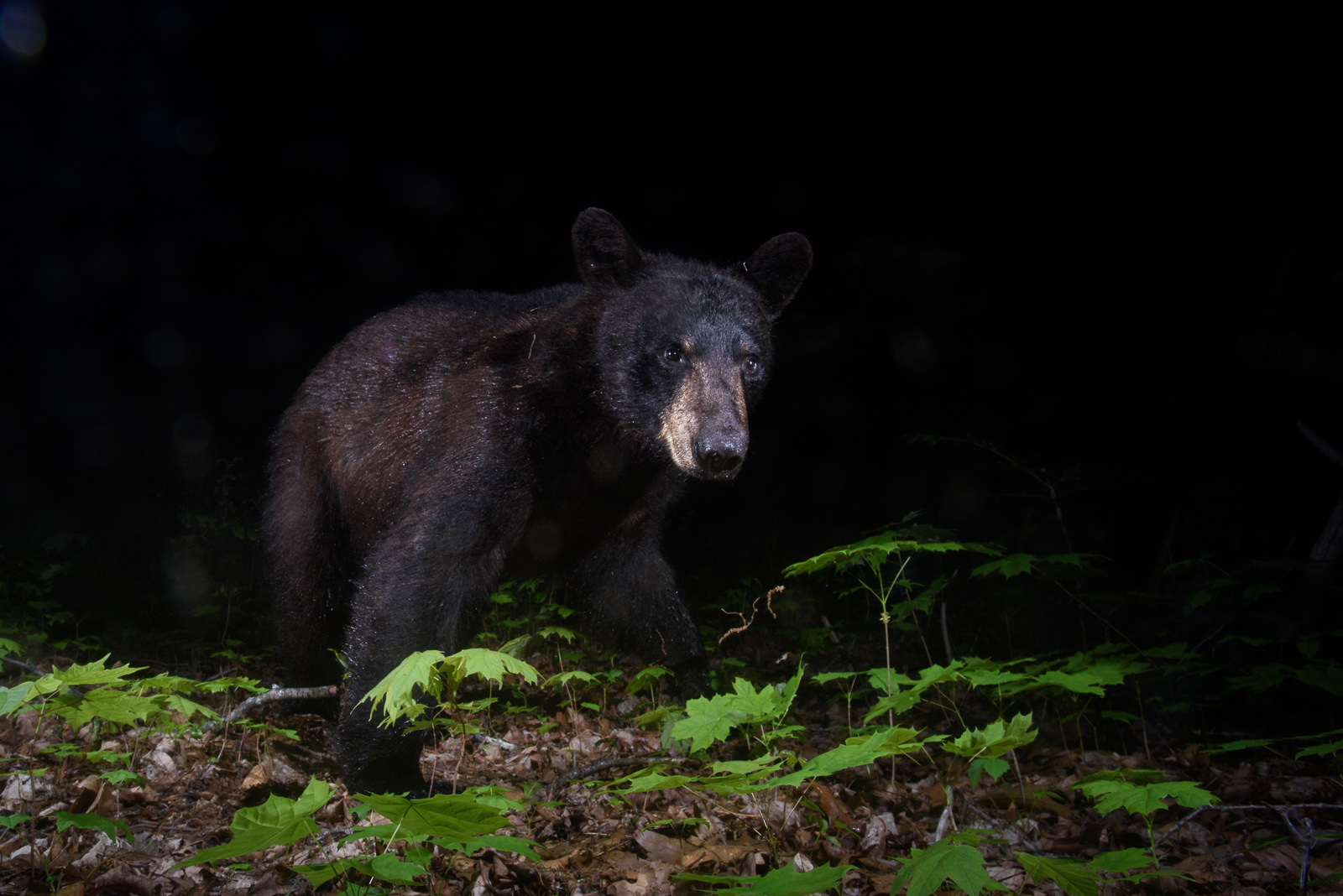
We’ve seen quite a few bears in the yard this year, but so far they’ve been avoiding the camera traps. This one is from last year when they were taking a few more selfies. Nikon D810 with Nikkor 17-35mm lens (at 22mm) ISO 500, f/14 at 1/250th of a second, Cognisys camera box, trail monitor and remote flash units).
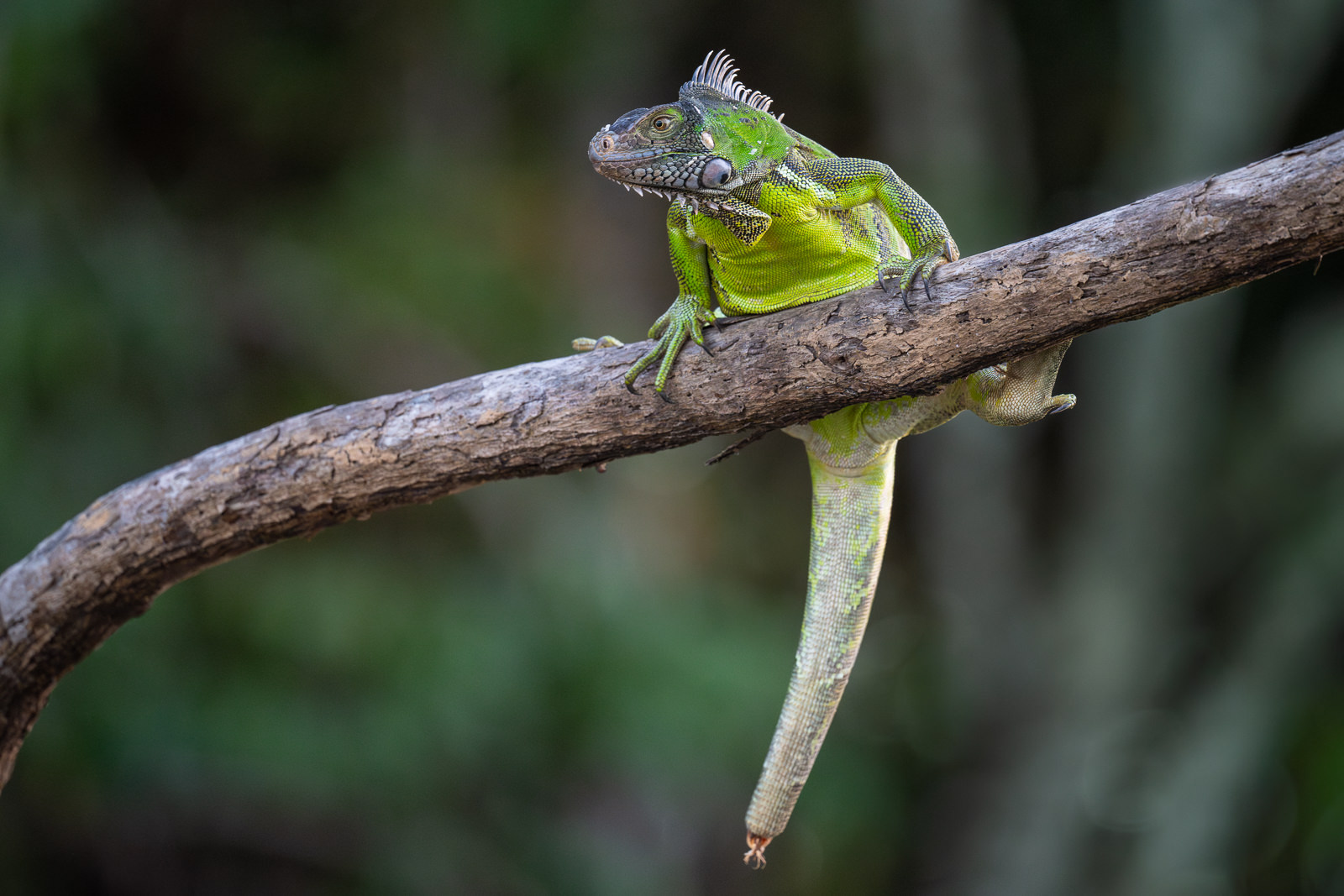
Green iguanas are strong climbers that spend much of their lives in trees, often choosing branches that overhang rivers and streams. If threatened, they can plunge into the water below and swim away with surprising speed, using their powerful tails to propel themselves through the current. This one, as you can see, had a little nip taken out of that tail. Nikon Z8 with Nikkor 500mm PF lens, ISO 6400, f/5.6 at 1/250th of a second.
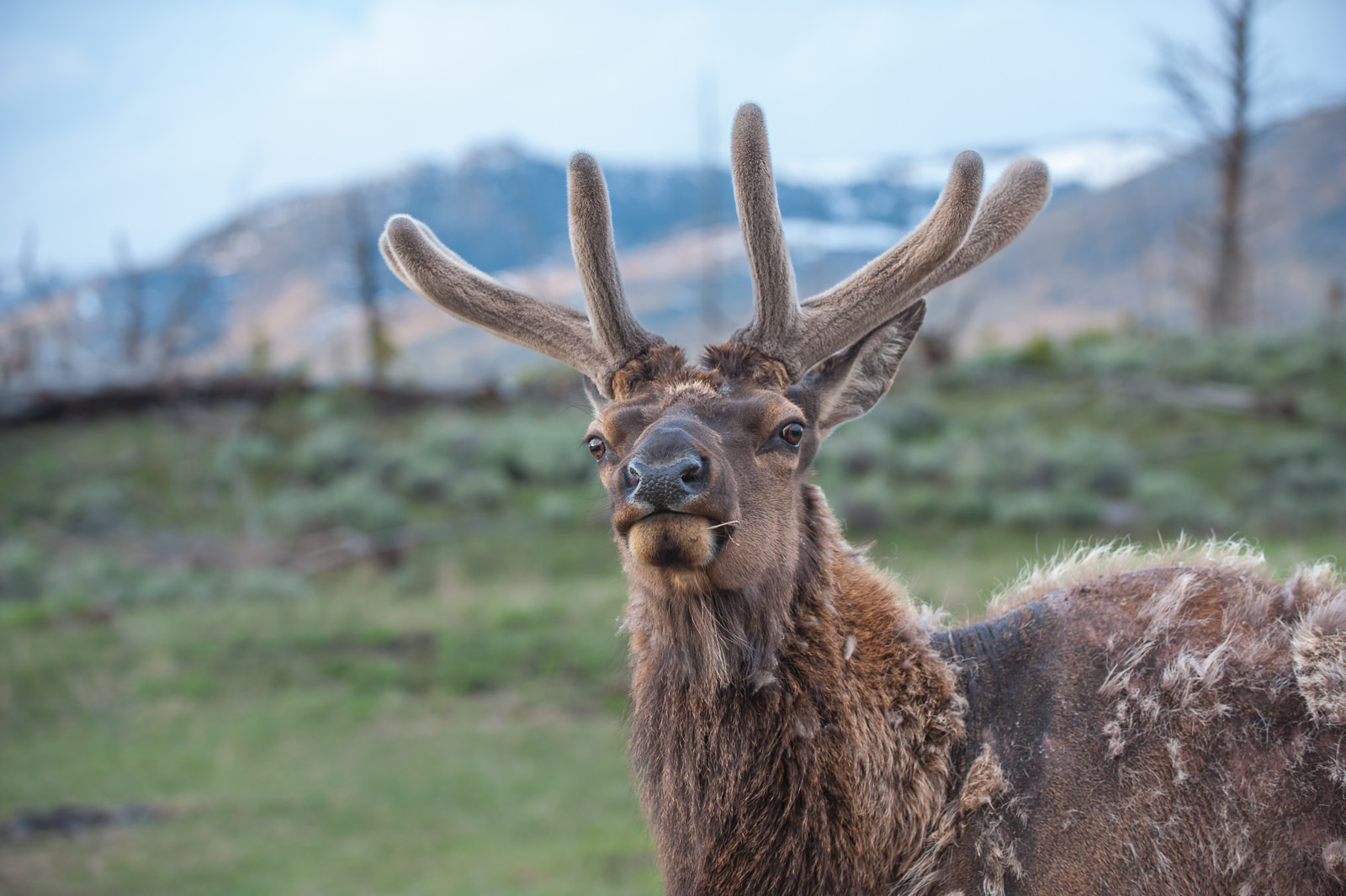
I captured this guy years ago in May, when bull elk are growing a new set of antlers, one of the fastest-growing tissues in the animal kingdom. At the same time, they’re shedding their thick winter coats, leaving them looking a bit ragged as they transition into summer and prepare for the fall rut months ahead. Despite the appearance, however, I think this guy was feeling pretty good about himself. Nikon D700 with Nikkor 70-200mm lens (at 102mm) ISO 800, f/4 at 1320th of a second.
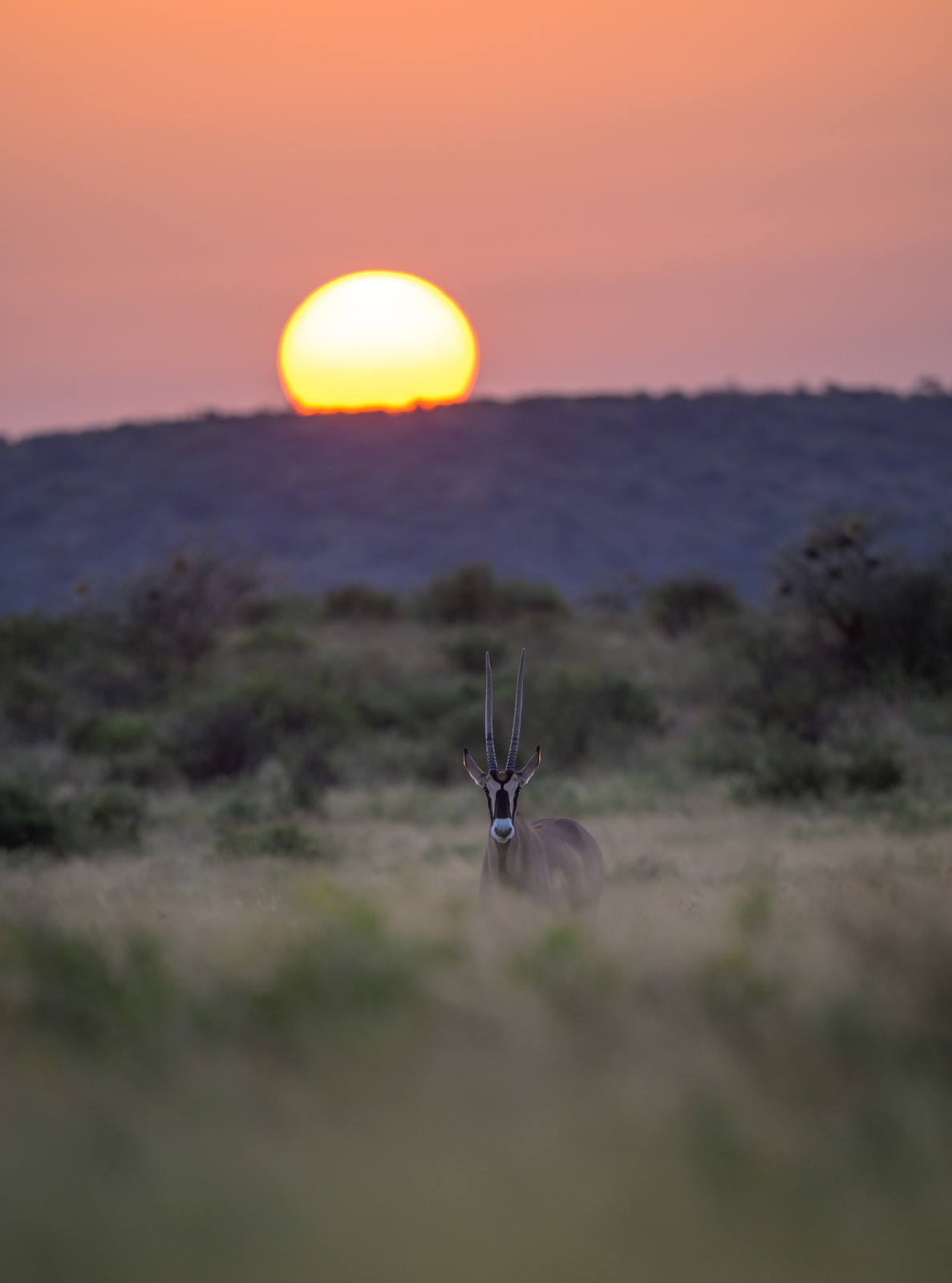
The beisa oryx is exceptionally well adapted to life in arid environments, able to survive for long periods without drinking by obtaining moisture from the plants it eats. In places like Samburu, it often remains active during the cooler hours of morning and evening, when the desert landscape begins to come alive. Nikon Z8 with Nikkor 500mm PF lens, ISO 560, f/5.6 at 1/250th of a second.
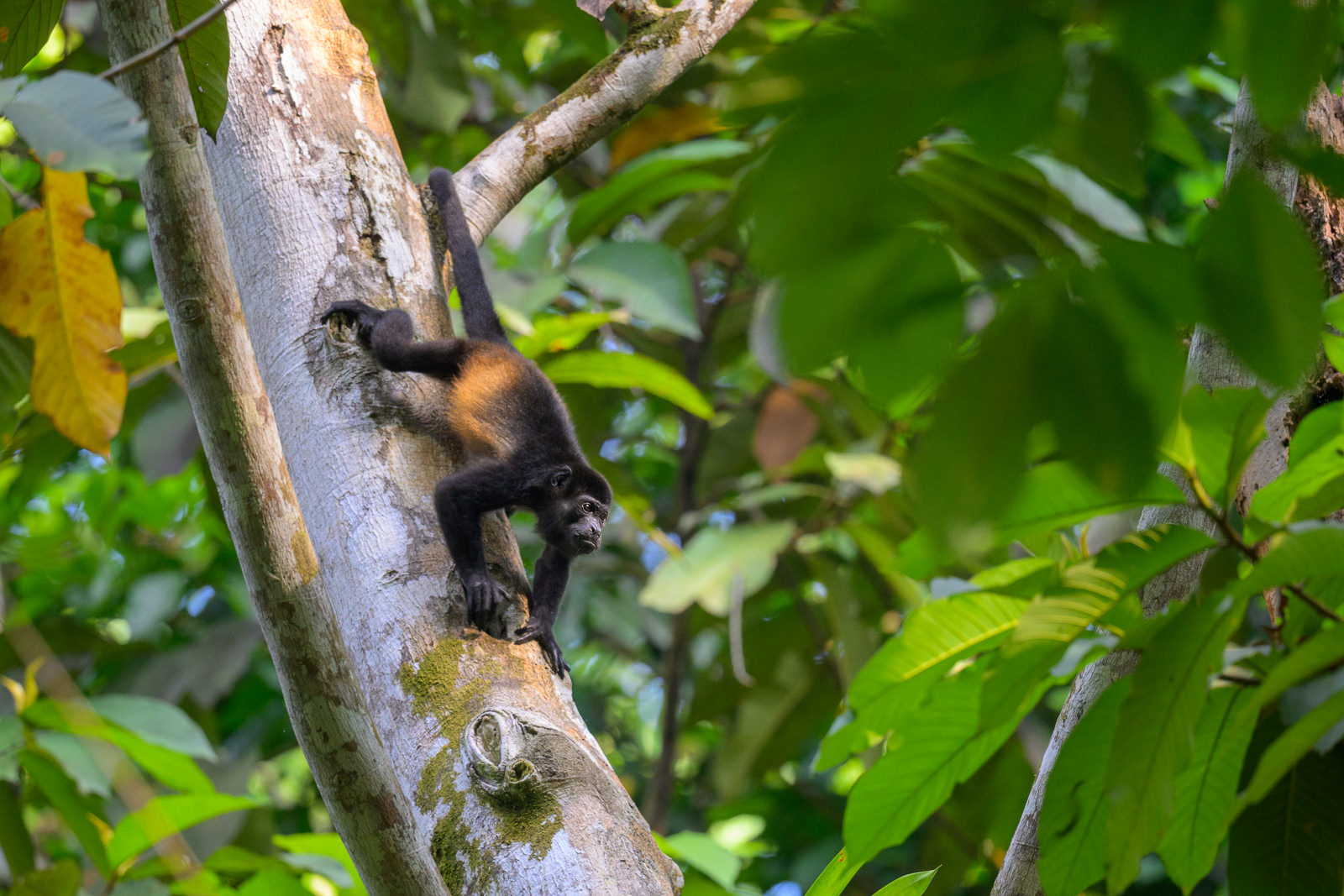
Mantled howler monkeys are best known for their deep, booming calls, which can carry for several miles through the rainforest and help neighboring groups avoid unnecessary conflicts. Despite their large size and powerful voices, they spend much of the day resting and feeding on leaves, conserving energy from their relatively low-calorie diet. Nikon Z8 with Nikkor 500mm PF lens, ISO 1400, f/5.6 at 1/320th of a second.
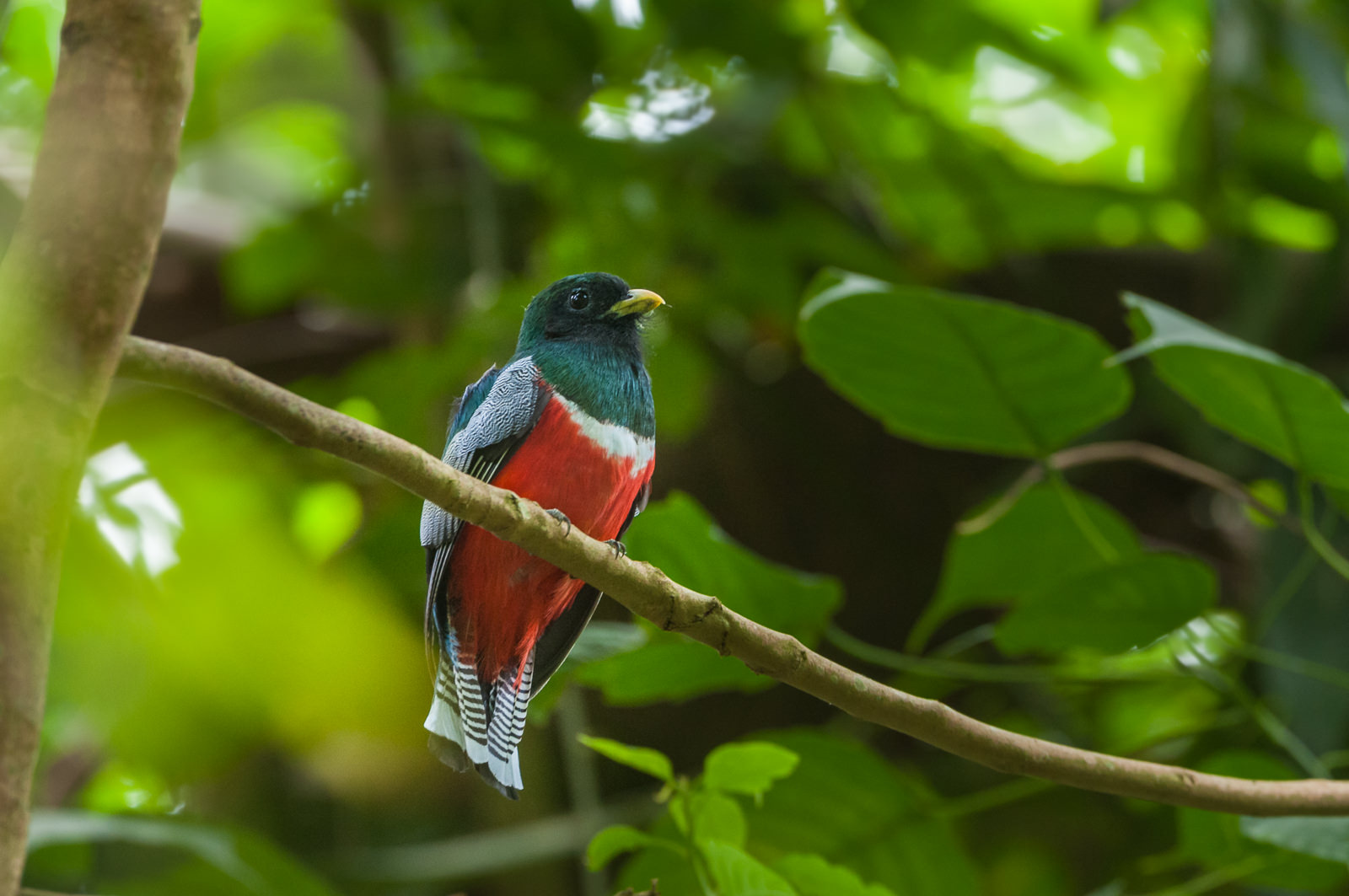
The collared trogon is a quiet, sit-and-wait hunter found throughout the forests of Central and South America, including the Tuichi River region of Bolivia. Rather than constantly searching for food, it often remains motionless on a perch before darting out to capture insects or pluck fruit. Nikon D300 with Nikkor 200-400mm lens (at 400mm) ISO 500, f/5 at 1/60th of a second.
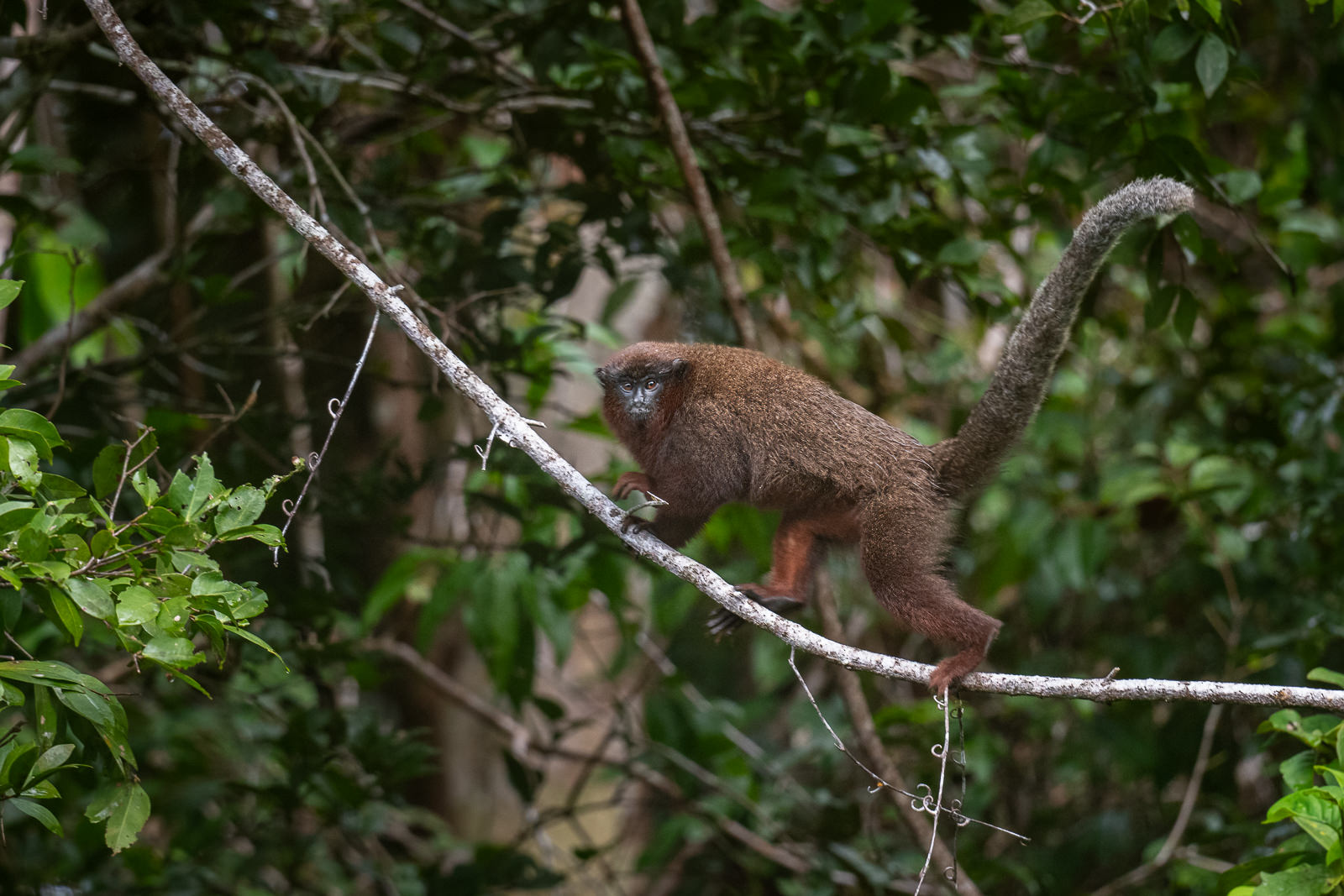
Coppery titi monkeys are agile canopy dwellers that spend nearly their entire lives in the treetops, moving through the forest with quick, deliberate bounds. Their long tails provide balance as they navigate even the thinnest branches. Nikon D500 with Nikkor 500mm PF lens, ISO 1600, f/5.6 at 1/320th of a second.
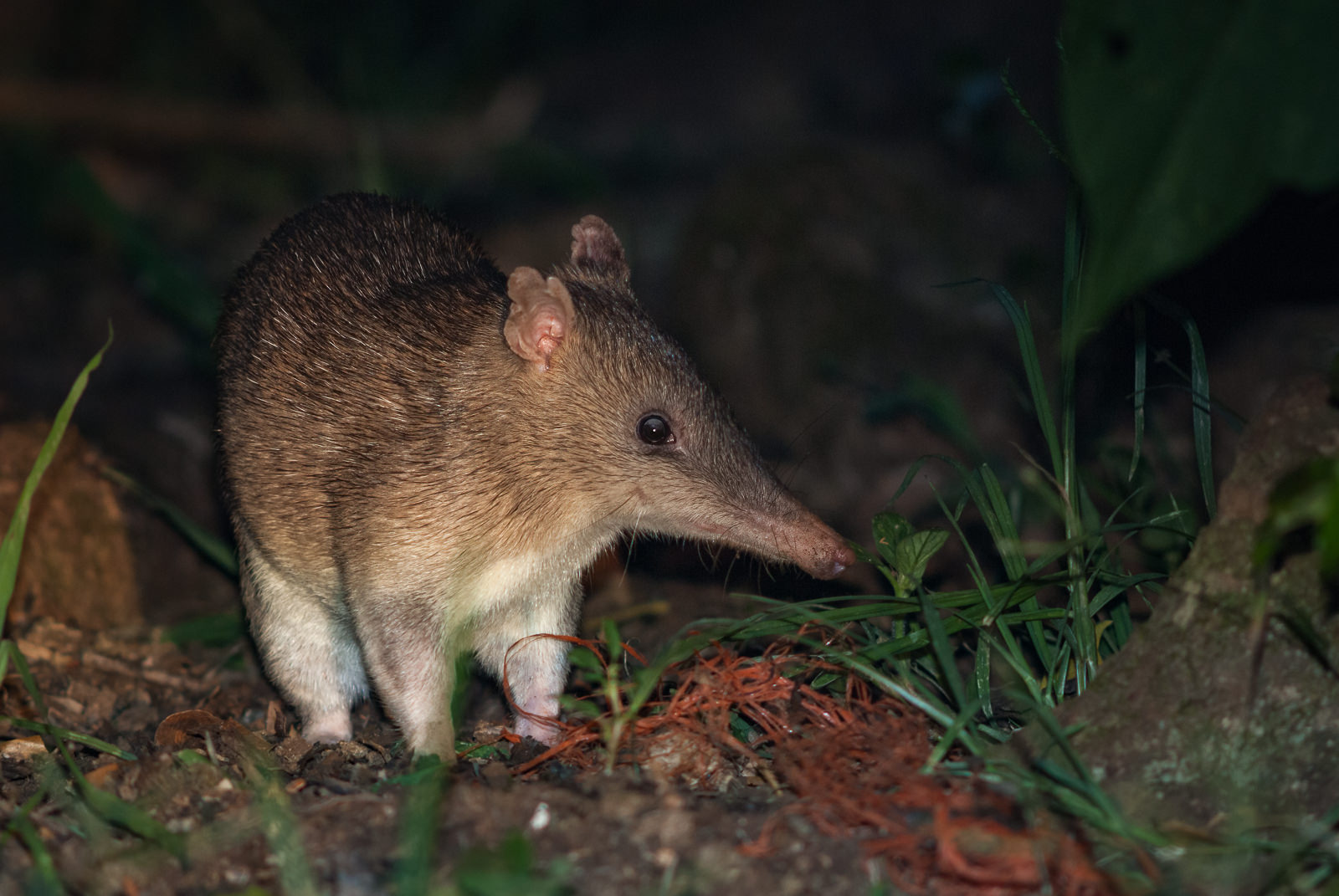
My first and only bandicoot sighting, the long-nosed bandicoot is a nocturnal marsupial that spends much of the night probing the ground with its sensitive snout in search of insects, worms, and other invertebrates. In the forests of the Atherton Tablelands of eastern Australia, these solitary foragers play an important ecological role, turning over soil and leaf litter as they feed, helping to aerate the forest floor and disperse nutrients. Nikon D200 with Nikkor 600mm f/5.6 manual focus lens, ISO 200, f/5.6 at 1/60th of a second, Nikon SB-600 flash.
We use cookies to enhance your experience while using our website. If you are using our Services via a browser you can restrict, block or remove cookies through your web browser settings. We also use content and scripts from third parties that may use tracking technologies. You can selectively provide your consent below to allow such third party embeds. For complete information about the cookies we use, data we collect and how we process them, please check our Privacy Policy


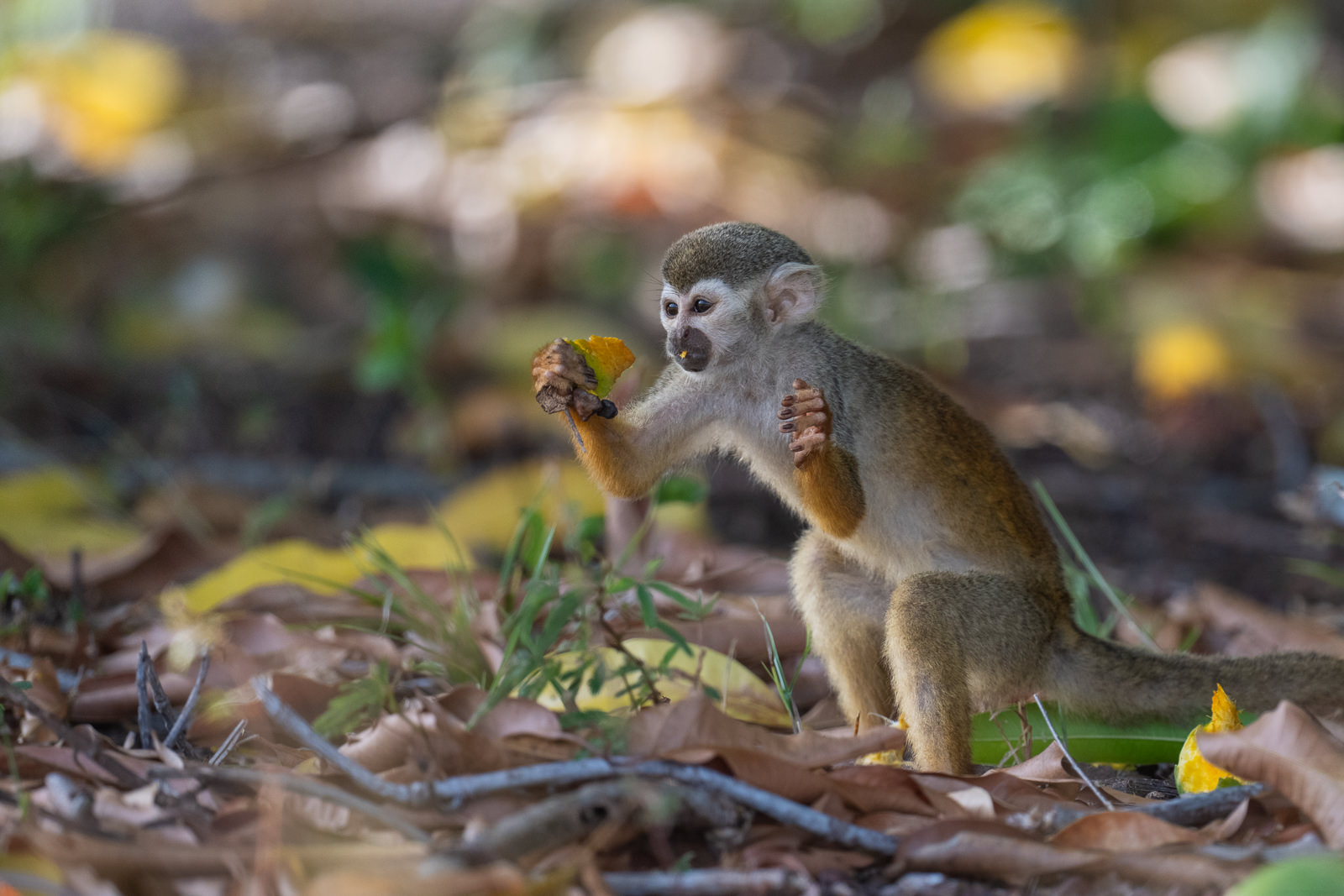 Guianan squirrel monkeys are highly social primates that spend much of their day searching for fruit, insects, and other small food items in the forest canopy — and in this case on the rainforest floor. Their excellent eyesight and agile movements allow them to quickly locate seasonal fruits like ripe mangoes, which provide a valuable source of energy. Nikon Z8 with Nikkor 500mm PF lens, ISO 1100, f/5.6 at 1/1250th of a second.