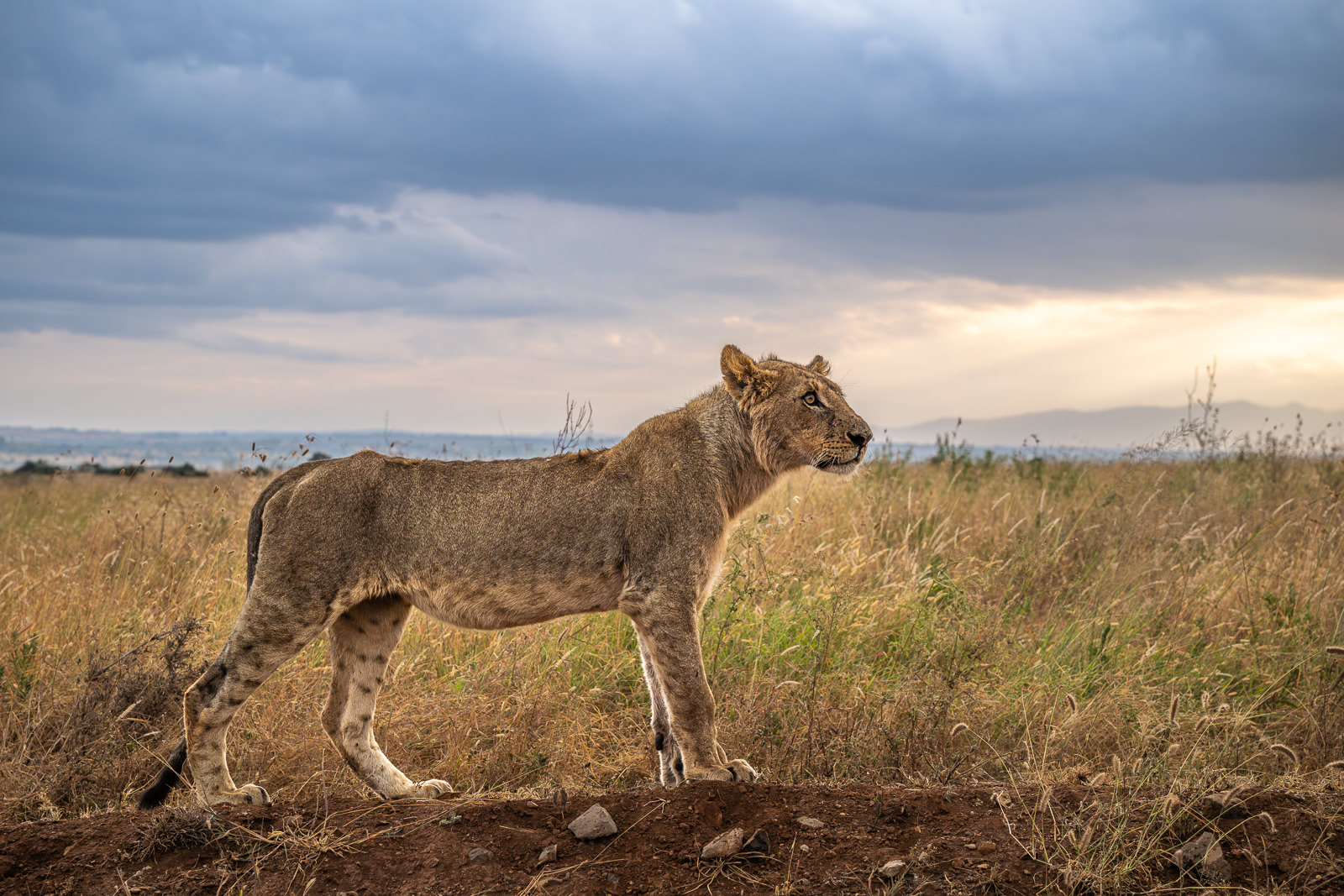
Sometimes it can be tricky to distinguish a young male lion from a female. This lion clearly had what looked like the beginning growth of a mane, but sure enough it turned out to be a female. Certain older subadult and dominant females can have slight scruff on the jawline. She was the first lion we saw on our June of 2023 trip — day one in Nairobi National Park. Nikon Z8 with Nikkor 24-70mm lens (at 70mm) ISO 560, f/5.6 at 1/500th of a second.
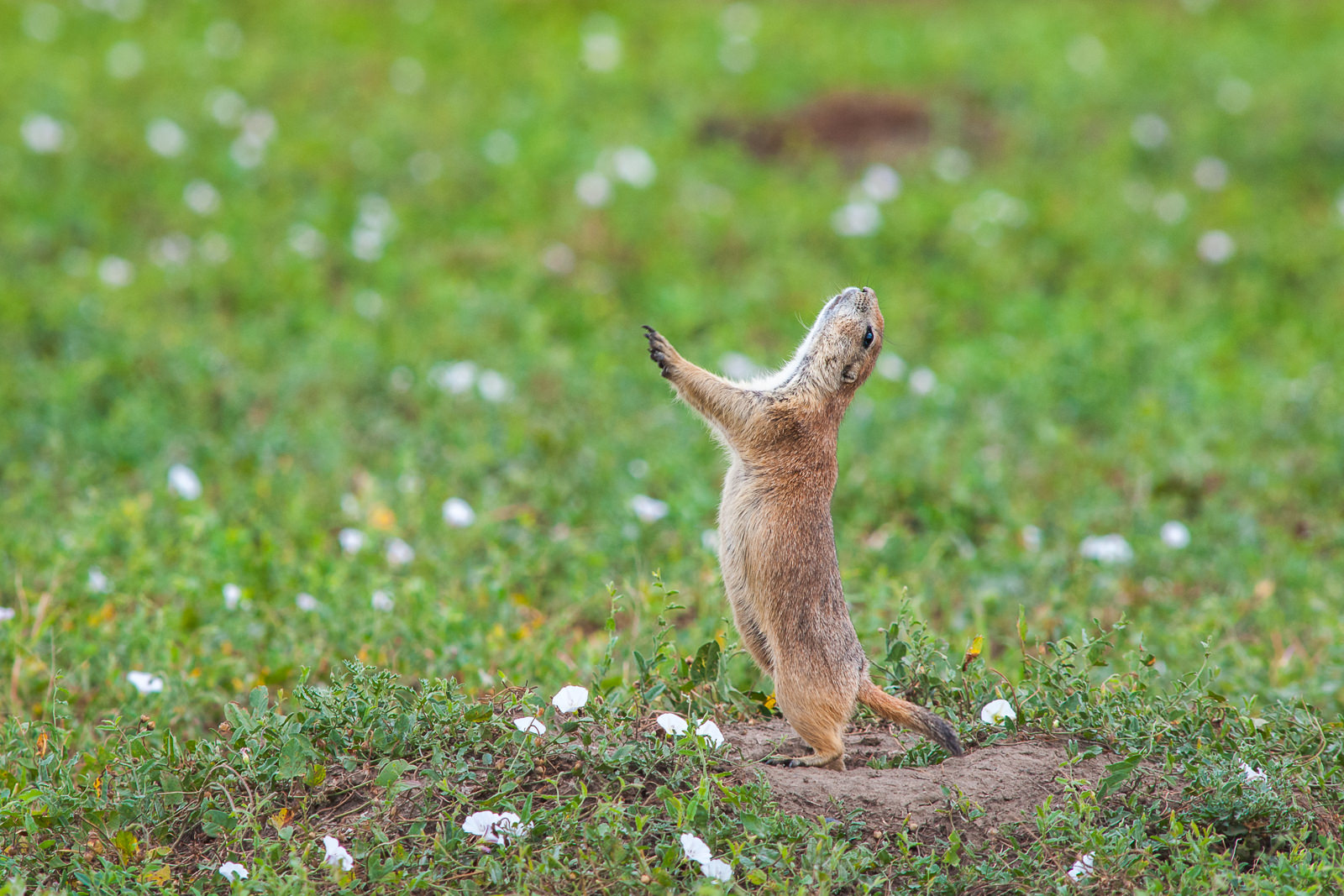
When a prairie dog stretches up and throws its arms wide like this, it’s often performing what’s called a “jump-yip” — a dramatic social behavior that can serve as both a territory call and a kind of group alert or check-in. The sudden, exaggerated pose is usually followed by a high-pitched bark, and if others respond, it can ripple through the colony like a wave. It’s a quirky but effective way for prairie dogs to maintain group cohesion and assess their surroundings in open grasslands. Photographed years ago in the Badlands of South Dakota. Nikon D700 with Nikkor 600mm manual focus lens, ISO 500, f/11 at 1/320th of a second.
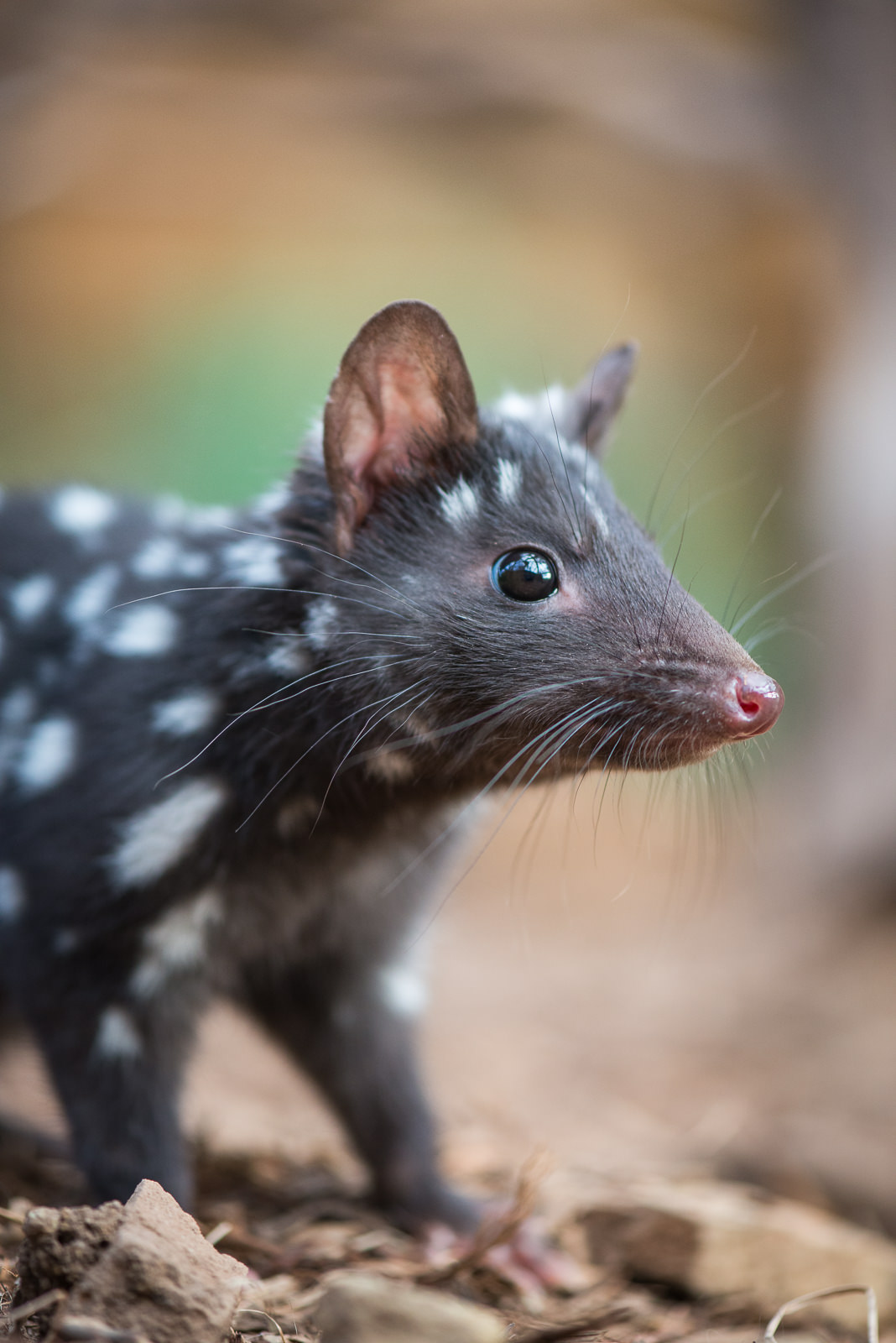
Interesting fact about the endangered eastern quoll — they glow under UV light, revealing hidden blue-green patterns. It’s thought that this is for communication or camouflage in nocturnal environments, but the exact purpose is still being researched. Quolls are night hunters, crucial to controlling pests like mice and insects, and they are known as risky scavengers, sometimes even stealing scraps from Tasmanian devils. Nikon D800 with Nikkor 105mm lens, ISO 160, f/3 at 1/320th of a second.
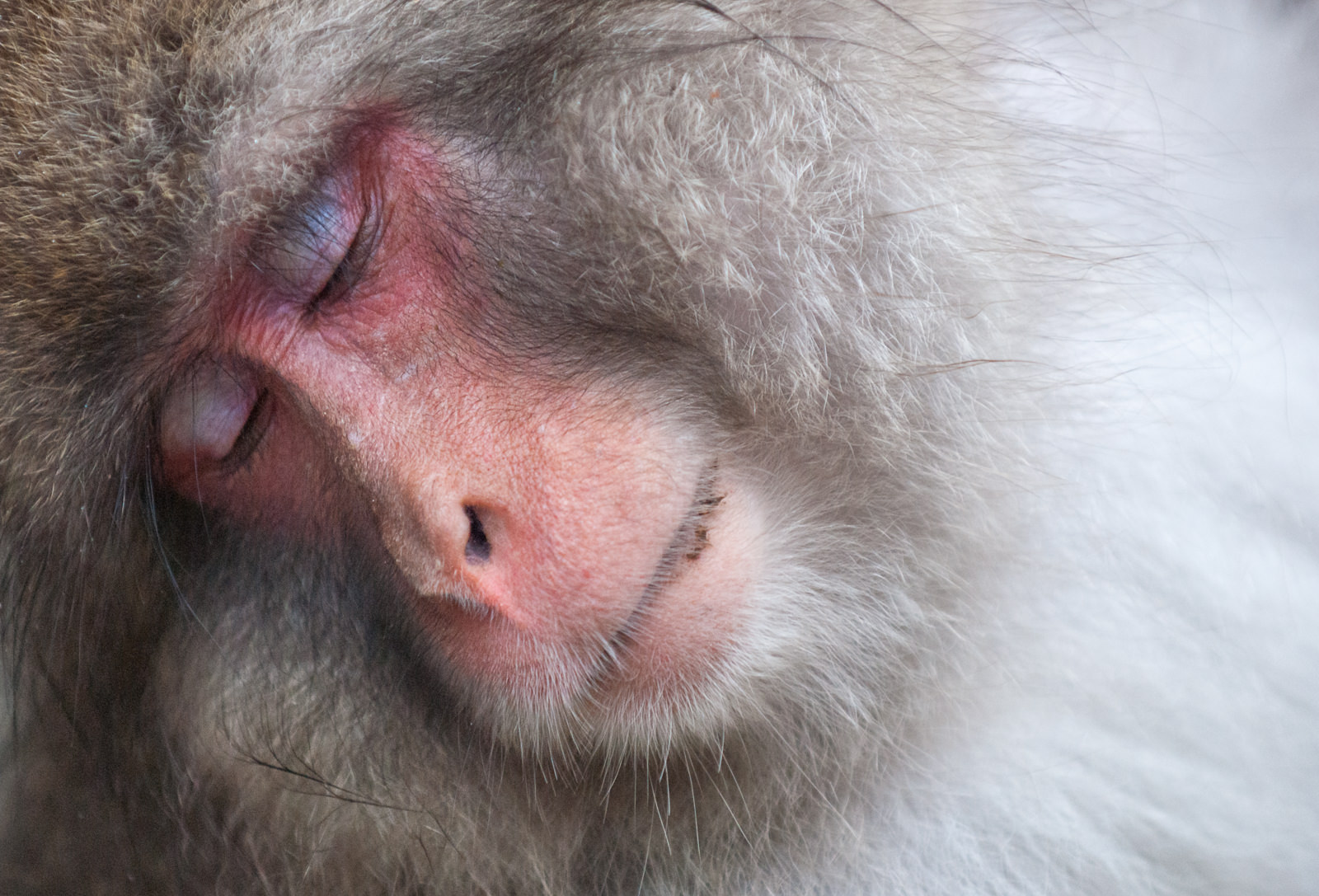
Japanese macaques, or snow monkeys as they are more commonly called, are the second most northerly living primates. Only humans live in colder climates. I photographed this one years ago when in Japan for a wedding. Nikon D200 with Nikkor 70-200mm lens (at 190mm) ISO 400, f/3.2 at 1/50th of a second.
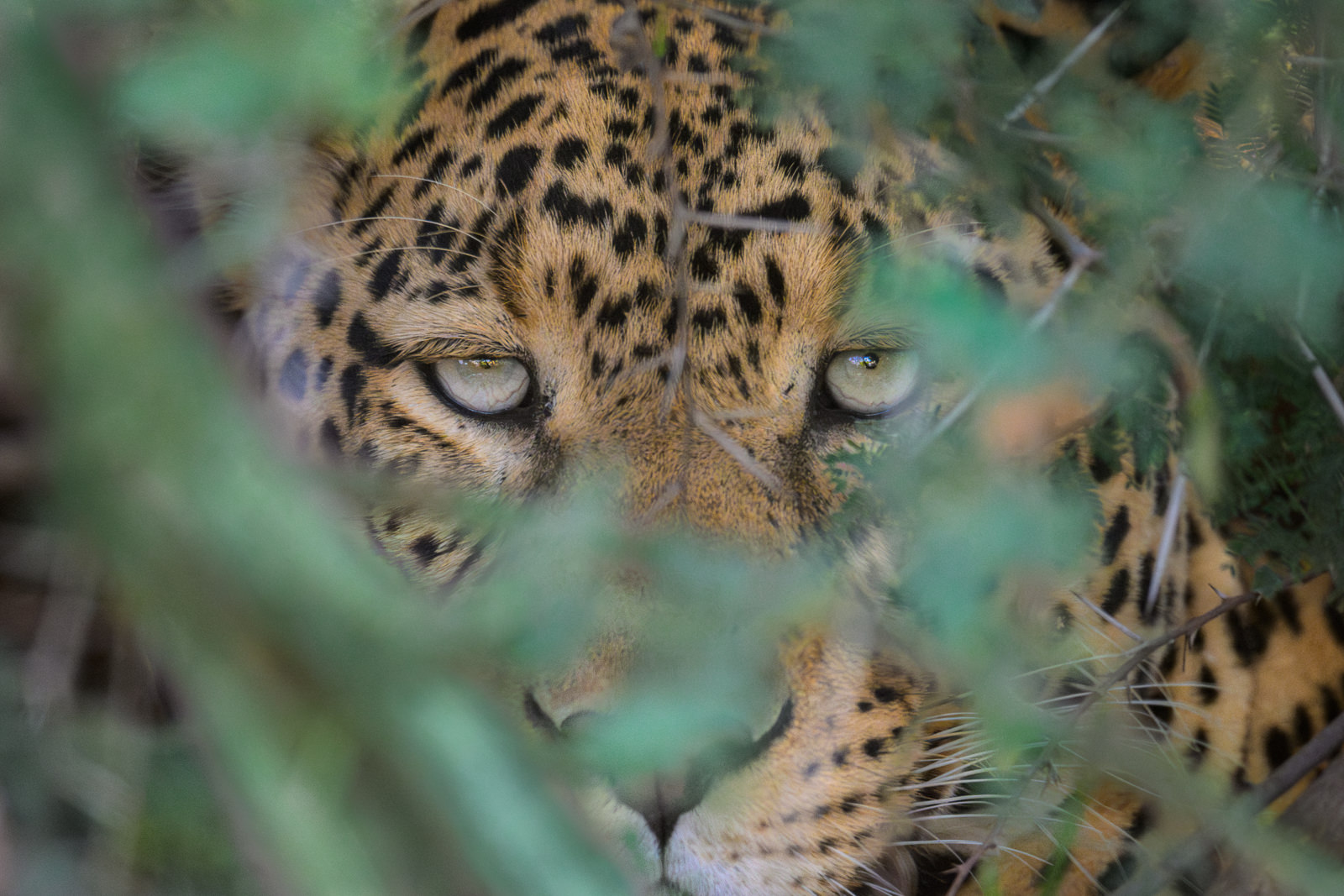
Always exciting to spot a leopard. On our trip in June, this was the first one we saw. It was deep in a bush, but very close. We thought it might be our only sighting, but later that afternoon we caught up with the same leopard when he was out hunting. And the next morning we saw three more. Nikon Z8 with Nikkor 500mm PF lens, ISO 7200, f/5.6 at 1/2000th of a second.
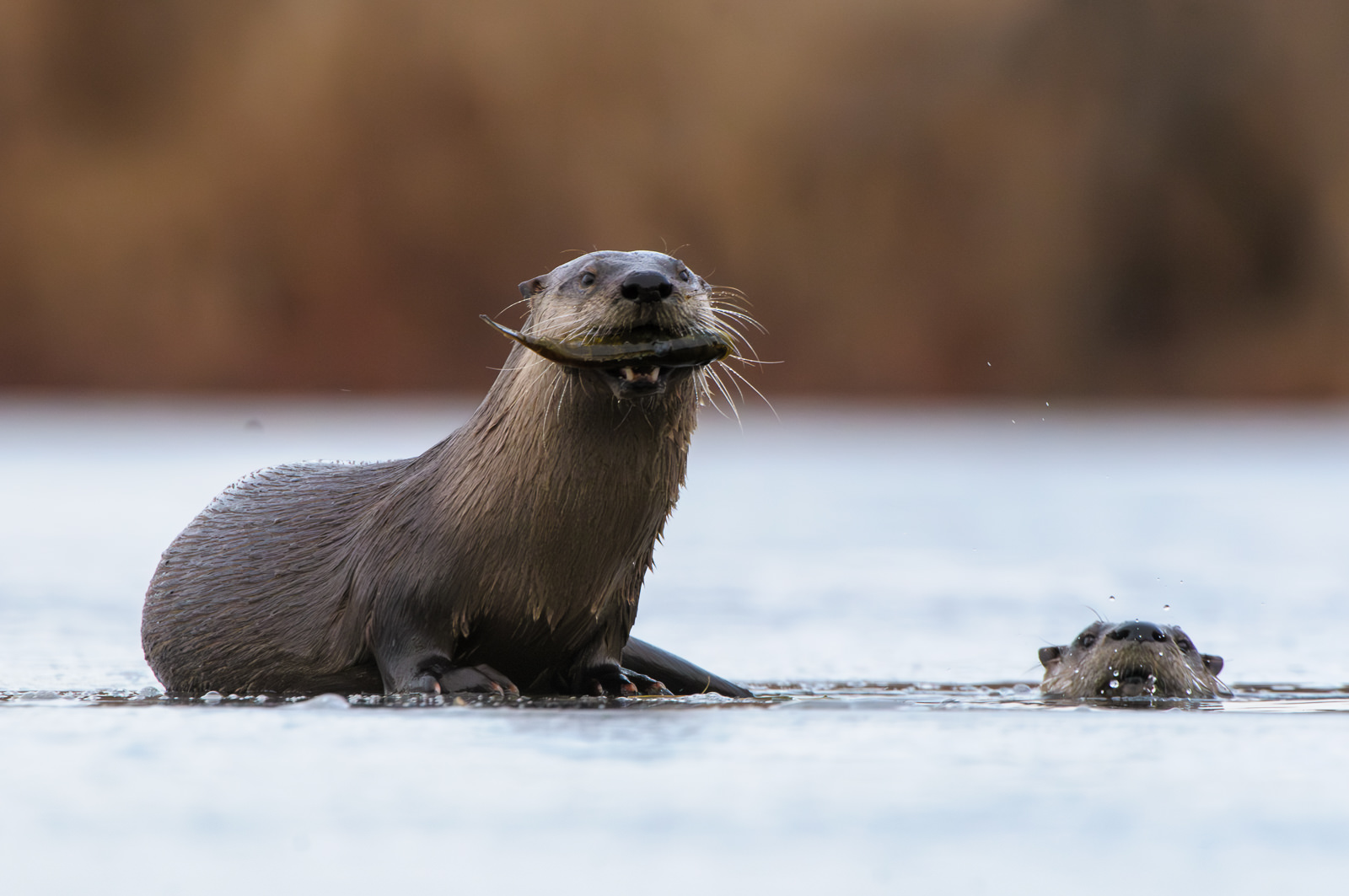
Once nearly wiped out in Indiana due to habitat loss and unregulated trapping, North American river otters were reintroduced to the state in the 1990s through a successful restoration program. Thanks to protected wetlands and careful management, their population has rebounded, and otters are now found in over 80 Indiana counties. These two were captured in the southern part of the state where they are a symbol of conservation success, thriving again in rivers and marshes where they hadn’t been seen for decades. Nikon D300 with Nikkor 200-400mm lens (with 1.4 teleconverter for 550mm) ISO 1600, f/8 at 1/500th of a second.
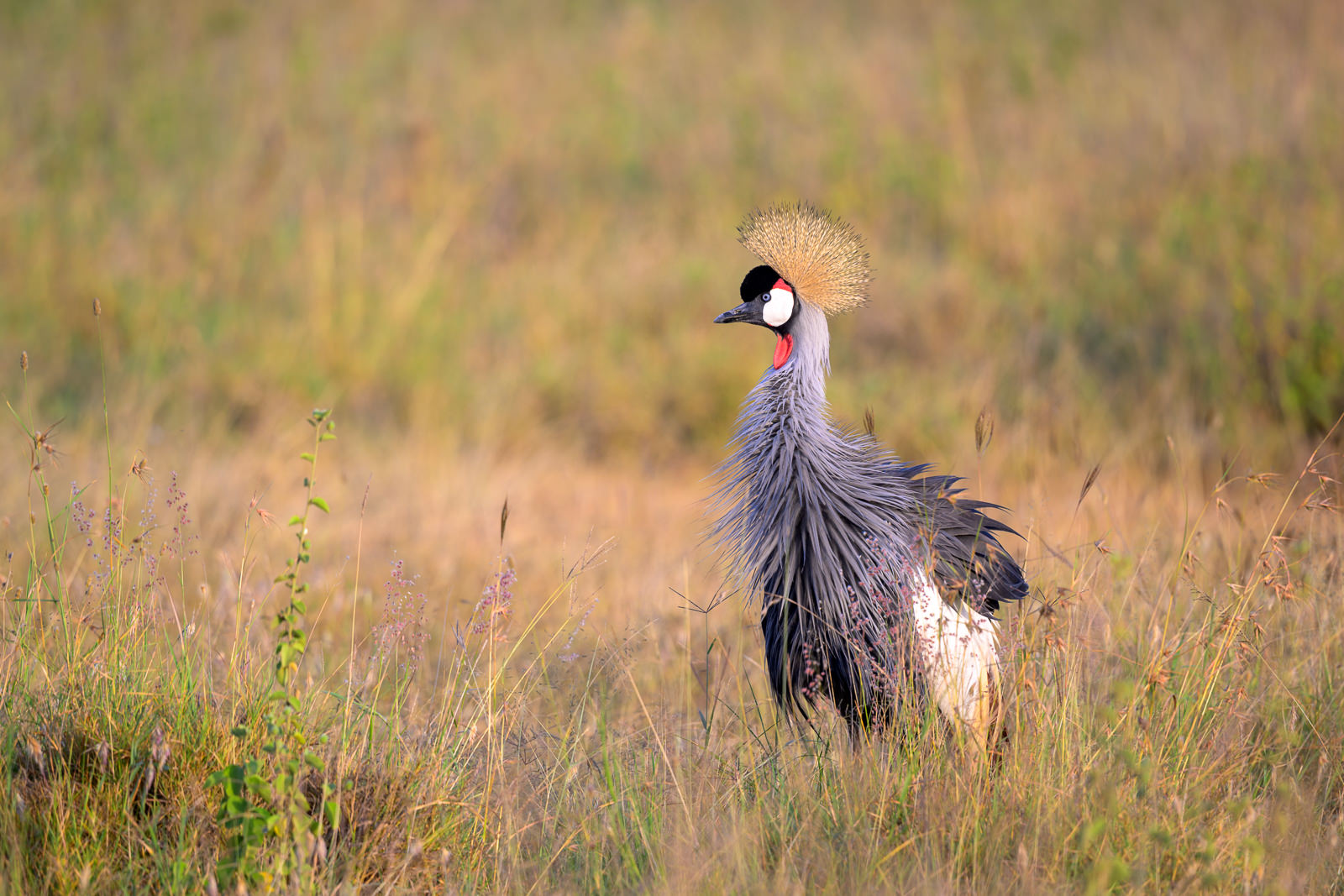
We always see a few grey crowned cranes on our trips to East Africa. It’s actually the national bird of Uganda and they are common throughout many areas of sub-Sahara Africa — usually around wetland habitat. This one was photographed on our first day of safari this past June in Kenya’s Nairobi National Park. Nikon Z8 with Nikkor 500mm PF lens, ISO 80, f/5.6 at 1/125th of a second.
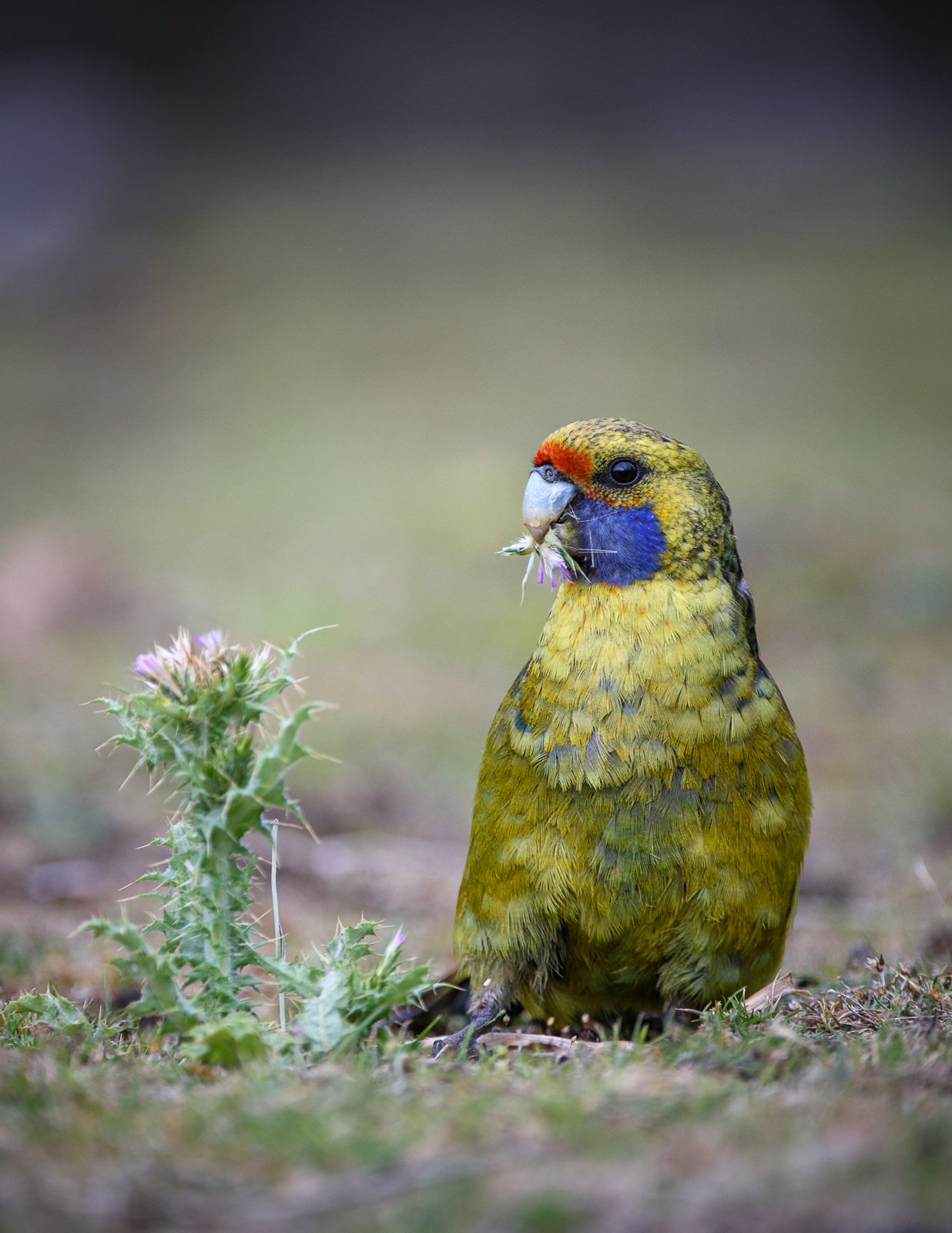
The green rosella is Tasmania’s largest parrot. It is often seen foraging on the ground for seeds, berries, and flowers, including the prickly blooms of thistles and other spiny plants. I photographed this guy on Maria Island, off the east coast of Tasmania. Nikon D810 with Nikkor 200-400mm lens (at 400mm) ISO 400, f/4 at 1/1600th of a second.
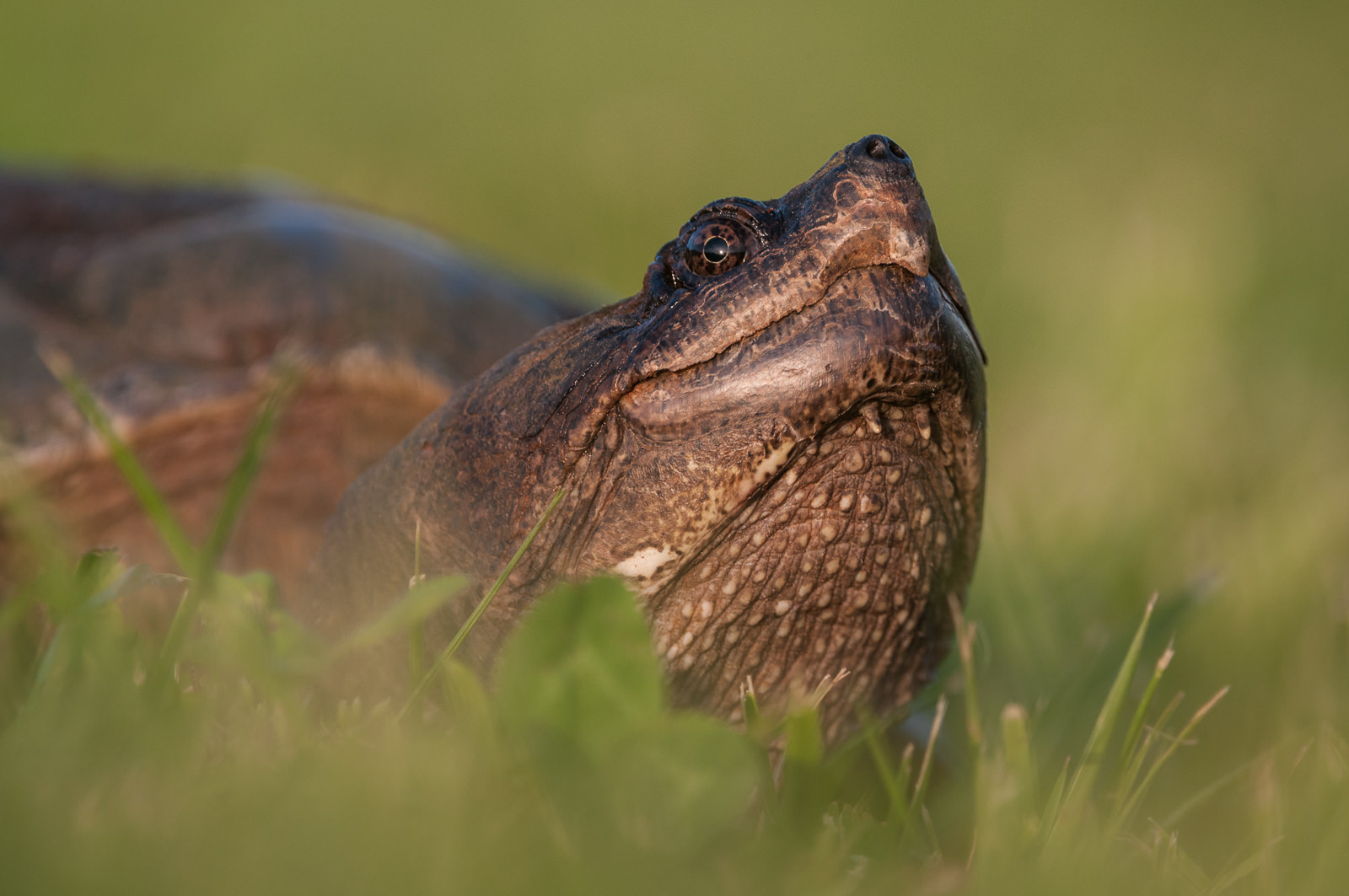
Common snapping turtles are a prehistoric-looking reptiles known for powerful jaws, a spiked tail, and a tough, ridged shell. They live in freshwater habitats across most of North America, and spend most of their time buried in mud or lurking just beneath the surface with only eyes and nostrils exposed. They can live for decades and they play an important role in their ecosystem by scavenging and keeping aquatic environments clean. I photographed this one in Bombay Hook National Wildlife Refuge in Delaware. Nikon D300 with Nikkor 200-400mm lens (at 400mm) ISO 400, f/5 at 1/500th of a second.
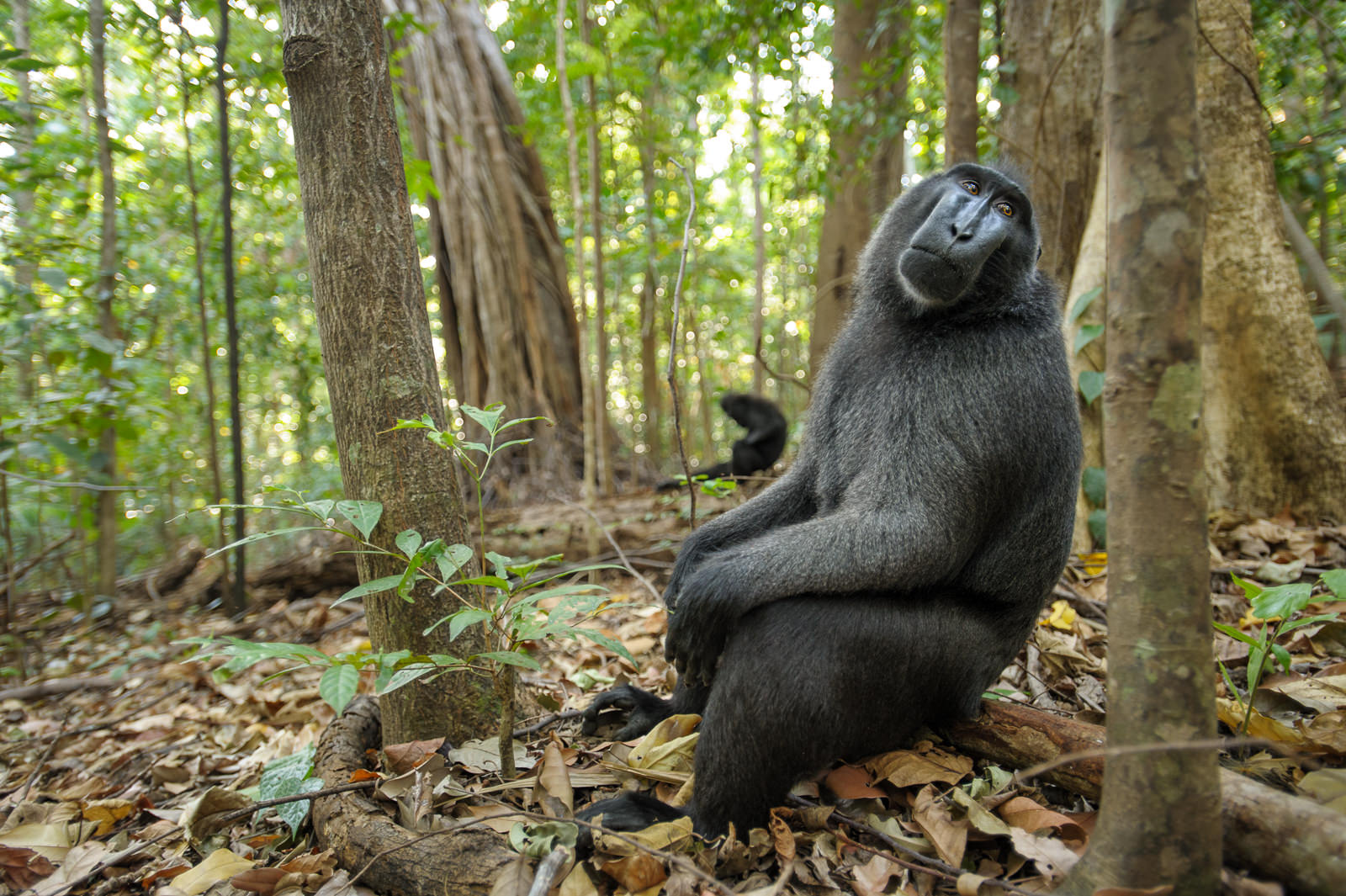
One of my favorite primate species of all time. It was called the black-crested macaque when I photographed it back in 2009. It’s now called the Celebes crested macaque. What hasn’t changed is its status of Critically Endangered. These rare primates live only in a small area of the Indonesian island of Sulawesi. This one had no issues with me getting a few wide angle portraits while taking a break in the forest of Tangkoko National Park. Nikon D700 with Nikkor 17-35mm lens (at 26mm) ISO 800, f/2.8 at 1/40th of a second.
We use cookies to enhance your experience while using our website. If you are using our Services via a browser you can restrict, block or remove cookies through your web browser settings. We also use content and scripts from third parties that may use tracking technologies. You can selectively provide your consent below to allow such third party embeds. For complete information about the cookies we use, data we collect and how we process them, please check our Privacy Policy