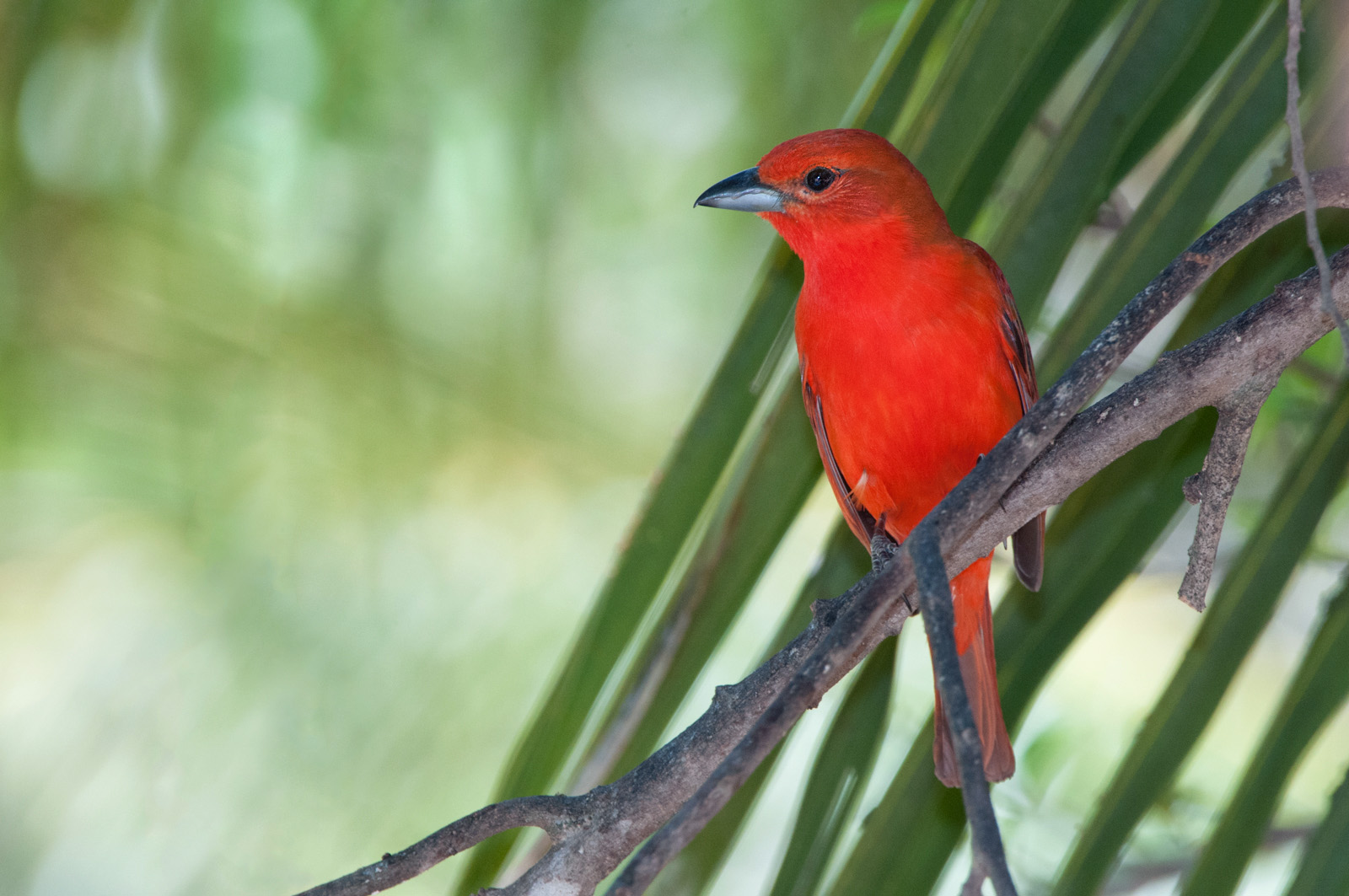
The hepatic tanager can be a very, very red bird. This one was hanging around the fruiting trees near the lodge I was staying at in the Hyacinth Valley of Brazil. Nikon D300 with Nikkor 200-400mm lens and 1.4 teleconverter (for 550mm) ISO 800, f/8 at 1//250th of a second, Nikon SB-900 flash
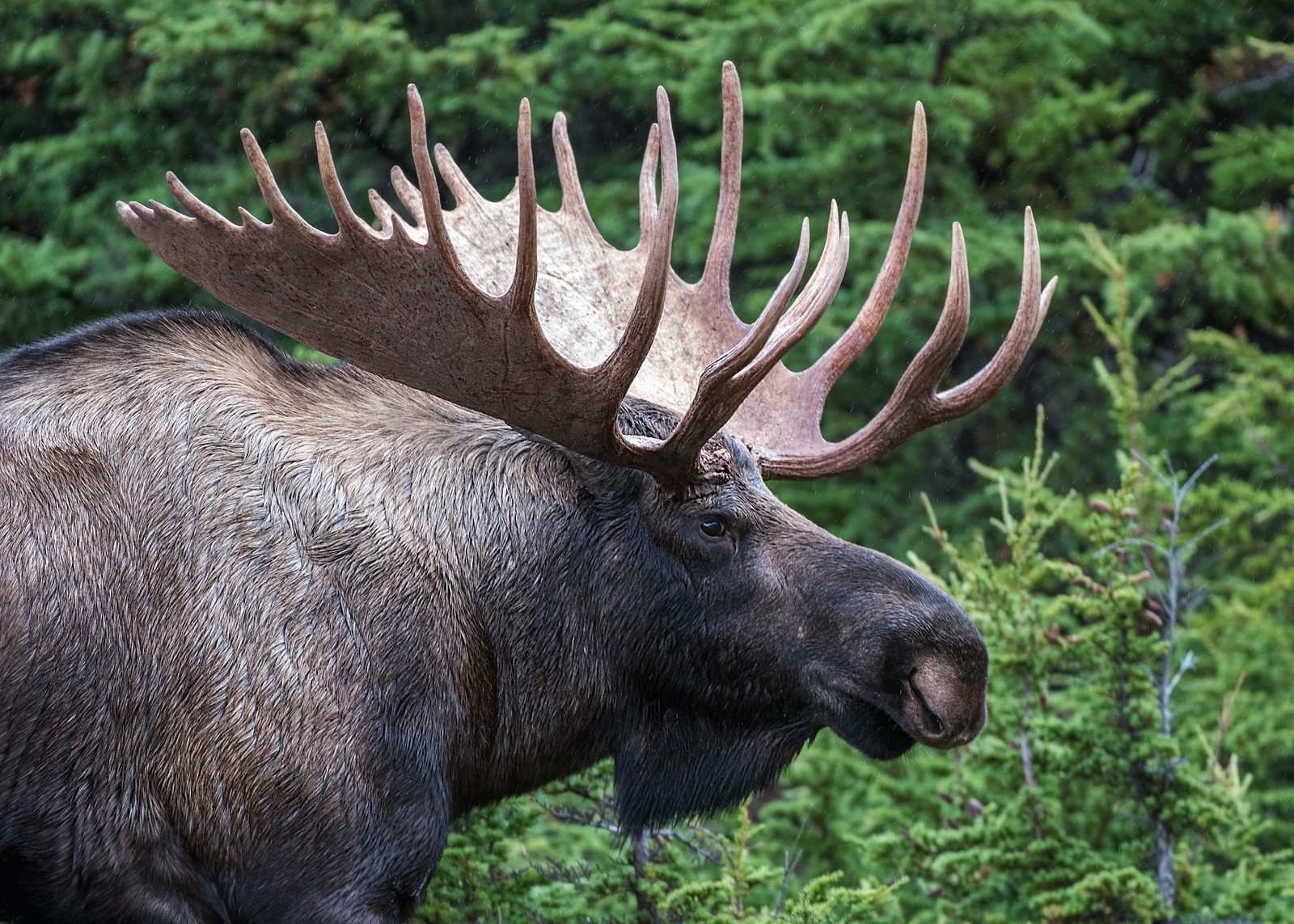
Just a simple head shot of a bull moose today. I saw three of these guys all competing for a single female during the rut last September in Alaska. Nikon D500 with Nikkor 200-400mm lens (at 330mm) ISO 800, f/4 at 1/250th of a second
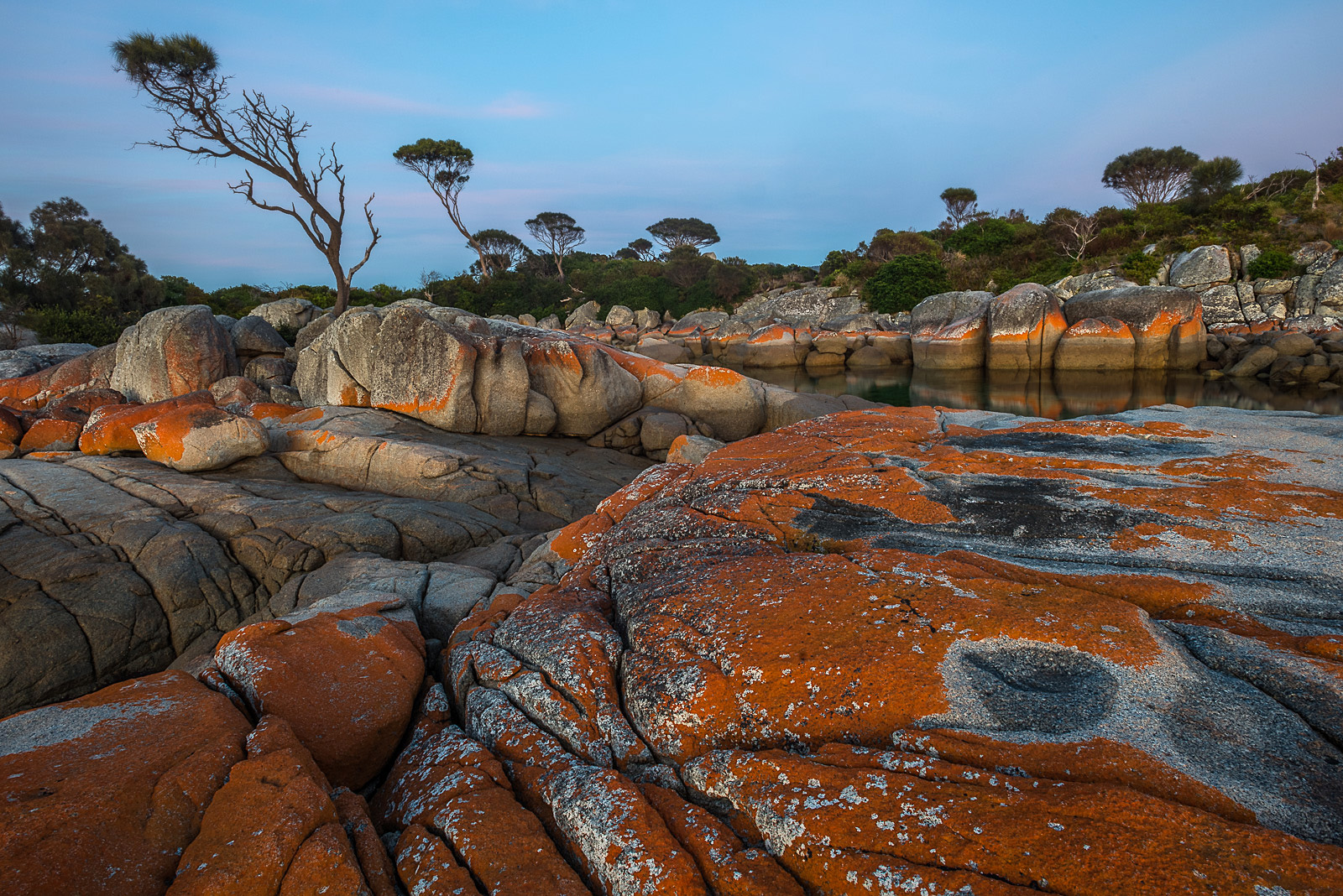
Here’s another look at Binalong Bay on the east coast of Tasmania. Orange lichen covers the rocks at the water line in this incredibly picturesque area known as the Bay of Fires, which stretches from Binalong Bay in the south to Eddystone Point in the north. Nikon D800 with Nikkor 17-35mm lens (at 17mm) ISO 200, f/18 at .3 seconds
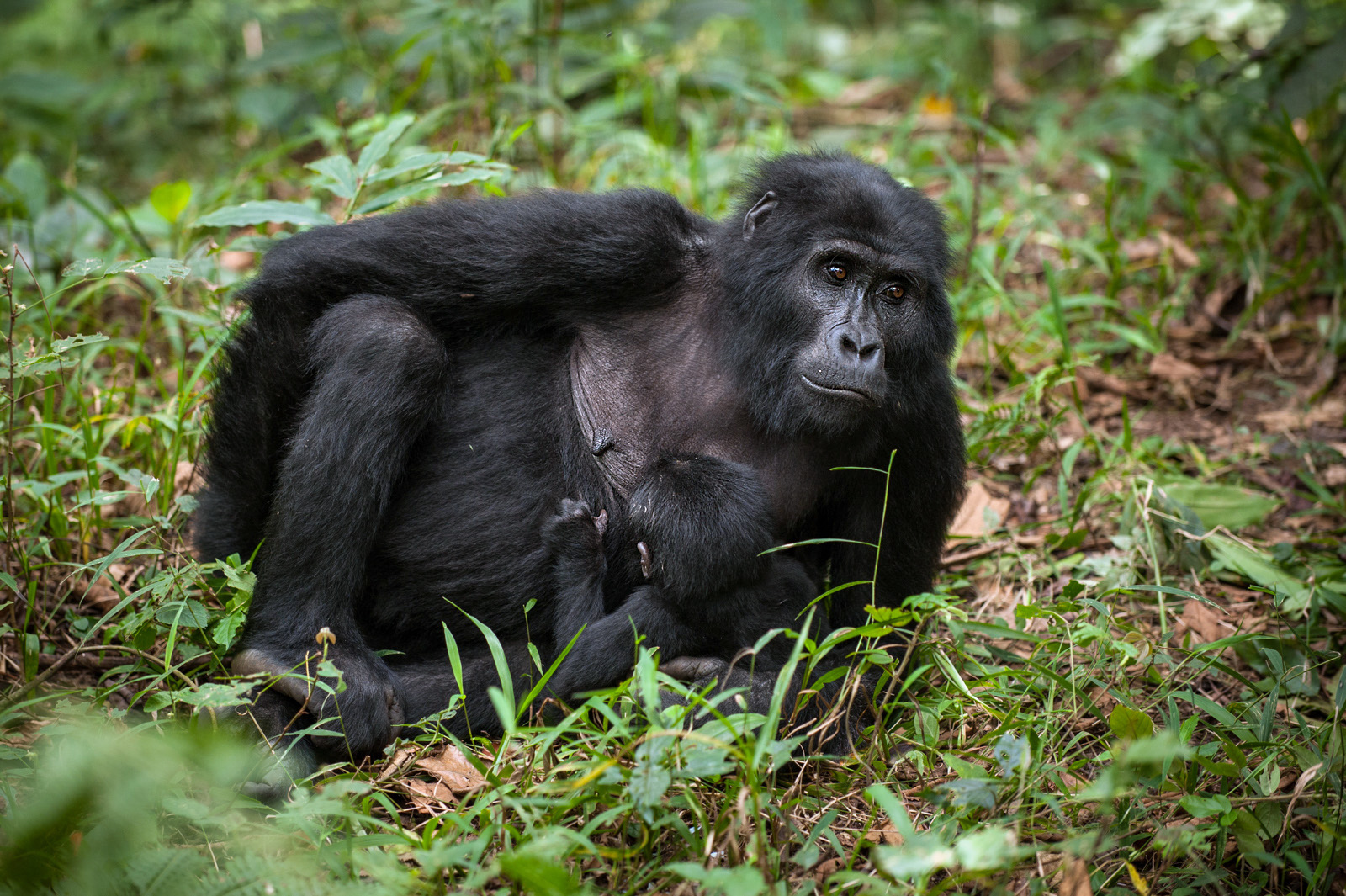
A few weeks ago I posted a male “silverback” mountain gorilla. Here’s a mother and her baby from that same troop, Bwindi Impenetrable Forest, Uganda. Nikon D700 with Nikkor 70-200mm lens (at 155mm) ISO 800, f/2.8 at 1/200th of a second
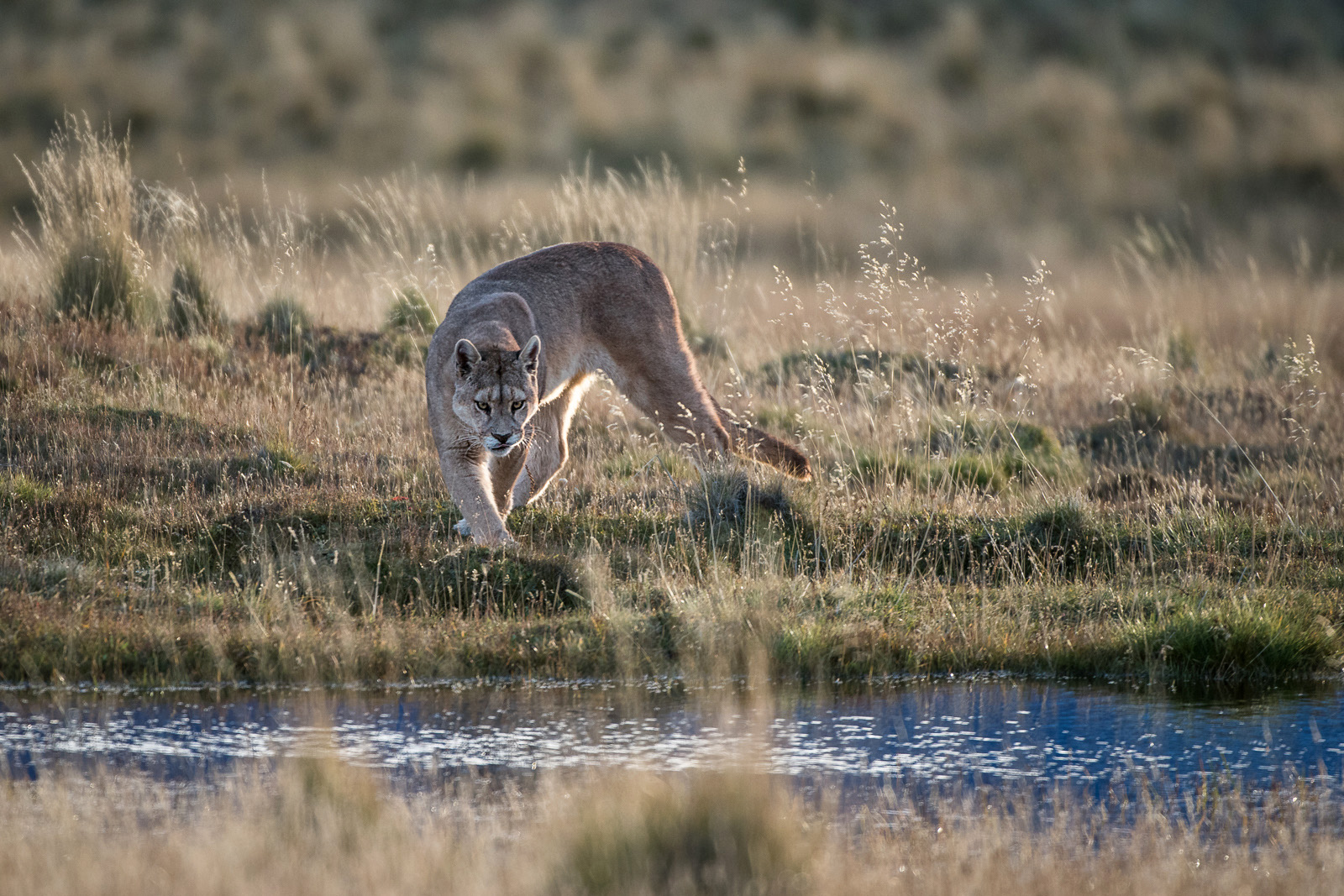
A puma makes her way to a watering hole for a quick drink before continuing on to a kill she had hidden in the grass. Torres Del Paine National Park in Chilean Patagonia. Nikon D500 with Nikkor 200-400mm lens (at 400mm) ISO 800, f/4 at 1/1000th of a second
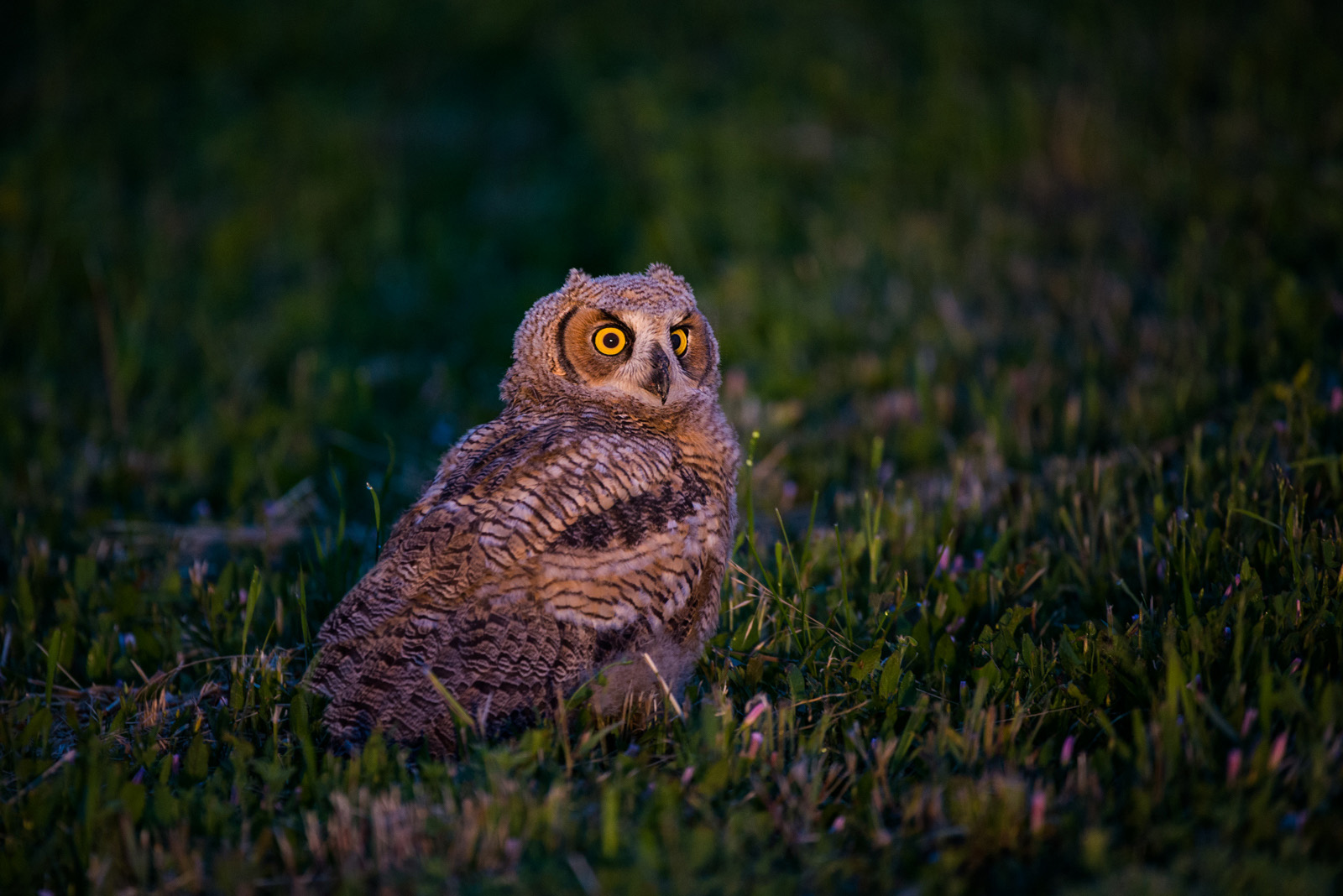
Sometimes you search forever and can’t find anything and then other times the wildlife lands right in front of you. That was the case with this young great-horned owl early one morning in Badlands National Park in South Dakota. I had pulled over to the side of the road at about 4:45 because I saw something moving in a tree. Suddenly this owl landed right in front of my car. I was able to capture a couple quick shots using just my headlights, along with a high ISO and low shutter speed. Nikon D800 with Nikkor 200-400mm lens (at 400mm) ISO 3200, f/4 at 1/30th of a second
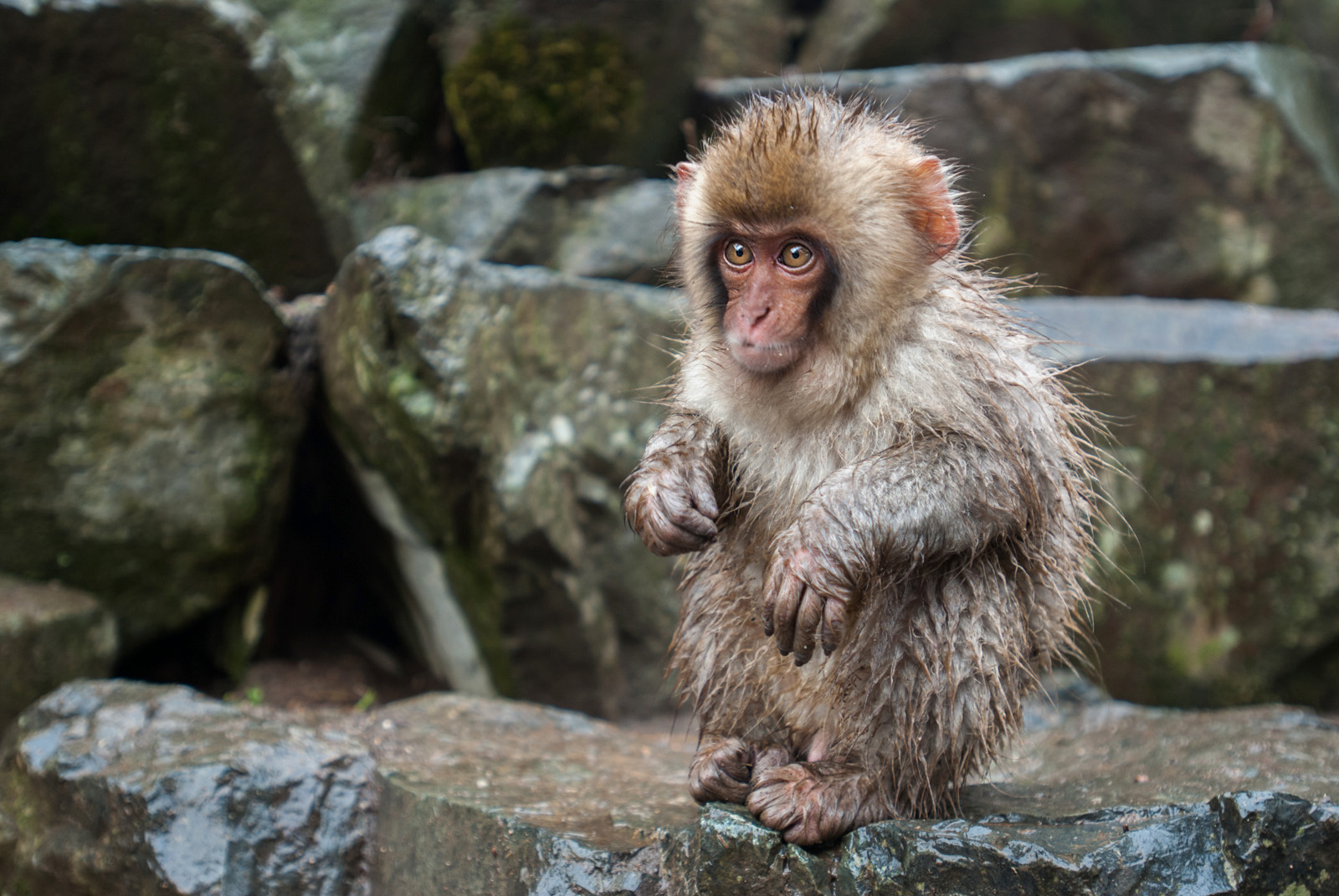
Sometimes the day simply calls for a baby snow monkey sitting on wet rocks after a good rain. Jigokudani Springs, near Nagano, Japan. Nikon D200 with Nikkor 17-35mm lens (at 35mm) ISO 200, f/3.2 at 1/40th of a second
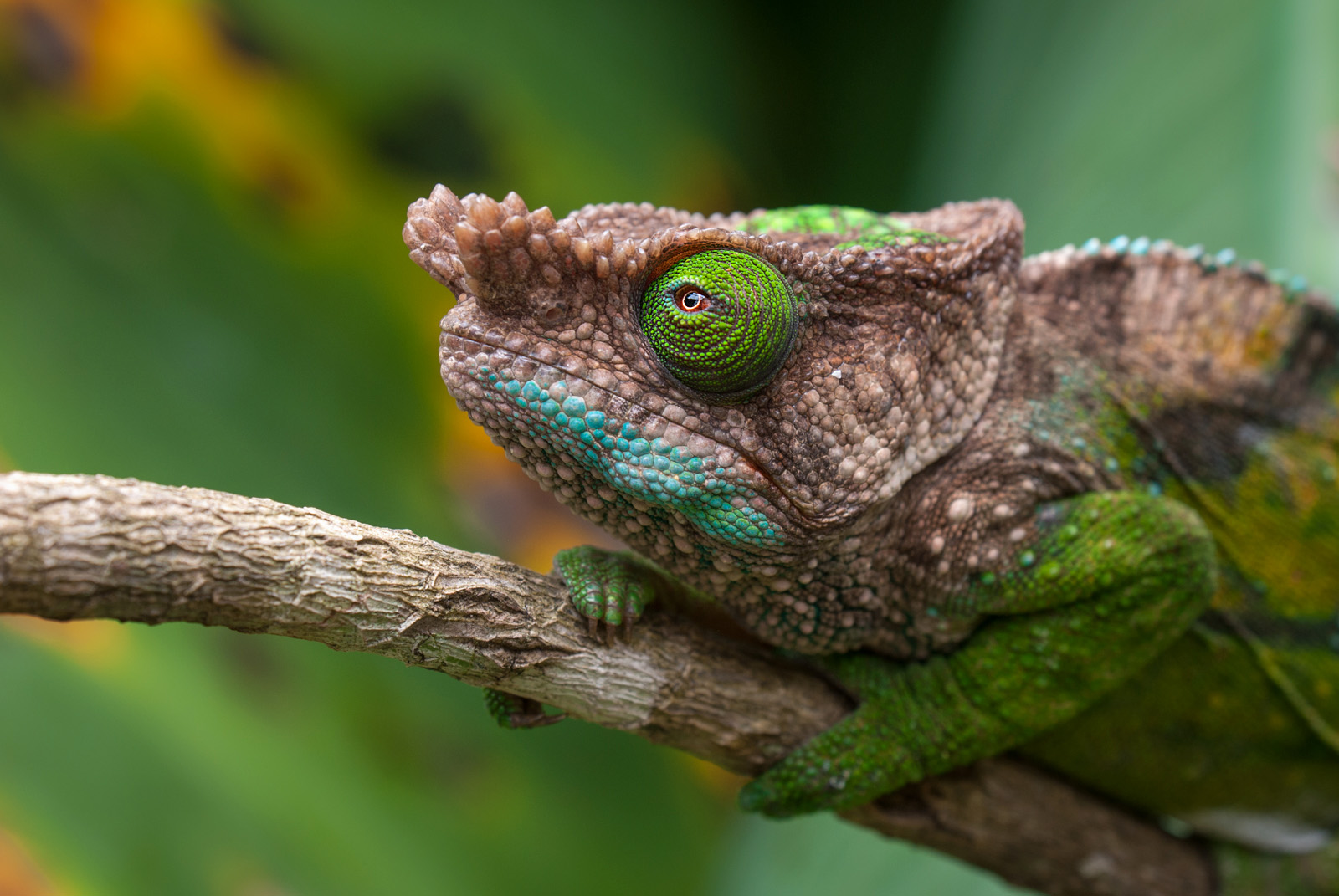
Been thinking a lot about Madagascar lately and how much I’d love to get back there before it hardly resembles what I saw back in 2007. Not only for the lemurs, but also the staggering variety of chameleons — nearly half of the world’s 150 or so species. This is a Parson’s chameleon, the largest in the world by weight. Photographed at Pereyras Nature Farm on the way to Andasibe-Mantadia National Park. Nikon D200 with Nikkor 80-200mm lens (at 80mm with Canon 500 close up filter) ISO 100, f/5.6 at 1/10th of as second
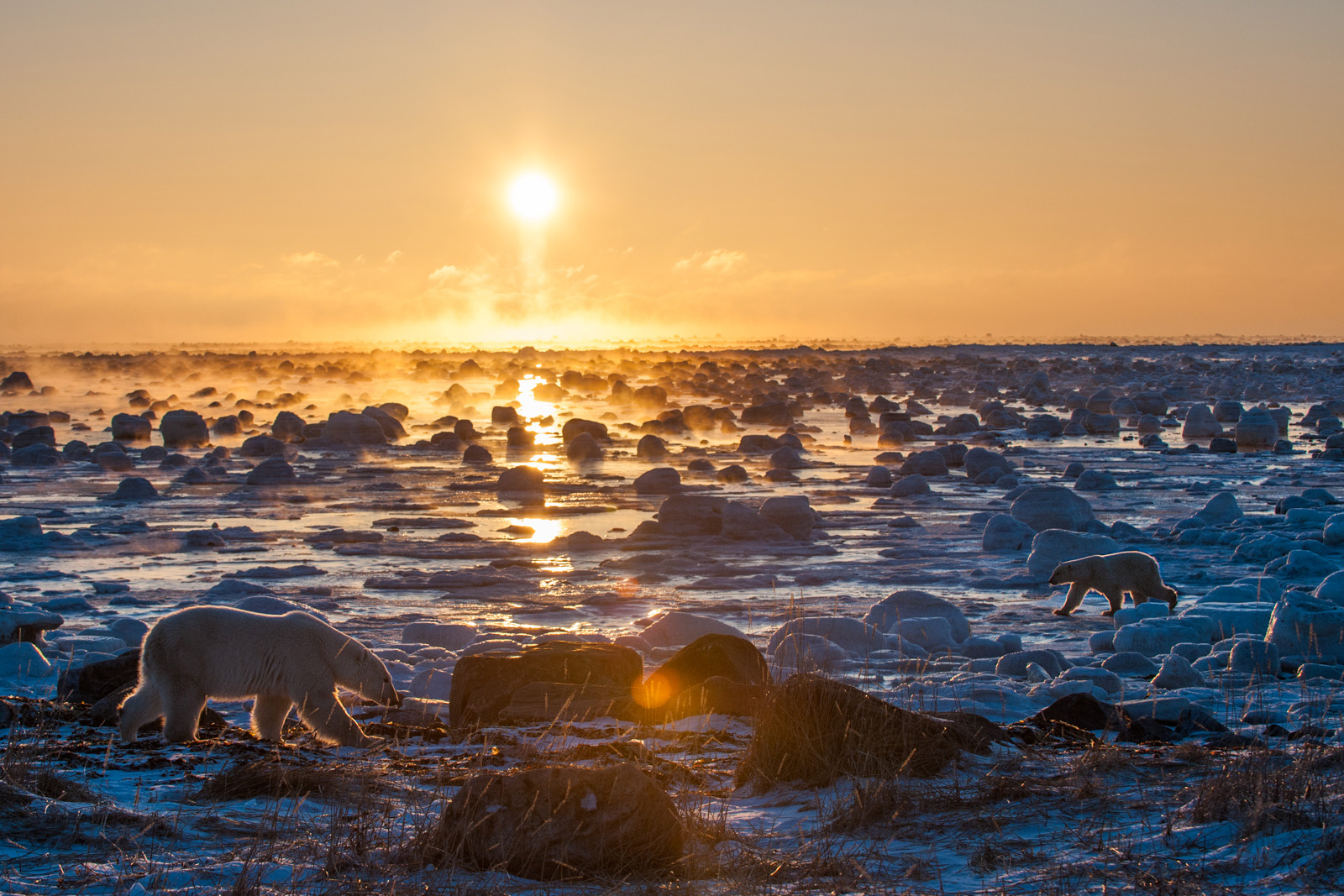
A couple of polar bears crossing paths early in the morning at Seal River in northern Alberta, Canada. The bears congregate on the shoreline in October, passing the time however they can while waiting for Hudson Bay to freeze over so that they can go out and hunt for seals. It might look warm, but the wind chill was -27 degrees Fahrenheit that day. Nikon D700 with Nikkor 70-200mm lens (at 78mm) ISO 400, f/8 at 1/2000th of a second
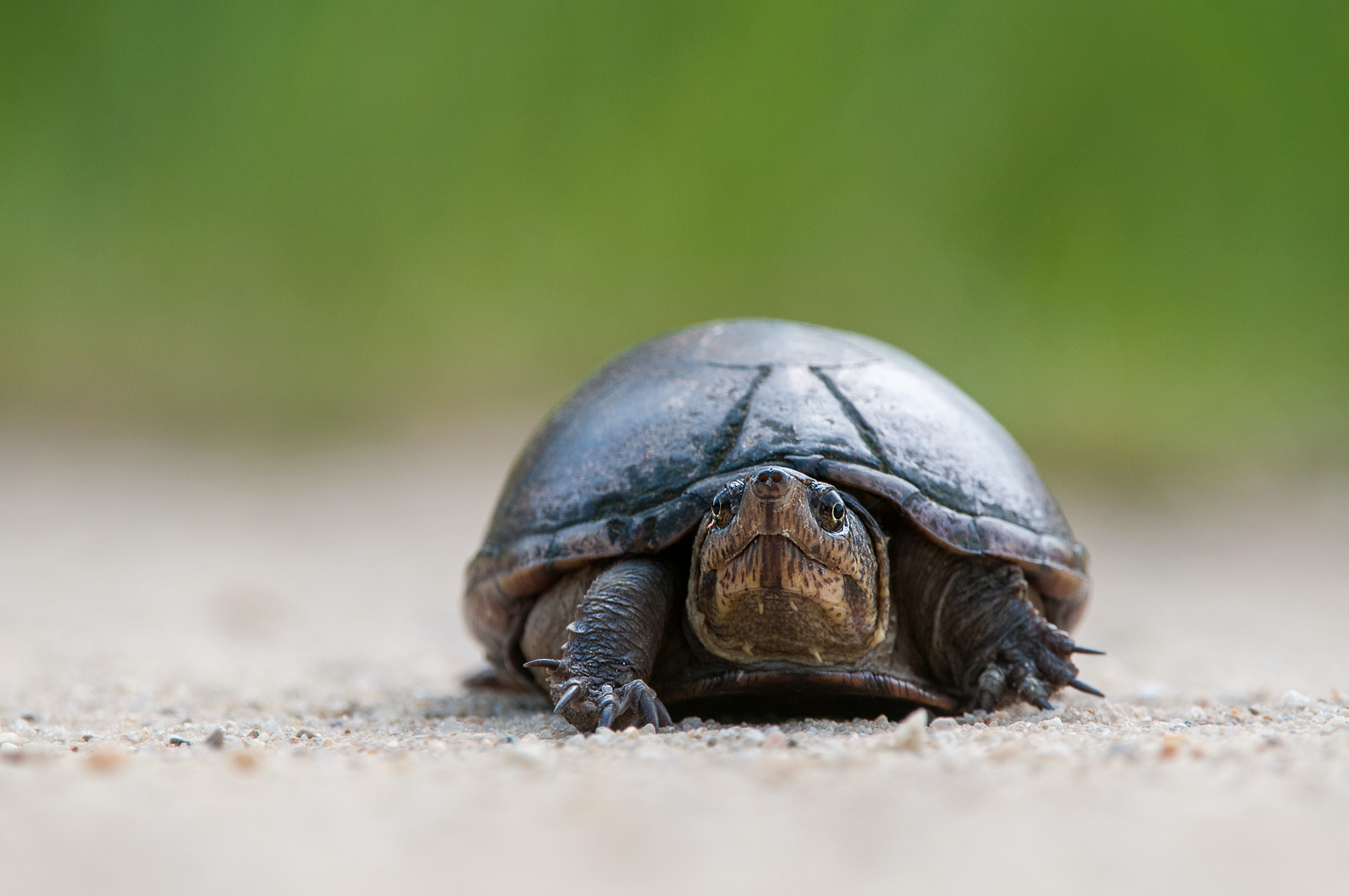
This is an eastern mud turtle that I photographed on a trip to Bombay Hook National Wildlife Refuge in Delaware a few years back. For small creatures like this, I always like to get the camera on the ground if I can to really blur out the foreground and background and isolate the subject. Nikon D300 with Nikkor 200-400mm lens (at 400mm) ISO 200, f/5.6 at 1/320th of a second
We use cookies to enhance your experience while using our website. If you are using our Services via a browser you can restrict, block or remove cookies through your web browser settings. We also use content and scripts from third parties that may use tracking technologies. You can selectively provide your consent below to allow such third party embeds. For complete information about the cookies we use, data we collect and how we process them, please check our Privacy Policy