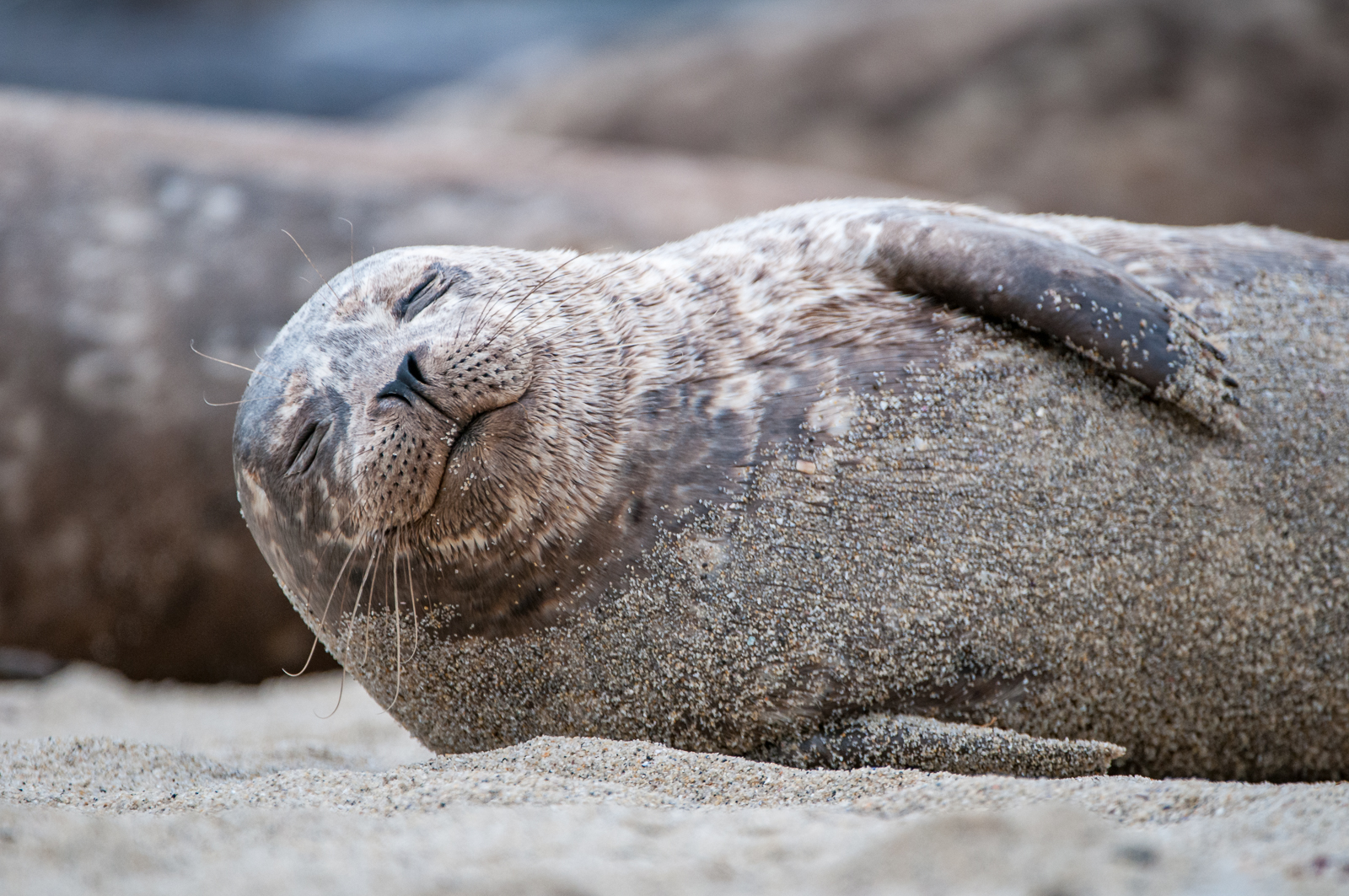
Children’s Pool Beach in La Jolla is one of the best places in California to observe harbor seals (Phoca vitulina) up close in the wild. Originally built as a protected swimming area for children, the beach has become a favorite haul-out and pupping site. Visitors can often see seals lounging on the sand or bobbing just offshore, especially during pupping season from mid-December through May. Nikon D300 with Nikkor 200-400mm lens (at 400mm) ISO 400, f/4 at 1/2500th of a second.
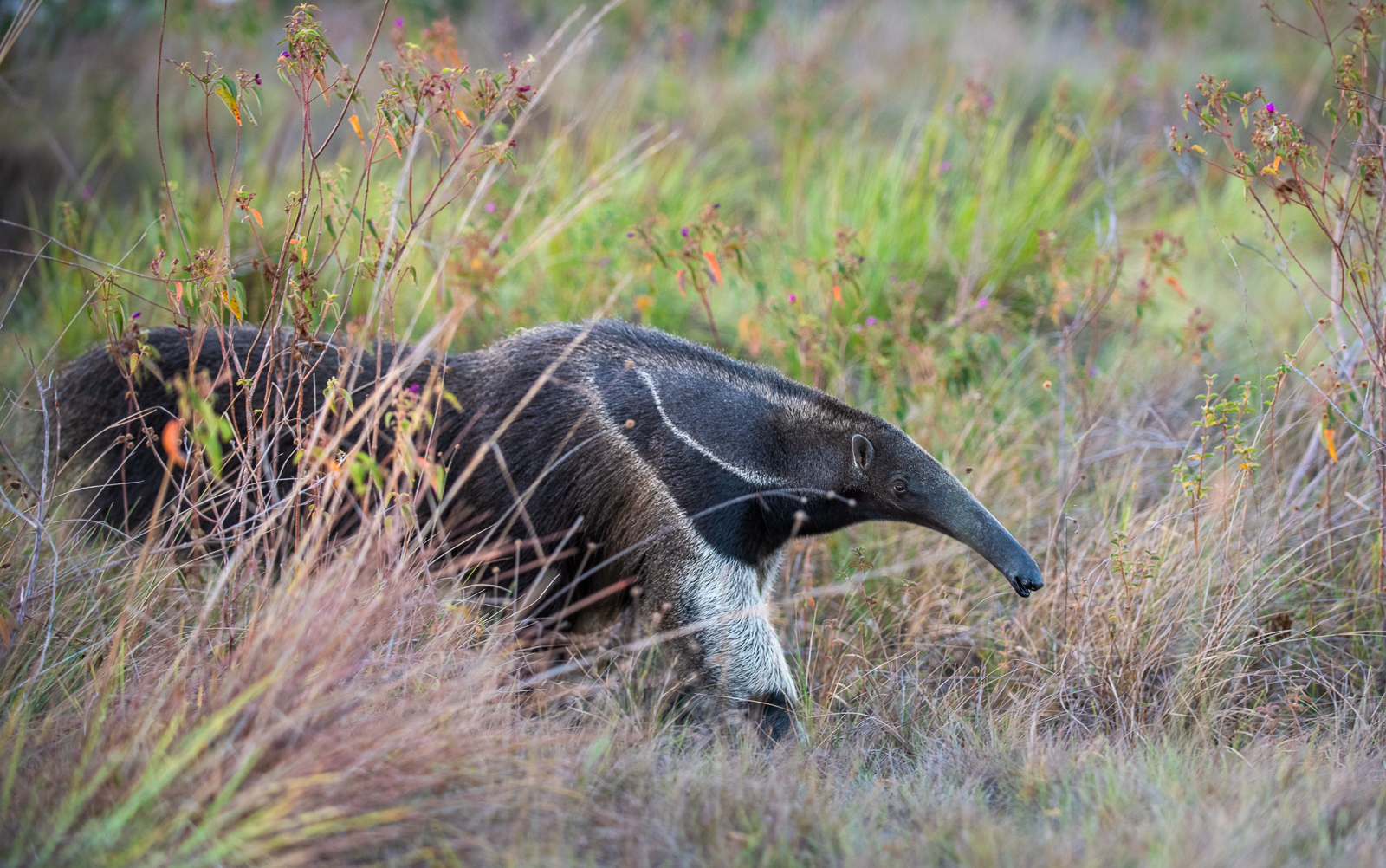
The giant anteater (Myrmecophaga tridactyla) is known for its long snout, bushy tail, and incredibly sticky tongue to slurp up those ants and termites. They are mostly solitary and rely heavily on a keen sense of smell, 40 times stronger than ours, to locate their prey. I photographed this solo anteater in Guyana last year. Nikon D850 with Nikkor 70-200mm lens (at 102mm) ISO 720, f/2.8 at 1/250th of a second.
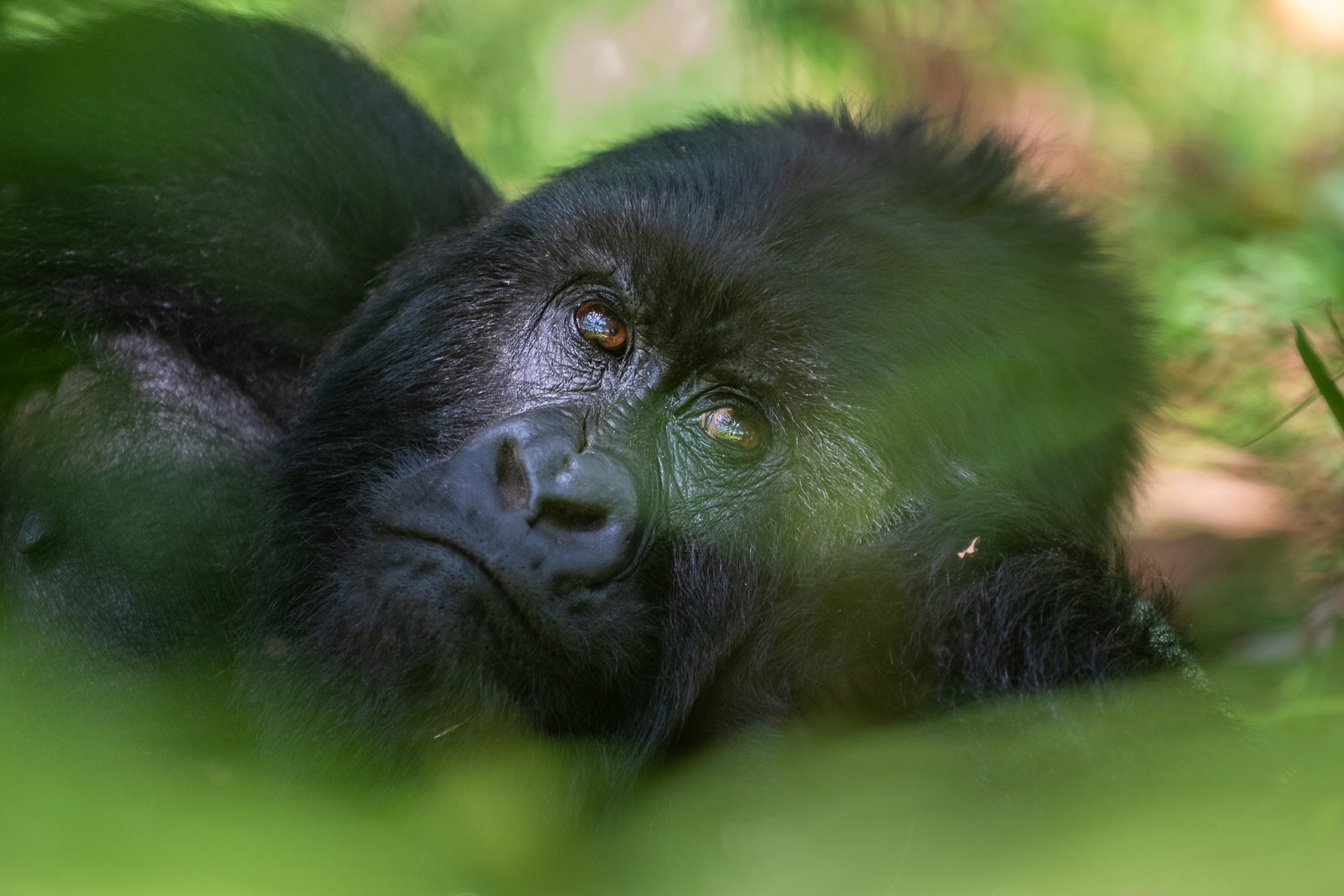
Looking forward to getting back to the Ugandan jungle to visit a mountain gorilla family. The last two times we’ve been there, we visited the Nyakagezi family in Mgahinga National Park. This time we’ll be in the much larger Bwindi National Park where they have more than just one family. There’s no telling which family we’ll be trekking, or how many individuals, silverbacks or babies we’ll see. Here’s hoping for a large, diverse group. And cooperative weather, as we only get one hour once we catch up with the family. Nikon Z8 with Nikkor 70-200mm lens (at 200mm) ISO 2000, f/2.8 at 1/320th of a second.
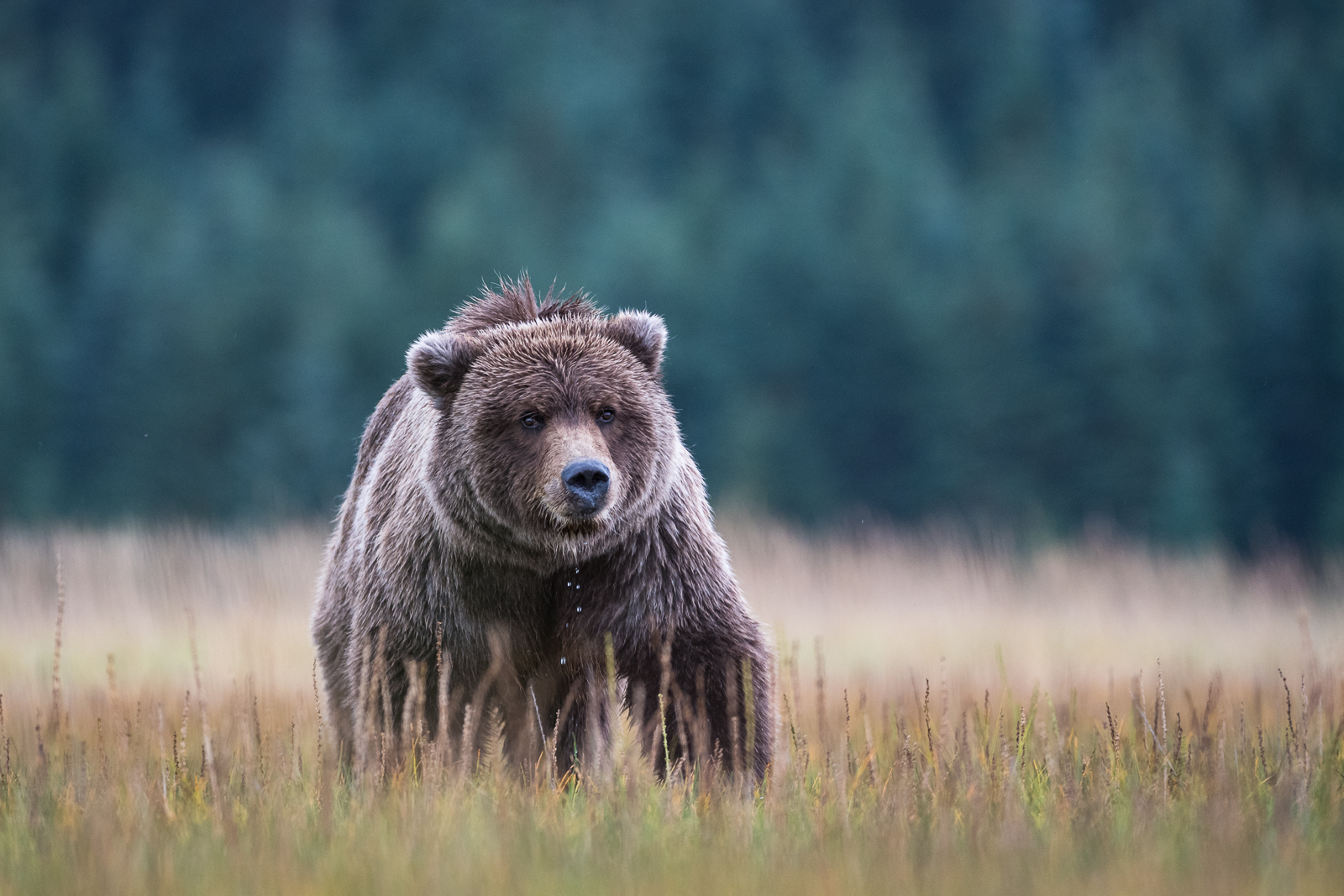
This coastal brown bear was grazing in the salt marshes of Lake Clark National Park in Alaska. Eventually she would get her fill of salad and head out to the beach with her cubs in search of salmon. Nikon D500 with Nikkor 200-400mm lens (at 340mm) ISO 800, f/4 at 1/320th of a second.
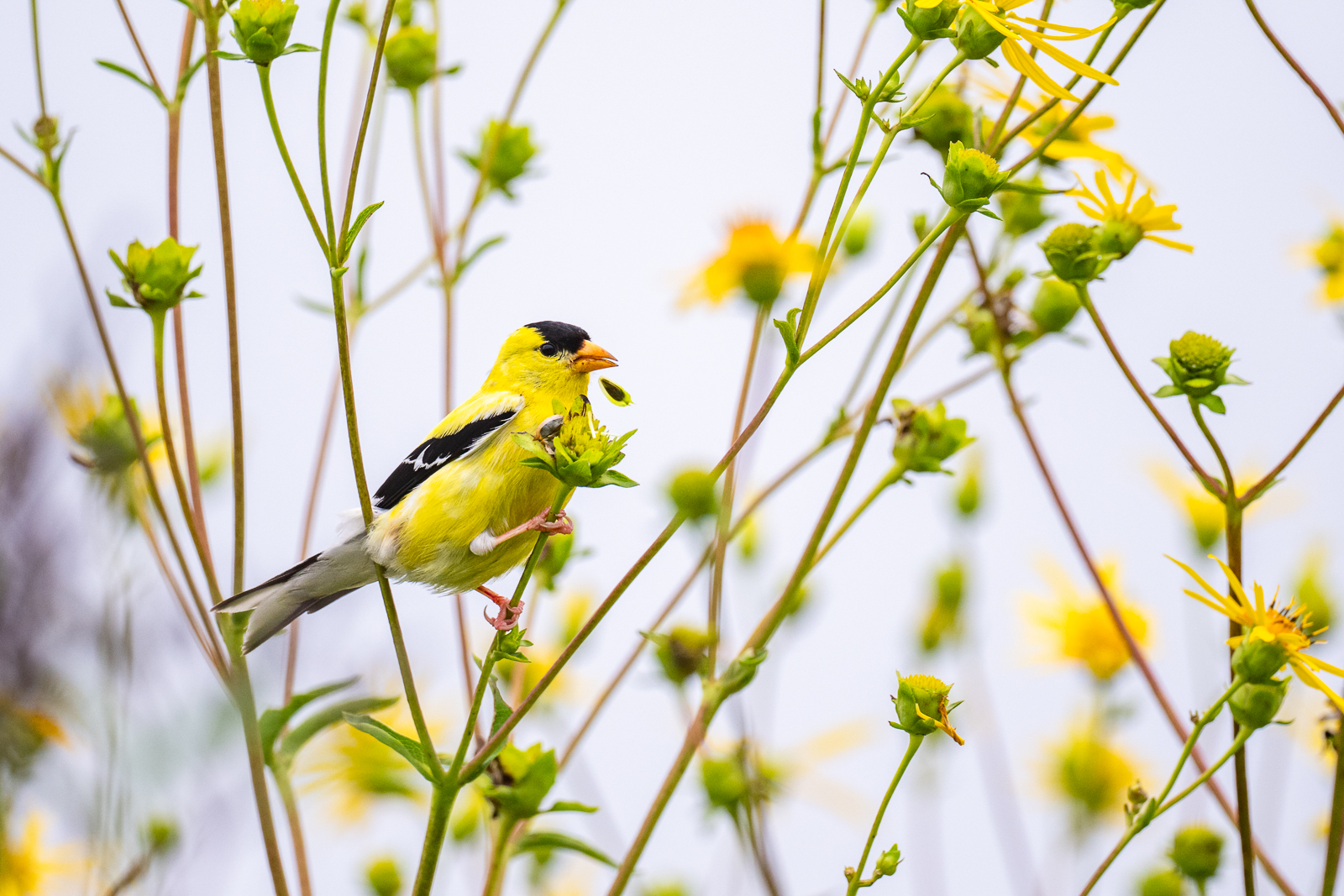
The American goldfinch (Spinus tristis) is especially bright and colorful in summer when males are wearing their breeding plumage. Unlike many birds, goldfinches breed later in the season, often waiting until mid to late summer so they can take advantage of the abundance of seeds from thistles and other wild plants. They’re strict vegetarians, feeding almost entirely on seeds, and even their chicks are raised on a plant-based diet. I photographed this goldfinch last summer in Rhode Island, going flower to flower eating, and in this case, spreading those seeds. Nikon Z8 with Nikkor 500mm PF lens, ISO 800, f/5.6 at 1/2000th of a second.
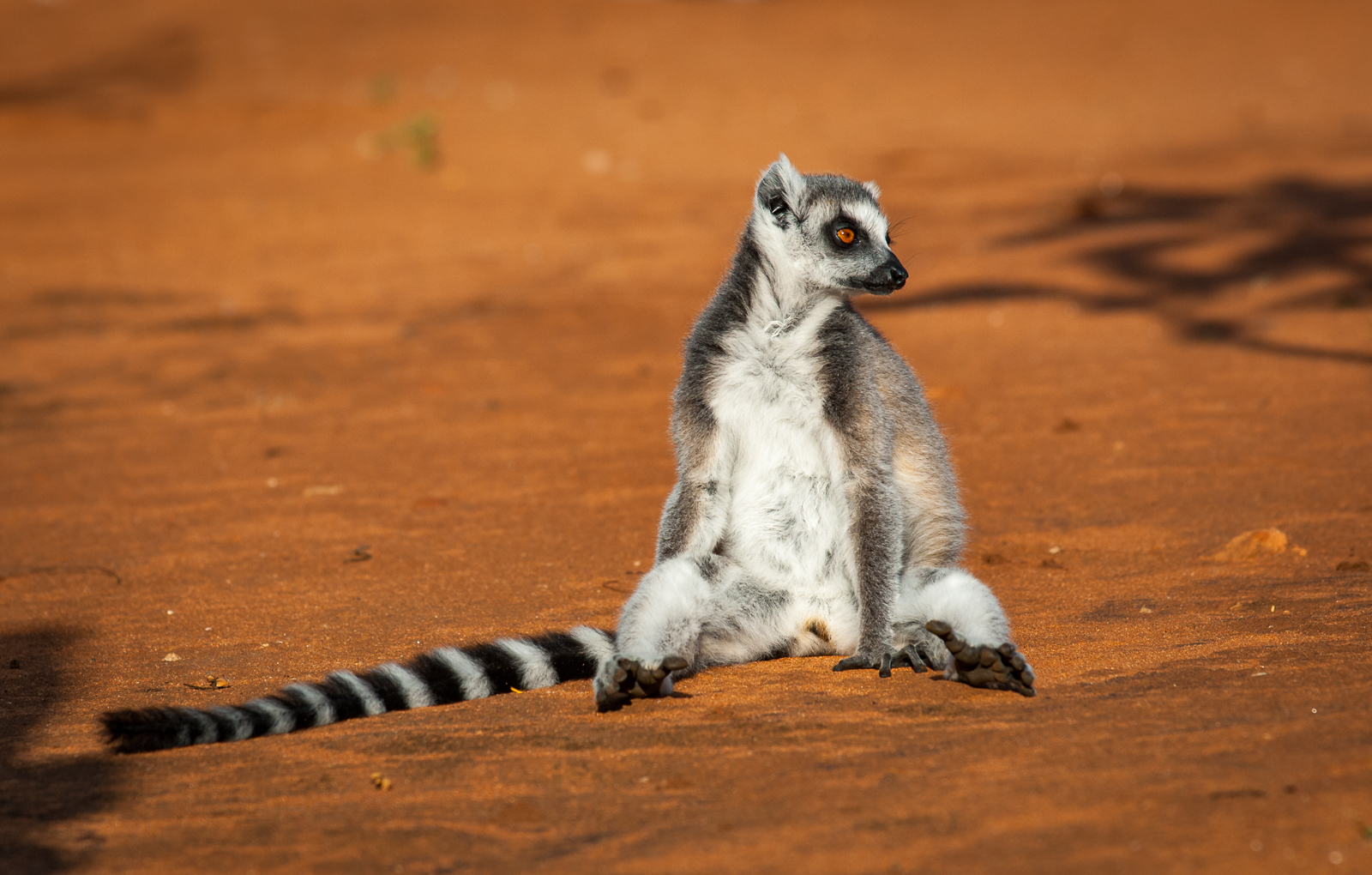
To me, Madagascar is the most exotic place on earth. I first visited in 2007 and am now in the process of planning a trip (or two) for 2027. On the agenda is a return to Berenty Private Reserve in the south where I photographed this ring-tailed lemur. If you’re interested in traveling with us, please reach out. We’d love to have an informational conversation about the possibilities. Nikon D200 with Nikkor 80-200mm lens (at 200mm) ISO 100, f/4.5 at 1/750th of a second.
Karen and I visited the excellent Playa Cativo Lodge in southern Costa Rica back in March. The lodge is fortuitously situated in the middle of Piedras Blancas National Park, on the Golfo Dulce, isolated from any other habitation via miles of rainforest. I put together a short(ish) video for the owner of the lodge highlighting all the great wildlife that can be seen around the property — six days of hiking, boating, swimming and even sitting on the front porch of our “casita” as the animals came to us. Creating similar video/photo packages for other eco/wildlife lodges is something I hope to do more of in the future and I’m currently working on a pricing structure that I’ll start marketing.
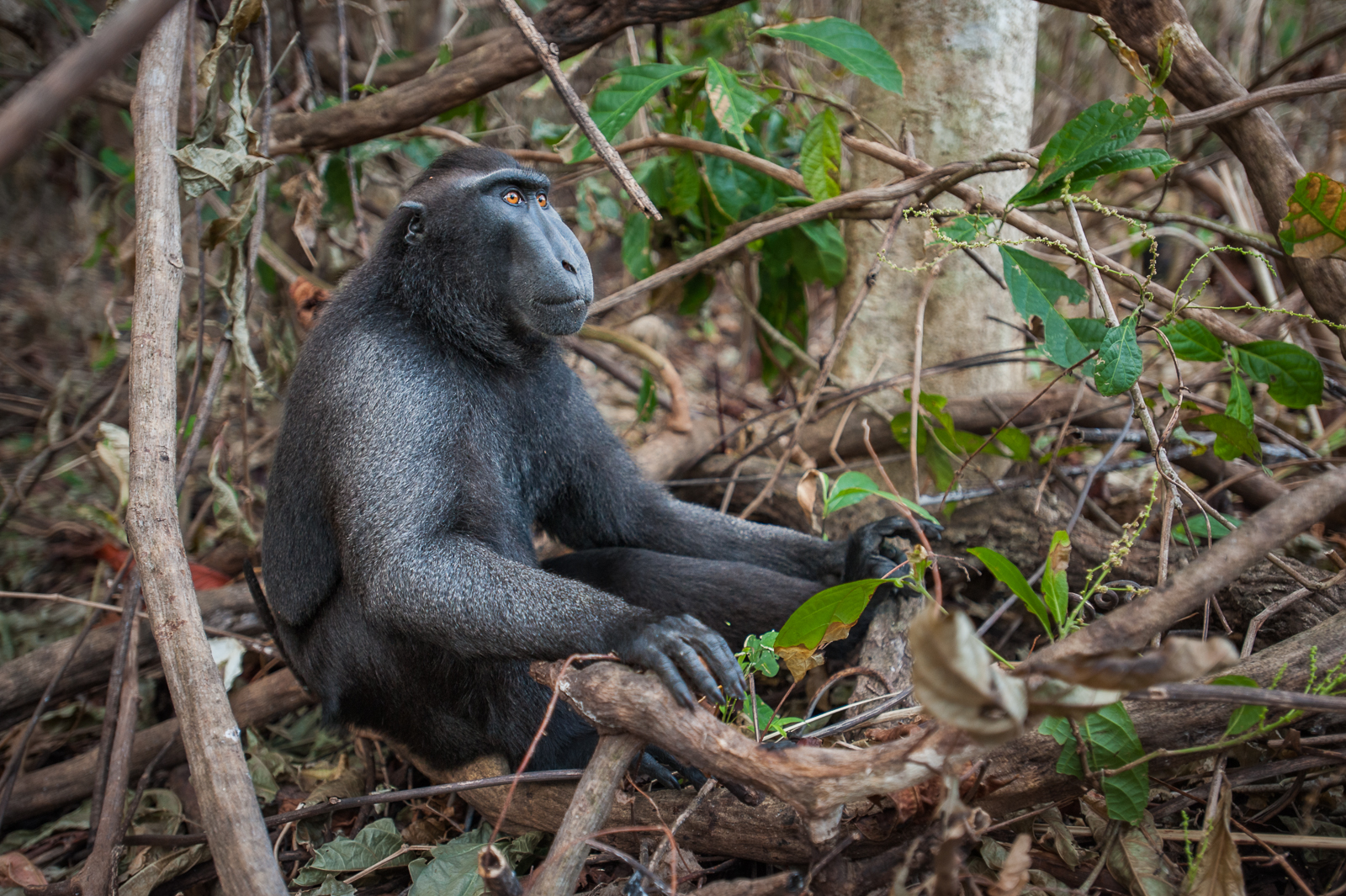
The Celebes black macaque (Macaca nigra), also known as the crested black macaque, is found only on the Indonesian island of Sulawesi and a few nearby islets. With jet-black fur, a mohawk-like crest, and intense amber eyes, Celebes black macaque’s are one of the most visually distinctive primates in the world. They’re known for their expressive faces, especially their smile, which is actually a sign of submission. Sadly, they are critically endangered due to habitat loss and hunting, making their conservation especially urgent. Nikon D700 with Nikkor 17-35mm lens (at 32mm) ISO 800, f/2.8 at 1/125th of a second.
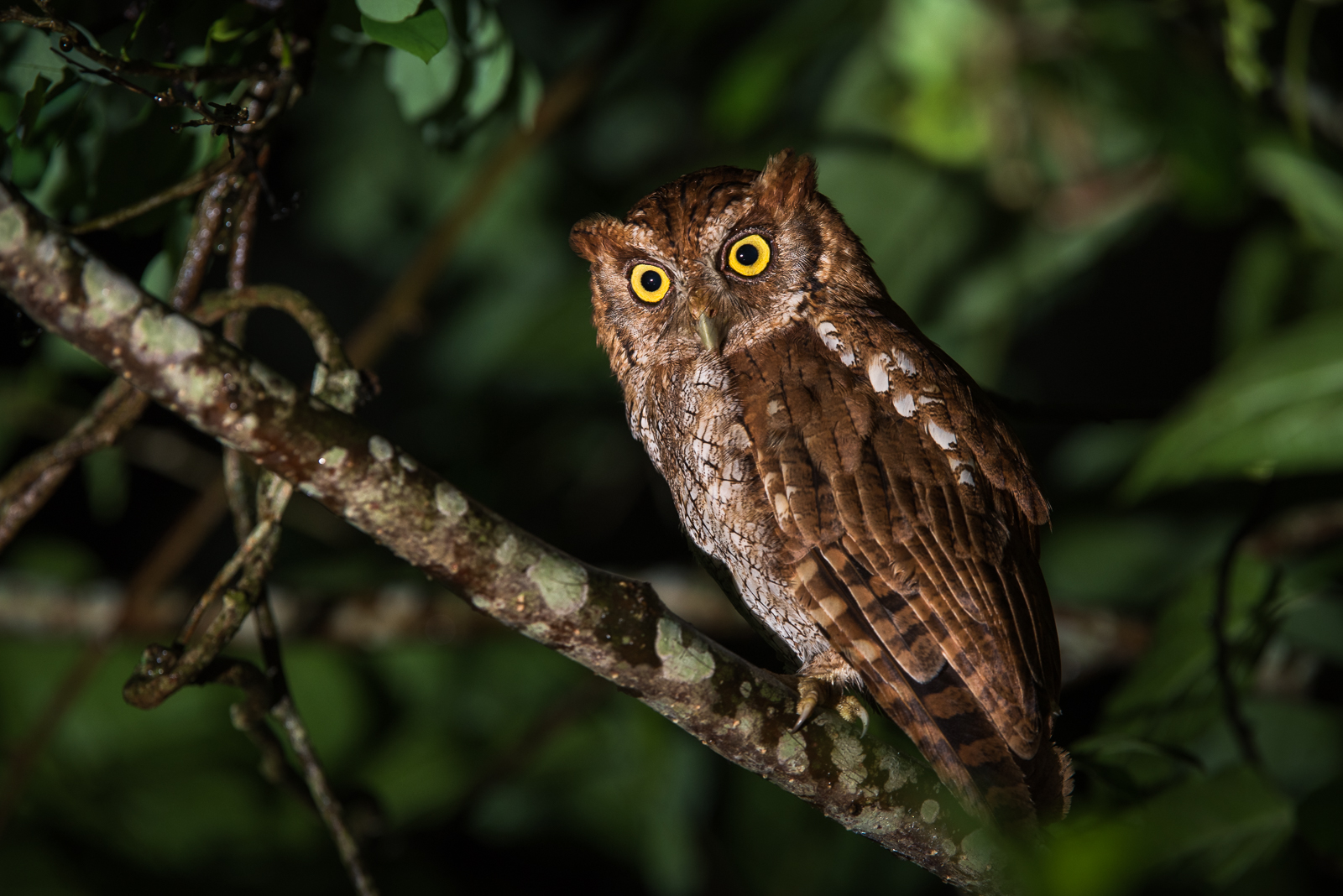
The tropical screech owl (Megascops choliba) is found in forests and wooded areas throughout Central and South America (this one was photographed in central Panama). Despite the name, these owls don’t screech. They let out a soft, trilling call that sounds more like a frog than a typical owl. Well-camouflaged with mottled gray or brown plumage, they blend perfectly into tree bark during the day, often going completely unnoticed. At night, they become efficient hunters, swooping silently after insects, small reptiles, and even the occasional bat. Nikon D810 with Nikkor 200-400mm lens (at 330mm) ISO 400, f/8 at 1/200th of a second, Nikon SB-900 flash.
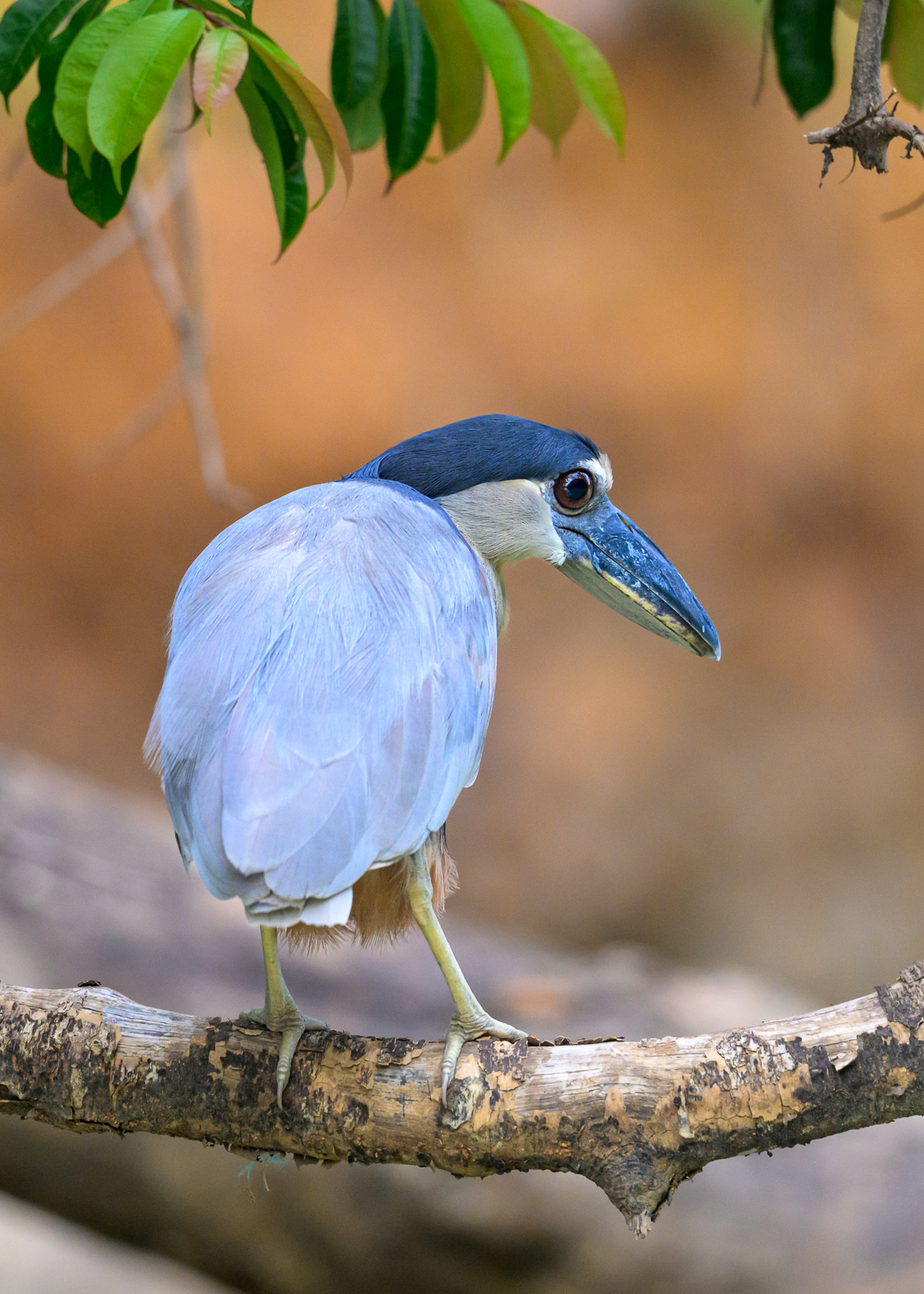
While the boat-billed heron (Cochlearius cochlearius) is primarily nocturnal, it’s occasionally active during the day, especially in quiet, shaded wetlands where it feels safe. I’ve photographed them several times in Peru, but only at night, so it was great to capture one during the day on our recent trip to Costa Rica. Nikon Z8 with Nikkor 500mm PF lens, ISO 2000, f/5.6 at 1/1600th of a second.
We use cookies to enhance your experience while using our website. If you are using our Services via a browser you can restrict, block or remove cookies through your web browser settings. We also use content and scripts from third parties that may use tracking technologies. You can selectively provide your consent below to allow such third party embeds. For complete information about the cookies we use, data we collect and how we process them, please check our Privacy Policy