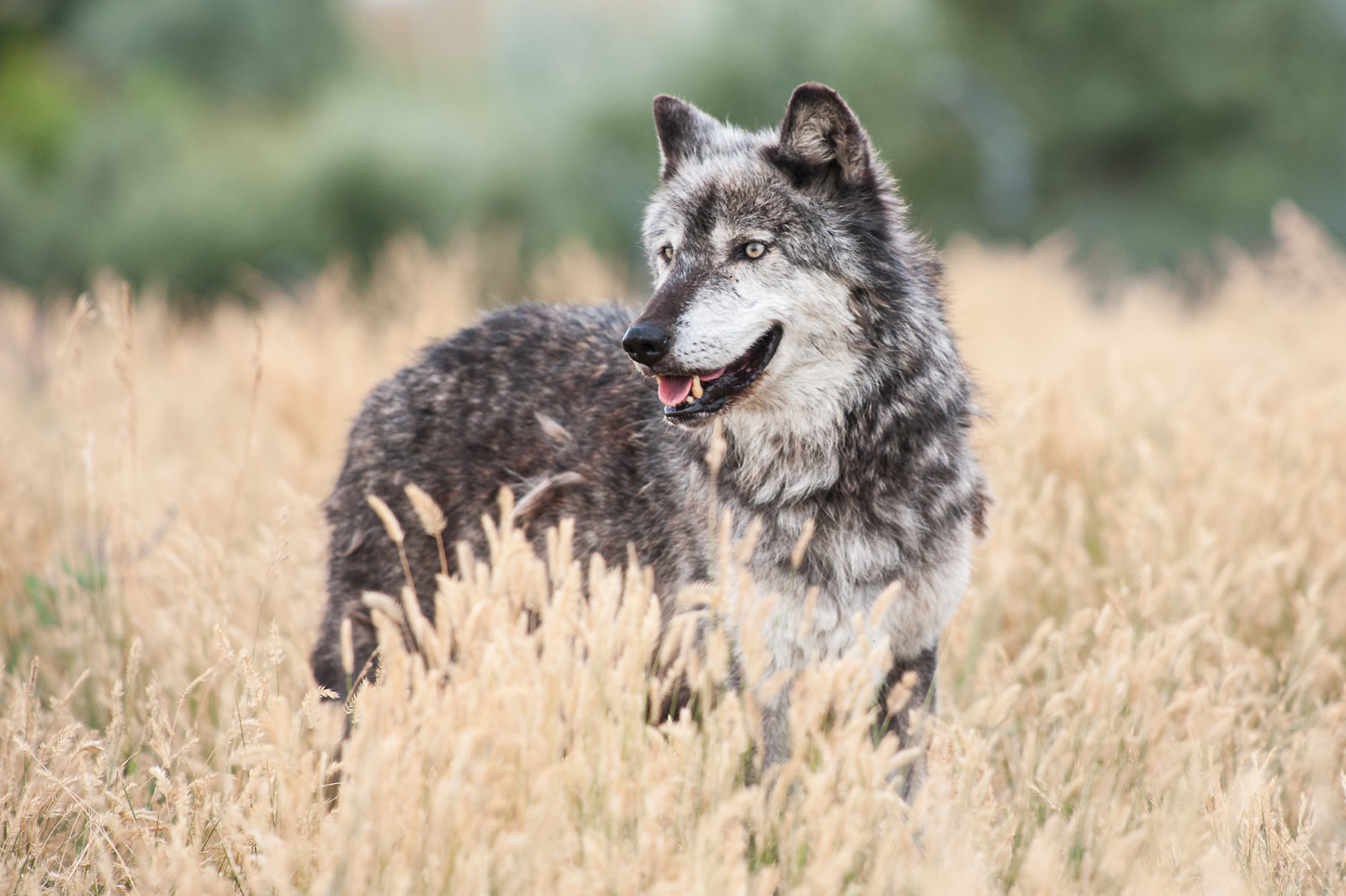
In honor of a hard-fought, albeit not-quite-enough, effort last night by our local UConn Huskies in the national championship game, I figured I’d post the closest thing I have to a Siberian Husky. Note, this is a captive wolf photographed years ago in South Dakota. Back to all things wild tomorrow. Nikon D700 with Nikkor 70-200mm lens (at 300mm) ISO 800, f/5 at 1/800th of a second.
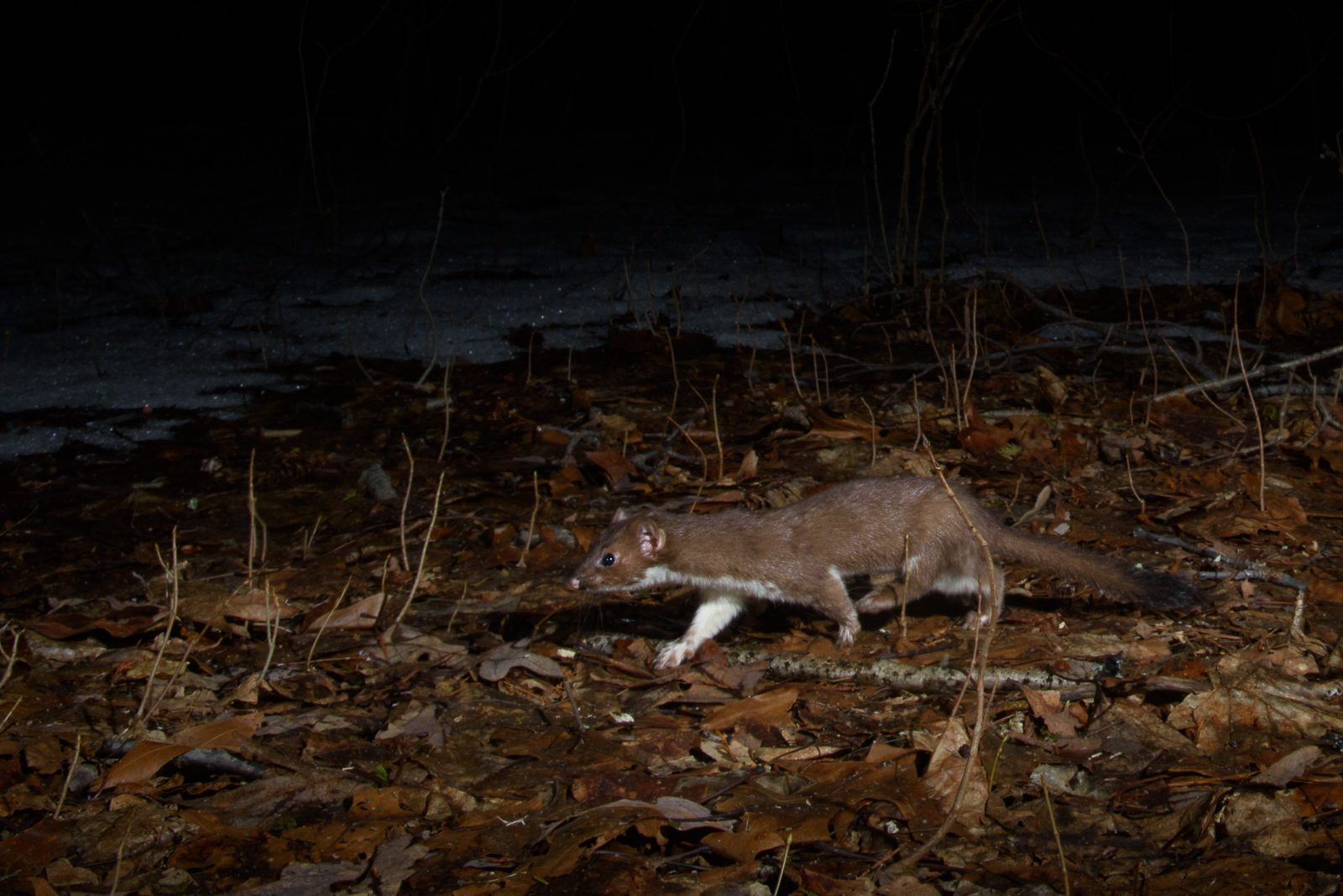
Not the greatest camera trap capture, but a rare one — a short-tailed weasel. This setup is aimed at bears and other larger animals, so it’s a heavy crop, but sure enough, this little hunter wandered through and tripped the shutter. In Connecticut, short-tailed weasels undergo a seasonal transformation — brown in summer, white in winter (then called ermine) for camouflage in the snow. By mid-March, though, they’ve returned to their summer coat. Nikon D810 with Nikkor 17–35mm lens (at 24mm), ISO 500, f/14 at 1/200th, Cognisys camera box, trail monitor, and remote flash units.
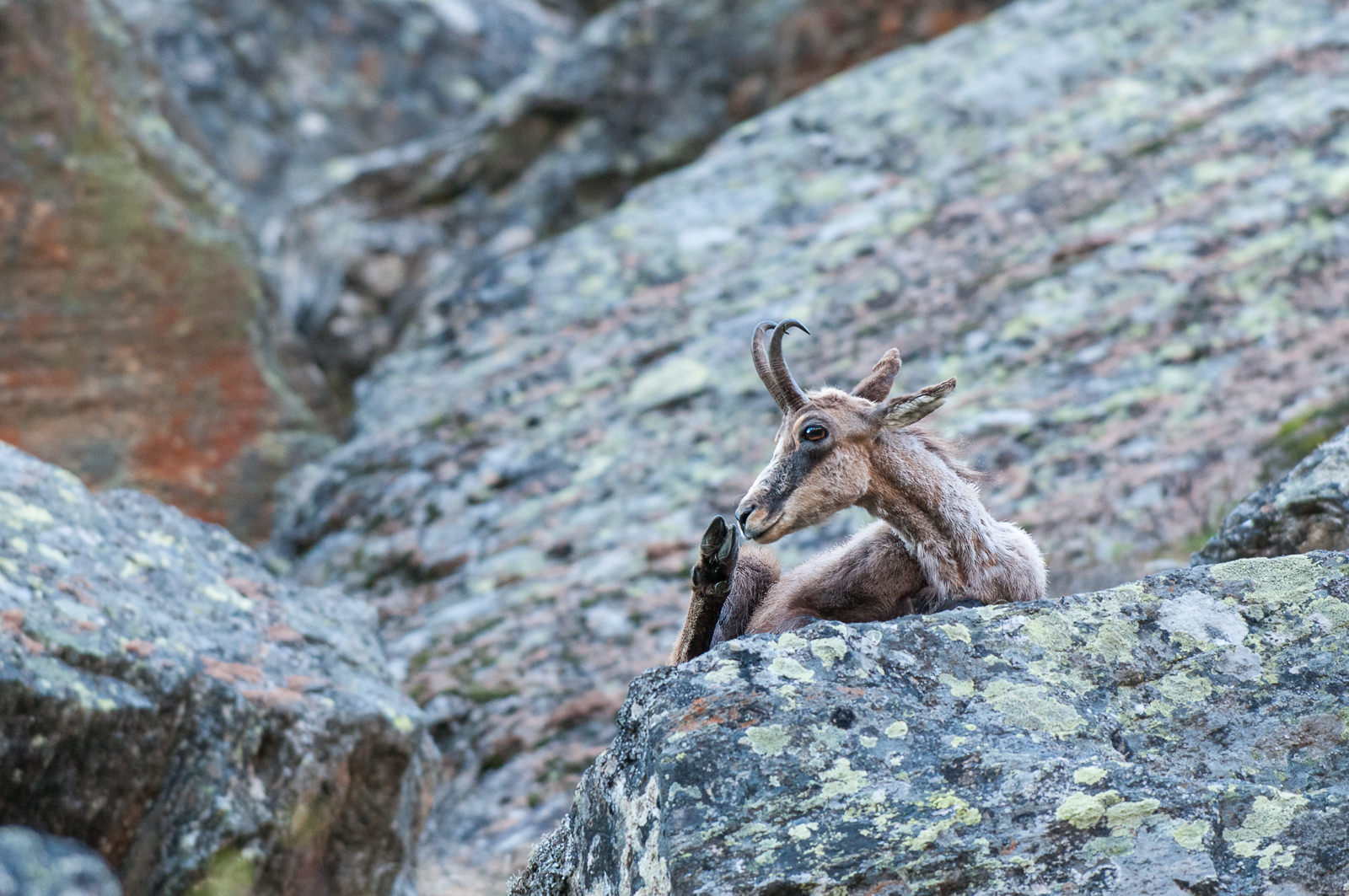
Chamois are great climbers, effortlessly navigating steep alpine cliffs where few predators can follow. Their rubbery hooves have a soft, grippy center and hard outer edge, giving them remarkable traction on rock. In summer, they graze high mountain meadows, but as winter sets in, they descend to lower elevations to escape deep snow. It was May of 2010 when I photographed this one in Gran Paradiso National Park in the Italian Alps. Nikon D300 with Nikkor 70-200mm lens (at 200mm) ISO 800, f/4 at 1/200th of a second.
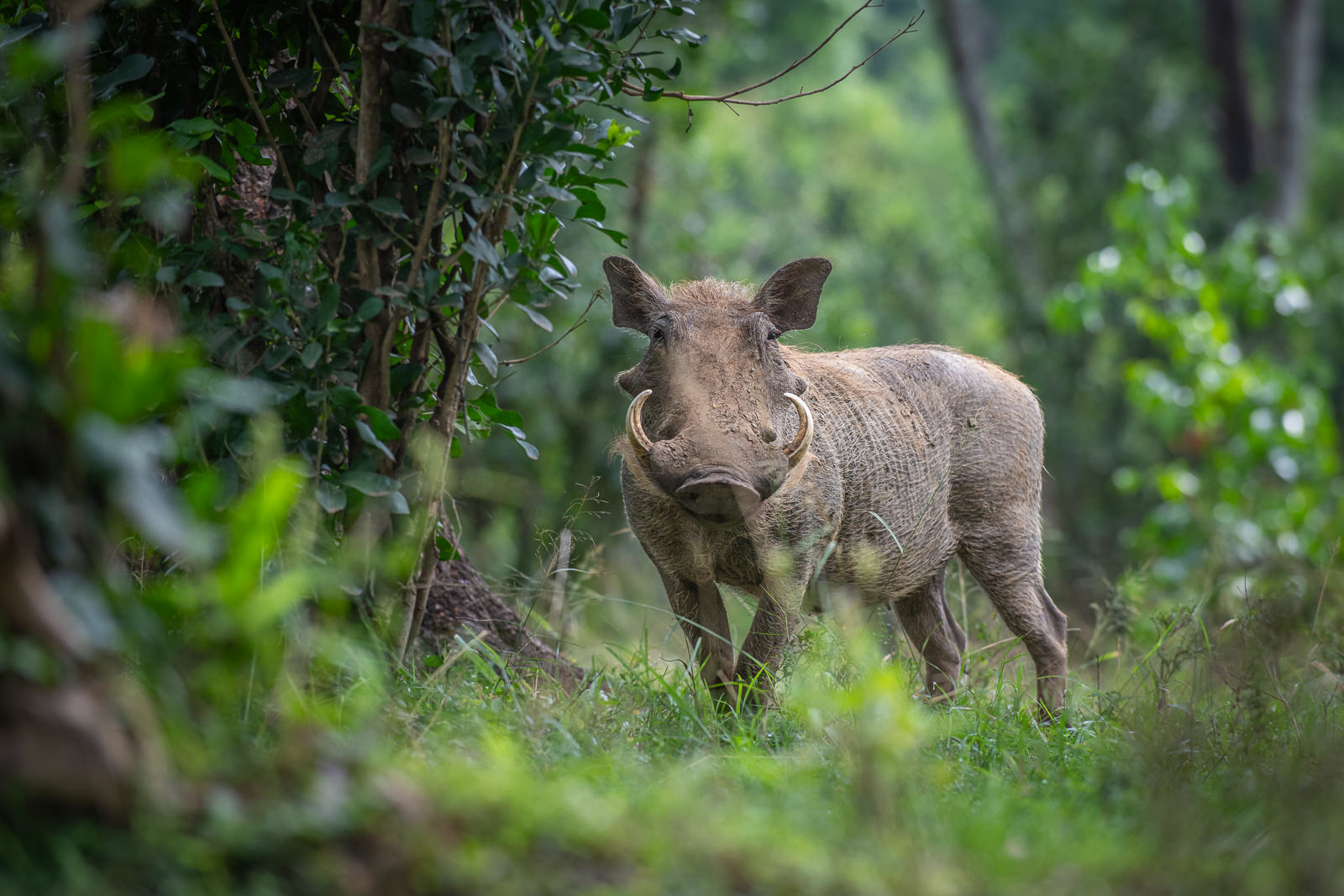
A warthog’s curved tusks are actually elongated canine teeth, growing continuously and used for both defense and digging. They form a formidable frame around the face, built as much for survival as for show. We found this guy in a forested area of the Masai Mara in Kenya on a very memorable morning drive.Nikon Z8 with Nikkor 70-200mm lens (at 200mm) ISO 720, f/5.6 at 1/1000th of a second.
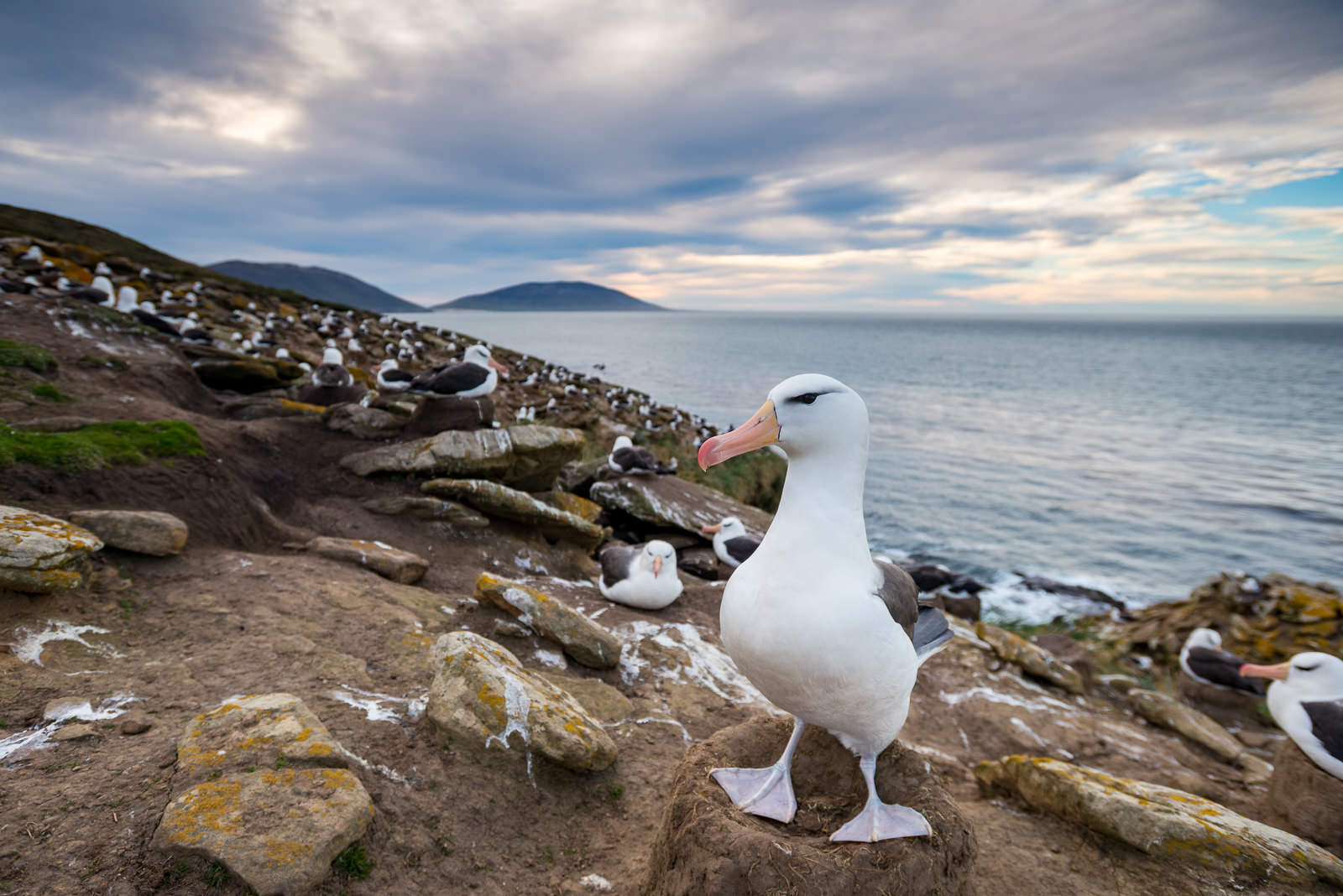
Black-browed albatrosses build pedestal-shaped nests from mud, grass, and feathers on remote cliff edges, returning to the same site year after year. Both parents share incubation duties for their single egg, taking long shifts while the other forages far out at sea. I photographed this nesting colony on Saunders Island in the Falkland Islands. Nikon D800 with Nikkor 17-35mm lens (at 20mm) ISO 400, f/4 at 1/640th of a second.
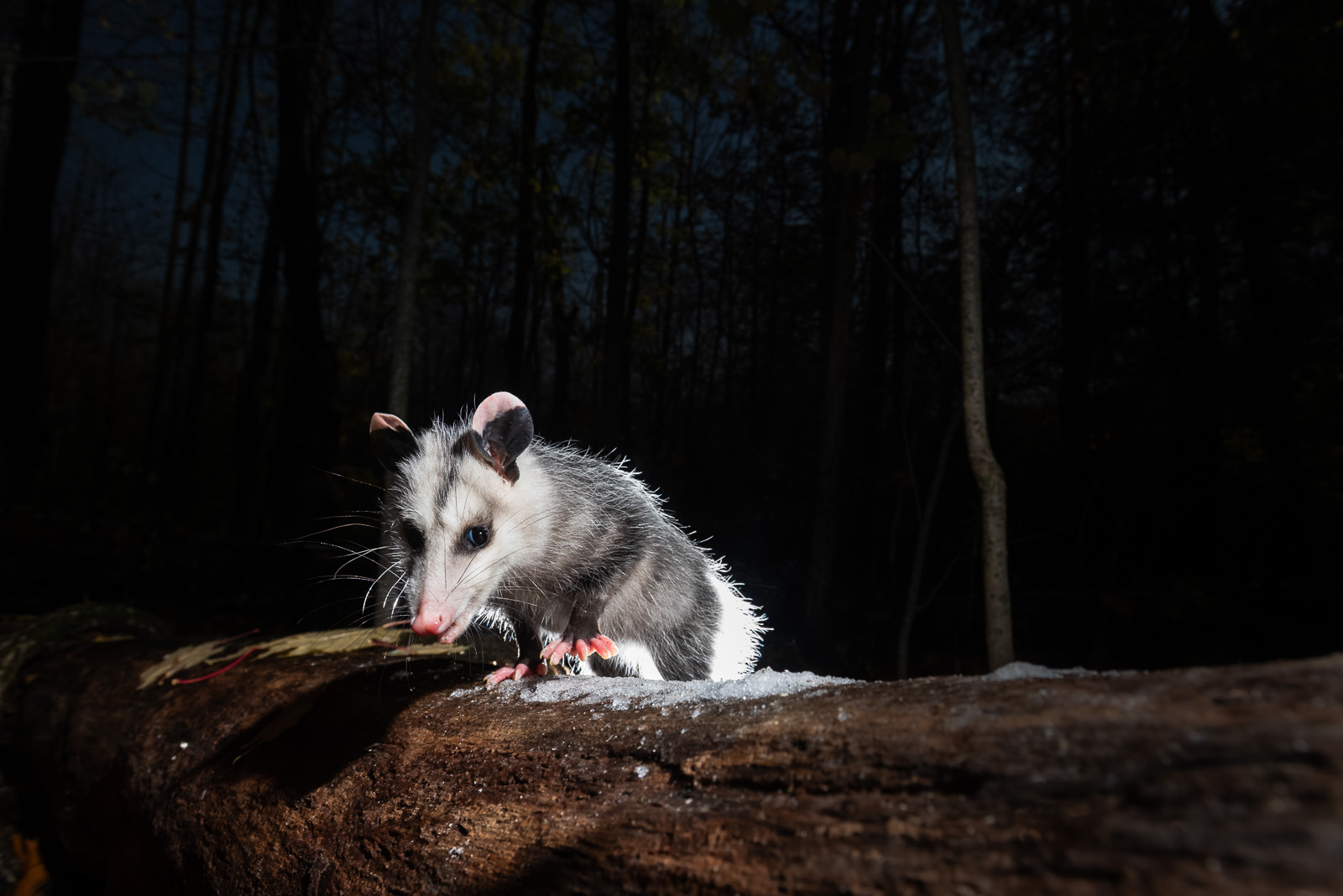
A few winters ago, this Virginia opossum was crossing a fallen ash tree in my back woods on his/her daily rounds. Nikon D810 with 17-35mm lens (at 17mm), Cognisys camera box, trail monitor and remote flash units.
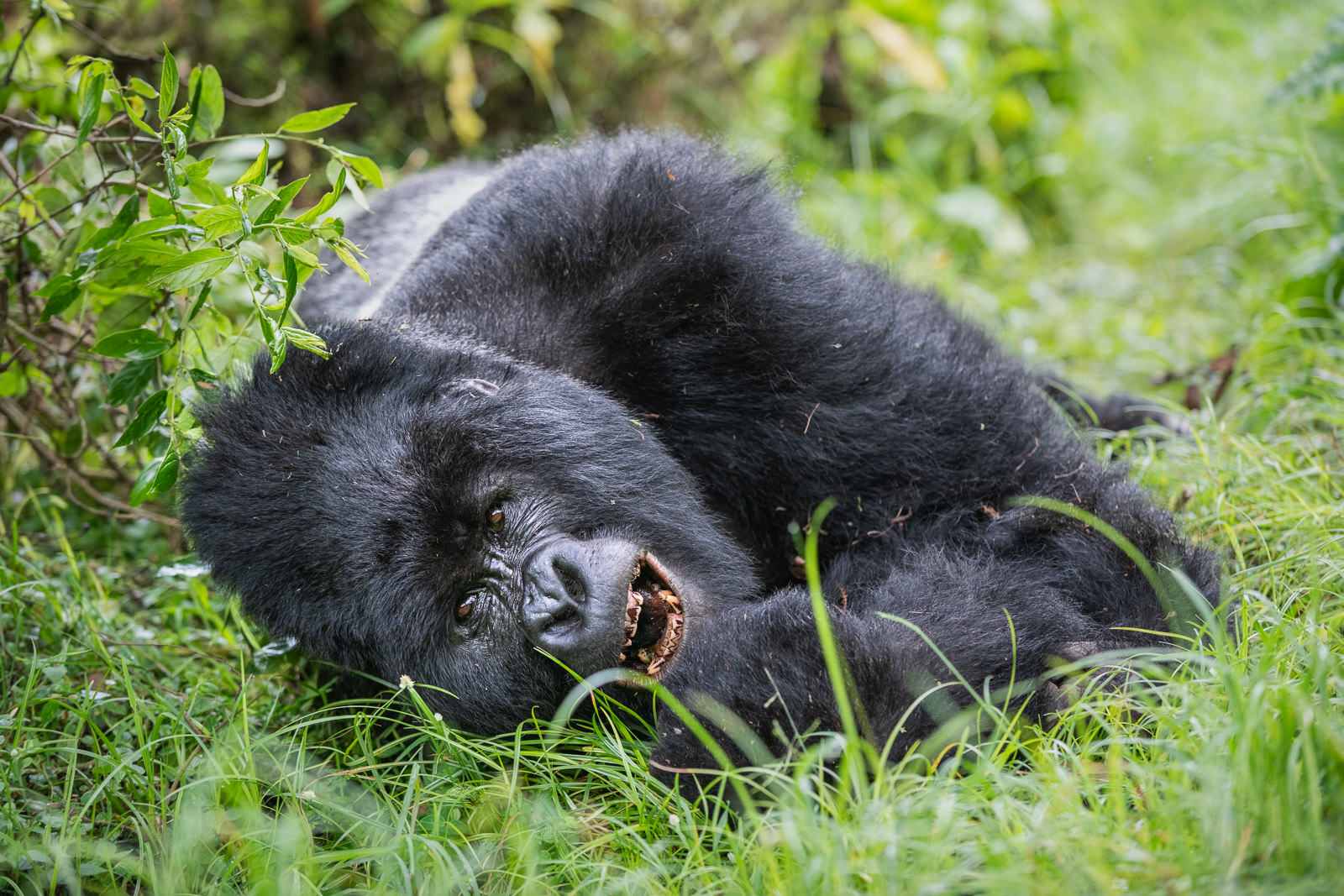
This big guy might look menacing, but he was just relaxing on the ground and letting out a bit of a yawn. He was the alpha silverback male of a family living in the Virunga Mountains of Uganda. Those teeth have seen better days, but this is normal for older mountain gorillas due to high levels of tannins from their plant-rich diet, which contains bamboo, roots, bark, and celery. Nikon D850 with Nikkor 70-200mm lens (at 110mm) ISO 1600, f/4 at 1/800th of a second.
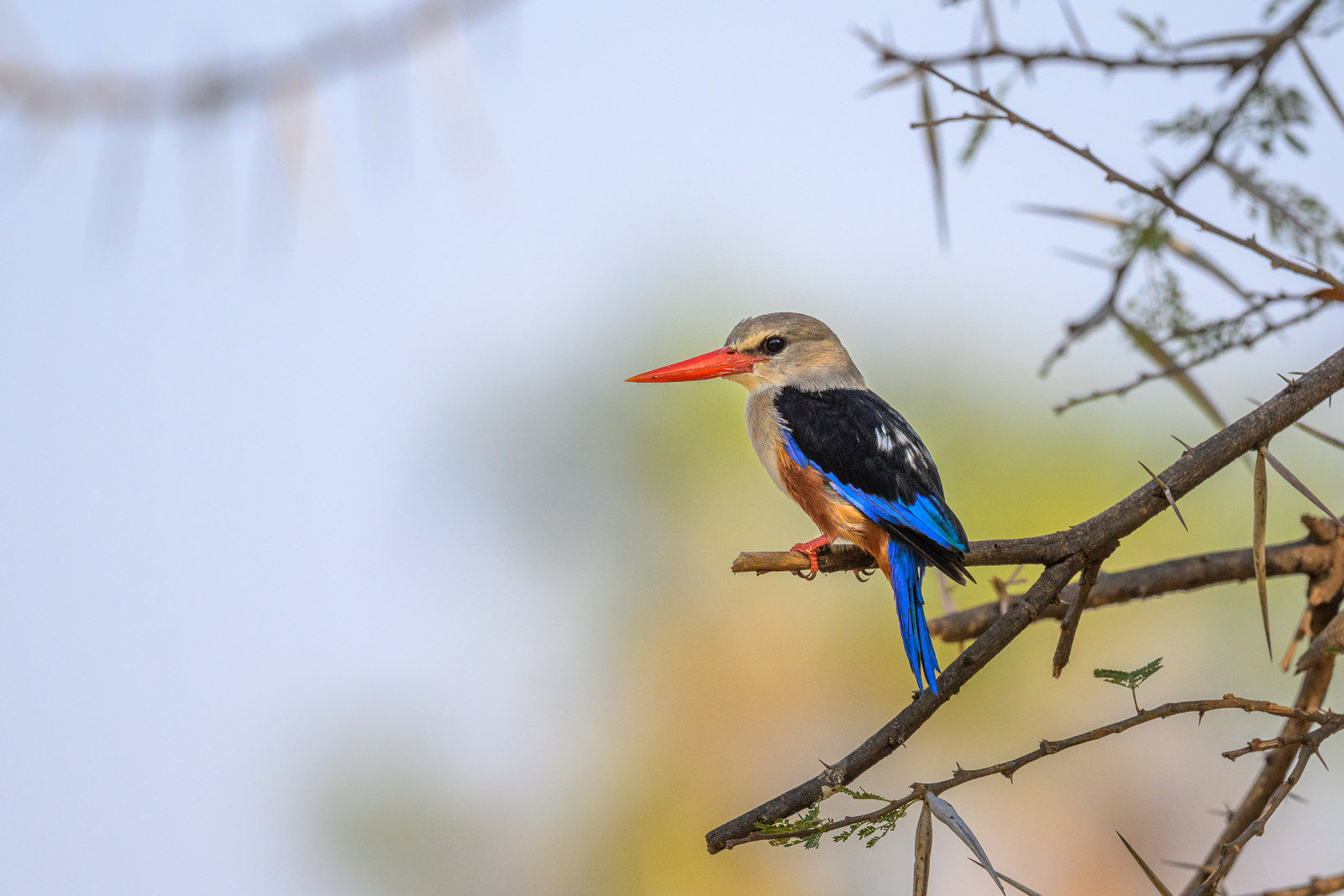
I don’t often post the smaller birds that we see while on safari in East Africa. But this is one species that I always like to photograph — the grey-headed kingfisher. Unlike many other kingfishers, these guys nest in tunnels they dig into the ground or termite mounds. Photographed in Samburu National Reserve in Kenya. Nikon Z8 with Nikkor 500mm PF lens, ISO 720, f/5.6 at 1/2500th of a second.
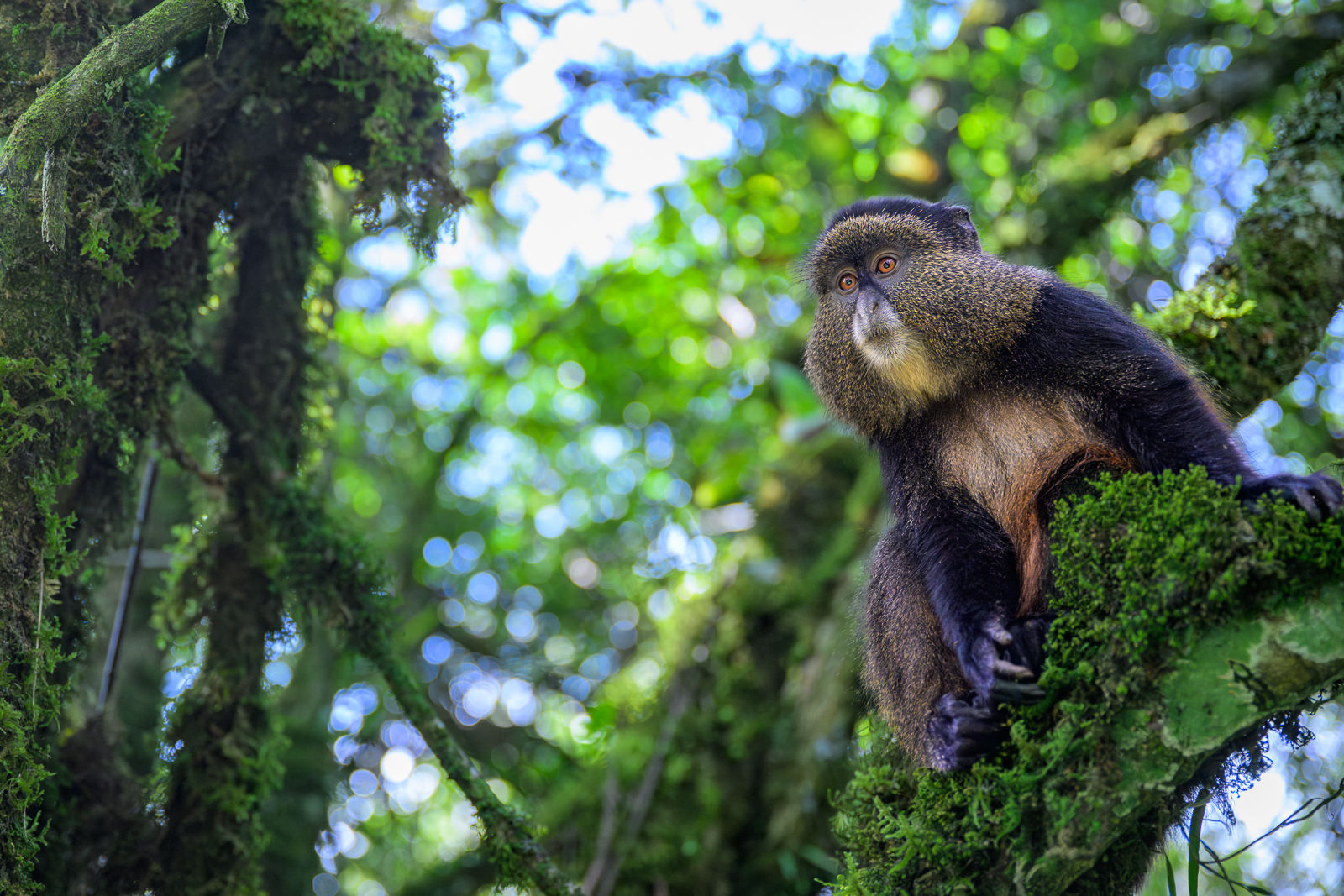
On our trips to Uganda and Rwanda to see mountain gorillas, we always like to build in an extra day to trek to see another endangered primate — the golden monkey. The live in high-altitude bamboo forests where they specialize in feeding on bamboo shoots, making them one of the few primates adapted to this unique mountain habitat.Nikon Z8 with Nikkor 24-70mm lens (at 53mm) ISO 1800, f/2.8 at 1/1250th of a second.
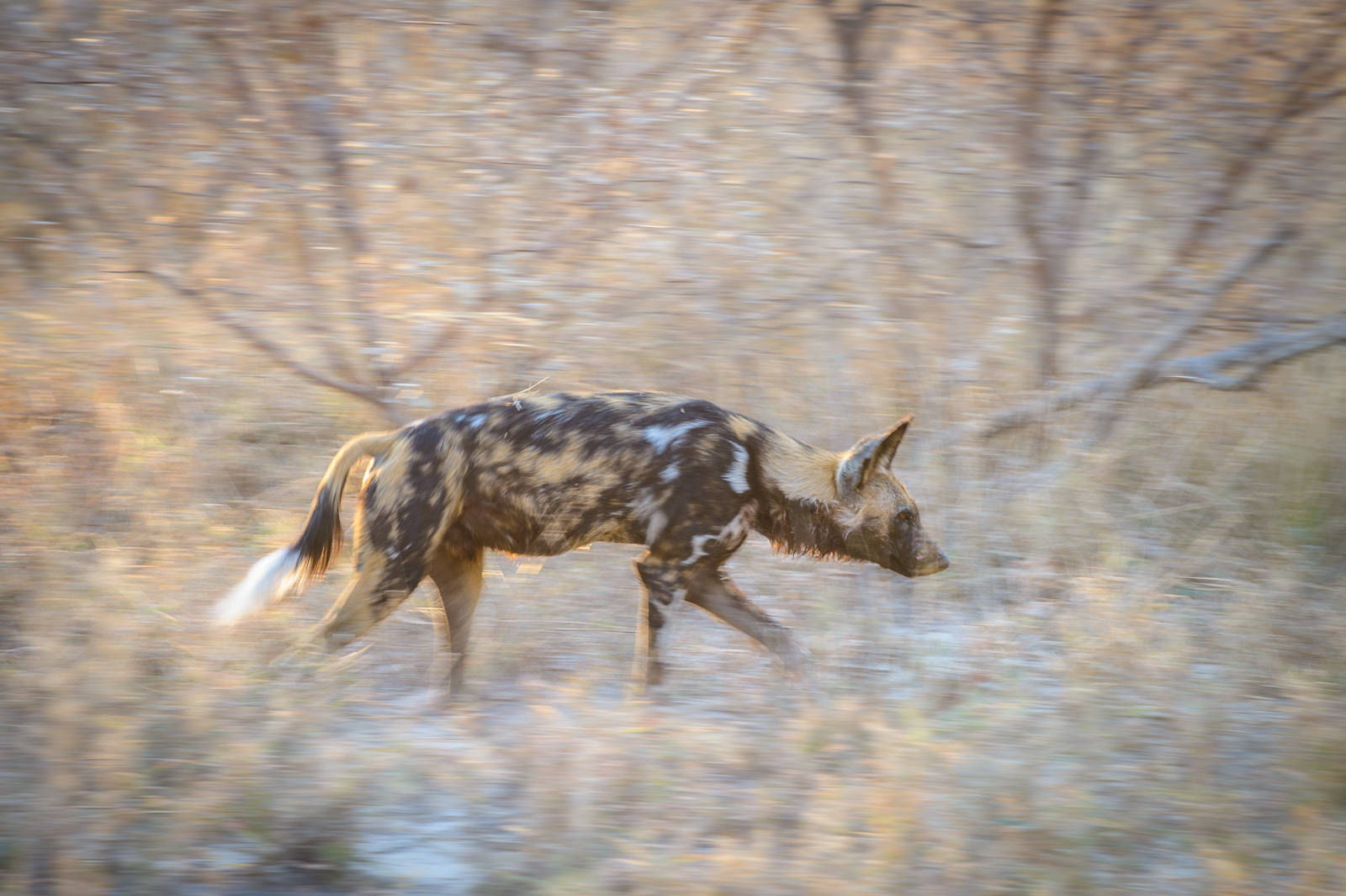
I used a slow shutter speed and panning technique on this one to separate the African wild dog a bit from the distracting background. Interesting fact about African wild dogs — they are among the most successful hunters in Africa, with pack hunting success rates often exceeding 80% — far higher than lions or hyenas. Photographed in a private concession of Chobe National Park in Botswana. Nikon D700 with Nikkor 70-200mm lens (at 200mm) ISO 400, f/10 at 1/25th of a second.
We use cookies to enhance your experience while using our website. If you are using our Services via a browser you can restrict, block or remove cookies through your web browser settings. We also use content and scripts from third parties that may use tracking technologies. You can selectively provide your consent below to allow such third party embeds. For complete information about the cookies we use, data we collect and how we process them, please check our Privacy Policy