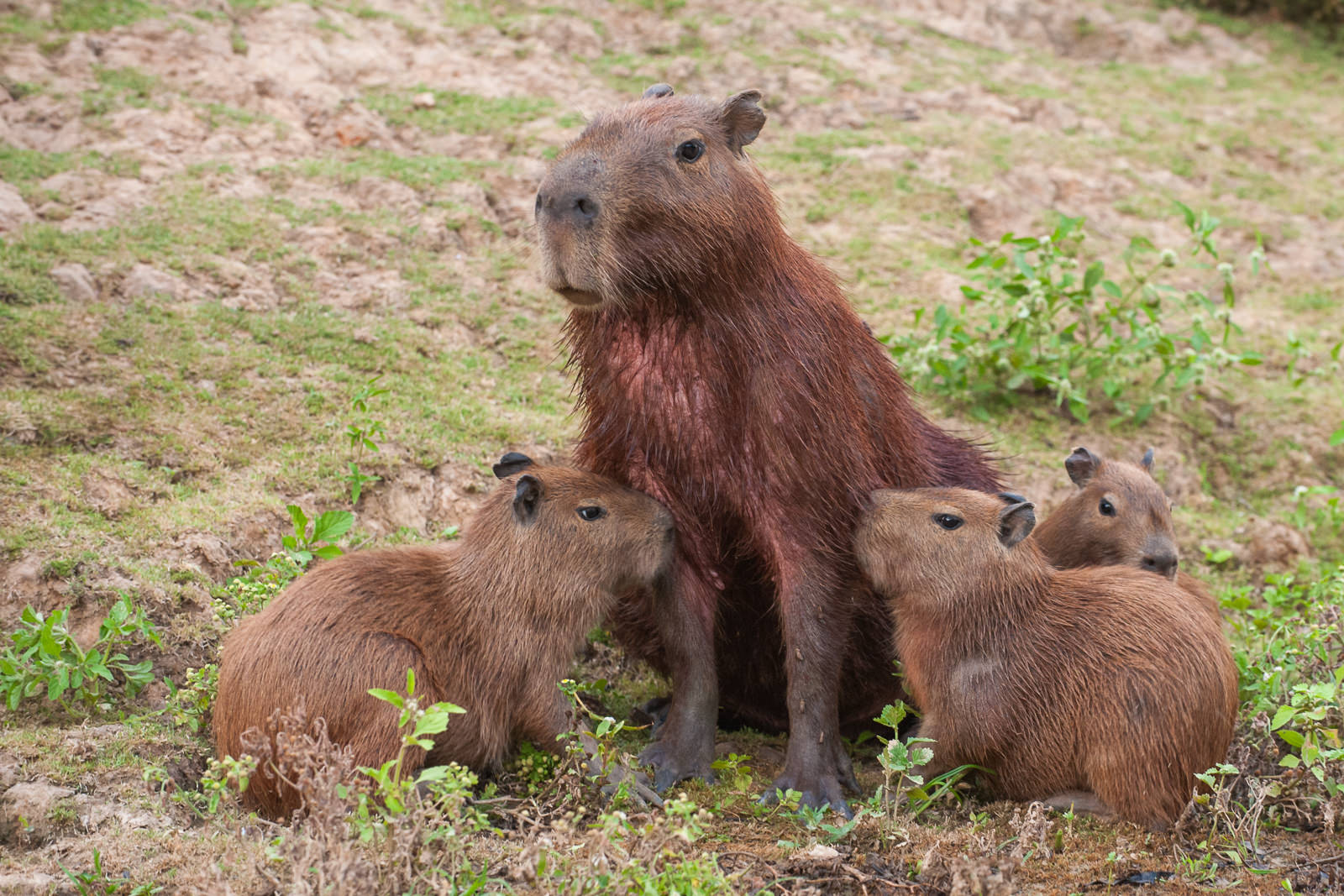
In the Pampas of Bolivia, capybara mothers nurse their young while remaining alert to the movements of predators along the water’s edge. Unusually, multiple pups may gather to nurse at once, and females within a group often share in caring for the young. This communal approach, combined with their close ties to water, gives the pups both nourishment and protection in the open grasslands. Nikon D700 with Nikkor 70-200mm lens (at 140mm) ISO 1250, f/5 at 1/100th of a second.
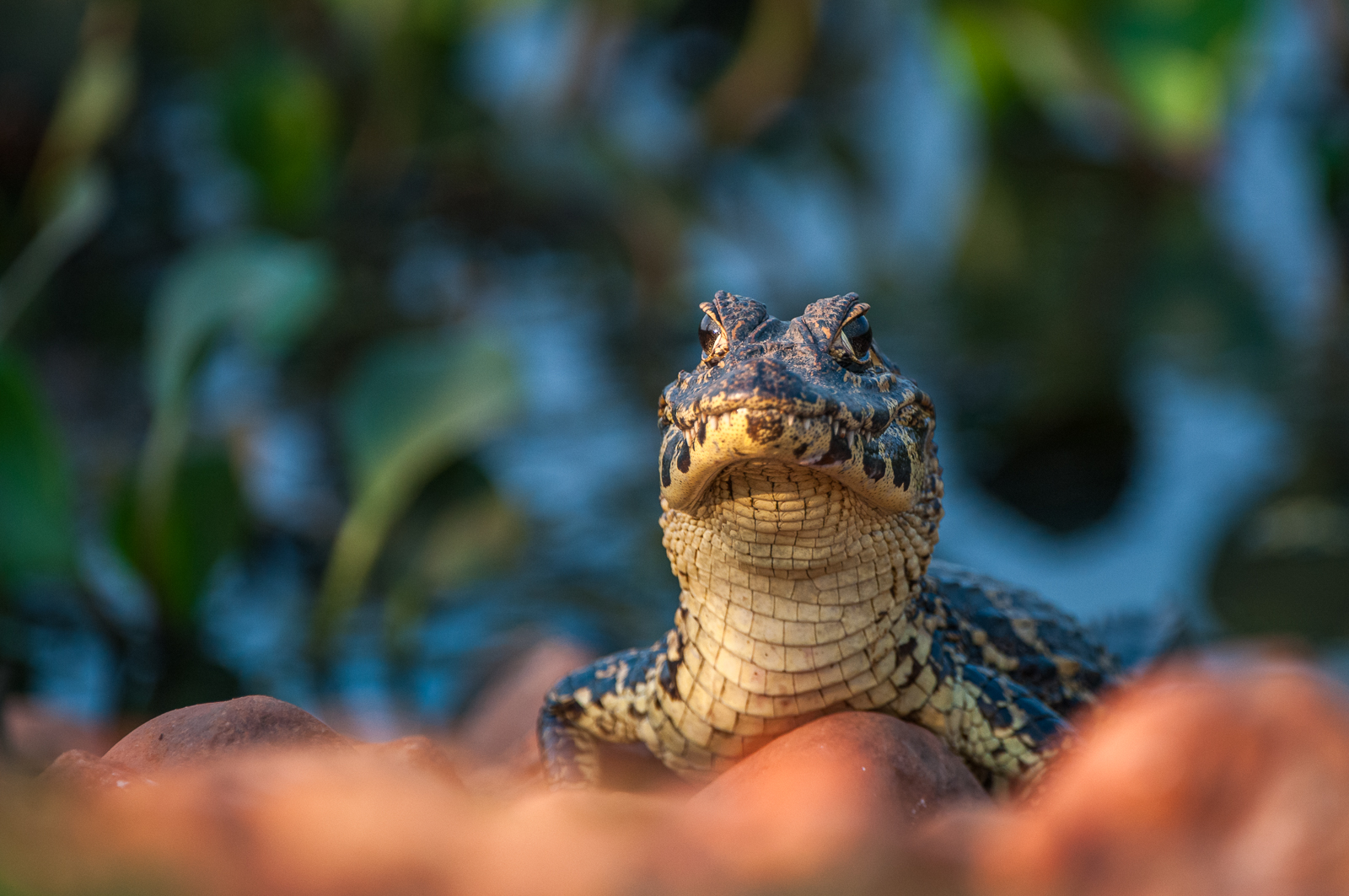
A young yacaré caiman in Brazil’s Pantanal is already a capable little predator, feeding on insects, small fish, and amphibians along the water’s edge. Its striped pattern helps it blend into the reeds and dappled light, offering protection from larger predators. It’s part of one of the densest crocodilian populations on Earth, where survival depends on staying hidden and growing quickly. Nikon D300 with Nikkor 200-400mm lens (at 400mm) ISO 400, f/4 at 1/800th of a second.
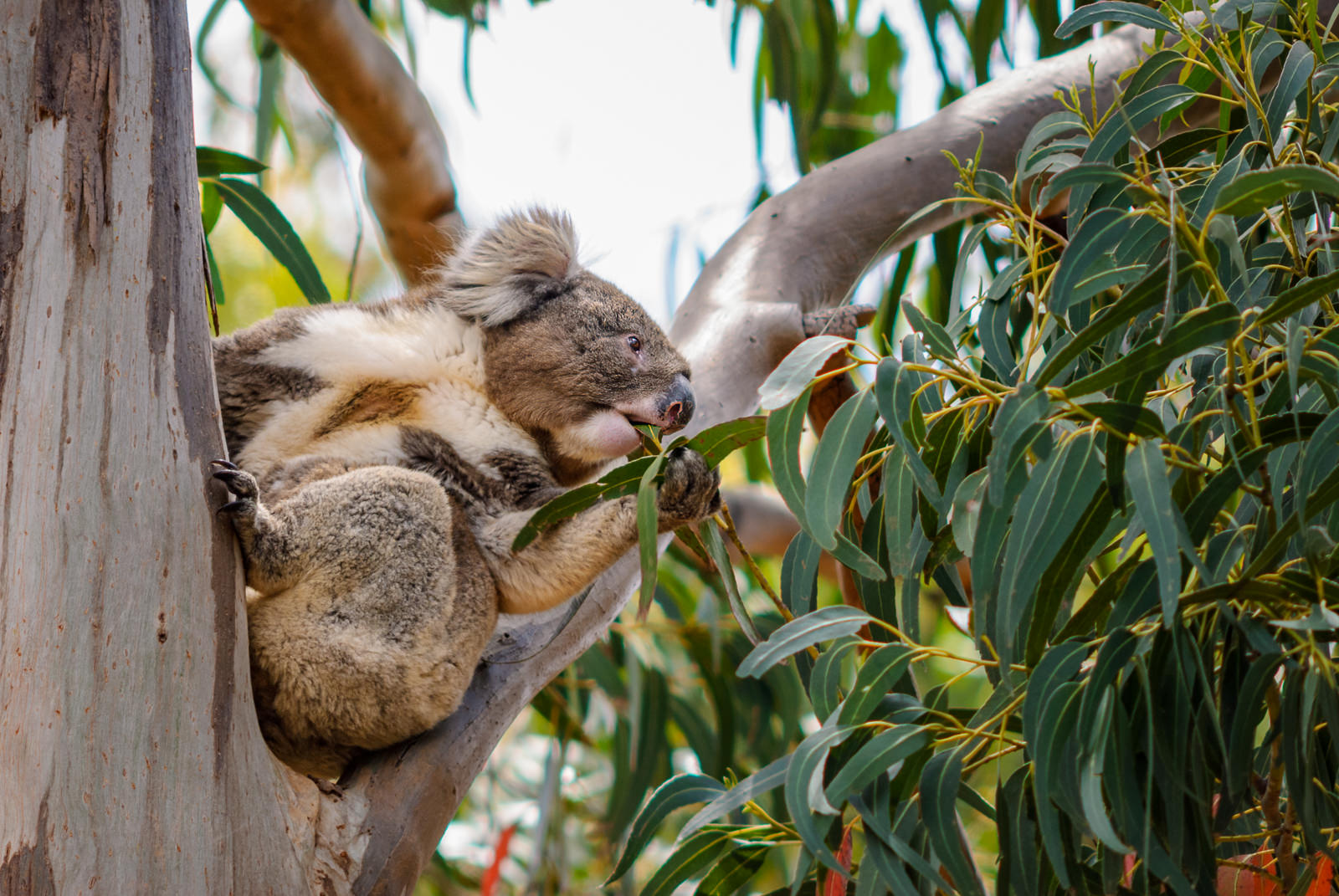
Koalas are highly specialized feeders, relying almost entirely on eucalyptus leaves, food that’s tough, low in nutrients, and toxic to most animals. They have a unique digestive system with specialized gut bacteria that break down the toxins and extract what little energy the leaves provide. Because of this low-energy diet, koalas spend up to 18–20 hours a day resting or sleeping, conserving energy when not feeding. Nikon D200 with Nikkor 600mm f/5.6 manual focus lens, ISO 200, f/5.6 at 1/160th of a second.
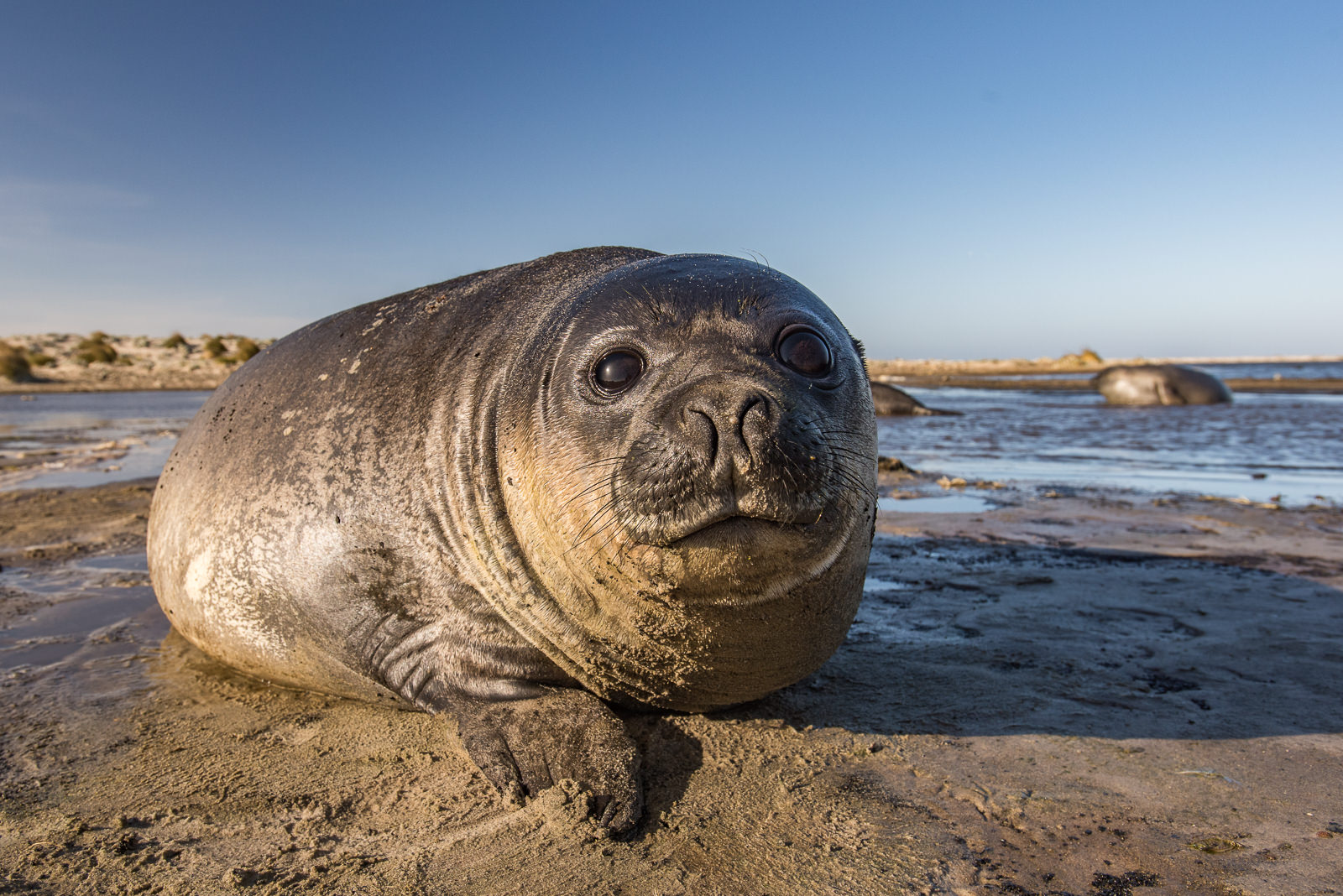
Juvenile southern elephant seals transform from a small pup into a hefty, blubber-rich youngster in a matter of months. After weaning, juveniles spend time onshore learning the rhythms of haul-out life before venturing into the open ocean. Despite their awkward, wrinkled appearance on land, they are already exceptional divers, built for a life spent far beneath the waves. I met this one on Sea Lion Island in the Falklands. Nikon D810 with Nikkor 17-35mm lens (at 24mm) ISO 400, f/8 at 1/320th of a second.
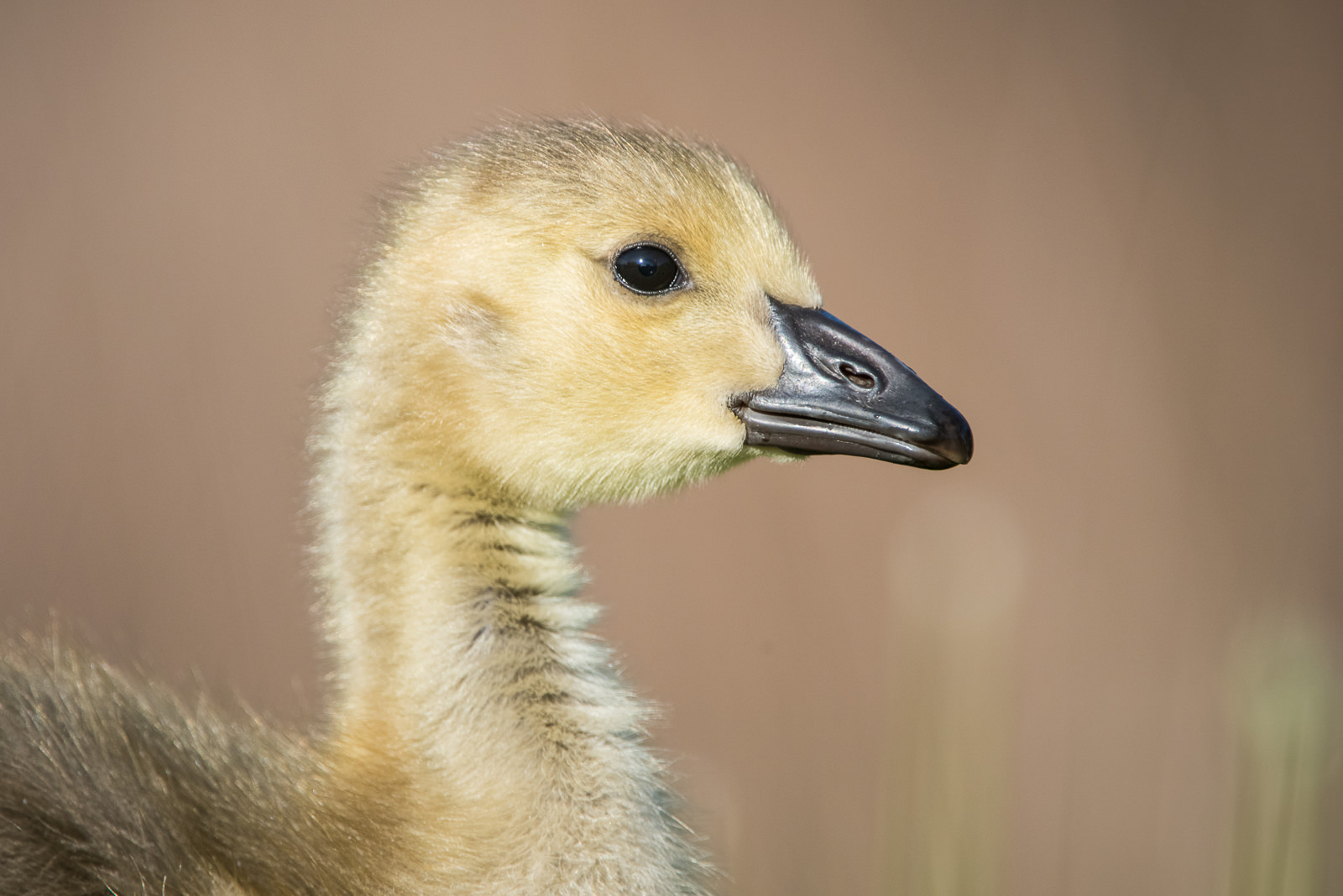
Canada goose chicks are covered in soft down from the moment they hatch, but they’re already on the move within a day—following their parents and learning to forage almost immediately. I photographed this one a few years back while in Toronto for work. Nikon D810 with Nikkor 200-400mm lens (at 550 with a 1.4x TC) ISO 800, f/8 at 1/1600th of a second.
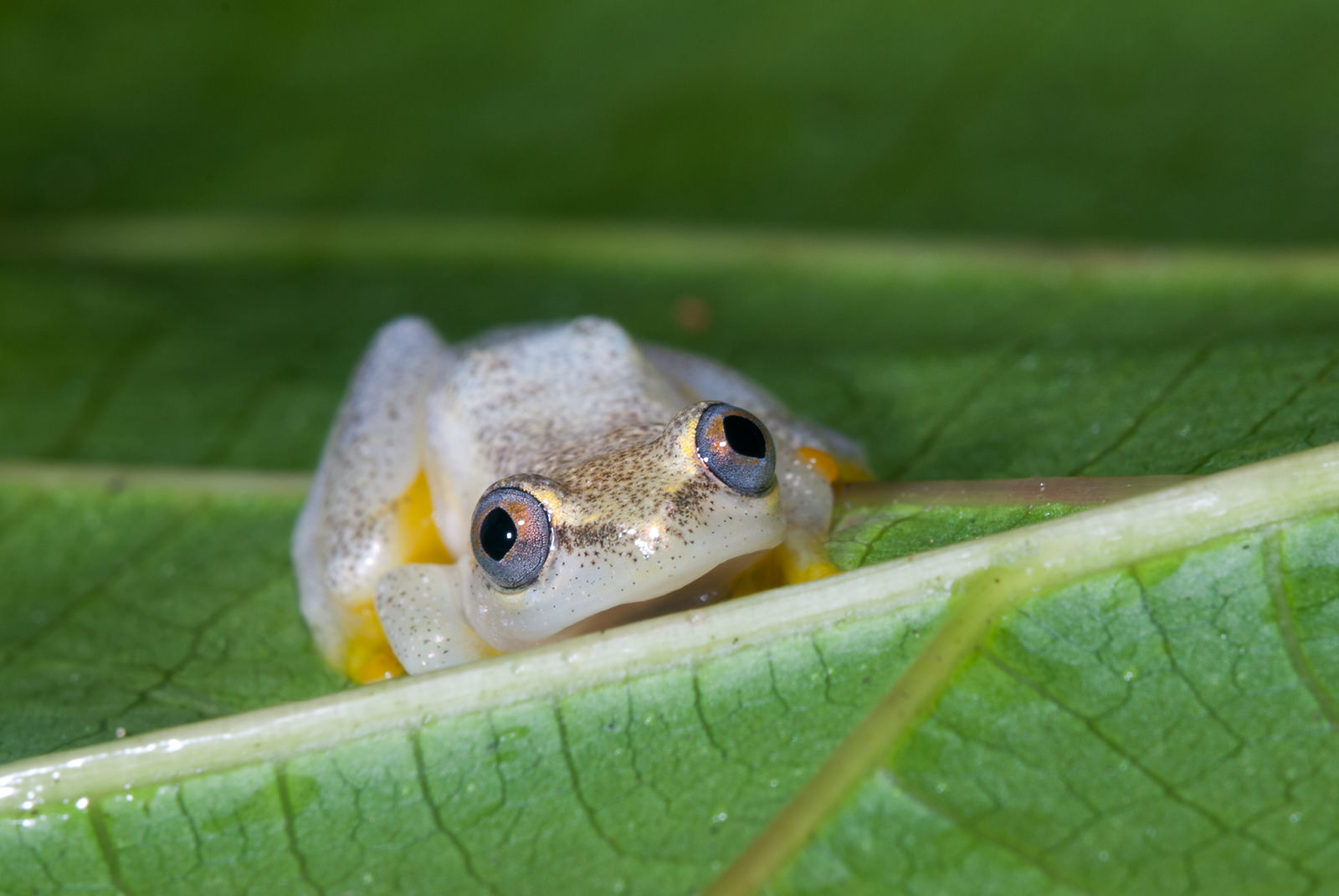
Heterixalus betsileo is one of Madagascar’s many endemic frogs, part of a remarkable island where over 99% of amphibian species are found nowhere else on Earth. Lemurs might get the spotlight (and rightly so) but Madagascar is also one of the richest and most unique frog hotspots in the world. Join us in September of 2027 on a trip to this amazing island nation. Nikon D200 with Nikkor 80-200mm lens (at 200mm with Canon 500D close up filter) ISO 100, f/22 at 1/60th of a second, two Nikon SB-600 flash units.
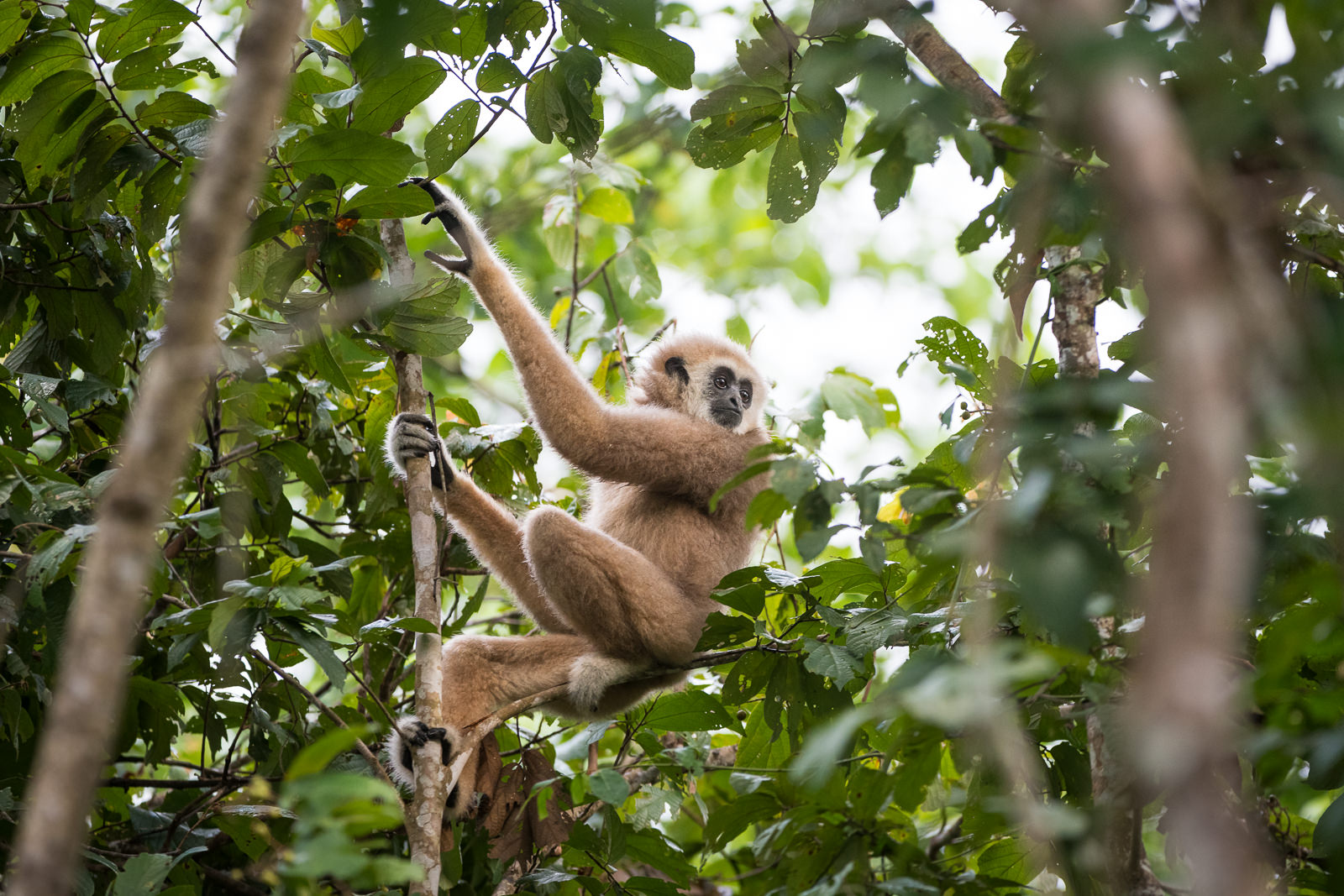
Lar gibbons, also known as white-handed gibbons, in Thailand’s Kaeng Krachan National Park are famous for their haunting, echoing duets. Mated pairs sing complex, synchronized calls at dawn to defend territory and strengthen their bond. Nikon D500 with Nikkor 200-400mm lens (at 280mm) ISO 800, f/4 at 1/160th of a second.
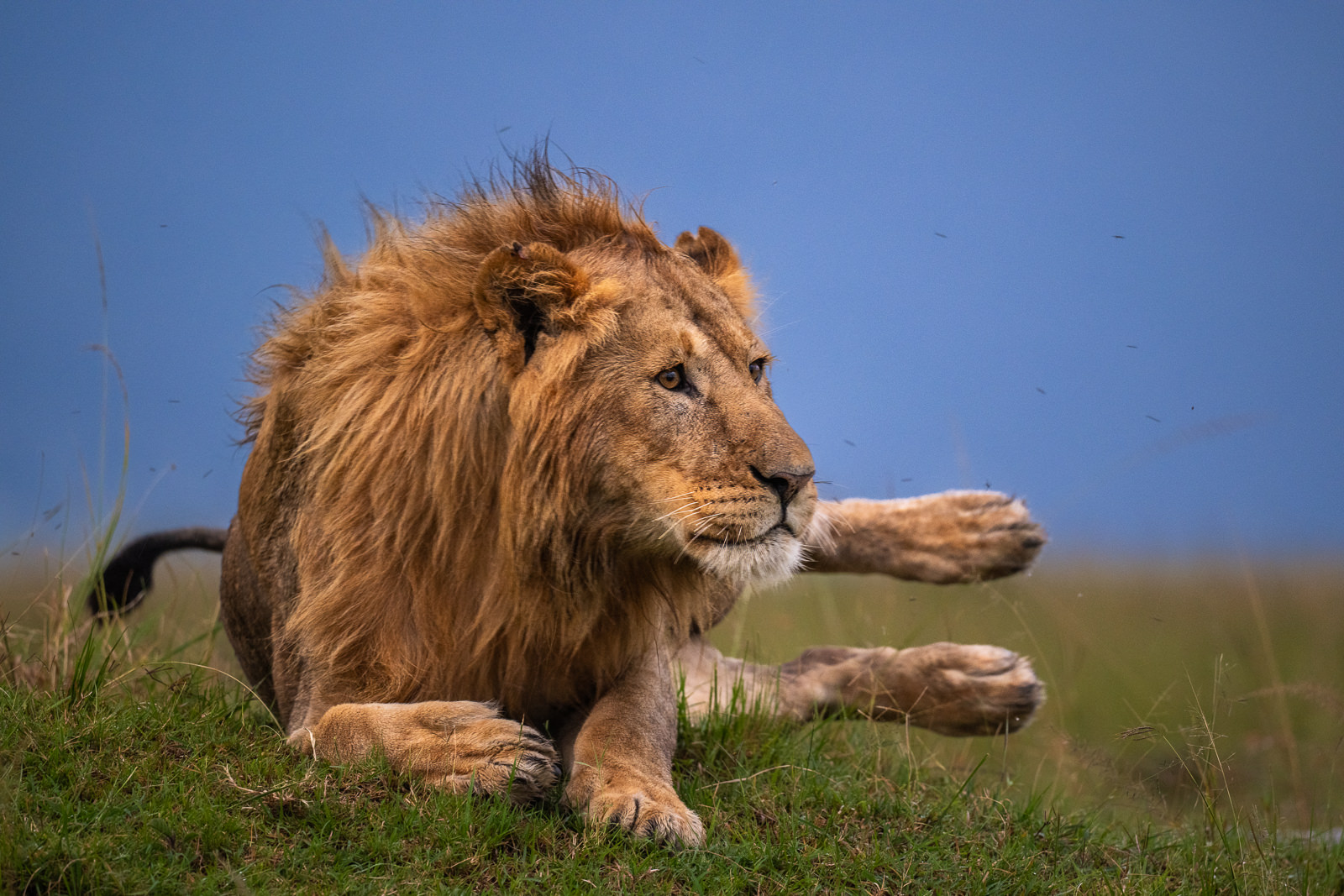
Young male lions often live solitary lives after leaving their birth pride, wandering for years before they’re strong enough to challenge for territory of their own. This guy was about at that stage. We saw him up on a small mound, surveying his surroundings. Nikon Z8 with Nikkor 500mm PF lens, ISO 1250, f/5.6 at 1/125th of a second.
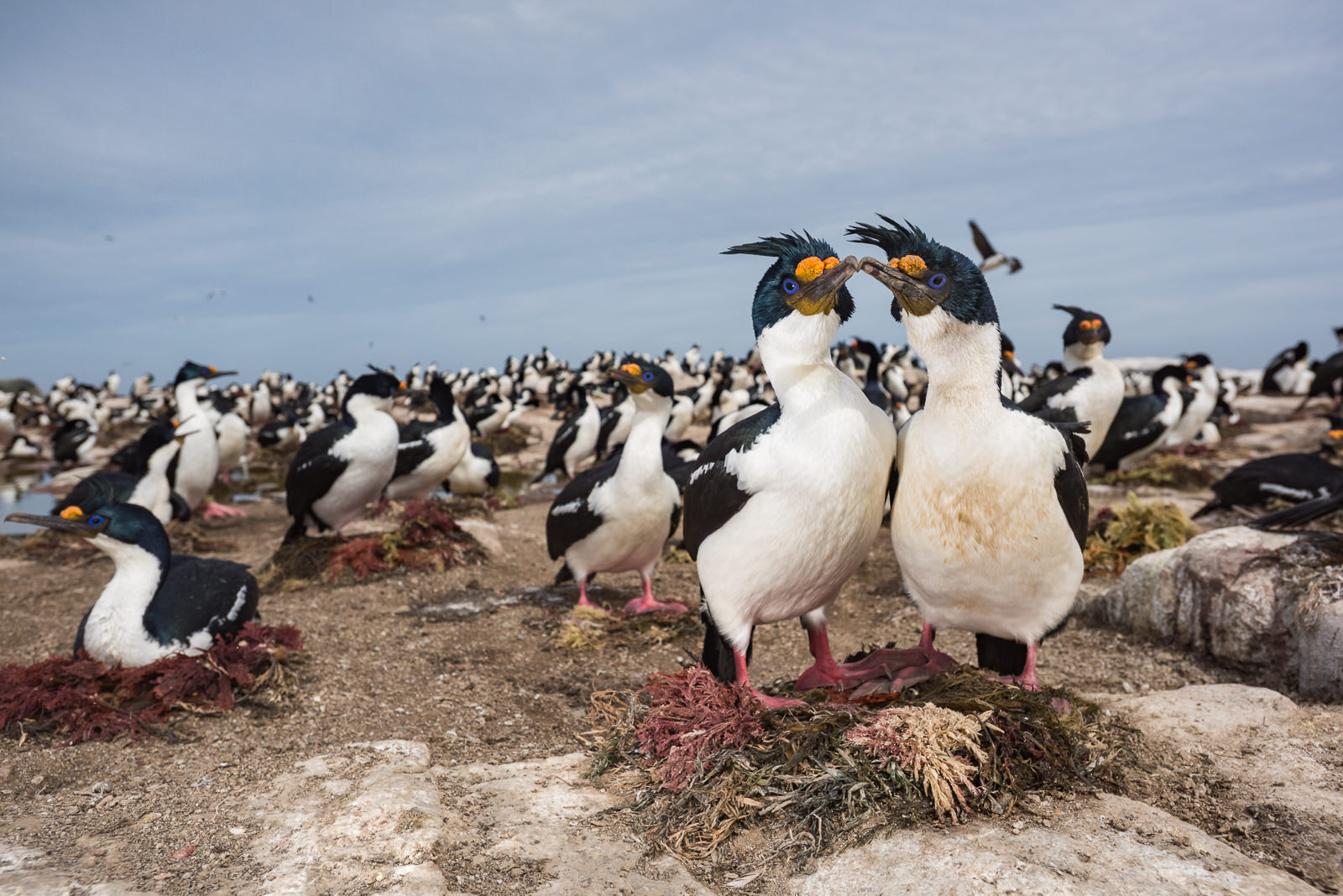
Imperial cormorants form strong pair bonds, often greeting each other at the nest with gentle beak-to-beak contact. Both parents share duties—building the nest, incubating eggs, and raising chicks in tightly packed coastal colonies in the Falkland Islands and other sub-Antarctic and Antarctic locations. Nikon D810 with Nikkor 17-35mm lens (at 26mm) ISO 400, f/7.1 at 1/6400th of a second, Nikon SB-900 flash.
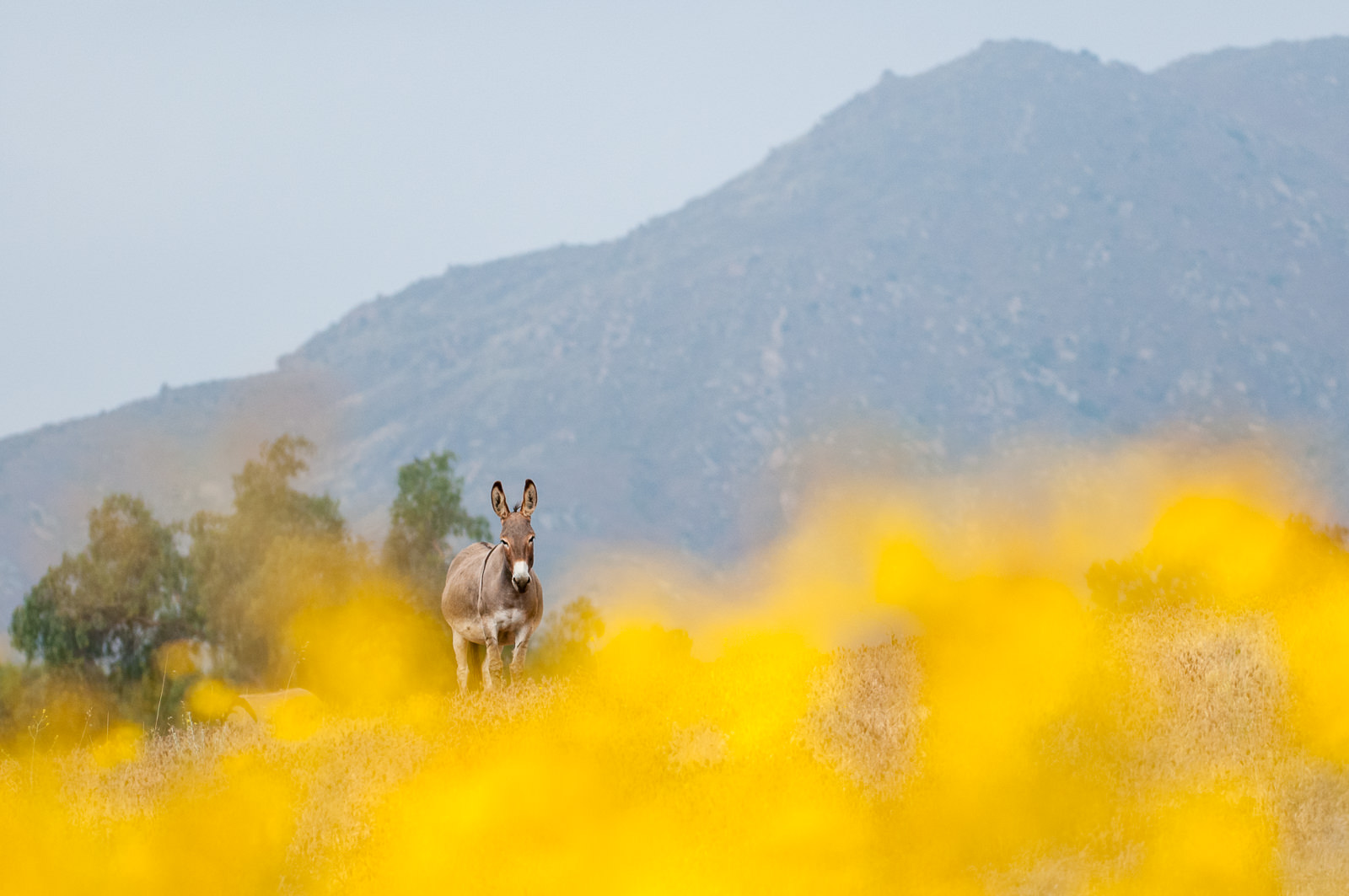
Wild burros in Box Springs Mountain Park in Moreno Valley, California are descendants of domestic donkeys brought to the region during the mining era and later released or escaped. Highly adaptable, they thrive in the dry, rugged terrain, often traveling in small family groups and covering large distances in search of water and food. Nikon D300 with Nikkor 200-400mm lens (at 200mm) ISO 400, f/4 at 1/1600th of a second.
We use cookies to enhance your experience while using our website. If you are using our Services via a browser you can restrict, block or remove cookies through your web browser settings. We also use content and scripts from third parties that may use tracking technologies. You can selectively provide your consent below to allow such third party embeds. For complete information about the cookies we use, data we collect and how we process them, please check our Privacy Policy