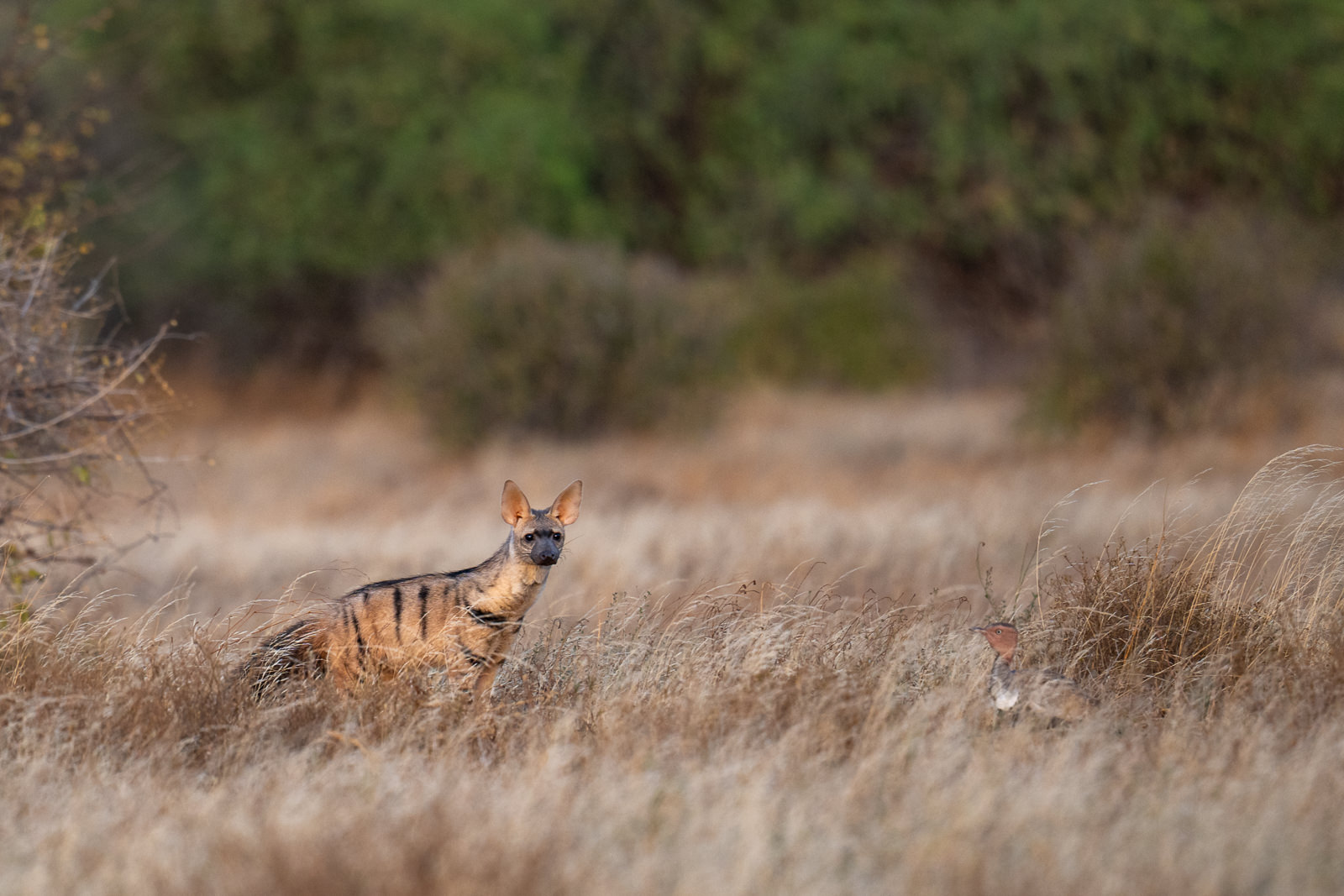
The aardwolf may look like a small hyena, but unlike its larger relatives, it feeds almost entirely on termites, at night. In the African grasslands, encounters with birds like the buff-crested bustard create a perfect contrast — one a secretive nocturnal insect-eater, the other a daytime hunter striding through the same savanna. Nikon Z8 with Nikkor 500mm PF lens, ISO 280, f/5.6 at 1/400th of a second.
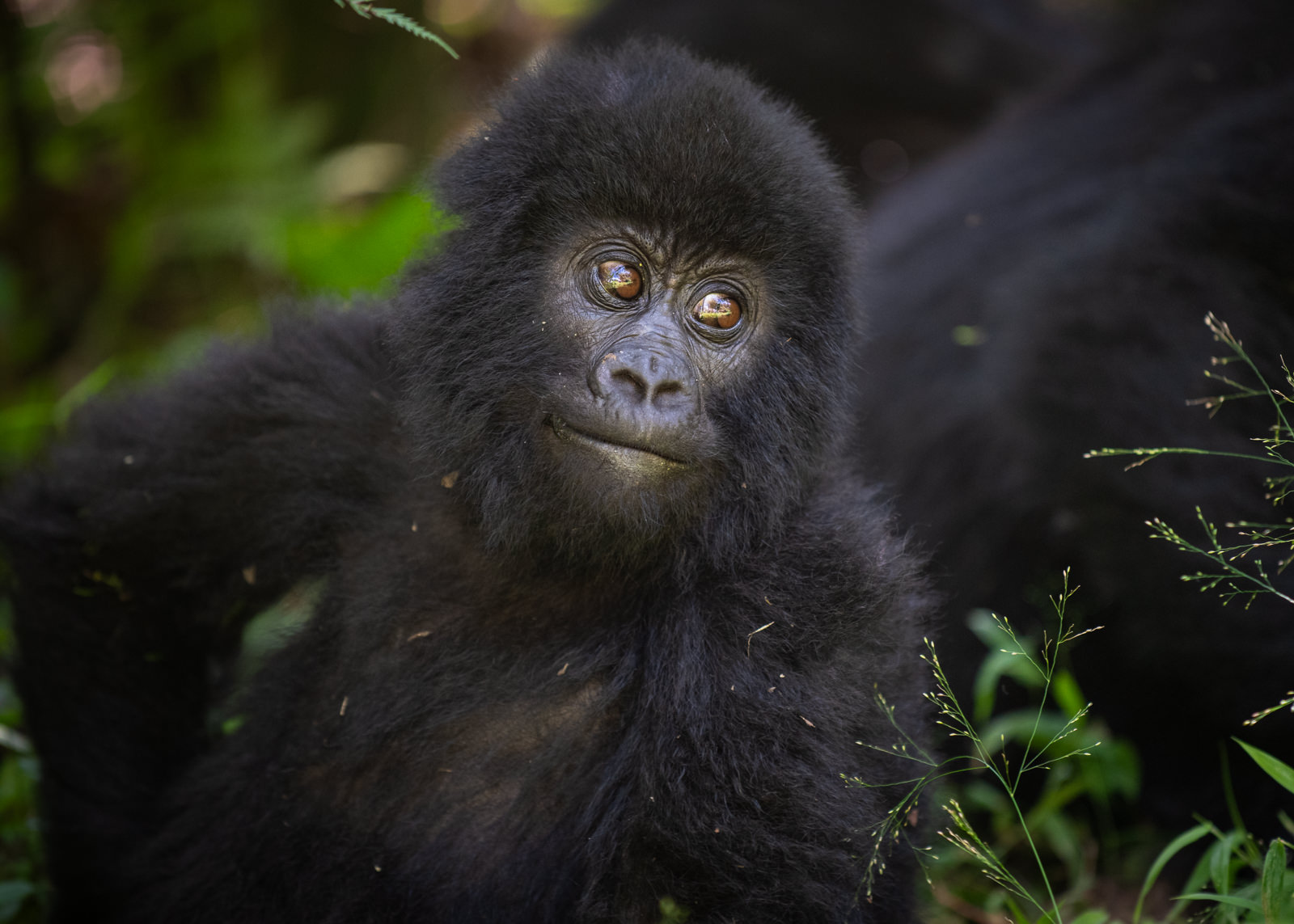
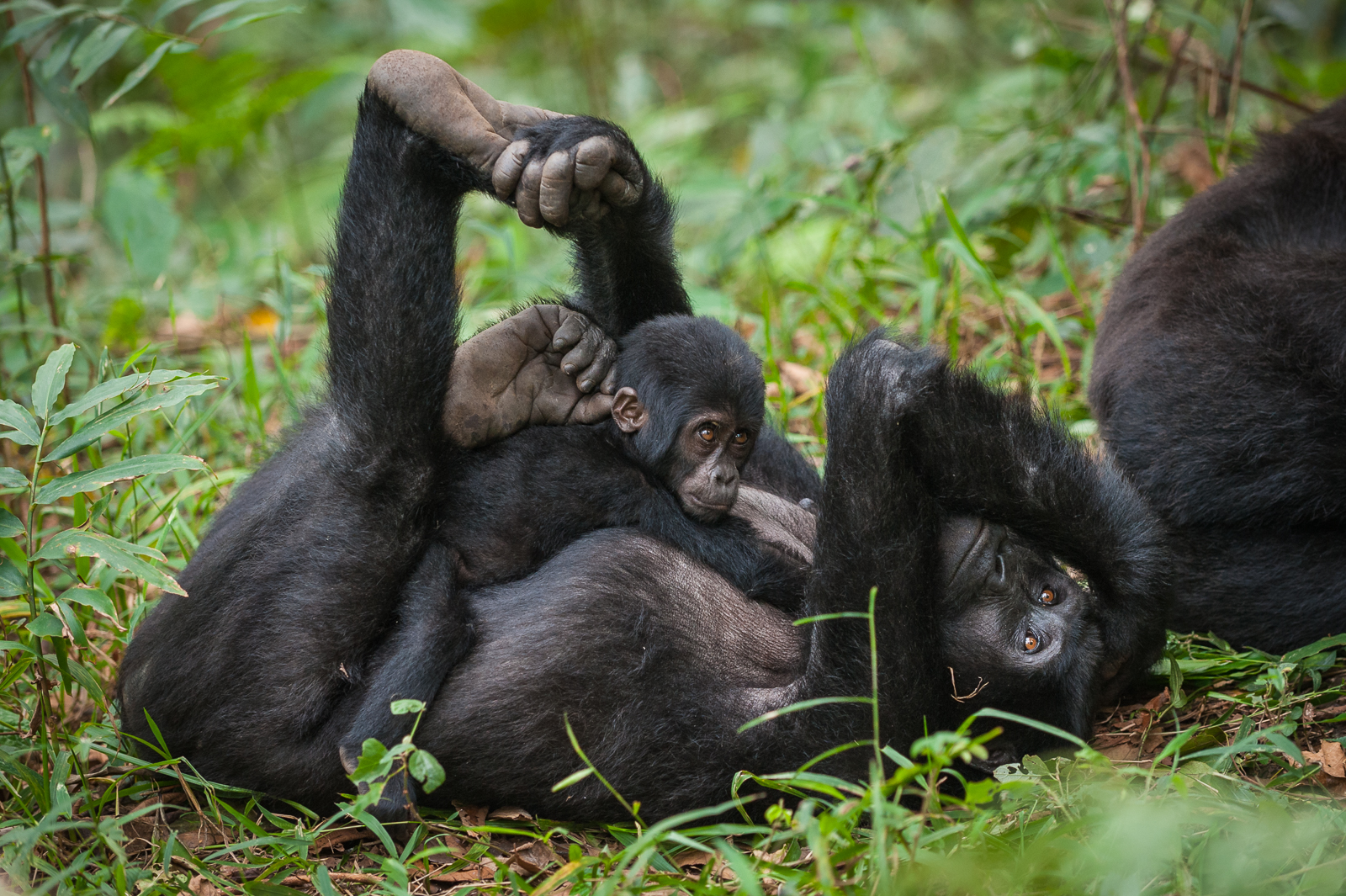
As we start to prepare for our tour season in East Africa, I’m looking forward to seeing more Mountain gorillas in the Virunga Mountains of Uganda. This little guy put on quite a show for us back in 2023. Babies can be very curious and expressive — tumbling, wrestling, and climbing around the troop while developing the social bonds and skills they’ll rely on throughout their lives. Nikon Z8 with Nikkor 70-200mm lens (at 190mm) ISO 2200, f/2.8 at 1/320th of a second.
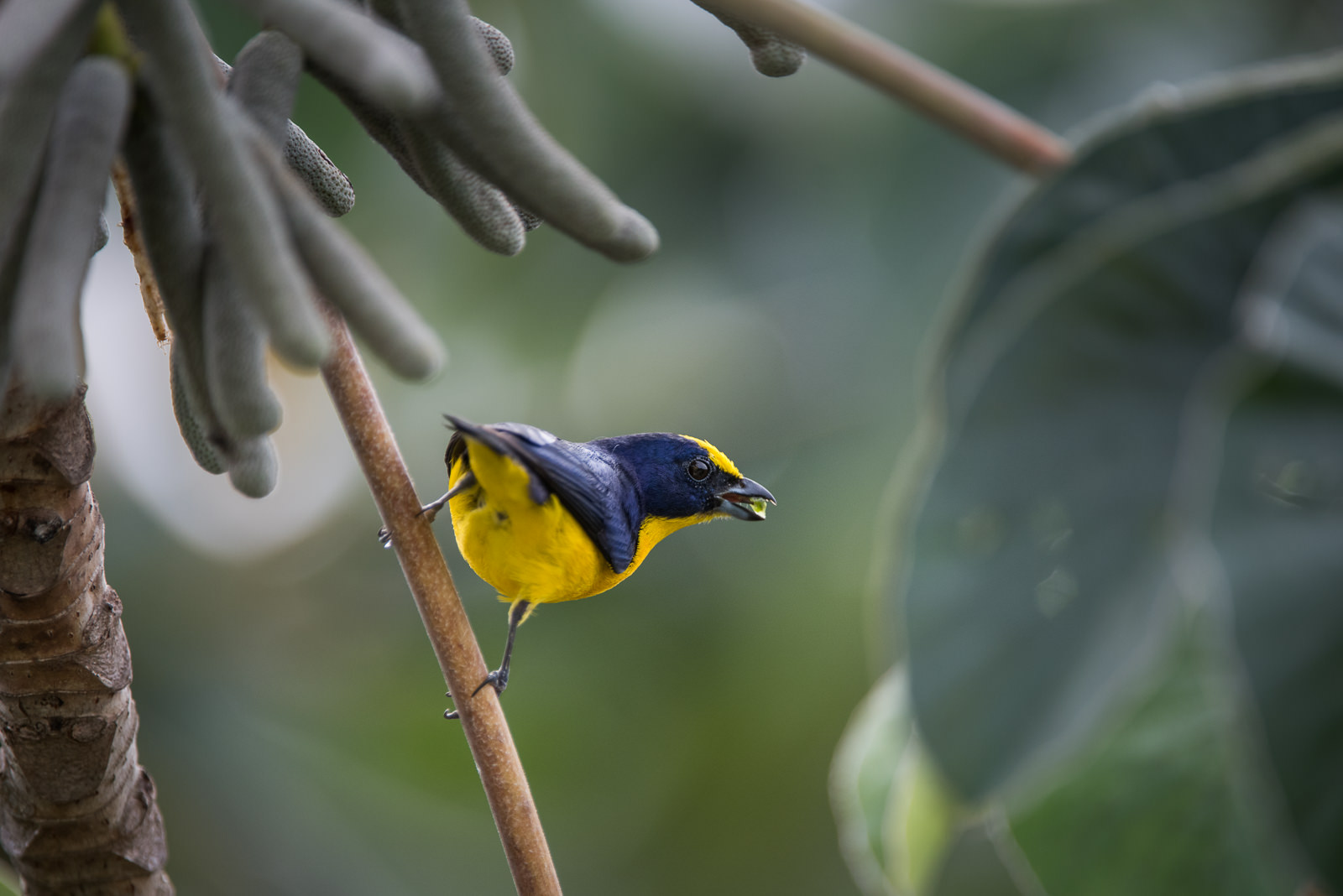
The violaceous euphonia is a small, brightly colored songbird found in tropical forests from Central America into northern South America. Males are especially colorful, with deep violet-blue upperparts contrasted by a bright yellow belly and forehead. Unlike many finches, euphonias specialize in eating fruit, particularly mistletoe berries, which they swallow whole and help disperse throughout the forest. I photographed this one in Soberania National Park in Panama.Nikon D810 with Nikkor 200-400mm lens (at 400mm) ISO 400, f/4 at 1/640th of a second.
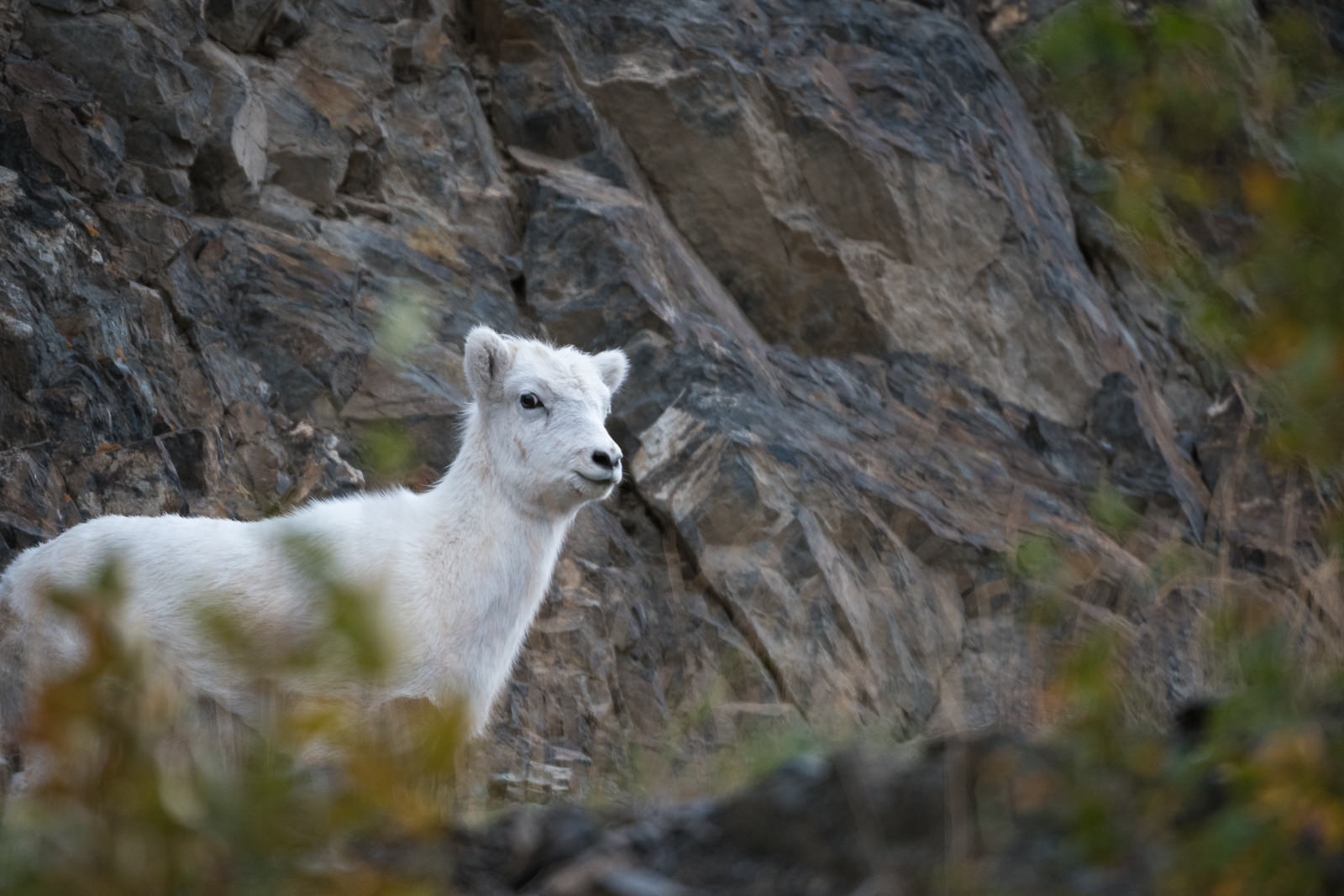
Dall sheep are native to the rugged peaks of Alaska and northwestern Canada, easily recognized by their bright white coats and impressive curled horns (although not this adolescent). Built for steep terrain, they can scale rocky cliffs with incredible agility, using specialized hooves that grip narrow ledges with ease. I spotted this one along the Seward Highway outside of Anchorage, Alaska. Nikon D500 with Nikkor 200-400mm lens (at 400mm) ISO 800, f/4 at 1/320th of a second.
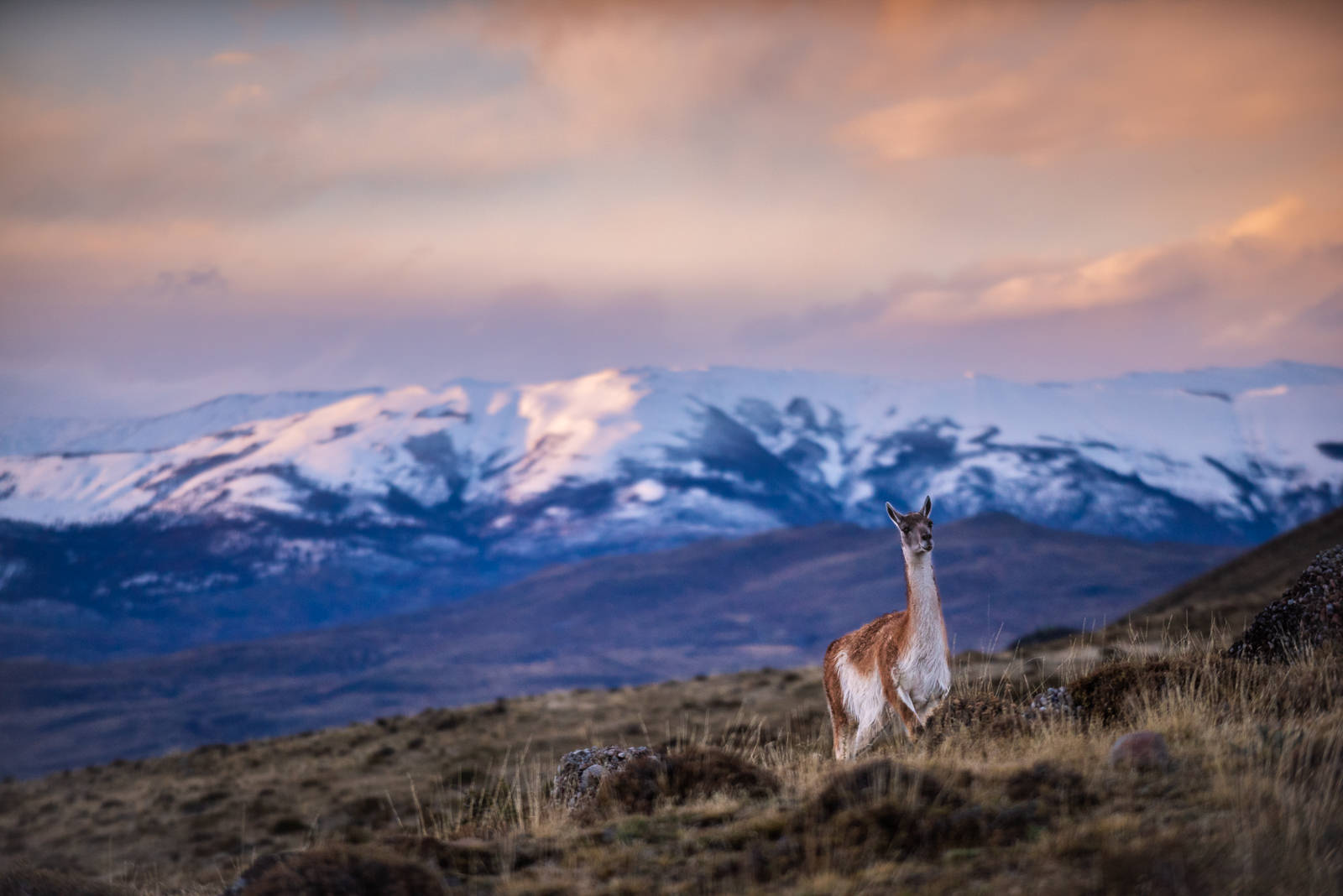
Guanacos are wild relatives of the llama and are perfectly adapted to the harsh winds and open steppe of Patagonia. They rely on sharp eyesight and speed to survive in one of South America’s most dramatic environments. Nikon D810 with Nikkor 70-200mm lens (at 200mm) ISO 800, f/4 at 1/1600th of a second.
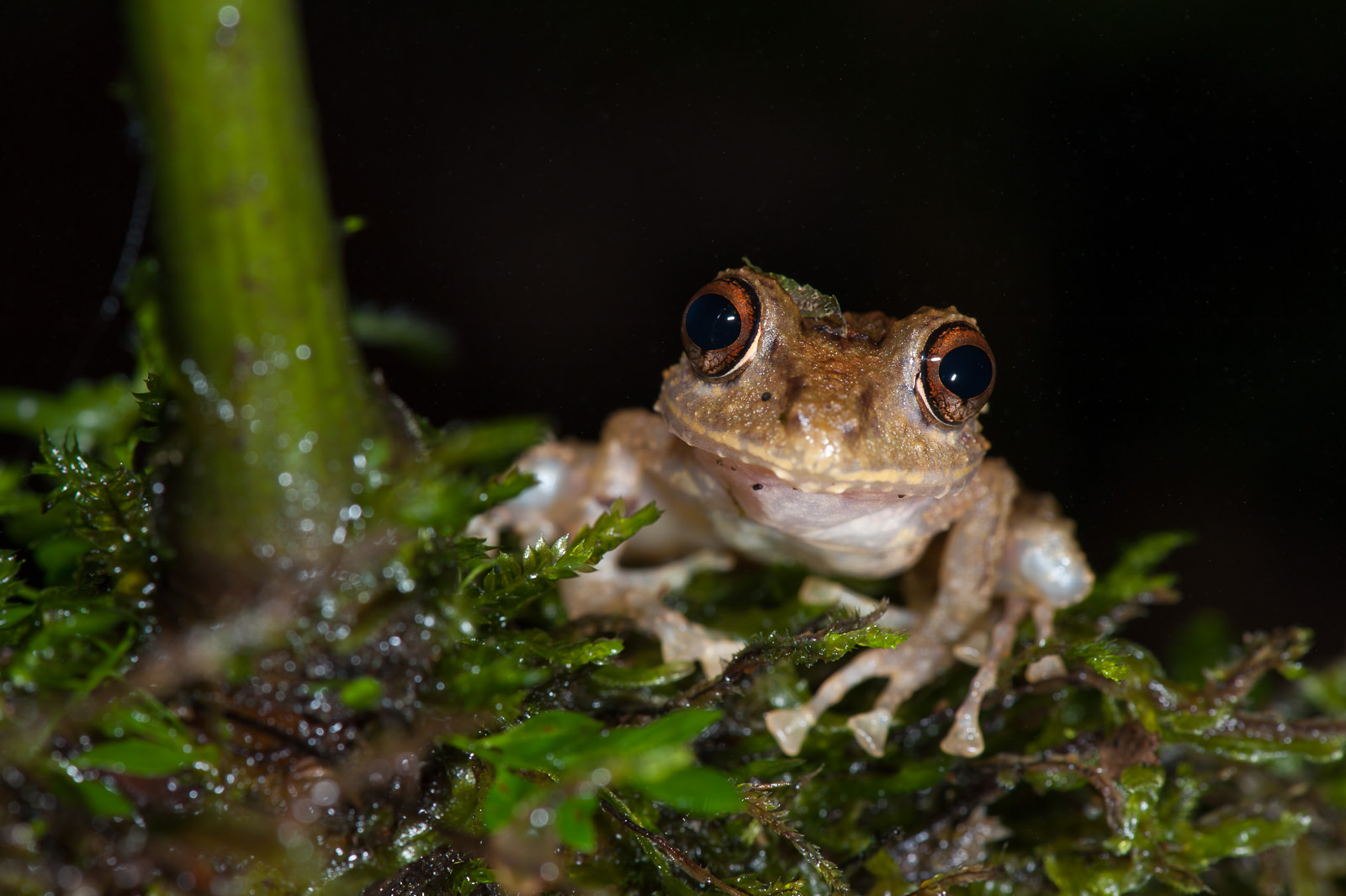
In Ecuador’s cloud forests, rain frogs come out after dark and exist in a world of mist, moss, and dripping leaves. Many species are tiny, well camouflaged, and found nowhere else on Earth, making these high-elevation forests one of the planet’s richest hotspots for frog diversity. Nikon D700 with Nikkor 105mm macro lens, ISO 200, f/14 at 1/60th of a second.
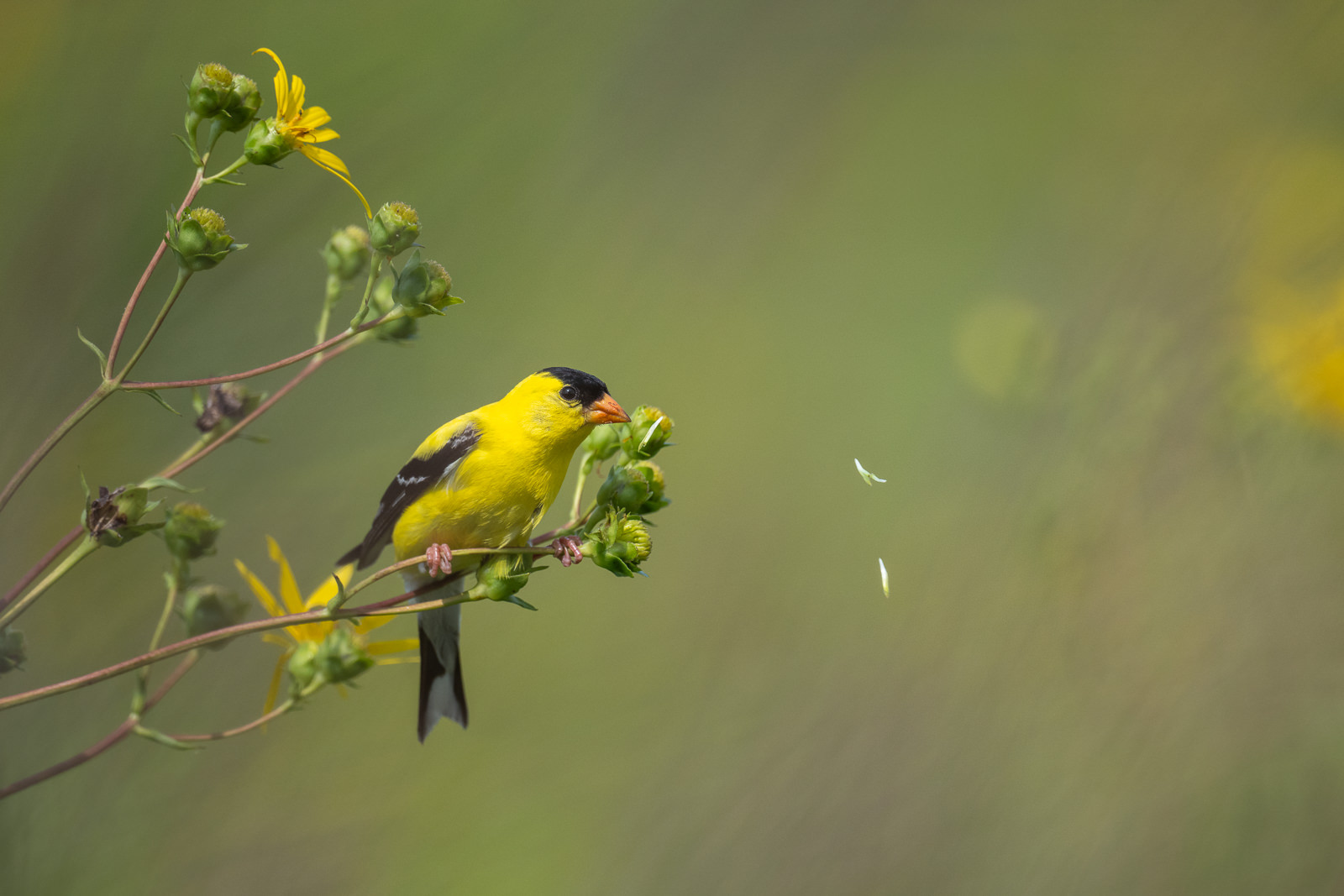
As spring returns, so too does the bright yellow and black of the American goldfinch. Males transition from their subdued winter plumage into their breeding colors. We’ve seen quite a few in our yard already, which is always a welcome sight. Nikon Z8 with Nikkor 500mm PF lens, ISO 560, f/5.6 at 1/3200th of a second.
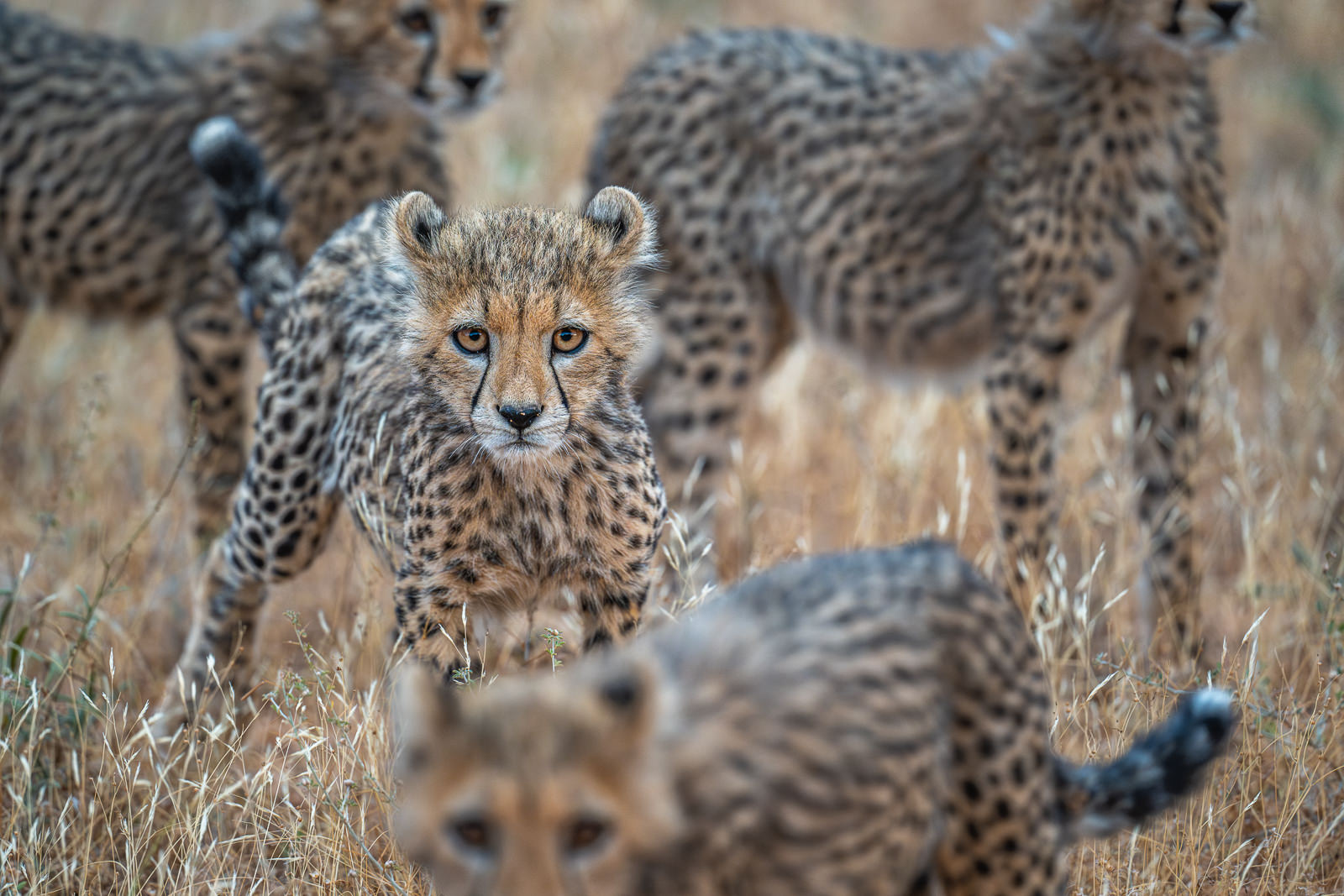
As cheetah cubs grow older, their lives become a constant mix of play and preparation. Chasing, wrestling, and stalking one another helps develop the speed, coordination, and hunting instincts they’ll need to survive on their own one day. Nikon Z8 with Nikkor 500mm PF lens, ISO 2000, f/5.6 at 1/800th of a second.
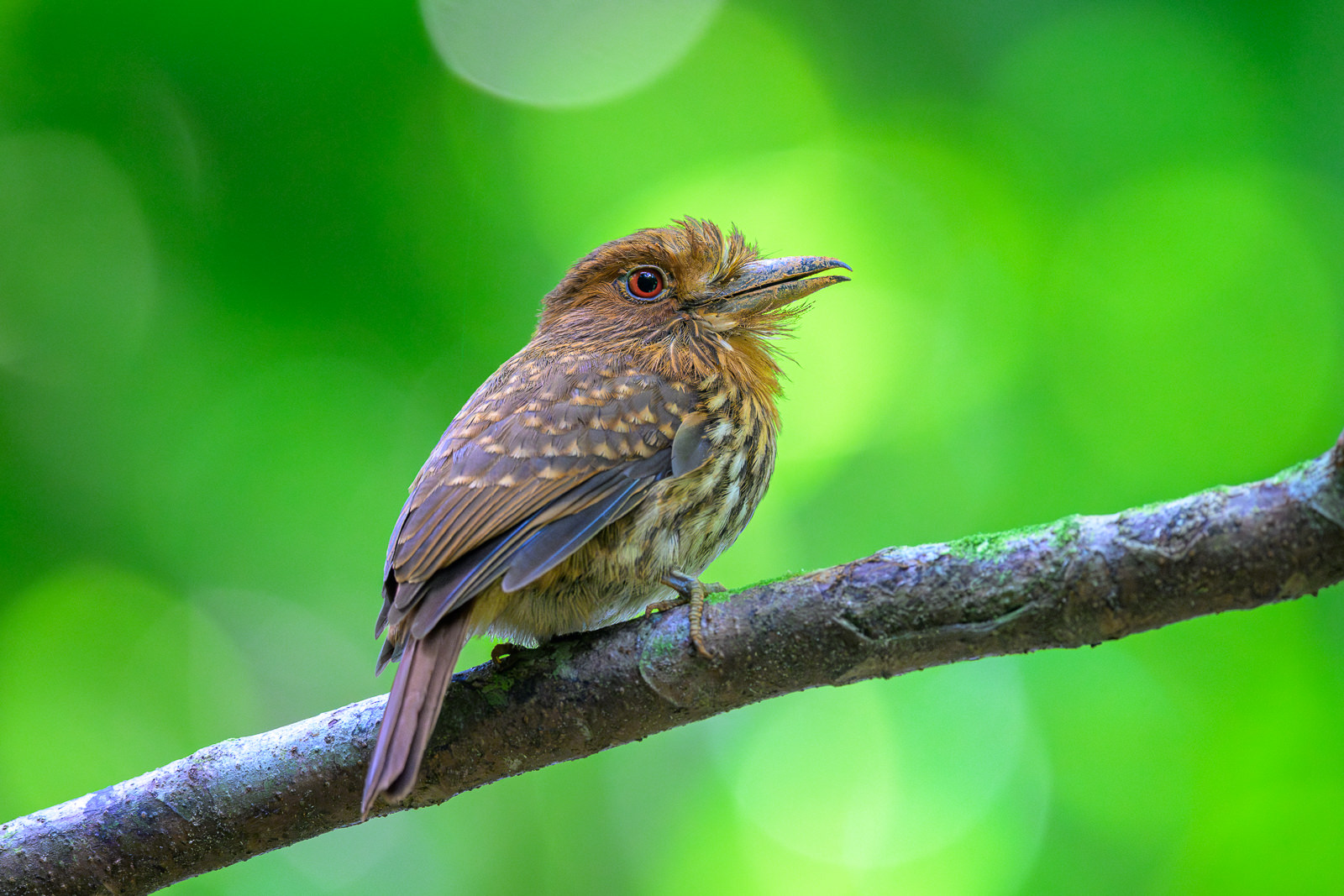
The white-whiskered puffbird is a chunky, sit-and-wait hunter found in the lowland forests of Central and South America. Its shaggy plumage and long white facial bristles give it a perpetually disheveled look, perfectly suited to life in the shaded understory. Rather than actively searching for prey, it often perches motionless for long periods before darting out to snatch insects from the air or forest floor. Nikon Z8 with Nikkor 500mm PF lens, ISO 4500, f/5.6 at 1/400th of a second.
We use cookies to enhance your experience while using our website. If you are using our Services via a browser you can restrict, block or remove cookies through your web browser settings. We also use content and scripts from third parties that may use tracking technologies. You can selectively provide your consent below to allow such third party embeds. For complete information about the cookies we use, data we collect and how we process them, please check our Privacy Policy