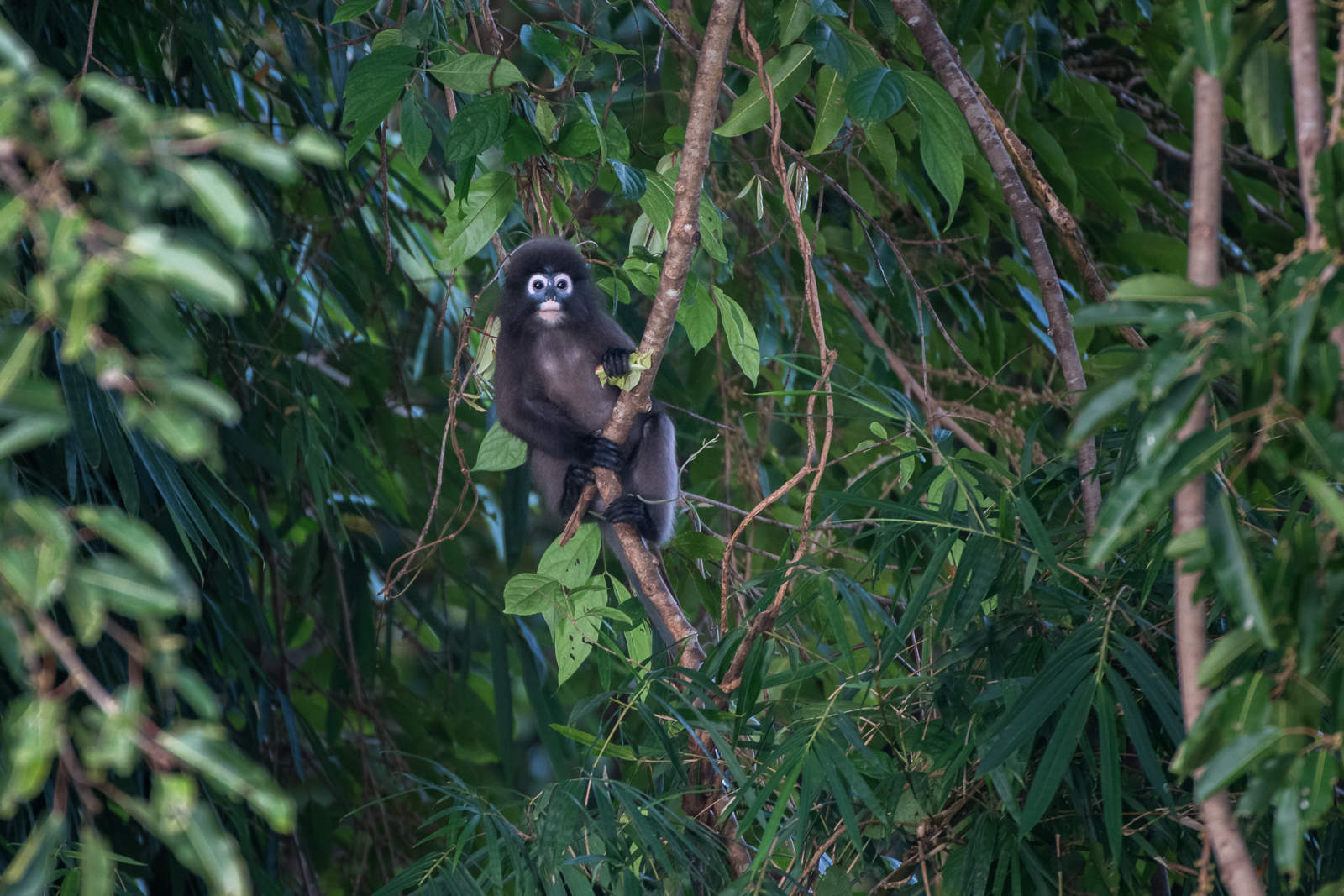
The dusky langur, also known as the spectacled leaf monkey, is a primate found in the forests of Southeast Asia. It gets its “spectacled” nickname from the pale rings around its eyes, giving it a perpetually wide-eyed expression. Infants are born bright orange, a color that gradually fades to the adult’s gray coat over the first few months of life. These langurs are primarily leaf-eaters, using specialized stomachs to digest tough foliage high in the canopy. This one was photographed in Khlong Saeng Wildlife Sanctuary in Thailand. Nikon D500 with Nikkor 200-400mm lens (at 400mm) ISO 800, f/4 at 1/200th of a second.
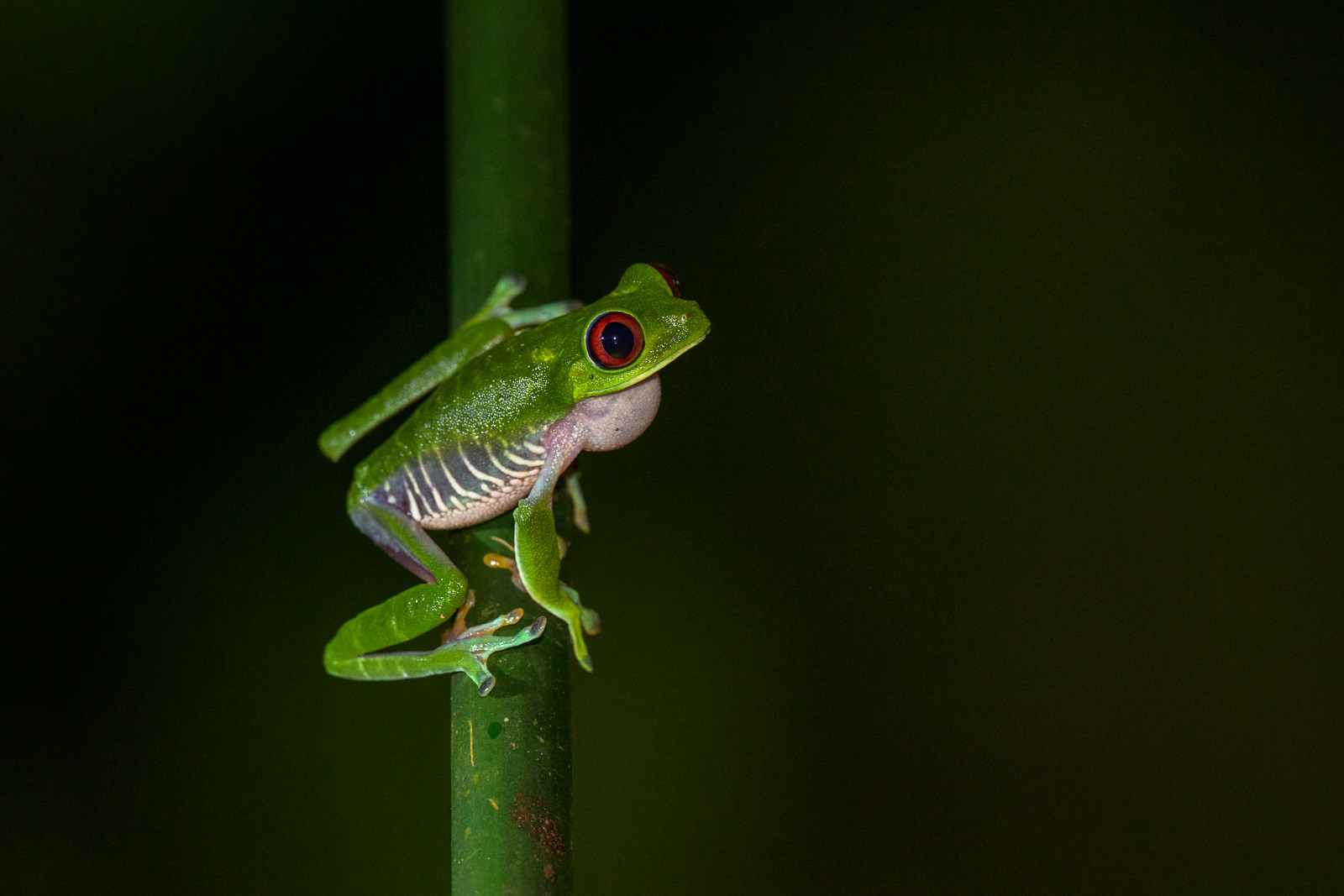
Red-eyed tree frogs in the Piedras Blancas region of Costa Rica often show subtle differences from their Caribbean-side counterparts, including deeper body coloration and variations in the blue-and-yellow flank striping. These regional differences reflect geographic isolation and local habitat conditions across Costa Rica’s distinct ecosystems. Even within a single species, populations can vary in appearance depending on where they live. Nikon Z8 with Nikkor 500mm PF lens, ISO 1000, f/8 at 1/160th of a second, Godox V860III flash.
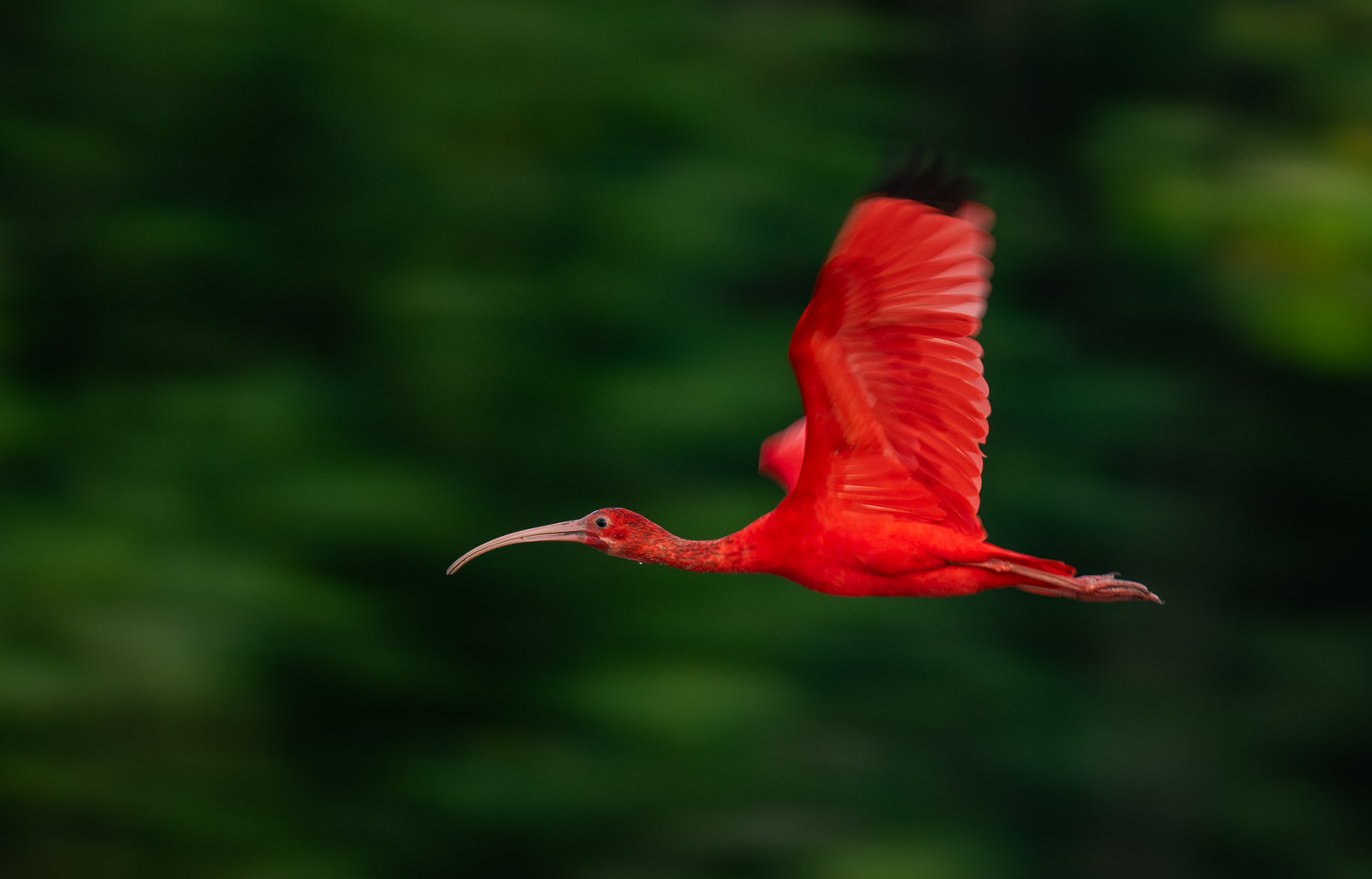
The bright red plumage of a scarlet ibis comes from the carotenoid-rich crustaceans it feeds on in coastal wetlands. I used a slow shutter/panning technique for this image as the ibis came in to roost at the end of the day on the outskirts of Georgetown, the capital of Guyana. Nikon Z8 with Nikkor 500mm PF lens, ISO 900, f/5.6 at 1/100th of a second.
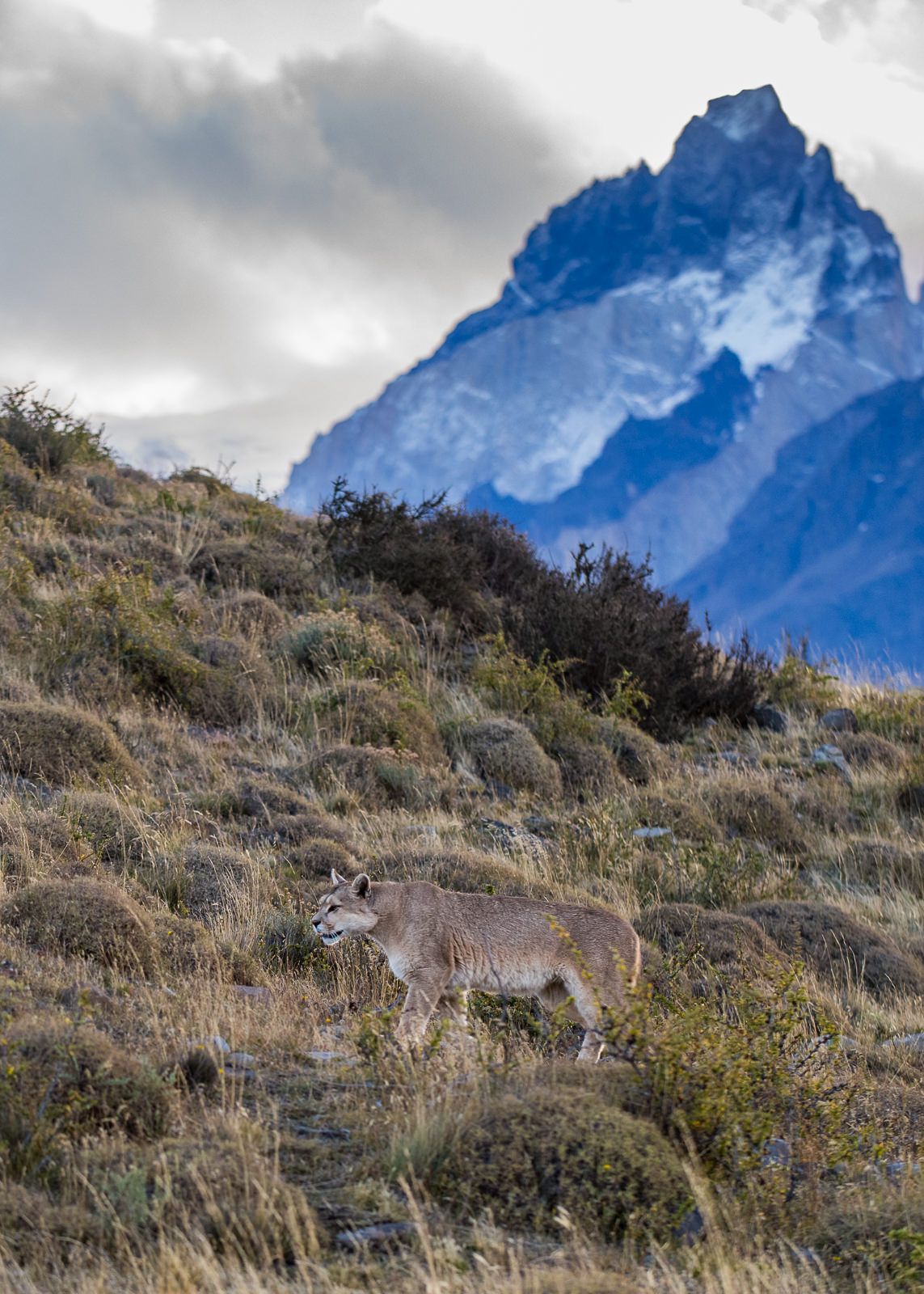
In Torres del Paine in Chile, pumas have become more visible thanks to strong conservation and plenty of prey like guanaco. They cover large territories, often hunting at dawn and dusk. As you can see, even in the open landscape, their coat blends seamlessly into the terrain. Nikon D810 with Nikkor 70-200mm lens (at 120mm) ISO 800, f/4 at 1/1000th of a second.
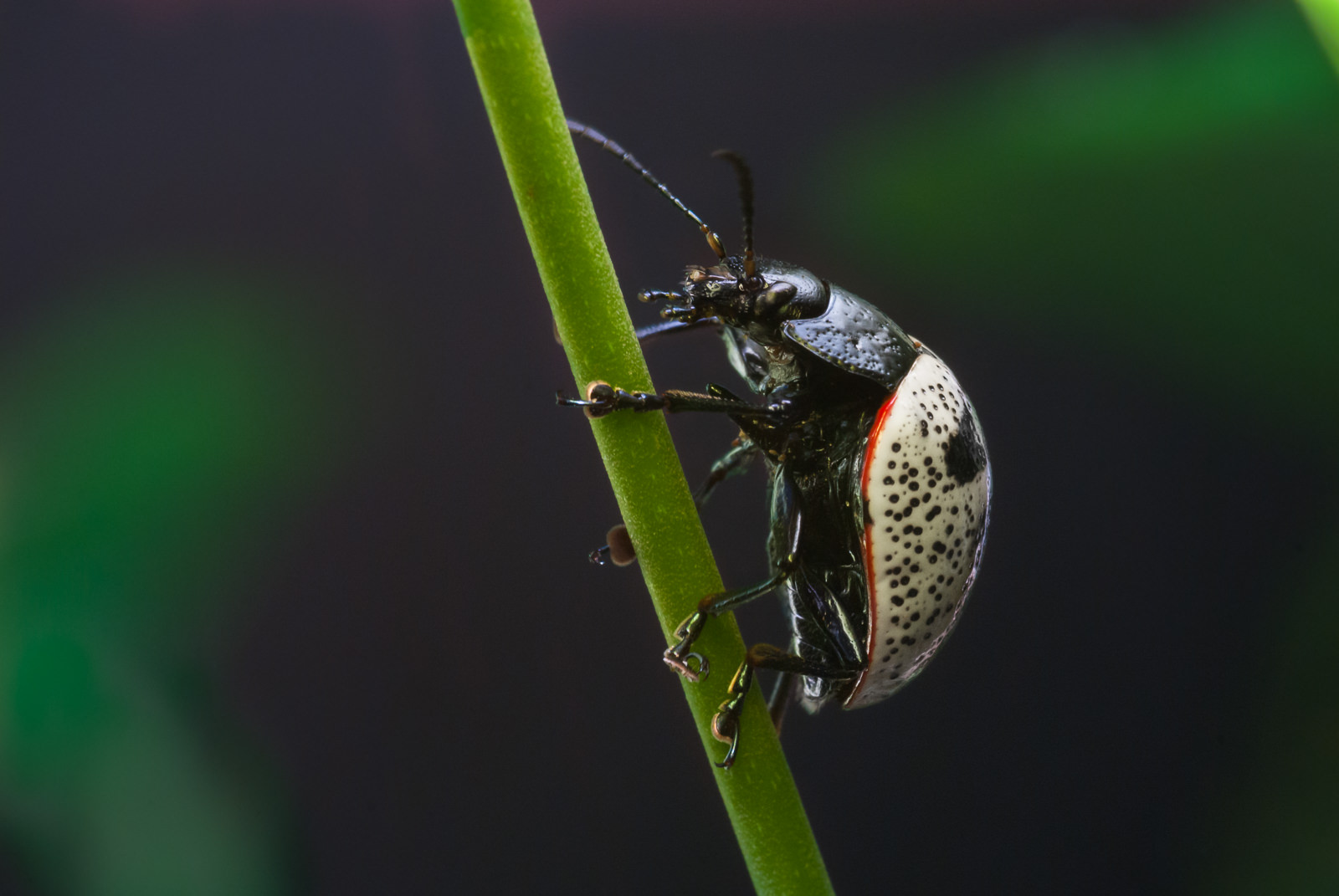
I took this photo in southeastern Costa Rica back in 2007 and have been trying to identify the species ever since. I went back and forth with a few AI programs and the best they came up with was that it was probably a leaf beetle of the genus Calligrapha (family Chrysomelidae, subfamily Chrysomelinae). Who knows, maybe I unknowingly discovered a new species. Nikon D200 with Nikkor 70-200mm lens (at 200mm with Canon 500D close up filter), ISO 400, f/20 at 1/60th of a second, Nikon SB-600 flash units.
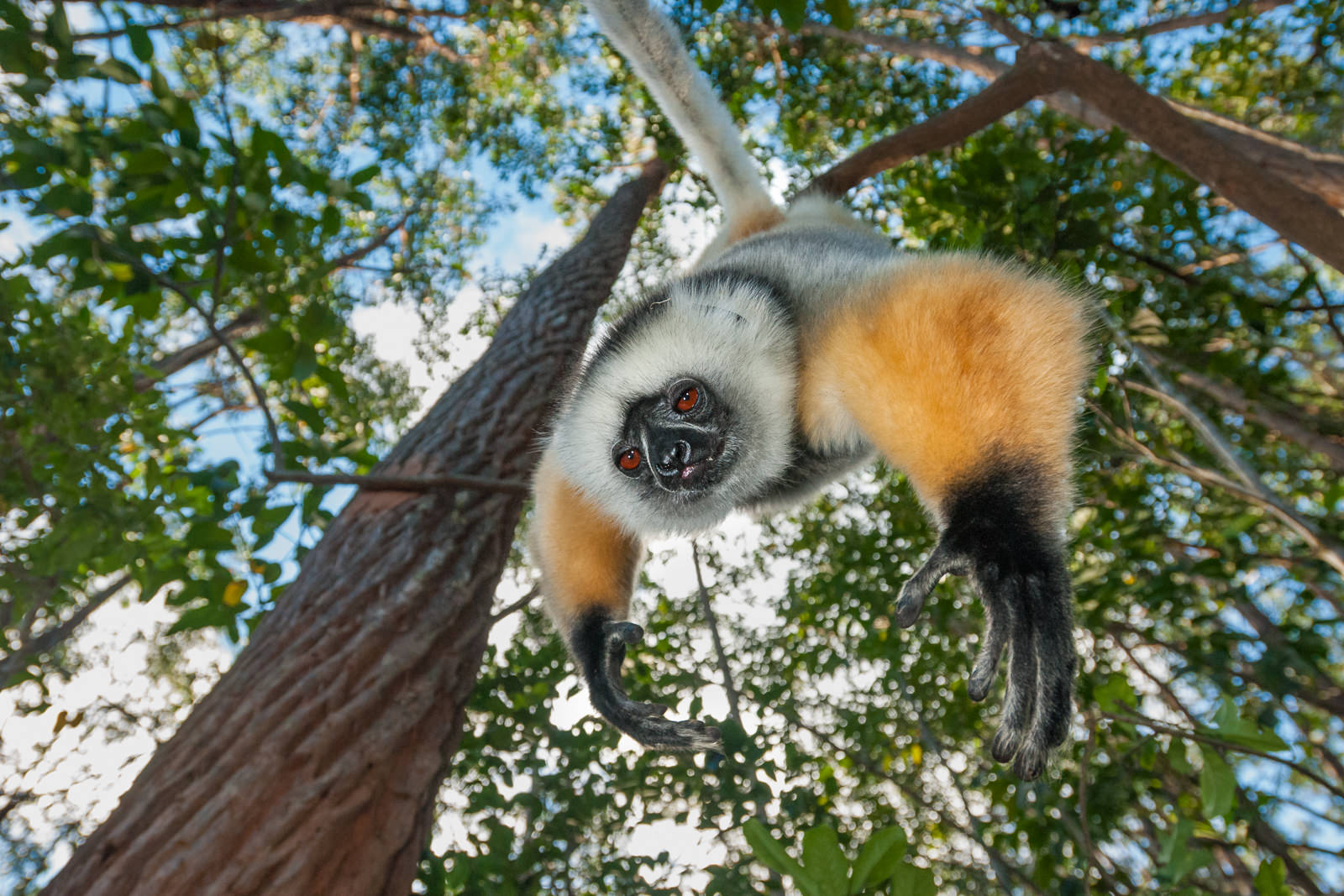
Diademed sifakas are built for life in the canopy, using powerful hind legs to leap between trees, and just as easily hang or pivot upside down to reach food. I photographed this one on my first visit to Madagascar back in 2007 on an island for rescued lemurs. Nikon D200 with Nikkor 17-35mm lens (at 17mm) ISO 400, f/4.5 at 1/250th of a second, two Nikon SB-600 flash units.
Something a bit different today. I was just featured on the Connecticut Unfiltered podcast talking all things wildlife and Crane Wildlife Tours, among a few other topics. Thanks to host Ellie Doyle of Reheated Coffee Club. The full podcast is about an hour long. Enjoy.
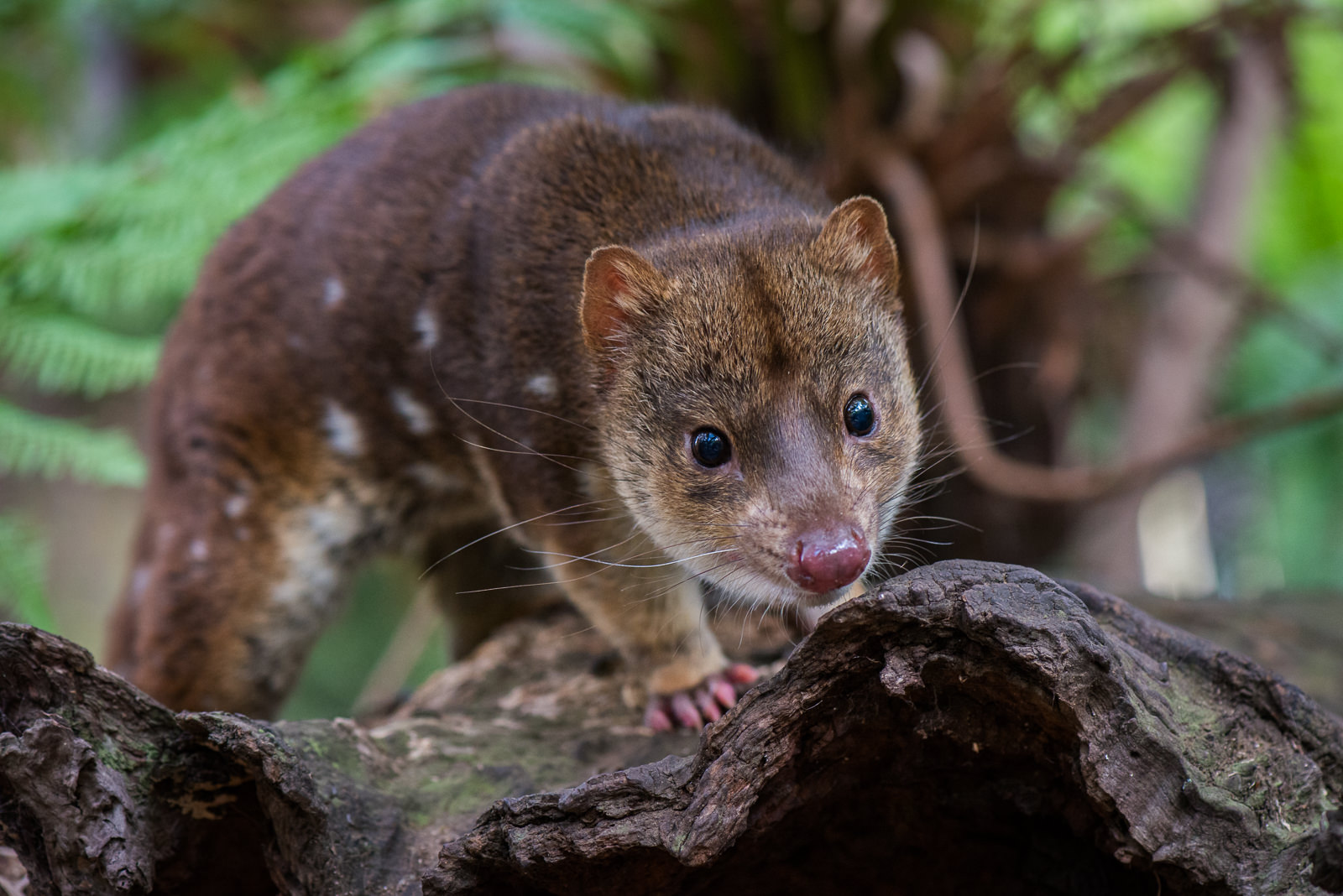
The spotted quoll is Australia’s largest remaining carnivorous marsupial. A powerful nocturnal hunter, it preys on birds, small mammals, and reptiles, often climbing trees in pursuit of food. Despite its strength and agility, the species is threatened by habitat loss and competition from introduced predators, making it an increasingly rare sight in the wild. I photographed this one at a wildlife sanctuary for injured mammals in Tasmania. Nikon D800 with Nikkor 105mm macro lens, ISO 3200, f/4.5 at 1/250th of a second.
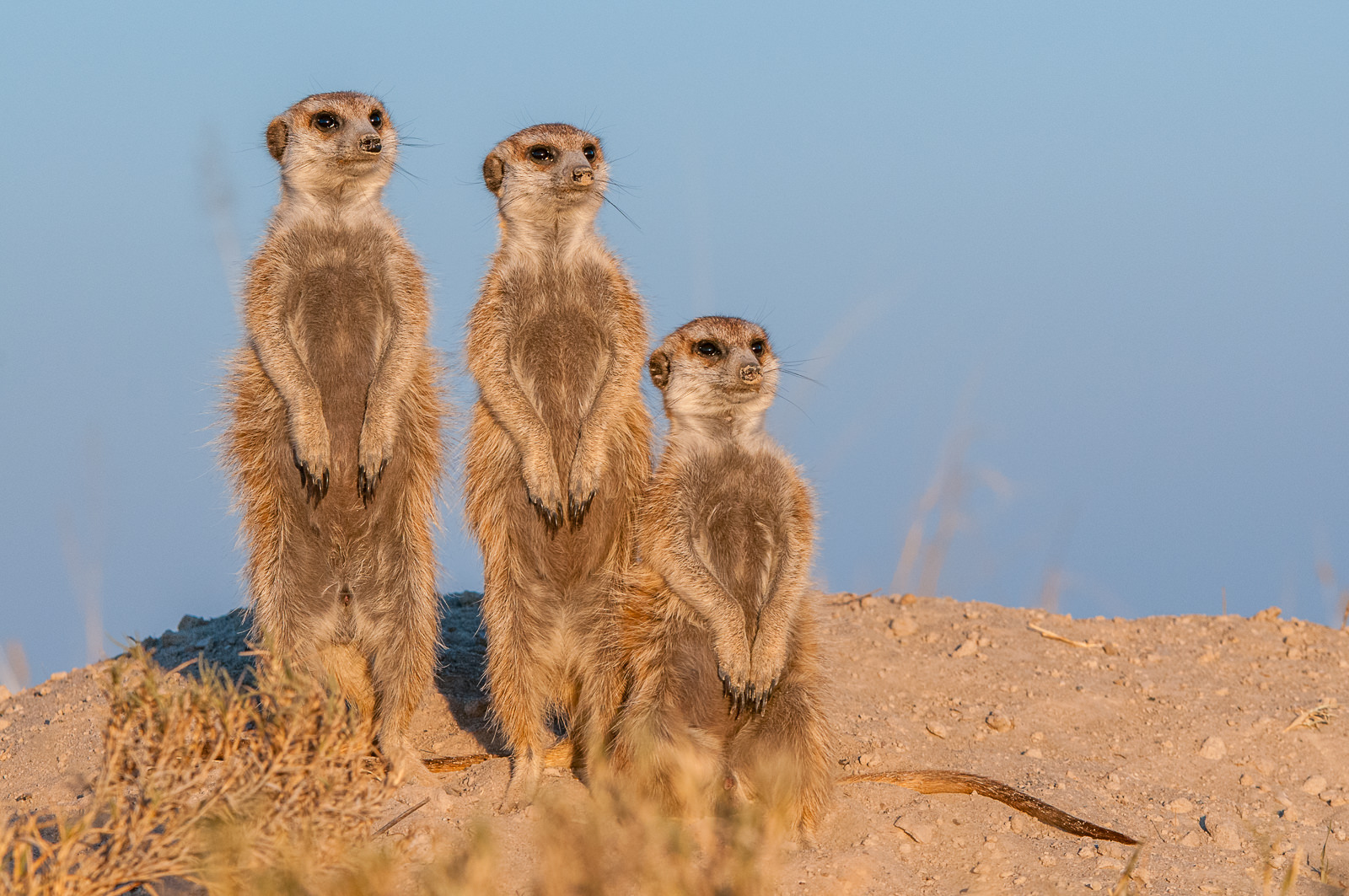
Meerkats are highly social animals, living in tight-knit groups where cooperation is key to survival. While some forage, others stand guard—taking turns as sentinels to watch for predators. Even moments like this, which look like a family portrait, are part of a constant rhythm of teamwork and awareness. Nikon D300 with Nikkor 200-400mm lens (at 240mm) ISO 400, f/7.1 at 1/500th of a second.
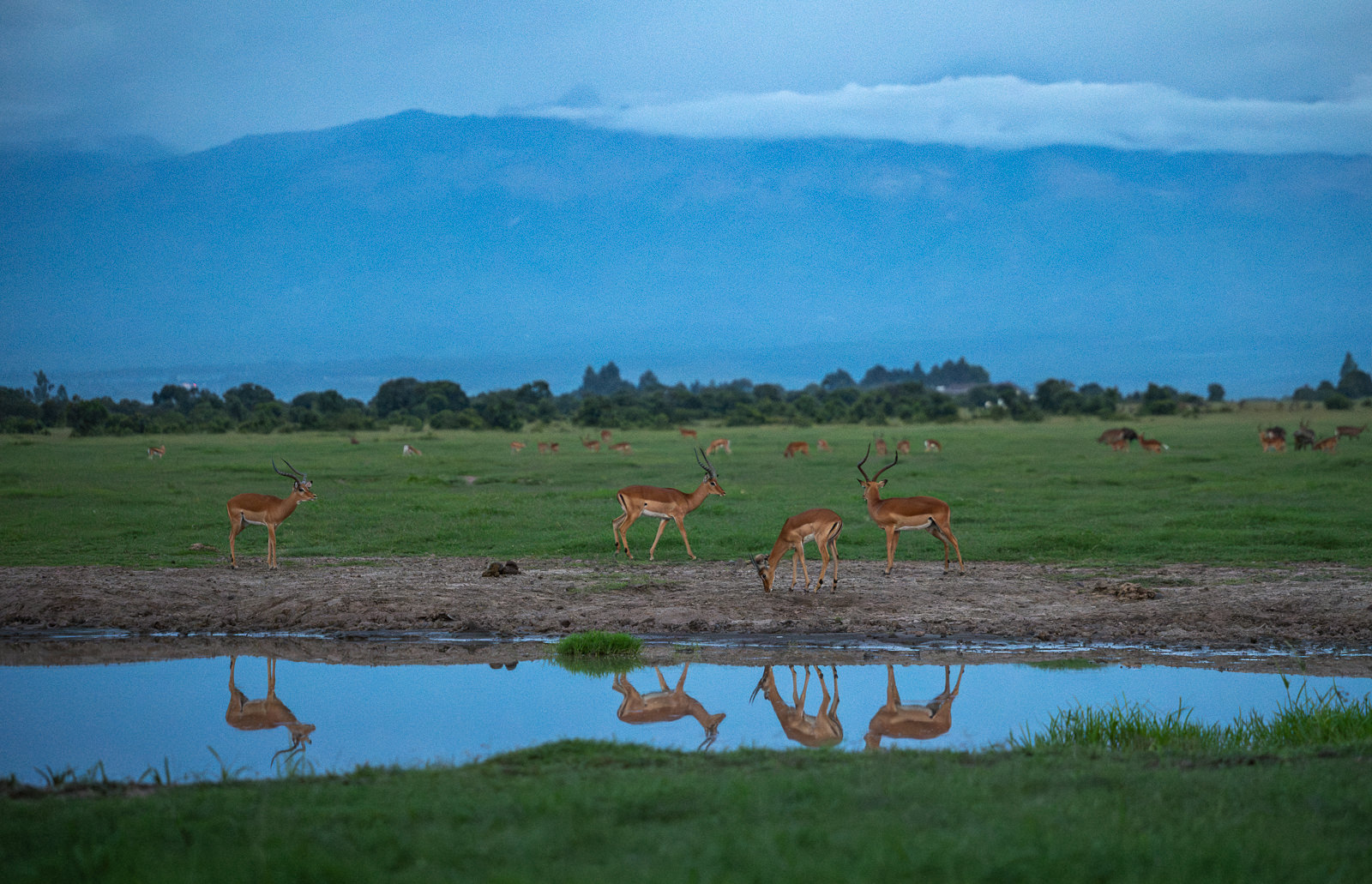
As dusk settles over Ol Pejeta in Kenya, impala gather at waterholes, timing their visit carefully when the heat fades but before nocturnal predators take over. Ever alert, they drink in quick turns, ears flicking and eyes scanning, relying on safety in numbers as the light slips away.
We use cookies to enhance your experience while using our website. If you are using our Services via a browser you can restrict, block or remove cookies through your web browser settings. We also use content and scripts from third parties that may use tracking technologies. You can selectively provide your consent below to allow such third party embeds. For complete information about the cookies we use, data we collect and how we process them, please check our Privacy Policy