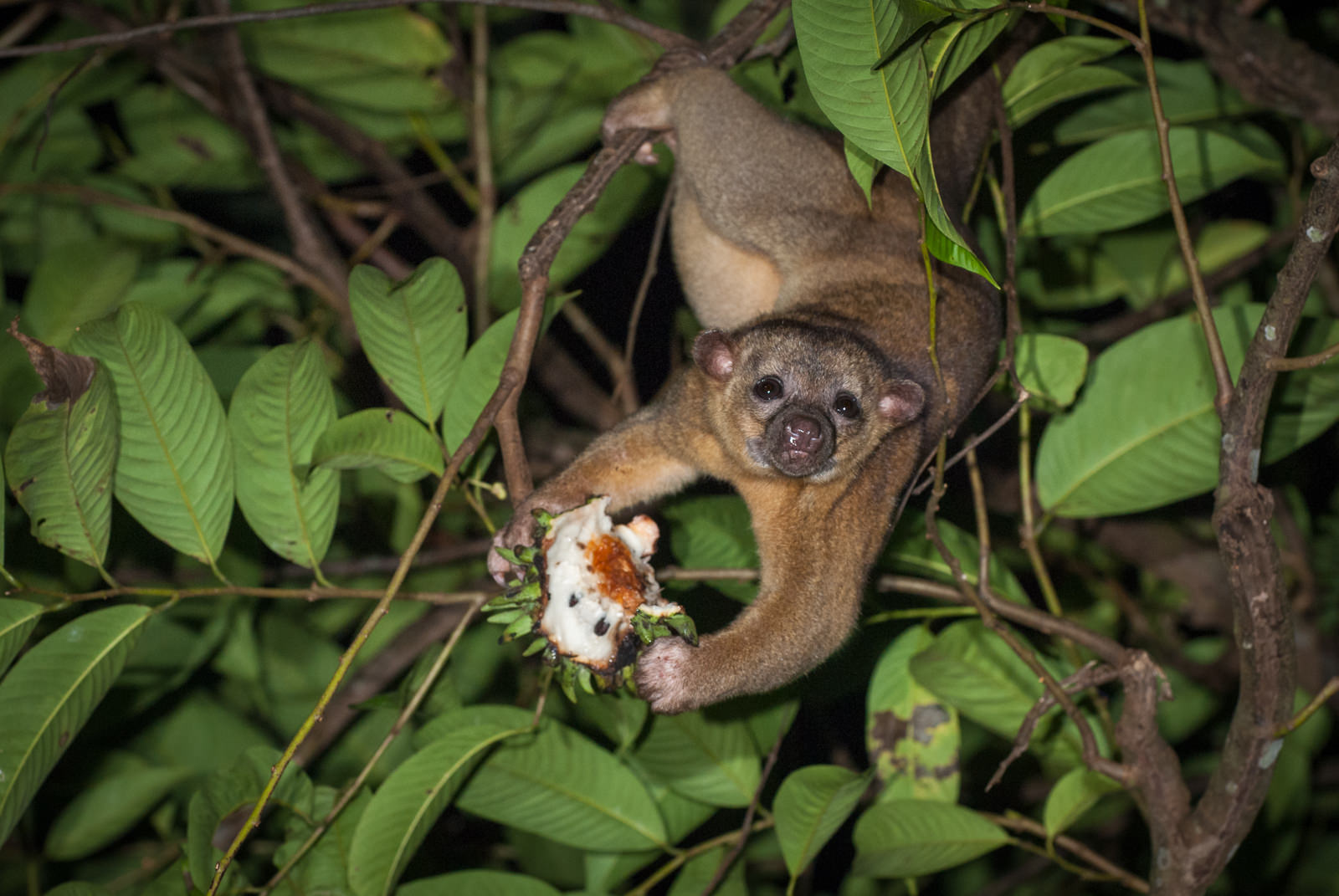
I’ve seen kinkajous a few times but this occasion in 2007 was the only time I was able to get any photos. They are strictly nocturnal and I was hiking at night in southern Costa Rica. He/she was very distracted by that large fruit and wasn’t about to give it up. At the time I had no idea what kind of fruit it was but can now identify it as biribá, also known as rollinia or lemon meringue pie fruit. Here’s hoping I’m back in the rainforest soon and on the hunt for more great nocturnal wildlife. Nikon D200 with Nikkor 70-200mm lens (at 150mm) ISO 400, f/5.6 at 1/60th of a second, two Nikon SB-600 flash units.
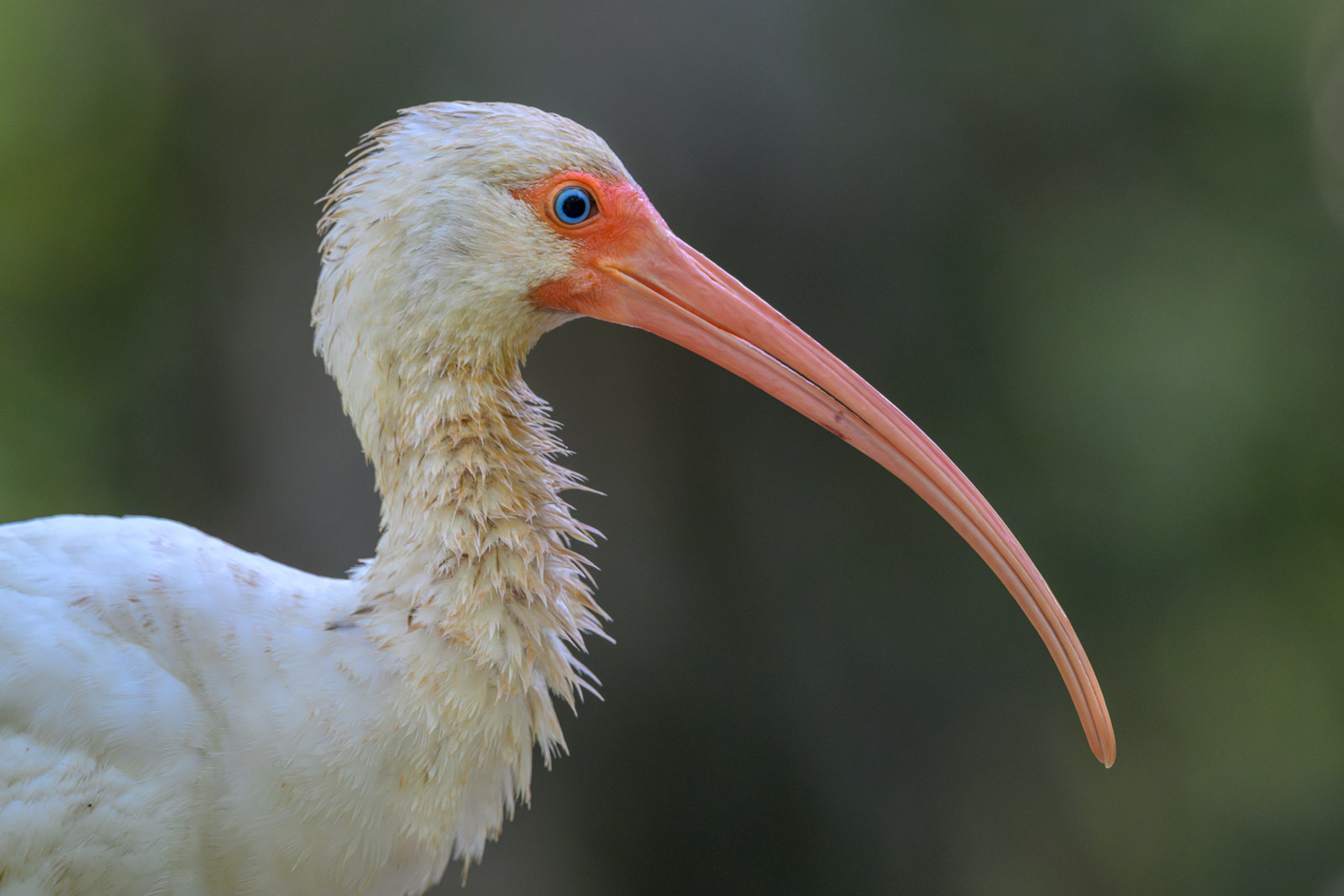
Even the extremely common and cooperative animals deserve a post now and again. When visiting my mother in southwest Florida, there’s never a lack of white ibises to put in front of the lens. This one greeted me on a boardwalk hike through Corkscrew Swamp. Interesting fact about the white ibis — they have a unique feeding style, using their long, curved bills to probe blindly in mud and shallow water, snapping shut the instant they touch prey. Nikon Z8 with Nikkor 500mm PF lens, ISO 2800, f/6.3 at 1/500th of a second.
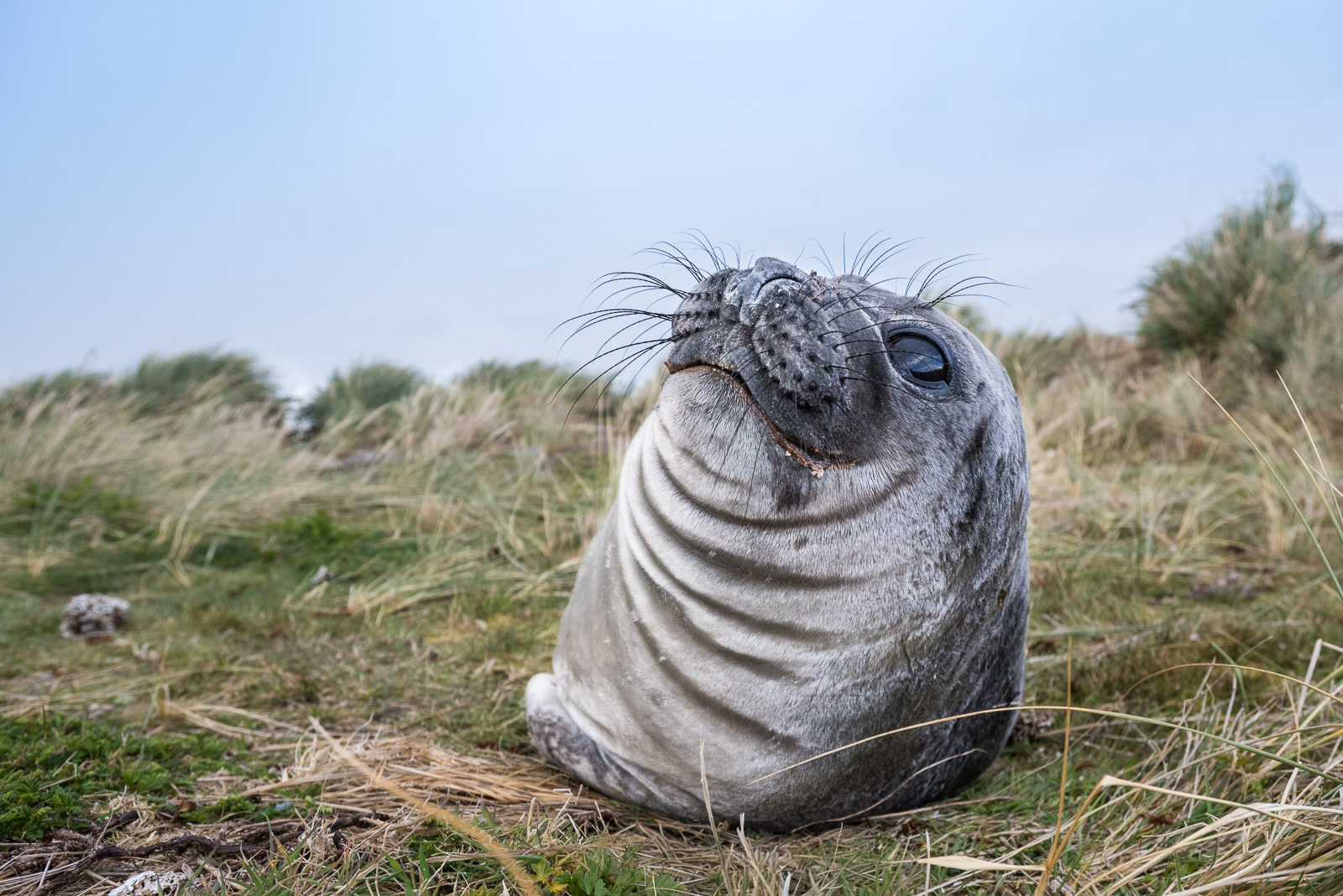
It’s come to my attention that over the past few days, this seal has apparently taken on a life of his own online, where he’s now being referred to as “The Champ.” I met The Champ back in 2014 on Carcass Island in the Falkland Islands. He was at the age when he likely just left his mother and was newly out on his own. I was on a long trail-less hike to an area I’m sure not too many people visit when I spotted him all alone behind protective dunes. I took a few wide-angle shots at ground level and then moved on to the nearby penguins. Who knew that twelve years later the story of The Champ would start to take hold on Reddit, X and TikTok with people describing him as “blob,” “sausage” and “sealshi roll.” Nikon D810 with Nikkor 17-35mm lens (at 25mm) ISO 800, f/6.3 at 1/1000th of a second.
I put this video together for an upcoming podcast I’m going to be featured on. Thanks to my sister Kerry and my wife Karen for grabbing footage of me while I’m grabbing footage of wildlife.
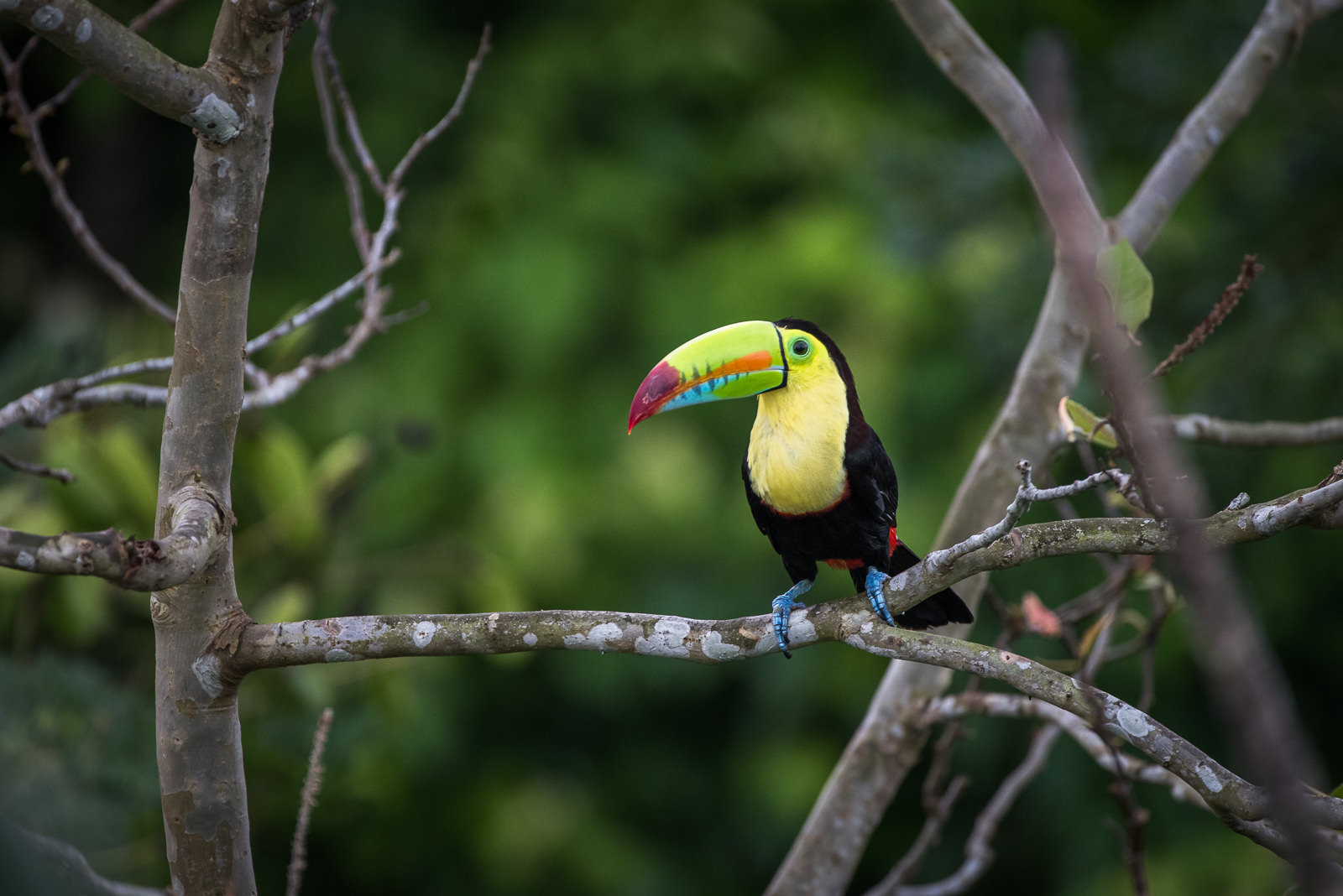
The keel-billed toucan is one of the most colorful birds of the Central American rainforest, instantly recognizable by its large bill in bright greens, oranges, reds, and blues. Despite its size, the bill is surprisingly lightweight, made mostly of hollow bone covered in keratin. Keel-billed toucans use it to reach fruit on slender branches, but they’ll also eat insects, lizards, and even small birds’ eggs. This one was photographed in Soberania National Park in Panama. Nikon D810 with Nikkor 200-400mm lens (at 400mm) ISO 800, f/4 at 1/200th of a second.
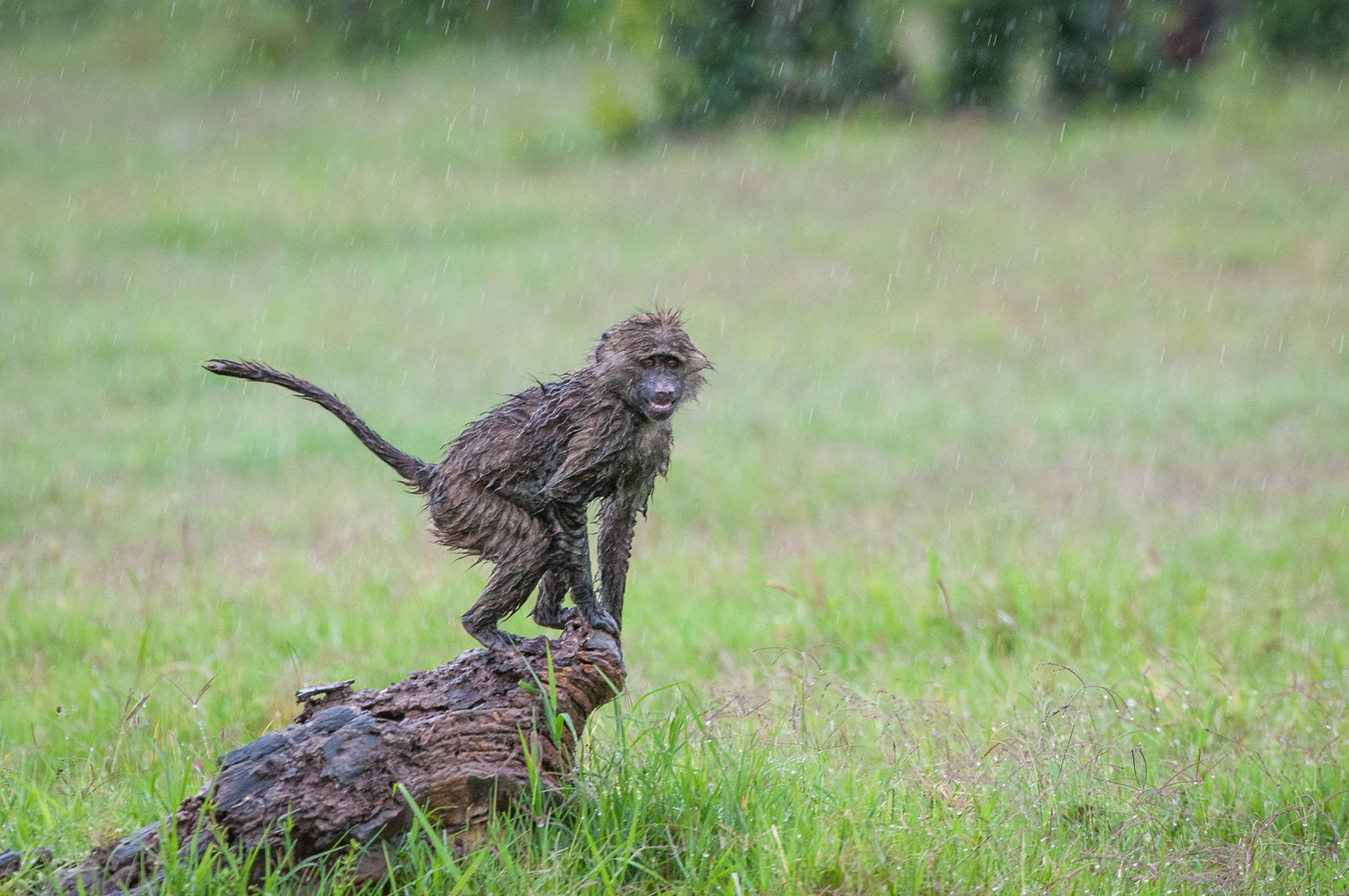
It’s always fun to shoot in the rain (as long as I’m prepared for it, and it isn’t raining so hard that I lose visibility). It also seemed as if this young olive baboon was enjoying the rain. He/she was running around jumping from tree stump to rock to tree stump. Photographed in Kenya, many trips to Kenya ago. Nikon D300 with Nikkor 200-400mm lens (at 360mm) ISO 800, f/5.6 at 1/400th of a second.
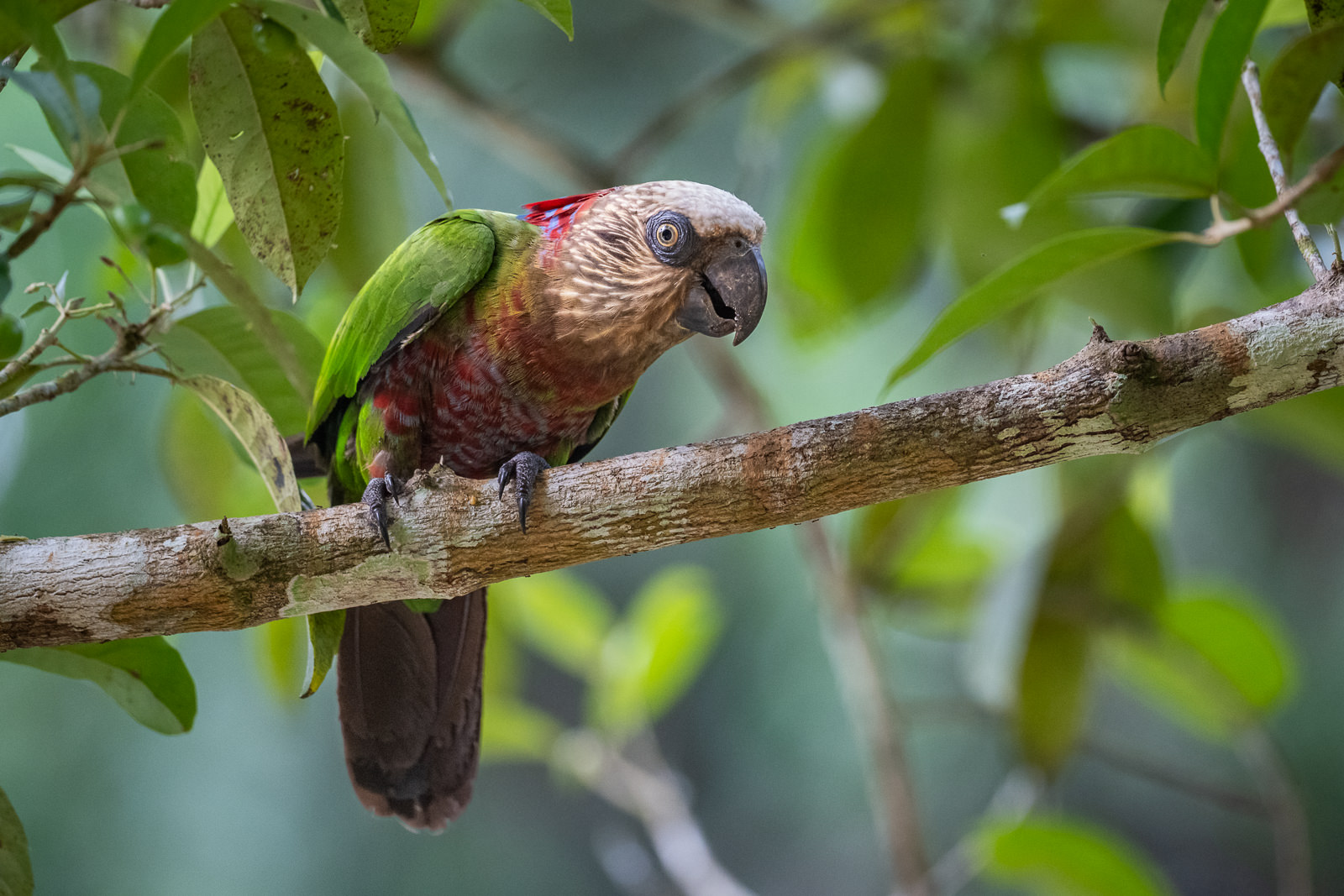
The red fan parrot, also known as the hawk-headed parrot, is one of the most striking parrots of the Amazon Basin, including the forests of Guyana where I captured this one. When excited or threatened, it raises a dramatic fan of red-and-blue neck feathers that spreads around its head like a headdress. This display makes the bird look far larger and more intimidating than it really is. I got a few different shots but the parrot(s) I saw never fully extended those feathers. A great sighting nonetheless.Nikon Z8 with Nikkor 500mm PF lens, ISO 3200, f/5.6 at 1/400th of a second.
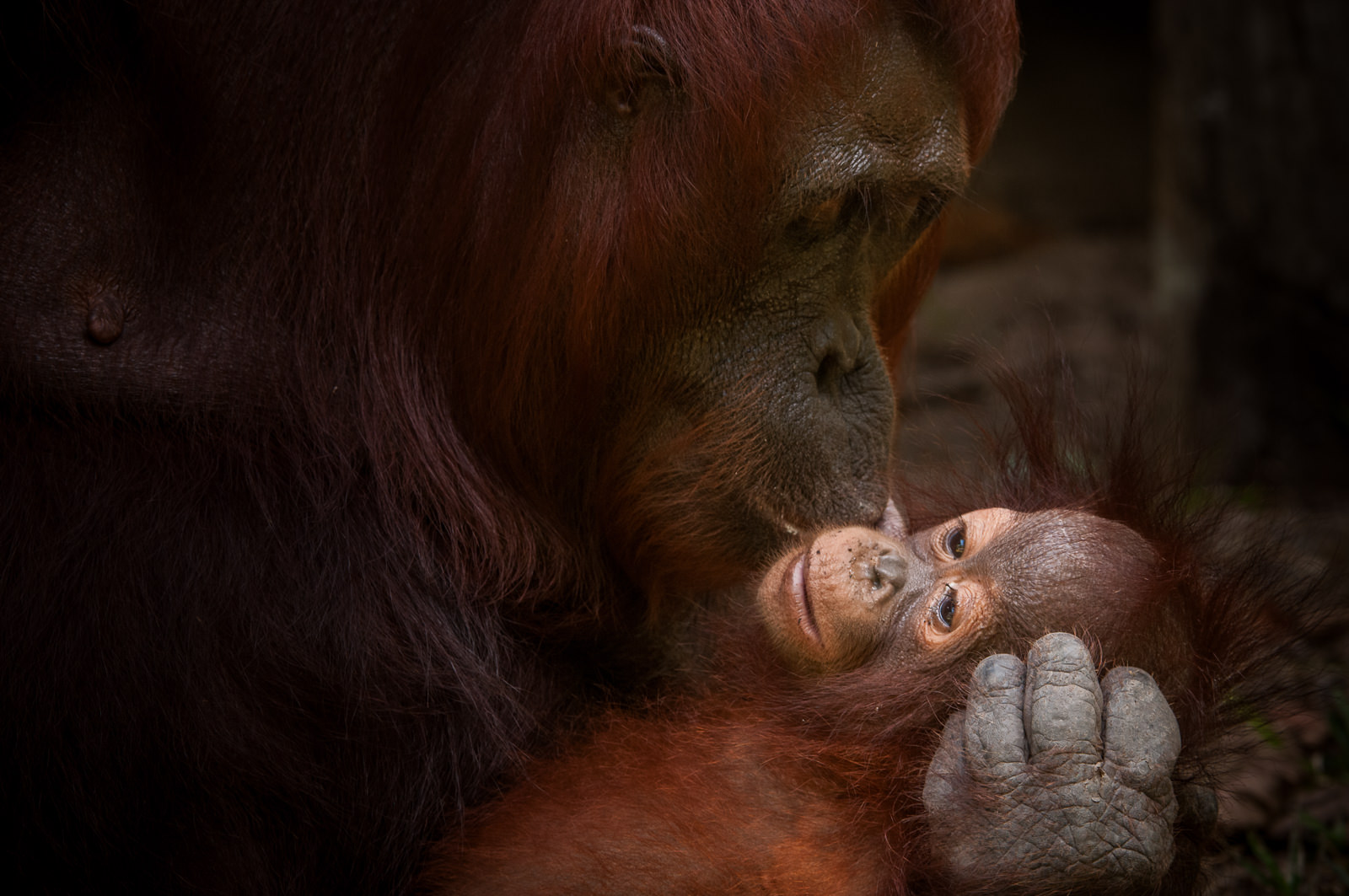
I’m still discovering photos in my collection from my trip to Indonesia back in 2009. This one of a mother orangutan and her newborn infant slid under my radar when first culling images and has been sitting in an unused file ever since. It was taken in a Bornean national park where the orangutans are habituated to human presence and relatively unconcerned with a close approach. Nikon D300 with Nikkor 200-400mm lens (at 400mm) ISO 800, f/7.1 at 1/80th of a second.
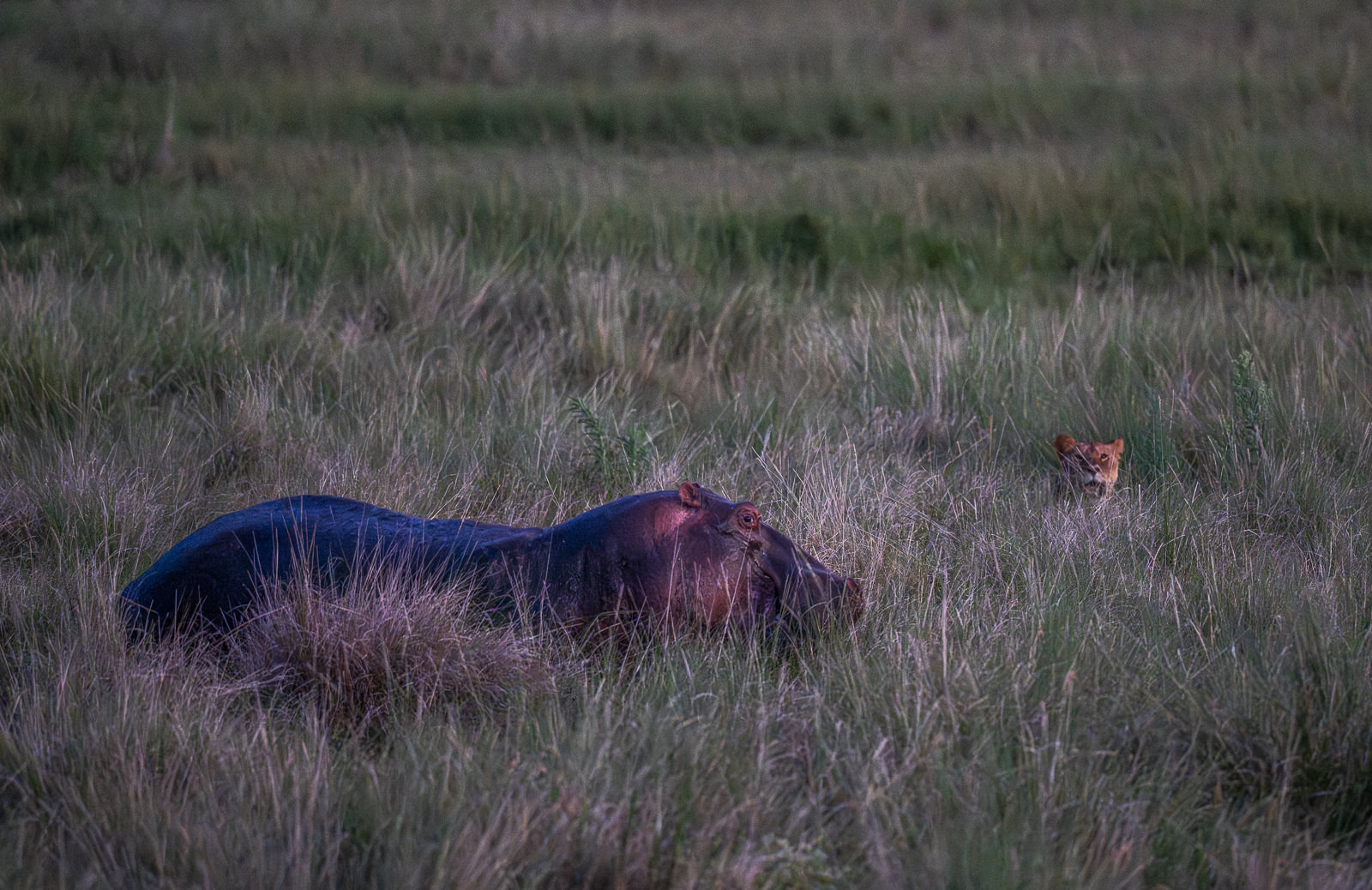
It was early evening and getting very dark when I took this photo of a lion stalking a hippo. The camera was struggling to focus, but I was able to get a few sharp images at high ISO as a pride of young male lions gave it their best attempt. The hippo charged back a few times and ultimately the lions realized they weren’t up for the task and they moved on. Nikon Z8 with Nikkor 500mm PF lens, ISO 12800, f/5.6 at 1/500th of a second.
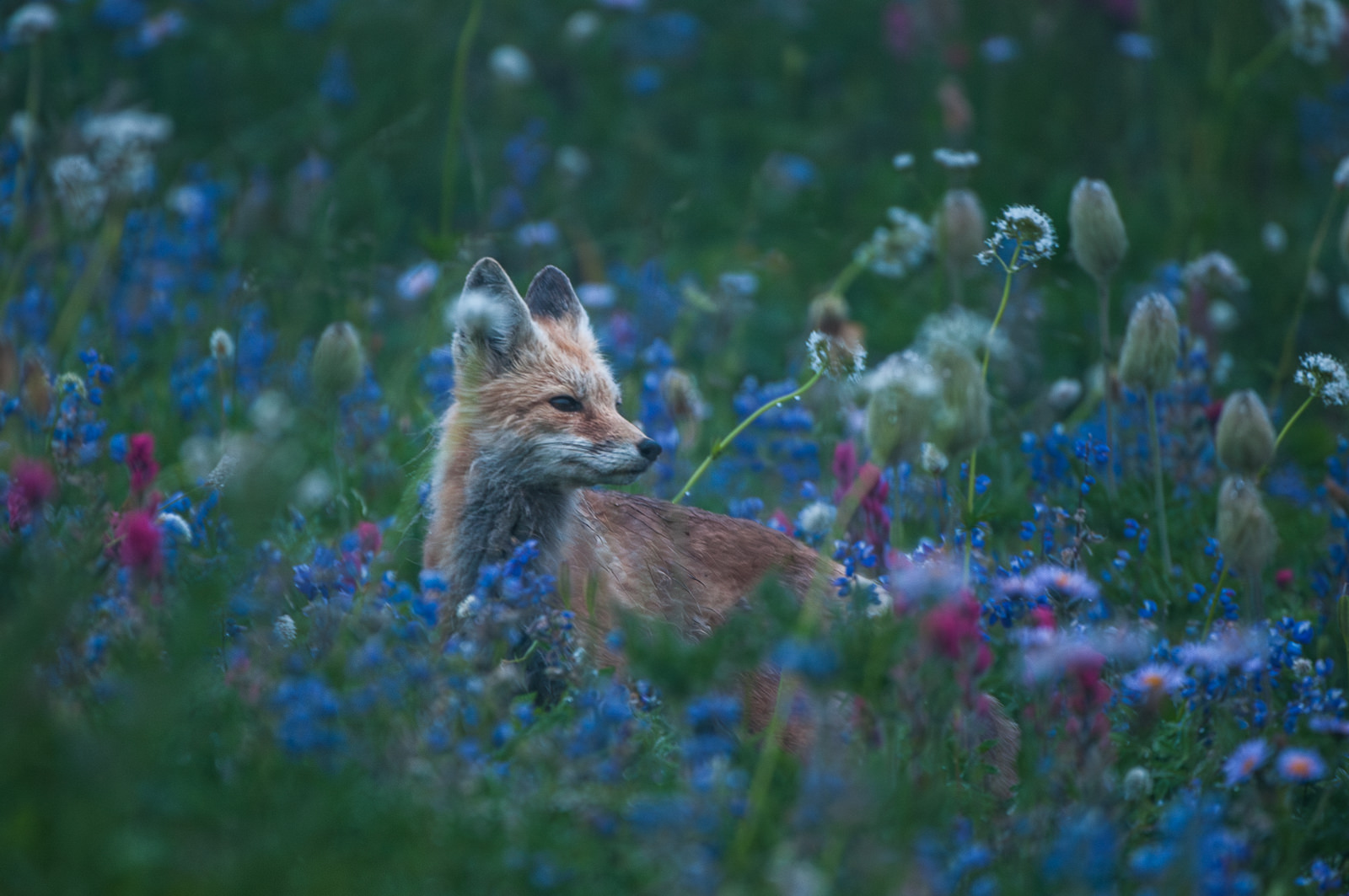
Here’s an old one from a trip to Mount Rainier National Park back in 2009. The wildflowers were in full bloom at higher elevations in late summer. The perfect setting for a red fox at dusk. Nikon D300 with Nikkor 200-400mm lens (at 400mm) ISO 800, f/4 at 1/15th of a second.
We use cookies to enhance your experience while using our website. If you are using our Services via a browser you can restrict, block or remove cookies through your web browser settings. We also use content and scripts from third parties that may use tracking technologies. You can selectively provide your consent below to allow such third party embeds. For complete information about the cookies we use, data we collect and how we process them, please check our Privacy Policy