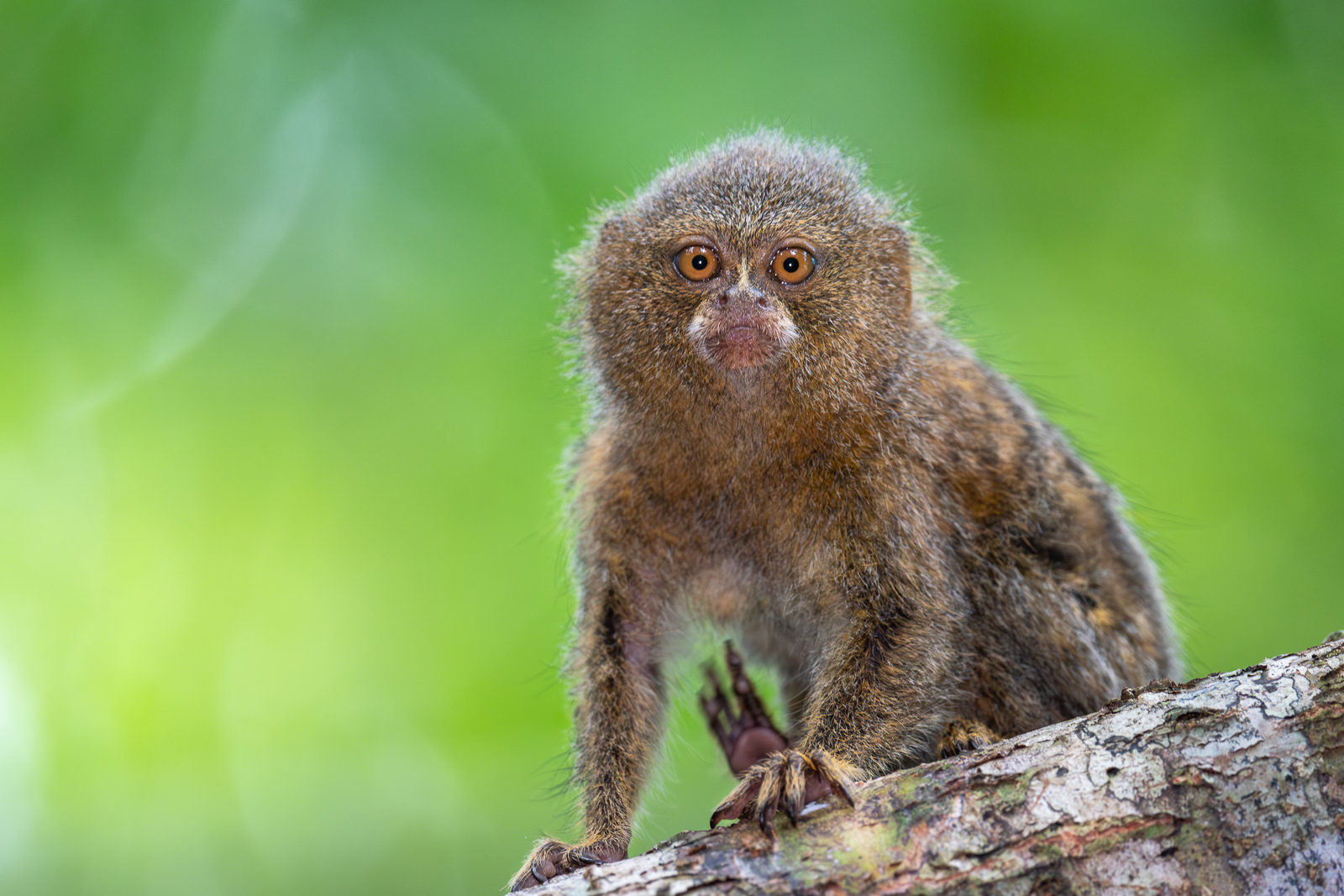
The pygmy marmoset is the world’s smallest monkey, weighing just a few ounces and small enough to fit in the palm of your hand. Native to the Amazon rainforest, it uses specialized lower teeth to gnaw holes in tree bark, feeding on sap and gum — an unusual diet among primates. Despite its tiny size, it can leap impressively-long distances between branches. Nikon D500 with Nikkor 500mm PF lens, ISO 800, f/5.6 at 1/400th of a second.
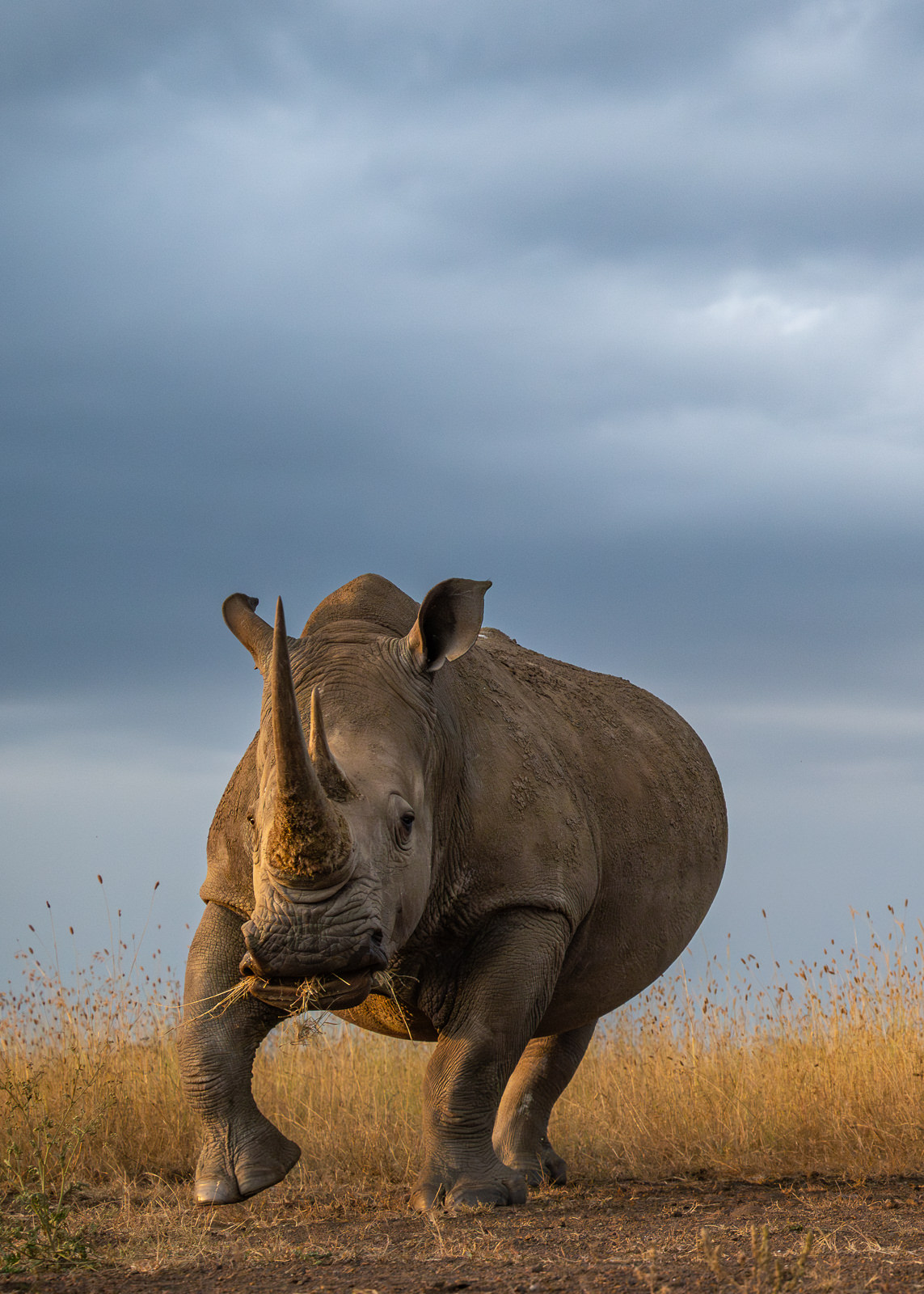
The southern white rhino is the largest rhino species on Earth, with males weighing more than 5,000 pounds. Once reduced to fewer than 100 individuals, it is considered one of conservation’s greatest success stories, rebounding through decades of protection and management. If only we could say the same for the northern white rhinos. Nikon Z8 with Nikkor 24-70mm (at 69mm) ISO 2200, f/5.6 at 1/640th of a second.
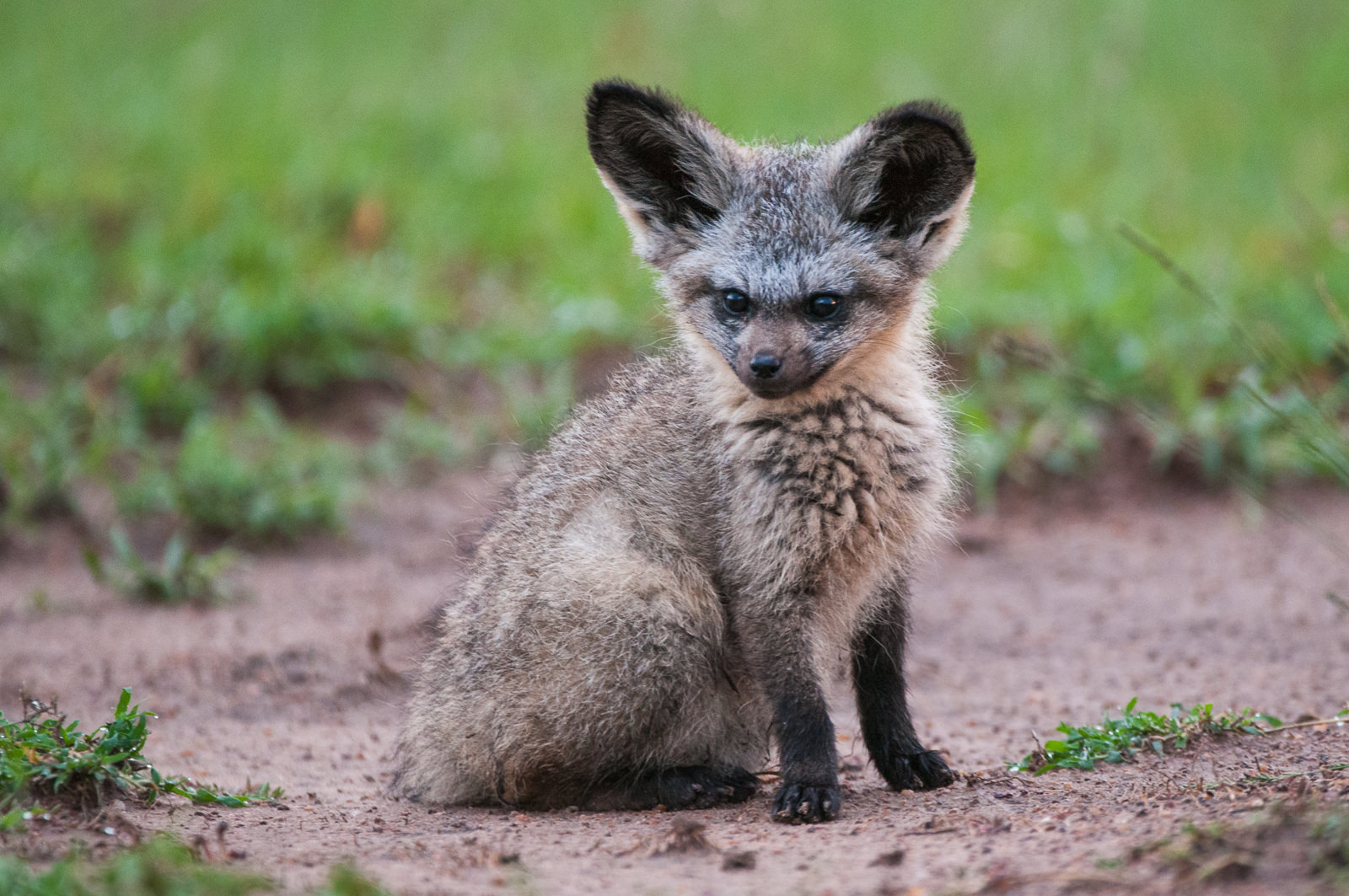
Bat-eared fox pups are born into highly social family groups, where both parents, and sometimes older siblings, help care for the young. Their oversized ears help detect the sounds of insects moving underground and also play a role in regulating body temperature. As they grow, the pups spend much of their time playing and chasing one another, practicing the skills they’ll need as adults. I photographed this one on one of my first trips to Kenya. Nikon D300 with Nikkor 200-400mm lens (at 400mm) ISO 800, f/4 at 1/80th of a second
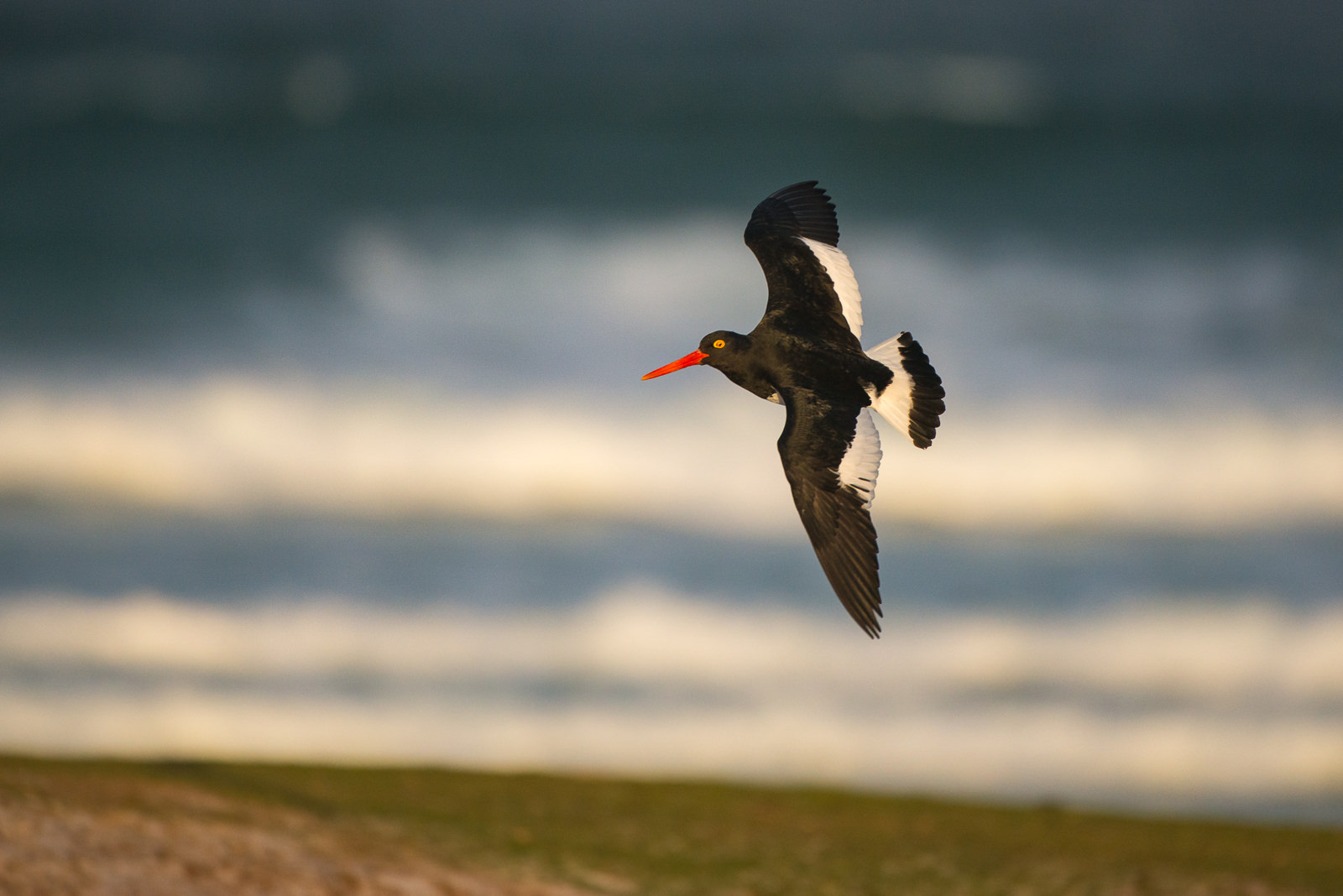
he Magellanic oystercatcher is a shorebird of southern South America, instantly recognizable by its jet-black plumage, bright red bill, and deep red eyes. Despite its name, it feeds on a variety of marine invertebrates, using its strong bill to pry open mussels and probe for prey along rocky coastlines. Pairs often remain together year-round, patrolling beaches and tidal flats with loud, piercing calls that carry over the wind and surf. I caught this on in flight above the beach at Volunteer Point in the Falkland Islands. Nikon D800 with Nikkor 200-400mm lens (at 400mm) ISO 800, f/4 at 1/2500th of a second.
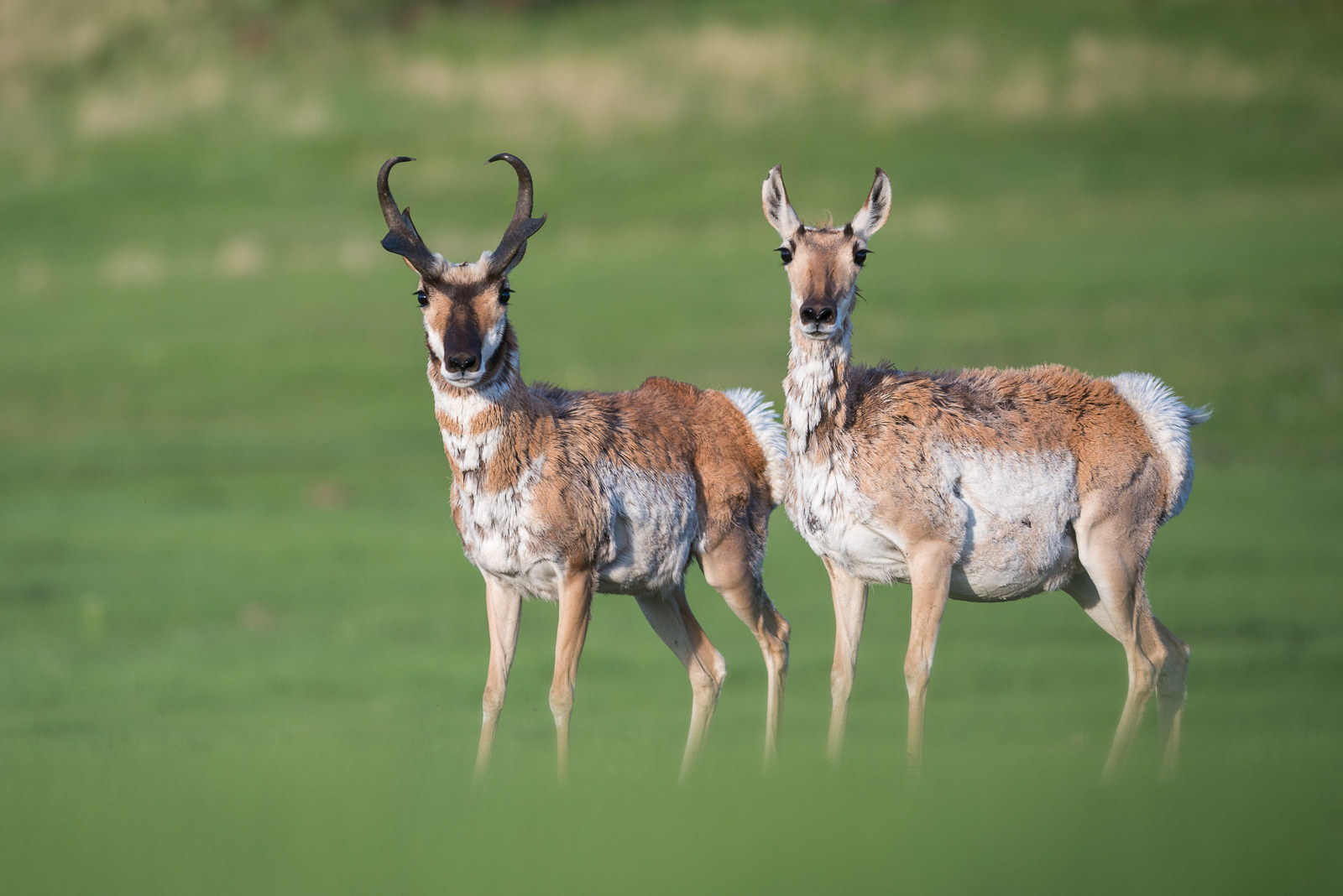
During the breeding season, male pronghorn establish and defend territories, while females carefully select mates and later raise their fawns in the open grasslands. A paired male and female offer a glimpse into the social dynamics of a species whose speed and endurance evolved to outrun predators long vanished from the American West. I took this photograph back in June of 2014 in Wind Cave National Park in South Dakota. Nikon D800 with Nikkor 200-400mm lens (at 300mm) ISO 400, f/4 at 1/1000th of a second.
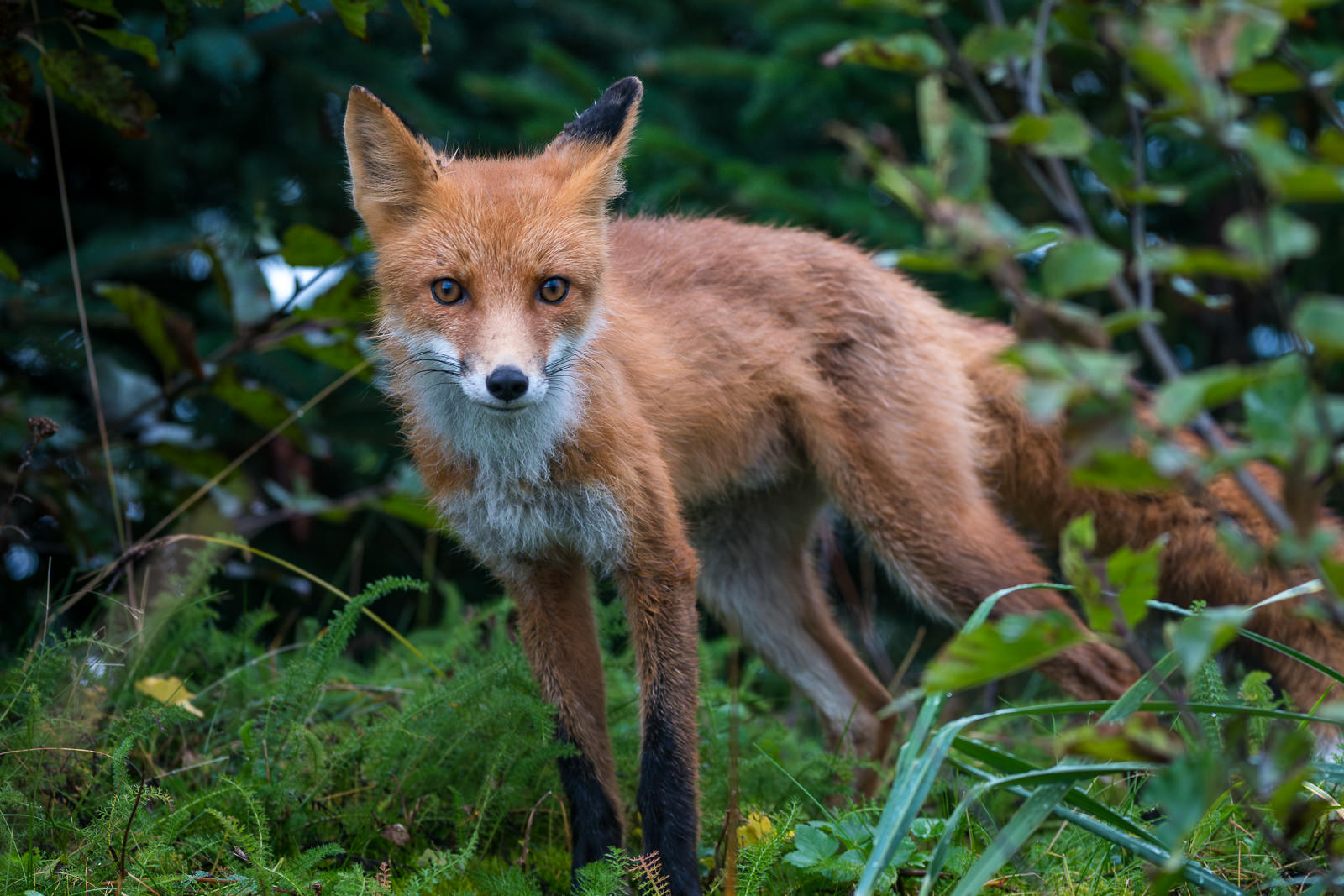
Red foxes are among the most adaptable mammals on Earth, living everywhere from Arctic tundra to forests, farms, and even major cities. I met this one while photographing coastal brown bears in Lake Clark National Park in Alaska. Nikon D500 with Nikkor 200-400mm (at 210mm) ISO 1600, f/4 at 1/250th of a second.
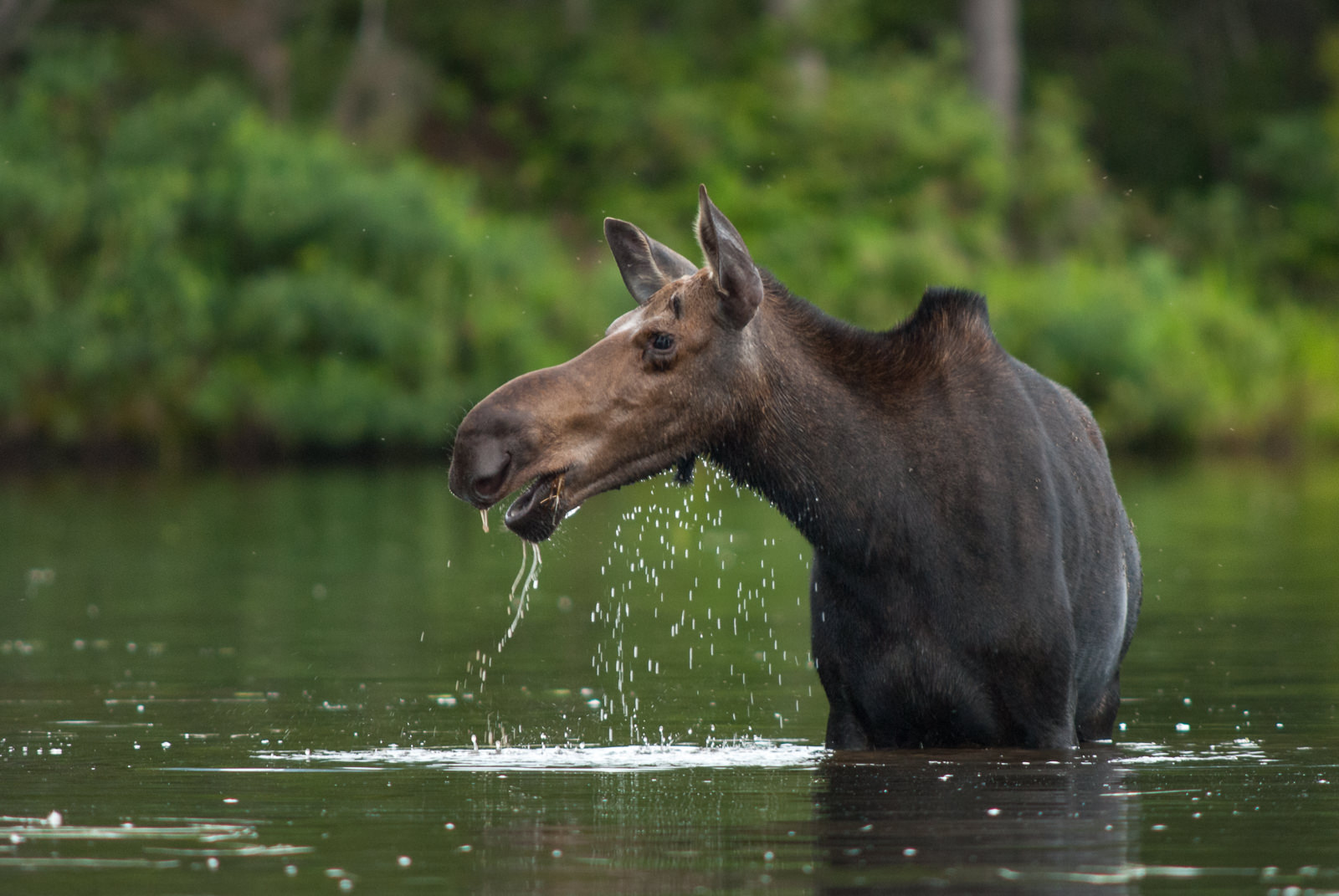
Moose cows in places like Baxter State Park in Maine often wade deep into ponds to feed on nutrient-rich aquatic vegetation growing along the bottom. These underwater plants are packed with sodium and minerals that are difficult to find in the forest. Nikon D200 with Nikkor 600mm f/5.6 manual focus lens, ISO 400, f/5.6 at 1/160th of a second.
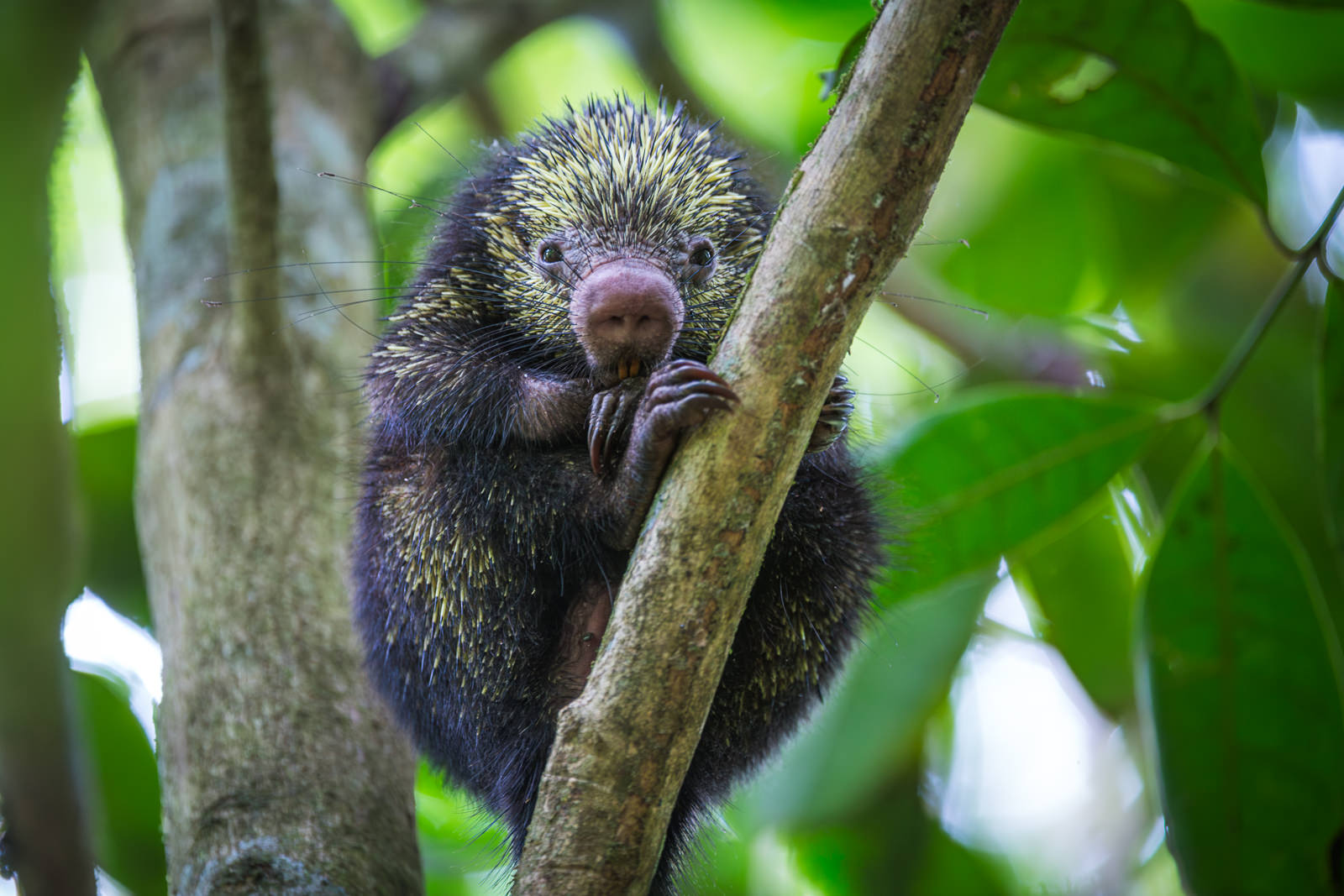
The Mexican hairy dwarf porcupine is a slow-moving, nocturnal rodent that spends most of its life high in the rainforest canopy. In Corcovado National Park, sightings are rare, as these elusive climbers move quietly through the trees under cover of darkness. I obviously caught this one up past his bedtime for a rare daylight photo op. Nikon D800 with Nikkor 200-400mm lens (at 400mm) ISO 1600, f/4 at 1/60th of a second.
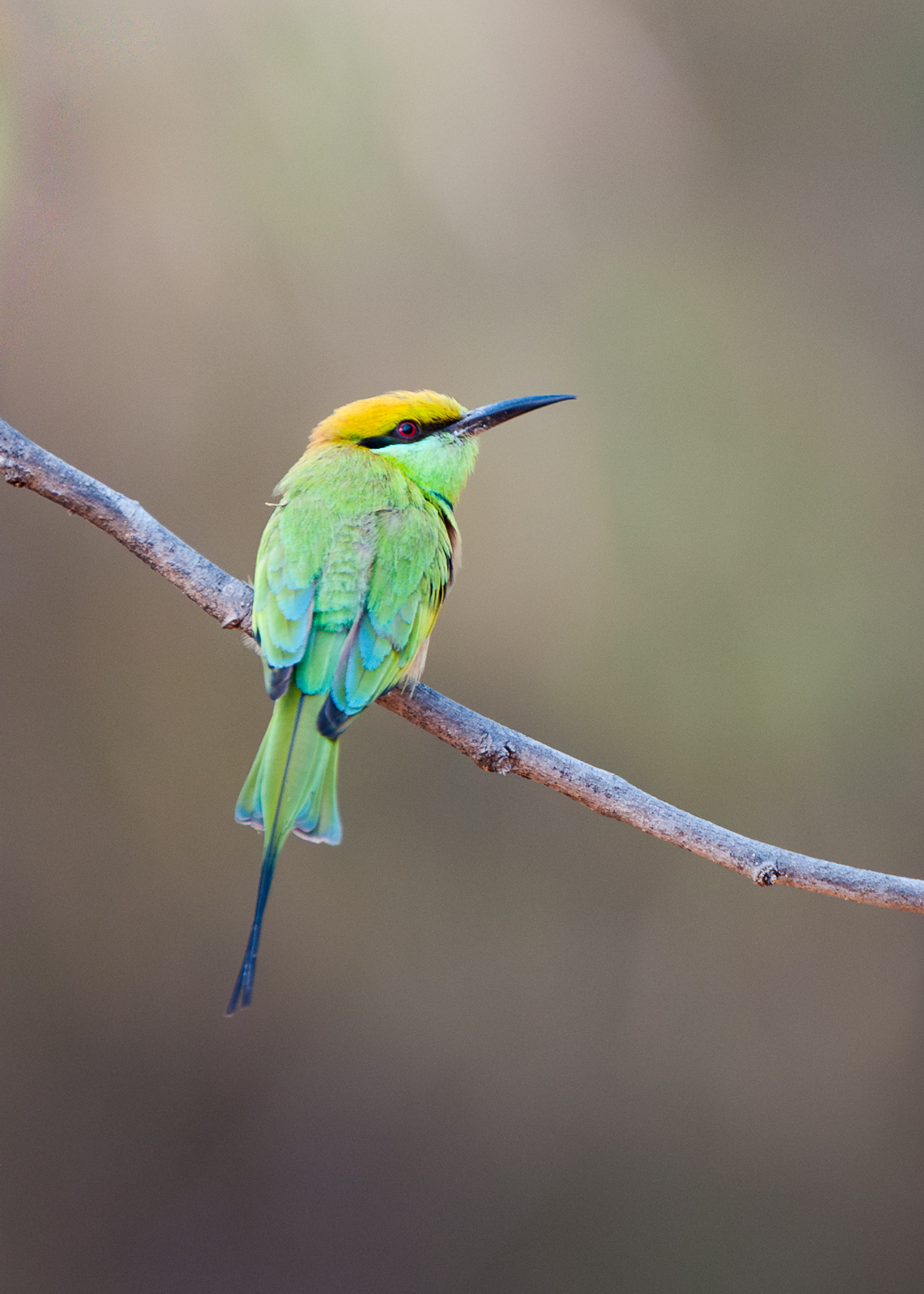
The green bee-eater is an elegant little guy native to India’s grasslands and forests, often seen perched before launching into the air to snatch insects in flight. Despite their name, they feed on far more than bees, also catching dragonflies, butterflies, and other flying insects. I photographed this one in Bandhavgarh National Park back in 2012. Nikon D300 with Nikkor 200-400mm lens (at 400mm) ISO 800, f/4 at 1/400th of a second.
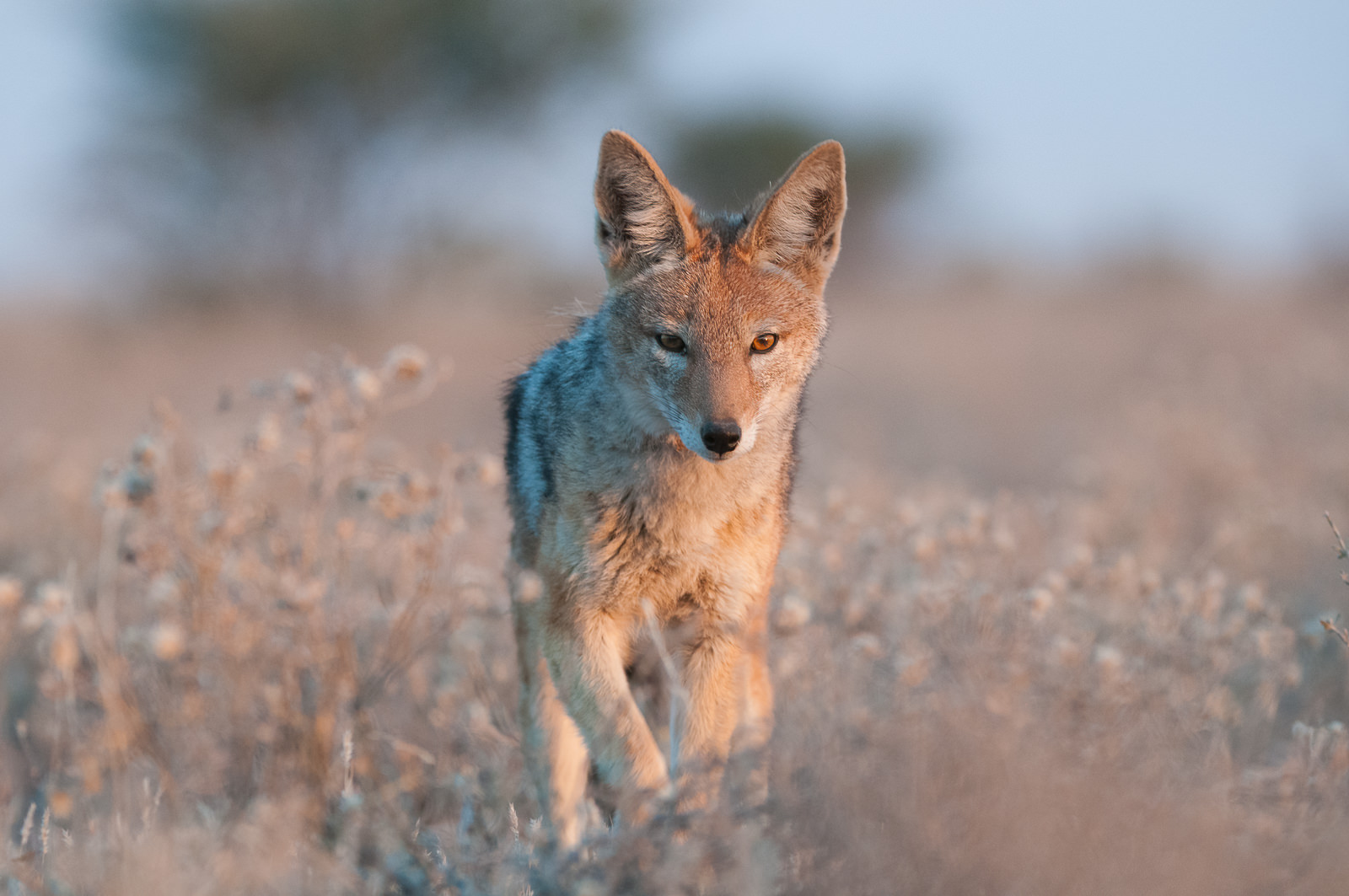
Black-backed jackals are among the most adaptable predators in Botswana’s Central Kalahari desert, thriving in one of Africa’s harshest environments through intelligence, speed, and opportunism. They patrol the grasslands for everything from insects and rodents to carrion left behind by larger predators. Nikon D300 with Nikkor 200-400mm lens (at 220mm) ISO 800, f/4 at 1/200th of a second.
We use cookies to enhance your experience while using our website. If you are using our Services via a browser you can restrict, block or remove cookies through your web browser settings. We also use content and scripts from third parties that may use tracking technologies. You can selectively provide your consent below to allow such third party embeds. For complete information about the cookies we use, data we collect and how we process them, please check our Privacy Policy