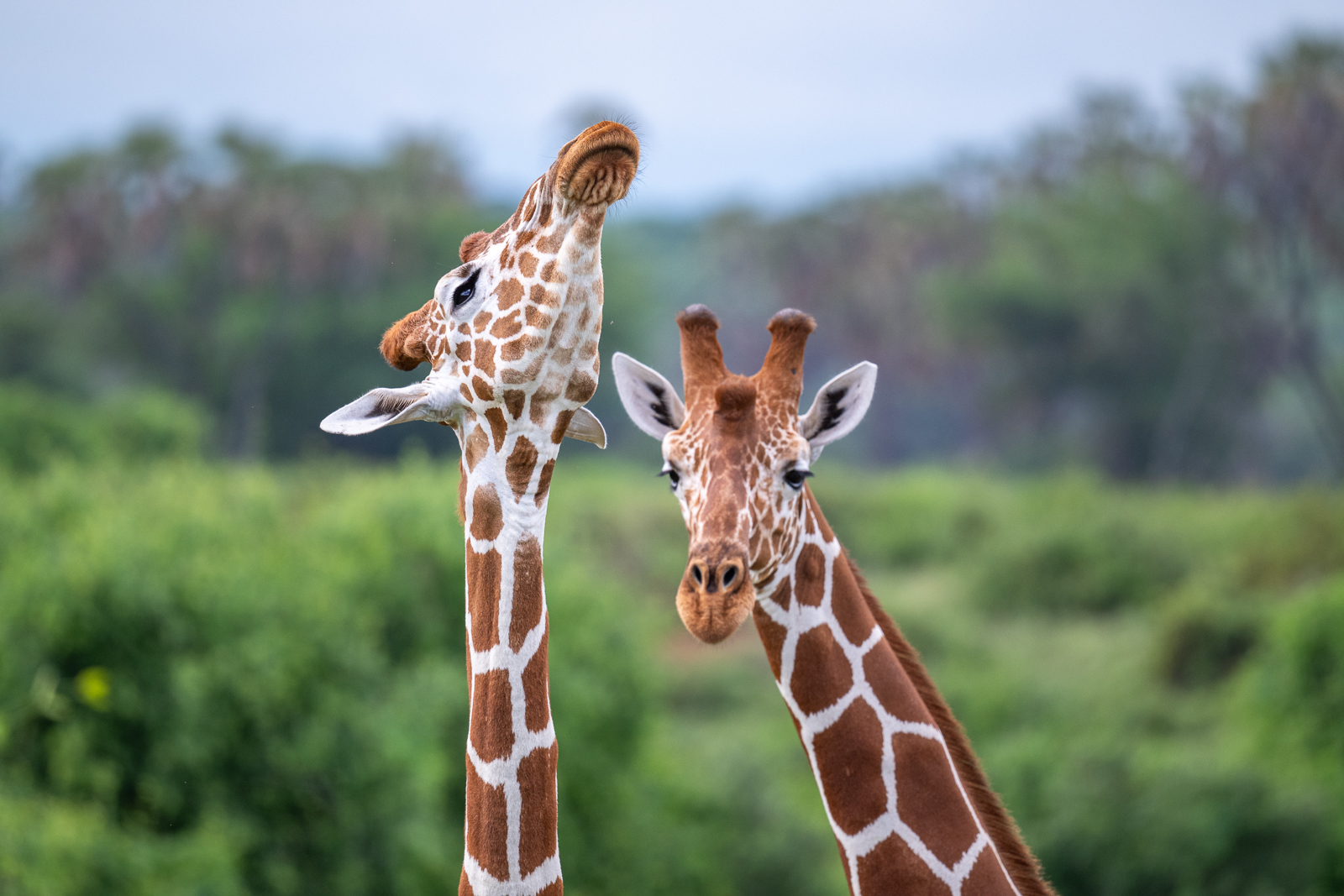
Thanks to all those who have ordered a T-shirt from my new brand, Species Limited. Each design is created from one of my original photographs. My “Camo Collection” is the most popular so far, but in the “Conservation Status Collection,” which was the inspiration to start the brand, the most popular so far has been the Reticulated Giraffes Tee, created from this image taken in 2024 in Kenya’s Samburu National Reserve. To get your tee and support wildlife conservation, go to specieslimited.com. Nikon Z8 with Nikkor 500mm PF lens, ISO 900, f/5.6 at 1/1600th of a second.
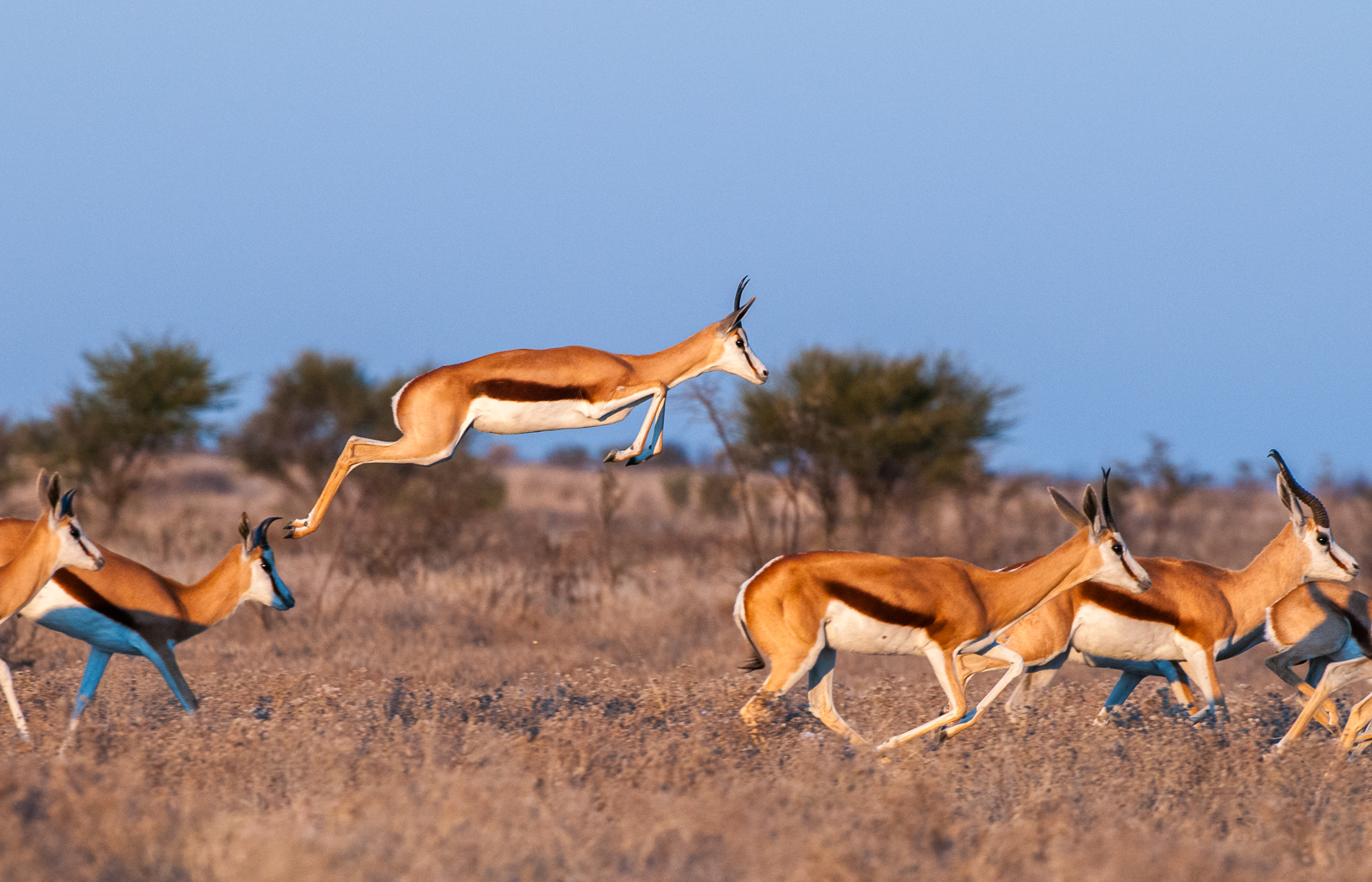
Pronking is the springbok’s signature move, a high, stiff-legged leap into the air. This dramatic display, where the animal can jump up to 13 feet, is thought to signal strength and agility to predators, discouraging pursuit. It may also serve as a form of play or social communication within the herd. With a flash of white from the flap of skin along its back and bursts of athletic energy, a pronking springbok is one of the most iconic sights on the African savanna. I photographed this one in the Kalahari Game Reserve of Botswana on my first trip to southern Africa in 2011. Nikon D300 with Nikkor 200-400mm lens (at 400mm) ISO 800, f/6.3 at 1/800th of a second.
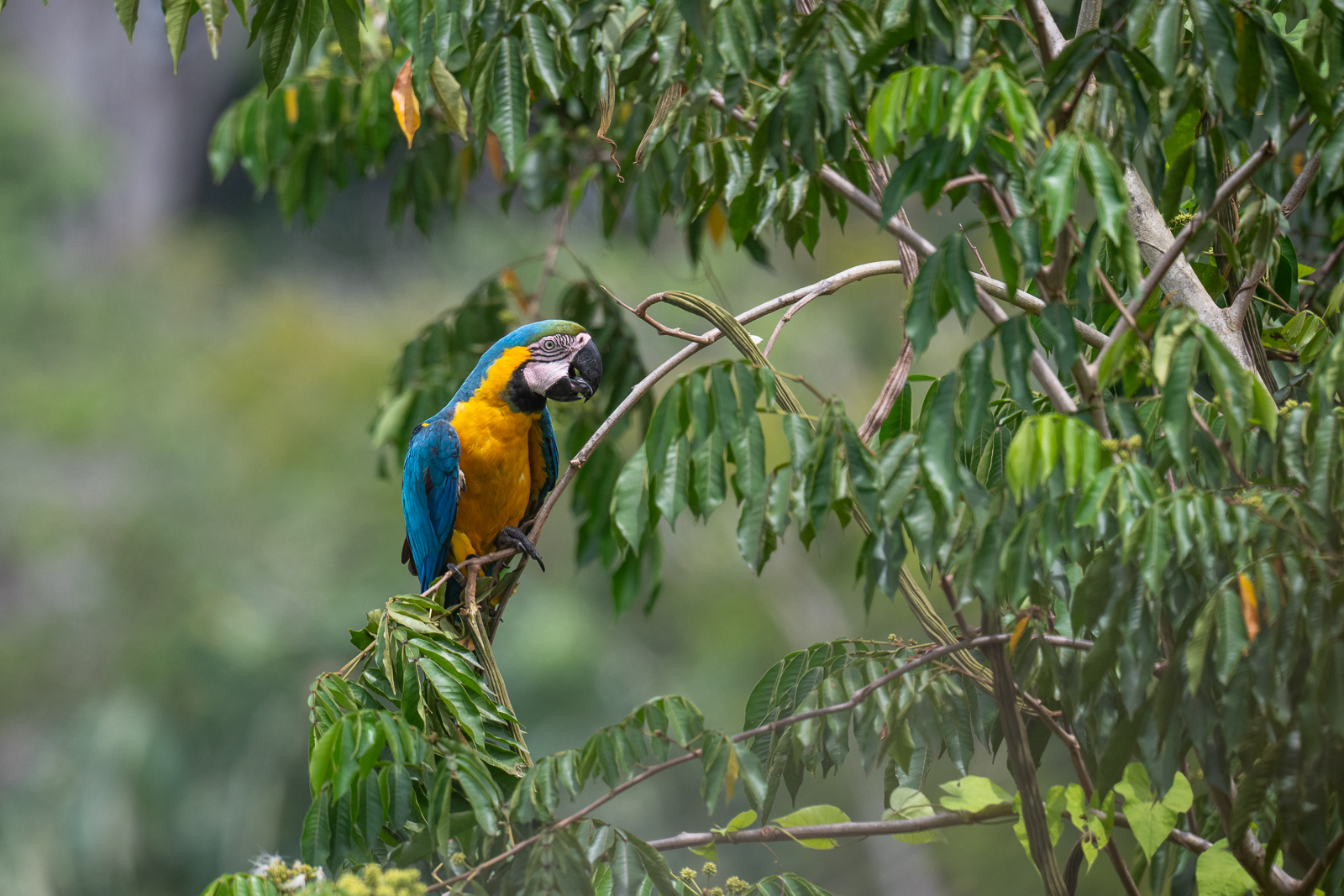
While waiting for my plane at a grass airstrip in Guyana, I spotted a few blue-and-yellow macaws that were flying around the local village. This one ended up in one of the locals’ backyard. Also known as the blue-and-gold macaw, these parrots are as loud visually as they are vocally, often emitting raucous squawks that echo through the canopy (or the neighborhood). They are highly intelligent birds that form strong pair bonds and are often seen flying in mated pairs or social groups. Nikon Z8 with Nikkor 500mm PF lens, ISO 450, f/5.6 at 1/1000th of a second.
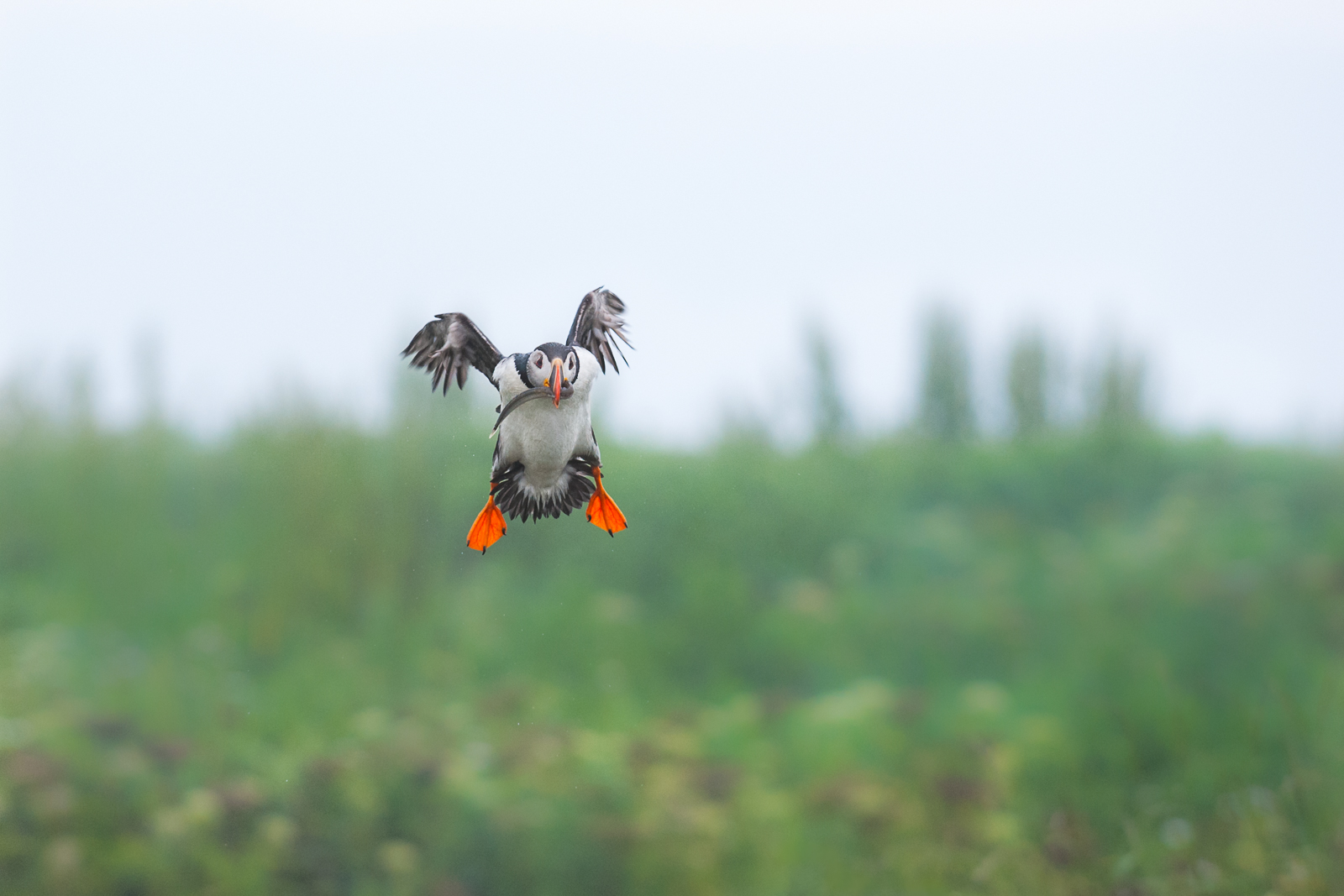
Here’s an old one from way back in 2008 on Machias Seal Island off the coast of Maine. Atlantic puffins nest in burrows dug into the grassy soil or between rocky crevices. They return each spring to the same site, where pairs reunite and raise a single chick. Puffins here primarily feed on small fish like herring, sand lance, and hake, which they catch during short dives close to shore. Nikon D200 with Nikkor 70-200mm lens (at 200mm) ISO 200, f/4 at 1/2000ht of a second.
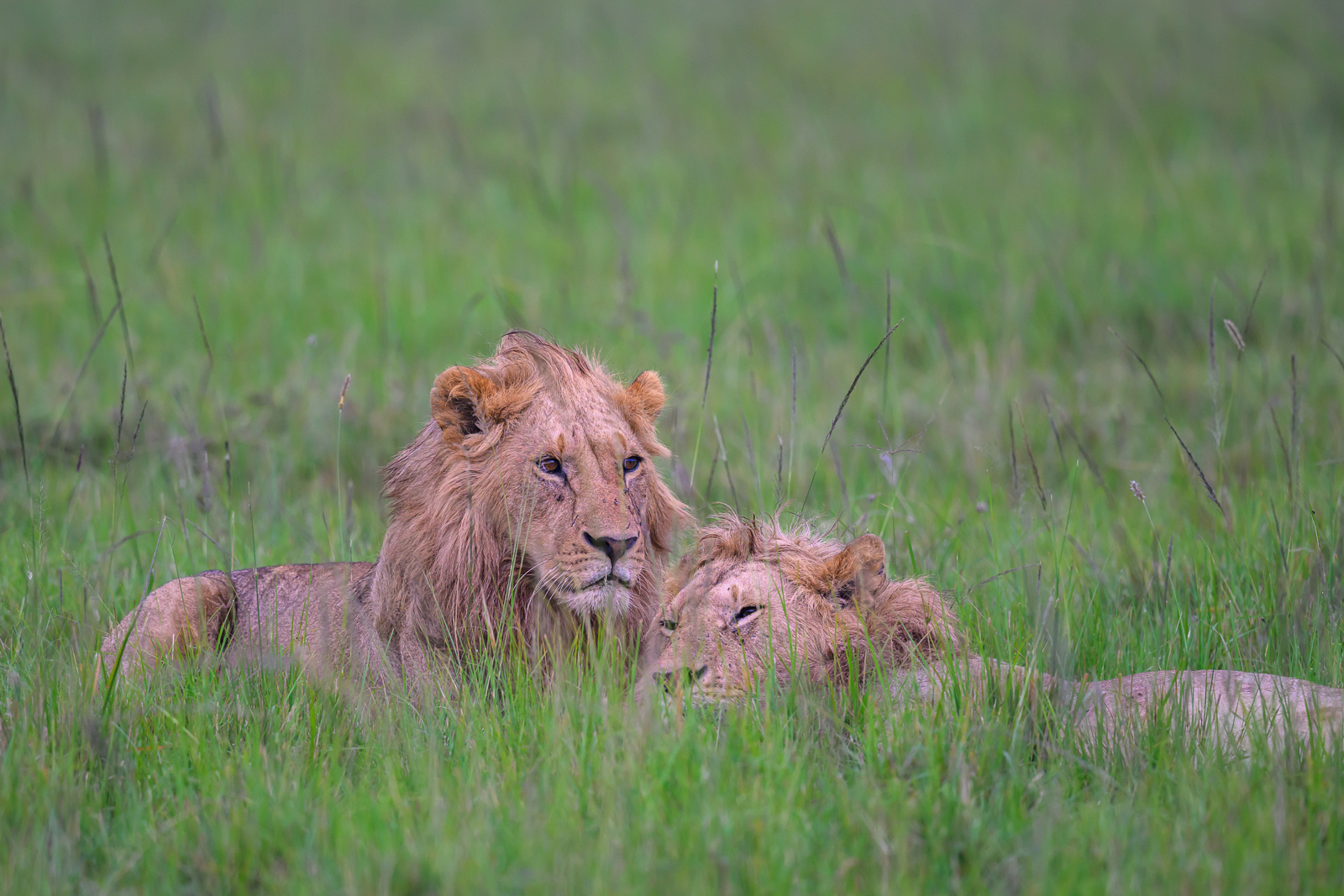
Young male lions, often brothers or close-age cousins from the same pride, form tight-knit groups known as coalitions. These bonds are forged through constant play, grooming, and cooperative behavior from a young age. As they mature, these coalitions stay together and increase their chances of successfully taking over a pride by working as a team. The trust and coordination developed during their youth become crucial for survival and dominance in adulthood. I photographed these two young males in the Masai Mara of Kenya this past June. Nikon Z8 with Nikkor 500mm PF lens, ISO 900, f/5.6 at 1/500th of a second.
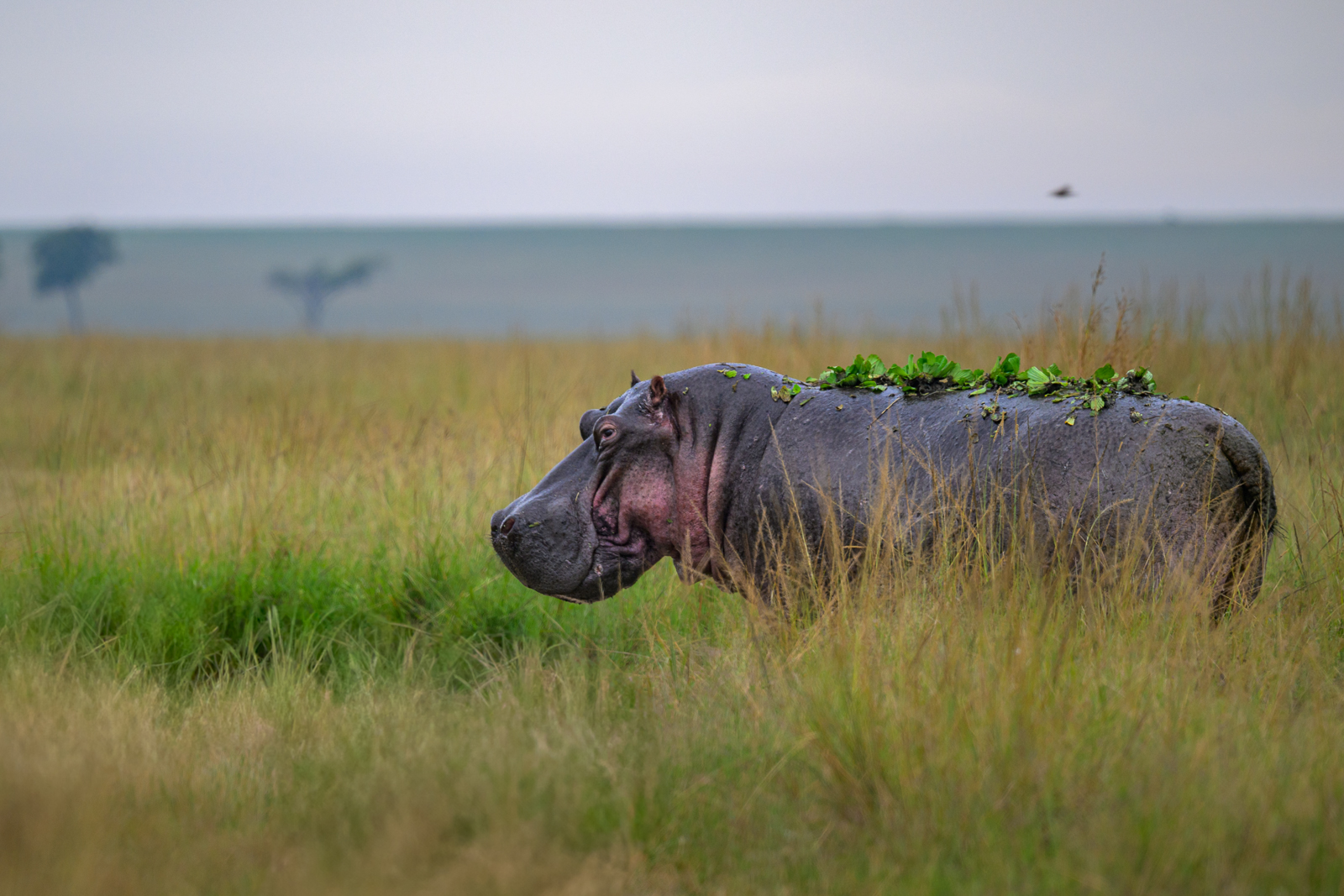
Something told us this hippo had recently been in some water lilies. In fact, hippos are often seen lounging or wading among blue water lilies, especially in calm, shallow waterways across Africa. These floating flowers thrive in the same warm, slow-moving waters that hippos prefer for staying cool during the heat of the day. While hippos don’t actively seek out the lilies for food, the plants offer shade and camouflage. Nikon Z8 with Nikkor 500mm PF lens, ISO 500, f/5.6 at 1/160th of a second.
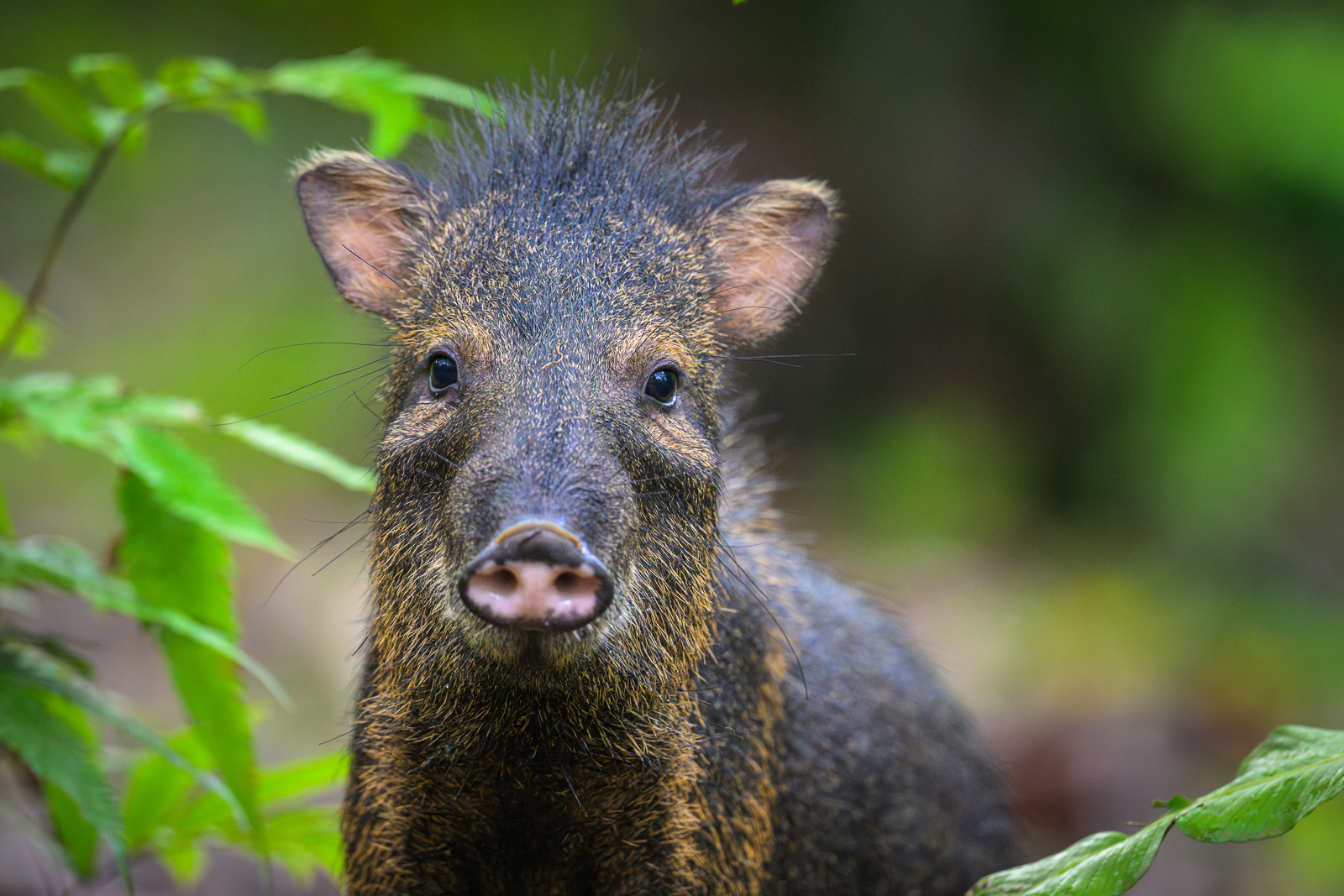
The collared peccary is a pig-like mammal found throughout the southwestern U.S., Central America, and parts of South America. It gets its name from the pale collar of fur that wraps around its shoulders. They live in social groups called “squadrons” and communicate with grunts, squeals, and scent glands that leave a strong musky odor. Tough and adaptable, collared peccaries thrive in deserts, forests, and even urban edges. This one was photographed earlier this year in Costa Rica. Nikon Z8 with Nikkor 500mm PF lens, ISO 9000, f/5.6 at 1/400th of a second.
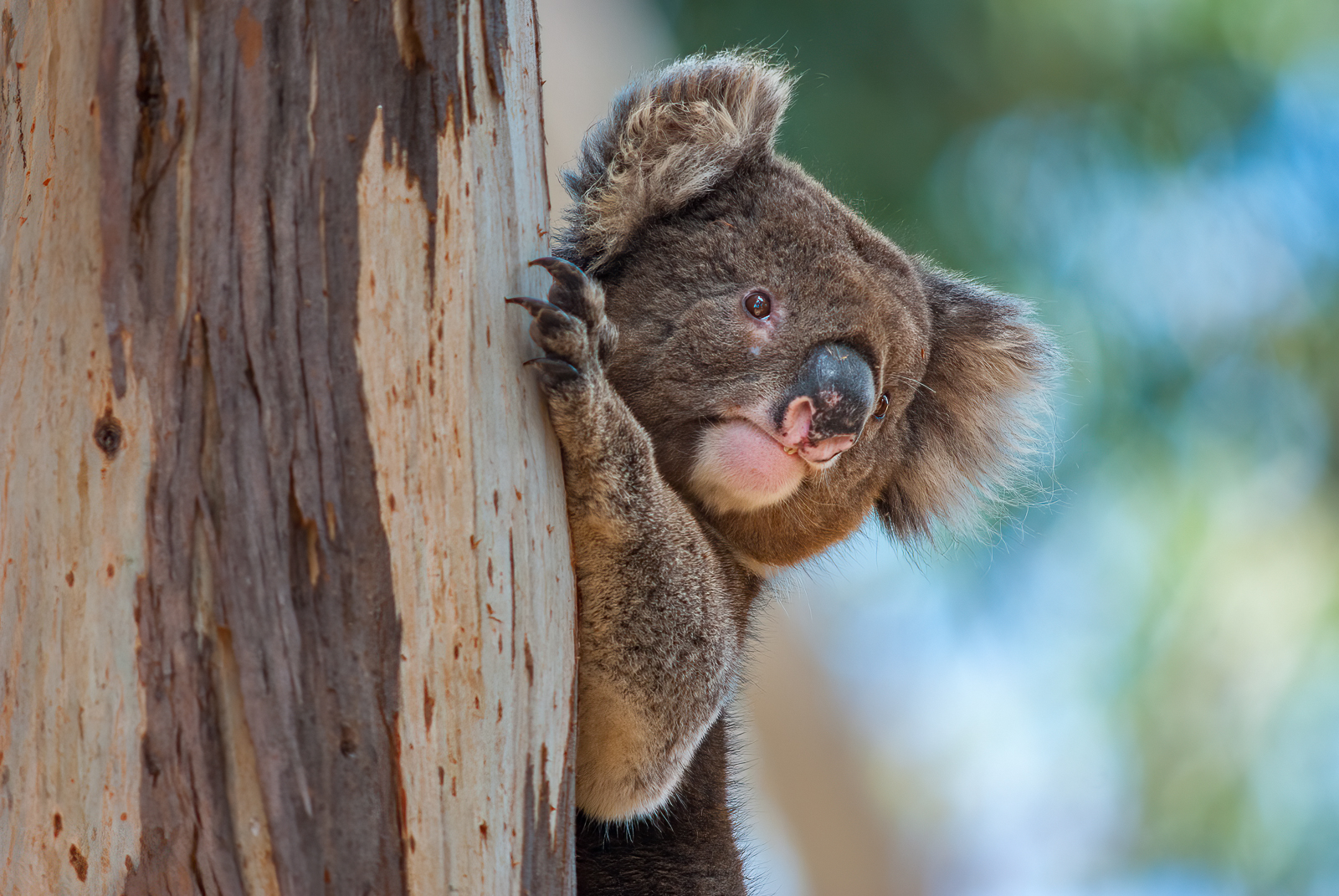
My journal entry last week over on my specieslimited.com tee-shirt website was about habitat fragmentation (check it out if you haven’t seen it and grab yourself a tee shirt or two while you’re at it). To me, the koala is the unfortunate face of fragmentation due to deforestation. They only eat one thing — eucalyptus leaves. And as eucalyptus forests are disappearing, koalas find themselves stranded on small islands of trees, unable to roam beyond the immediate habitat. I photographed this koala many years ago on Kangaroo Island in South Australia. I hope to get back soon before more of their habitat disappears. Nikon D200 with Nikkor 600mm f/5.6 manual focus lens, ISO 200, f/5.6 at 1/180th of a second.sd
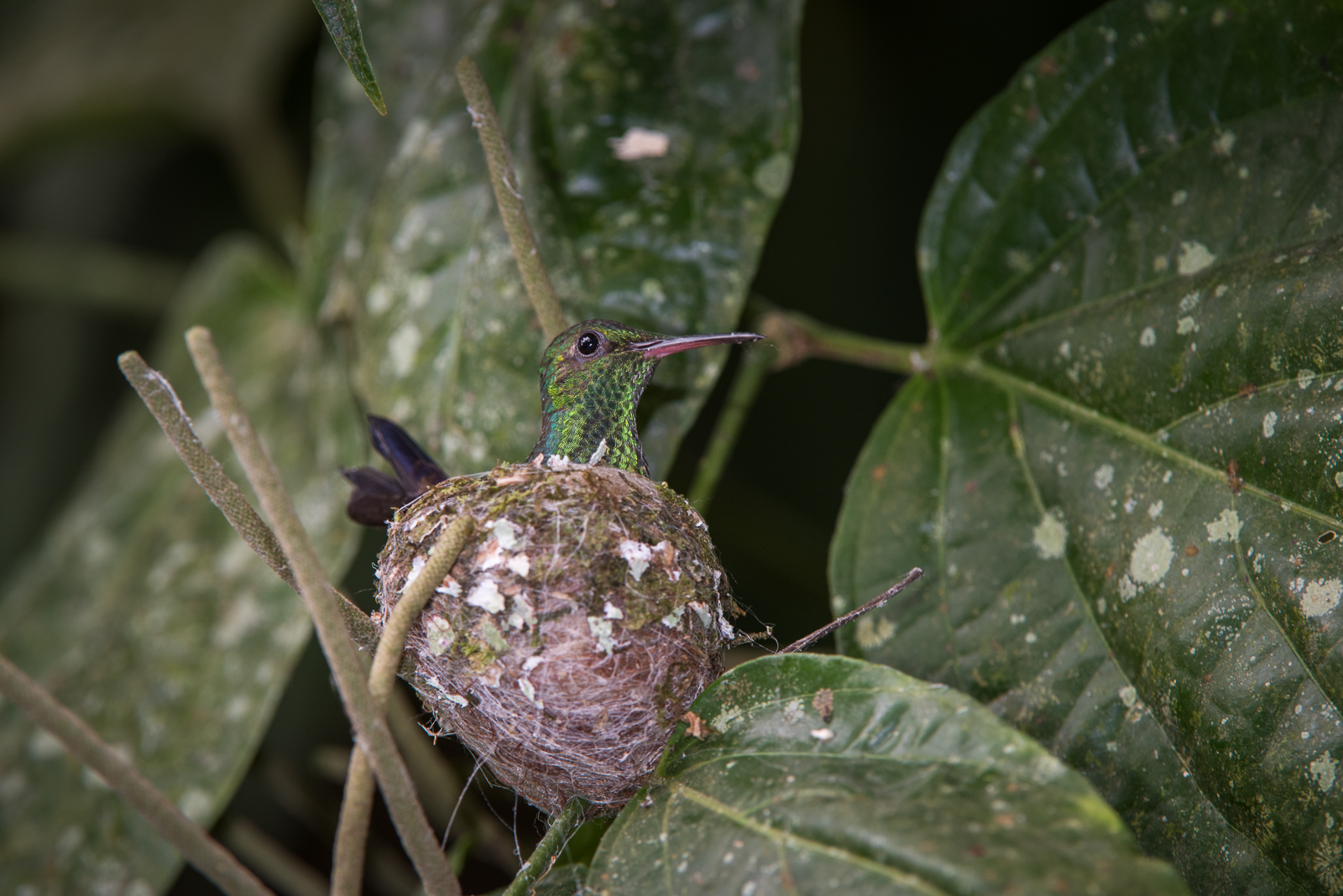
I spotted this copper rumped hummingbird in its nest while visiting the highlands of Trinidad. Hummingbird nests are very small. About the size of a golf ball, but intricately woven from soft plant fibers, spider silk, and bits of lichen for camouflage. The spider silk gives the nest flexibility, allowing it to stretch as the chicks grow. Typically built on thin branches or sheltered spots, the nests are marvels of engineering, designed to hold two jellybean-sized eggs. They can be very tough to spot, blending seamlessly into their surroundings. Nikon D810 with Nikkor 200-400mm lens (at 400mm), ISO 400, f/8 at 1/60th of a second.
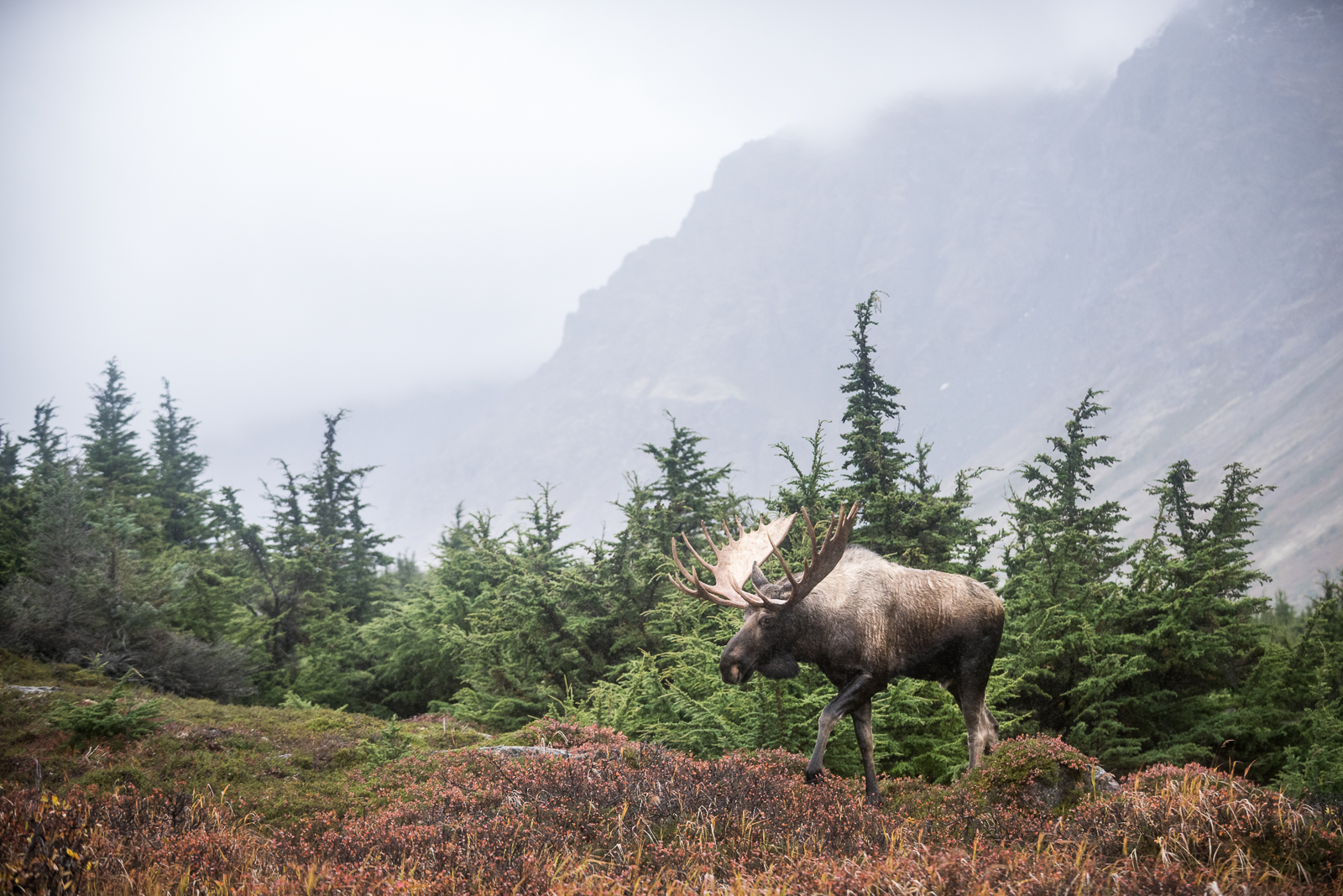
It’s moose rutting season again in Alaska. This is a shot I took back in September of 2017. Would love to get back and have even close to the experience I did when I ran into about five or so males (hard to tell as they kept disappearing and reappearing from the bushes) and a single female doing their yearly dance. Nikon D810 with Nikkor 70-200mm lens (at 86mm) ISO 800, f/4 at 1/1600th of a second.
We use cookies to enhance your experience while using our website. If you are using our Services via a browser you can restrict, block or remove cookies through your web browser settings. We also use content and scripts from third parties that may use tracking technologies. You can selectively provide your consent below to allow such third party embeds. For complete information about the cookies we use, data we collect and how we process them, please check our Privacy Policy